The Meaning Behind Seeing Hummingbirds In Your Oregon Yard This August
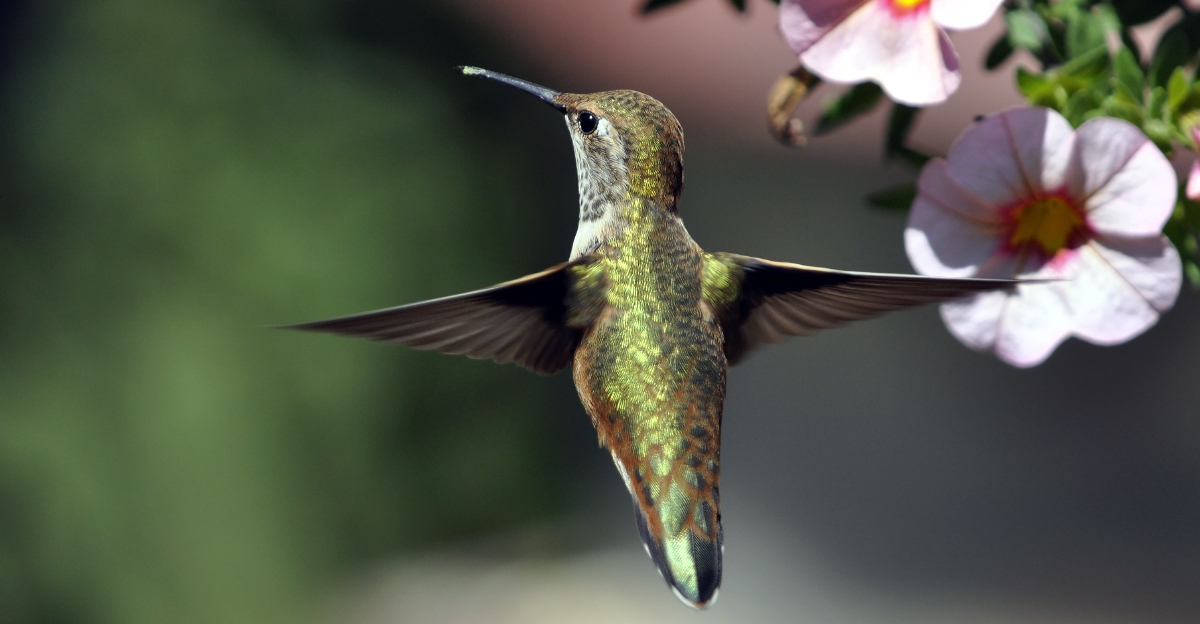
A hummingbird suddenly hovering near your Oregon porch in August can feel like a tiny event with perfect timing.
This part of summer is especially active as birds search for reliable nectar, defend feeding spots, and prepare for the seasonal changes ahead.
A yard that keeps drawing them back is usually offering something they need, even if you did not plan it that way.
Blooming flowers, sheltered perches, and a steady food source can turn one property into a regular stop while another gets ignored.
Their behavior can also shift quickly as migration approaches, which makes August sightings more interesting than they first appear. If hummingbirds seem more noticeable around your home right now, there is likely a reason.
Understanding what they are looking for can reveal a lot about the habitat your yard is providing.
1. Your Yard Is Offering A Late-Summer Food Stop
August is crunch time for hummingbirds. They need to eat a lot before the seasons change, and your yard might be one of the best food stops around.
Hummingbirds can visit hundreds of flowers in a single day just to get enough energy to survive.
Late summer in Oregon still offers plenty of nectar-rich plants. Hummingbirds are smart about finding reliable food sources, and once they discover your yard, they will return again and again.
A well-stocked feeder or a garden full of blooms acts like a welcome sign for these tiny travelers.
You can make your yard even more appealing by keeping feeders clean and filled with fresh sugar water. The standard mix is one part white sugar to four parts water.
Avoid red dye because it is not necessary and may not be safe for the birds. If your yard has both natural flowers and a feeder, you are offering a double reward.
Hummingbirds will remember your yard as a reliable spot. That memory is powerful.
They have excellent spatial recall and will fly back to the same locations season after season.
Seeing one hover near your feeder in August means your yard has earned a spot on their mental map of trusted food stops in the neighborhood.
2. Bright Flowers Are Winning Their Attention
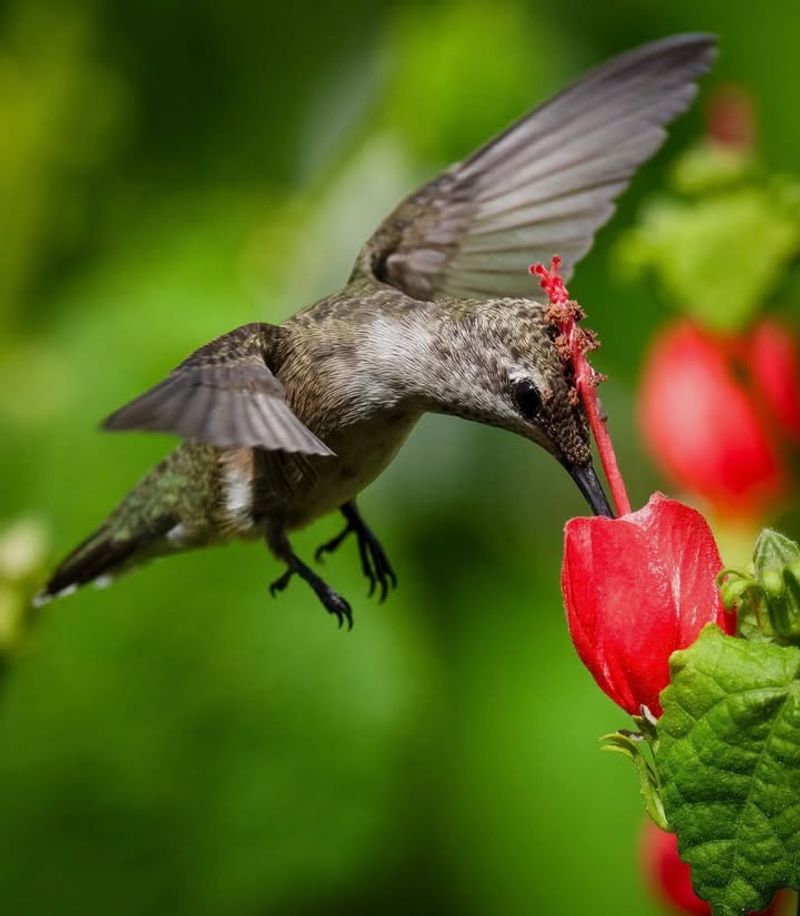
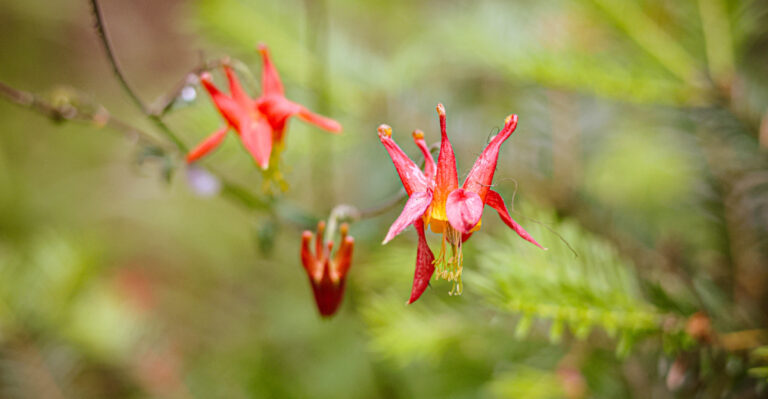
Color is one of the first things that grabs a hummingbird’s eye. These birds are strongly attracted to red, orange, and pink tubular flowers.
If your yard is full of bold blooms right now, that is likely a big reason why they keep visiting.
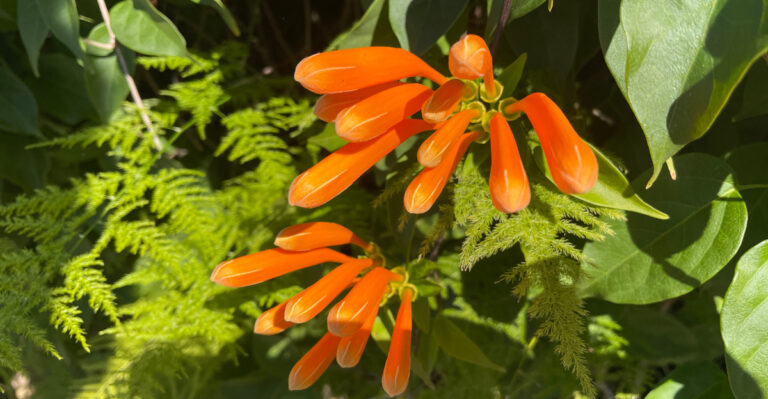
Plants like bee balm, cardinal flower, and crocosmia are favorites this time of year. Their tube-shaped blossoms are perfectly designed for a hummingbird’s long beak and tongue.
Even a small cluster of these flowers can pull a bird right out of the sky and into your garden.
What makes this even more interesting is that hummingbirds do not rely on smell to find flowers. They depend almost entirely on sight.
Bright colors signal a potential food source, and their eyes are sharp enough to spot a single red bloom from a surprising distance. If you want to keep attracting them, consider planting late-blooming flowers that will carry color into September.
Your Oregon Garden Changes Every Week. Your Plan Should Too.
Gardening in Oregon changes quickly throughout the season. Every Friday you’ll receive a simple weekly plan showing exactly what to plant, prune, fertilize, harvest, and protect so you never miss the right timing.
Mixing different flower heights and types also helps. Taller plants give hummingbirds a perch nearby, while shorter blooms offer easy access.
A yard that looks visually rich and colorful to you is basically a neon sign to a hummingbird passing through. Your garden design choices are doing more work than you might realize.
3. August Migration May Be Bringing New Visitors
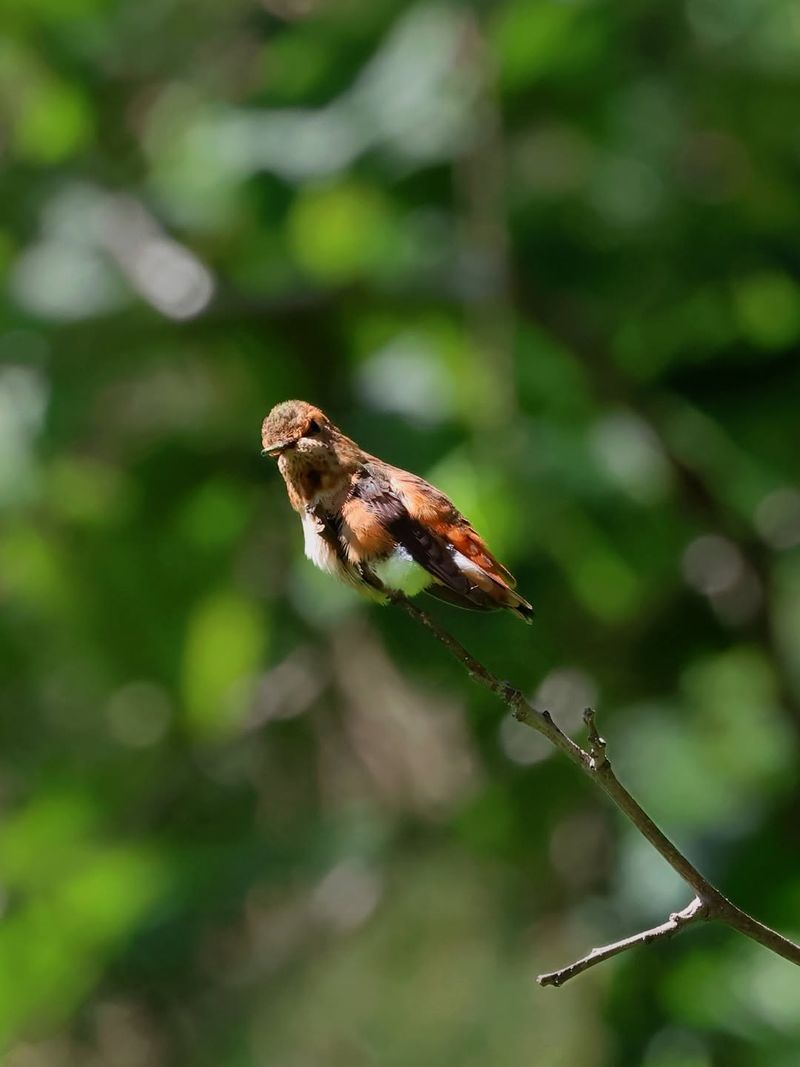
Not every hummingbird you see in August is a local resident. Some of the birds passing through your yard right now may have started their journey hundreds of miles away.
Migration begins earlier than most people expect, and August is when it really picks up.
Rufous hummingbirds, for example, begin heading south through Oregon in late summer. They travel from breeding grounds in the Pacific Northwest and Canada all the way to Mexico.
Your yard could be a critical fuel stop along that long route.
Migrating hummingbirds need to build up fat reserves before crossing difficult terrain. A reliable food source in your yard gives them the energy boost they need to keep going.
You might notice birds that look slightly different from the ones you usually see. That is a sign that new visitors are passing through.
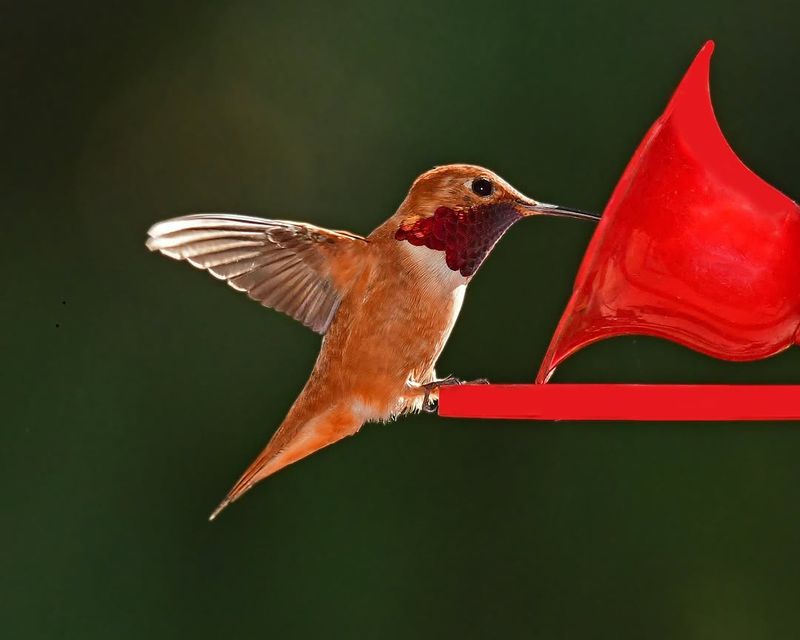
Rufous males have a striking rust-colored back and a bright orange-red throat that catches the light beautifully. Females are greenish with rusty sides.
If you see these colors, you are likely hosting a migrant rather than a resident bird. Keeping your feeder up through September gives these travelers the best chance of a successful journey.
Your small effort can have a surprisingly big impact on their survival during one of the most demanding trips in the animal world.
4. Tiny Territorial Battles Are Heating Up
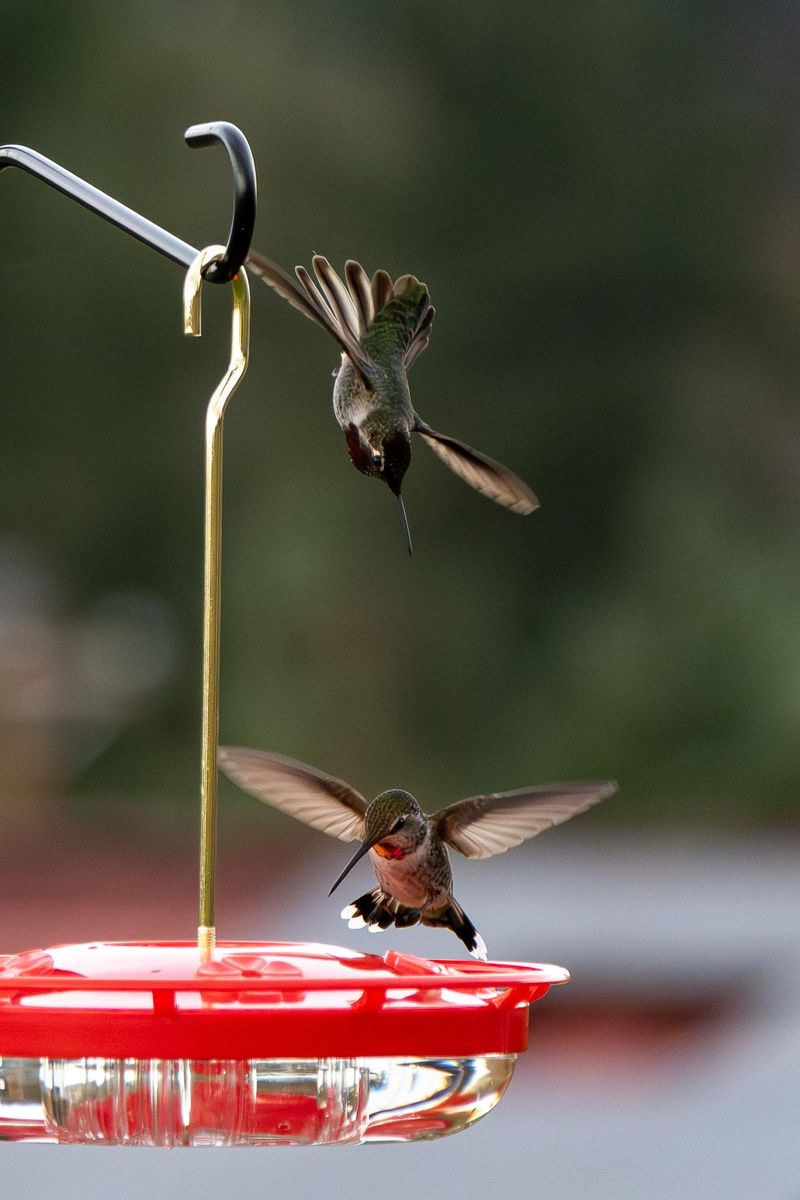
Hummingbirds look sweet, but they are surprisingly fierce when it comes to protecting their food. August is a peak time for territorial behavior, especially around feeders and flower patches.
You might notice birds chasing each other through the air at high speed.
Male hummingbirds are especially protective. They will claim a feeder or a patch of flowers and spend a lot of energy keeping other birds away.
This is not just aggression for the sake of it. It is a survival strategy.
Guarding a good food source means they have a better chance of making it through migration.
Watching these aerial chases is genuinely exciting. The birds move so fast that it can be hard to follow with your eyes.
They will dive, loop, and hover in place to intimidate rivals. Sometimes the defender wins, and sometimes the intruder sneaks in anyway.
You can reduce tension in your yard by putting up multiple feeders spaced far apart. When one bird cannot see the other feeder, it becomes harder to defend both at once.
This simple trick allows more birds to feed without constant conflict. Adding feeders on different sides of your house works especially well.
More feeding stations mean more hummingbirds, and more hummingbirds mean more of those thrilling aerial shows right outside your window all through August.
5. Fresh Water Can Keep Them Coming Back
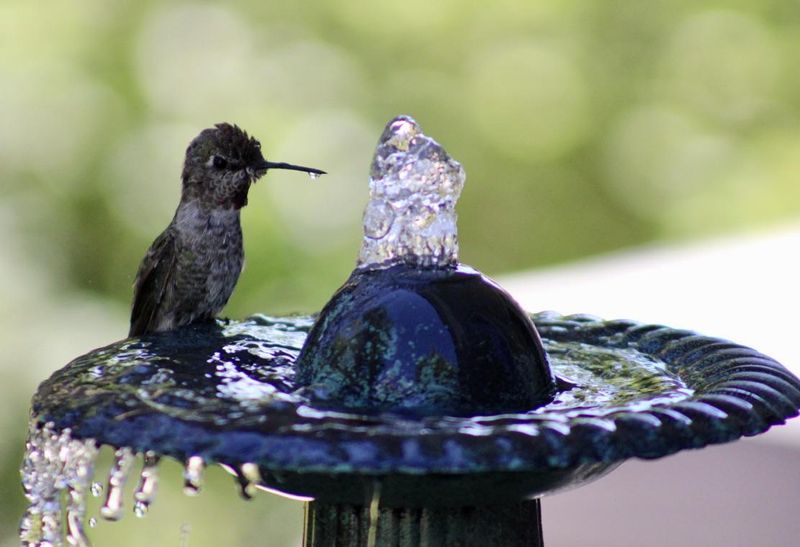
Most people think feeders are the only way to attract hummingbirds, but water plays a bigger role than you might expect. These birds love to bathe and cool off, especially during the warm days of August.
A clean, shallow water source can make your yard stand out.
Hummingbirds prefer moving water over still water. A gentle mister or a small fountain with light spray is far more appealing to them than a standard birdbath.
The sound and movement of water seems to catch their attention from a distance. Even a simple garden hose set to a fine mist can attract a curious hummingbird.
Keeping the water source clean is just as important as having one. Stagnant water can grow algae and bacteria quickly in summer heat.
Rinse and refill your water feature every couple of days to keep things fresh. Place it near flowers or a feeder so hummingbirds can easily move between food and water in one visit.
Watching a hummingbird bathe is a real treat. They flutter through the mist with their wings spread wide, shaking water droplets off their feathers in quick little bursts.
It looks almost playful. If you have never tried adding a water mister to your yard setup, August is the perfect time to start.
You may be surprised at how quickly the birds find it and how often they return just for that refreshing stop.
6. Hummingbirds May Be Following Blooming Salvia
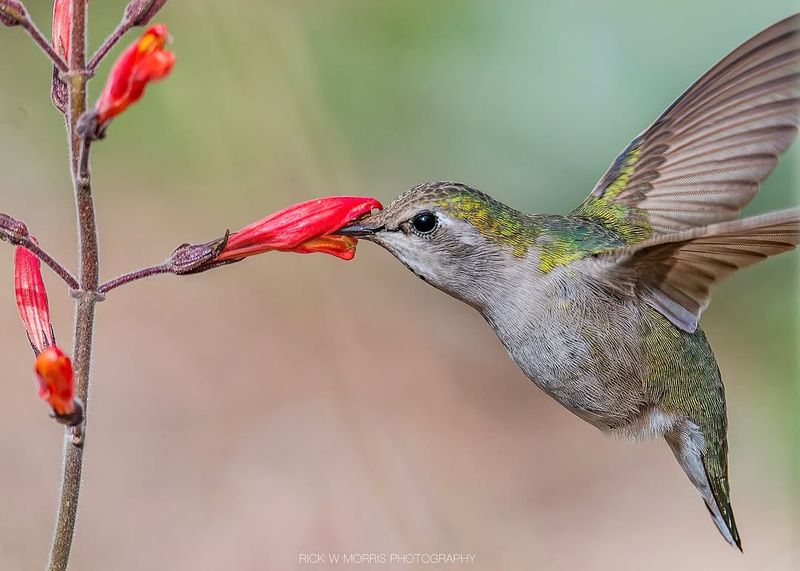
Few plants pull hummingbirds in quite like salvia. This flowering plant produces long, tube-shaped blooms that are practically built for hummingbird feeding.
Many varieties bloom heavily through late summer, making August one of the best times to see birds visiting salvia patches.
In Oregon, both native and garden salvia varieties do well in the summer heat. Red salvia is a classic choice, but purple and pink varieties are just as effective.
Hummingbirds will work their way methodically from flower to flower, hovering at each bloom for just a second or two before moving on.
What is really fascinating is how hummingbirds track blooming cycles. They seem to know which plants are producing the most nectar at any given time.
Salvia produces a steady and reliable nectar supply, which makes it a consistent draw throughout the season. If you plant salvia near your feeder, you create a one-stop feeding zone that birds will visit over and over.
Deadheading spent blooms encourages the plant to keep producing new flowers. This means more nectar and more hummingbird visits well into September.
If your neighbors also grow salvia, the birds may be following a trail of blooms from yard to yard through your entire neighborhood.
Your garden becomes one stop on a larger feeding route that hummingbirds navigate with impressive precision every single day.
7. A Busy Feeder Can Mean Natural Nectar Is Running Low
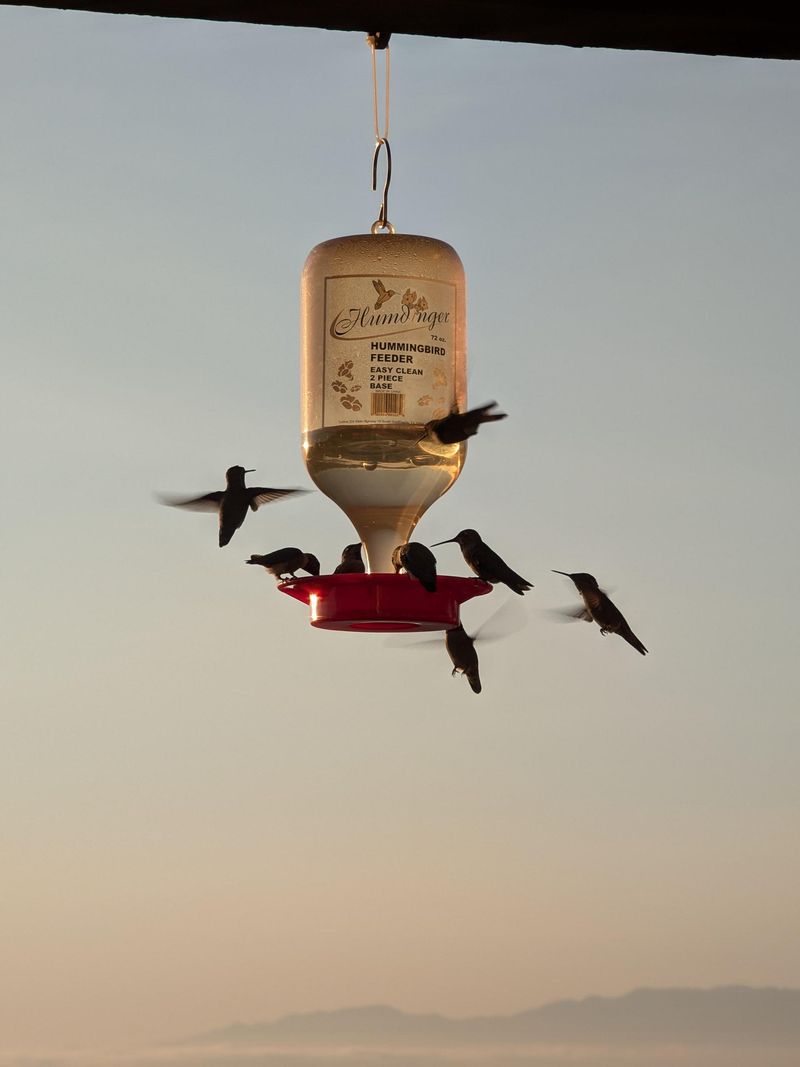
When your feeder suddenly gets much busier, it is often a sign that natural nectar sources in the area are starting to thin out.
August heat can cause some flowers to stop blooming or produce less nectar than they did earlier in the season. Hummingbirds notice this shift quickly.
As wild food becomes harder to find, birds rely more heavily on feeders. A spike in feeder activity is actually a signal that you are providing something important.
Your yard is filling a gap that the natural environment is no longer covering as well as it once did.
This is a great time to step up your feeder maintenance. Check sugar water every two to three days during hot weather.
Nectar can ferment quickly in high temperatures, and spoiled sugar water can make birds sick. Use clear or lightly tinted feeders so you can easily see when the liquid looks cloudy or discolored.
Rinse feeders thoroughly before refilling. You do not need soap every time, but a good hot water rinse removes residue and keeps things safe.
Having two feeders lets you swap one out while the other soaks. A busy feeder in August is something to feel good about.
It means your yard is genuinely helping local hummingbirds and migrating visitors get through one of the most demanding stretches of their year with enough fuel to keep going.
8. Young Birds Could Be Practicing Their First Flights
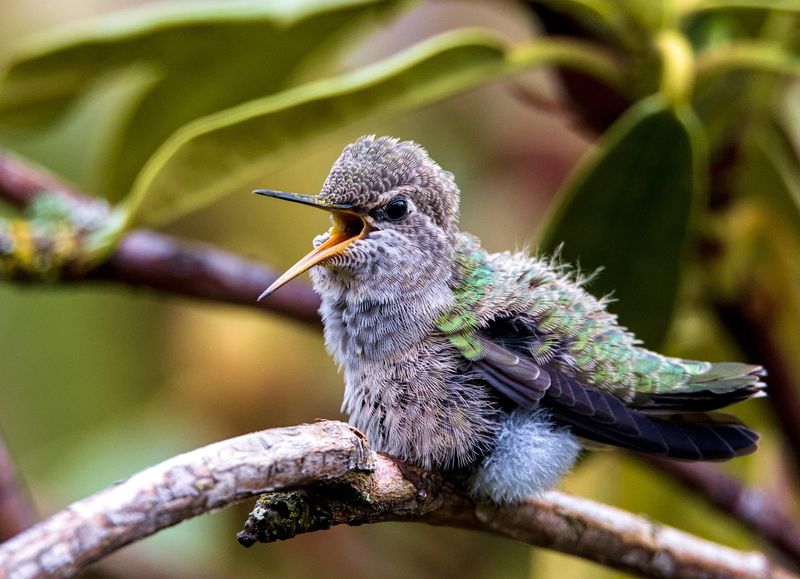
August brings something truly special to yards across our state: young hummingbirds taking some of their first real flights.
Baby hummingbirds, called fledglings, leave the nest in midsummer and spend the following weeks learning how to survive on their own.
You can often spot juveniles by their behavior. They hover a little less smoothly than adults, and they may approach flowers or feeders with more hesitation.
Their plumage is also slightly different, often appearing softer or less vivid than mature birds of the same species.
Watching a young hummingbird figure out how to use a feeder for the first time is genuinely endearing. They may hover in place for longer than usual, tilt at awkward angles, or back away suddenly before trying again.
It takes practice to master that precise hovering and beak placement. These young birds are also learning which flowers produce the best nectar and which territories to avoid.
Your yard, if it feels calm and safe, can become a learning ground for them. Reducing noise, keeping pets indoors, and minimizing sudden movement near feeding areas helps fledglings feel comfortable enough to keep visiting.
Every successful feeding trip builds their confidence and their ability to survive the coming migration.
Supporting young hummingbirds in August is one of the most meaningful things a yard owner in our state can do for local wildlife during this important season.