This Summer’s Cucumber Disease Is Causing Problems Across Virginia Gardens
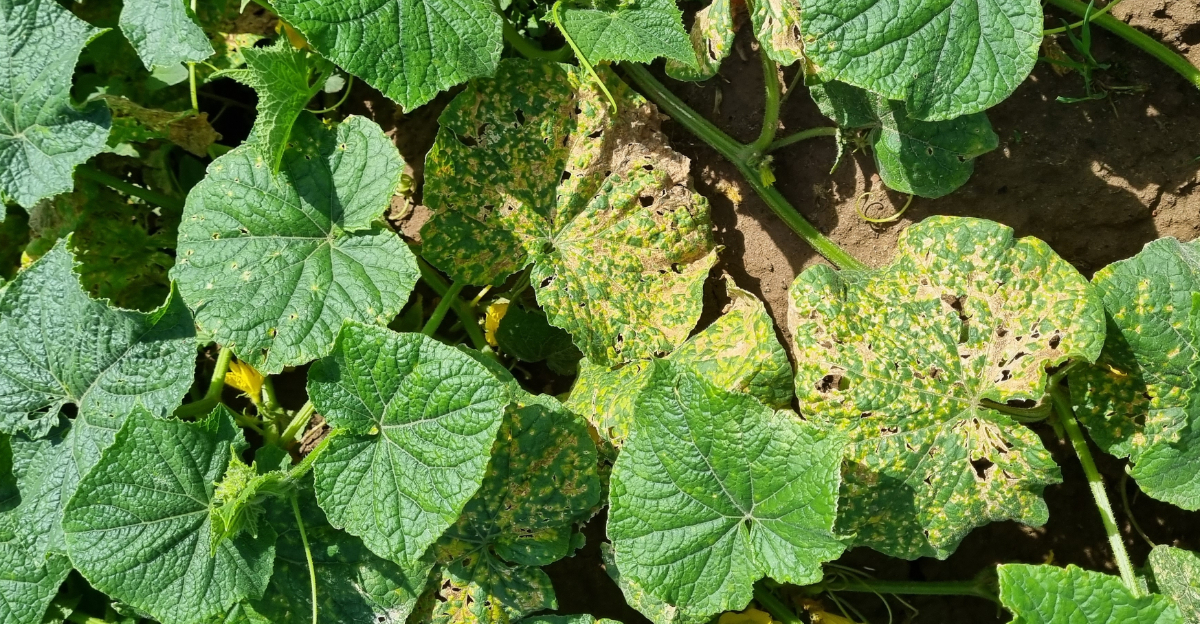
Curiosity is spreading through Virginia gardens rapidly this entire summer season. Your cucumber vines looked flawless just last weekend. Now they’re drooping, yellowing, spotted, and quietly fading away before your very eyes.
Growers across Virginia are noticing unusual changes overnight. Nobody predicted this shift would reach your garden so quickly. Experts are quietly working hard to understand exactly what’s affecting your fragile crops.
Several possibilities are circling, each one harder to pin down. Every symptom overlaps, making your diagnosis genuinely confusing. Meanwhile, your entire harvest now hangs delicately in uncertain balance.
Timing matters more than you probably realize right now. Each faded leaf on your vine could signal something far bigger. You need real clarity before your entire crop weakens further.
This isn’t ordinary stress on your garden or simple seasonal coincidence. Something unseen is stirring beneath your soil right now. Answers are waiting, but they need your attention immediately.
What Disease Is Affecting Virginia Cucumbers
Cucumbers across the state can be vulnerable to this disease during warm, wet summers like this one. The culprit behind most of the damage is a disease called angular leaf spot.
Angular leaf spot is caused by a bacterium called Pseudomonas syringae pv. lachrymans. It tends to show up in home gardens most often during warm, humid summers.
The disease affects the leaves, stems, and even the fruit of cucumber plants. Gardeners who have never dealt with it before are finding it confusing and frustrating.
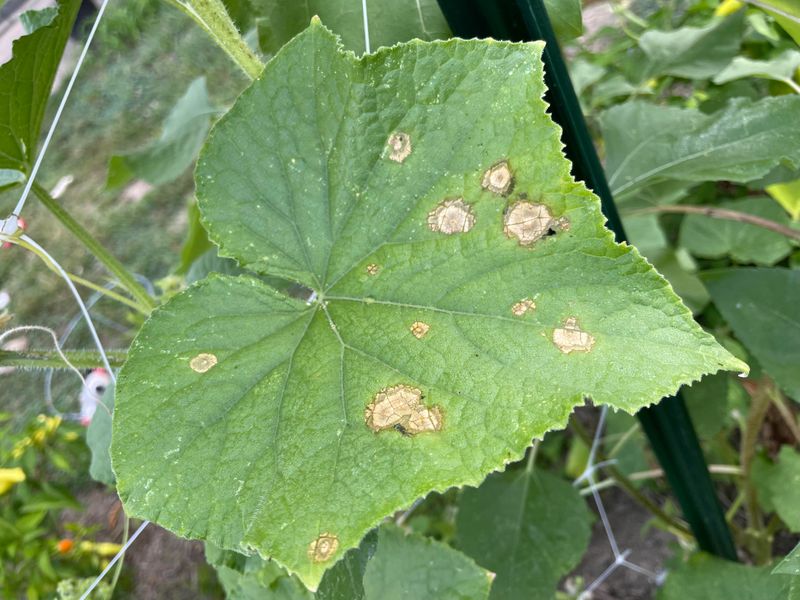
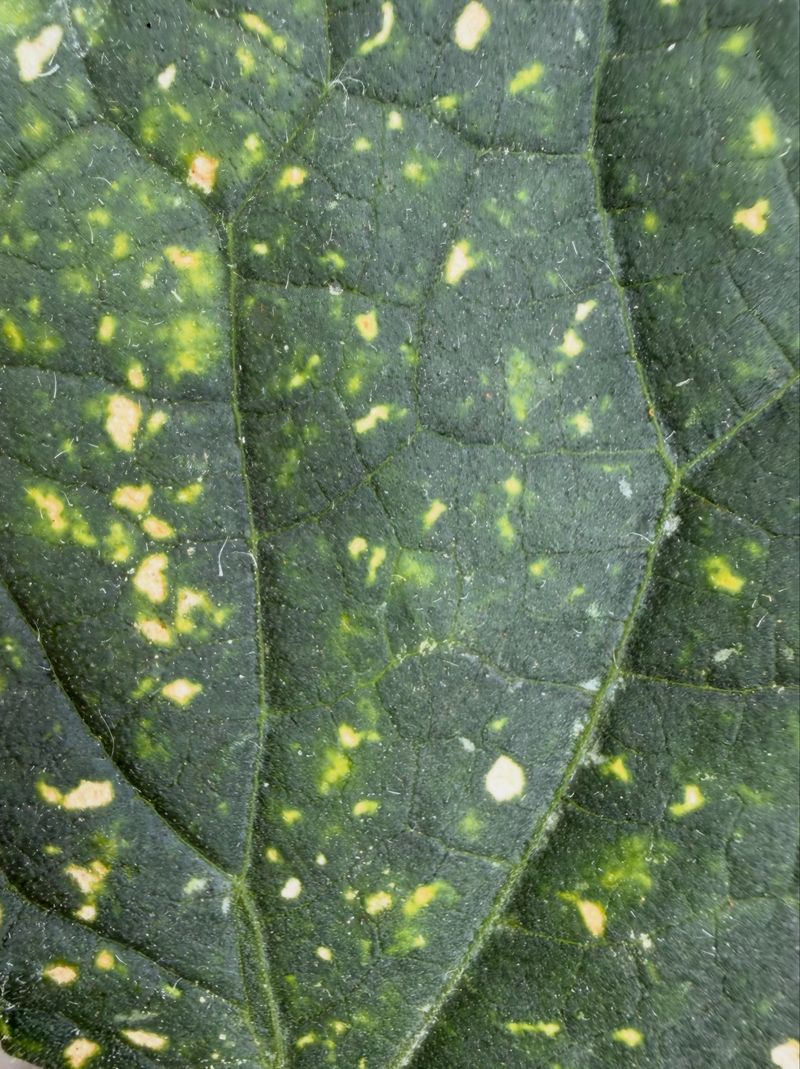
Angular leaf spot gets its name from the shape of the lesions it creates. The spots follow the natural lines of the leaf, creating blocky, angular patches rather than round circles.
These patches start out water-soaked and greasy-looking. Over time, they turn brown and papery, and the tissue may fall out, leaving ragged holes in the leaves.
This summer’s cucumber disease has been more active due to weather patterns. Warm nights combined with heavy rain have created ideal conditions for bacterial spread.
Home gardeners in various parts of the state have reported symptoms consistent with this disease. Local extension offices are a good resource if you’re seeing wilting, spotting, or rotting on your cucumber plants.
Knowing what you are dealing with is the first step toward protecting your Virginia garden. Once you identify angular leaf spot, you can take smarter action before it spreads further.
Early Symptoms To Watch For On Your Plants
Catching a problem early can save your whole garden bed. The first signs of this bacterial disease are easy to miss if you are not looking closely.
Start by checking the undersides of your cucumber leaves every few days. Early infections often show up there before they become visible on top.
Look for small, water-soaked spots that appear almost translucent. They tend to look like the leaf got wet from the inside, with a slightly darker green or yellowish tint.
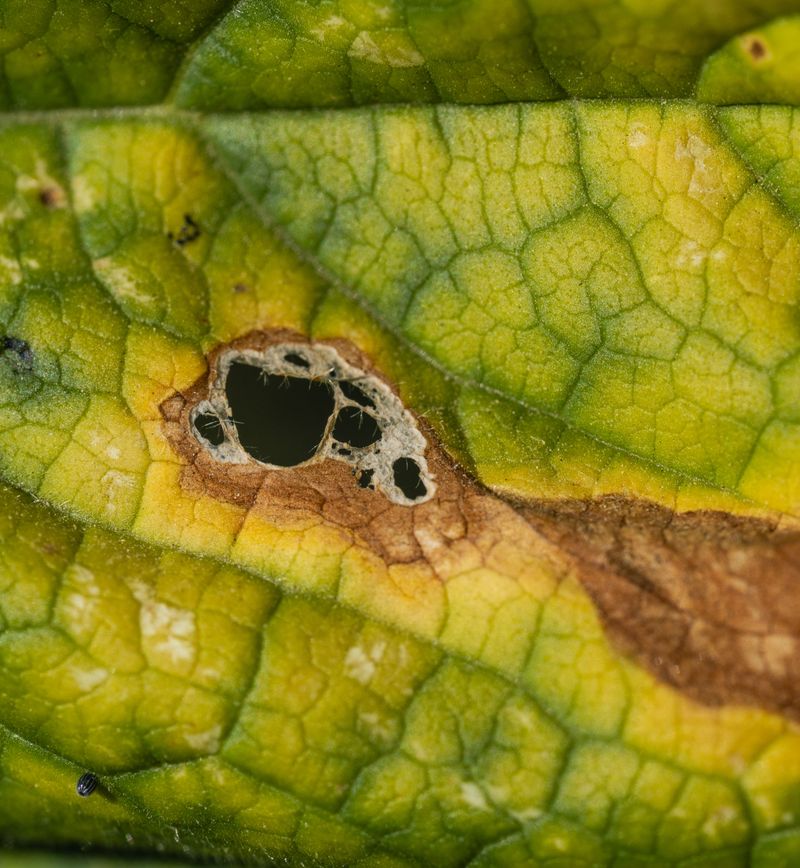
Within a few days, those spots begin to turn tan or light brown. The edges stay angular because the bacteria cannot cross the leaf veins.
Your Virginia Garden Changes Every Week. Your Plan Should Too.
Gardening in Virginia changes quickly throughout the season. Every Friday you’ll receive a simple weekly plan showing exactly what to plant, prune, fertilize, harvest, and protect so you never miss the right timing.
On humid mornings, you might notice a white, milky residue on infected spots. That residue is actually bacterial ooze, which dries into a crusty film as the day warms up.
As the disease progresses, the damaged tissue dries out and sometimes drops away. This creates a tattered, shot-hole appearance across the leaf surface.
Fruit can also show symptoms, which surprises many growers. Small, water-soaked spots appear on cucumber skin, and the flesh beneath may turn soft or discolored.
Stems near the soil line sometimes develop lesions too, which can cause wilting in entire sections of the plant. Acting fast when you spot these early clues gives you the best chance of protecting your harvest this season.
How The Disease Spreads So Quickly
Bacterial diseases travel faster than most gardeners realize. Angular leaf spot has several sneaky ways of moving from plant to plant.
Rain is one of the biggest culprits. When droplets hit an infected leaf, they splash bacteria onto neighboring plants and soil.
Overhead watering systems work the same way. Sprinklers spread the pathogen just as effectively as a summer storm, which is why watering methods matter so much.
Wind also carries infected water droplets short distances, especially during gusty afternoon storms. A single infected plant can spread the disease to an entire row within days.
Gardeners themselves can spread the disease without knowing it. Touching infected leaves and then handling healthy plants transfers bacteria directly on your hands and tools.
Pruning shears, stakes, and trellises can all hold onto bacteria after contact with a sick plant. Skipping tool sanitation is one of the fastest ways to increase the risk of further spread.
Insects that chew on leaves create entry wounds where bacteria slip in easily. Even small feeding damage from beetles or caterpillars opens a door for infection.
Seeds can carry the pathogen too, which is why starting with certified disease-free seeds matters every season. Buying seeds from a reputable source lowers your starting risk before you even put anything in the ground.
Understanding how spread happens helps you plug the gaps. Slow the movement, and you slow the damage before it reaches every corner of your Virginia garden.
Weather Conditions That Make It Worse

Weather has been a major driver behind this summer’s outbreak. The conditions across much of the state have been nearly perfect for bacterial growth.
Angular leaf spot tends to thrive in warm conditions, generally in the mid-70s to low-80s Fahrenheit, a range common across much of the region during June and July.
High humidity is the other key ingredient. When moisture clings to leaves for hours at a time, bacteria have a long window to invade plant tissue.
Morning dew that stays on foliage well into the afternoon creates a dangerous environment. The longer plants stay wet, the more vulnerable they become to infection.
Afternoon thunderstorms followed by warm, still nights create favorable conditions for this disease. That combination keeps leaf surfaces damp and warm, conditions that favor bacterial growth.
Cloudy stretches between storms slow the drying process even further. Sunlight helps evaporate moisture, so overcast days extend the wet window and increase risk.
Soil moisture also plays a role. Saturated ground can cause stress in plant roots, weakening the cucumber’s natural defenses against pathogens.
Crowded planting layouts trap humidity between plants and reduce airflow. Poor spacing can turn a small bacterial problem into a garden-wide issue within a single rainy week.
You cannot control the forecast, but you can adjust how you manage your garden around it. Smart spacing and timing choices can reduce how long your plants stay wet after every summer storm.
Specific conditions can vary by region and season; check with your local cooperative extension office for guidance tailored to your area.
Treatment Options For Home Gardeners
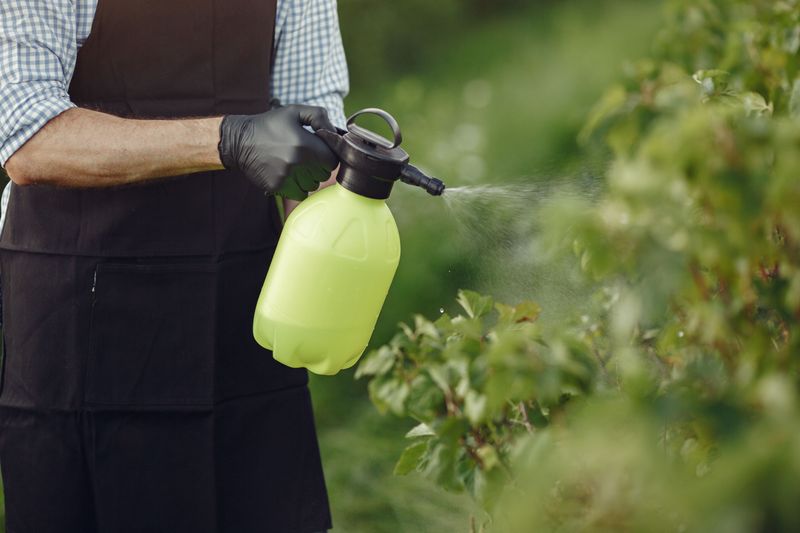
Finding spots on your cucumber leaves does not mean you have to give up on the season. There are real treatment options available to home growers right now.
Copper-based sprays are the most widely recommended treatment for bacterial leaf spot diseases. Products containing copper octanoate or copper hydroxide can be found at most garden centers.
These sprays do not cure infected tissue, but they slow the spread to healthy leaves. Apply them early in the morning so the solution dries before humidity peaks later in the day.
Read the label carefully before applying any copper product. Overuse can build up in soil and harm beneficial organisms, so follow the recommended schedule closely.
Removing heavily infected leaves is another important step. Bag them and toss them in the trash rather than composting, since compost piles may not get hot enough to neutralize the bacteria.
Avoid working with your plants when foliage is wet. Handling wet leaves spreads bacteria rapidly, so wait until the garden has dried out after rain or irrigation.
Some Virginia gardeners have had good results using fixed copper combined with a spreader-sticker product. The sticker helps the spray stay on leaves longer, even after light rain.
Biological sprays containing Bacillus subtilis are another option worth exploring. They are gentler on the garden ecosystem and can help suppress bacterial populations when used consistently throughout the season.
Staying on a regular spray schedule makes a real difference when the weather refuses to cooperate with your Virginia garden plans.
Prevention Tips For Next Growing Season
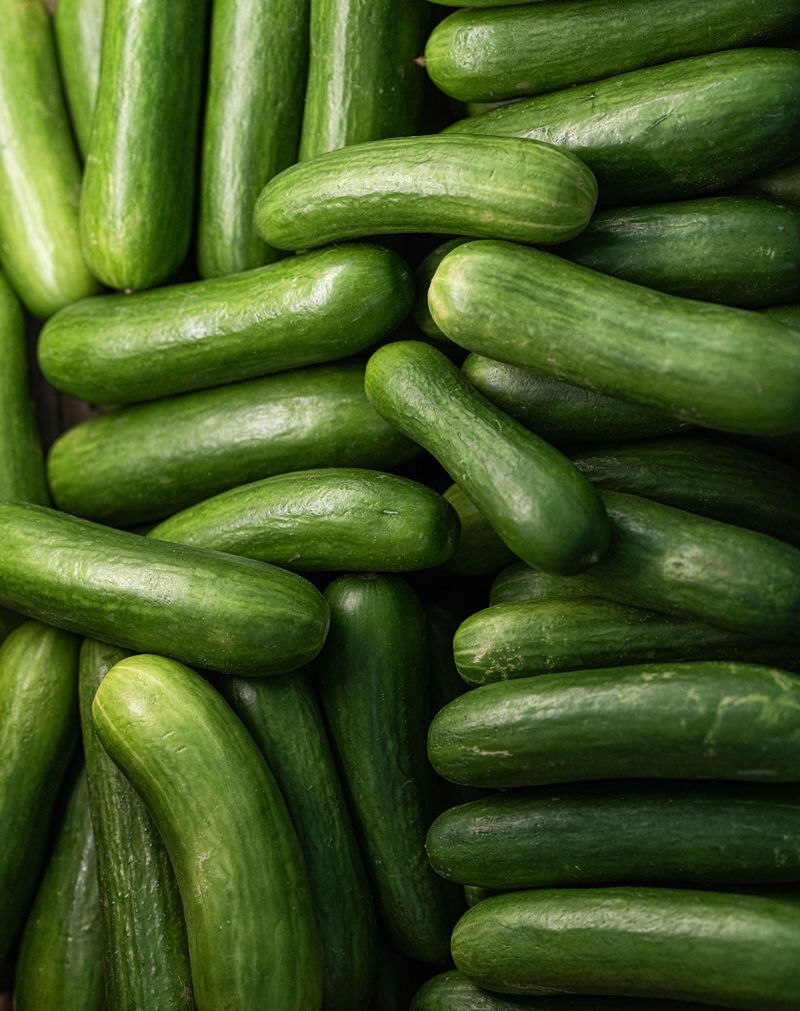
Next year’s garden can be much healthier with a few smart changes made now. Prevention is always easier than trying to manage an active outbreak mid-season.
Start with disease-resistant cucumber varieties whenever possible. Seed catalogs and local extension offices can point you toward cultivars bred to handle bacterial pressure better.
Rotate your crops every single year without exception. Planting cucumbers in the same spot season after season allows bacteria to build up in the soil and on old plant debris.
Clean up all plant material at the end of the growing season. Old stems, leaves, and roots left in the bed give pathogens a cozy place to wait out the winter.
Switch to drip irrigation if you are currently using overhead sprinklers. Keeping water off the foliage is one of the most effective steps you can take to lower infection risk.
Give your plants plenty of room to breathe. Giving cucumbers plenty of space, generally recommended by most extension guides, allows air to move freely and helps foliage dry faster after rain.
Train vines onto a trellis to get leaves off the ground. Ground-level leaves stay wet longer and come into contact with soil-borne bacteria much more easily.
Sanitize all garden tools at the start and end of each season. A simple soak in a diluted bleach solution removes most pathogens from metal surfaces.
This summer’s cucumber disease has been a challenging season, but gardeners who adapt now can expect healthier crops next season.