The One California Plant That Repels Mosquitoes When The Heat Peaks
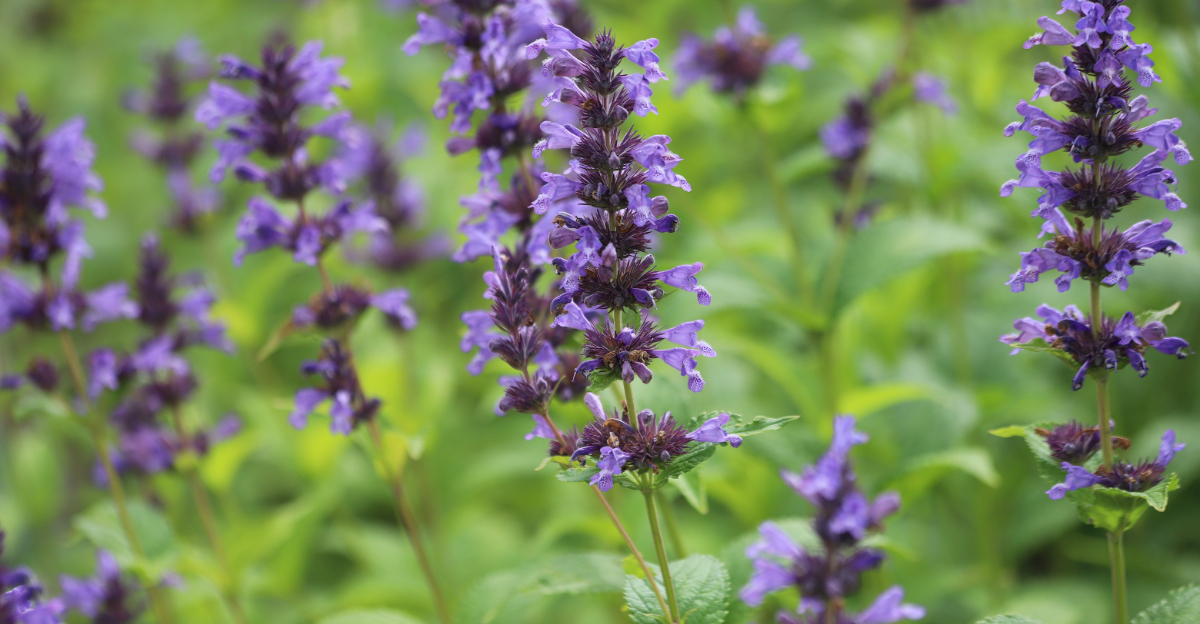
This plant earns its place near a California patio for more than its soft flowers and easygoing habit.
When summer heat pushes mosquito activity into the evening, this aromatic perennial can add a useful layer to the landscape without demanding much extra care.
Its foliage releases a strong scent when brushed, which is one reason it has long been associated with discouraging mosquitoes nearby.
That does not make it a substitute for removing standing water or using proven protection when bites are heavy.
Still, it can be a smart choice around seating areas where fragrance and low-maintenance color are both welcome. Catmint also handles dry conditions well once established, so it fits naturally into water-conscious gardens.
For homeowners looking to make hot-weather outdoor spaces more comfortable, this modest plant offers a practical mix of toughness, beauty, and pest-deterring appeal.
1. It’s Bringing A Scent Mosquitoes May Avoid
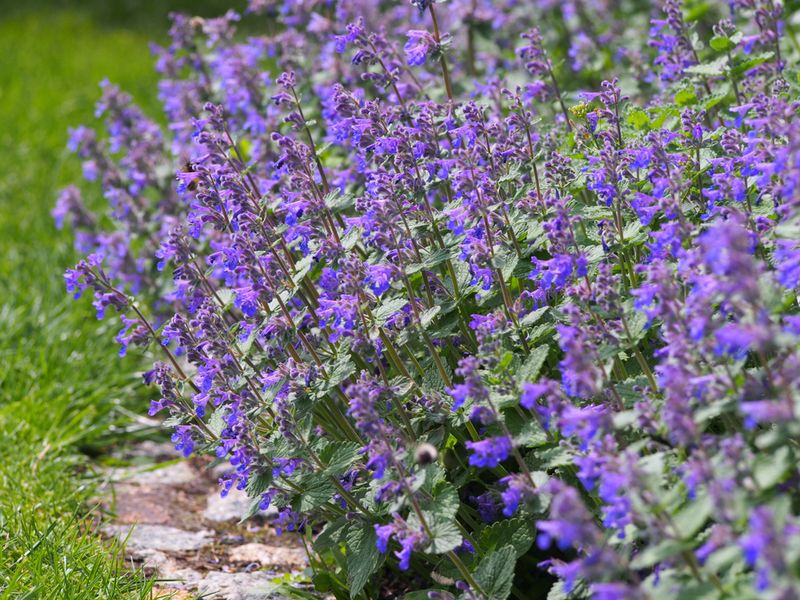
Most people love the fresh, minty smell of catmint. Mosquitoes, however, feel very differently about it.
Research has shown that nepetalactone, the natural oil found in catmint leaves, is a powerful mosquito deterrent. Some studies even suggest it works better than DEET, the chemical used in many commercial bug sprays.
That is a pretty bold claim for a garden plant. The scent is released naturally as the leaves brush against skin, clothing, or a passing breeze.
You do not need to crush the leaves or apply anything. Simply having the plant nearby can help reduce how many mosquitoes hang around your space.
Planting catmint near seating areas, doorways, or patios makes the most sense. The closer it is to where people gather, the more likely the scent will drift where it is needed.
Some gardeners even place a pot of catmint right next to an outdoor chair for extra protection. It is not a perfect shield, but it adds a natural layer of defense without any effort.
For anyone wanting fewer mosquitoes without reaching for a chemical spray, catmint is a smart and beautiful starting point.
2. Hot California Patios Are Right In Its Comfort Zone
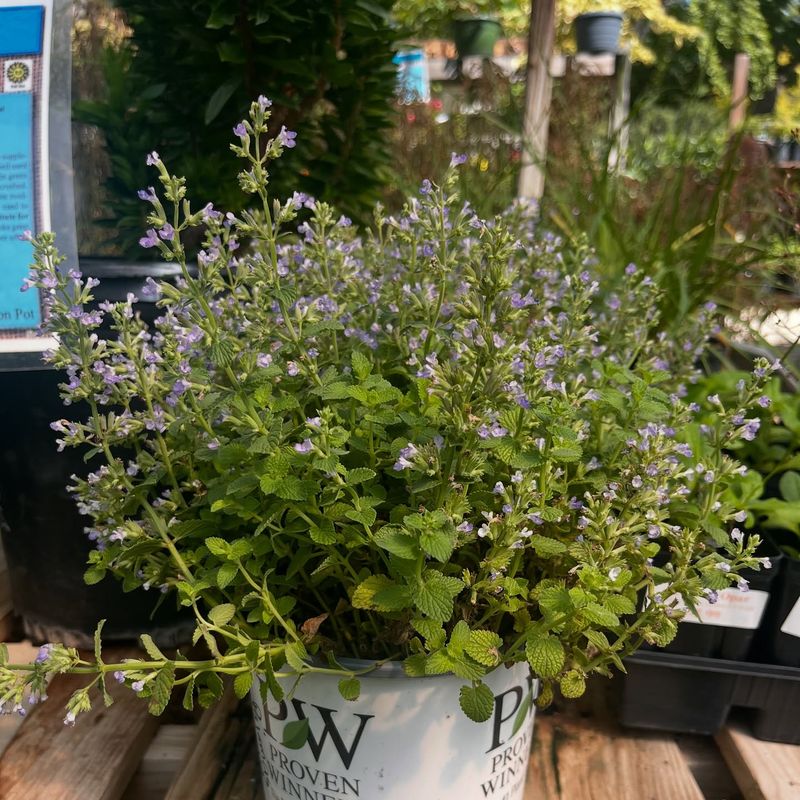
Many plants struggle when summer temperatures climb high. Catmint is not one of them.
It actually thrives in hot, sunny conditions, making it a perfect fit for warm outdoor spaces. California summers can be intense, with dry heat that drains moisture from the soil fast.
Catmint handles all of that without much fuss.
Native to parts of Europe and Asia, catmint was built for warm, dry climates. It has adapted well to conditions similar to the California summer, where long sunny days and low humidity are common.
Unlike many flowering plants that wilt or fade in peak heat, catmint stays upright and keeps blooming.
Planting it along a south-facing wall or in an open patio space gives it the sun exposure it loves. It does not need shade cloth or afternoon protection like more delicate plants.
In fact, too much shade can actually reduce the strength of its mosquito-repelling oils. Full sun encourages the plant to produce more nepetalactone, which is exactly what you want during peak mosquito season.
Your California Garden Changes Every Week. Your Plan Should Too.
Gardening in California changes quickly throughout the season. Every Friday you’ll receive a simple weekly plan showing exactly what to plant, prune, fertilize, harvest, and protect so you never miss the right timing.
Hot conditions are not a problem for catmint. They are practically an invitation for it to perform at its very best and look stunning while doing it.
3. Aromatic Leaves Doing More Than Smelling Nice
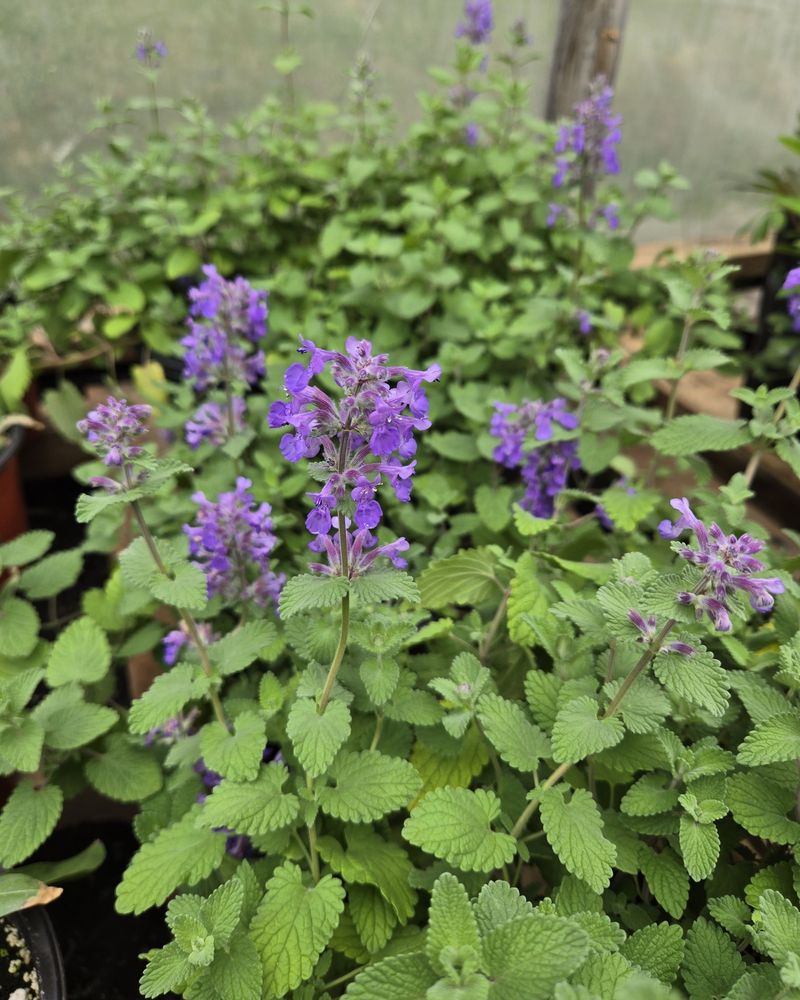
There is more going on inside those soft, silvery-green leaves than most people realize. The tiny hairs covering each catmint leaf are not just for looks.
They hold the plant’s essential oils, including the nepetalactone that makes mosquitoes want to stay far away. When the leaves are touched or disturbed, those oils release into the air.
Beyond bug repelling, catmint leaves have been used for centuries in herbal teas and folk remedies. Some people brew them into a calming tea that is said to help with relaxation and mild headaches.
While the science on those uses is still being explored, the mosquito-repelling properties have real research behind them.
The leaves also have a mild antimicrobial quality, which is why they were historically used in wound care. Today, most gardeners grow catmint for its looks and its ability to keep pests at bay.
But knowing the leaves do double and triple duty makes the plant feel even more worthwhile. You get a beautiful, fragrant addition to your garden that also protects your outdoor space.
That combination is hard to beat, especially when the plant asks for so little in return and gives back so much during the hottest months of the year.
4. Why Sunny Spots Bring Out The Strongest Scent

Sunlight does something special to catmint. When the plant soaks up full sun for most of the day, its leaves produce more of the essential oils that give it that strong, pleasant scent.
More sun means more oil, and more oil means a stronger mosquito deterrent. It is a simple equation that pays off big during peak summer.
Gardeners who plant catmint in shady spots often notice the scent is weaker and the mosquito-repelling effect feels less noticeable. That is because the plant is not being pushed to produce as much nepetalactone.
Moving it to a sunnier location can make a real difference in how well it works.
Six or more hours of direct sunlight each day is the sweet spot for catmint. Morning sun is great, but afternoon sun in a warm climate is even better for oil production.
If you are growing catmint in a container, you have the advantage of moving it around to chase the best light. Placing it where it gets the most sun during the hottest part of the day helps it work harder for you.
Think of sunlight as the fuel that powers catmint’s natural bug-fighting ability. The more it gets, the stronger and more effective the plant becomes throughout the season.
5. Purple Blooms Keeping Pollinators Busy Instead
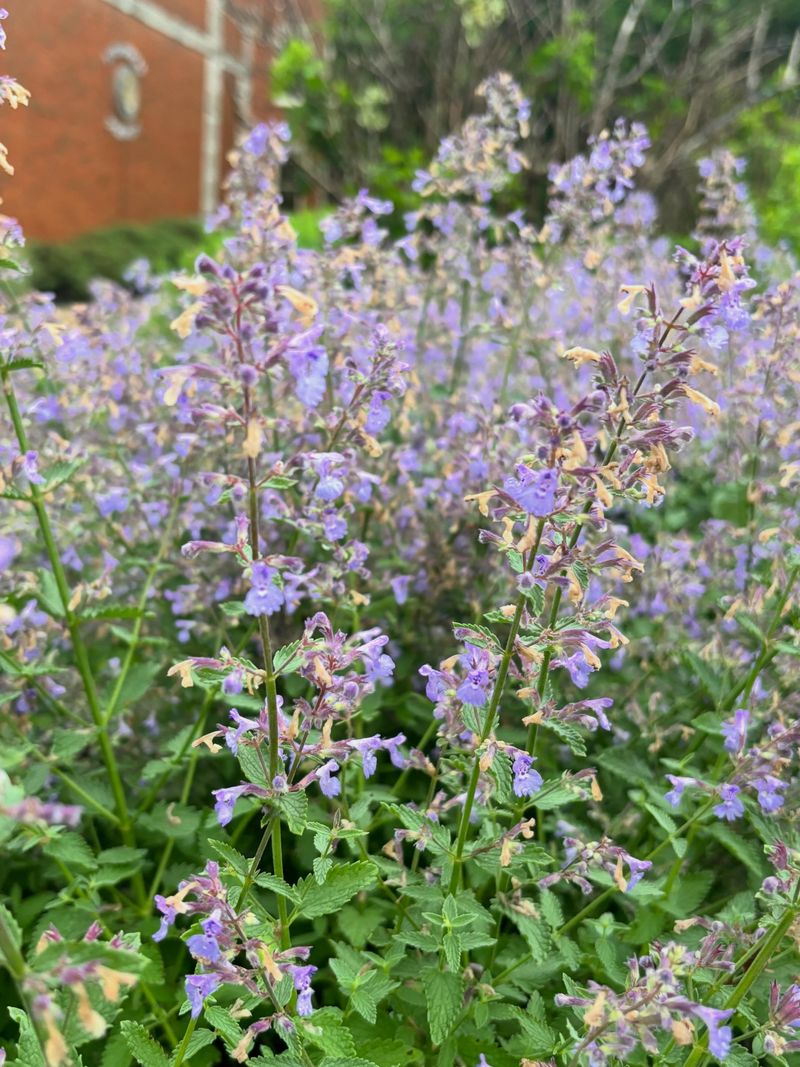
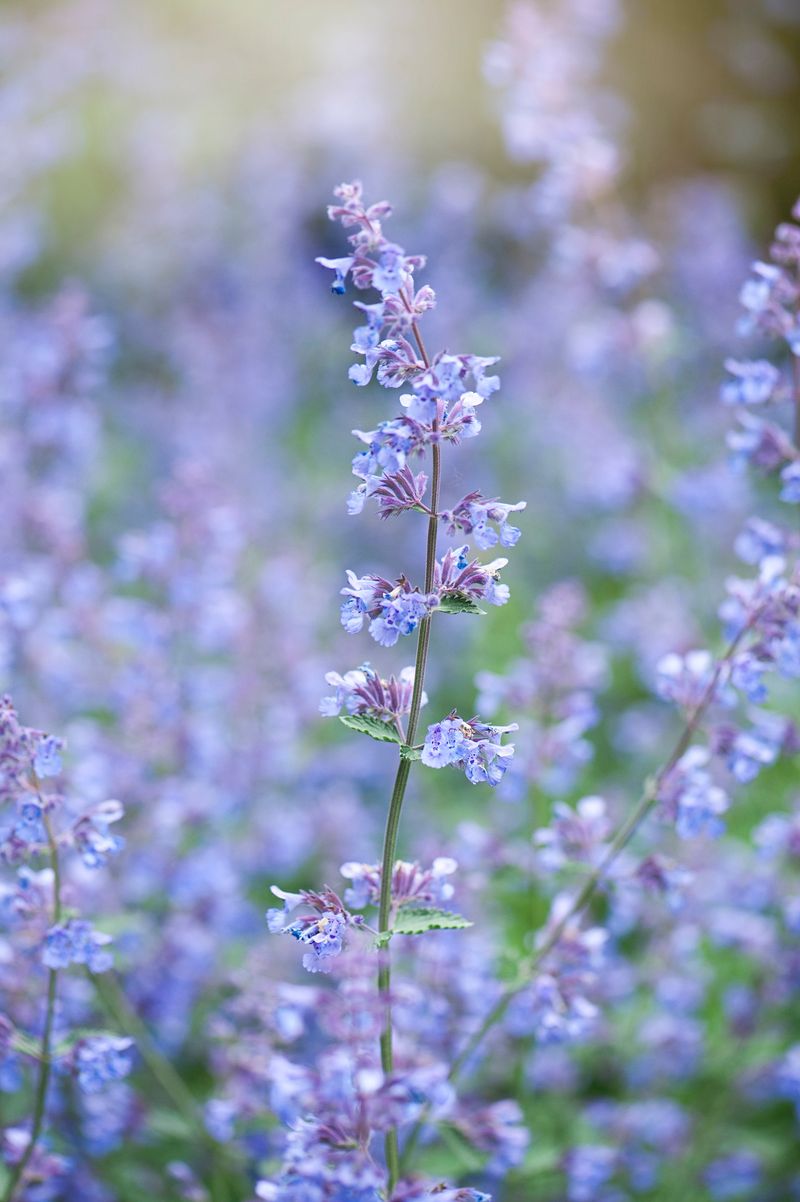
One of the most charming things about catmint is what it attracts while pushing mosquitoes away. Bees, butterflies, and hummingbirds absolutely love its small, tubular purple flowers.
During bloom season, a healthy catmint plant can be buzzing with activity from morning to dusk. It is a lively, colorful scene that makes any garden feel alive.
The blooms appear in waves, usually starting in late spring and continuing through summer with proper care.
Each flower spike is covered in tiny lavender or violet blossoms that cluster together in a soft, hazy cloud of color.
The effect is beautiful from a distance and even more detailed up close.
Pollinators need all the help they can get these days, and catmint is one of the easiest ways to support them.
Planting it near a vegetable garden or fruit trees can actually help improve your harvest by bringing more bees into the area.
You get natural mosquito deterrence on one side and better pollination on the other. That kind of double benefit is rare in a single plant.
Catmint earns its place not just by keeping pests away, but by making the whole garden ecosystem healthier and more vibrant throughout the long, warm summer months.
6. Dry Soil Making Catmint Even Easier To Grow
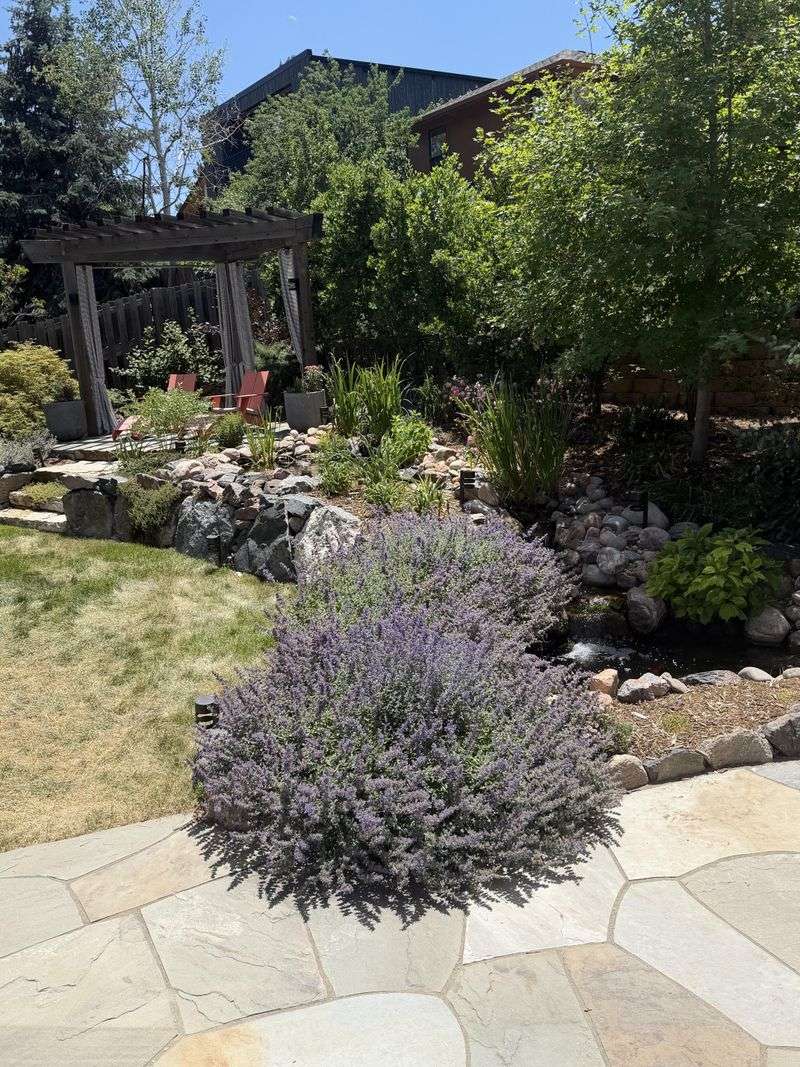
Overwatering is one of the most common mistakes gardeners make, and catmint is very forgiving when you forget to water. It actually prefers dry to moderately moist soil over consistently wet conditions.
Too much water can cause root rot and reduce the plant’s overall health. Letting the soil dry out between waterings is the right move.
This drought-tolerant nature makes catmint a standout choice for water-conscious gardeners. In areas where summer water restrictions are common, it keeps growing and blooming without needing constant irrigation.
Once established, it can survive on rainfall alone in many regions, which saves both time and money.
Well-draining soil is key. Sandy or loamy soil works best, but catmint can adapt to average garden soil as long as water does not pool around the roots.
Raised beds and slopes are great spots because water drains away naturally. Adding a bit of gravel or coarse sand to heavy clay soil can help improve drainage if needed.
Avoid planting it in low-lying areas where puddles form after rain. Once you get the drainage right, catmint practically takes care of itself.
It is one of those rare plants that rewards a hands-off approach, making it ideal for busy people who still want a beautiful and functional garden space.
7. Containers Keeping This Spreader Under Control
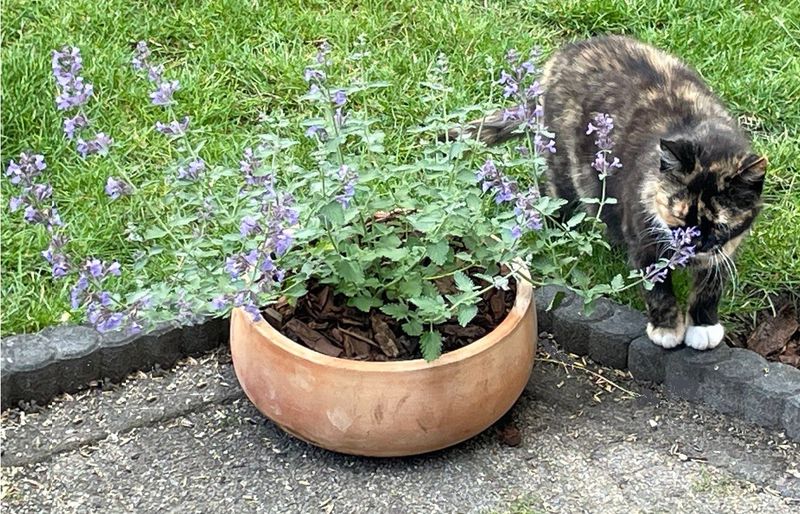
Catmint is a generous grower, and that can be both a good thing and a challenge. Left unchecked in open garden beds, it can spread wider than expected over a few seasons.
For smaller spaces or tidy garden layouts, growing it in a container is a smart solution that keeps things neat without limiting the plant’s potential.
Container growing also gives you flexibility. You can move the pot to wherever mosquitoes are most bothersome, whether that is near a dining table, a hammock, or a front door.
That kind of portability makes catmint even more useful as a natural pest deterrent during outdoor gatherings.
Choose a pot that is at least 12 inches wide and has good drainage holes at the bottom. Catmint roots need room to spread, and a pot that is too small will limit the plant’s growth and reduce its blooming potential.
Use a well-draining potting mix and avoid heavy soils that hold moisture for too long. Water only when the top inch of soil feels dry.
Container-grown catmint may need slightly more frequent watering than in-ground plants, but it still prefers to dry out between drinks.
With the right setup, a container of catmint can be one of the most practical and attractive additions to any patio or balcony garden this summer.
8. A Quick Trim Bringing Fresh Growth Back Fast
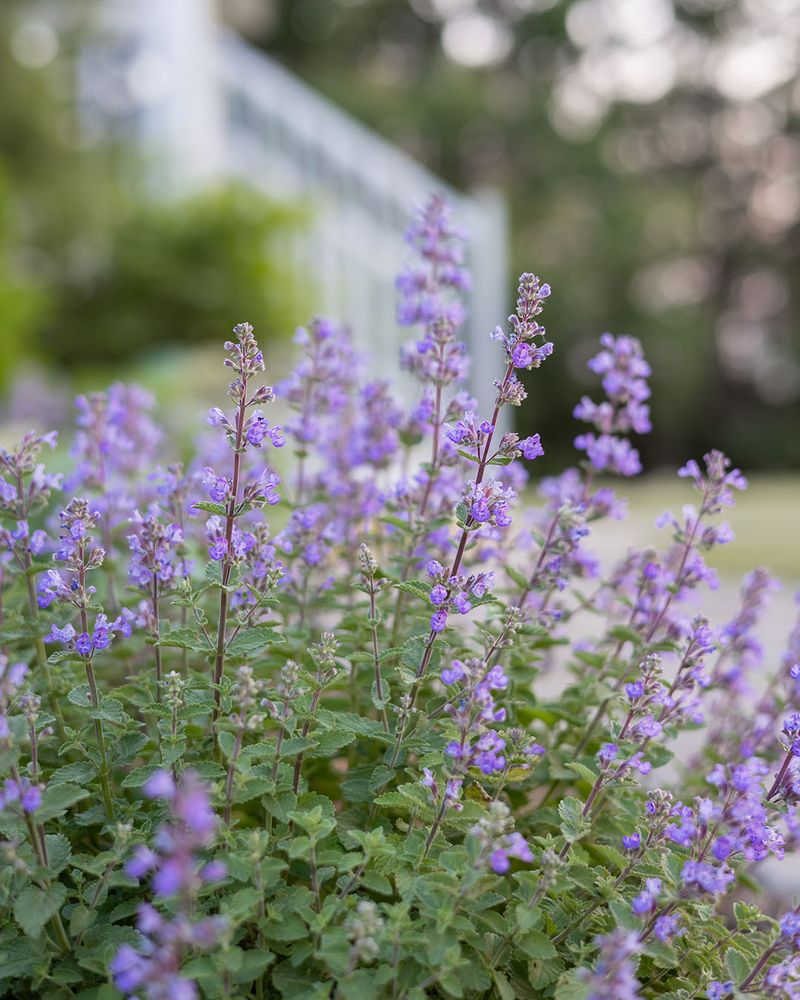
After catmint finishes its first big bloom, the flowers start to fade and the plant can look a little tired. That is the perfect time to grab a pair of garden shears and cut it back by about one-third.
This simple step encourages a whole new flush of growth and blooms, often within just a few weeks.
Trimming also keeps the plant compact and tidy. Without regular cutting, catmint can become floppy and sprawling, especially in rich soil.
A mid-season trim resets its shape and gives it fresh energy. Many gardeners do this two or three times throughout the growing season to keep the plant looking its best.
The new growth that follows a trim is often even more fragrant than before. Younger leaves tend to produce oils more actively, which means the mosquito-repelling effect gets a boost right after cutting.
Timing your trim before a big outdoor event, like a backyard barbecue or a garden party, is a clever way to maximize catmint’s natural pest-deterring power. Do not worry about being too rough with the shears.
Catmint is a resilient plant that bounces back quickly. Treating it firmly actually encourages stronger, healthier regrowth.
A little maintenance goes a very long way with this tough and rewarding garden plant.
9. Pairing Catmint With Smarter Mosquito Control
Catmint works well on its own, but pairing it with other mosquito-deterring plants takes your outdoor protection to another level. Lavender, lemon balm, basil, and rosemary all have scents that mosquitoes dislike.
Planting a mix of these around your patio creates a fragrant, layered barrier that is both functional and beautiful.
Beyond plants, a few smart habits can make a big difference. Removing standing water from pots, bird baths, and gutters cuts down on mosquito breeding spots.
Wearing light-colored clothing and using a fan outdoors also helps, since mosquitoes are weak fliers and avoid moving air. Combining these habits with catmint makes your outdoor space much less appealing to pests.
Some gardeners in California also use citronella torches or mosquito-repellent candles alongside their catmint plantings for evening events. The combination of natural plant power and a few extra tools gives the best results.
Catmint is not a magic solution on its own, but as part of a thoughtful approach to outdoor pest control, it plays a strong and reliable role.
Building a garden strategy around plants that naturally deter mosquitoes is one of the most satisfying ways to reclaim your outdoor space.
You get a lush, fragrant garden and fewer bites, all without relying heavily on harsh chemical products.