10 Reasons Why Your Christmas Cactus Buds Are Dropping Before They Open
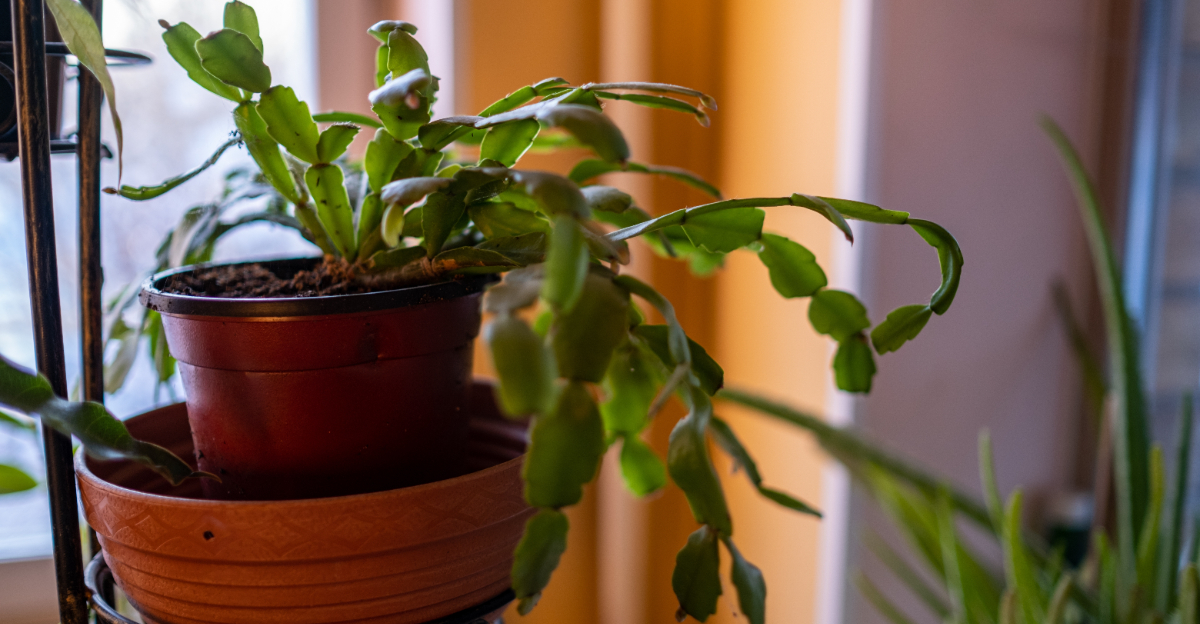
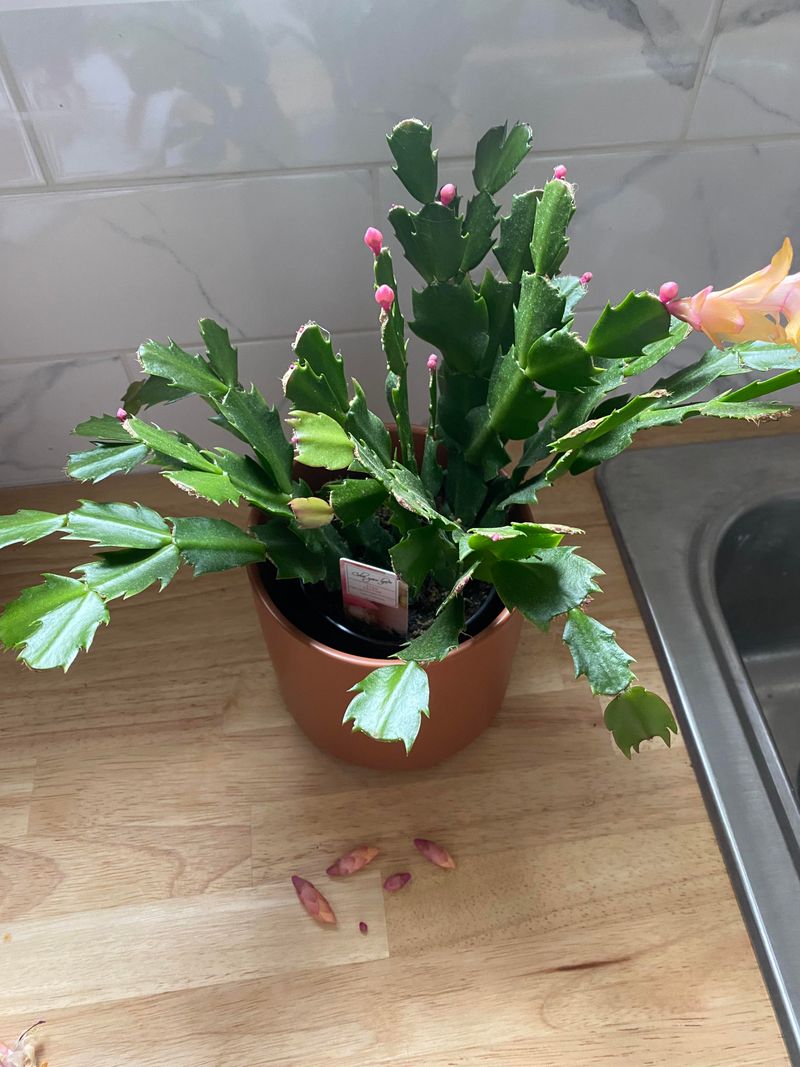
You waited months for those tight green buds to swell, and now they’re scattering across the soil before a single petal ever shows. It stings more than it probably should, this plant asked for so little all year.
Your Christmas cactus isn’t acting out without reason. Something in its daily rhythm has quietly shifted, and it’s telling you the only way it knows how.
Ten separate triggers can cause this exact heartbreak, and each one has a fix so simple you’ll wonder why it took this long to notice.
Pour yourself something warm, settle in, and let’s figure out exactly what your cactus has been trying to say all along.
1. Sudden Temperature Changes Stress The Plant
Your Christmas cactus felt that. One hour it is basking in cozy indoor warmth, and the next a cold blast sweeps through the room.
Temperature swings are a top trigger for Christmas cactus bud dropping, and most people overlook it entirely. The plant is remarkably sensitive to sudden shifts in temperature.
When temperatures fluctuate too fast, the cactus responds by shedding its buds as a form of self-protection. Ideal daytime temperatures for bud development sit between 70 and 80 degrees Fahrenheit, with cooler nights around 55 to 65.
Prolonged exposure above 85 degrees or sudden drops below that nighttime range can cause serious stress. Heating vents, air conditioners, and open doors are common culprits.
Check where your plant is sitting right now. Is it near a vent that blasts hot air every hour? That invisible heat wave is enough to trigger bud loss within days.
Move the plant to a stable spot away from heat sources and cold zones. A consistent temperature keeps the plant calm and focused on blooming.
Avoid placing it near exterior walls in winter, as those surfaces get surprisingly cold at night. A simple thermometer near the plant can help you monitor conditions.
Once you stabilize its environment, you will likely see fewer buds dropping. Consistency is the kindest gift you can give this plant.
2. Inconsistent Watering Disrupts Bud Development
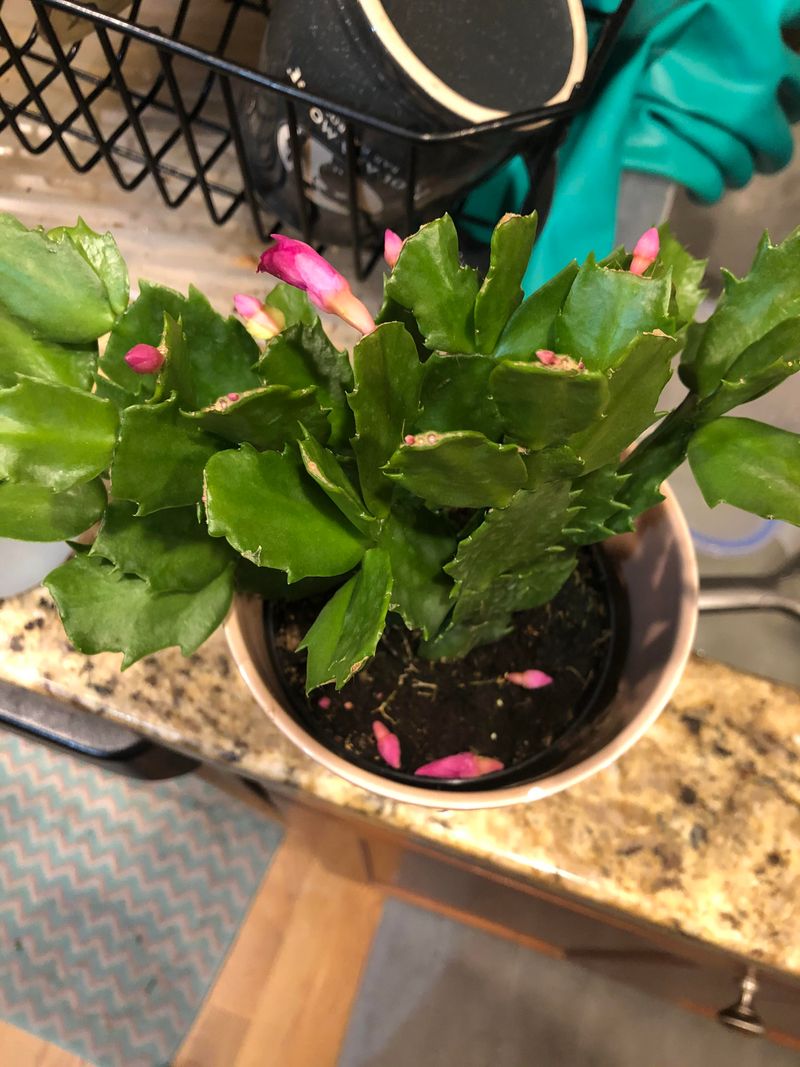
Watering a Christmas cactus is not a set-it-and-forget-it situation. Too much water one week and bone-dry soil the next sends the plant into full survival mode.
Inconsistent watering is one of the sneakiest causes of Christmas cactus bud dropping. When the soil dries out completely between waterings, the plant panics and sheds its buds to conserve energy.
When it is overwatered, roots lose access to oxygen and cannot deliver nutrients to developing buds. The sweet spot is moist soil that is consistently damp but not waterlogged.
If it still feels damp, wait another day or two. During the budding season, which typically runs from late fall through winter, your plant needs more consistent moisture than usual.
Think of it like feeding a growing kid. More activity means more fuel required. Use a pot with drainage holes so excess water can escape freely.
Standing water at the bottom of a pot is a fast track to root problems. Empty saucers after each watering session.
Set a simple reminder on your phone to check the soil every two to three days. Building that habit during bud season can make a dramatic difference. A well-hydrated plant holds its buds with pride.
3. Low Humidity Levels Dry Out New Buds
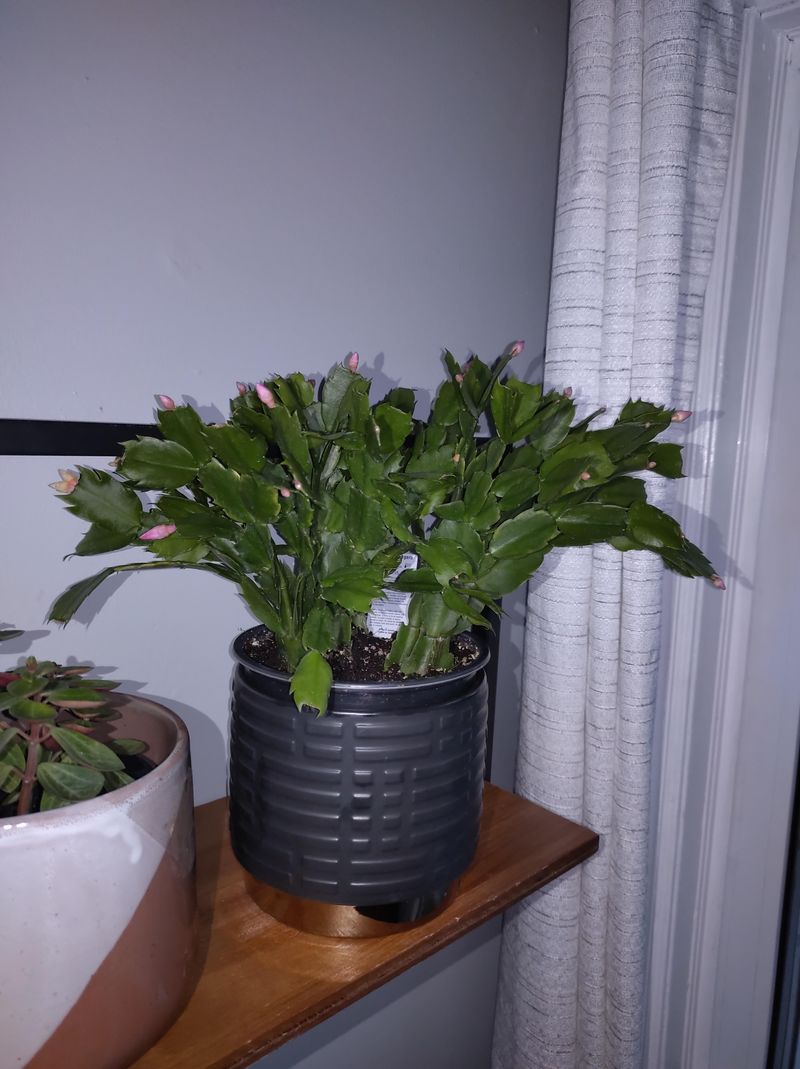
Winter air is brutal on tropical plants. When you crank up the heat indoors, the humidity in your home drops fast, and your Christmas cactus suffers quietly.
Low humidity is a major reason buds shrivel and fall before opening. This plant originates from the humid rainforests of Brazil, so dry indoor air feels entirely unfamiliar to it.
Buds are especially vulnerable because they are tender and exposed. Most homes in winter drop well below 50 percent humidity once the heat kicks in.
Your Christmas cactus prefers levels closer to 50 to 60 percent. That gap is significant enough to cause bud loss on its own.
A small humidifier placed near the plant can transform its environment overnight. Even running it for a few hours a day makes a noticeable difference.
The plant practically exhales with relief when the air gets moist again. Another easy trick is placing a shallow tray filled with pebbles and water beneath the pot.
As the water evaporates, it adds moisture to the surrounding air. Just make sure the pot itself is not sitting directly in the water.
Misting the plant lightly in the morning also helps, but avoid misting at night. Wet foliage in cool overnight air can invite fungal issues. Humidity management is a simple fix with a big payoff.
4. Moving The Plant Triggers Bud Loss
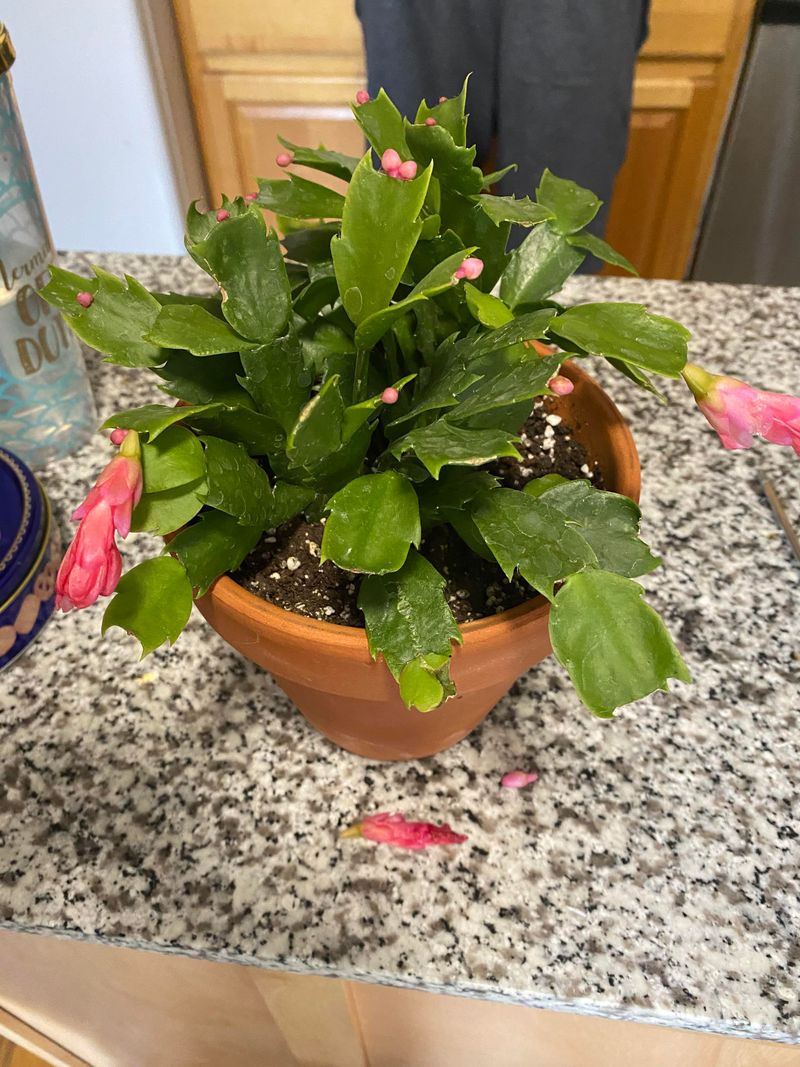
You thought you were doing something nice by moving it to a better spot. But your Christmas cactus did not see it that way.
Moving a budding Christmas cactus is one of the fastest ways to trigger bud drop. The plant sets its buds based on the light direction it has been receiving.
When you rotate or relocate it, the plant suddenly has to reorient itself, and that stress causes buds to release. Even a small rotation can be enough to disrupt the plant’s orientation during bud season.
The plant is a creature of habit. It wants to stay exactly where it was when those buds first started forming.
Mark the front of your pot with a small piece of tape so you always know which direction it is facing.
When you water it, put it right back in the same spot facing the same direction. That tiny habit protects weeks of bud development.
If you absolutely must move the plant, do it slowly and try to match the light conditions of its original location. Avoid moving it to a completely different room with different temperature and light levels.
The shock from that kind of change is hard for the plant to recover from quickly. Once buds are set, treat the plant like it has a do-not-disturb sign on the door. Stability is everything during this sensitive stage.
5. Poor Lighting Conditions Affect Bud Retention
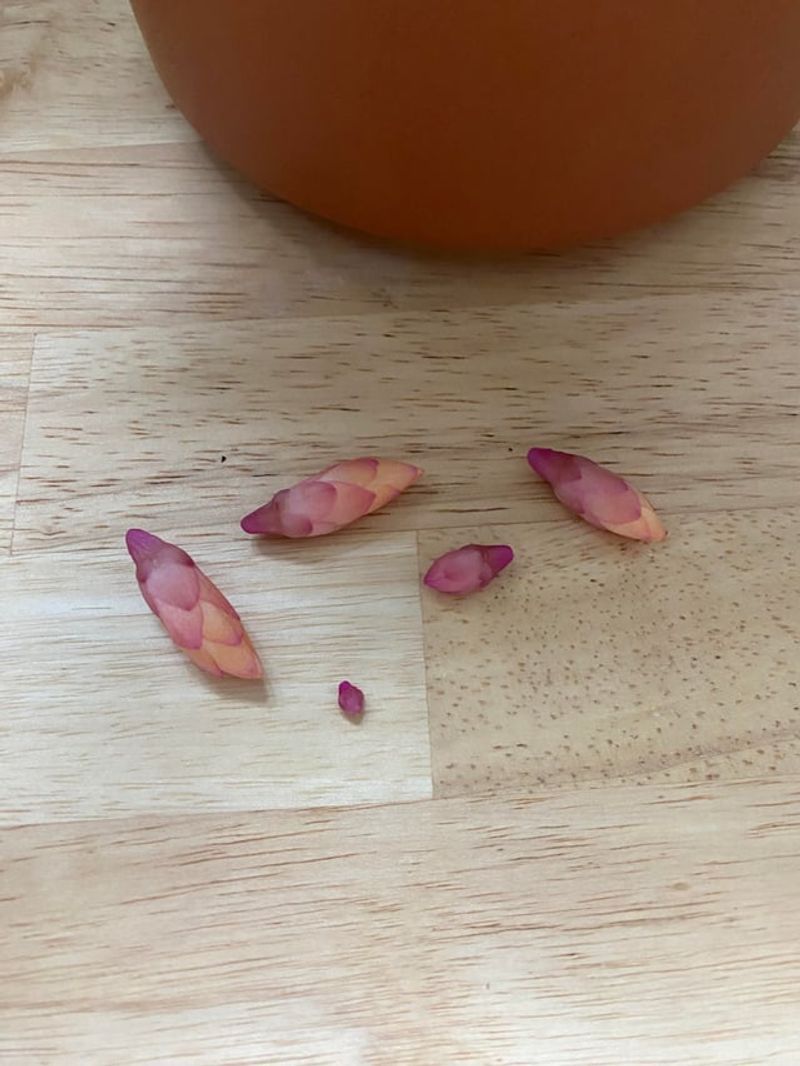
Light is not just food for your plant. It is the signal that tells your Christmas cactus when to bloom and when to hold on tight to those buds.
Poor lighting is a surprisingly common cause of Christmas cactus bud dropping. Too little light weakens the plant and makes it unable to sustain the energy needed for bud development.
The buds become a luxury the plant cannot afford, and they drop. During the day, your Christmas cactus needs bright but indirect light for at least six hours.
A spot near an east or north-facing window is usually ideal. Avoid placing it in a dark hallway or a room with no natural light source.
At the same time, too much bright light causes its own problems, which we will cover later in this article. The goal is balance, not extremes. Think of it as finding the plant’s personal Goldilocks zone.
If your home is naturally dark in winter, a grow light set on a timer can fill in the gap. Even a few extra hours of supplemental light can stabilize bud retention.
Position the grow light about 12 inches above the plant for best results. Check your plant’s location today and honestly assess the light it is getting.
A small adjustment now can save an entire season of blooms. Good lighting is a quiet but powerful ally.
6. Root Stress From Overcrowded Pots
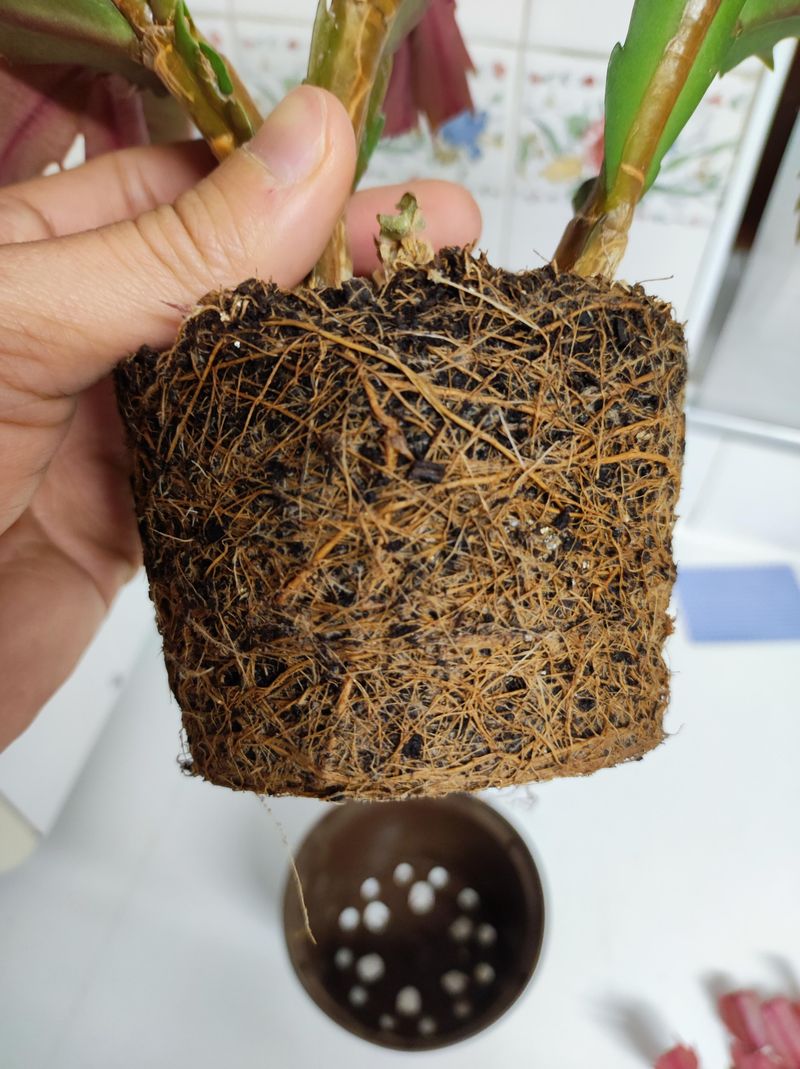
Roots that have nowhere left to grow are roots that cannot do their job. And when roots struggle, buds pay the price.
An overcrowded pot creates root-bound conditions that starve developing buds of water and nutrients. When roots circle the inside of the pot with no room to expand, they lose their ability to absorb efficiently.
The plant shifts energy away from blooming and toward basic survival. Signs of a root-bound plant include roots poking out of drainage holes and soil that dries out unusually fast.
The plant may also look slightly wilted even after a fresh watering. Those are red flags worth paying attention to.
However, repotting during bud season is risky business. Disturbing the roots while buds are forming tends to make the dropping worse. If possible, wait until after the blooming season ends before sizing up the pot.
When you do repot, choose a container that is only one size larger than the current one. Going too big too fast causes its own set of problems, including waterlogging. A snug but comfortable fit is the sweet spot.
Use a well-draining cactus or succulent mix when repotting. Good soil structure gives roots the breathing room they need. Healthy roots below the surface mean gorgeous blooms above it.
7. Cold Drafts Near Windows Cause Damage
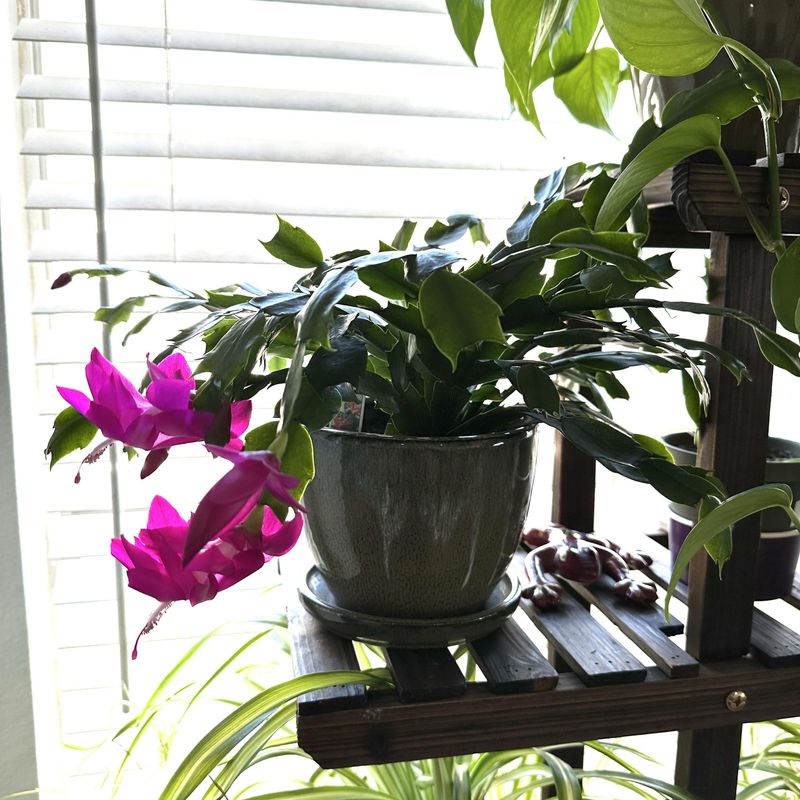
That window looks harmless enough in summer. But in December, it might be secretly freezing your Christmas cactus one draft at a time.
Cold drafts are a sneaky cause of Christmas cactus bud dropping that many plant owners overlook entirely. Windows in older homes especially tend to leak cold air along the edges and sills.
That chilly air hits the tender buds and triggers a stress response almost immediately. Even a brief burst of cold air from an opening door can cause damage during bud season.
Think about high-traffic entryways or rooms where windows are opened regularly. Those spots are danger zones for a budding cactus.
The damage from a draft is not always visible right away. Buds may look fine for a day or two before they start dropping. By then, the damage is already done and difficult to reverse.
Feel along the edges of your window with the back of your hand on a cold night. If you feel a chill, your plant feels it too. Moving the plant just a foot or two away from the glass can make a dramatic difference.
Weatherstripping old windows helps reduce drafts for both you and your plants. Heavy curtains also act as a buffer between cold glass and warm indoor air. Protecting your plant from drafts is one of the easiest wins in plant care.
8. Overfertilizing Weakens Developing Bud Structures
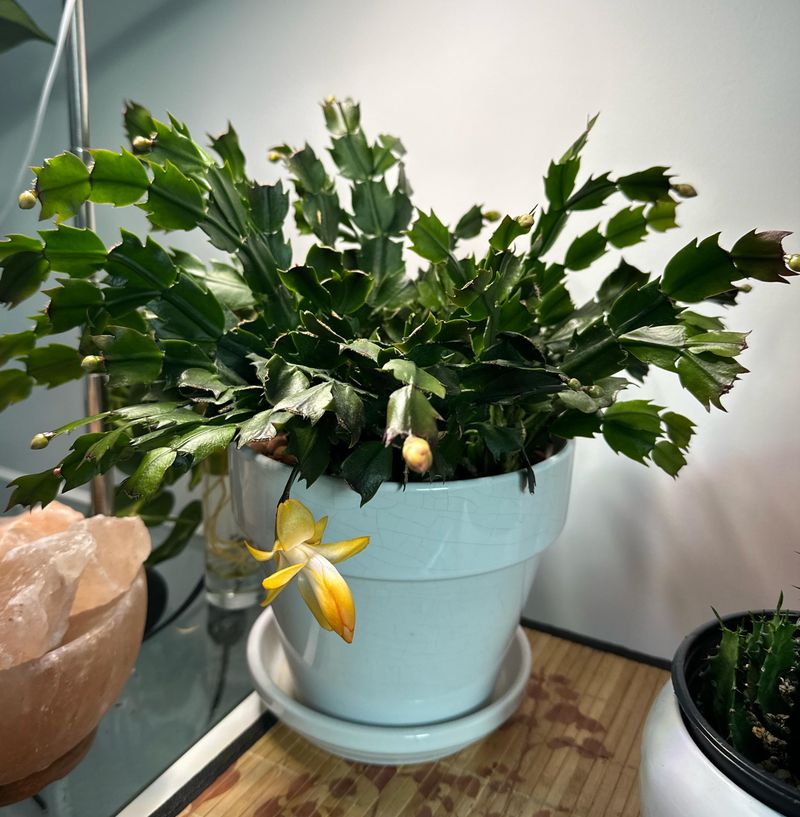
More fertilizer does not equal more blooms. In fact, too much of a good thing can cause your Christmas cactus to abandon its buds entirely.
Overfertilizing during bud season pushes the plant to focus on leaf and stem growth instead of flowering. High nitrogen fertilizers are especially problematic because they fuel green growth at the expense of blooms.
The buds essentially get sidelined while the plant races to produce more foliage. Salt buildup from excess fertilizer also damages roots over time.
Damaged roots cannot transport water and nutrients properly, and bud development suffers as a result. You might notice white crusty deposits on the soil surface, which is a classic sign of fertilizer overload.
During the budding and blooming period, hold off on fertilizing altogether. The plant has stored enough energy to get through its blooming cycle without extra feeding.
Feeding it now is like giving a sprinter a heavy backpack mid-race. If you want to fertilize, do it after blooming ends in late winter or early spring.
Use a balanced, water-soluble fertilizer at half the recommended strength. That gentler approach supports healthy growth without overwhelming the plant.
Flush the soil with plain water occasionally to wash out accumulated salts. A clean root environment helps the plant perform at its best. Less is genuinely more when it comes to feeding a Christmas cactus in bloom.
9. Pest Infestations Interfere With Bud Growth
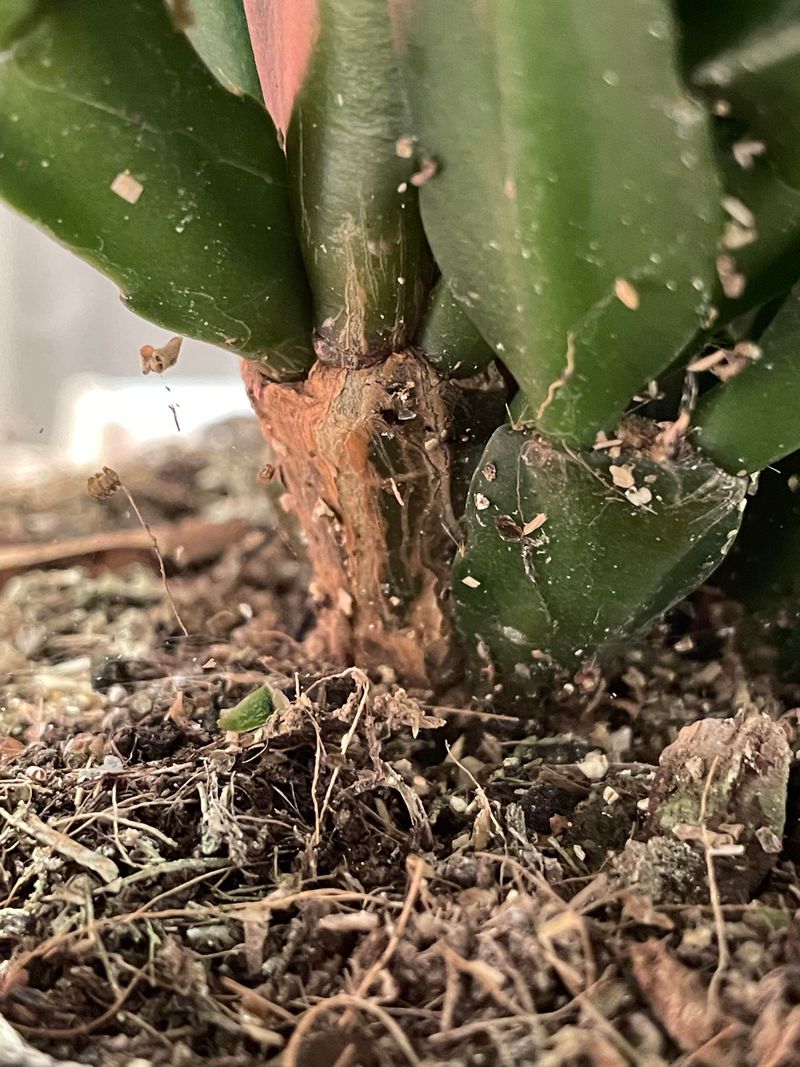
Something tiny might be eating your plant’s big moment. Pest infestations are easy to miss until the damage is already happening.
Spider mites, fungus gnats, mealybugs, and scale insects are the most common pests that attack Christmas cacti. These tiny pests feed on plant tissue and disrupt the flow of nutrients to developing buds.
The result is bud drop that seems mysterious until you look closely at the plant. Spider mites love dry indoor air, which makes winter the perfect season for an infestation.
Look for fine webbing between segments or on the undersides of leaves. Mealybugs appear as small white cottony clusters near joints and buds.
Catching an infestation early makes treatment much easier. Wipe down the plant with a damp cloth to remove visible pests manually. Follow up with an insecticidal soap spray, covering all surfaces thoroughly.
Neem oil is another effective and plant-safe option for treating pest problems. Mix it according to package directions and apply in the early morning or evening. Avoid applying it in direct sunlight, as it can cause leaf burn.
Inspect your Christmas cactus every week during bud season. Early detection is the difference between a minor annoyance and a full-blown infestation. A pest-free plant is a blooming plant, and that is the whole point.
10. Excess Direct Sunlight Scorches Tender Buds
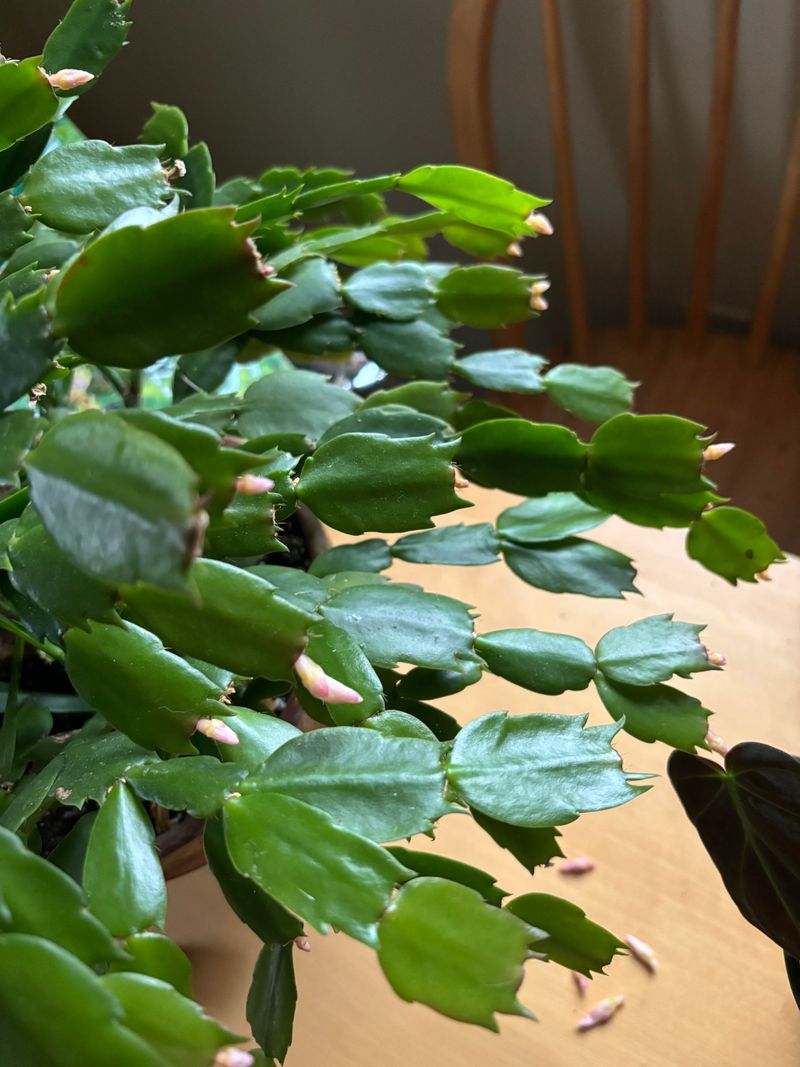
Sunlight feels generous, but too much of it can overwhelm a plant that evolved under a forest canopy. Your Christmas cactus did not sign up for a desert lifestyle.
Excess direct sunlight is a leading cause of Christmas cactus bud dropping during the winter season. Harsh afternoon sun, especially through south or west-facing windows, raises the temperature around the plant and dries out tender buds rapidly.
Those delicate structures simply cannot handle that kind of heat and light intensity. Scorched buds often turn brown or translucent at the tips before dropping.
The plant looks stressed, and the soil dries out much faster than usual. Both are signs that the light situation needs adjusting right away.
Filtered light is what this plant truly loves. A sheer curtain between the plant and a sunny window diffuses the intensity without blocking the brightness.
That small barrier can protect buds through the entire blooming season. East-facing windows are generally the safest bet for a Christmas cactus.
Morning light is softer and less intense than afternoon rays. If your only good window faces south or west, use that sheer curtain trick without hesitation.
Protecting your Christmas cactus from excess sun is one of the most impactful changes you can make. Adjust the light, and you may be amazed at how quickly the plant stabilizes.
Beautiful, open blooms are absolutely worth the small effort it takes to get there.