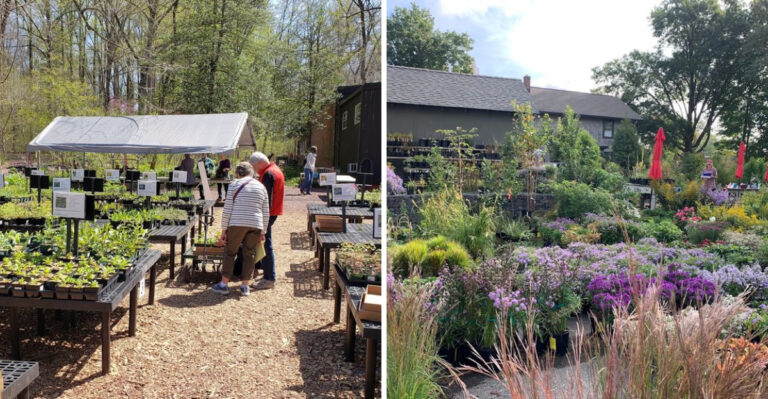
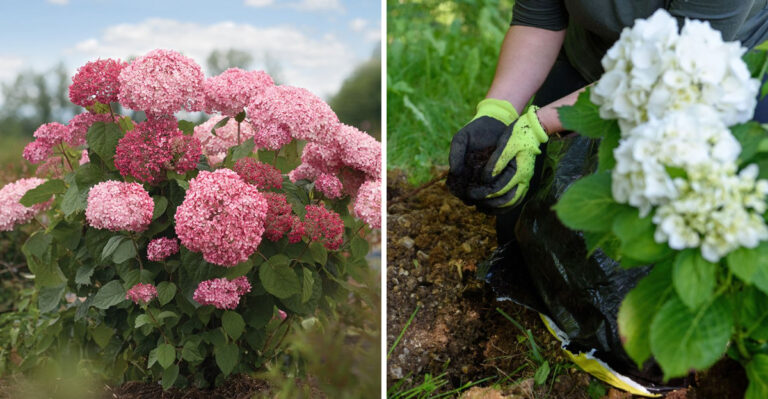
Pennsylvania Native Plant Nurseries Worth Turning Into A Late-Summer Road Trip
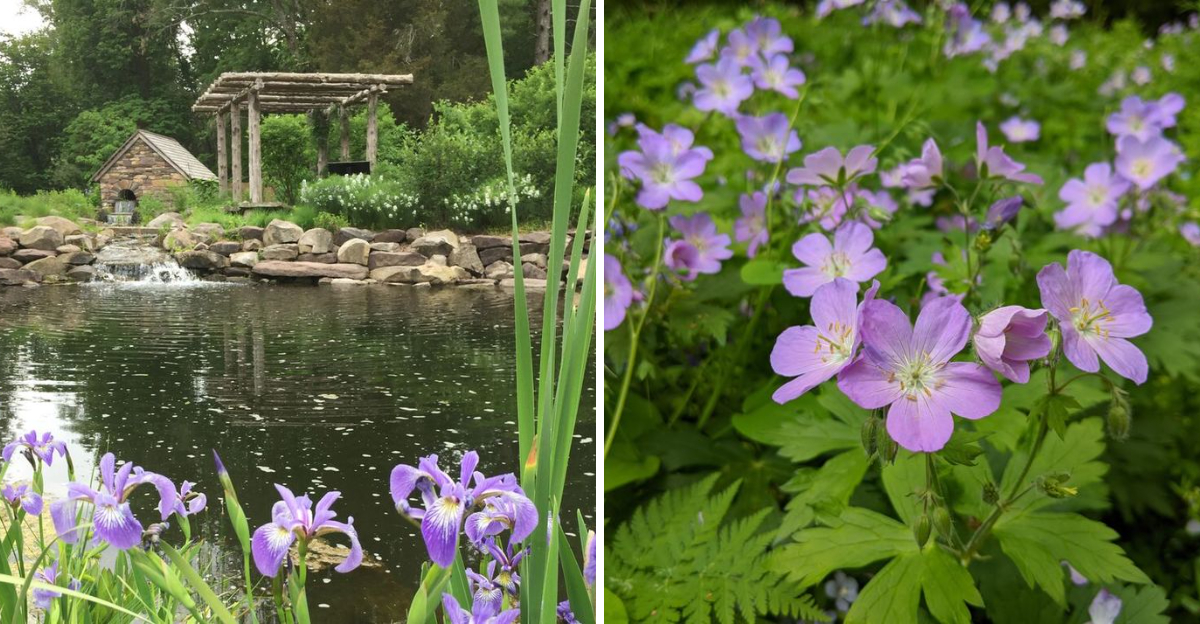
Pennsylvania native-plant shopping gets much more interesting once August turns a nursery visit into a real field test.
By late summer, leaves have taken heat, flowers have met pollinators, grasses show their mature size, and woodland plants reveal how they handle shade instead of posing neatly in spring pots.
That makes a road trip useful for gardeners planning fall beds, meadow patches, rain gardens, or a new layer of native trees and shrubs.
Seven Pennsylvania growers and nurseries make worthwhile stops, but they do not all operate like ordinary garden centers.
Some welcome walk-in retail shoppers. One is primarily wholesale. Another requires an appointment before you arrive. Addresses and visiting rules matter almost as much as the plant list.
So where should the car point first?
Bring notes on sunlight, drainage, deer pressure, and available space, then let the nursery staff help narrow the choices.
A late-summer plant run is much more fun when every stop actually expects you at the gate with room left in the trunk for plants.
1. Start The Hunt At Edge Of The Woods Native Plant Nursery
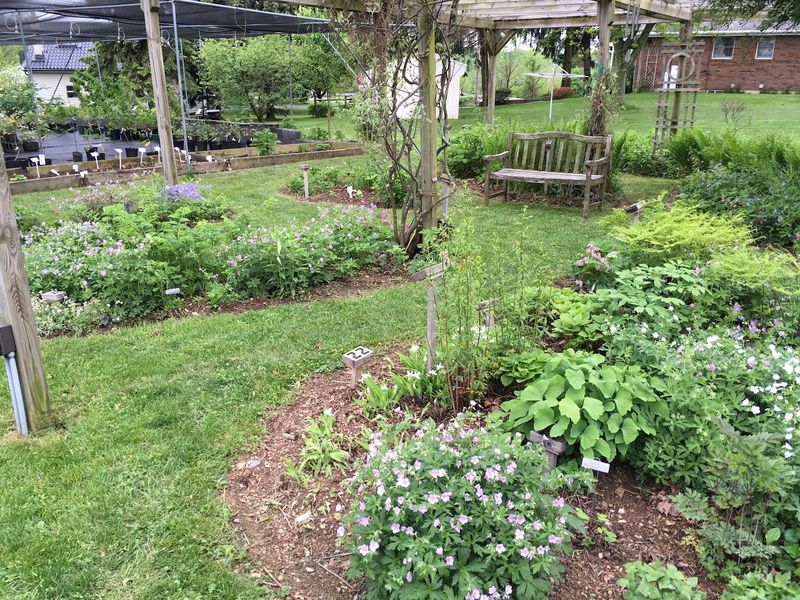
A late-summer walk through established demonstration plantings can answer questions that a nursery tag never will.
At 2415 Route 100 in Orefield, PA 18069, Edge of the Woods Native Plant Nursery gives shoppers that chance while specializing in plants native to Mid-Atlantic ecosystems.
The nursery sits west of Allentown, not in Chester County as some older descriptions suggest, and operates as a walk-in retail nursery during its growing season.
The grounds are part of the reason to linger.
Mature trees, a meadow, rain-garden plantings, shade beds, moisture-loving plants, shrubs, and an American chestnut orchard let visitors see how many species behave beyond the sales pot.
That is especially useful in August, when a perennial’s real height or a grass’s tendency to lean becomes much harder to hide.
Bring a few site notes rather than one rigid shopping list.
Write down hours of sun, drainage after a storm, deer activity, and the dimensions of the space you need to fill. Then compare several plants that fit those conditions instead of chasing the prettiest bloom beside the checkout area.
Current inventory changes, so a long-distance shopper should still check availability before leaving home.
The nursery may be the first stop, but the garden should remain the boss. A plant that looks fantastic in Orefield still needs a job waiting for it back home.
2. Browse Local Natives At Redbud Native Plant Nursery
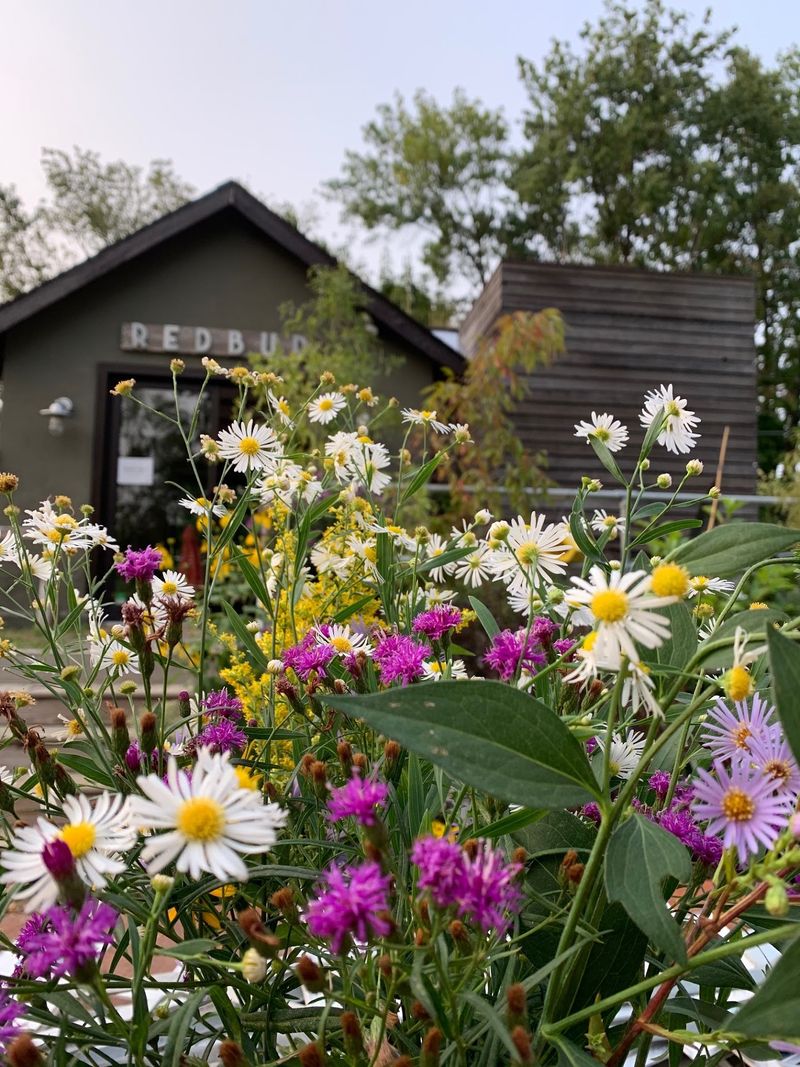
A gardener new to natives may appreciate a stop that feels approachable without shrinking the plant choices to a handful of familiar species.
Redbud Native Plant Nursery operates at 904 N. Providence Road in Media, PA 19063 and sells container-grown native plants for the Mid-Atlantic region.
Its retail selection includes herbaceous perennials, grasses, ferns, shrubs, and trees, with plants intended for settings ranging from woodland beds and rain gardens to hedgerows and pollinator plantings.
That variety makes late summer a useful time to compare form.
Your Pennsylvania Garden Changes Every Week. Your Plan Should Too.
Gardening in Pennsylvania changes quickly throughout the season. Every Friday you’ll receive a simple weekly plan showing exactly what to plant, prune, fertilize, harvest, and protect so you never miss the right timing.
A plant that looked tiny in April may be shoulder-high by August. Another may stay surprisingly compact.
Seeing mature examples and talking through spacing can prevent the classic native-garden surprise where six innocent quart pots spend the next season introducing themselves to every neighbor.
Take your site conditions seriously here too.
Redbud specifically offers help matching plants to growing conditions and project goals, so arrive ready to describe sun, soil moisture, available width, and the wildlife value you want from the planting.
Summer hours are shorter than spring hours, which makes checking the nursery’s current schedule before driving to Media important.
Leave some flexibility in the shopping list.
A missing species does not have to derail the trip. A knowledgeable native nursery can often steer you toward another plant that performs the same garden job with fewer complaints and better manners.
3. Pair Plants With A Preserve Visit At Bowman’s Hill
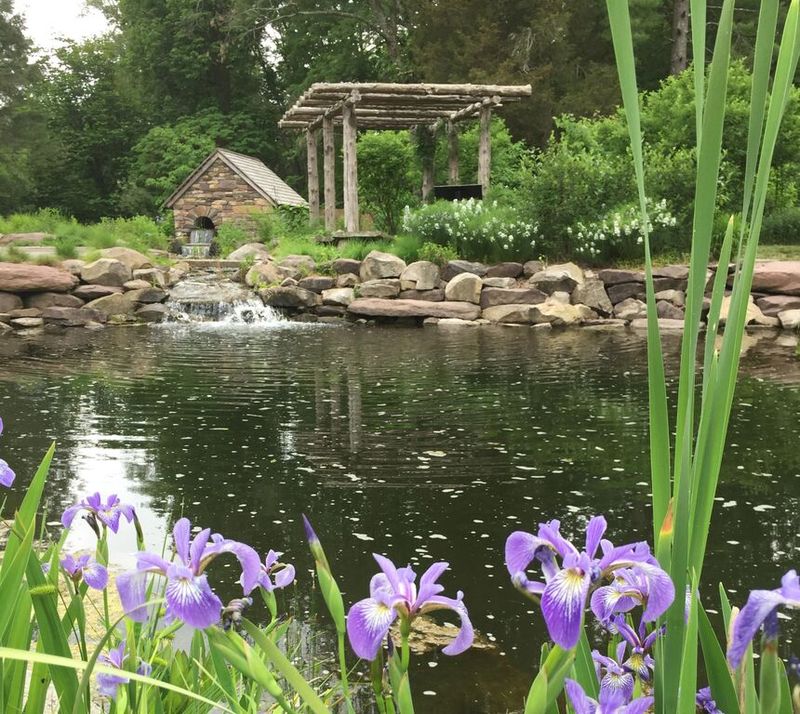
Few nursery trips let you shop for native plants and then immediately walk through a landscape that shows why those plants matter.
Bowman’s Hill Wildflower Preserve at 1635 River Road in New Hope, PA 18938 combines a native plant nursery with a preserve devoted to regional flora.
The nursery offers more than 200 native species during the growing season, including wildflowers, ferns, trees, shrubs, and vines, with availability updated regularly and subject to change.
That makes this stop especially useful for gardeners who learn by looking.
Walk the preserve before shopping and pay attention to plant communities rather than isolated flowers. Notice which ferns share ground with woodland perennials, where moisture-loving plants settle, and how shrubs create structure behind lower layers.
Then head back to the nursery with a clearer idea of the effect you want.
The preserve currently lists its native plant nursery as open for in-person sales on days the preserve is open from April into mid-November, with seasonal schedules changing through the year. Check the current calendar before the drive.
Local sourcing is another strong point. The preserve says its nursery grows many plants from locally sourced seed, and its 2026 seed program specifically uses local Pennsylvania ecotypes.
This stop can easily become the longest of the trip.
That is not poor planning. It is what happens when the shopping list gets a walking trail attached to it.
4. Head West For Arcadia Natives
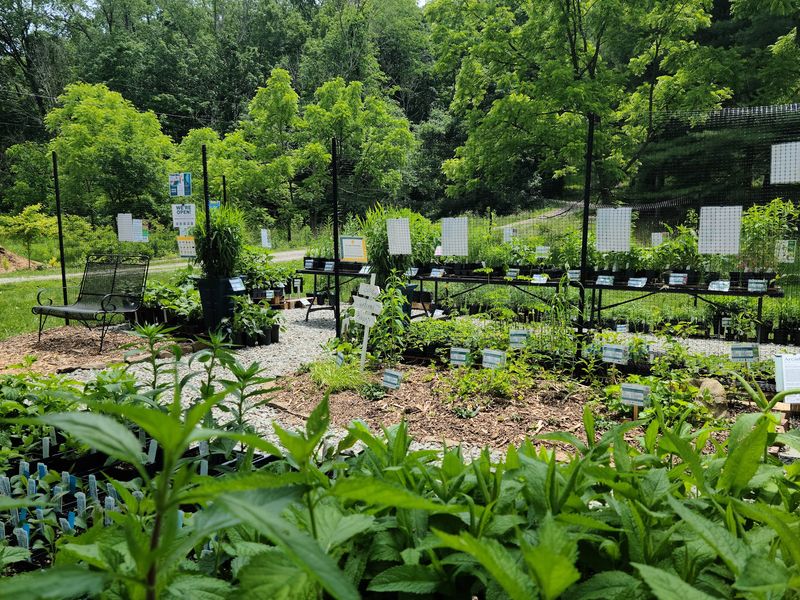
Western Pennsylvania gardeners do not need to make every native-plant run toward Philadelphia.
A little over a mile from Interstate 79, Arcadia Natives sits at 2273 South Main Street Extension in Washington, PA 15301.
The word “Extension” matters in the address because the nursery warns that GPS directions can otherwise send visitors on an unnecessary scenic tour through the back roads.
The nursery’s regional focus is one of its strongest reasons to visit.
Arcadia propagates native species and offers many seed-grown local ecotypes indigenous to Pennsylvania and the Mid-Atlantic.
Its own sourcing information says some seed comes from its property and other material is collected with permission from counties including Allegheny, Westmoreland, and Washington, with known provenance marked for shoppers.
That can be valuable for gardeners trying to build habitat with regional plant material rather than treating every native species as interchangeable across the state.
Visiting rules deserve a glance before departure.
For 2026, Arcadia lists morning walk-in hours on selected days from May through October, while afternoon visits require appointments. Inventory shifts through the season as well.
Late summer is a good moment to study the tougher performers and start planning fall woody-plant additions.
Bring backups on the wish list.
Native-plant road trips become much less stressful once “sold out” stops sounding like a personal betrayal from the goldenrod section.
5. Make A Hanover Stop At Native Plant Company
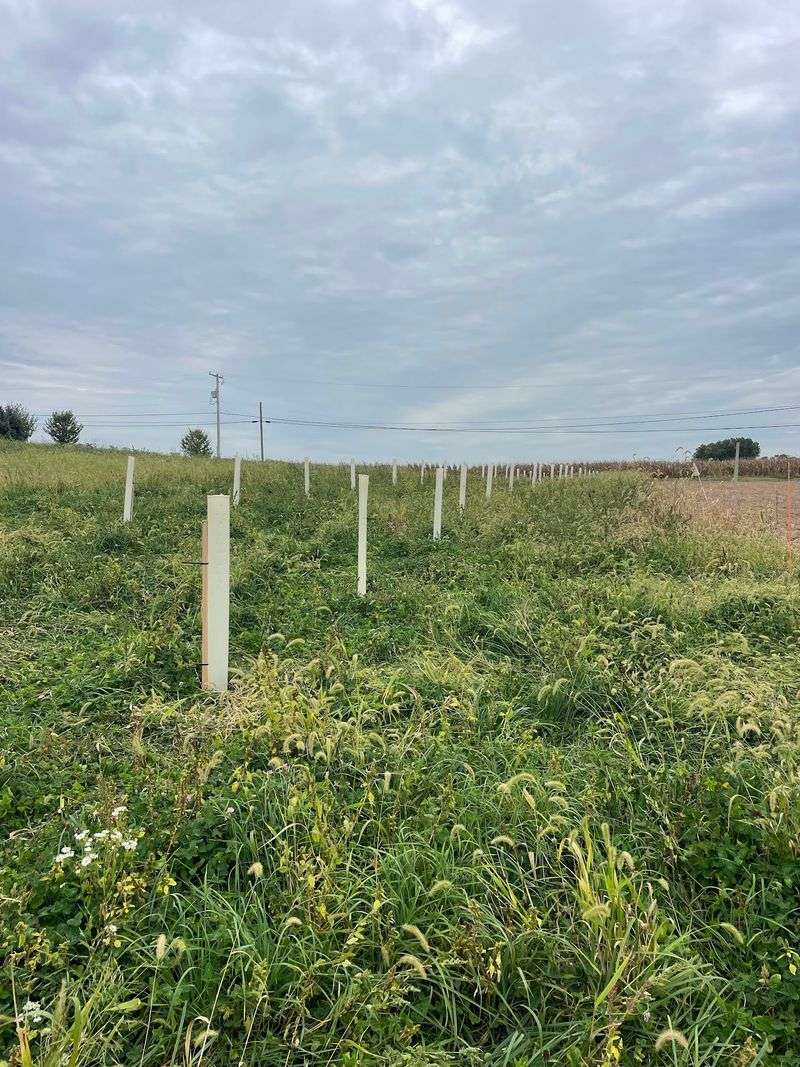
South-central Pennsylvania gives road-trippers another useful option before the route bends toward Lancaster County.
Native Plant Company is listed at 223 Vegas Drive in Hanover, PA 17331, a location also included in Mt. Cuba Center’s regional nursery resources.
The company’s own contact page confirms Hanover, PA 17331 and provides its current phone and email, though the full street number is easier to find through current nursery directories.
This is a smaller stop where preparation pays off.
The business focuses on native plants for home landscapes, so arrive with a short description of the space rather than a vague request for “something native.”
A dry sunny bank, damp shade, a privacy edge, and a small pollinator bed all need completely different answers.
Late summer can make those distinctions easier to see in the plants themselves.
Look at height, width, foliage quality, and the amount of space a mature specimen wants. Flower color is the fun part, but mature size is the detail that saves you from moving the plant two years later.
Current stock can change quickly at a small nursery.
Call or text before making a long drive, especially for a particular tree, shrub, or harder-to-find perennial. The business contact information is readily available, so there is little reason to gamble on inventory.
Hanover does not need to be the biggest stop on the route to be useful.
Sometimes the best road-trip purchase is the plant that solves one awkward corner and still leaves enough trunk space for lunch.
6. Call Ahead Before Visiting Octoraro Native Plant Nursery
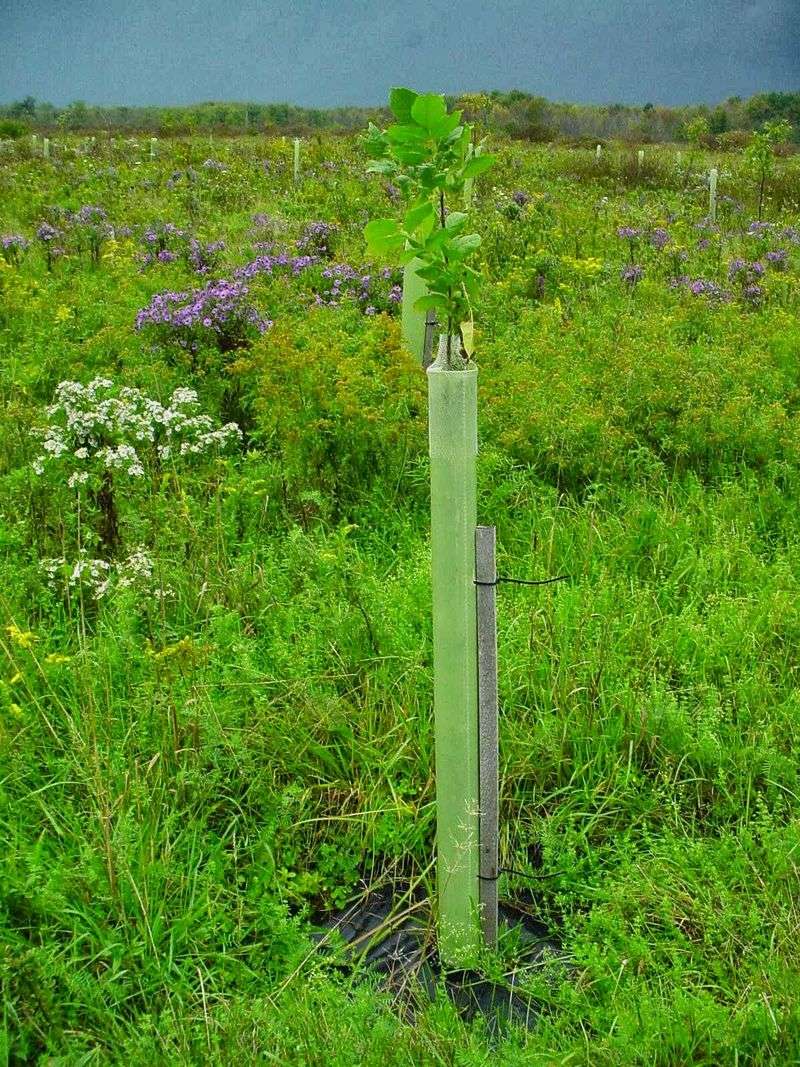
This stop needs a large asterisk because Octoraro does not operate like a conventional retail garden center.
The nursery is based at 6126 Street Road in Kirkwood, PA 17536 and grows a broad selection of Mid-Atlantic native trees and shrubs, including material for restoration work and less commonly used species.
Its current website identifies the operation as wholesale and publishes live inventory for customers.
Home gardeners should not simply drive to Kirkwood expecting to browse a retail sales yard.
Octoraro states that it does not sell retail in the ordinary sense. Individuals can purchase only when they meet its wholesale minimums, currently $750 for pickup, along with quantity requirements for different container sizes.
Gardeners who do not meet those minimums are directed to the nursery’s retail partners instead.
That makes Octoraro useful for a large property, community project, restoration planting, or a gardener coordinating a substantial shared order.
For an ordinary backyard shopping trip, its retail-partner list is the more practical route.
The distinction is worth making before anyone spends an hour admiring Lancaster County from the driver’s seat.
Check inventory and ordering requirements before treating this as a road-trip stop. A big project may make the numbers work beautifully.
A shopper searching for three woodland perennials should point the car toward one of Octoraro’s retail partners instead.
The plants may be tempting, but the minimum order is the real gatekeeper.
7. Add Keystone Wildflowers To The Berks County Route
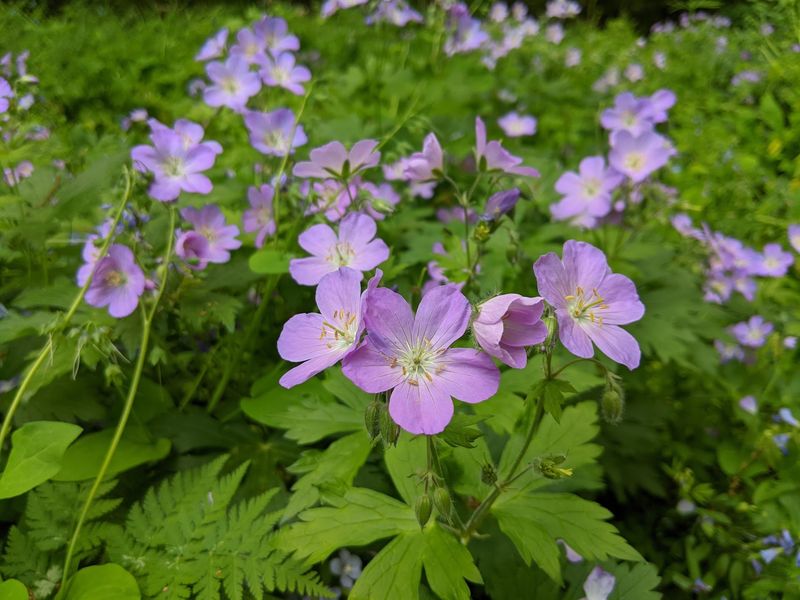
A road trip through southeastern Pennsylvania can pick up another worthwhile native-plant stop in the rolling countryside near Robesonia.
Keystone Wildflowers operates at 675 Hill Road, Robesonia, PA 19551, where the small family-run nursery grows native wildflowers, ferns, grasses, sedges, shrubs, vines, and other plants suited to regional landscapes.
The business has been growing native plants since 2000, with nursery-propagated stock rather than plants collected from the wild.
This stop works best with planning.
The nursery is appointment-only, and plant orders are picked up on site rather than shipped. Current availability can change quickly through the growing season, so checking the plant list and arranging a pickup before the drive keeps the visit productive.
Bring notes on the part of the yard you are trying to solve.
A damp edge, dry meadow, woodland opening, or sunny pollinator bed each points toward a different group of plants.
Keystone’s inventory spans several habitat types, which makes the stop useful for gardeners building a layered native planting rather than hunting for one flashy perennial.
Late summer also gives you time to line up plants for cooler fall planting weather.
The road-trip rule stays simple: confirm the appointment, confirm the plants, then leave enough trunk space. Native grasses may look innocent in nursery pots, but a few flats can become very ambitious passengers.