Why Painted Buntings Keep Returning To Certain Georgia Yards In Late Summer
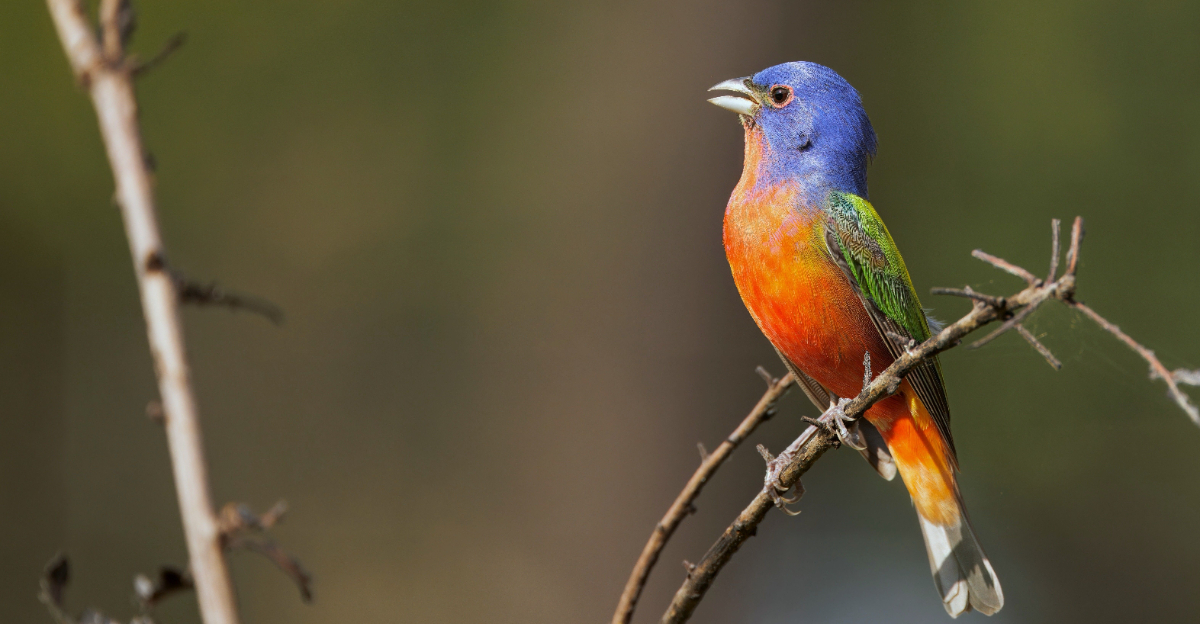
Seeing a painted bunting once feels special, but spotting one around the same yard repeatedly is even more interesting. These bright little birds can be surprisingly selective about where they spend their time.
Across parts of Georgia, certain yards offer conditions that fit what painted buntings need during this season. The difference often comes down to habitat rather than luck.
Think about what a small bird needs while feeding, resting, and staying protected from larger animals. A carefully managed yard can provide several of those advantages without looking unusual to you.
August also brings changes in bird activity as younger buntings appear and migration gradually approaches. Reliable places become valuable during this busy period.
Your everyday landscaping choices may play a bigger role than expected.
A few specific yard features can explain why painted buntings return while passing others by.
1. Food-Rich Yards Keep Painted Buntings Returning
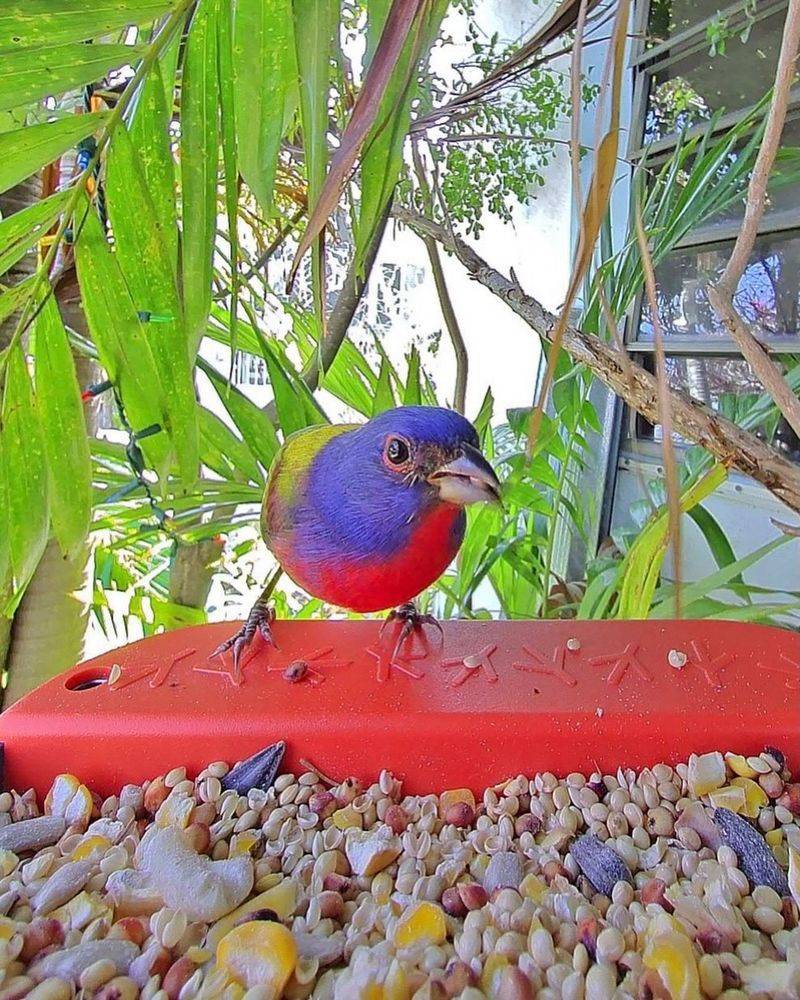
A yard that runs out of food gets forgotten fast. Painted Buntings are seed eaters at heart, and white millet is one of their top choices.
Platform feeders or ground-level feeding spots work especially well for them.
Millet scattered on the ground can attract them just as well as a feeder. Buntings tend to feed low, so placing food close to the ground matches their natural habits.
Tube feeders with small ports also work if they are stocked with the right seed.
Consistency matters more than quantity. A yard that reliably offers food through late summer gives buntings a reason to keep stopping in.
If food disappears for several days, they may shift to a neighboring yard instead.
Sunflower chips and nyjer seed can supplement millet, but millet tends to get the most attention from buntings. Avoid seed mixes loaded with filler grains like red millet or milo, since buntings tend to toss those aside.
Keeping feeders clean also reduces mold, which can make birds sick and drive them away.
A well-stocked yard in late summer becomes a reliable pit stop during migration. Buntings remember food sources, and a yard that delivers tends to see repeat visits season after season.
2. Dense Shrubs Give Them Needed Cover
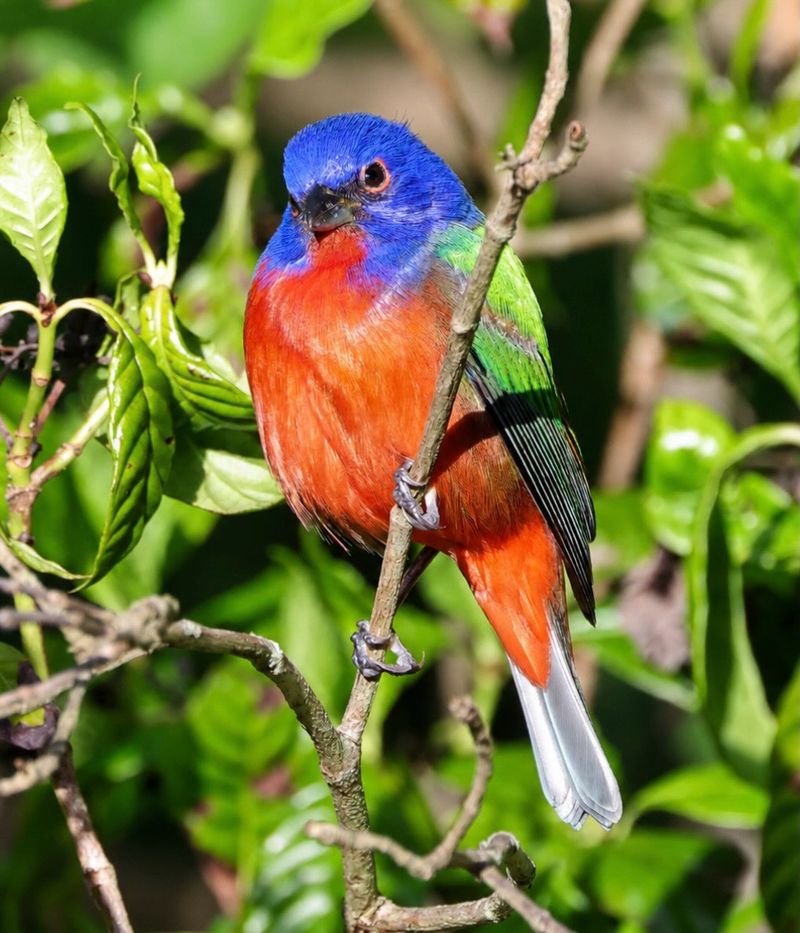
Buntings are cautious birds. Open yards with no cover make them nervous, and nervous birds do not stick around long.
Dense shrubs give them a place to retreat the second something spooks them.
Native shrubs like beautyberry, wax myrtle, and buttonbush work well in Georgia landscapes. They grow thick enough to offer real shelter, and they also produce berries and seeds that buntings may snack on.
Planting a mix of shrub heights creates layered cover that feels more like natural habitat.
Shrubs near feeding areas are especially useful. Buntings often perch in a nearby bush before flying to a feeder, checking for danger first.
Without that staging area, they may skip the feeder entirely and move on.
Overgrown corners of a yard are not a problem if you are trying to attract buntings. Brushy, slightly wild sections of a yard often feel safer to small birds than neat, trimmed landscapes.
Your Georgia Garden Changes Every Week. Your Plan Should Too.
Gardening in Georgia changes quickly throughout the season. Every Friday you’ll receive a simple weekly plan showing exactly what to plant, prune, fertilize, harvest, and protect so you never miss the right timing.
Letting a shrub grow a bit fuller than usual can make a real difference.
Female buntings, which are green and easier to overlook, use dense cover heavily during late summer. They blend into leafy shrubs almost perfectly.
Spotting one tucked inside a wax myrtle is a good sign your yard has what it takes to keep them coming back.
3. Native Grasses Provide Plenty Of Seeds
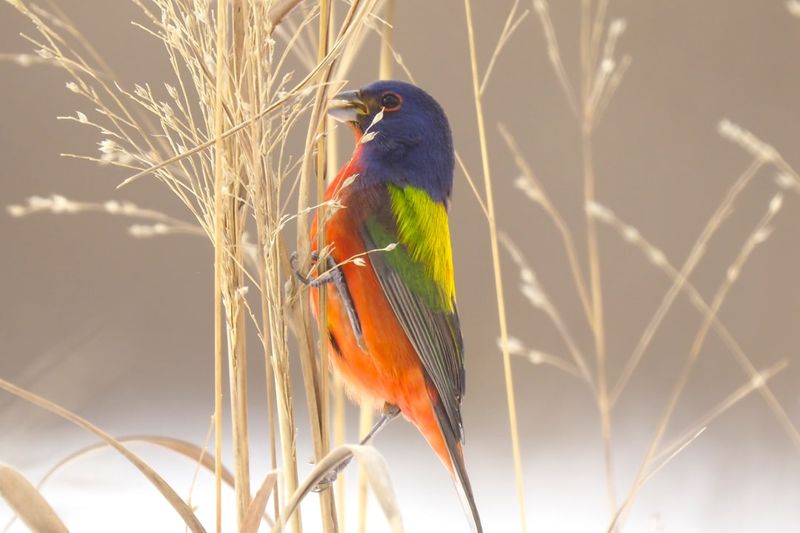
Native grasses are one of the most underrated tools for attracting Painted Buntings. When grass goes to seed in late summer, it becomes a natural buffet that buntings actively seek out.
Feeders are helpful, but real seed heads from living plants can be even more appealing.
Little bluestem, broomsedge, and switchgrass are solid choices for Georgia yards. These grasses are tough, drought-tolerant once established, and produce seed heads that buntings can cling to and feed from directly.
They also add texture and movement to a yard, which many gardeners appreciate.
Letting patches of grass grow tall enough to seed is key. Mowing too frequently removes the seed heads before birds get a chance to use them.
Leaving a section unmowed through late summer gives buntings a reliable food source right in your yard.
Clumping grasses work better than spreading types in smaller yards. They stay contained and are easier to manage while still providing the seed production buntings want.
Mixing a few species together increases the variety of seeds available and extends the feeding window.
Yards with established native grass patches tend to attract buntings more consistently than those relying on feeders alone. Natural food sources signal a healthy habitat, and buntings respond to that.
A few well-placed grass clumps can change how often they visit.
4. Fresh Water Draws Them Back
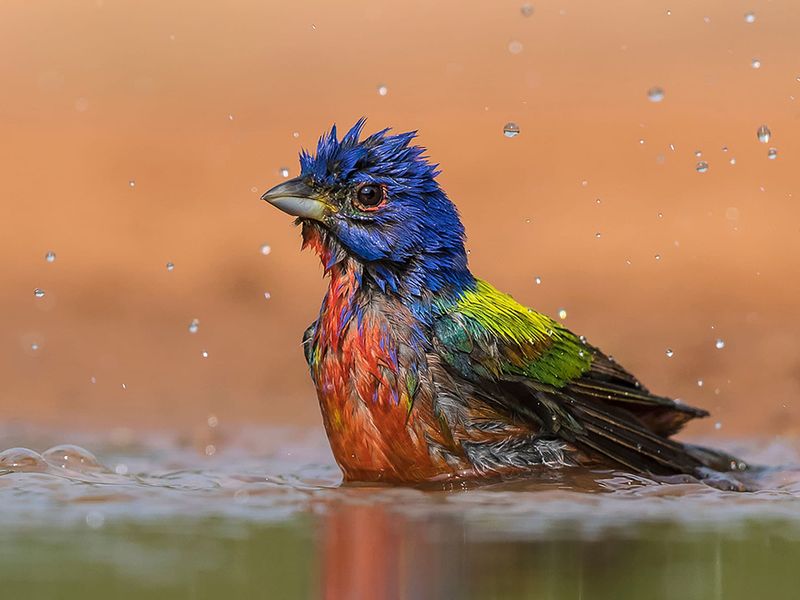
Water is a magnet for Painted Buntings. A reliable water source can pull them into a yard even when food options are limited nearby.
Buntings bathe and drink regularly, so clean water matters more than most people expect.
Shallow bird baths work best. Buntings prefer water no deeper than one to two inches, so a bath with a gradual slope or a shallow dish is ideal.
Deep baths with steep sides get avoided by smaller birds like buntings.
Moving water is even more effective. A small dripper or fountain attachment creates rippling sounds that carry through the yard and catch a bird’s attention from a surprising distance.
Solar-powered drippers are easy to add and require no wiring.
Placement matters a lot. Set the bath near shrubs or low branches so buntings can perch nearby and scan for threats before dropping down to drink or bathe.
A bath sitting in the open with no cover close by gets far less traffic from cautious birds.
Changing the water every couple of days keeps it fresh and reduces the chance of algae buildup. Scrubbing the basin weekly prevents a slimy coating that can discourage birds.
A clean, well-placed water source in late summer can become one of the strongest reasons Painted Buntings return to a specific yard season after season.
5. Brushy Edges Offer Safe Resting Spots
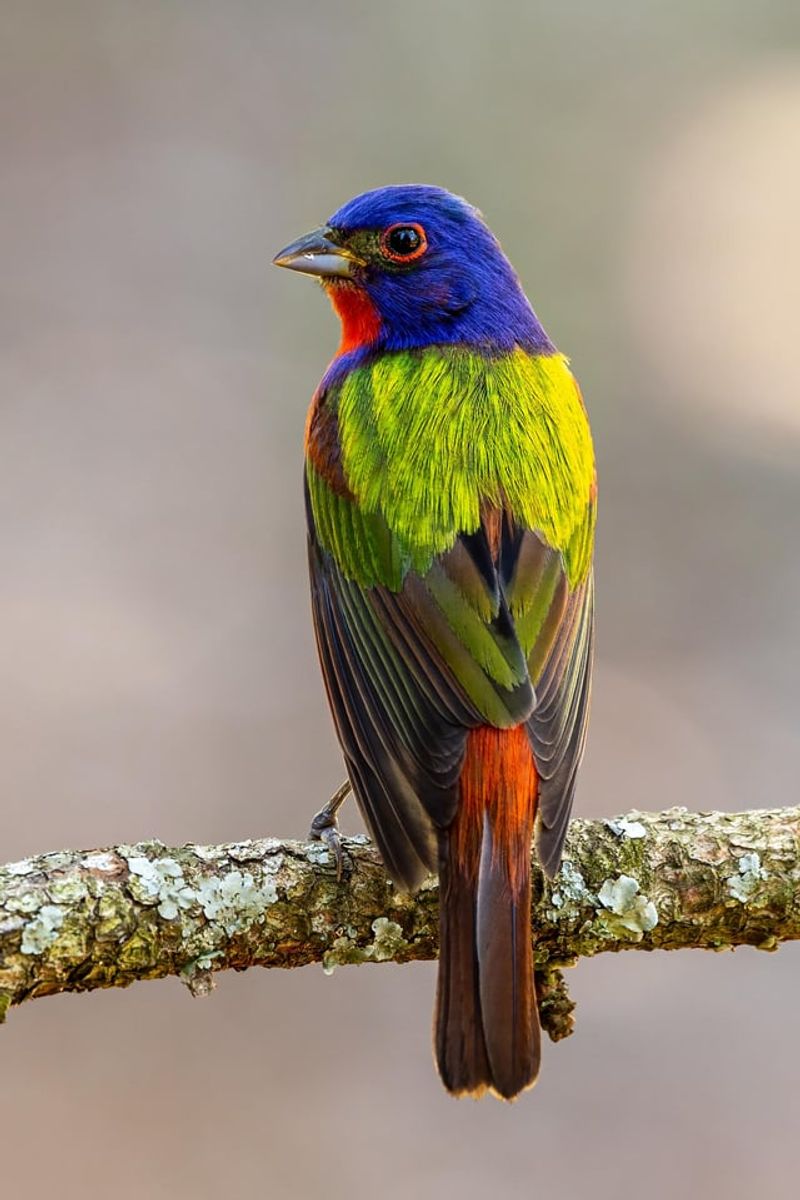
Brushy edges are the kind of habitat Painted Buntings naturally gravitate toward. Along fence lines, garden borders, or the back edge of a yard, tangled vegetation gives them exactly the kind of low cover they prefer to rest in.
Buntings are not birds that perch high and out in the open. They tend to stay low, tucked into thick growth where they feel harder to spot.
A yard with a clean, open perimeter and no brushy edges may simply feel too exposed for them to settle in comfortably.
Leaving a strip of natural growth along a fence or property edge costs almost nothing. Letting native vines, shrubs, and low plants fill in creates a brushy corridor that buntings use for resting, preening, and moving between feeding spots.
It does not need to look perfectly tidy to work well.
Pokeweed, blackberry canes, and native vines like Virginia creeper can all contribute to brushy edge habitat. Some of these also produce berries or seeds that buntings may eat.
A layered edge with plants of varying heights tends to attract more birds than a single row of one species.
Yards in Georgia with well-developed brushy edges often hold buntings longer during late summer stopovers. Birds that feel safe in a spot tend to linger rather than just passing through quickly.
6. Fewer Pesticides Mean More Insects For Buntings
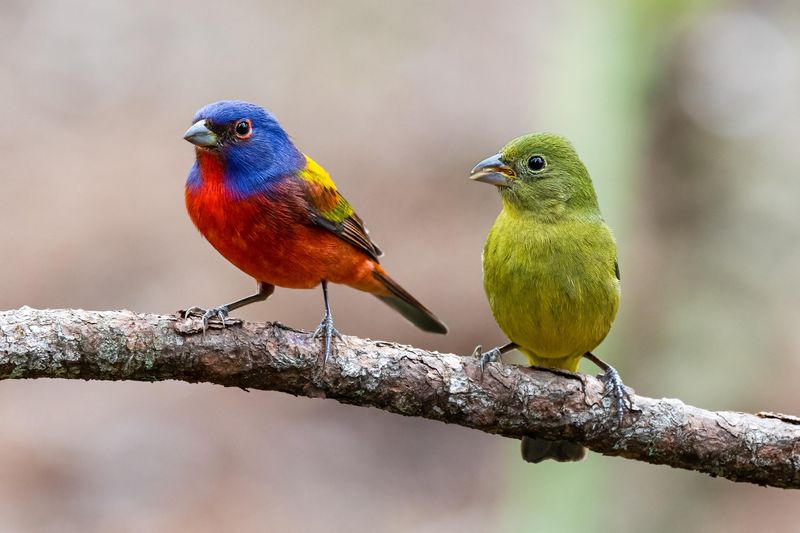
Painted Buntings eat seeds most of the time, but insects are an important part of their diet too, especially during late summer when they need extra energy for migration. A yard with a healthy insect population gives them a richer, more complete food source.
Heavy pesticide use knocks out the insects that buntings rely on. Caterpillars, beetles, and small grasshoppers are all fair game for a foraging bunting.
Yards that regularly spray for pests may have fewer visible bugs, but they also have fewer birds willing to spend time there.
Reducing or eliminating pesticide use in areas where buntings feed can make a noticeable difference over time. Native flowering plants attract pollinators and other insects that buntings may snack on while moving through the yard.
Letting leaf litter accumulate in corners also supports ground insects that buntings occasionally scratch through.
Organic gardening practices tend to create a more balanced yard ecosystem. Beneficial insects increase, pest populations stay in check naturally, and birds have more foraging opportunities.
It takes some patience, but the shift in bird activity can be rewarding to watch.
A yard in Georgia that skips heavy chemical treatments often ends up with more diverse bird visitors overall.
Buntings pick up on these differences and return to yards where natural food sources remain available and accessible through the late summer season.
7. Familiar Habitat Makes Certain Yards More Appealing
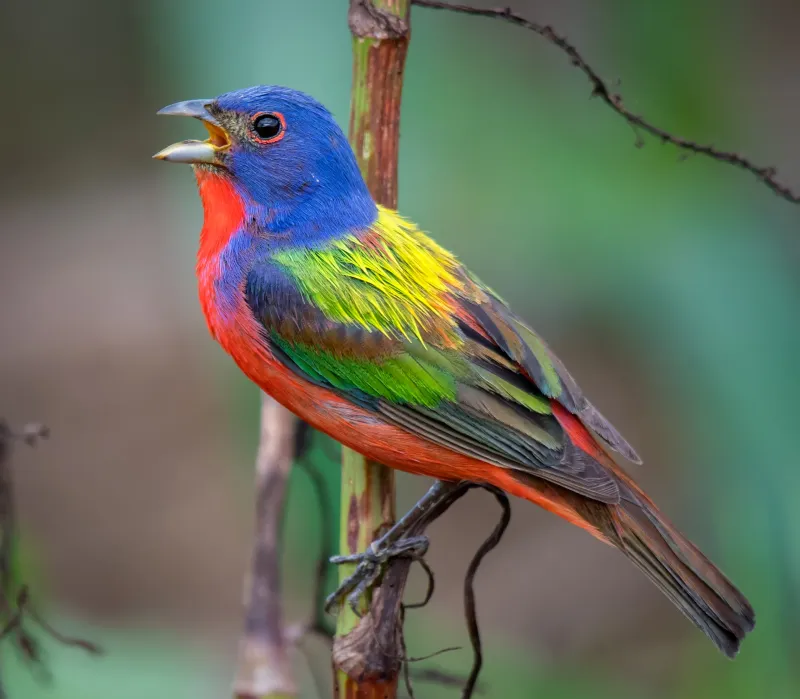
Birds have memory. Painted Buntings that found food, water, and cover in a yard last summer are likely to check that same spot again.
Familiarity plays a genuine role in why certain yards get repeat visits while others get overlooked.
A yard that has been gradually built up over several seasons tends to feel more established. Mature shrubs, settled feeders, and well-placed water sources create a consistent environment that buntings can rely on.
New yards with sparse plantings may take a year or two before they start attracting regular visitors.
Keeping the yard setup relatively stable from year to year helps. Moving feeders or removing shrubs mid-season can disrupt the patterns buntings have learned.
Small adjustments are fine, but major changes to a yard’s layout can temporarily reduce bird activity.
Buntings also respond to the presence of other buntings. A yard where one bird finds success can attract others passing through.
Over time, a location can build a small reputation among local and migrating populations as a reliable stopover.
Georgia’s late summer landscape can be dry and food-scarce in some areas. Yards that maintain consistent habitat through that stretch stand out.
A bunting that finds a dependable yard once will likely factor it into its route again, making familiarity one of the quieter but more powerful forces behind why certain yards keep seeing these brilliant little birds return.