What Arizona Yards Have When Quail Keep Bringing Their Chicks
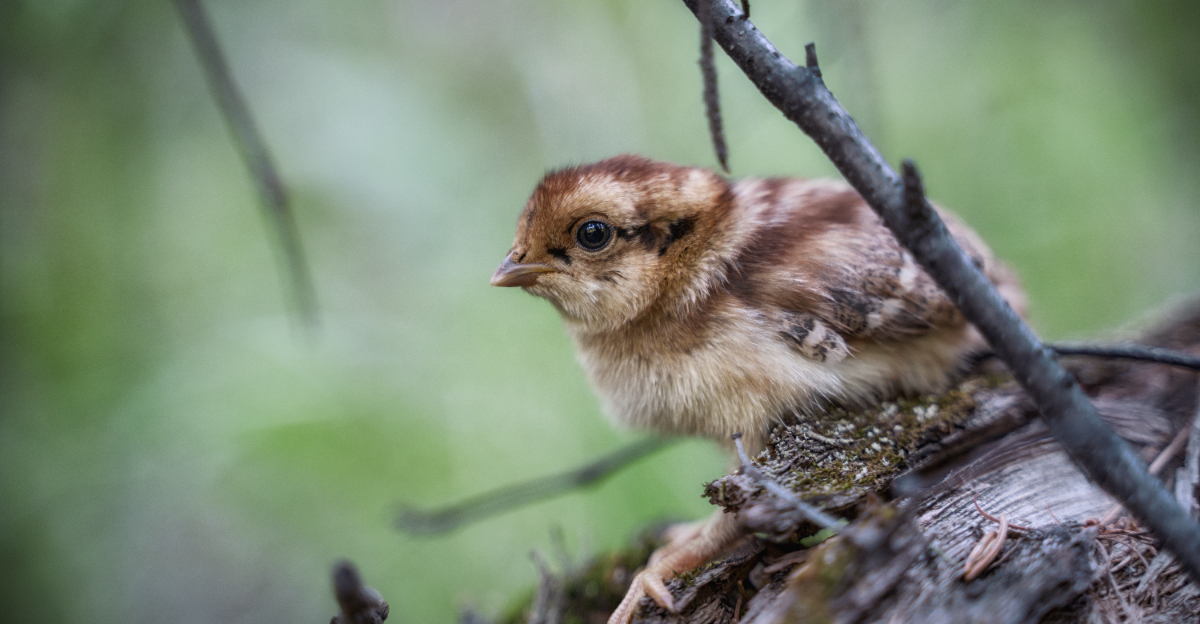
A flash of movement by the fence, then another, and suddenly there is a whole line of fuzzy chicks scrambling after mom and dad across your driveway.
That sight does not happen by accident. Some yards pull quail back season after season, while a nearly identical yard next door never sees a single chick.
The birds are quietly grading your space long before the chicks ever hatch, weighing dozens of small signals that tell them if it is worth the gamble.
Notice those details, and the quail notice you back. Miss them, and the show simply does not start.
1. Dense Shrubs Give Chicks A Place To Hide
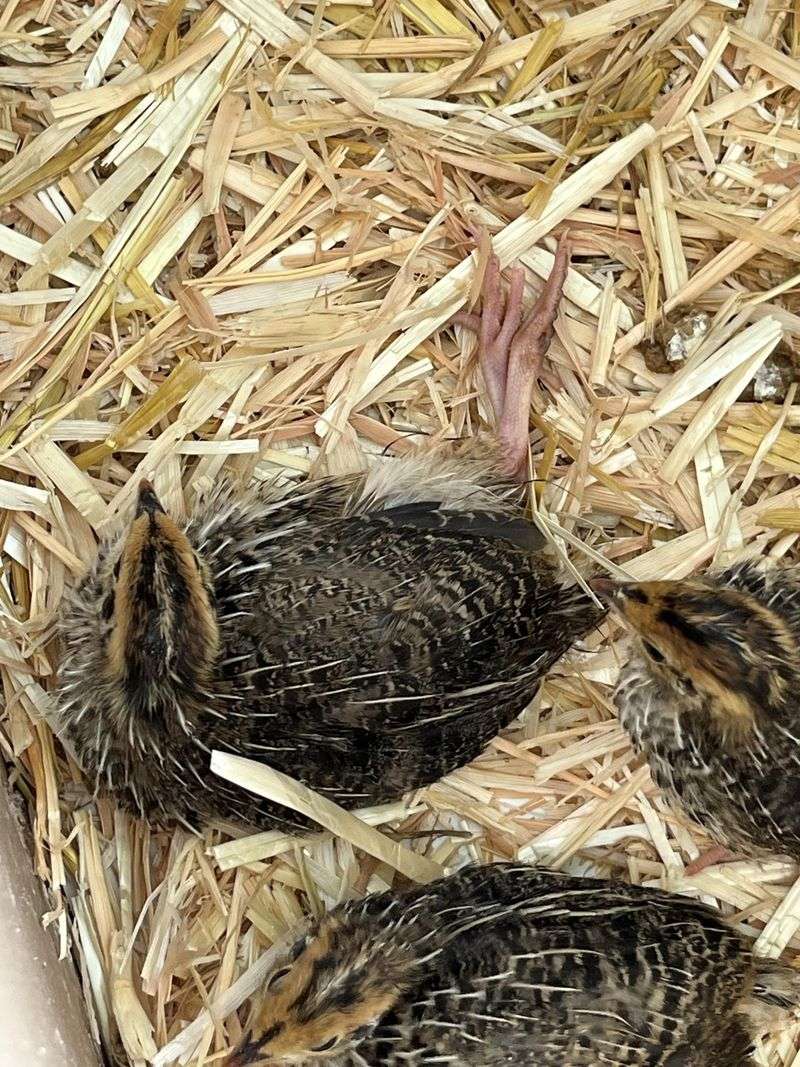
Tiny quail chicks have almost no defense against predators. Their best survival tool is disappearing into thick, low-growing shrubs within seconds of a threat.
Dense shrubs are the number one thing what Arizona yards have when quail keep bringing their chicks. Without solid cover, a mother quail simply will not risk leading her brood into your space.
Native plants like desert hackberry and wolfberry create the kind of thorny, tangled growth quail love. These shrubs branch out low to the ground, forming a natural fortress for small birds.
A yard with open, manicured landscaping offers very little protection. Chicks need to be able to dart into cover within two or three steps from any point in the yard.
Planting shrubs in clusters rather than single plants makes a big difference. A grouping of three to five native shrubs creates a micro-habitat that feels safe to an entire covey.
Positioning those clusters near your bird feeder or water source gives chicks a quick escape route. Quail are constantly scanning for the nearest exit, so keep that in mind when designing your yard.
Even a simple brush pile made from fallen branches can serve as emergency cover. Quail chicks have been spotted using piles of trimmed mesquite branches just as readily as living shrubs.
The goal is to think like a chick. If you were three inches tall with no claws and soft feathers, would your yard feel safe enough to explore? Make it feel that way.
2. Ground-Level Water Sources Draw Entire Coveys
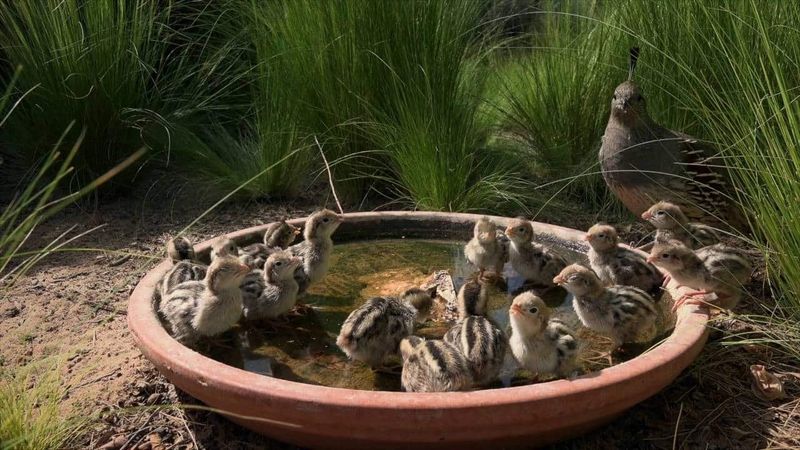
Quail chicks cannot jump up to a standard birdbath. Ground-level water is not a luxury for them. It is a requirement for survival in the desert heat.
A shallow dish placed directly on the ground can transform your yard into a daily quail destination. The water needs to stay very shallow so chicks can drink safely without any risk.
What Arizona yards have when quail keep bringing their chicks almost always includes a reliable, low-set water feature. Even a simple terracotta saucer from a garden center works beautifully.
Changing the water daily keeps it clean and prevents mosquito breeding in the hot months. Quail are surprisingly selective and will avoid stagnant or dirty sources when cleaner options exist nearby.
Placing the water source near shrubs gives the covey confidence to approach. A water dish sitting in the middle of an open yard with no cover nearby will rarely attract quail with chicks.
Your Arizona Garden Changes Every Week. Your Plan Should Too.
Gardening in Arizona changes quickly throughout the season. Every Friday you’ll receive a simple weekly plan showing exactly what to plant, prune, fertilize, harvest, and protect so you never miss the right timing.
Adding a small dripper or solar bubbler creates gentle movement in the water. Moving water catches light and sound, which helps quail locate the source from a distance.
Multiple water stations spread across the yard reduce competition between coveys. During peak breeding season, several family groups may visit the same yard on the same morning.
Keeping the water cool matters too. Tucking the dish into a shaded spot under a shrub or overhang keeps temperatures down and makes the spot more appealing on scorching afternoons.
3. Native Seed Plants Round Out Their Diet
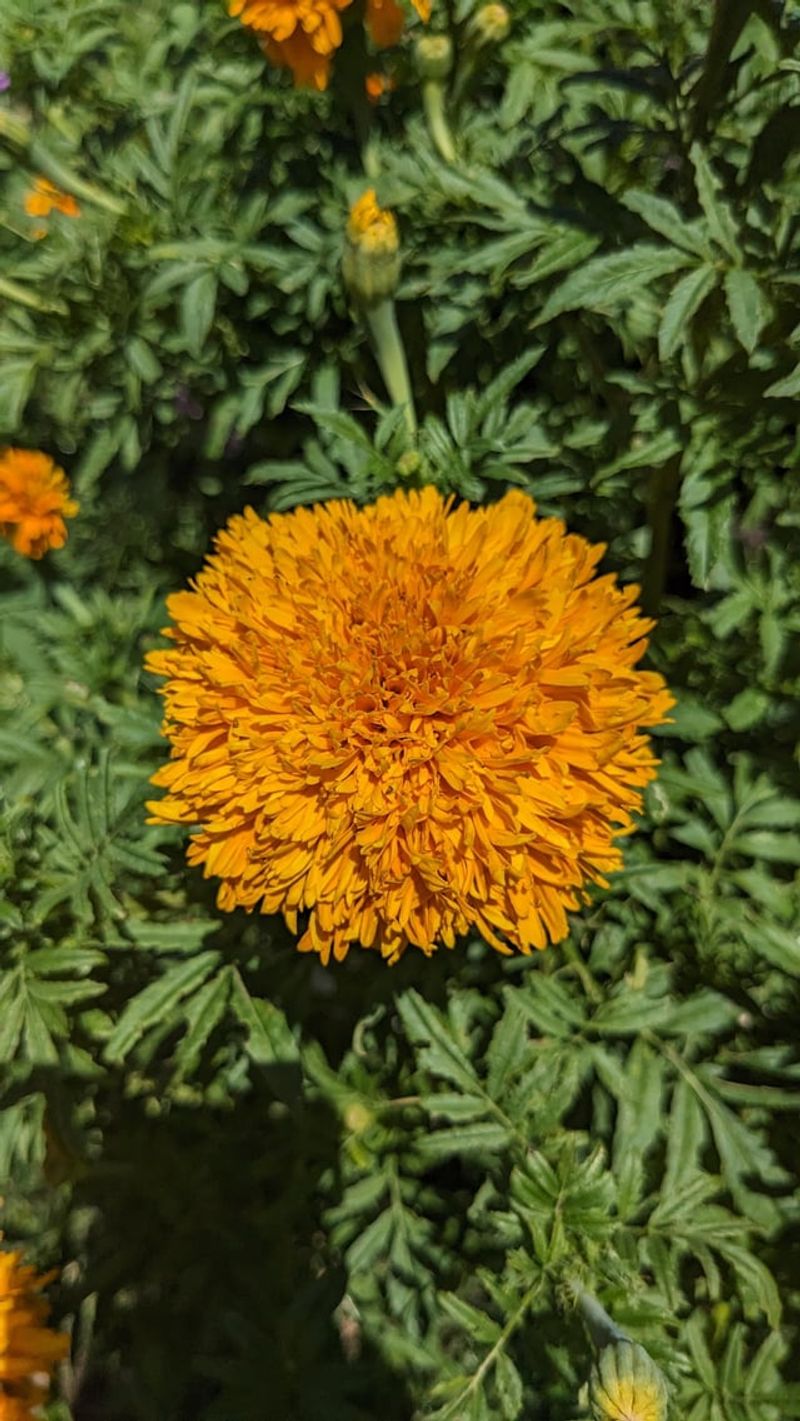
Quail are seed-eating machines, and native plants produce exactly the seeds their bodies are built to process. Exotic ornamentals often miss the mark nutritionally.
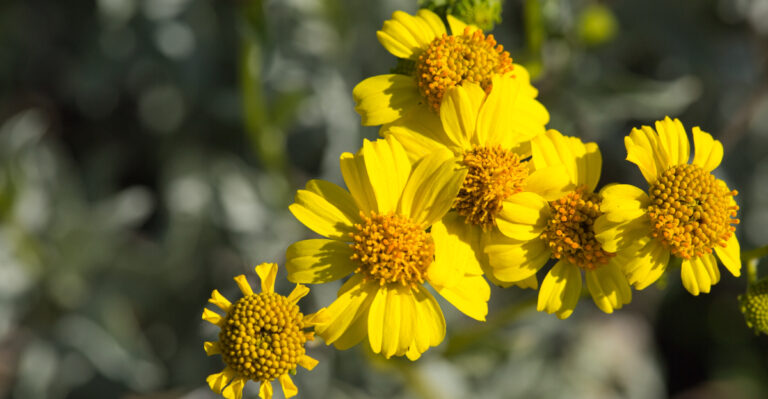
Globe mallow, desert marigold, and native lupine are among the top seed producers that quail actively forage beneath. Letting these plants go to seed instead of removing them is one of the easiest ways to support a covey.
Native seed plants add variety to their diet that goes beyond what a typical feeder mix provides. The variety of native seeds provides a broader nutritional profile that supports healthy chick development.
Chicks begin foraging for seeds within days of hatching. Watching a tiny bird peck at a fallen globe mallow pod is one of the most endearing sights a yard can offer.
Scattering a thin layer of quail-specific seed mix under your shrubs supplements natural foraging. Avoid placing seed in open areas where chicks would be exposed while eating.
Ground-feeding under a canopy of native plants mimics what quail experience in the wild. That familiar setting encourages longer visits and more relaxed behavior from the whole family group.
Planting in loose drifts rather than tight rows allows quail to move naturally between plants. They tend to travel in a low, shuffling walk, so open pathways between plant clusters help them navigate comfortably.
A yard that produces natural food year-round becomes part of a covey’s established territory. Once quail map your space as a food source, they return with each new generation of chicks.
4. Insect Populations Matter More During Breeding Season
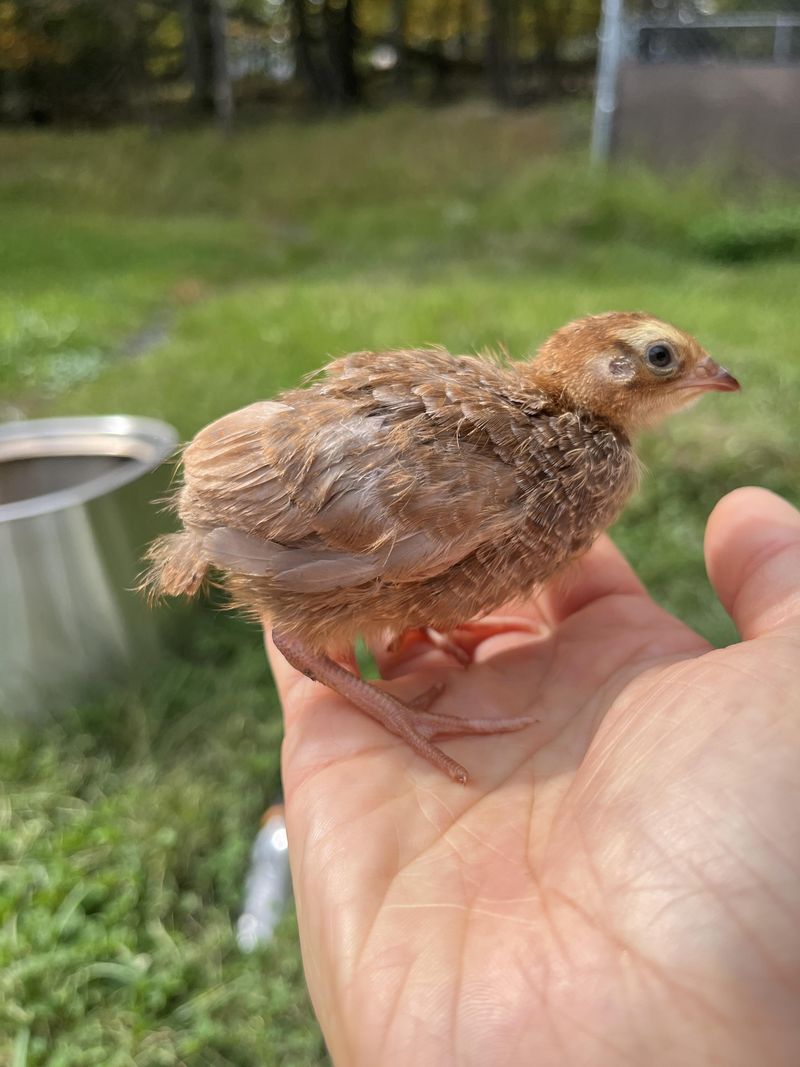
Most people think of quail as seed eaters, and they are right most of the year. But during breeding season, insects become the most critical part of a chick’s early diet.
Newly hatched chicks need protein to fuel rapid feather and muscle growth. Insects like beetles, ants, and small grasshoppers deliver that protein in a compact, easy-to-catch package.
Yards that support healthy insect populations are quietly doing something extraordinary for quail families. Leaf litter, mulched garden beds, and native plantings all create habitat where insects thrive.
Raking your yard completely clean removes exactly the microhabitat insects need to survive. Leaving a layer of fallen leaves near your shrubs creates a hunting ground that chicks will return to daily.
What Arizona yards have when quail keep bringing their chicks often includes some intentional messiness. A tidy, perfectly swept yard is actually less attractive to a quail family than one with natural debris.
Native flowering plants attract pollinators, which in turn attract the insects that quail hunt. The food web works in layers, and supporting one level naturally boosts the others.
Beetles are a particular favorite of young chicks because they are easy to spot against dry soil. A yard with exposed patches of bare earth between plant clusters gives chicks a clear foraging surface.
Encouraging insect life is one of the most overlooked strategies for attracting quail. The chicks that eat well in their first weeks have the best chance of thriving through the season.
5. Quiet Mornings Keep Families Coming Back
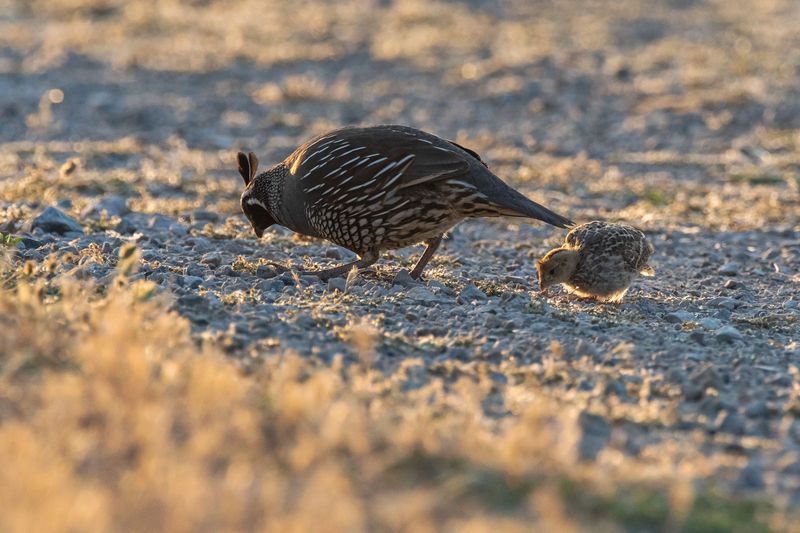
Quail are creatures of habit, and they are deeply sensitive to noise and sudden movement. A yard that stays calm in the early morning hours earns a covey’s trust fast.
Quail activity peaks early in the morning and again in the late afternoon, once the midday heat eases. Those windows are when families forage, drink, and explore.
Yards where dogs run loose, kids play loudly, or foot traffic is constant rarely attract quail with chicks. The adults are always scanning for threats, and repeated disturbances teach them to avoid a location.
Quiet mornings keep families coming back because quail build mental maps of safe zones. Once a yard registers as low-threat, it gets added to their daily circuit.
Even something as simple as a sliding glass door opening suddenly can scatter a covey. Watching from inside through a window is far less disruptive than stepping outside during peak visiting hours.
Setting up a comfortable indoor viewing spot lets you enjoy the show without interfering. A chair near a window facing your water source or feeder is all you need for a front-row seat.
Pets should be kept indoors or in enclosed areas during peak quail hours. A single encounter with a curious dog can cause a covey to abandon a yard for several days.
The reward for patience is a covey that grows bolder over time. Families that feel safe will linger longer, forage more openly, and eventually treat your yard as a home base.
6. Pesticide-Free Yards Protect Chick Food Supply
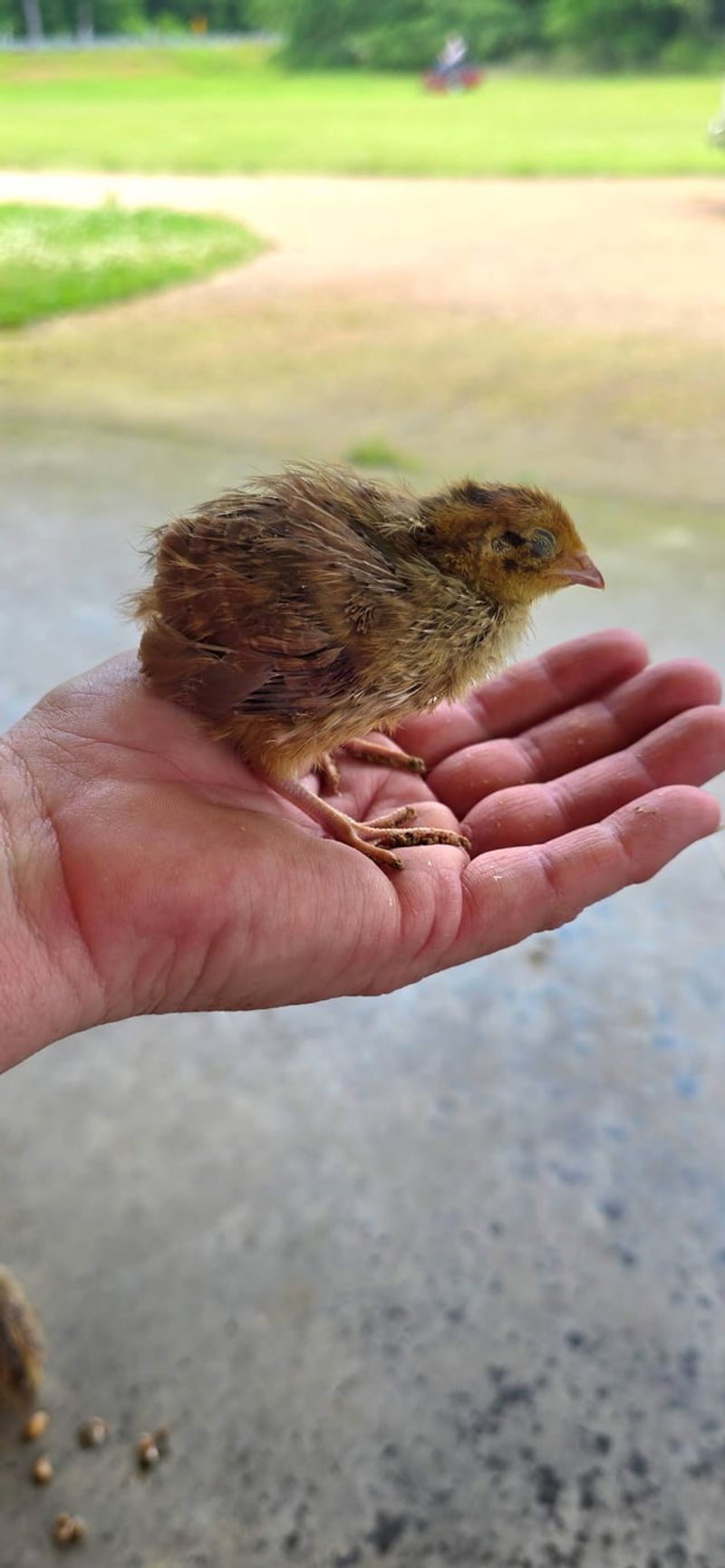
Pesticides do not just target the bugs you want gone. They work their way through the food chain and land on the plate of every chick hunting beetles in your garden.
Chicks that eat poisoned insects can suffer serious harm even from indirect exposure. The dose that barely affects an adult bird can have a much larger impact on a bird that weighs less than a golf ball.
Pesticide-free yards protect chick food supply by keeping the insect population alive and safe to eat. That is a straightforward trade-off that pays off in healthier, more frequent quail visits.
Switching to organic pest management is easier than most homeowners expect. Companion planting, physical barriers, and beneficial insects like ladybugs handle most common garden pests without chemical intervention.
Even so-called natural pesticides like neem oil can affect non-target insects if applied broadly. Spot-treating specific problem areas is always safer than blanket application across the whole yard.
Reading labels carefully before applying anything near bird habitat is a smart habit. Many products carry warnings about use near wildlife, and those warnings exist for good reason.
What Arizona yards have when quail keep bringing their chicks is often a chemical-free zone. Neighbors who spray regularly may notice fewer quail visits, while pesticide-free yards become neighborhood hotspots for coveys.
Building a yard that works with nature instead of against it creates a self-sustaining system. When insects thrive, chicks eat well, adults stay healthy, and the whole family keeps showing up at your door.
7. Dust Bath Sites Bring Out Group Behavior
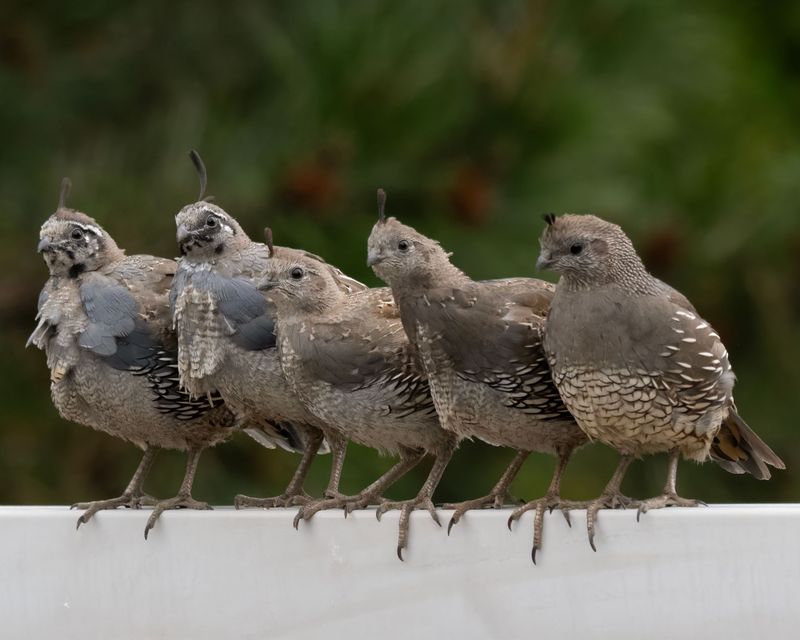
Few things in the bird world are as delightfully chaotic as a quail dust bath. A whole covey flopping around in dry dirt together is pure, unfiltered joy to watch.
Dust bathing is not just a quirky habit. It is how quail manage parasites like mites and lice that can build up in their feathers over time.
Creating a dedicated dust bath site in your yard is one of the simplest things you can do. A shallow depression in loose, dry soil about two feet across is all the space a covey needs.
Mixing in a bit of fine sand or wood ash makes the spot even more appealing. Quail seem to prefer a light, powdery texture that gets deep into their feathers during the bath.
Placing the dust bath in a sunny, open area near shrubs gives the birds comfort. They need enough visibility to spot threats while bathing, but quick access to cover if something spooks them.
Dust bath sites bring out group behavior because quail are social birds that do almost everything together. Watching a mother quail dust-bathe while her chicks tumble around her is one of the most entertaining backyard scenes possible.
Once a covey claims a dust bath spot, they return to it consistently. You can often predict exactly where and when they will show up based on their established daily routine.
Keeping the area loose and dry by occasionally turning the soil keeps it functional. A spot that gets compacted or wet loses its appeal quickly, so a quick refresh now and then helps a lot.
8. Connected Yards Across The Neighborhood Help Most
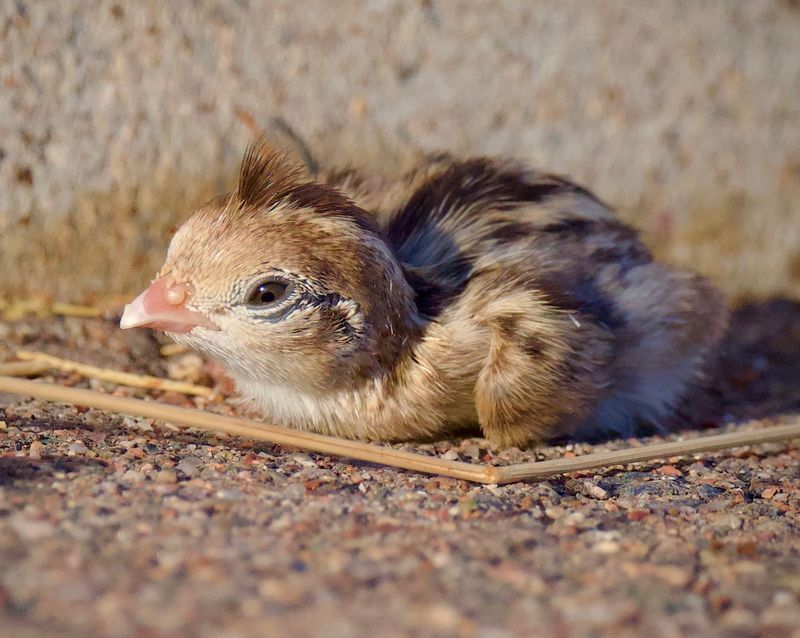
One great quail yard is wonderful. A whole block of connected quail-friendly yards makes a real difference for an entire local population.
Quail travel regular routes called covey circuits, moving through multiple properties in a single morning. When neighboring yards have gaps in cover or food, the whole circuit becomes harder to navigate safely.
Connected yards across the neighborhood help most because quail need corridors of safe habitat to move between resources. A single unfriendly yard with a roaming cat or no cover can break the chain.
Talking to neighbors about what Arizona yards have when quail keep bringing their chicks can spark real change. Sharing simple tips like adding a ground-level water dish or planting a wolfberry shrub costs almost nothing.
Neighborhood nature groups and HOA garden committees are great places to spread these ideas. When several households commit to quail-friendly practices, the results multiply quickly across a shared territory.
Even creating a loose path of native shrubs along a fence line helps quail move from yard to yard. That green corridor acts like a highway for the whole covey, including the smallest chicks.
Some neighborhoods have started informal quail habitat projects where residents coordinate plantings. The result is a patchwork of connected habitat that supports not just quail but dozens of other native species.
Your yard is not an island in the desert ecosystem. The more it connects to what surrounds it, the more powerful it becomes for the quail families that call your neighborhood home.