Why Michigan Gardeners Are Choosing Swamp Milkweed Over Common Milkweed
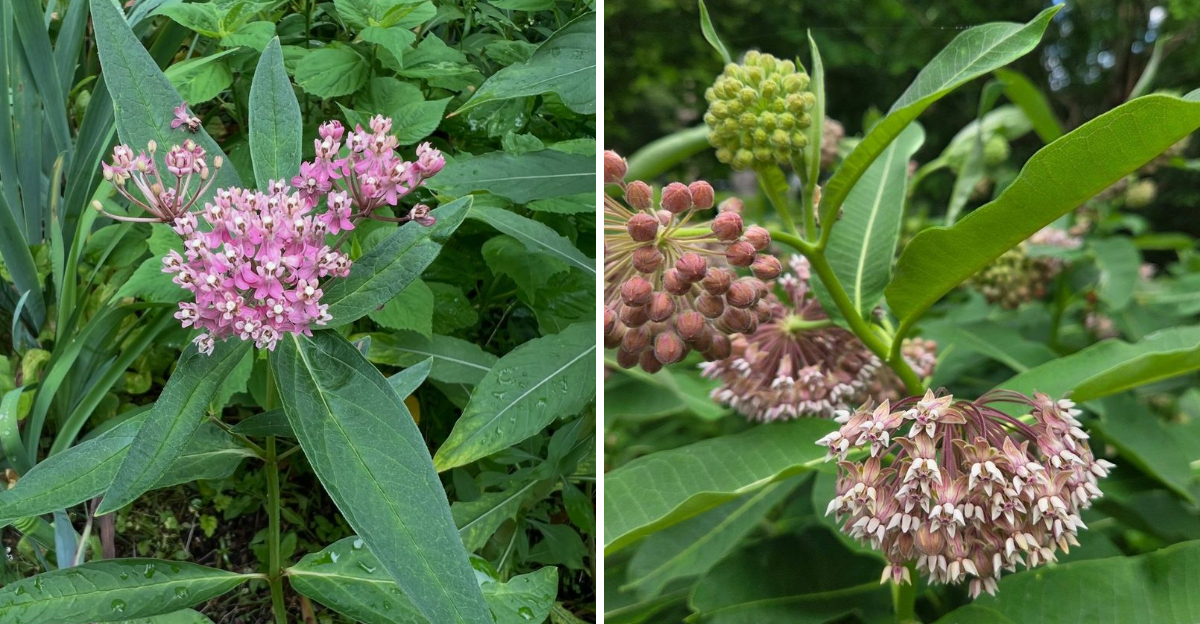
Swamp milkweed has become a preferred choice among Michigan gardeners looking to support monarch butterflies without the aggressive spread common milkweed is known for.
Unlike its spreading cousin, swamp milkweed grows in more manageable clumps, making it a better fit for smaller or more tightly designed garden beds.
This native plant thrives in consistently moist soil, offering a practical solution for low lying yard areas that often struggle to support other perennials.
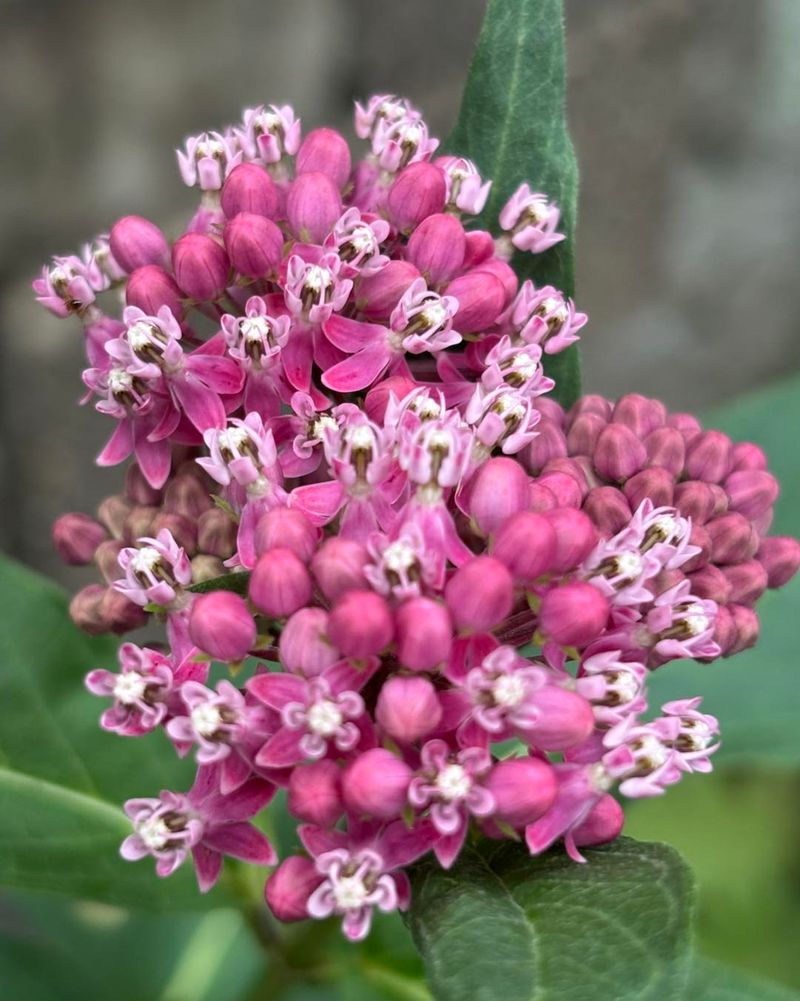
Its attractive pink blooms also add more ornamental value compared to the plainer flowers common milkweed typically produces.
Both plants serve as essential host plants for monarch caterpillars, meaning gardeners don’t sacrifice ecological benefit by choosing the tidier option.
Swamp milkweed also attracts a wide range of other pollinators throughout its extended summer blooming period.
Its clumping habit means less unexpected spreading into unwanted areas of the yard over time. Choosing this alternative gives gardeners the monarch support they want without the maintenance headaches common milkweed can create.
1. Swamp Milkweed Is Easier To Fit Into Garden Beds
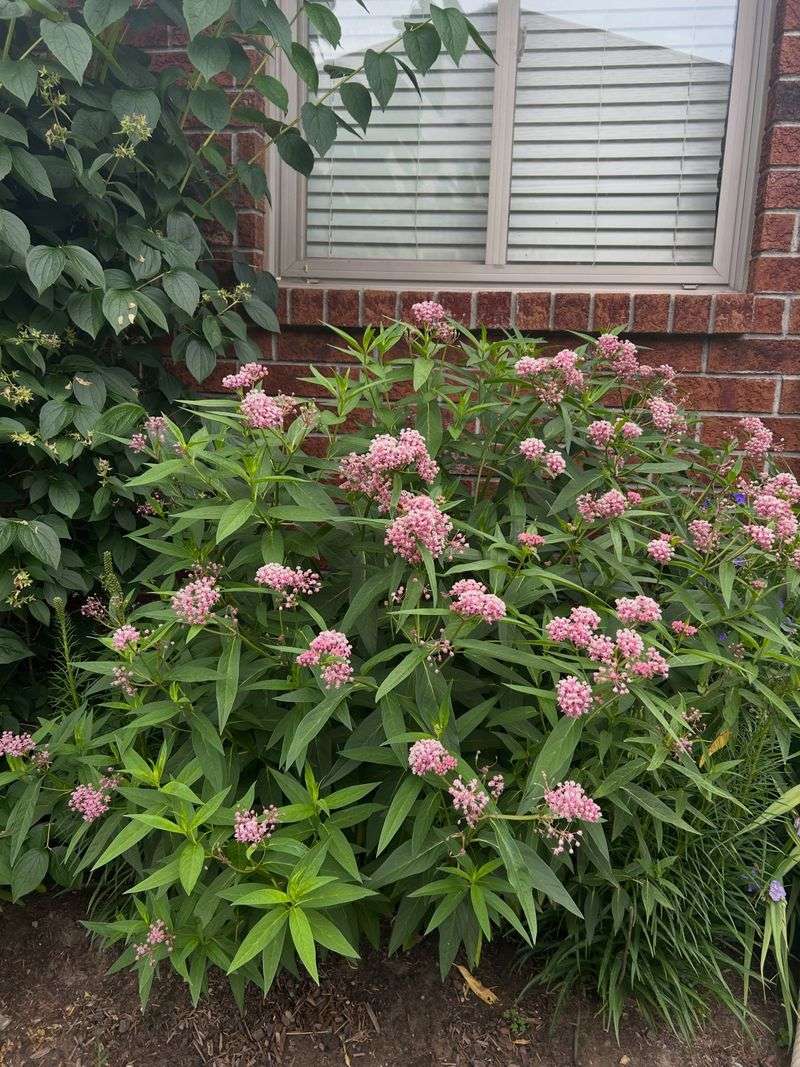
Picture a plant that stays exactly where you put it, grows in a tidy clump, and never sneaks into your neighbor’s yard. That is swamp milkweed in a nutshell.
Unlike some native plants that spread aggressively, swamp milkweed grows in a neat, upright clump that is easy to manage year after year. Gardeners who work with smaller or more carefully designed beds absolutely love this quality.
Common milkweed, while wonderful in the right setting, can gradually take over a bed through underground stems called rhizomes. Swamp milkweed skips all that drama.
It stays put, which makes planning your garden layout a lot more straightforward. You can pair it with other perennials without worrying that it will crowd them out over time.
For Michigan gardeners working with raised beds, narrow borders, or tidy cottage-style gardens, this clump-forming habit is a genuine advantage. You get a tall, striking plant that fills vertical space beautifully without demanding constant attention.
Swamp milkweed also responds well to division every few years, which keeps it vigorous and gives you extra plants to share with friends. Many gardeners find that once they try swamp milkweed in a structured bed, they never go back.
The plant simply fits better into a planned space, and that predictability makes gardening feel more enjoyable and less like a constant battle for control.
2. Common Milkweed Spreads Much Farther
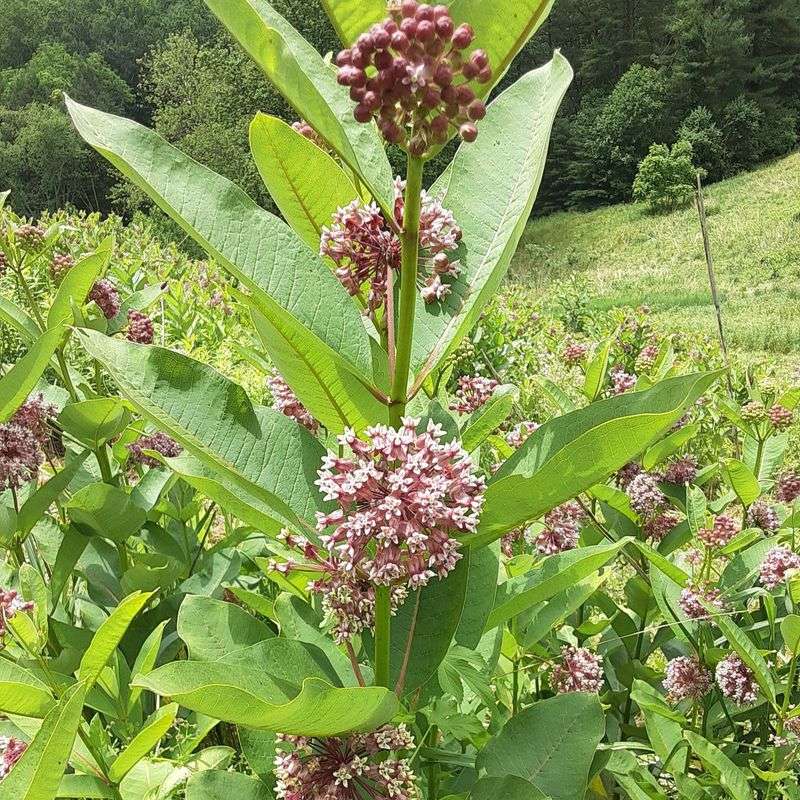
Common milkweed has a big personality and an even bigger appetite for space. Below the soil, it sends out long horizontal stems called rhizomes that sprout new shoots several feet away from the original plant.
Over a few growing seasons, a single plant can form a wide colony that fills a meadow or roadside strip beautifully. That spreading habit is one of its greatest strengths, but only if you have room for it.
In a small suburban backyard, common milkweed can quickly become overwhelming. Shoots pop up in unexpected places, sometimes through mulch, near sidewalks, or in spots where you planted something completely different.
Your Michigan Garden Changes Every Week. Your Plan Should Too.
Gardening in Michigan changes quickly throughout the season. Every Friday you’ll receive a simple weekly plan showing exactly what to plant, prune, fertilize, harvest, and protect so you never miss the right timing.
Managing those runners takes real effort, and many gardeners find themselves pulling sprouts every spring just to keep things under control.
For larger properties, naturalized areas, or Michigan prairie restorations, common milkweed is genuinely outstanding. Its ability to colonize open ground quickly makes it a powerful tool for creating habitat at scale.
Birds, bees, and monarch butterflies all benefit from those large patches. The key is matching the plant to the right environment.
Common milkweed thrives where spreading is welcome, and it rewards patient gardeners with dense, wildlife-rich colonies that feel wild and alive.
If you have a sunny back corner or a strip of land along a fence that needs some life, common milkweed will fill it in ways most plants simply cannot match.
3. Swamp Milkweed Loves Moist Ground
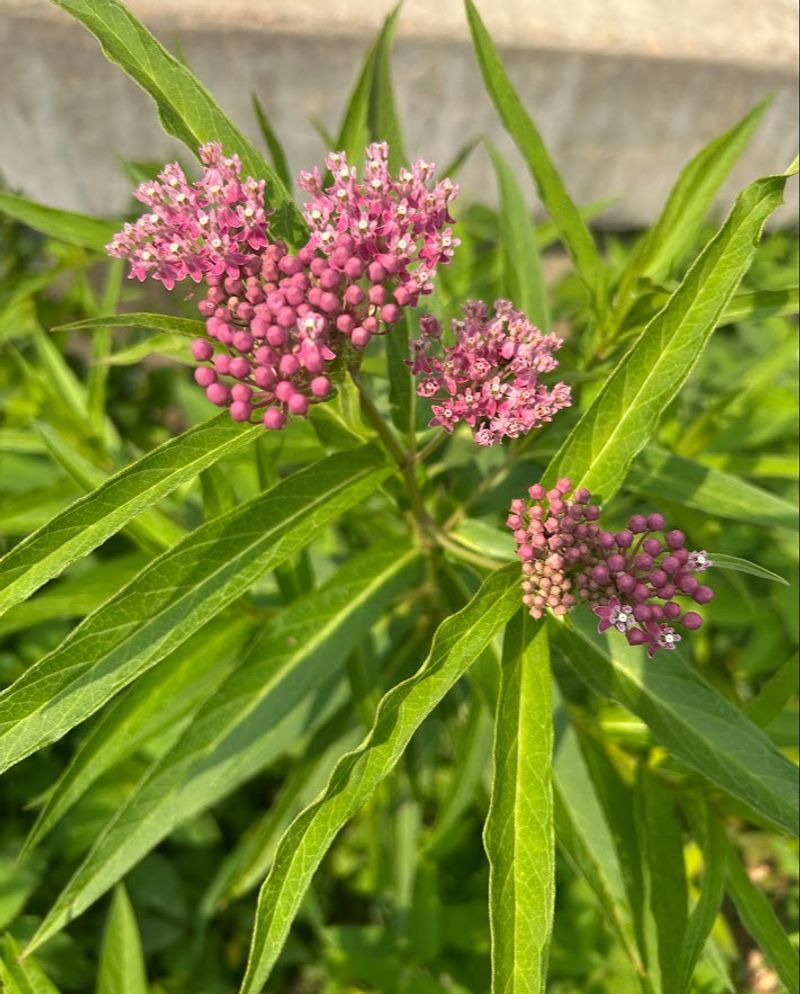
Not every garden spot gets full sun and perfect drainage. Michigan has plenty of naturally wet areas, low spots that stay soggy after rain, edges of ponds, and rain gardens designed to collect runoff.
Most plants struggle in these conditions, but swamp milkweed absolutely thrives there. Its natural habitat includes wet meadows, stream banks, and marshes, so moist soil feels like home to this plant.
Rain gardens have become increasingly popular across Michigan as homeowners look for smart ways to manage stormwater.
Swamp milkweed is one of the best plants you can add to a rain garden because it handles both flooding and brief dry spells without complaint.
It roots deeply, which helps stabilize soil along pond edges and prevents erosion during heavy rains. That combination of beauty and function is hard to beat.
Common milkweed prefers drier, well-drained ground and tends to struggle when its roots sit in standing water for extended periods.
So if your yard has a naturally wet zone that you have been struggling to plant, swamp milkweed is a genuine solution rather than a compromise.
The tall pink blooms look stunning reflected in a pond or surrounded by the lush greenery of a rain garden. Michigan gardeners who plant it in moist spots often say it is one of the most rewarding choices they have ever made for a challenging area of their yard.
4. It Still Supports Monarch Caterpillars

One of the first questions Michigan gardeners ask about swamp milkweed is whether it actually supports monarch butterflies the same way common milkweed does. The answer is a confident yes.
Swamp milkweed is a true native host plant for monarch butterflies, meaning female monarchs will lay their eggs directly on the leaves.
When the eggs hatch, caterpillars feed on the foliage and grow strong enough to form their chrysalis and eventually emerge as adult butterflies.
Monarchs are not picky about which native milkweed species they use, as long as the plant contains the right compounds.
All milkweeds in the Asclepias family produce a milky sap that contains cardiac glycosides, and caterpillars store these compounds in their bodies as a natural defense against predators.
Swamp milkweed carries those same compounds, making it just as valuable to the monarch life cycle as common milkweed.
Watching a monarch caterpillar munch through swamp milkweed leaves in your own backyard is one of those experiences that reminds you why planting native species matters so much.
Michigan sits along an important monarch migration corridor, and every plant you add to the landscape helps support the population on its incredible journey to Mexico each fall.
Planting swamp milkweed in a garden bed where you can easily observe it up close makes it even easier to spot eggs, caterpillars, and chrysalises throughout the summer months.
5. The Flowers Feed More Than Monarchs
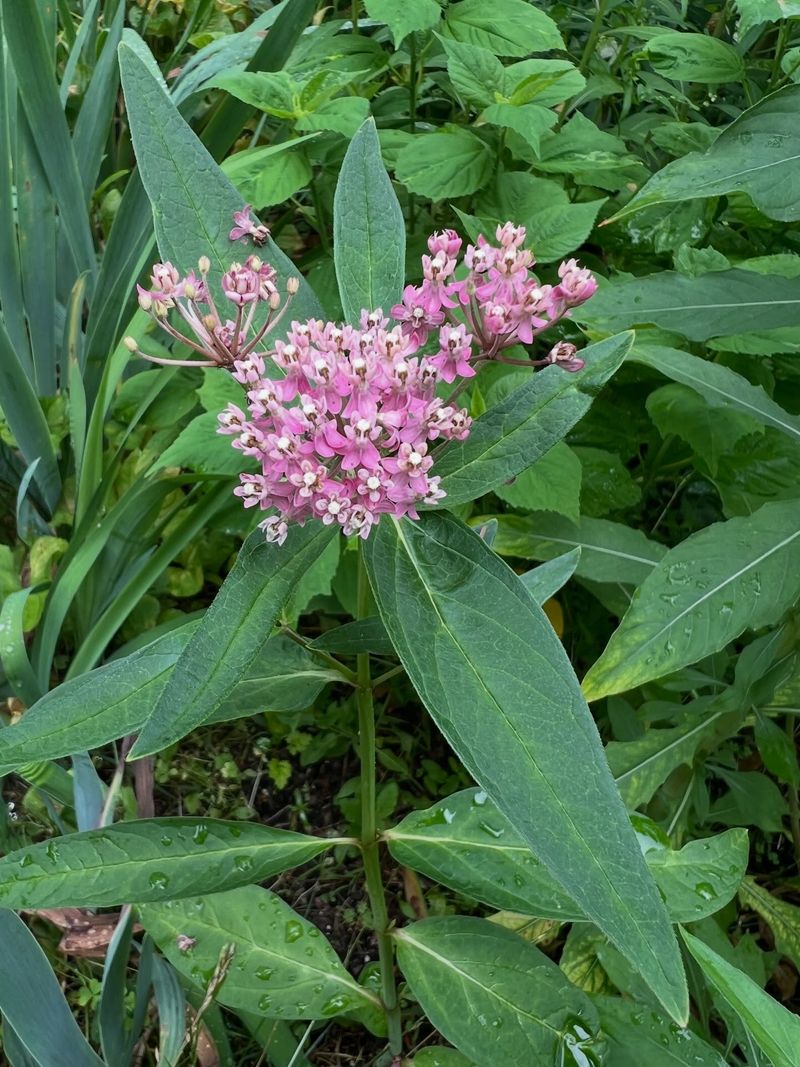
Swamp milkweed is something of a neighborhood gathering spot for pollinators.
Yes, monarchs love it, but the flowers also attract a remarkable variety of bees, including bumblebees, native sweat bees, and even honeybees that visit in large numbers on warm summer days.
The blooms produce abundant nectar and pollen, making them one of the most productive food sources you can add to a Michigan pollinator garden.
Certain specialist bees actually depend on milkweed flowers as a primary nectar source during part of the season. Swallowtail butterflies, fritillaries, and various skipper species also visit the blooms regularly.
Hummingbirds have been spotted feeding at swamp milkweed flowers too, drawn in by the rich nectar rewards. Planting a few clumps creates a buzzing, fluttering hub of activity that makes any garden feel wonderfully alive during the peak of summer.
Beyond just feeding pollinators, swamp milkweed also supports insects that prey on garden pests. Parasitic wasps and predatory beetles are among the beneficial insects that use milkweed plants as part of their habitat.
When your garden supports a wider web of insect life, it naturally becomes more balanced and resilient.
Fewer pest problems, more fascinating wildlife to observe, and a stronger contribution to local biodiversity are all benefits that come from adding swamp milkweed to your planting plan.
It is one of those rare plants that genuinely gives back more than you put in.
6. It Brings Tall Pink Flowers To Summer Beds
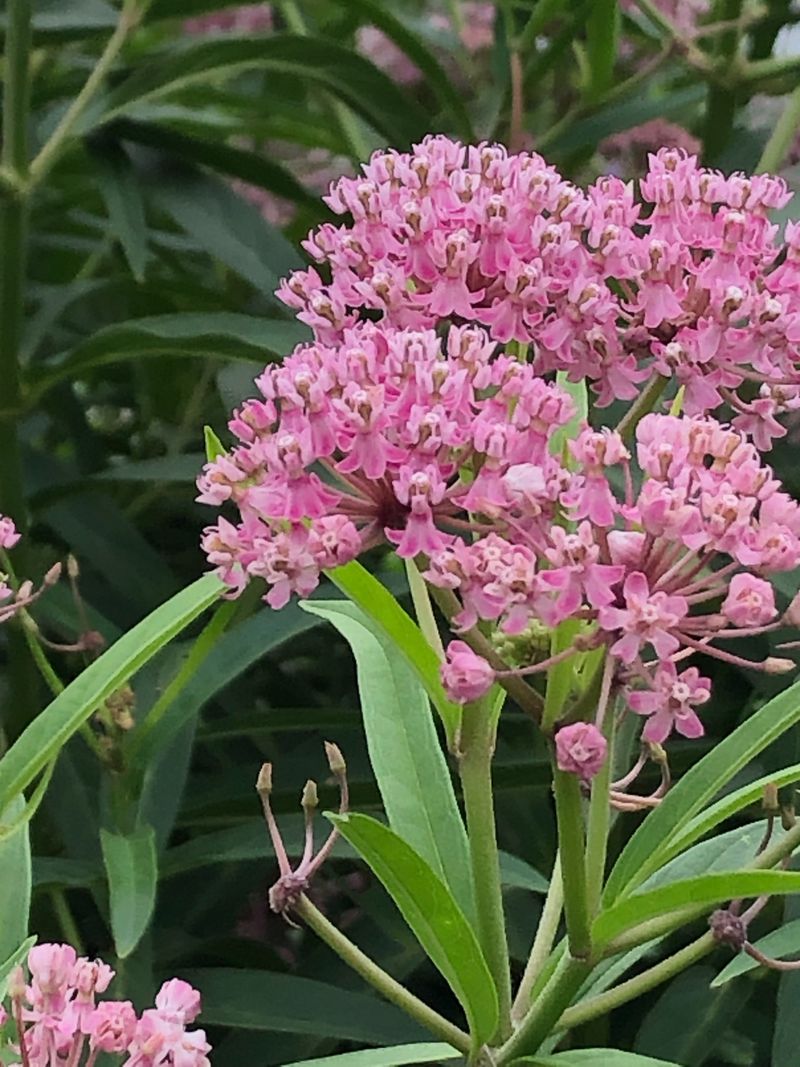
Swamp milkweed does not just feed wildlife, it also earns its place in the garden with genuine visual appeal.
Growing anywhere from two to four feet tall depending on soil and sunlight conditions, swamp milkweed produces clusters of small, star-shaped flowers in shades of pink, rose, and soft purple.
They bloom from mid-summer into August, filling a window in the garden calendar when many other perennials have already finished their show.
The flowers appear in rounded clusters at the tops of upright stems, creating a look that works beautifully in both naturalistic plantings and more structured garden designs.
The color pairs especially well with purple coneflower, black-eyed Susan, and native grasses, making swamp milkweed a natural choice for Michigan-style pollinator gardens.
The foliage is lance-shaped and attractive throughout the season, so the plant looks good even before the blooms open.
After flowering, swamp milkweed produces slender seed pods that split open in fall to release silky seeds on the wind.
Many gardeners find the pods decorative on their own, and leaving them in place through winter provides structure in the garden during cold months.
The entire growth cycle, from the first new shoots in spring to the feathery seed release in autumn, gives this plant a year-round presence that goes well beyond what a typical garden flower offers.
For Michigan gardeners who want beauty and purpose in the same package, swamp milkweed consistently delivers on both counts.
7. Common Milkweed Is Still An Excellent Choice
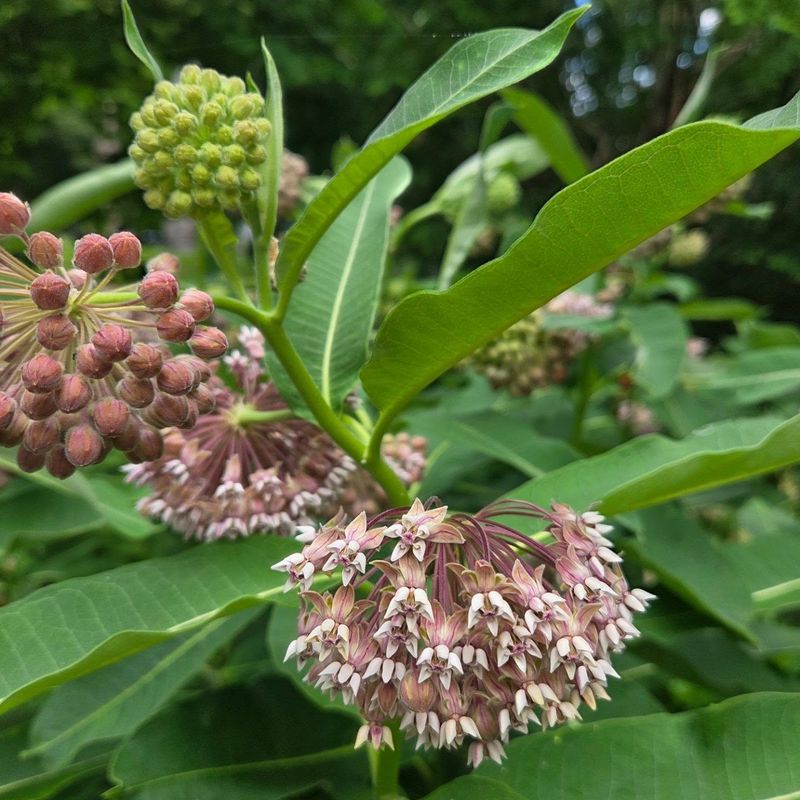
All this talk about swamp milkweed should not make anyone think common milkweed has lost its value. Far from it.
Common milkweed, known scientifically as Asclepias syriaca, remains one of the most important native plants for monarch butterflies across eastern North America.
Its large, fragrant flower clusters are a major nectar source for monarchs during their summer breeding season, and its broad leaves provide ideal feeding material for caterpillars.
Common milkweed also supports a fascinating community of insects beyond monarchs. The red milkweed beetle, milkweed bugs, and various aphid species all use this plant as part of their life cycle.
These insects in turn attract birds and predatory insects, creating a whole food web centered on a single plant species. In a naturalized setting, common milkweed functions like a keystone species for its local insect community.
For Michigan gardeners with larger properties, rural land, or areas where naturalization is the goal, common milkweed is genuinely hard to match. It establishes quickly, spreads to fill open ground, and requires almost no maintenance once it gets going.
Roadsides, field edges, abandoned lots, and sunny back acreage all become rich wildlife habitat when common milkweed moves in.
The sweet fragrance of its blooms on a warm July evening is one of those sensory experiences that feels deeply connected to the Michigan landscape.
Choosing common milkweed for the right spot is always a rewarding decision for both gardeners and wildlife alike.
8. Choose The Milkweed That Matches Your Site
Matching the right plant to the right place is one of the most important skills in gardening, and milkweed is a perfect example of why that principle matters.
Swamp milkweed thrives in consistently moist soil, making it the clear winner for rain gardens, pond edges, low-lying areas, and any Michigan garden bed that stays wet after rainfall.
Its clump-forming habit also makes it the better fit for smaller, more structured spaces where you want control over how the planting develops.
Common milkweed, on the other hand, is built for open, sunny, and drier ground. Give it room to spread and it will reward you with a dense, wildlife-rich colony that requires almost no intervention.
It is the right choice for naturalized strips along fences, sunny meadow areas, or any part of your property where you want a low-maintenance, high-impact native planting.
Trying to grow common milkweed in a small, tidy bed usually leads to frustration, while planting swamp milkweed in dry, exposed ground often results in poor performance.
The good news is that you do not have to choose just one. Many Michigan gardeners grow both species in different areas of their property, using each plant where it performs best.
Swamp milkweed handles the wet garden beds near the house, while common milkweed takes over a sunny back strip or meadow corner.
Together, they extend the season of monarch support and create a richer, more diverse habitat than either plant could provide alone. Start with your site conditions and let the land guide your choice.