Stop Changing Your Drip Duration During Arizona Heatwaves, Do This Instead
At 115 degrees, your irrigation controller turns into the most tempting button in the yard. Plants droop, leaves curl, and the fix feels obvious: give them more minutes.
So you bump the timer up. Ten minutes becomes twenty, twenty becomes thirty. The water sinks in, and the wilting returns by mid-afternoon.
That reaction makes sense, and it still works against you. Water that races past the root zone in one long pulse leaves the surface layer dry again within hours.
Arizona landscapes reward timing over volume. The difference between a shrub that coasts through July and one that limps into September comes down to a small adjustment most homeowners overlook.
Increase Watering Frequency Instead Of Extending Run Times
Your gut says run the drip longer when the heat spikes. Your plants beg to differ.
During Arizona heatwaves, the issue is usually how the water is delivered, not the raw number of minutes. Roots in dry, hot soil need the full root zone wetted, and they need that water to soak in rather than slide off.
Splitting one watering into two or three back-to-back cycles gives the soil time to accept every gallon. Think of it like pouring water on a dry sponge in stages instead of emptying the pitcher at once.
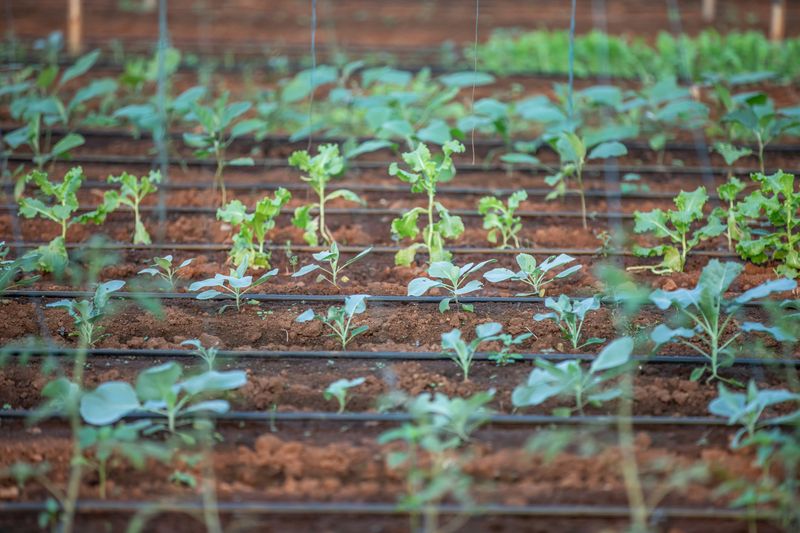
Most drip systems allow you to set multiple start times for the same zone. Use that feature.
Program two or three runs spaced roughly 30 to 60 minutes apart, so the total volume stays the same and the soil absorbs it. Three 15-minute cycles beat a single 45-minute run on tight ground.
The root zone wets evenly from top to bottom, with far less water lost along the way. Split cycles also cut runoff on sloped yards, where one long run sends water toward the driveway.
Desert plants build deep, drought-hardy roots when moisture reaches the full depth of the root zone. Matching your schedule to soil intake keeps plants healthier and keeps water out of the gutter.
The dial that matters most is frequency of cycles within a session, not minutes stacked onto one. That single shift changes how a landscape holds up through the long stretch of summer ahead.
Longer Duration Wastes Water Beyond The Root Zone
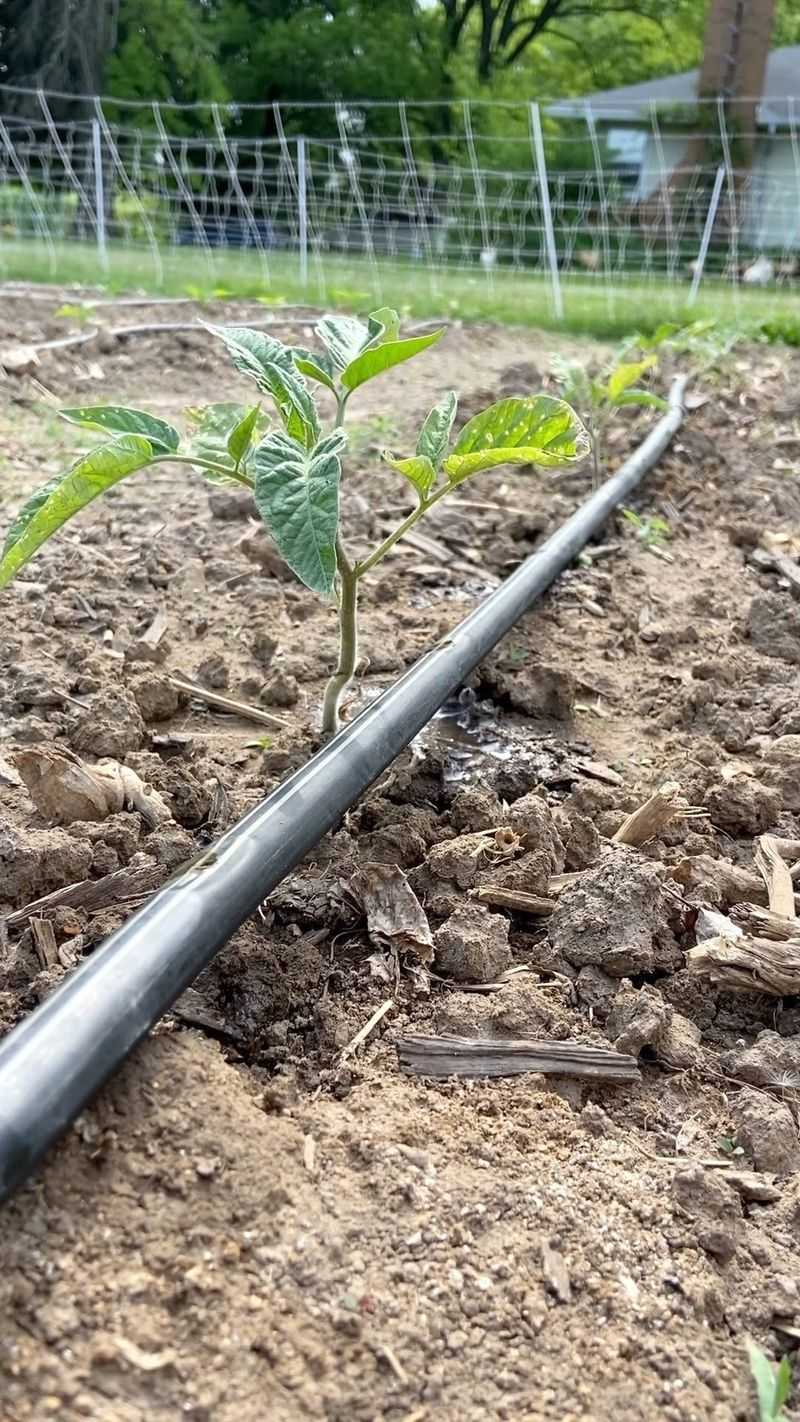
Picture pouring a glass of water onto a dry sponge. At first, nothing absorbs fast enough and it all runs off.
The same thing happens in compacted Arizona soil during one uninterrupted drip cycle. Water sheets across the surface before roots see any of it.
Root depth varies by plant, with smaller plants drawing from the top 12 inches, shrubs from about two feet, and trees from about three. Standard 1 to 2 gallon-per-hour emitters move slowly, so a 45-minute run rarely wets a shrub’s full root zone.
The water that slides off the surface or pools on hardpan reaches almost nothing. It still shows up on your bill at the end of the month.
Sandy pockets found in parts of the Valley drain quickly, so water moves through them with little resistance. Those spots take water readily, and the same volume can be applied in fewer, longer runs without pooling.
Your Arizona Garden Changes Every Week. Your Plan Should Too.
Gardening in Arizona changes quickly throughout the season. Every Friday you’ll receive a simple weekly plan showing exactly what to plant, prune, fertilize, harvest, and protect so you never miss the right timing.
Clay-heavy soils present the opposite problem. They absorb slowly, so one long cycle causes surface pooling before water ever reaches roots.
Matching your run time to your soil type is one of the smartest moves a homeowner can make. Staged cycles let absorption happen at a pace the ground can manage.
Wasting water beyond the root zone stops plants from thriving. Splitting the same total volume into stages puts every gallon exactly where roots use it.
Shorter, More Frequent Cycles Match Root Absorption Rates
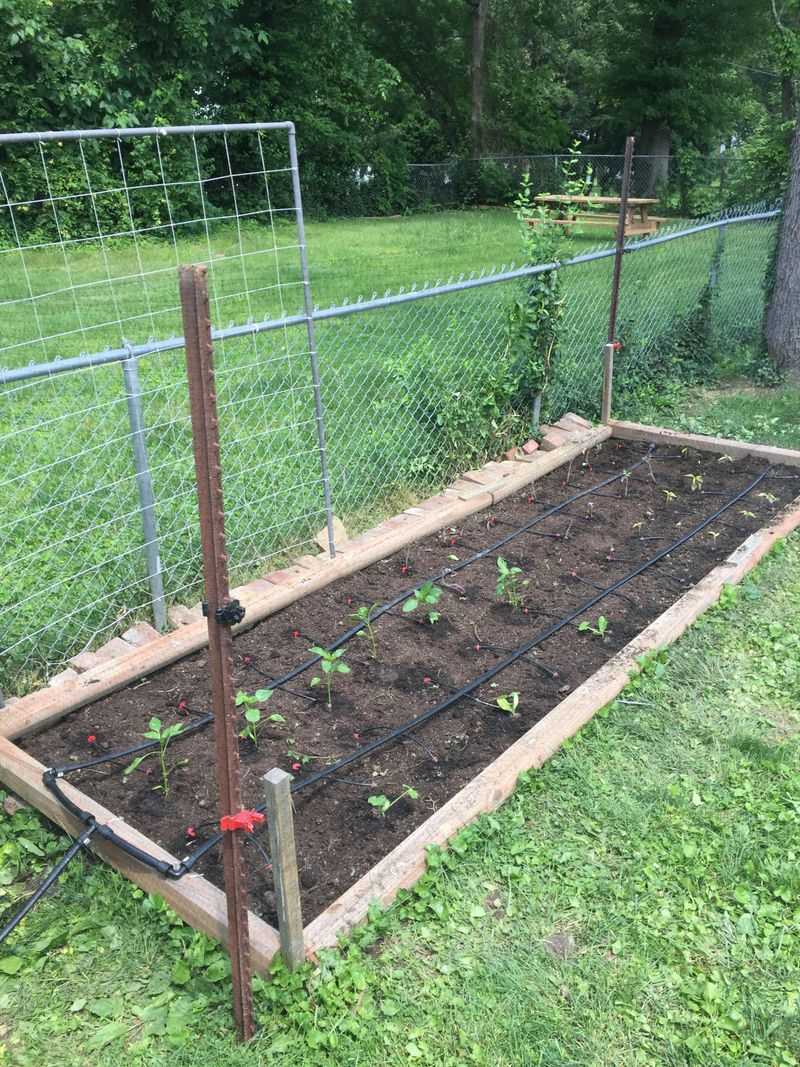
Roots are not passive tubes waiting for a flood. They pull moisture at a pace set by soil texture, and split cycles respect that pace.
When water arrives faster than the ground can take it, the excess runs off unused. Staged delivery keeps the intake rate and the application rate in step.
Think about how monsoon storms behave. A cell drops a heavy volume in a short window, and much of it sheets across hard ground before soaking in.
Your drip schedule can avoid the same fate. Staging the delivery lets moisture work down through the profile instead of sitting on top.
Arizona water agencies point homeowners toward run times long enough to wet the root zone to depth, followed by a gap of days. Established low-water-use shrubs and trees rarely need water more than once a week, even at peak heat.
New plantings are the exception. Their roots are still small, so they often need water daily to every other day through their first summer.
A smart timer makes staged cycles simple to manage. Some models pull local weather data and adjust the schedule for you, which takes most of the guesswork out.
Pacing water to what the soil can accept removes the guessing from a summer schedule. Your use drops, and your landscape holds steady through the hottest weeks of the year.
Extreme Heat Increases Water Loss Through Evaporation, Not Depth
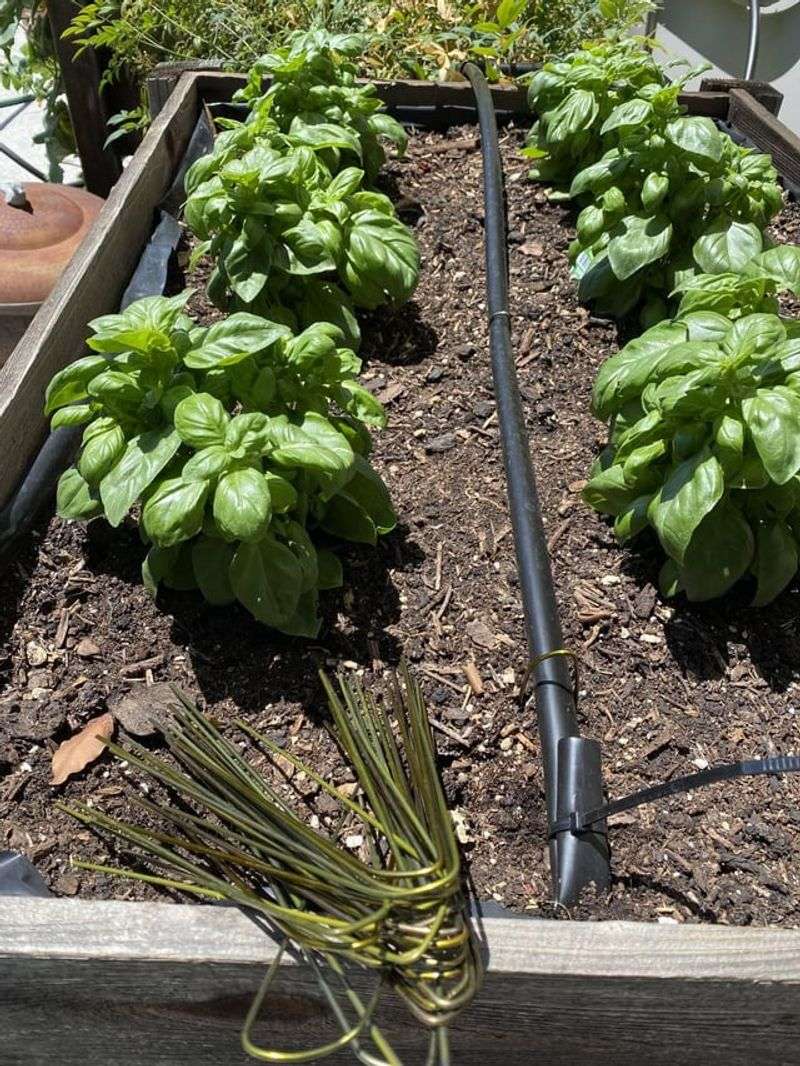
At 115 degrees, the top layer of bare soil turns into a hot plate. Moisture near the surface evaporates before roots get the chance to use it.
This is why stretching your run time misses the real problem. The loss is happening at the surface, not in the deeper soil that extra minutes reach.
Evaporation pulls moisture out of the top inch or two within minutes on a hot afternoon. Adding time to the timer sends water downward, away from the layer where the loss actually occurs.
The answer is timing, not duration. Finishing your watering before sunrise takes advantage of the coolest hours and the lowest evaporation losses of the day.
Watering after dark works against you. Soil and foliage stay damp for hours, and fungal trouble becomes more likely.
Mulch does more for surface moisture than any timer setting. A 3-inch layer of wood chips, pulled a few inches back from the trunk, shades the soil and slows loss through the day.
Minutes on the timer cannot fix losses that occur at the soil surface. Shifting when you water and adding ground cover tackles it at the source.
Extreme heat changes where your water disappears. Smarter timing beats any number of added minutes on the schedule.
Signs Your Current Schedule Isn’t Keeping Up With Heat
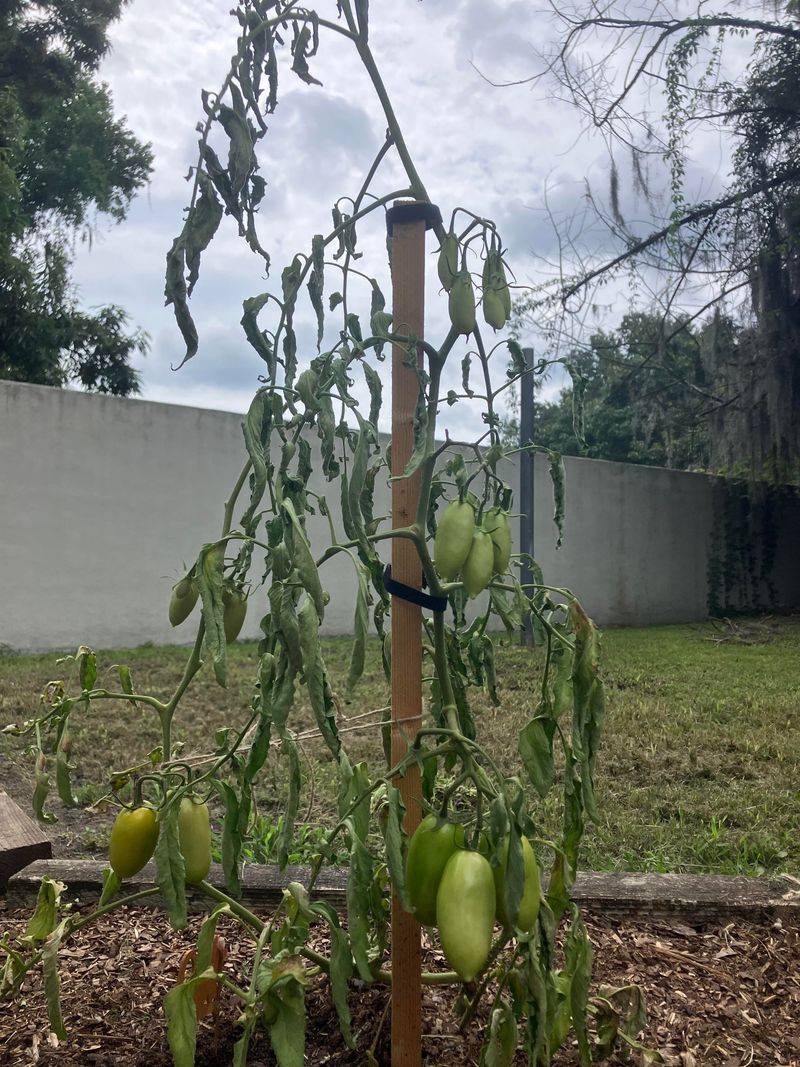
Wilting leaves at noon might not mean your plants are thirsty. Many species droop as a heat response and recover on their own by evening.
Wilt that lingers into early morning is the real warning sign. It points to a root zone that ran dry well before the next scheduled run.
Check your soil by pushing a long screwdriver or a piece of rebar into the ground near an emitter a few hours after watering. If it stops short of the depth that plant needs, your last cycle came up short.
Crisp margins on plants that normally hold their color signal the same problem repeating. The root zone is drying out faster than the schedule replaces it.
Watch for soil pulling away from stems or cracking near emitters. Cracked ground means moisture left faster than your current schedule can keep up with.
Slow growth or leaf drop in summer can also point to chronic underwatering. Plants under stress shed foliage to cut their own demand.
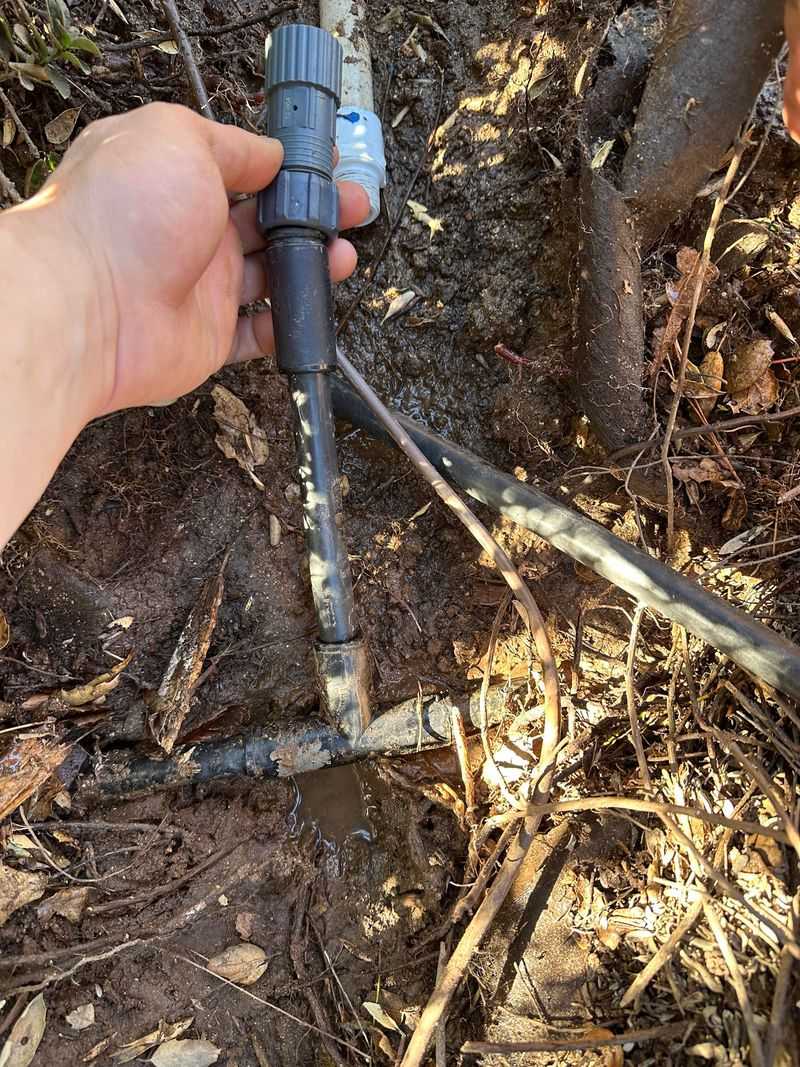
Check that your emitters are clear. A blocked emitter puts out almost nothing, even when the timer runs on schedule.
Catching these signals early gives you room to adjust before real damage sets in. Let them guide your changes rather than guessing at the controller after a rough afternoon.
Adjusting Your Drip System For The Rest Of Summer
Arizona summer is not over after one heatwave. The stretch from June through September asks for a consistent strategy, not a one-time fix.
Start by auditing your current schedule. Write down every zone, its run time, and how many times it fires during peak heat weeks.
Next, split each zone’s total run time into two or three cycles spaced about 45 minutes apart. Keep the overall volume unchanged, and the difference shows up within a week.
Consider upgrading to a smart controller if you have not already. Weather-based models pull local forecast data and shift run times on their own as conditions change.
Check every emitter once a month through summer. One blocked emitter can stress a plant for weeks while the controller reports a clean run.
Group plants by water need if your system allows zone separation. High-water plants like citrus belong on their own zone, apart from natives that get by on far less.
Spread a 3-inch layer of mulch under the canopy of each plant, leaving a few inches of clearance at the trunk. Mulch stretches the gap between cycles and protects soil moisture in between.
A well-tuned drip system separates a thriving yard from a struggling one. Instinct fails in July heat, while a schedule built around soil intake and root depth carries a landscape through September.