What It Means When A Phainopepla Keeps Visiting Your Arizona Yard
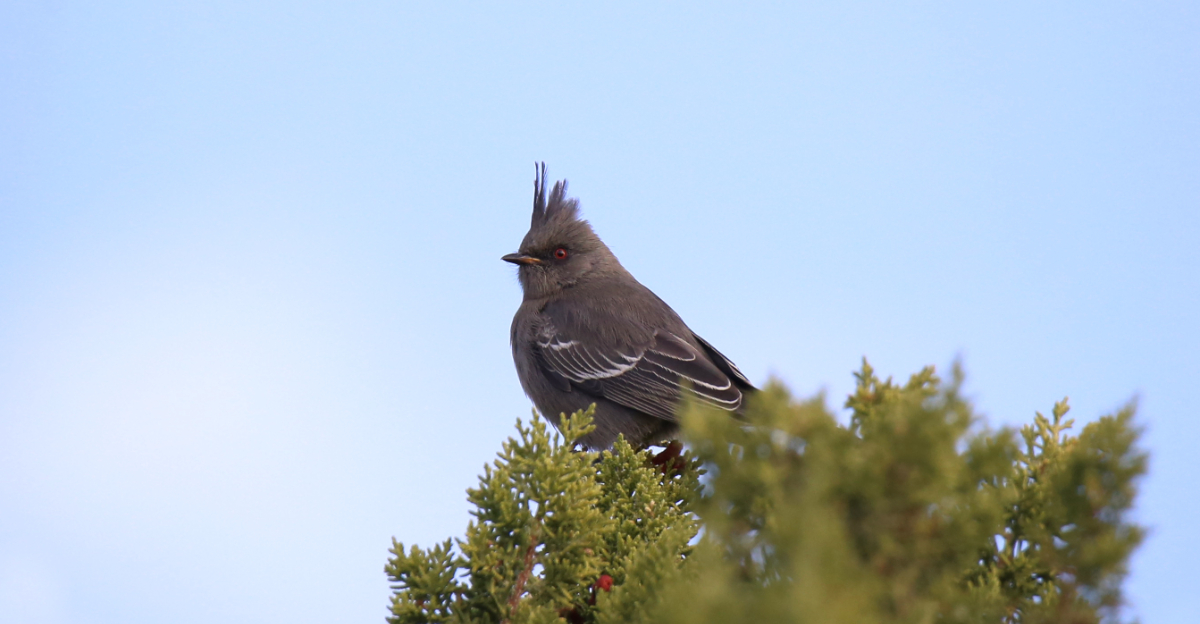
Spotting a glossy black bird with a dramatic crest can make you look twice. Seeing that same visitor return again and again makes the sight even more interesting.
Phainopeplas do not choose every yard equally, so pay attention when one starts making regular appearances. Something around your home may be giving this bird a reason to return.
In Arizona, these distinctive birds can become familiar visitors when certain features nearby match what they naturally seek.
Watch where your visitor spends its time each day. The trees, shrubs, and open perches it favors can offer useful clues about what caught its attention.
Repeated visits may also say something interesting about how your yard fits into the surrounding desert habitat.
Once you understand what attracts phainopeplas, those familiar visits can reveal far more than you might expect.
1. Those Repeat Visits Usually Have A Simple Explanation
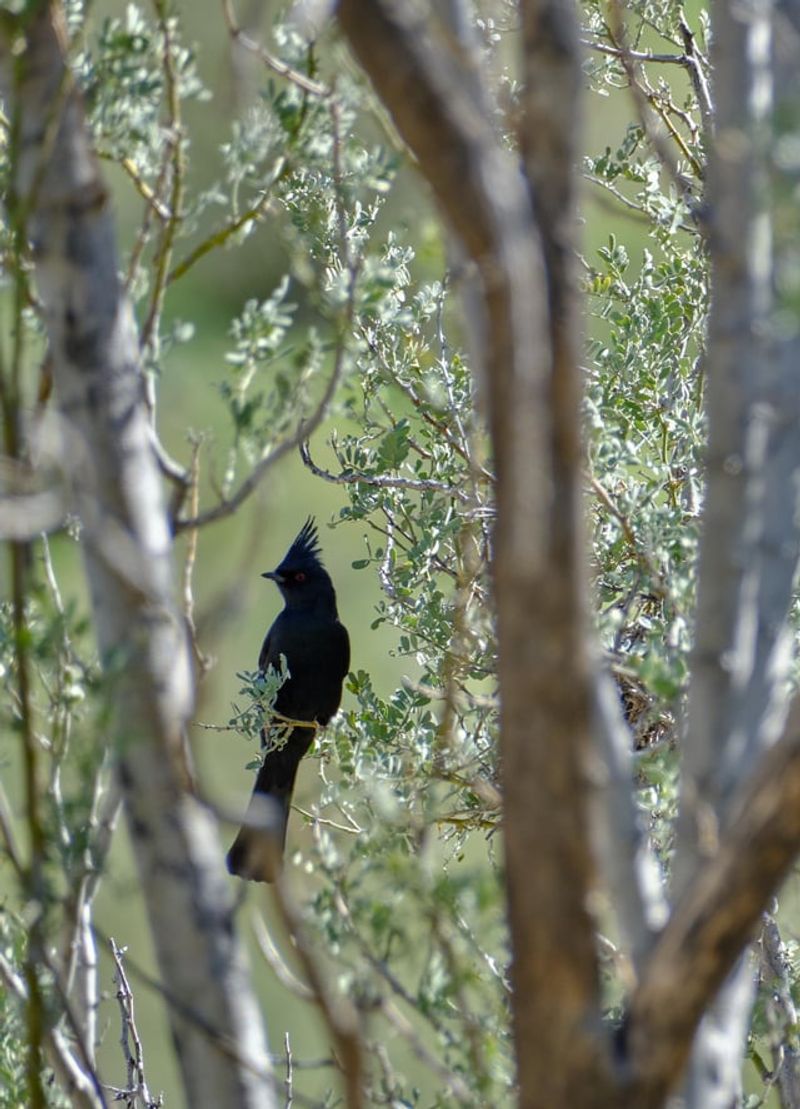
Seeing the same bird return day after day feels almost personal. With Phainopeplas, though, it comes down to resources, not loyalty.
Phainopeplas are highly territorial birds. A male will stake out a feeding area and guard it fiercely from other birds.
If one keeps appearing in your yard, he likely considers it his territory for the season.
Territories are not random. Birds choose spots that offer reliable food, safe perching, and some shelter.
Your yard probably checks at least one of those boxes, possibly more.
Watch where the bird lands most often. Repeat perches usually signal a favorite food source or a lookout post nearby.
Phainopeplas are visual hunters of a sort, scanning for ripe berries from above.
Noise can also be a clue. Males sing frequently from exposed perches to announce their presence.
If you hear a sharp, rising whistle regularly, the bird is actively defending that space.
Repeat visits are worth paying attention to. They tell you something real about what your yard offers.
Once you figure that out, you can decide whether to encourage the bird or simply enjoy watching it work.
2. Dark Berries Are Often What Bring This Bird Back
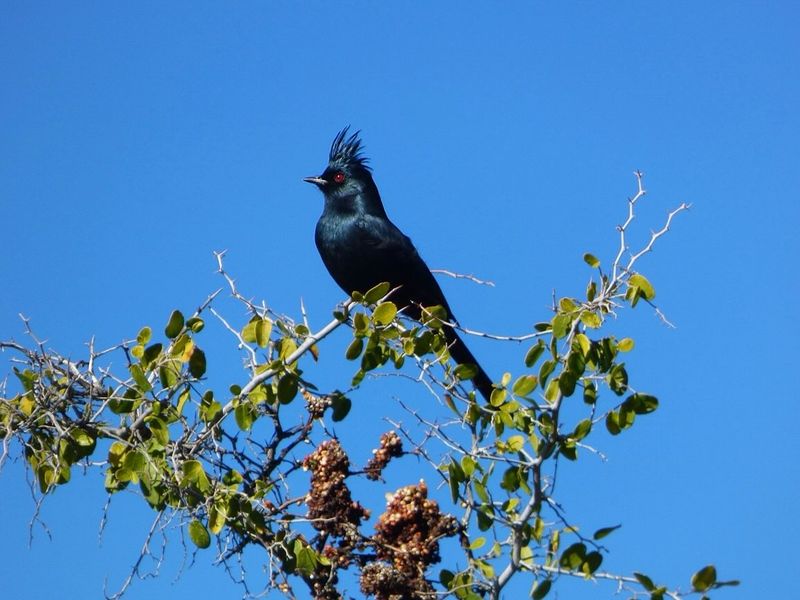
Berry availability is one of the strongest magnets for a Phainopepla. Without a reliable fruit source, repeat visits are unlikely.
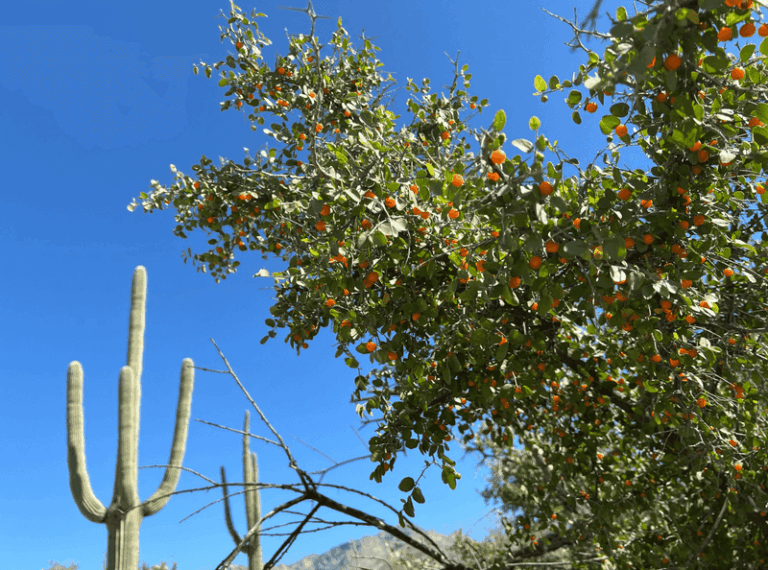
Phainopeplas have a strong preference for small, soft berries. Desert mistletoe is their top choice, but they will also eat berries from wolfberry shrubs, elderberry, and hackberry trees when available.
Plants with dark or reddish fruit tend to attract them most.
If your yard has any of these plants, that explains a lot. Even a single productive shrub can pull this bird in repeatedly throughout a season.
Fruiting cycles matter too. A plant that produces heavily over several weeks gives the bird a reason to keep returning.
Sparse or irregular fruit production usually results in fewer visits.
Adding native berry-producing plants is one of the most effective ways to encourage Phainopeplas over time. Wolfberry, in particular, grows well in desert yards and produces fruit that this bird actively seeks out.
Water nearby can strengthen the appeal. Berries provide some moisture, but a clean water source close to fruiting shrubs makes the location even more attractive.
Your Arizona Garden Changes Every Week. Your Plan Should Too.
Gardening in Arizona changes quickly throughout the season. Every Friday you’ll receive a simple weekly plan showing exactly what to plant, prune, fertilize, harvest, and protect so you never miss the right timing.
Small, shallow dishes work well and are easy to maintain in a desert yard setting.
3. Mistletoe Plays A Special Role In Its Daily Routine
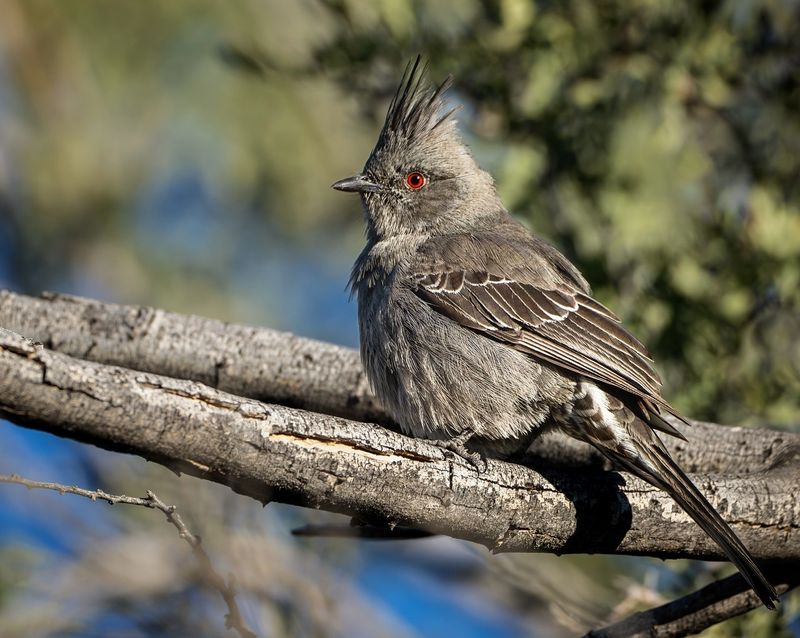
Few birds have a relationship with one plant as tight as the Phainopepla has with desert mistletoe. It is not just a food source, it is central to how this bird lives.
Desert mistletoe grows as a semi-parasitic plant on host trees like palo verde, mesquite, and ironwood. Phainopeplas eat the berries and then pass the sticky seeds in their droppings onto nearby branches, where new mistletoe plants can take root.
That cycle benefits both species.
A yard with mature trees that host mistletoe clumps is genuinely attractive to this bird. The bird is not just passing through, it is working.
Feeding, digesting, and moving seeds is a full-time job during peak fruiting season.
Mistletoe patches also serve as perch sites and shelter. Birds often roost near their food source, so clumps of mistletoe in a tree canopy provide both meals and a resting spot in one location.
Not every homeowner loves mistletoe on their trees, and that is understandable. However, from a Phainopepla’s perspective, a yard with healthy mistletoe growth is a premium address.
Removing it entirely may reduce visits noticeably over time.
4. High Perches Give It A Place To Survey The Yard
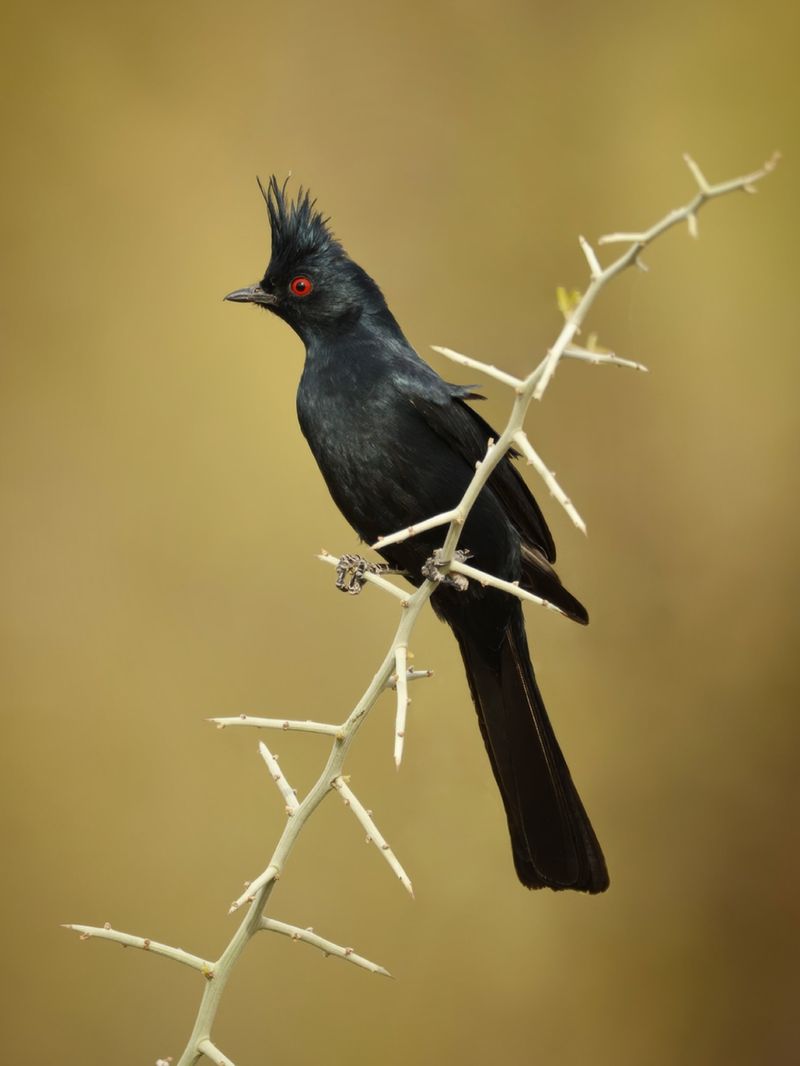
Phainopeplas are perch birds at heart. A yard without elevated spots to land is unlikely to hold their attention for long.
Watch where the bird sits between feeding bouts. Tall cacti, fence posts, power lines, and bare tree branches are all common choices.
The bird wants height and a clear view of the surrounding area.
High perches serve multiple purposes. Males use them to sing and signal ownership of a territory.
Both sexes use them to spot insects in flight, since Phainopeplas also catch flying bugs like a flycatcher would.
Saguaro cacti are particularly popular perch spots in Arizona yards. The flat top of a saguaro arm gives the bird a stable, elevated platform with a 360-degree view.
If you have a saguaro nearby, check its arms regularly for a dark silhouette.
Bare branches on drought-stressed or seasonally leafless trees also work well. A bird perched on a bare branch has an unobstructed view, which matters for spotting both food and potential rivals.
Adding a simple tall perch, like a natural wooden post, can attract the bird to a specific spot in your yard. Placement near berry plants or water increases the chance it will actually use it.
5. Its Feeding Habits Help Spread Seeds To New Places
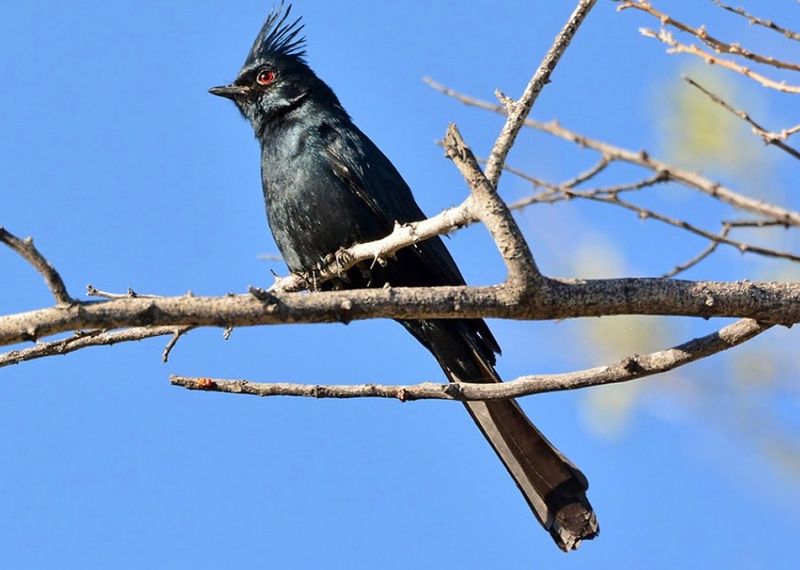
Watching a Phainopepla eat looks simple. What is actually happening underneath that glossy exterior is surprisingly complex.
Phainopeplas can digest berry pulp quickly and pass seeds within minutes. That speed means seeds get deposited across a wider area as the bird moves through its territory.
Over time, this behavior spreads plants to new locations in ways that would not happen otherwise.
Mistletoe seeds are especially well-suited for this process. They are coated in a sticky substance that helps them cling to bark after being passed.
A Phainopepla that wipes its bill on a branch or leaves droppings on a limb can start a new mistletoe plant right there.
Beyond mistletoe, the bird also helps spread wolfberry and other native fruiting plants. Yards near washes or open desert may see new seedlings pop up in unexpected spots over the years, often traced back to bird activity.
From a gardening standpoint, this is mostly a good thing. Native plants spread by birds tend to establish in spots with decent soil and light, since birds favor productive areas.
You may end up with volunteer plants that fill in gaps naturally.
Encouraging Phainopeplas means encouraging a small but real ecological process in your own backyard.
6. Seasonal Movements Can Change How Often It Appears
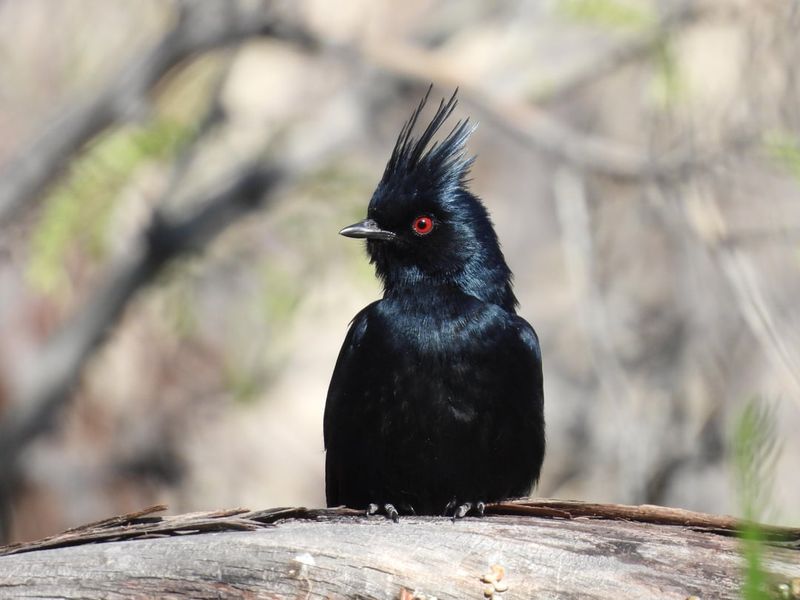
Phainopeplas do not behave the same way year-round. Their movement patterns shift with the seasons, and that directly affects how often you see one in your yard.
In the Sonoran Desert region, Phainopeplas often breed earlier than most other birds, sometimes starting in late winter.
After that breeding season wraps up, many birds move to cooler, wetter habitats like riparian woodlands or higher elevations for a second breeding attempt.
This two-season breeding pattern is unusual and not fully understood yet.
During peak mistletoe season, usually late fall through early spring, sightings tend to be more frequent and consistent. As berries run out or temperatures climb, the birds may shift their range or spend more time in shadier spots.
Summer heat can push them away from exposed desert yards temporarily. A shaded yard with water may still attract visits even in hot months, but expect frequency to drop compared to cooler periods.
Fall often brings a reappearance as temperatures ease and some fruiting plants produce again. Keeping a simple log of when you see the bird can help you predict future visits based on past patterns.
Yard conditions, plant cycles, and local weather all play a role. No two years will look exactly the same.
7. A Bird Friendly Yard May Give It Reasons To Return
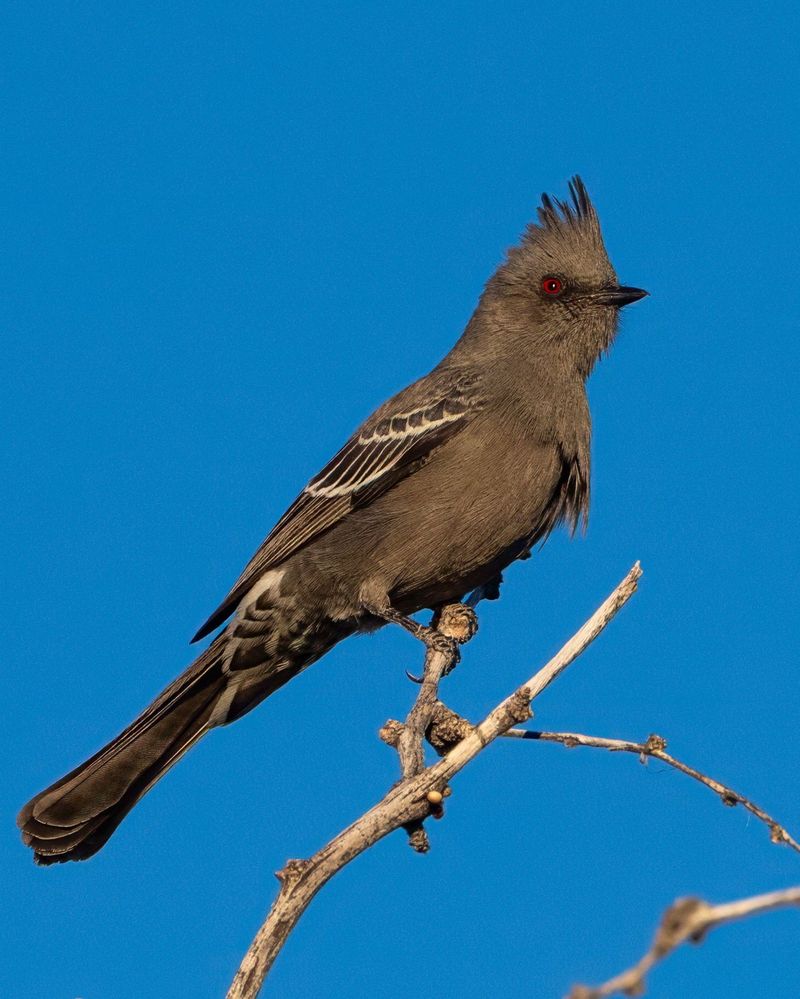
Creating a yard that genuinely works for a Phainopepla does not require major renovation. Small, targeted changes can make a real difference.
Start with native plants. Wolfberry, hackberry, and desert elderberry all produce fruit this bird prefers.
Even one or two well-placed shrubs can shift your yard from a flyover spot to a regular stop.
Water access matters more than most people realize. A shallow dish, kept clean and refilled regularly, can attract birds that would otherwise skip your property.
Phainopeplas need to drink, especially during dry stretches when berries alone may not provide enough moisture.
Avoid heavy pesticide use near fruiting plants. Phainopeplas also eat insects, and a yard with no bugs offers fewer reasons to linger.
A balanced yard with some insect activity is more appealing than a sterile one.
Tall perch spots, as mentioned earlier, round out the appeal. A yard that offers food, water, and a good lookout point covers most of what this bird needs on a daily basis.
Patience is part of the process. Birds do not shift habits overnight.
Consistent conditions over a full season give them the confidence to return regularly. Once a Phainopepla decides your yard is worth visiting, repeat appearances tend to follow naturally.