The California Yard Habit That Fire Officials Warn Spreads Embers To Your Home
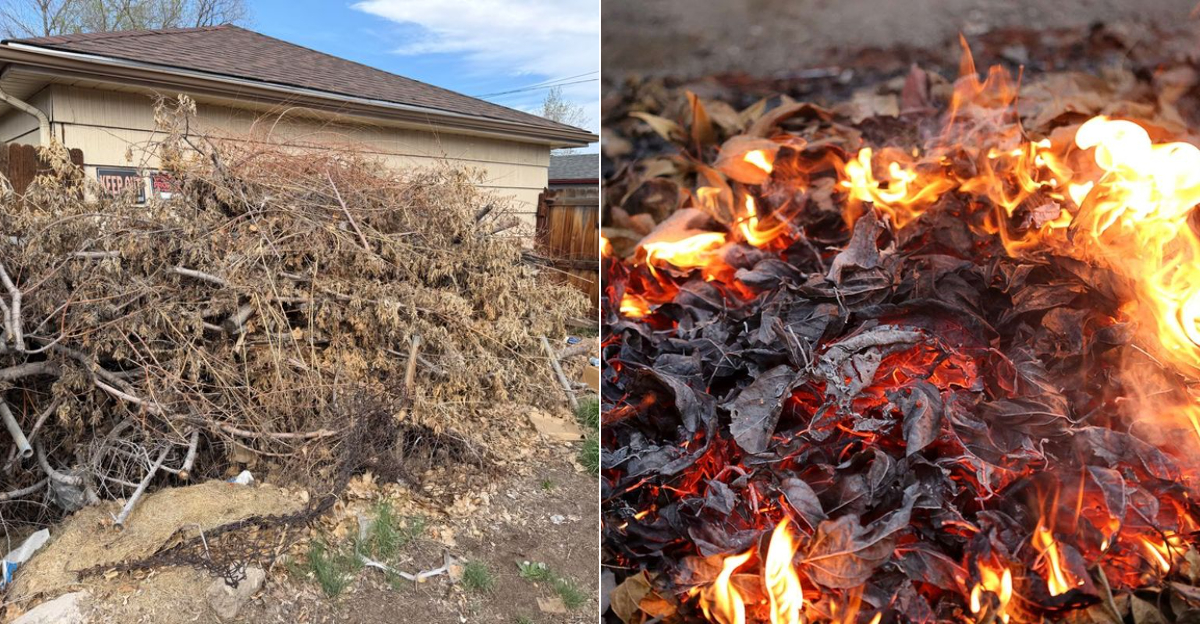
A California yard can look perfectly harmless right up until wildfire season puts every little detail under a microscope.
Suddenly, ordinary landscaping choices, weekend cleanup routines, and things you barely notice around the house can start feeling a whole lot more important. Nothing like wildfire season to make you suspicious of your own backyard.
Embers are especially tricky because they can travel well beyond the visible flames, which means homeowners may need to think about more than what is burning nearby.
The spaces around fences, patios, garden beds, sheds, and the house itself can all become part of a much bigger conversation about reducing risk.
That is where one common yard habit deserves a closer look. It may seem routine or harmless, but fire officials warn that it can make it easier for embers to cause trouble around your property.
Before the next round of hot, dry, windy weather arrives, it is worth taking a fresh look around your yard. One familiar habit might deserve more attention than you ever expected.
Letting Dry Yard Debris Build Up Against The House
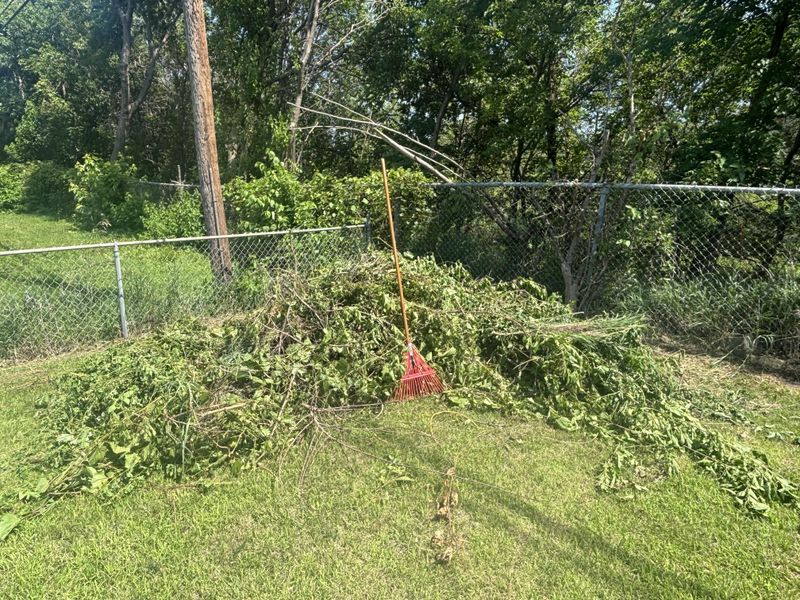
California homeowners do not think twice about leaving a pile of dry leaves or twigs sitting against the house. It seems harmless enough, especially after a long week of yard work.
But fire officials consistently flag this habit as one of the most dangerous things a homeowner can do during fire season.
Dry yard debris, including withered leaves, pine needles, bark chips, and small sticks, acts like kindling. When an ember lands on it, the material can catch fire quickly.
The closer that debris is to the house, the faster the fire can reach the structure itself.
Many homeowners stack yard waste near the fence or against the siding without thinking about the fire risk. Over time, those small piles grow larger and denser.
Denser piles hold more heat and are harder to extinguish once they start burning.
Fire officials recommend keeping the area directly against the house completely clear of organic debris. This means sweeping regularly and not letting yard clippings sit for more than a day or two.
A clean foundation perimeter is one of the simplest ways to reduce fire risk. Taking a few minutes each week to clear that space could protect your home when it matters most.
That Debris Can Catch Windblown Embers Fast
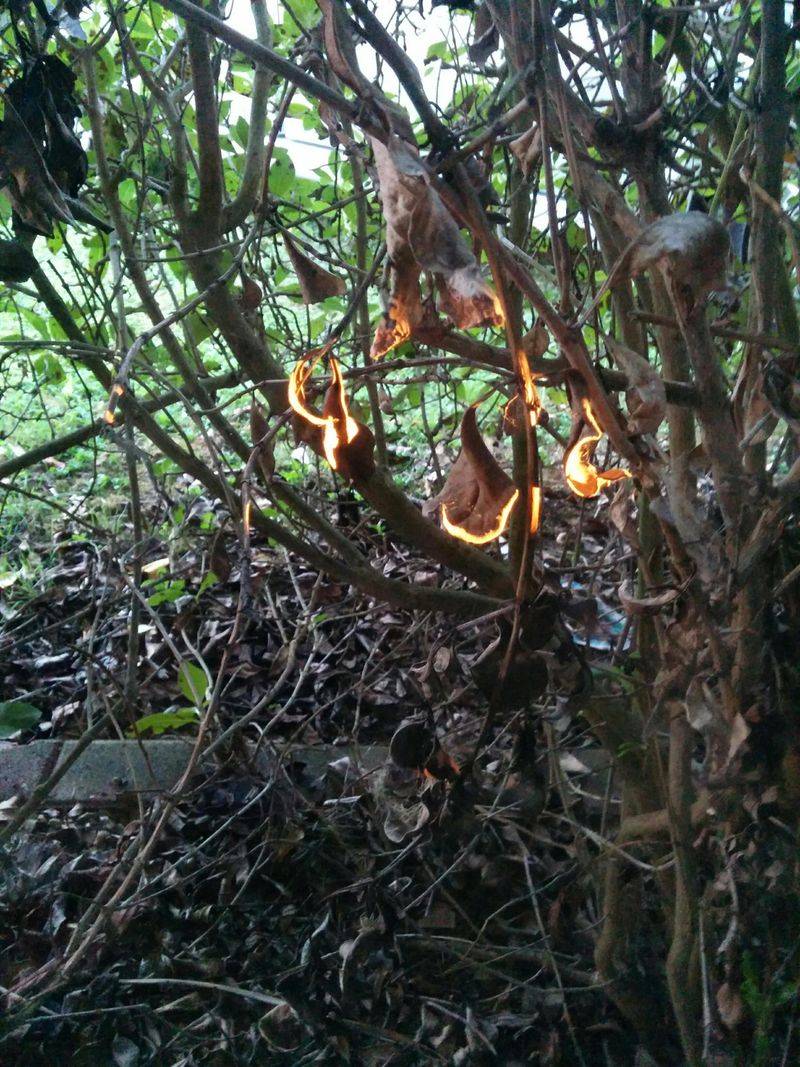
Windblown embers are one of the leading causes of home ignition during wildfires. Studies have shown that embers can travel more than a mile ahead of an active fire.
That means your home does not need to be next to a burning hillside to be at risk.
When those traveling embers land on dry debris near your home, the result can be fast and dangerous. Dry leaves and pine needles are especially quick to ignite.
Within minutes, a small ember can turn a pile of yard waste into an active fire that reaches the siding or eaves of your house.
The speed at which this happens surprises many people. Most assume they would have time to notice and respond.
Your California Garden Changes Every Week. Your Plan Should Too.
Gardening in California changes quickly throughout the season. Every Friday you’ll receive a simple weekly plan showing exactly what to plant, prune, fertilize, harvest, and protect so you never miss the right timing.
But ember-caused ignitions often start in spots that are out of direct view, like behind a bush or under a deck. By the time smoke is visible, the fire may already be spreading.
Removing dry debris from around your home takes away the material that embers need to grow into something bigger. Think of it as removing the welcome mat for fire.
Keeping that zone clean is not just good yard maintenance. It is a direct line of defense against ember ignition during high-risk fire weather.
The Closer The Pile Is, The Easier Fire Can Reach The Home
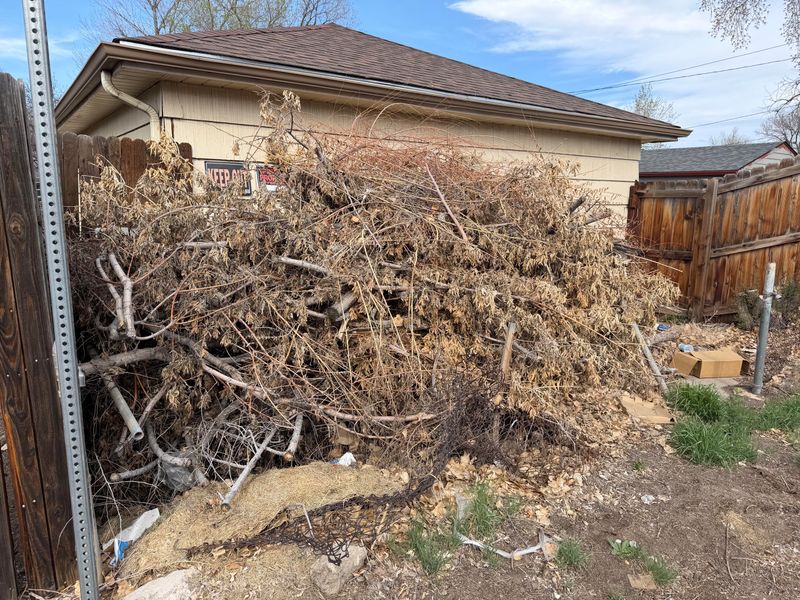
Distance matters a lot when it comes to fire safety around your home. A pile of dry debris sitting twenty feet away in the yard is far less dangerous than one pressed right up against the foundation.
The reason is simple: fire needs fuel to travel, and shorter distances mean less time to react.
When dry material is stacked directly against the house, any ignition point immediately threatens the structure. There is no buffer zone, no gap for heat to dissipate, and no space for you to intervene.
The fire essentially has a direct path to your siding, insulation, or framing.
Fire officials use the term “home ignition zone” to describe the area where this risk is highest. The zone closest to the house, usually the first five feet, is considered the most critical.
Any combustible material in that zone dramatically raises the chance that a home will catch fire during a wildfire event.
Homeowners often underestimate how much difference a few feet can make. Moving a debris pile even ten feet away from the house gives firefighters and the home itself a much better chance.
Creating that buffer zone does not require a lot of effort. It just requires awareness and a commitment to keeping the space clear on a regular basis.
Dry Leaves And Needles Can Smolder Before You Notice
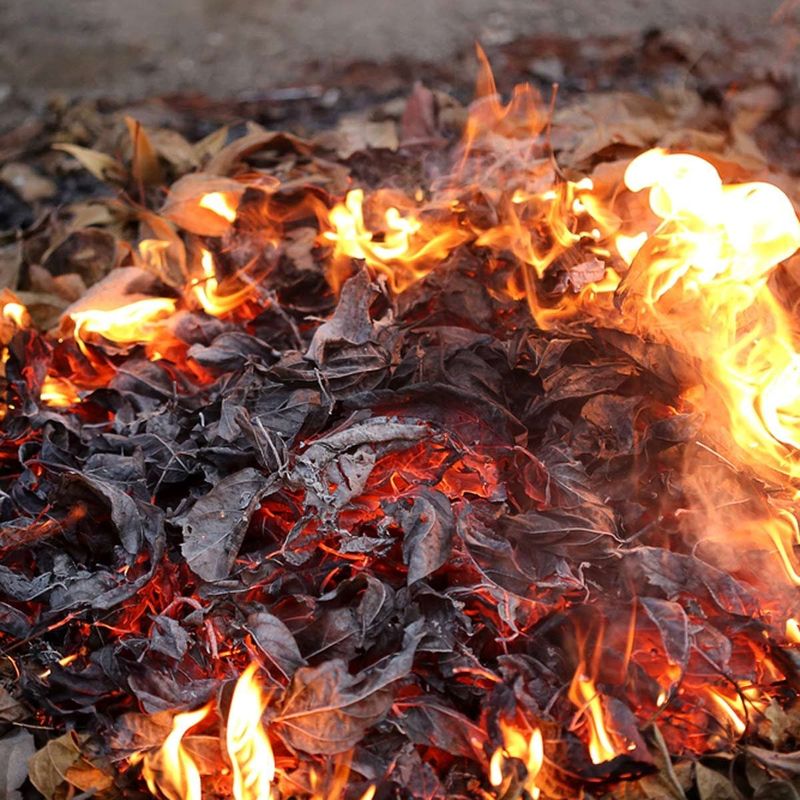
One of the trickiest things about dry leaf and needle piles is that they do not always burst into flames right away. Sometimes an ember lands in a pile and starts smoldering quietly.
The fire builds slowly underneath the surface while nothing visible is happening above it. This is called a smoldering fire, and it can go on for a surprisingly long time without being noticed.
The smoke produced is thin and easy to miss, especially if you are inside the house or not looking in that direction. By the time visible flames appear, the fire may already be touching the house.
Pine needles are particularly prone to this kind of slow-burn behavior. They pack tightly together, which allows heat to build up in the center of the pile without escaping quickly.
Withered oak leaves and eucalyptus bark can behave similarly. These are common yard materials in many fire-prone areas.
Checking around the perimeter of your home after a windy day is a smart habit to build. Look for any signs of scorching, unusual warmth on the ground, or thin wisps of smoke near debris piles.
Catching a smoldering spot early can prevent a much larger problem. Removing the debris entirely is always the safest option during fire season.
Corners Along The House Tend To Trap The Most Debris
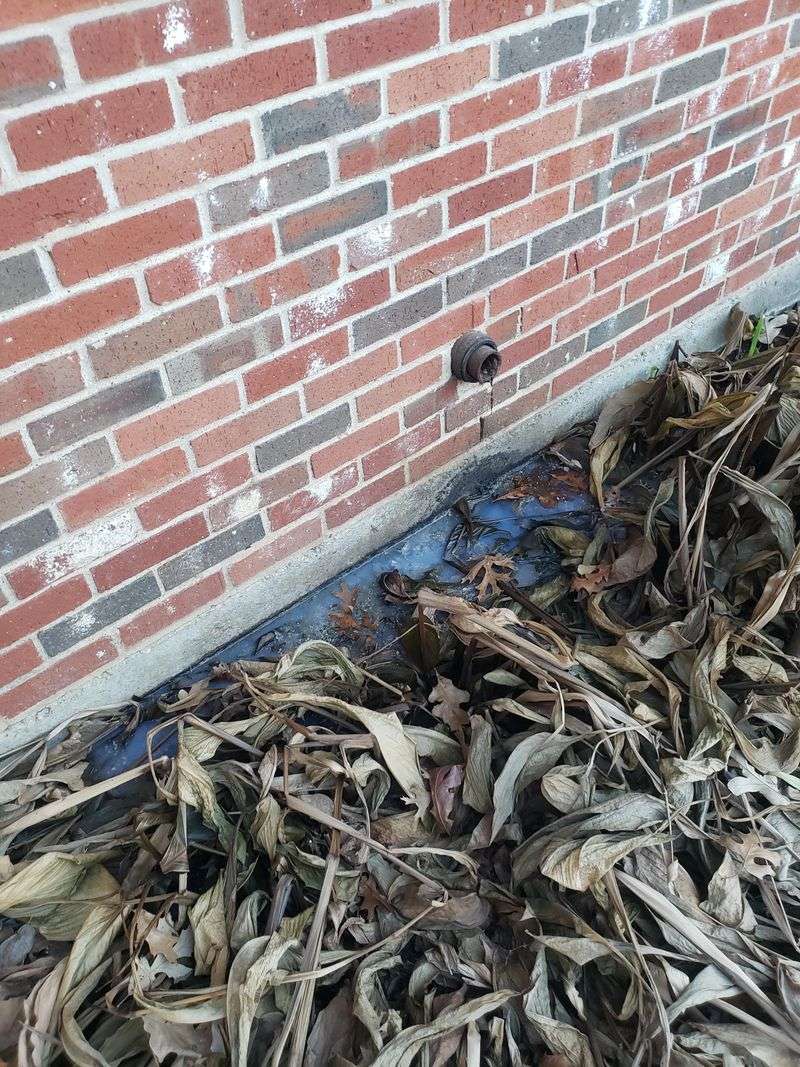
If you have ever noticed that leaves always seem to pile up in the corners of your California yard or along the house walls, you are not imagining it.
Wind naturally pushes lightweight debris into corners where it gets trapped and accumulates over time.
Those corners become collection points for exactly the kind of material that fuels ember ignition.
The problem is that corners are also spots that homeowners tend to overlook during cleanup.
It is easy to sweep the open areas and miss the tight spaces where walls meet fences, stairs meet foundations, or two walls form a right angle. Those spots gather the most debris and receive the least attention.
From a fire safety standpoint, corner accumulations are especially concerning. When debris piles up in a corner, it is surrounded on two sides by the structure.
That means a fire starting there has immediate contact with the building from multiple angles. Heat also tends to concentrate in corners, which can speed up ignition.
Making a habit of checking every corner around the exterior of your home is a smart move. Use a leaf blower or a broom to clear those tight spaces regularly.
A quick five-minute sweep of all the corners once a week during fire season can remove a surprising amount of flammable material before it becomes a problem.
Debris Under Eaves Can Turn A Small Ember Into A Bigger Problem
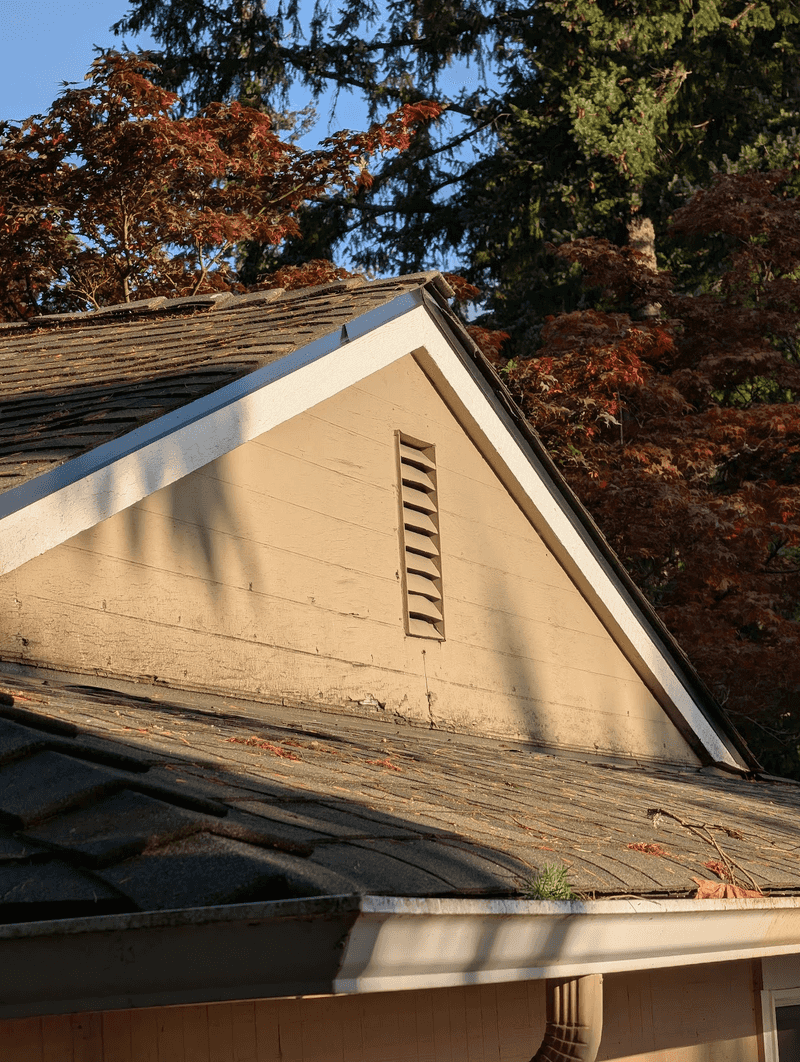
The area under the eaves of a house is another spot that collects debris and often gets overlooked. Leaves, pine needles, and small twigs can blow up under the overhang and settle there.
Because this area is partially sheltered, the debris stays dry even after light rain, making it especially flammable.
Eaves are also structurally vulnerable. The wood used in roof overhangs and soffits is often exposed and older.
If an ember lands in debris that has collected under the eave, the fire can quickly reach the roof structure. From there, it can spread into the attic or along the roofline.
Fire officials point to eave ignition as one of the more common ways homes catch fire during wildfires. Homeowners often focus on the ground level and forget to look up.
A quick inspection of the eave area can reveal surprising amounts of accumulated plant material that needs to be removed.
Cleaning out debris from under the eaves does not require special equipment in most cases. A ladder and a broom handle are usually enough to dislodge and sweep out whatever has collected up there.
Doing this a few times during fire season, especially after windy periods, can make a meaningful difference. Keeping those spots clean removes one more ignition point from your home’s exterior.
The First Five Feet Around The Home Need The Most Attention
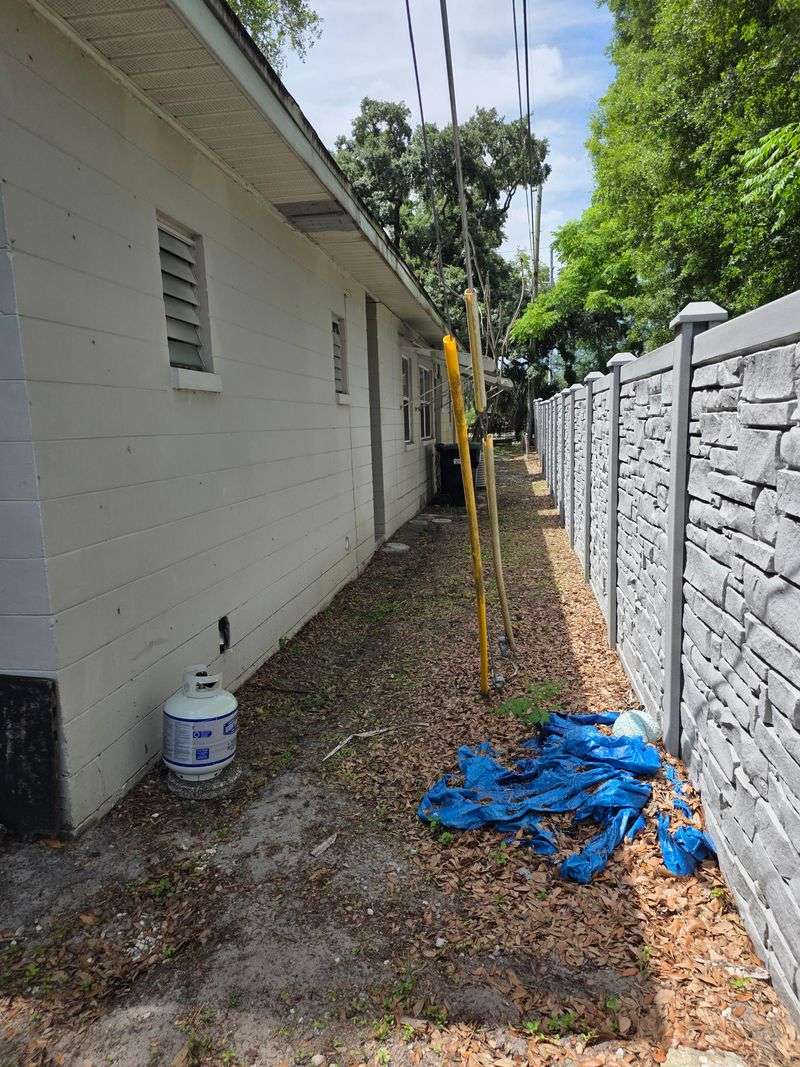
Fire safety experts and officials in fire-prone regions consistently emphasize one specific zone around the home: the first five feet from the foundation.
This narrow strip of space is the most critical area to keep clear of combustible material. What happens in those five feet can determine whether a home survives a wildfire or not.
The reason this zone matters so much is proximity. Any fire that starts within five feet of the house has almost no distance to travel before reaching the structure.
There is no time for the heat to weaken, no buffer for firefighters to work in, and no margin for error. Embers landing in this zone can ignite a home faster than most people expect.
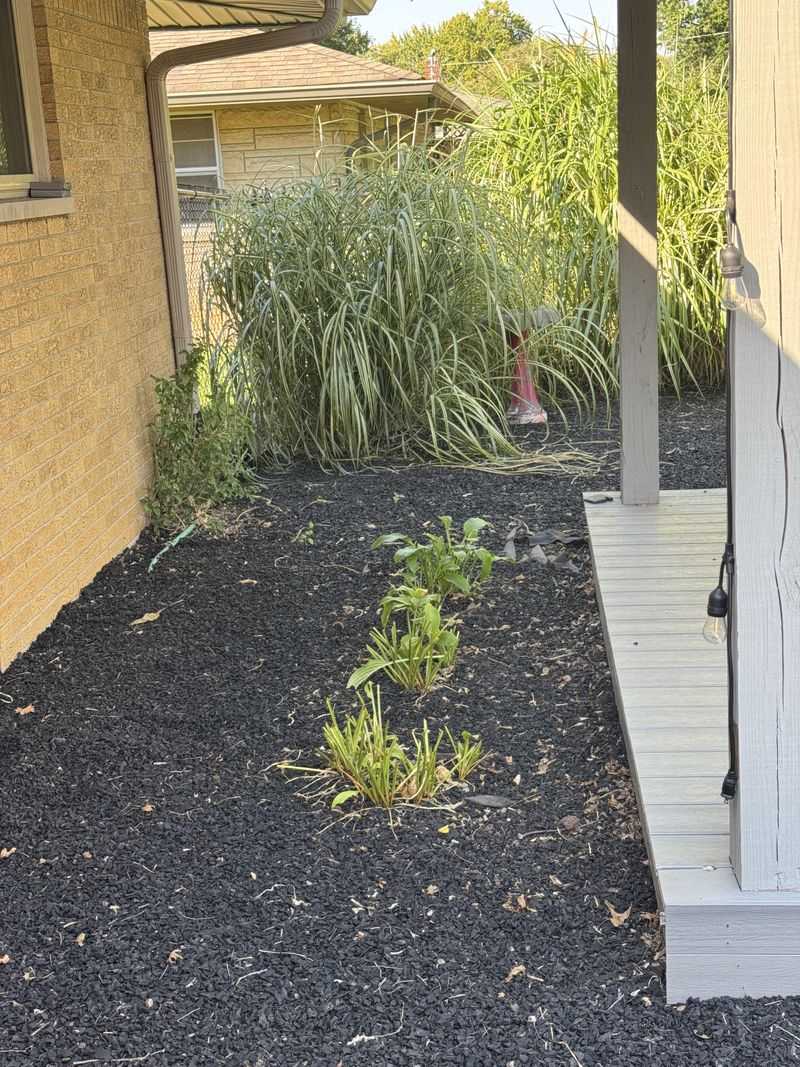
Fire officials recommend treating this zone differently from the rest of the yard. Instead of grass, mulch, or bark, consider using gravel, decomposed granite, or concrete pavers in this area.
These materials do not burn and do not collect debris the same way organic materials do.
If you do use mulch or bark in this zone, choose a product that is rated as fire-resistant, and keep it thin and well-watered. Better yet, replace organic ground cover in this area entirely.
The first five feet should be thought of as a firebreak, not a garden bed. Keeping it clean and non-combustible is one of the highest-impact things a homeowner can do.
Regular Cleanup Keeps That Fuel From Building Up
One of the most effective ways to protect your home from ember ignition is also one of the most straightforward: clean up regularly. Debris does not become a major fire hazard overnight.
It builds up gradually over days and weeks, which means regular maintenance prevents the accumulation from ever reaching a dangerous level.
A quick sweep of the perimeter once or twice a week during dry seasons can make a noticeable difference. Pay attention to spots where debris tends to collect, like corners, under decks, along fences, and near downspouts.
Removing small amounts frequently is much easier than dealing with a large pile that has been sitting for a month.
Homeowners who build cleanup into their regular routine tend to stay ahead of the problem.
Setting a reminder on your phone or pairing the task with another weekly habit, like taking out the trash, helps make it consistent. Consistency is what keeps the fuel load low over time.
Getting the whole family involved makes the job faster and builds fire awareness in younger members of the household. Even kids can help sweep or rake small areas.
Making yard safety a shared responsibility means it is less likely to fall through the cracks. Regular cleanup is not glamorous, but it is one of the most reliable fire prevention habits a homeowner can build.
Windy Days Can Refill Those Piles Surprisingly Quickly

A lot of California homeowners clean up their yard, feel good about it, and then do not check again for weeks. The problem is that wind can undo that hard work in a matter of hours.
A single gusty afternoon can deposit a fresh layer of dry leaves, needles, and debris right back against the house.
This is especially true in areas surrounded by trees or near open fields. Wind channels debris along fences, into corners, and up against foundations with remarkable efficiency.
By the next morning, the spots you cleared the day before can look like they were never touched.
During fire season, windy conditions are also exactly when ember risk is highest. Strong, dry winds carry embers farther and fan flames more aggressively.
A fresh pile of debris that built up overnight becomes a real hazard on a high-wind fire day. The timing can be dangerously inconvenient.
Building a habit of checking the perimeter after any notable wind event is a smart and simple precaution. You do not need to do a full yard cleanup every time.
Just walk the foundation line, check the corners and eave areas, and clear anything that has blown in.
Ten minutes of attention after a windy day could be the difference between a safe home and a dangerous one. Staying consistent is the key to staying protected.