What It Means When Patches Of Your Georgia Lawn Suddenly Turn Straw-Brown
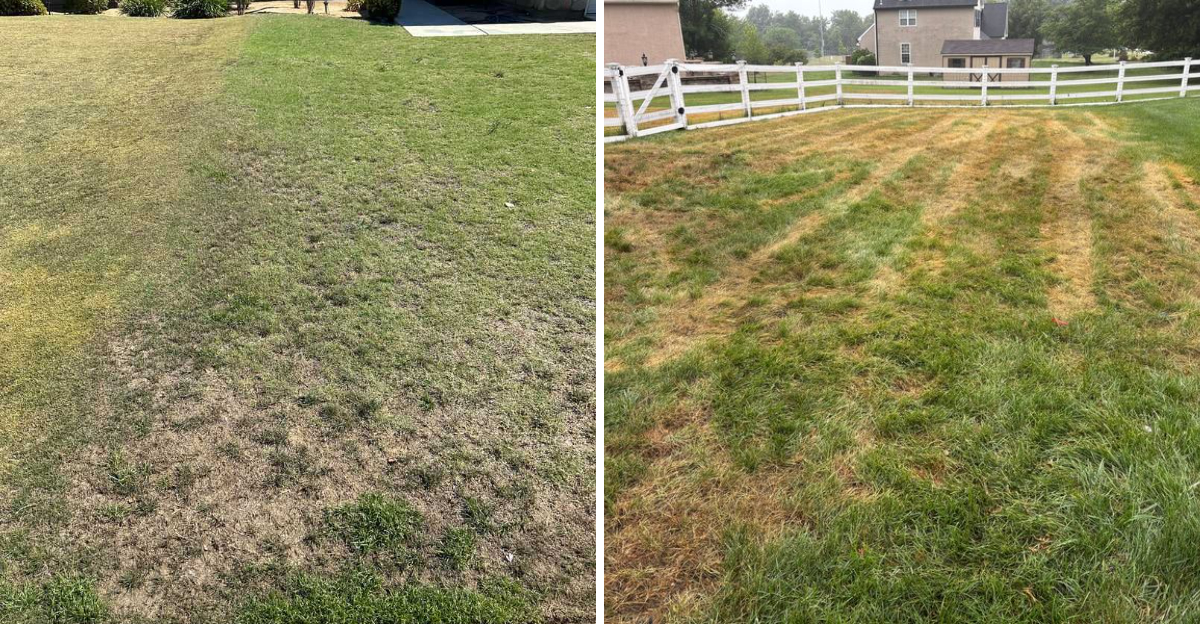
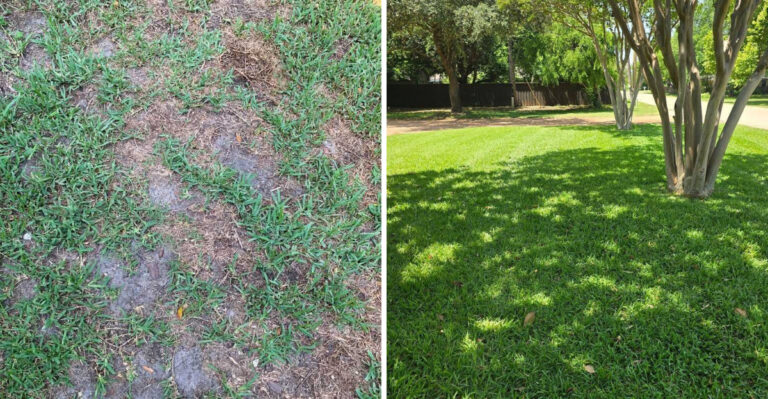
A Georgia lawn can change its mood in less than a week.
One morning, the grass looks green enough to brag about. A few hot afternoons later, pale straw-colored patches appear like somebody quietly switched off sections of the yard.
The obvious reaction is panic.
Disease gets blamed. Fertilizer comes out. A spray bottle suddenly feels necessary. But that brown patch may be telling a completely different story, and color alone rarely gives away the culprit.
So what should you look at first?
The shape matters. The location matters. Even the way individual blades fold, tear, or spot can point you in a different direction.
A dry strip beside concrete does not behave like a fungal patch, and insect damage leaves clues of its own.
Before you treat anything, slow down and read the lawn.
Georgia summer turf can look dramatic while asking for a surprisingly simple fix.
The trick is figuring out which clue deserves your attention before one brown patch turns into a very expensive outdoor guessing game.
1. Sudden Brown Patches May Simply Mean The Lawn Is Thirsty
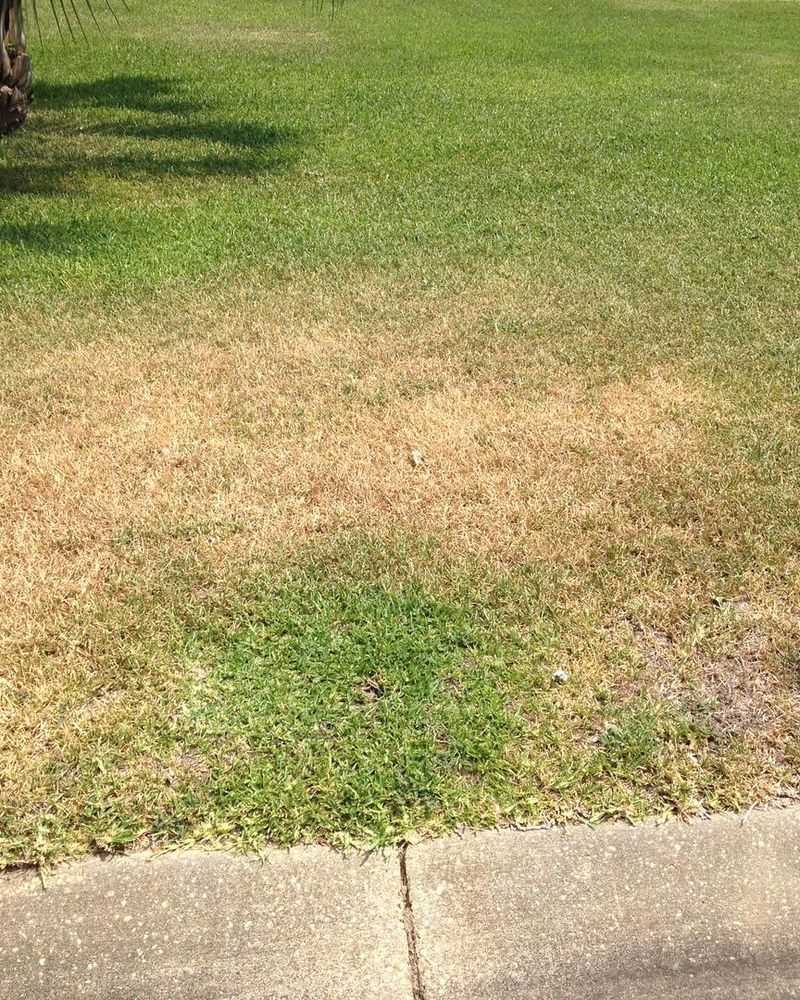
A thirsty lawn can turn straw-brown fast enough to look diseased.
Start by walking across the pale area and then look behind you. Grass blades that stay flattened instead of springing back can be an early sign of drought stress, especially in bermudagrass and zoysiagrass.
Look at the blades too. Folded or rolled leaves often mean the plant is trying to conserve moisture.
Before you reach for a fungicide, test the ground. Push a screwdriver several inches into the soil near the stressed patch.
Easy penetration suggests the root zone still holds moisture. Strong resistance points toward dry soil that may need irrigation.
Then run the sprinkler system.
A clogged head, crooked nozzle, or missed corner can create a brown patch that looks suspiciously organized. Pay special attention to spots between spray patterns and along lawn edges.
Recent rainfall matters as well. Georgia summer weather can move from soggy to dry remarkably quickly, so last week’s storm does not guarantee this week’s roots have enough moisture.
Water deeply when the soil actually needs it rather than giving the turf frequent shallow splashes. That encourages moisture to reach more of the root zone.
Your lawn may not be sick at all.
Sometimes that scary straw patch is simply the grass raising one very dry little hand and asking for a drink.
2. A Spreading Brown Edge Can Point Toward Chinch Bugs
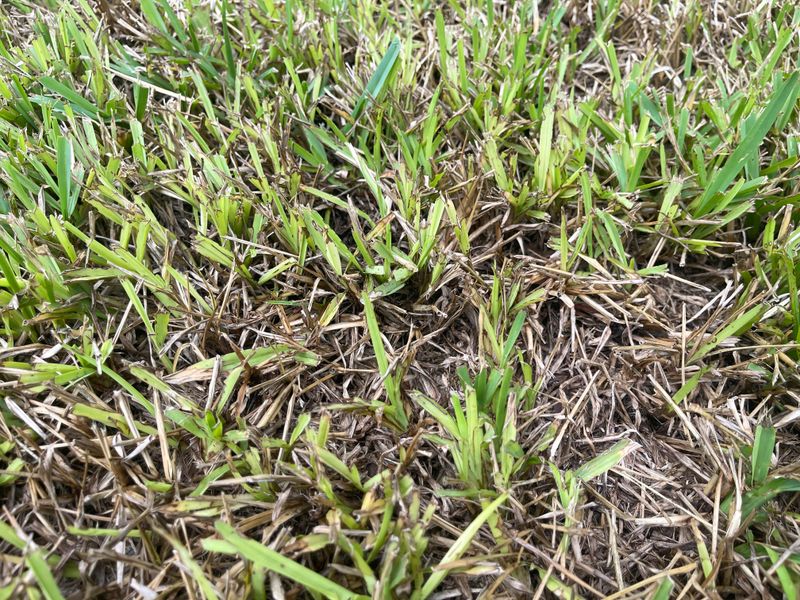
A brown patch with a busy border deserves a closer look.
Chinch bugs often feed where damaged turf meets healthy green grass, so the edge of the patch can tell you more than the crispy center. St. Augustinegrass is especially associated with chinch bug trouble in Georgia.
Sunny, hot areas deserve extra attention.
Damage may begin near sidewalks, driveways, or other warm surfaces, then spread outward as the insects continue feeding. From across the yard, that pattern can look a lot like drought stress.
Your Georgia Garden Changes Every Week. Your Plan Should Too.
Gardening in Georgia changes quickly throughout the season. Every Friday you’ll receive a simple weekly plan showing exactly what to plant, prune, fertilize, harvest, and protect so you never miss the right timing.
Get down near the stems instead of diagnosing from the patio.
Adult chinch bugs are small and dark with pale wings. Younger nymphs can appear reddish or orange. Their size makes them easy to miss unless you know where to look.
A simple flotation test can help. Push an open-ended metal can a few inches into the soil along the green-to-brown border. Add water and watch the surface for a couple of minutes. Chinch bugs present in that section may float upward.
Do not treat the whole lawn just because the color looks familiar.
Heat stress, dry soil, fungal disease, and chinch bugs can create remarkably similar brown patches from a distance. Confirming the insect first keeps you from throwing money at the wrong problem.
The patch edge is basically the lawn’s witness stand.
That is where the tiny suspects are most likely to give themselves away.
3. Tan Lesions Can Reveal A Fungal Patch
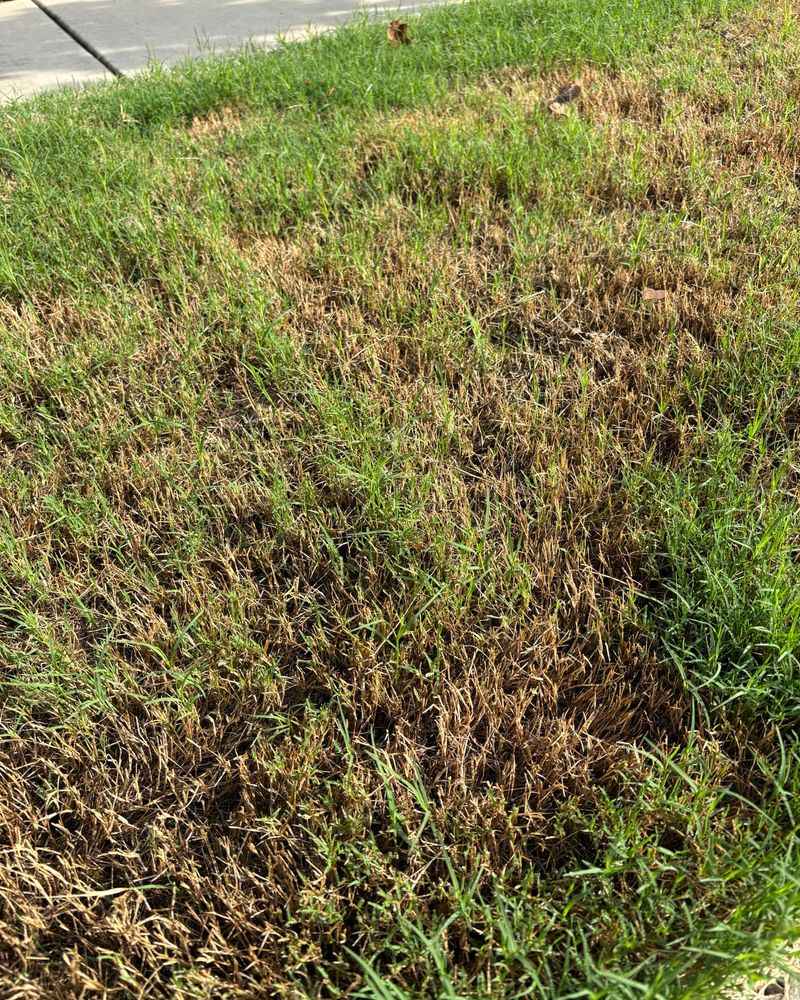
Straw-colored turf can point toward fungal trouble, but the blades need to back up the story.
Brown patch commonly affects tall fescue, while related large patch symptoms can occur on warm-season grasses such as zoysiagrass and centipedegrass.
Warm, humid conditions and long periods of leaf wetness can create favorable conditions for disease.
Pull several blades from the outer edge of the damaged area.
Look for tan lesions with darker brown margins rather than relying on the overall color of the lawn. Those blade-level marks can separate fungal damage from simple drought or irrigation problems.
Then look at your watering schedule.
Evening irrigation keeps foliage wet through warm nighttime hours, which can give fungal problems more opportunity to develop. Early morning watering lets the grass use the moisture while giving blades time to dry later.
Heavy nitrogen can complicate things too. Lush, soft growth may be more vulnerable during disease-friendly weather, so late-summer fertilizer should not become an automatic response to every faded patch.
Pay attention to pattern and timing. A lawn that changes after several humid nights tells a different story from one that browns beside a broken sprinkler.
One ugly blade does not solve the mystery, so inspect several.
Georgia lawns can be dramatic, but fungi usually leave receipts.
The closer you look at the leaf itself, the less likely you are to blame the wrong suspect.
4. Tiny Straw Circles Can Be A Dollar Spot Clue
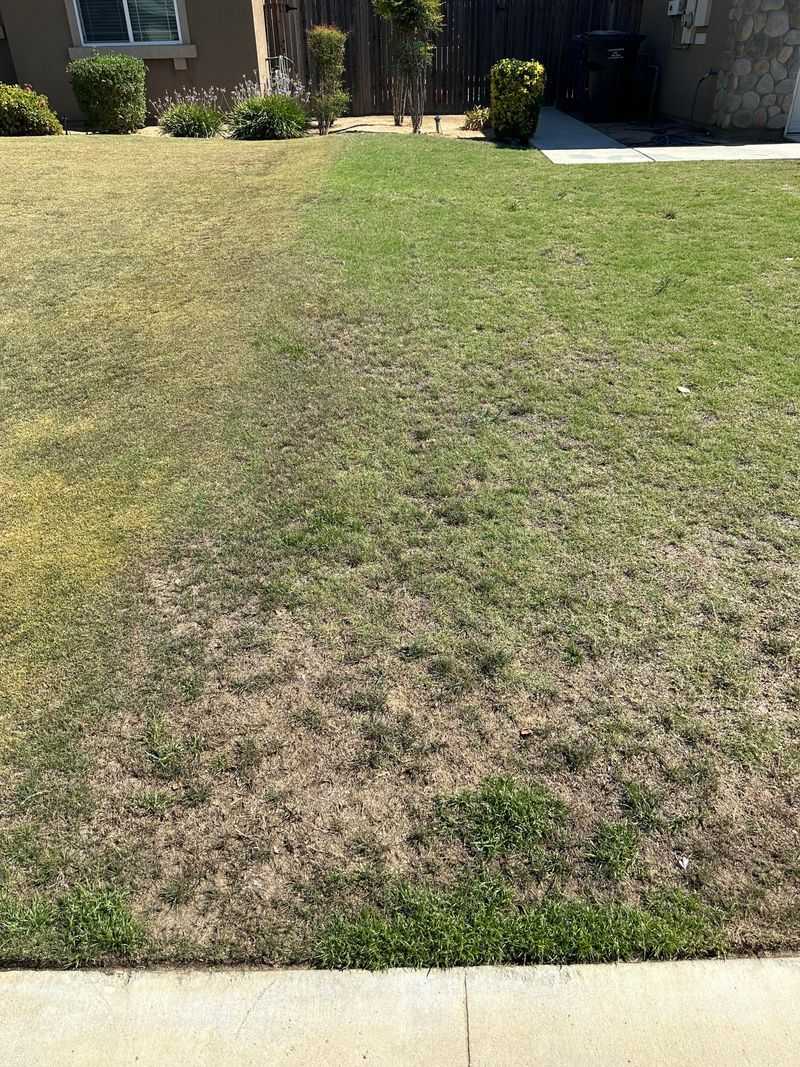
Tiny straw-colored circles scattered across otherwise green turf can point toward dollar spot.
The name comes from the small size of individual patches, although several spots can merge and create larger bleached areas once the problem builds. Bermudagrass and zoysiagrass can both show symptoms.
Do not stop at the circles.
Pull a few affected blades and look for pale tan lesions with reddish-brown borders. Some lesions narrow through the center of the leaf, creating the classic hourglass-like look associated with dollar spot.
Early morning can reveal another clue.
Fine white, cobweb-like fungal growth may sometimes appear across affected blades while dew is still present. Once sunlight dries the turf, that clue can disappear, so breakfast may need to wait five minutes while you inspect the lawn.
Conditions matter too. Dollar spot can become troublesome when humidity stays high while soil moisture runs low. Low fertility may also contribute to susceptibility.
That combination can confuse homeowners because the lawn may look dry and diseased at the same time.
Check moisture, examine individual blades, and look at the size and distribution of the spots before choosing a treatment.
A small brown circle is not automatically dollar spot. Irrigation gaps and other stress can create similar marks.
Your lawn is giving you a pattern, not a diagnosis.
Read the little circles together, and the mystery becomes much easier to narrow down.
5. Brown Rings May Be Coming From The Soil Below
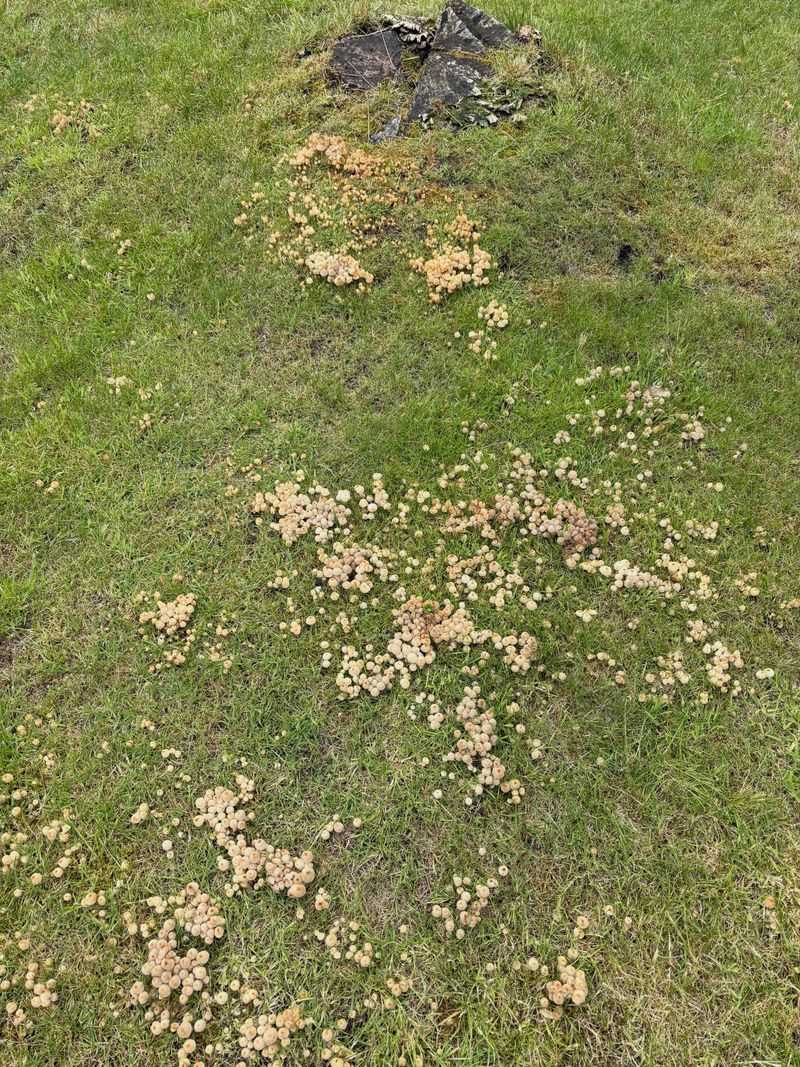
A brown ring in the lawn deserves different detective work than a random dry patch.
Fairy rings come from fungi living in the soil and breaking down organic matter below the turf. The visible result can vary wildly, which is why these rings confuse so many homeowners.
Some produce mushrooms after rain.
Others create a circle of unusually dark green grass. In tougher cases, the turf inside part of the ring turns straw-brown because fungal activity can make the soil resist water.
That last version can look exactly like drought.
Push a screwdriver into soil inside the ring, then compare the resistance with ground outside it. Dry, stubborn soil inside a recently watered lawn can suggest that moisture is not penetrating evenly.
Look for old organic material too. Buried wood, decaying roots, or an old stump can sometimes feed the fungi for years.
Quick fixes are uncommon here.
Aeration and improved water penetration may help stressed turf, and wetting agents can sometimes assist where water repellency is part of the problem. Removing buried organic material may address an underlying food source when practical.
Do not expect one watering session to erase the circle.
Fairy rings tend to require patience and careful diagnosis rather than a dramatic weekend rescue.
And despite the name, no tiny garden residents are likely holding meetings underground.
The fungi are strange enough on their own.
6. Brown Lawn Edges Can Be A Heat Problem, Not A Disease
A straw-brown strip pressed against a driveway can be telling you more about concrete than grass.
Hard surfaces absorb heat through the day and release it back toward nearby turf. That narrow edge can experience hotter air and soil than the middle of the lawn, especially during a brutal Georgia summer afternoon.
Roots near hardscape may have another disadvantage.
Construction often leaves shallow or compacted soil beside driveways, sidewalks, and walls. Less usable root space means the grass has fewer moisture reserves when temperatures climb.
Now check the sprinklers.
Edge strips frequently fall between spray patterns. A sprinkler may appear to cover the lawn while the final few inches beside concrete stay much drier than everything around them.
Run each irrigation zone and watch the problem area while water is actually moving. Do not judge coverage from where the sprinkler head points.
Supplemental hand watering may help during unusually hot stretches when that edge dries faster than the main lawn. Keep the watering focused on actual need rather than turning the whole yard into a daily soak.
Recurring trouble deserves a bigger solution.
A narrow mulch or planting bed beside hot pavement can sometimes make more sense than repeatedly fighting to keep stressed turf green in a difficult strip.
When the same edge browns every summer, the lawn is not being mysterious anymore.
It is basically pointing at the driveway and asking you to question the seating arrangement.
7. Straight Straw Lines Often Point Back To The Mower
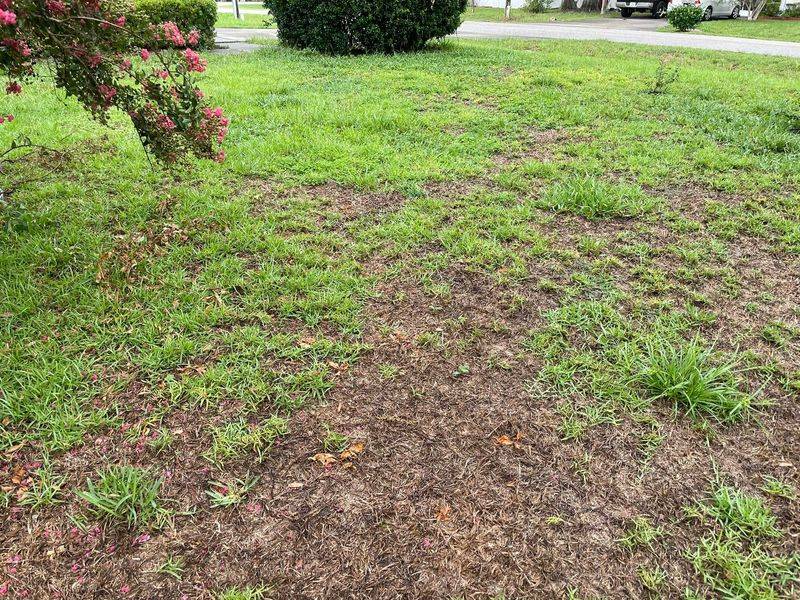
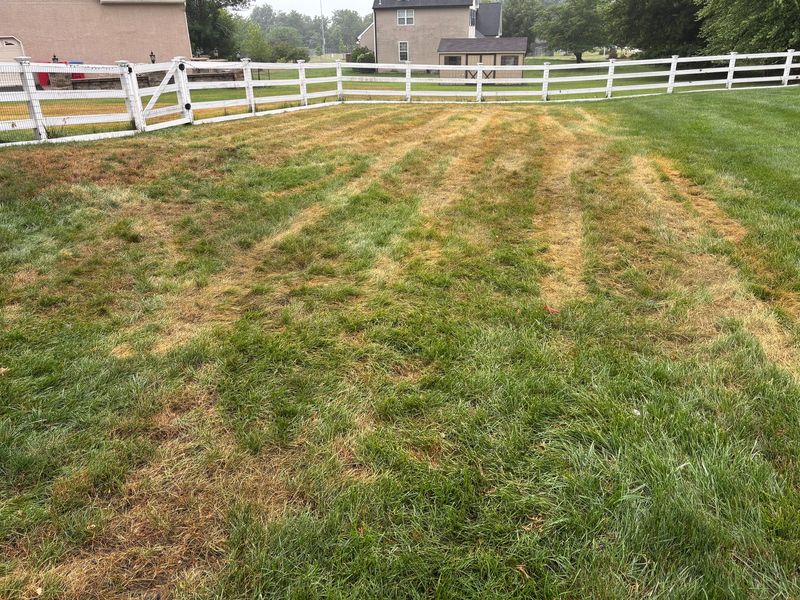
Straight brown lines across a lawn often have a very mechanical explanation.
Start with the mower.
Scalping happens when too much of the grass blade comes off in one pass. The lower stems become exposed, the turf loses useful leaf area, and the affected strip can turn straw-colored quickly during summer heat.
The pattern usually gives the mistake away.
Repeated lines, wheel tracks, or pale strips that match the mower’s path deserve more suspicion than a random circular patch.
Then inspect the blade tips.
A sharp mower leaves a fairly clean cut. Dull blades tear the grass and leave ragged, frayed ends that dry and turn brown. Several shredded tips across the patch can make the whole lawn look faded from a distance.
Mowing height matters because different turfgrasses tolerate different ranges.
Bermudagrass can usually handle a lower cut than some other lawn species, while centipedegrass and certain zoysiagrasses need a little more height depending on the cultivar and management style.
Avoid removing more than roughly one-third of the leaf blade at once.
Change mowing direction from time to time as well. Repeated wheels along exactly the same route can contribute to compaction.
This is one lawn problem where the guilty party may still be sitting in your garage.
Before buying a spray, sharpen the blade and check the deck.
8. Worn Brown Paths Can Mean The Soil Is Packed Too Tight
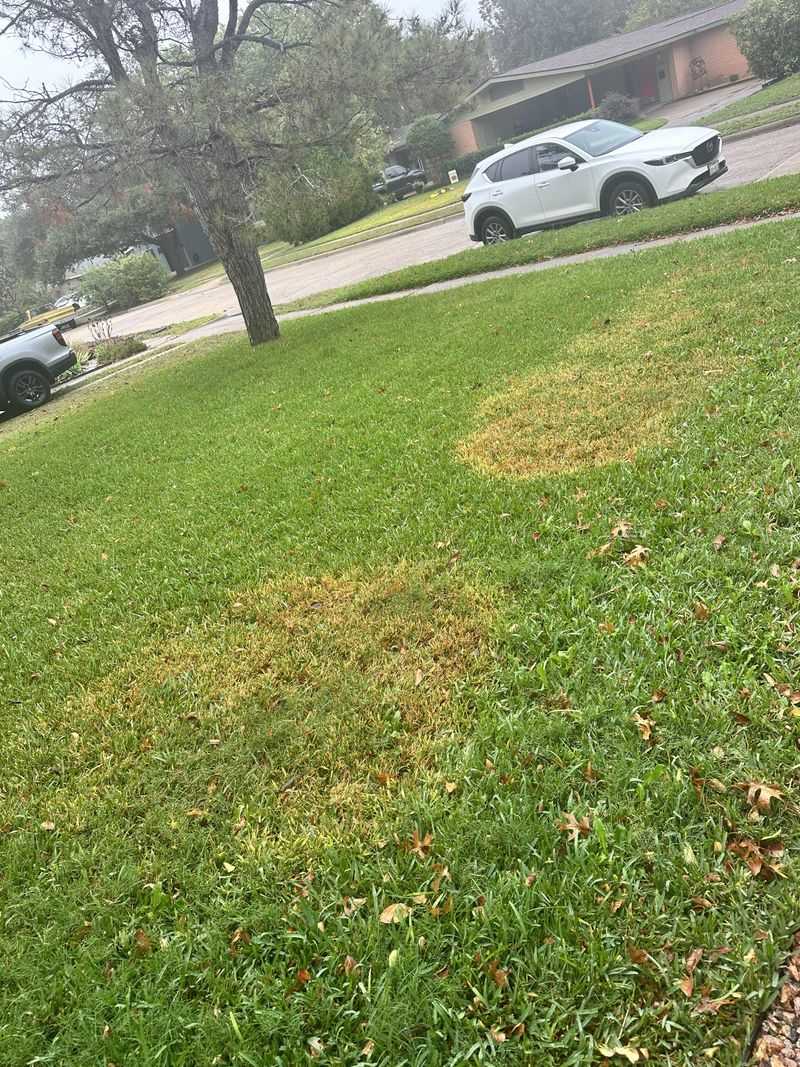
A brown path through otherwise decent turf may be a traffic report written in grass.
Repeated footsteps, running kids, pets, carts, or vehicle tires can press soil particles closer together. Over time, that compaction reduces the pore space roots need for air, water, and room to spread.
The grass often thins before it browns.
Then Georgia summer heat arrives, and shallow, stressed roots have less capacity to cope. The same strip may stay straw-colored even after nearby turf responds to rain.
Compare the soil before blaming disease.
Push a screwdriver or soil probe into the worn area, then repeat the test in healthy turf nearby. Much stronger resistance in the damaged strip can point toward compaction.
Look at drainage after a storm too. Compacted soil may accept water slowly, which can leave runoff on the surface while roots below remain poorly supplied.
Core aeration can relieve pressure by removing small plugs of soil and opening space for water, air, and root growth. Warm-season grasses generally recover best when aerated during active growth.
The long-term fix may also involve changing the traffic pattern.
Stepping stones, a path, or a different route to the shed can keep the same strip from getting pressed again and again.
Grass cannot argue with everyone taking the shortcut.
It simply turns brown and leaves the complaint where you can see it.