This Watering Habit Leaves Petunias Leggy And Weak
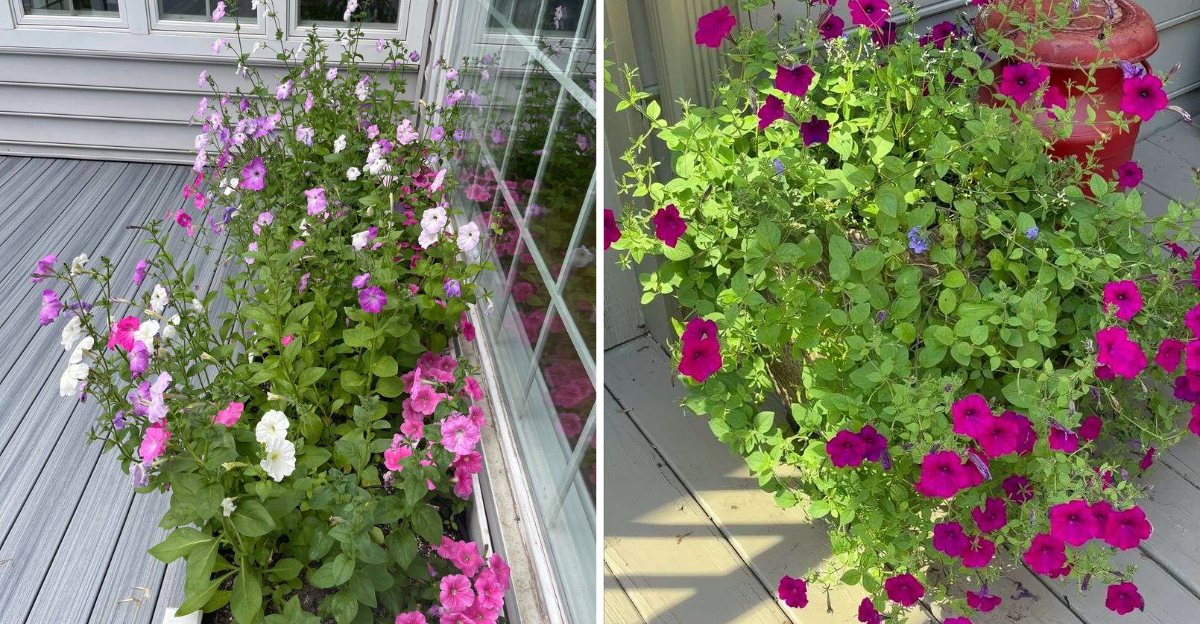
Your petunias were the envy of the block back in May, spilling over every pot with color. Now they look tired, thin, and stubbornly green where blooms should be.
Something in their daily care flipped a switch you probably didn’t notice. It’s a habit most gardeners repeat without a second thought, convinced they’re helping.
Petunias thrive on sunshine and momentum, rewarding attention with color that doesn’t quit. Yet somewhere along the way, that color can vanish without warning.
Stick around. The fix is easier than the damage looks, and your plants can bounce back faster than you’d expect.
The One Routine Mistake Behind Weak, Sprawling Growth
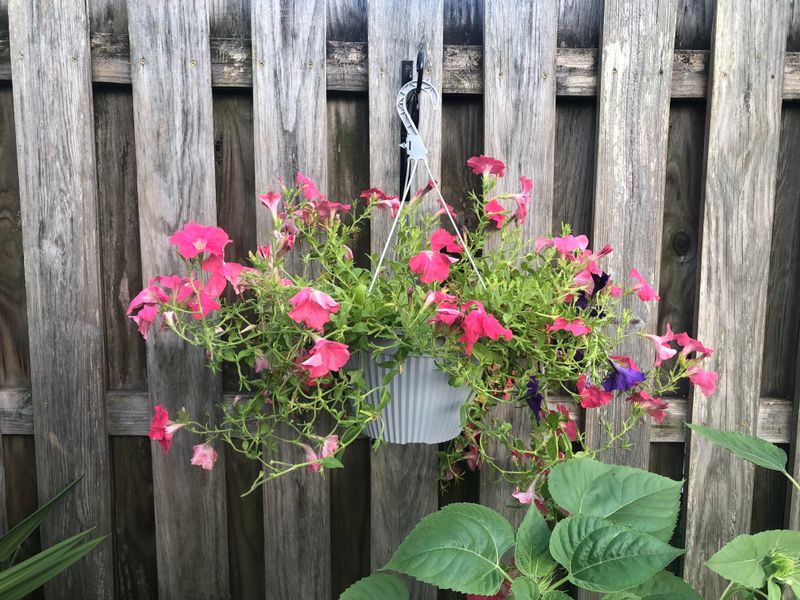
Shallow watering is one of the most overlooked problems in petunia beds. Most gardeners water a little every day, thinking more often means more care.
That logic sounds reasonable, but petunias do not agree. When water sits near the surface, roots stop growing downward to find moisture.
Shallow roots cannot anchor the plant firmly. The stems grow long and weak, reaching upward without the underground support they need.
That daily habit is what pushes petunias toward long stems and few blooms. The plant channels its energy into height instead of flowers, stretching to survive rather than thriving.
Deep, infrequent watering changes everything. When soil dries slightly between sessions, roots chase moisture downward into the earth.
Deeper roots build a stronger foundation. That foundation supports shorter, sturdier stems loaded with blooms instead of bare, floppy growth.
Most petunias need watering about two to three times per week during warm months. Each session should soak the soil at least six inches deep.
A simple finger test works perfectly here. Push your finger two inches into the soil near the plant base.
If it still feels damp, wait another day before watering. If it feels dry, go ahead and water slowly and thoroughly.
Consistency matters more than frequency with petunias. Stick with the new routine consistently, and you’ll start noticing sturdier stems and a fuller shape.
Leggy Growth Shows Up In These Specific Ways
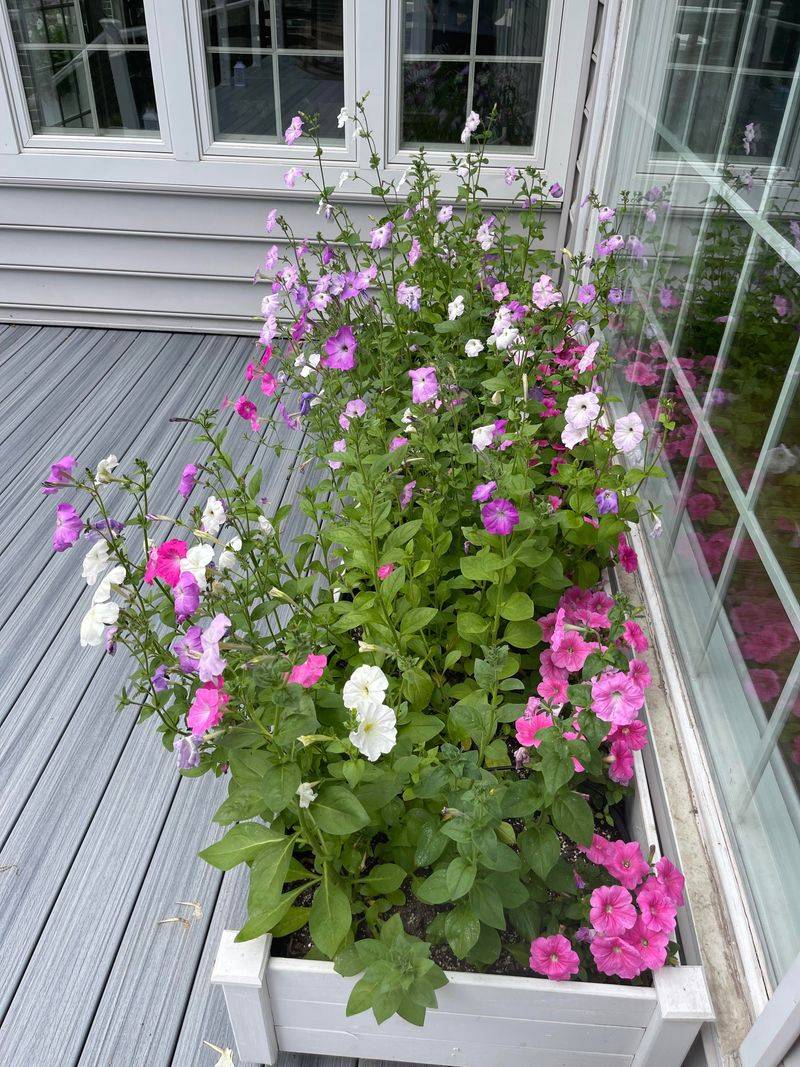
Leggy petunias have a very specific look once you know what to spot. Long, bare stems stretch out with leaves spaced far apart and flowers only at the very tips.
The plant looks thin and tired rather than full and lush. New gardeners often mistake this for a disease, but it is actually a growth response.
Petunias get leggy when conditions push them toward survival mode. Too much water at the surface, not enough sunlight, or inconsistent care all trigger this stretched-out pattern.
The stems become woody and stiff near the base. Up top, the growth gets soft and floppy without enough structure to hold blooms upright.
Blooming slows down noticeably on leggy plants. Instead of a full, mounded display, you get a few scattered flowers dangling from long, bare stems.
Shallow watering trains the plant to stay shallow itself, and that’s where the trouble starts. A shallow root system simply cannot fuel healthy, compact top growth.
Checking for legginess is easy. Stand back about three feet from your plant and look at its overall shape.
A healthy petunia looks round, full, and bushy. A leggy one looks like it is trying to escape the pot in every direction.
Catching this early makes recovery much faster. The sooner you adjust your routine, the less time the plant spends in that stretched, struggling state.
A Routine That Encourages Compact, Bushy Growth
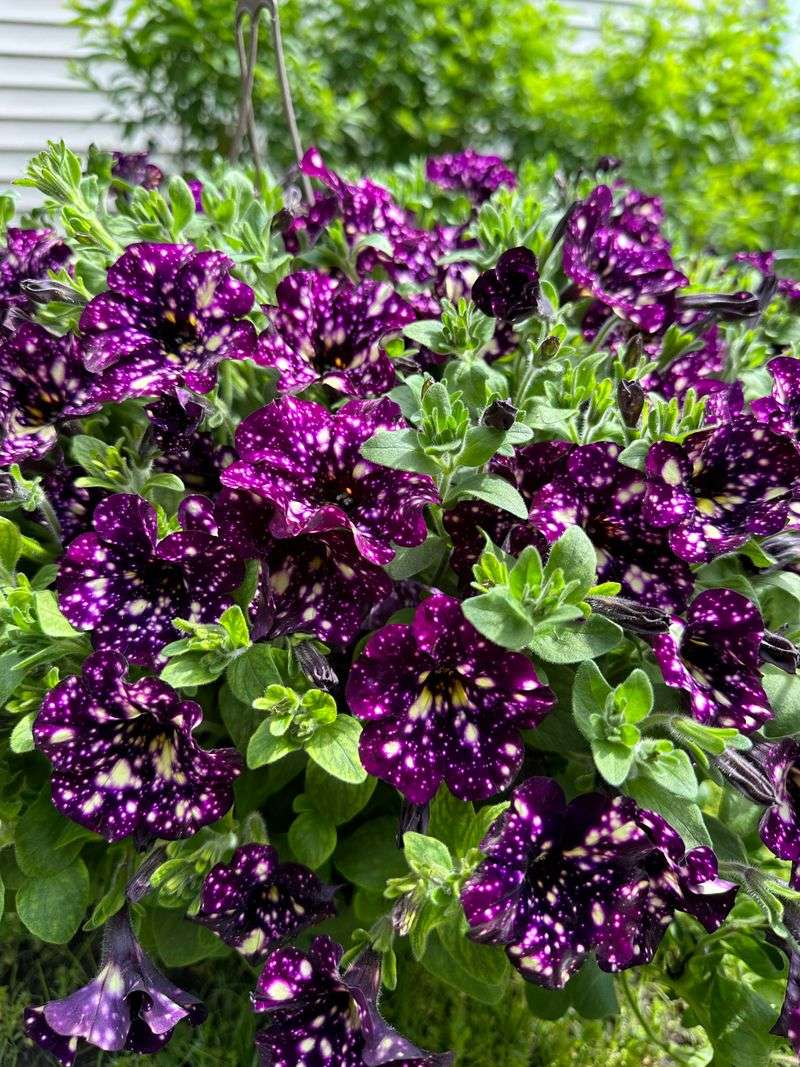
Building a better watering routine starts with one simple shift in thinking. Water deeply and less often instead of lightly and every single day.
That one change alone can turn stretched, sparse plants into full, compact bloomers. Deep watering encourages roots to grow down, not just sideways.
Start by watering slowly at the base of the plant. Avoid splashing water on the leaves, which can invite fungal problems.
Let the water soak in for a full minute before moving on. This gives the soil time to absorb moisture without runoff.
Check the drainage of your containers or garden beds next. Poor drainage traps water near the roots and creates the soggy conditions that weaken petunias fast.
If water pools on the surface for more than thirty seconds, drainage needs improvement. Adding perlite to potting mix helps water move through more efficiently.
Pair your new watering schedule with a light fertilizer routine. Petunias are heavy feeders that need consistent nutrition to stay compact and bloom-heavy.
A balanced liquid fertilizer every ten days keeps growth focused on flowers. Avoid high-nitrogen formulas, which push leafy, leggy growth instead of blooms.
This routine directly reverses the stretched-out growth caused by shallow watering. Stick with it for three weeks and the results will speak clearly.
Healthy, bushy petunias are not luck. They are the reward for a watering schedule built around the plant’s actual needs.
Sunlight And Soil Factors That Play A Role Too
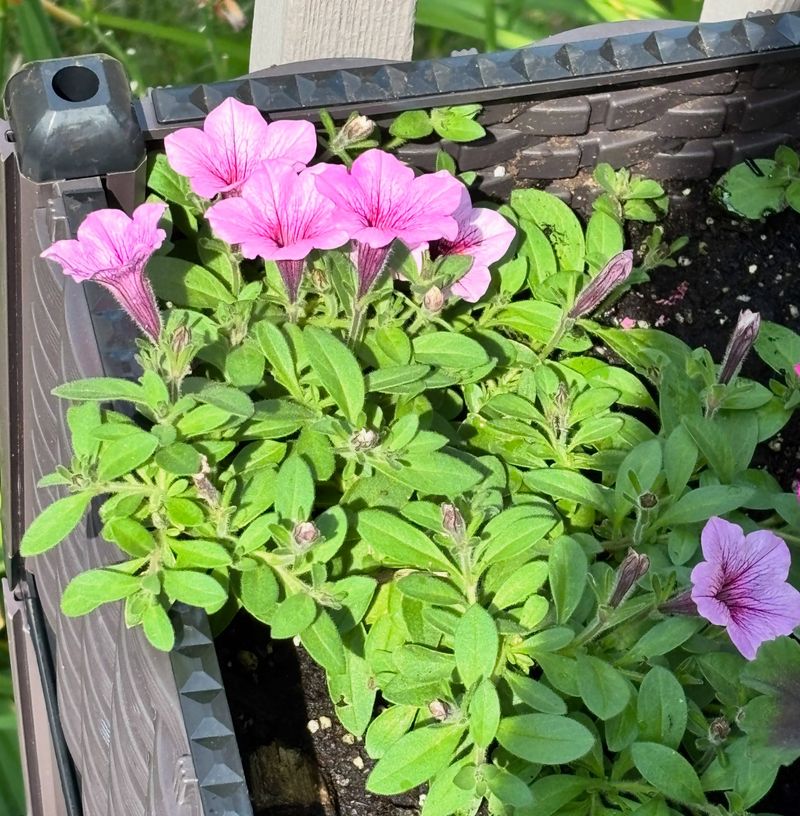
Water is the biggest factor, but sunlight and soil are close behind. Petunias need at least six hours of direct sun each day to grow strong and compact.
Without enough light, stems stretch toward whatever brightness they can find. That stretching is where leggy growth begins, even before watering habits enter the picture.
Shade from nearby trees, fences, or buildings can quietly starve petunias of the light they crave. Moving containers to a sunnier spot often produces fast, visible improvement.
Soil quality shapes how roots grow just as much as watering frequency does. Compacted, heavy soil holds too much moisture and cuts off the oxygen roots need to grow.
Roots stuck in dense, wet soil cannot grow deep. They stay near the surface, leaving the plant vulnerable to all the same problems caused by shallow watering.
Mixing compost into garden beds before planting improves soil structure significantly. Loose, airy soil lets roots spread freely and water drain at the right pace.
Container growers should choose a high-quality potting mix labeled for flowers or annuals. Garden soil alone is too dense for containers and holds water too long.
Drainage holes at the bottom of every pot make a real difference. Without them, root problems can creep in no matter how careful your watering routine is.
Sunlight, soil, and smart watering work together as a team. Fixing just one without addressing the others slows the recovery of any petunia that has already gone leggy and weak.
Reviving Plants That Are Already Leggy
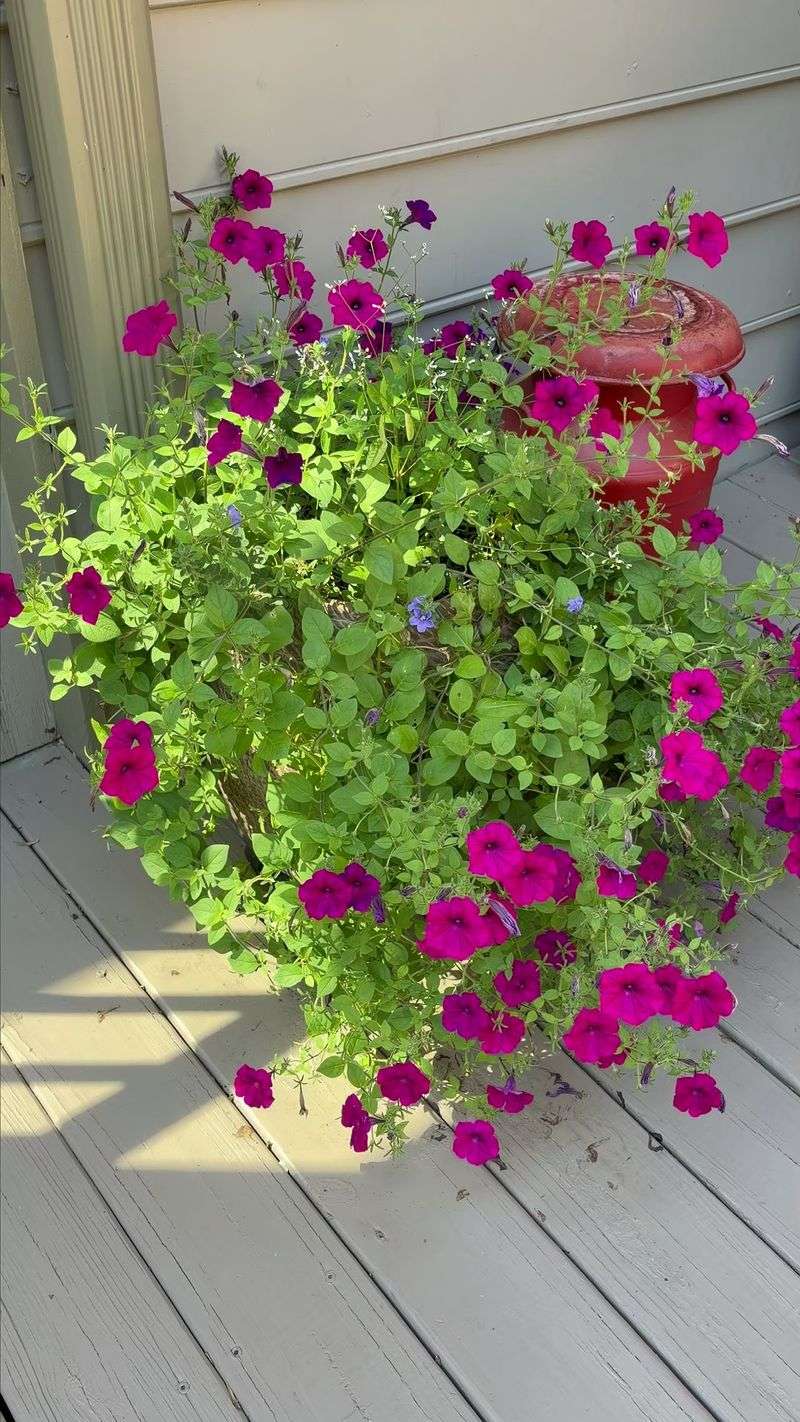
Leggy petunias are not a lost cause. A good trim combined with a smarter watering plan brings most plants back to full, bushy form within a few weeks.
Pruning is the fastest way to restart healthy growth on a stretched plant. Cut each long stem back by about one-third of its total length.
Always cut just above a leaf node, which is the small bump where leaves attach to the stem. New growth sprouts from that point quickly after trimming.
Do not be afraid to cut back hard if the plant is very leggy. Petunias are resilient and bounce back faster than most gardeners expect.
After pruning, switch immediately to the deep, infrequent watering routine. Giving the plant a fresh start on both fronts speeds up recovery noticeably.
Water thoroughly right after trimming to reduce transplant-style stress. Then wait until the top two inches of soil dry out before watering again.
Add a diluted liquid fertilizer about five days after the trim. This gives recovering roots a gentle boost without overwhelming a plant that is already stressed.
Avoid heavy feeding right after pruning. Too much fertilizer too soon can push weak, soft growth rather than the sturdy new stems you are aiming for.
This combination of pruning and corrected watering tackles the root cause of the sprawling growth. Patience and consistency will carry the plant the rest of the way to full recovery.
Keeping Petunias Full And Blooming All Season
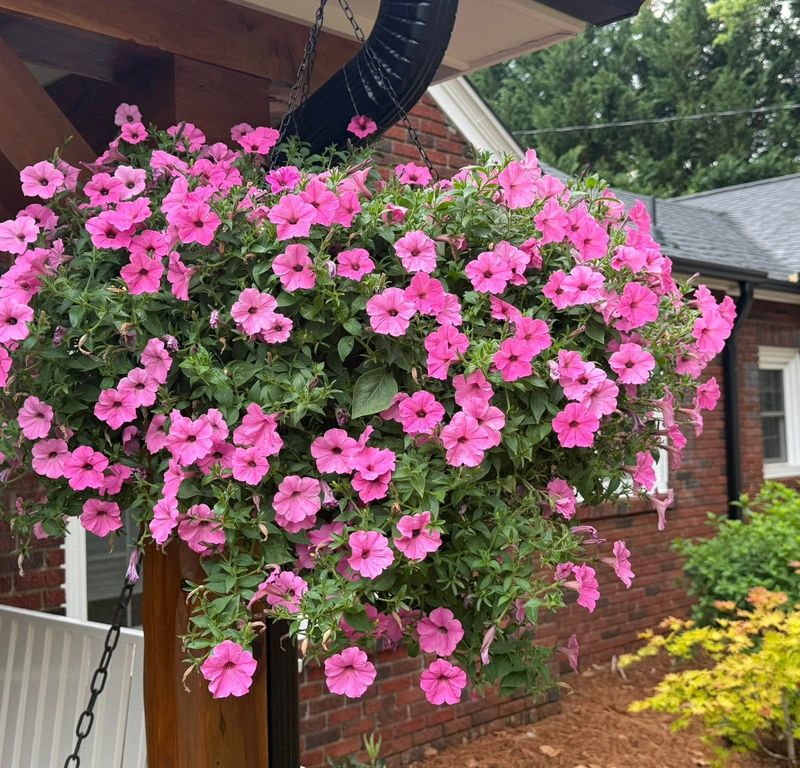
Keeping petunias full from June through October takes a rhythm, not just a reaction. Consistent watering, regular trimming, and steady feeding form the backbone of that rhythm.
Check your plants twice a week rather than daily. That small shift in checking frequency naturally reduces the temptation to water too often.
Removing spent blooms encourages the plant to produce new flowers instead of setting seed. Pinch off faded blossoms at the base of the flower stem, not just the petals.
Mid-season is when many gardeners get discouraged and give up on leggy plants. A quick trim and a watering reset in July or August can save the whole season.
Mulching around garden bed petunias helps regulate soil moisture between waterings. A thin layer of bark mulch slows evaporation and keeps roots cooler during heat waves.
Container petunias dry out faster than those in the ground. Check them more frequently in summer heat, but still water deeply rather than lightly when you do.
Watch for signs of stress between waterings. Slight wilting in the morning is a red flag that the plant needs water sooner than scheduled.
Evening wilting is normal in hot weather and usually not a concern. If the plant perks up by morning, the roots are healthy and the soil moisture is balanced.
Shallow watering only causes lasting damage when it goes unchecked all season. Stay consistent, stay observant, and your petunias will reward you with color right up to the first frost.