These Pennsylvania Native Flowers Bloom In Late Summer
Late summer in Pennsylvania is when most garden color starts winding down.
The reliable performers of June and July have had their moment, heat and drought have taken a toll on anything that prefers cooler conditions, and a lot of beds are running on foliage alone while gardeners wait for fall to bring some relief.
Most people accept this as the natural rhythm of the growing season. But native Pennsylvania flowers have a different plan for late summer.
While ornamental imports are fading, a remarkable group of native wildflowers and perennials are just hitting their stride.
These are plants that evolved to bloom specifically during this window, filling the late summer gap with color, nectar, and ecological value at the precise moment when the rest of the garden has checked out.
They’re not difficult to grow. They’re not hard to find at native plant nurseries. They’re just dramatically underused in Pennsylvania residential gardens, which means most homeowners are missing one of the most interesting chapters of the native plant calendar.
1. Joe-Pye Weed
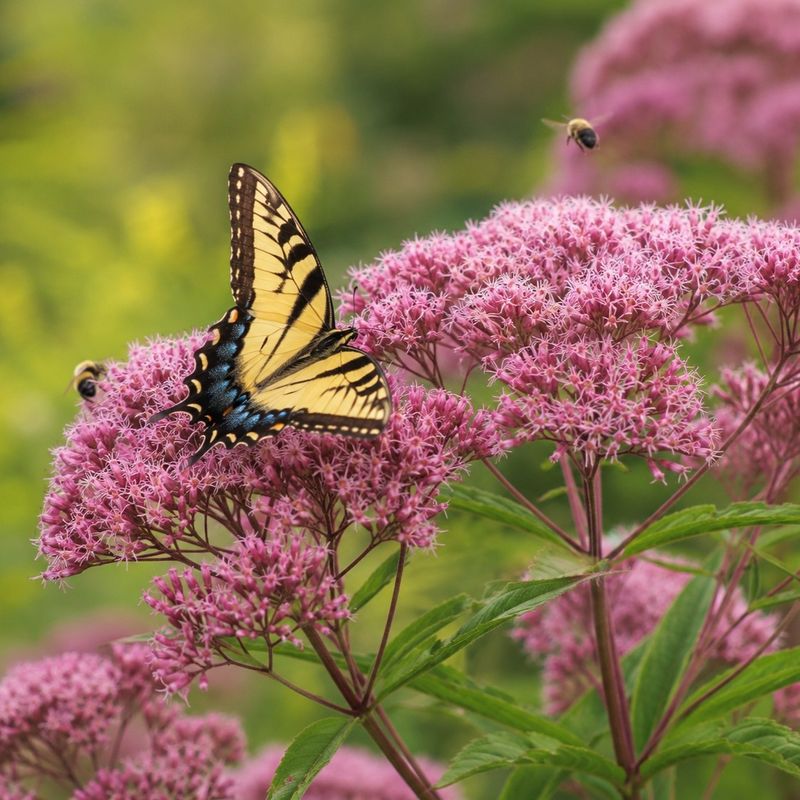
Few plants command attention in a late-summer garden quite like Joe-Pye Weed. Those large, domed clusters of mauve-pink flowers rise up on tall stems and practically glow in the August sun.
Monarch butterflies, swallowtails, and bumblebees absolutely love this plant, making it one of the most wildlife-friendly choices you can add to your yard.
Joe-Pye Weed can grow anywhere from four to seven feet tall, so it works best toward the back of a garden bed or along a fence line. It prefers moist soil and does well in both full sun and partial shade.
If your yard has a low spot that stays damp after rain, this is the plant to put there. It will not just survive in those conditions. It will flourish.
One fun fact about this plant is that it was named after a Native American healer named Joe Pye, who reportedly used the plant to treat fevers. Whether or not that story is entirely accurate, the name has stuck for centuries.
Planting Joe-Pye Weed also supports the broader ecosystem because it provides nectar late in the season when many other flowers have already faded. It pairs beautifully with goldenrod and native asters for a full late-summer display.
Once established, it comes back reliably every year with very little care needed from you. Cutting the stems back in early spring keeps the plant tidy and encourages strong new growth each season.
If you want height, color, and serious pollinator power all in one package, Joe-Pye Weed is hard to beat.
2. Cardinal Flower
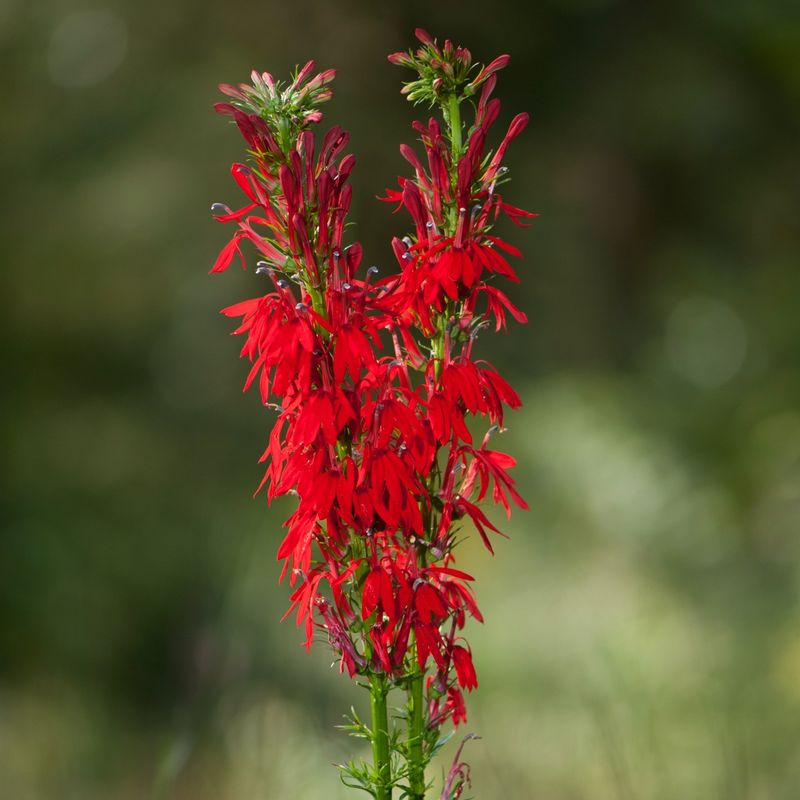
Cardinal Flower is one of those plants that makes people stop and stare. The color is almost unreal.
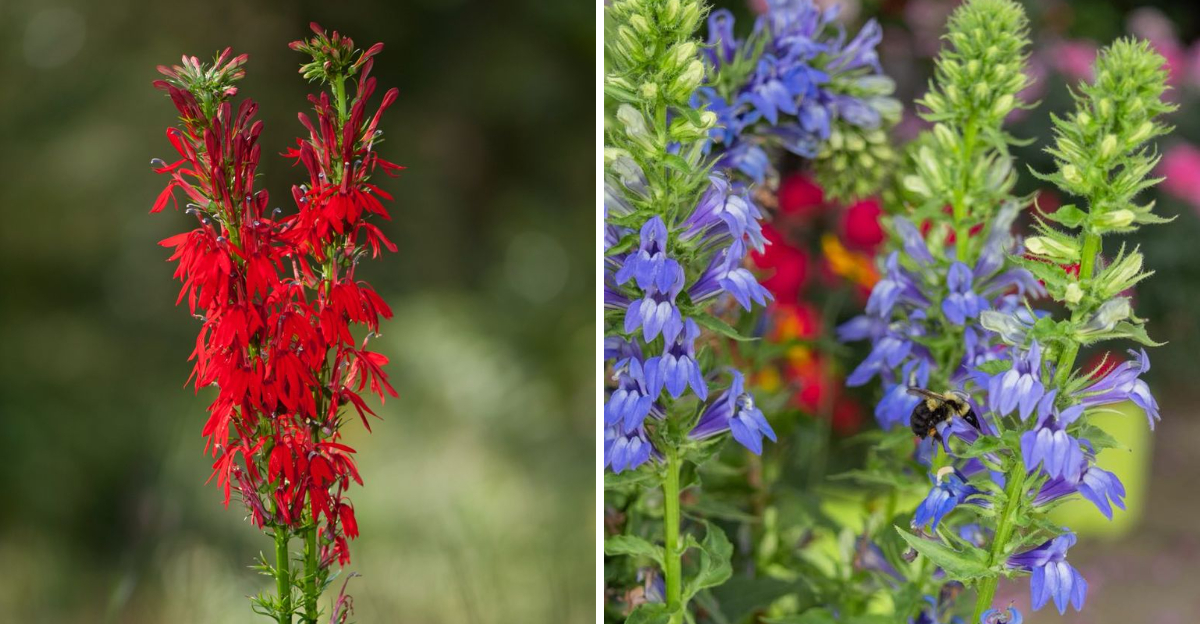
Deep, vivid red flower spikes shoot up from green foliage and light up any garden space from mid to late summer. Hummingbirds are especially drawn to it because the tubular flower shape is perfectly designed for their long beaks.
Native to Pennsylvania and much of the eastern United States, Cardinal Flower grows naturally along stream banks, pond edges, and other wet areas.
Your Pennsylvania Garden Changes Every Week. Your Plan Should Too.
Gardening in Pennsylvania changes quickly throughout the season. Every Friday you’ll receive a simple weekly plan showing exactly what to plant, prune, fertilize, harvest, and protect so you never miss the right timing.
In your garden, it performs best in moist to wet soil with some access to sun, though it can handle partial shade reasonably well.
If you have a rain garden or a spot near a downspout where water collects, Cardinal Flower will feel right at home.
One thing to keep in mind is that Cardinal Flower can be a short-lived perennial. It often self-seeds, though, so new plants tend to pop up naturally near the parent plant.
Encouraging this natural seeding is the easiest way to keep a steady patch going year after year. The plant typically reaches two to four feet tall, making it a great mid-height option in a mixed native planting.
Beyond its beauty, Cardinal Flower plays a real ecological role. It is one of the few flowers that reliably feeds ruby-throated hummingbirds during their late-summer migration.
Planting it near a window gives you a front-row seat to that show. Pair it with Great Blue Lobelia for a stunning red-and-blue color combination that pollinators will flock to all season long.
3. Great Blue Lobelia
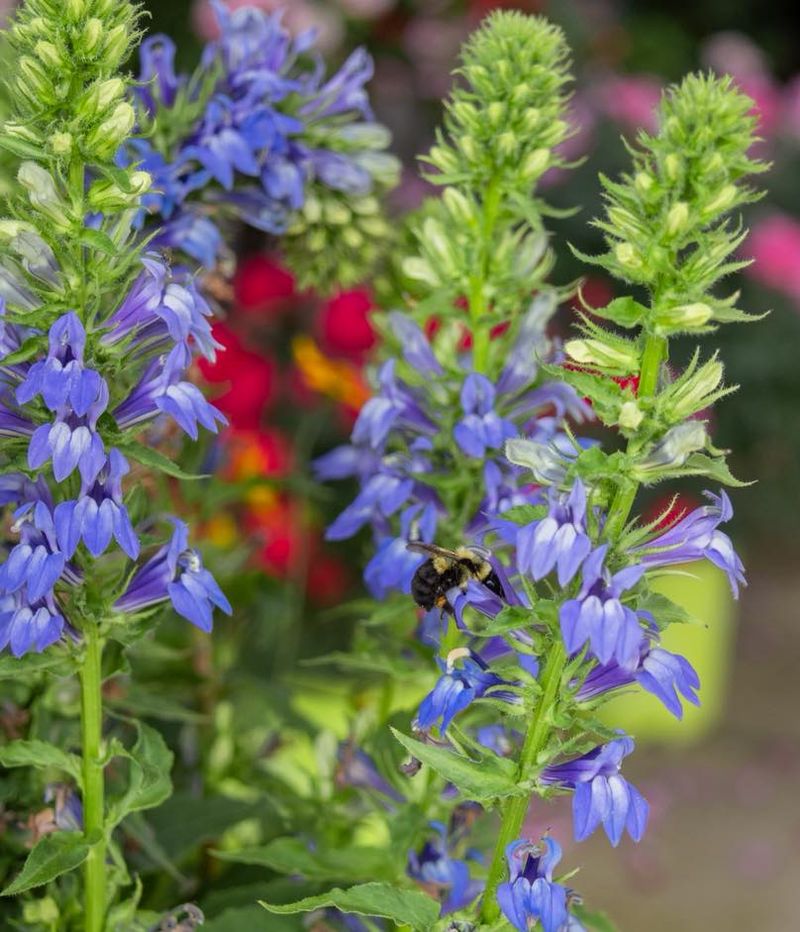
Not everyone thinks of blue when they picture a native Pennsylvania garden, but Great Blue Lobelia brings that cool, calming color in a big way. Its tall spikes of deep blue-violet flowers emerge in late summer and keep going well into fall.
Bumblebees are particularly fond of it because they are strong enough to push open the flower tubes and reach the nectar inside.
Great Blue Lobelia thrives in moist to wet soil and grows well in both full sun and partial shade. Rain gardens, pond edges, and consistently damp garden beds are ideal spots for this plant.
It typically reaches two to three feet in height, which makes it easy to work into the middle of a garden border without blocking shorter plants behind it.
Like Cardinal Flower, Great Blue Lobelia can behave as a short-lived perennial, but it self-seeds freely. Letting a few seedlings develop each year keeps your patch full and healthy.
Grouping several plants together creates a more dramatic visual effect and gives pollinators a larger foraging area to work with.
What makes Great Blue Lobelia especially valuable is its timing. By late summer, many spring and early summer flowers have already finished blooming.
Having a plant that peaks in August and September fills a critical gap in both garden color and pollinator food supply.
It also pairs naturally with Cardinal Flower and Joe-Pye Weed, creating a layered, multi-color display that looks intentional but requires very little planning once the plants are established.
It is a reliable, low-maintenance beauty worth every bit of garden space it takes up.
4. Mountain Mint
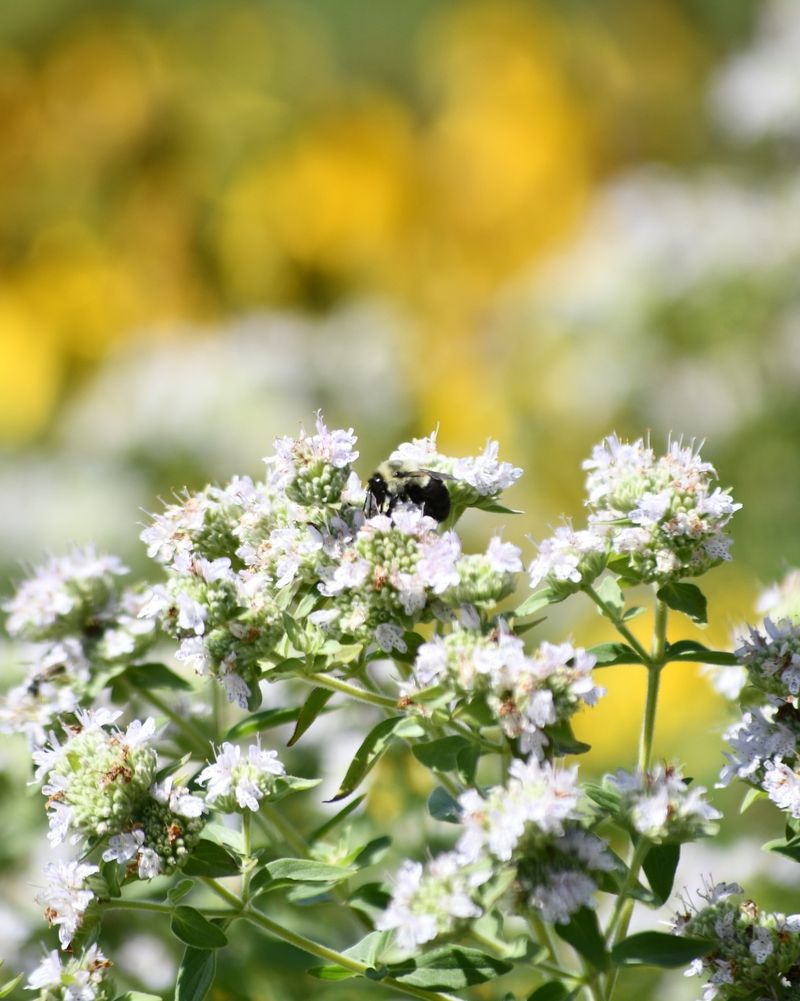
Walk past a patch of Mountain Mint on a warm August afternoon and you will immediately understand why pollinators go absolutely wild for it.
The tiny pale flowers are not showy in the traditional sense, but the plant more than makes up for that with its incredible ability to attract insects. On a good day, you might count dozens of bee and butterfly species visiting a single clump.
Mountain Mint is native to much of eastern North America, including Pennsylvania, and it has a long blooming season that stretches from midsummer well into fall.
It grows in full sun to light shade and handles average to dry soil reasonably well, making it one of the more adaptable plants on this list.
That adaptability is one reason it works so well in a variety of garden settings, from formal pollinator beds to wilder naturalized areas.
One thing to know before planting is that Mountain Mint spreads by underground runners. It can cover ground fairly quickly, which is great if you want a low-maintenance groundcover effect but worth watching if space is limited.
Planting it in a contained bed or dividing it every few years keeps it from taking over neighboring plants.
The leaves have a pleasant minty fragrance when crushed, which is a nice bonus when you brush past it in the garden. Deer tend to avoid it because of that strong scent, making it a smart choice if wildlife browsing is a problem in your yard.
For sheer pollinator value per square foot, very few native plants can compete with Mountain Mint.
5. Sneezeweed
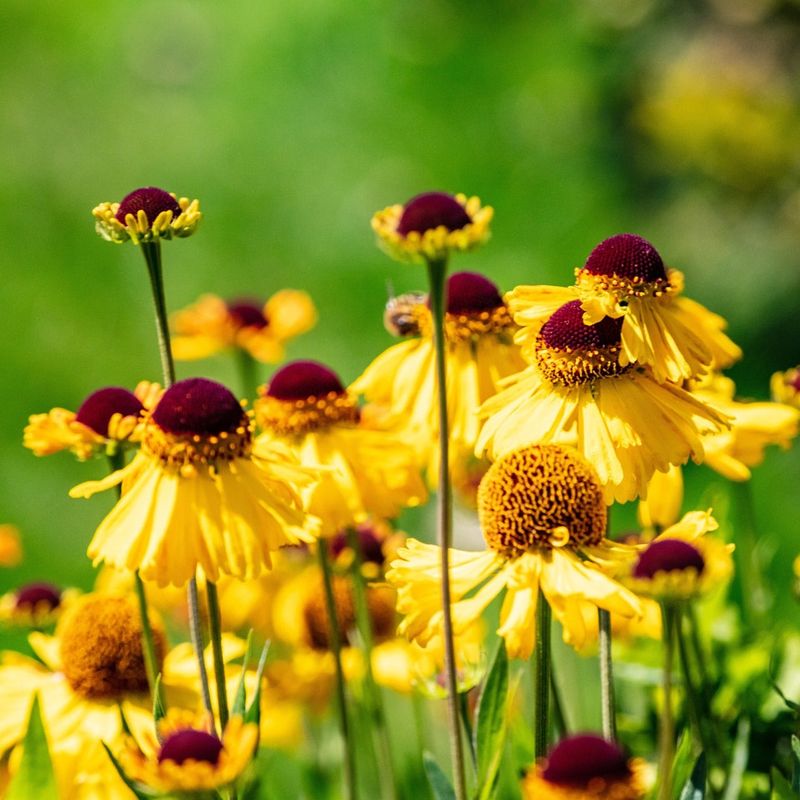
Despite its funny name, Sneezeweed is one of the most cheerful and eye-catching native flowers you can grow in Pennsylvania.
Those bright yellow, daisy-like blooms with their distinctive wedge-shaped petals show up reliably in late summer and keep on going into fall.
The name actually comes from an old practice of drying the leaves and using them as snuff, not from any allergy-causing pollen.
Sneezeweed, known scientifically as Helenium autumnale, thrives in moist to wet soil and full sun. It is a natural fit for rain gardens, streamside plantings, and low spots in the yard that stay consistently damp.
The plant typically grows three to five feet tall and produces a generous number of blooms per stem, giving you a lot of color for the space it occupies.
Butterflies and native bees are frequent visitors to Sneezeweed flowers, and the plant is especially valuable because it blooms when many other summer flowers are already winding down.
That late-season nectar source is critically important for pollinators preparing for the colder months ahead.
Planting it alongside Stiff Goldenrod and native asters creates a warm-toned, golden late-summer palette that looks stunning together.
Sneezeweed is also a tough, dependable perennial that comes back stronger each year. Cutting the stems back by about half in early summer, a technique called Chelsea chop, encourages bushier growth and more blooms later in the season.
Once you see it thriving in your garden, you will wonder why more people do not grow it. It is bold, bright, and built for Pennsylvania summers.
6. Stiff Goldenrod
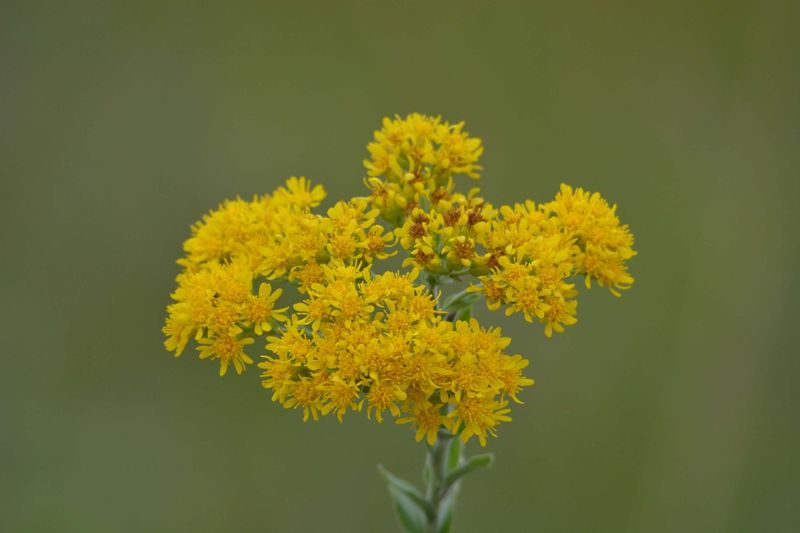
Goldenrod gets a bad reputation because many people blame it for fall allergies. Here is the truth, though: goldenrod pollen is too heavy and sticky to travel through the air.
The real culprit is ragweed, which blooms at the same time and releases lightweight pollen that actually does trigger sneezing. Goldenrod is completely innocent and deserves a spot in every Pennsylvania garden.
Stiff Goldenrod, or Solidago rigida, is one of the most garden-worthy species in the goldenrod family. It produces flat-topped clusters of rich golden-yellow flowers from late summer into fall, and those blooms are magnets for migrating monarch butterflies.
The plant grows two to four feet tall and stands upright without flopping over, which gives it a tidy, structured look that works well in both formal and naturalized garden settings.
One of the best things about Stiff Goldenrod is how well it handles dry to average soil in full sun. Unlike some of the other plants on this list that need moisture, this one is perfectly happy in a typical sunny garden bed.
It is drought-tolerant once established, which makes it a low-maintenance option for gardeners who do not want to water constantly.
Stiff Goldenrod also supports an impressive number of insect species beyond just butterflies. Native bees, wasps, and beetles all visit the flowers regularly.
The seeds that form after blooming provide food for birds heading into winter. Pairing it with native asters creates a classic late-season combination of gold and purple that is both beautiful and ecologically rich.
It is a workhorse plant in the best possible way.
7. Native Asters
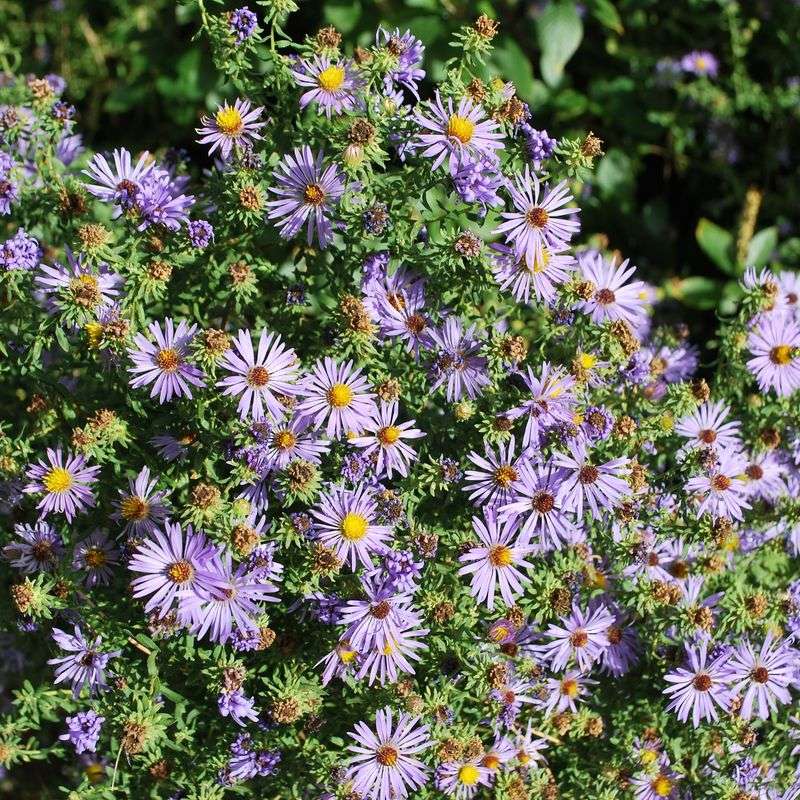
If there is one group of plants that truly carries the Pennsylvania native garden from late summer all the way through fall, it is the native asters.
These cheerful, daisy-like flowers come in shades of blue, purple, and white, and they start appearing around August before reaching full peak in September and October. They are a lifeline for pollinators getting ready for winter.
Pennsylvania is home to several native aster species worth growing. New England Aster is one of the showiest, with rich purple-pink flowers and bright yellow centers.
Smooth Blue Aster has a more delicate look with soft lavender-blue blooms. Calico Aster produces masses of small white flowers that create a cloud-like effect in the garden. Each one brings something a little different to the table.
Most native asters grow well in average to slightly dry soil and prefer full sun to partial shade. They are adaptable plants that can handle a range of conditions, which makes them beginner-friendly and easy to fit into almost any garden layout.
Taller species like New England Aster can be cut back by about a third in early summer to encourage a more compact, bushy shape with even more blooms.
The ecological value of native asters is hard to overstate. They support over 100 species of native bees, including specialist bees that rely exclusively on aster pollen to raise their young.
Monarch butterflies and other migrating insects fuel up on aster nectar before heading south.
Planting a mix of aster species gives you color from multiple angles and keeps pollinators busy well past the first frost. They are the perfect way to end the garden season on a high note.