Skip Invasive Honeysuckle In Michigan Hedgerows And Plant This Native Bird Shelter Instead
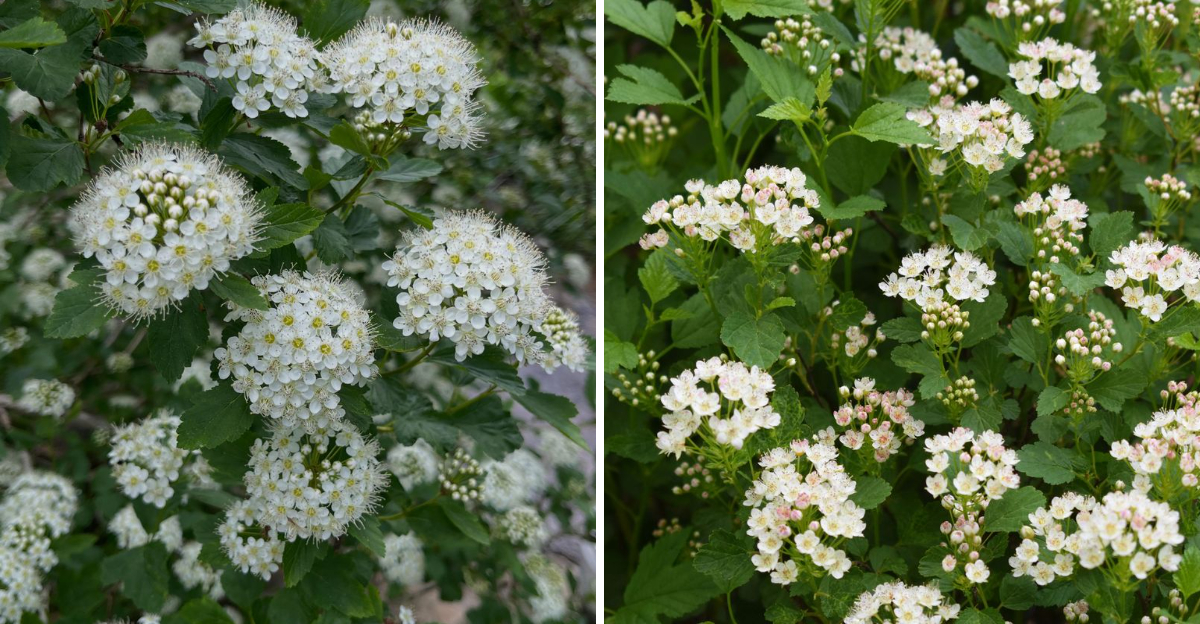
An old Michigan hedgerow can look lush and still be working against the wildlife using it.
The problem often hides in plain sight.
Branches fill the fence line. Berries appear. Birds move through the thicket, and the whole strip can seem like useful habitat from a distance.
Then you look closer.
One aggressive shrub is occupying space that could support a much richer mix of native insects, nesting cover, and seasonal food. Removing it leaves a gap, but planting just anything in that opening can trade one weak link for another.
So what should take its place?
The best replacement does not need flashy fruit to earn its value.
It builds dense, arching structure, tolerates a surprisingly wide range of Michigan conditions, supports insects birds depend on, and keeps contributing after the flowers fade.
That combination matters along property lines and woodland edges where birds need more than something green.
A better hedgerow begins when the replacement starts doing several ecological jobs at once for birds throughout the year locally.
Replace Bush Honeysuckle With Common Ninebark
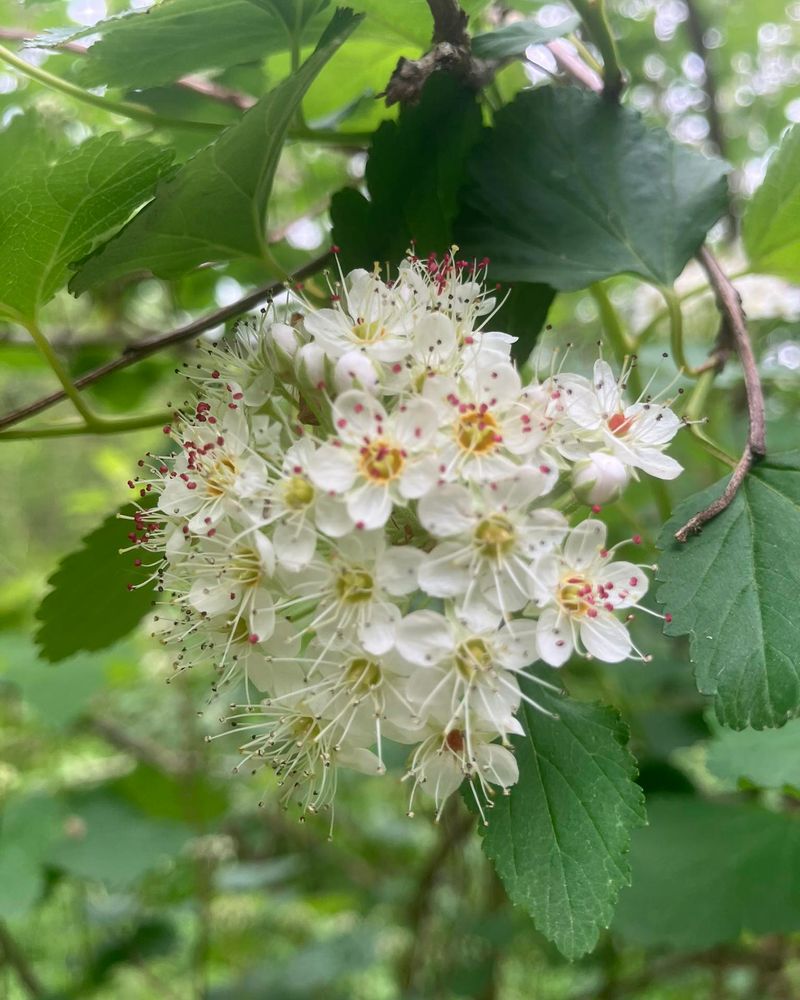
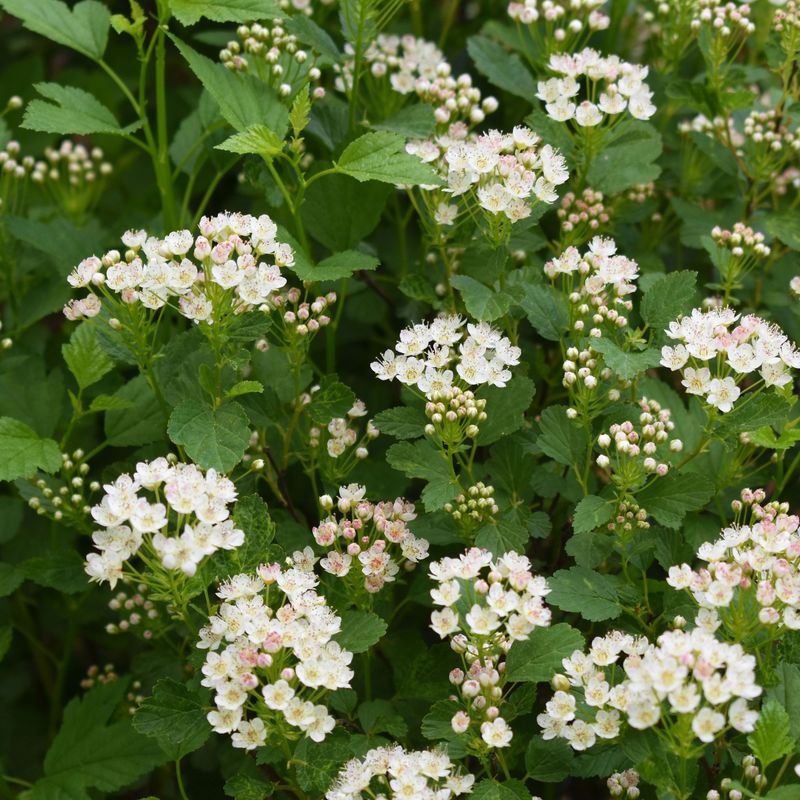
The plant worth putting into that opening is common ninebark, Physocarpus opulifolius.
This Michigan native shrub grows into a broad, multi-stemmed form that can fill much of the same visual space invasive bush honeysuckle occupies without bringing the same ecological problems.
Mature plants commonly reach several feet tall and wide, so they can rebuild privacy and cover rather than leaving the fence line exposed after removal.
Ninebark also starts helping wildlife in more than one way.
Its spring and early-summer flower clusters attract a range of pollinating insects.
Those insects, along with other arthropods associated with native shrubs, can become useful food for birds during the nesting season when protein-rich prey matters far more than decorative berries.
The branching structure is just as important.
Arching stems create interior cover that small birds can move through, rest in, and potentially use around nesting territory. Unlike a clipped ornamental hedge, a naturally layered ninebark can retain plenty of protective structure.
Do not plant it directly into a hole still full of honeysuckle roots and resprouts.
Clear the invasive shrub first, monitor the area, then give the replacement enough room to reach its natural width.
The swap works best when ninebark is allowed to become a real shrub, not trimmed into a narrow green rectangle.
Build A Dense Hedgerow With Ninebark
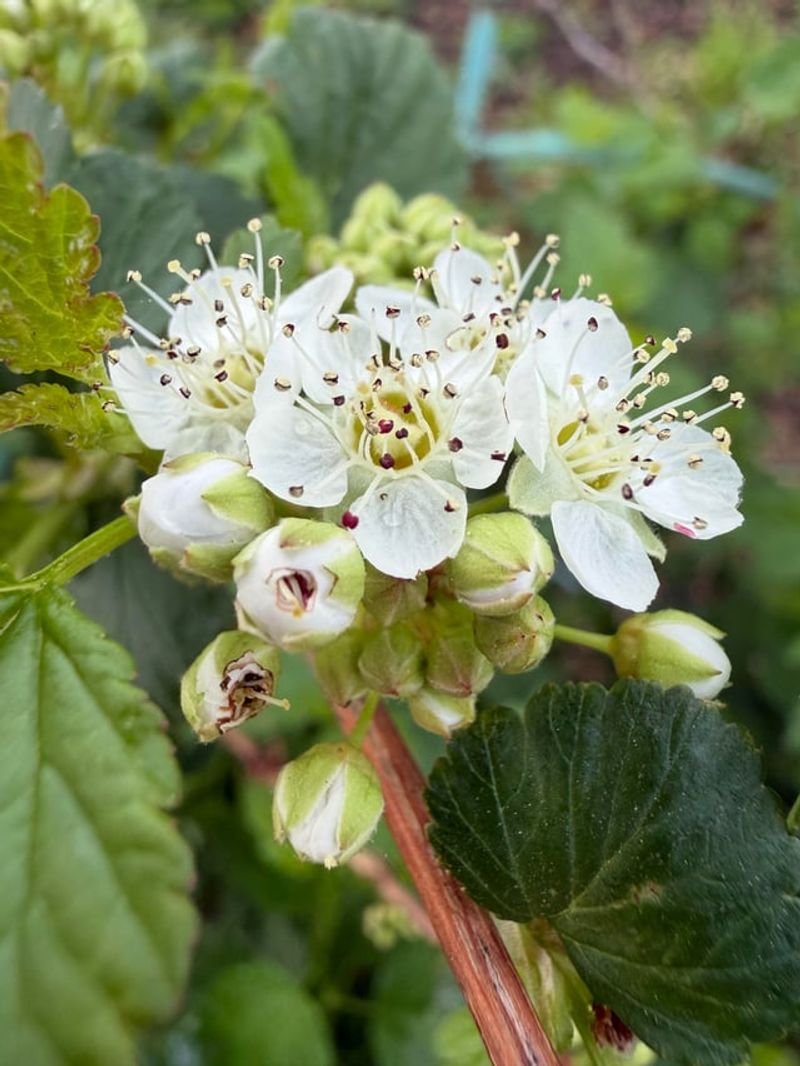
A bright fence line is not the only place this shrub can work.
Common ninebark handles full sun well and can also grow in part shade, which gives Michigan gardeners flexibility along woodland edges, property lines, rain-garden margins, and mixed shrub borders.
Flowering is usually strongest with more sun, while plants in heavier shade can become looser and less dense.
Soil tolerance is another advantage.
Ninebark adapts to a range of conditions once established and can handle periodically moist ground better than many shrubs. That makes it useful in low spots or along drainage areas where a bone-dry hedge plant would struggle.
Good establishment still matters.
Your Michigan Garden Changes Every Week. Your Plan Should Too.
Gardening in Michigan changes quickly throughout the season. Every Friday you’ll receive a simple weekly plan showing exactly what to plant, prune, fertilize, harvest, and protect so you never miss the right timing.
Water new shrubs deeply during dry spells through their first growing seasons rather than assuming native status means instant drought tolerance.
A newly planted root ball cannot explore the surrounding soil the way an established shrub can.
Mulch can help conserve moisture, but keep it away from the stems.
A two- to three-inch layer over the root zone is generally more useful than a mulch volcano around the crown. Leave the base visible so excess moisture does not sit against bark.
Match the site before you buy.
A plant placed in deep shade, permanently saturated soil, or an undersized strip may never develop the dense form you wanted.
Ninebark is adaptable, not invincible.
Give it enough light, root room, and establishment water, and it can become the sturdy middle layer a Michigan hedgerow needs.
Give Birds Fruit In Early Fall
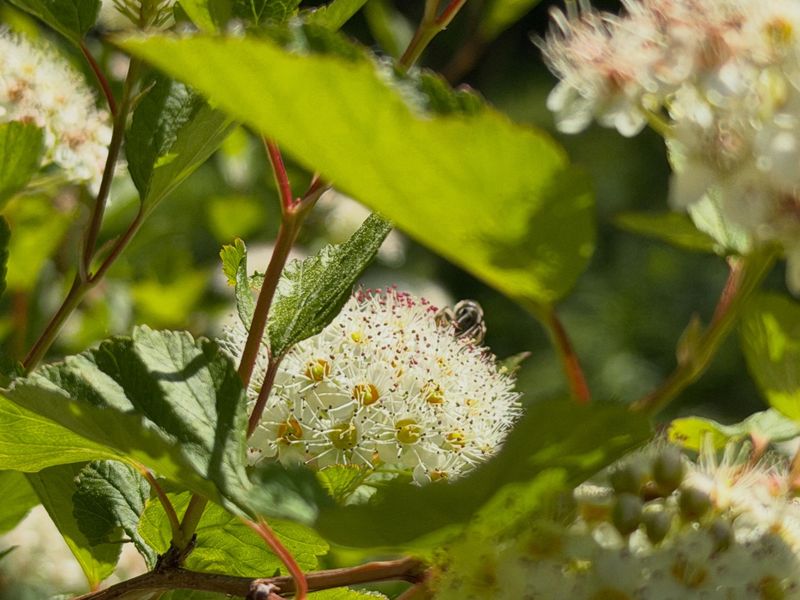
The most important bird food on this shrub may be easy to overlook.
Ninebark produces clusters of flowers followed by small dry fruits, but its wildlife value should not be reduced to the idea of a berry buffet. The stronger case for planting it comes from the living food web a native shrub can support.
Flowers bring in bees and other insects.
Leaves, stems, and surrounding vegetation can also host arthropods that become prey for insect-eating birds.
During spring and early summer, nesting adults need enormous numbers of small invertebrates to feed growing chicks, so a shrub that supports insect activity can contribute even when birds never touch its fruit.
That makes ninebark especially useful in a mixed native hedgerow.
Pair it with other Michigan-native shrubs that provide fleshy fruits at different times, and the planting begins to offer both cover and a longer sequence of food resources.
Leave some natural complexity around the base too.
A sterile ring of bare soil contributes far less habitat than a planted edge with native perennials, sedges, or leaf litter managed sensibly.
Avoid broad-spectrum insecticide use around the shrub unless a specific problem truly requires treatment.
Removing every caterpillar and beetle from a bird-focused planting works against the reason the shrub was planted.
Ninebark does not need to feed birds directly at every season.
Sometimes its best contribution is feeding the insects that feed the birds.
Plant It In Sun Or Part Shade
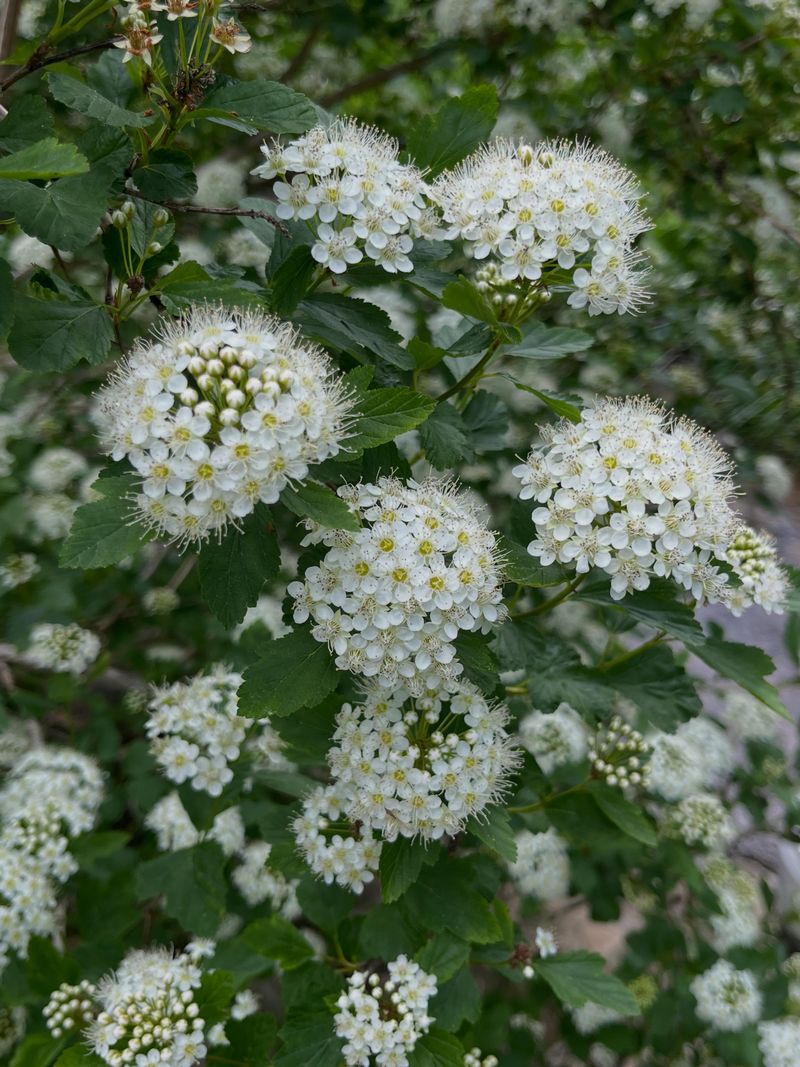
The most important bird food on this shrub may be easy to overlook.
Ninebark produces clusters of flowers followed by small dry fruits, but its wildlife value should not be reduced to the idea of a berry buffet. The stronger case for planting it comes from the living food web a native shrub can support.
Flowers bring in bees and other insects.
Leaves, stems, and surrounding vegetation can also host arthropods that become prey for insect-eating birds.
During spring and early summer, nesting adults need enormous numbers of small invertebrates to feed growing chicks, so a shrub that supports insect activity can contribute even when birds never touch its fruit.
That makes ninebark especially useful in a mixed native hedgerow.
Pair it with other Michigan-native shrubs that provide fleshy fruits at different times, and the planting begins to offer both cover and a longer sequence of food resources.
Leave some natural complexity around the base too.
A sterile ring of bare soil contributes far less habitat than a planted edge with native perennials, sedges, or leaf litter managed sensibly.
Avoid broad-spectrum insecticide use around the shrub unless a specific problem truly requires treatment.
Removing every caterpillar and beetle from a bird-focused planting works against the reason the shrub was planted.
Ninebark does not need to feed birds directly at every season.
Sometimes its best contribution is feeding the insects that feed the birds.
Use Its Branching Habit For Better Cover
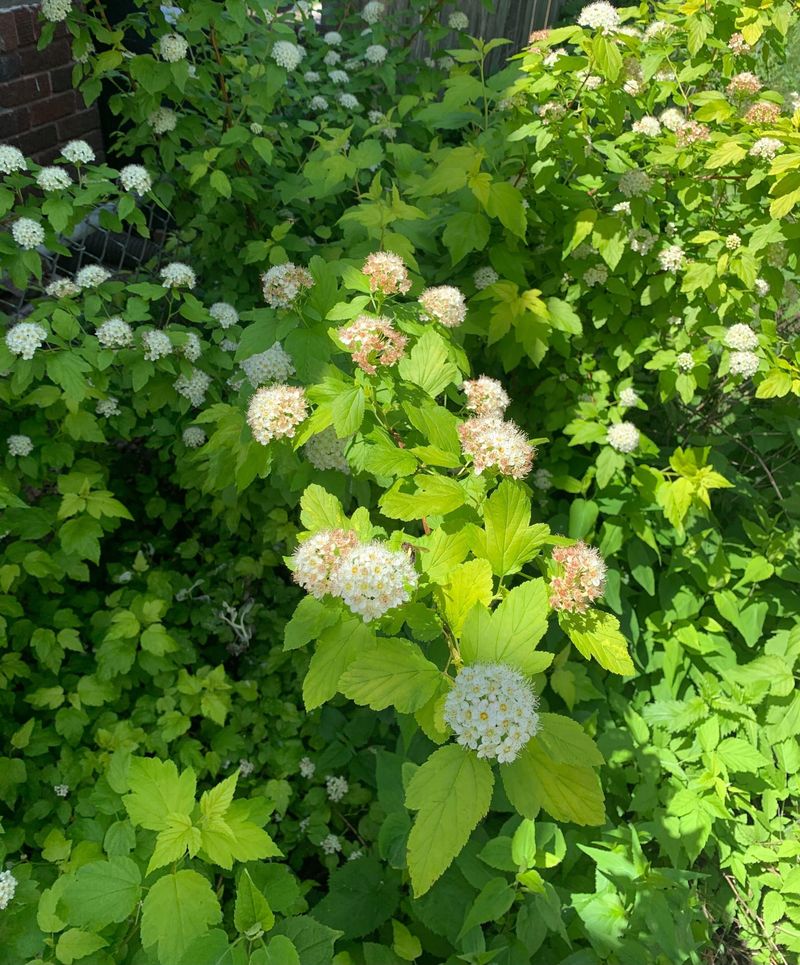
A hedge loses much of its shelter value when every branch gets clipped to the same plane.
Ninebark usually needs less pruning than gardeners expect. Its loose, arching form is part of the appeal, and preserving that framework gives birds more internal structure than repeated shearing would.
Start with restraint.
Remove broken, diseased, or badly rubbing stems as needed. On an older shrub that has become crowded, selective renewal pruning can remove a few of the oldest stems near the base and make room for vigorous new growth.
Do not strip the whole plant down every year.
Heavy routine cutting can reduce flowers, simplify the branching structure, and turn a naturally useful shelter shrub into a thin collection of new shoots.
Timing matters too.
Ninebark flowers on older wood, so major pruning done before bloom can remove part of the season’s flower display. When substantial shaping is necessary, working after flowering is often a better fit.
Watch for the temptation to keep the hedgerow unnaturally narrow.
A plant installed too close to a driveway, sidewalk, or fence opening will eventually demand constant cutting. Good spacing at planting time prevents that maintenance problem.
Bird habitat tends to improve when the shrub is allowed to look like itself.
A few old stems, overlapping branches, and sheltered interior spaces are features, not flaws.
Prune for plant health and access.
Let the rest of the hedge keep its elbows out.
Keep Clearing Honeysuckle As Natives Fill In
Removing the old shrub once does not mean the hedgerow is finished with honeysuckle.
Invasive bush honeysuckles can resprout from surviving roots, and birds can bring new seed into the same fence line from nearby infestations. Young seedlings may appear among the native replacements long after the biggest stems are gone.
Make follow-up part of the planting plan.
Walk the hedgerow in spring and again later in the growing season. Look beneath ninebark branches for unfamiliar seedlings and check the former honeysuckle crowns for fresh shoots.
Small regrowth is far easier to handle than another mature thicket.
Hand-pull young seedlings when the soil allows the roots to come free. Larger resprouts may require a more deliberate invasive-plant control method appropriate to the site.
Avoid damaging the ninebark while chasing every green shoot.
Marking the native shrubs soon after planting can help distinguish desirable stems from invasive regrowth when everything leafs out together the following spring.
Keep nearby woodland edges in the inspection too.
A fence line can be repeatedly reinvaded when mature honeysuckle remains only a few yards away.
Over time, the native shrubs begin occupying more space and casting more shade, but they do not create an impenetrable barrier against future seedlings.
The successful swap is really a transition.
Remove the invasive pressure, help ninebark establish, and keep giving the native hedgerow the advantage until it can finally hold the space on its own.