The Fall Fertilizer Mistake That Can Leave Michigan Trees Vulnerable To Frost
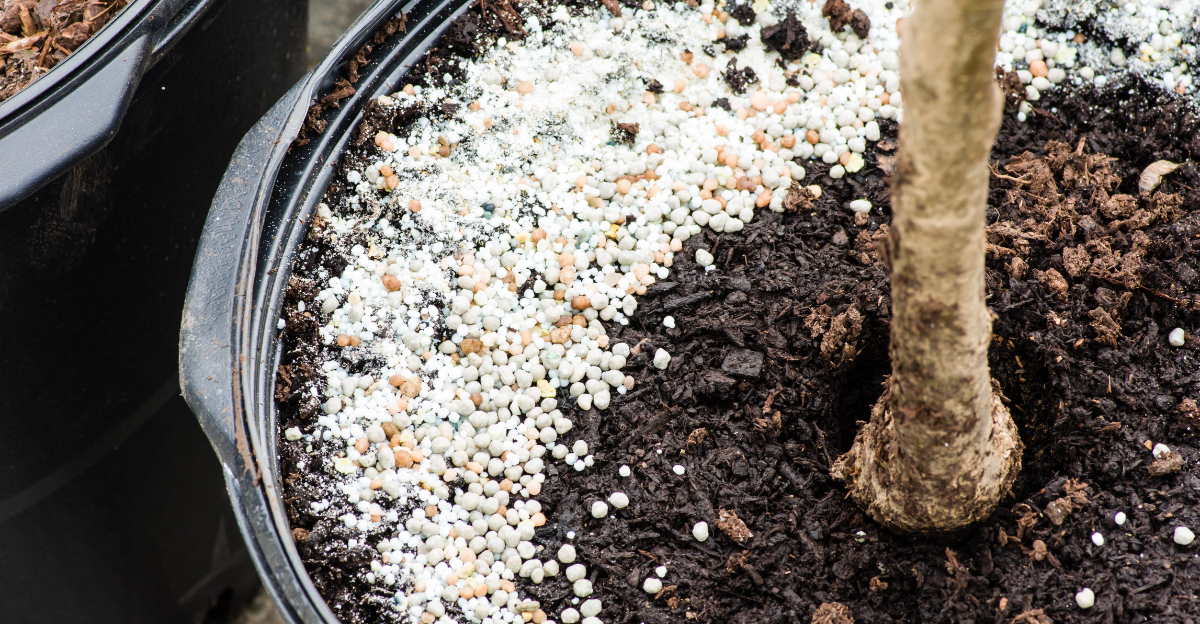
Fall feels like a natural time to give trees one last boost before winter, and plenty of Michigan homeowners reach for fertilizer without a second thought.
But this well intentioned habit can actually backfire in a way most people never expect, leaving trees more exposed to cold damage rather than better protected.
There’s a specific reason this timing matters so much, one that has everything to do with how trees prepare internally for the coming freeze. Understanding this mistake now could prevent damage that doesn’t show up until the first hard frost actually arrives.
Many homeowners only discover the problem after noticing stress they can’t otherwise explain. Once you know what to avoid, protecting your trees through fall becomes a much simpler, more intuitive process.
Skipping this one habit could be the difference between healthy trees and ones that struggle through winter.
1. Late Nitrogen Is The Real Mistake
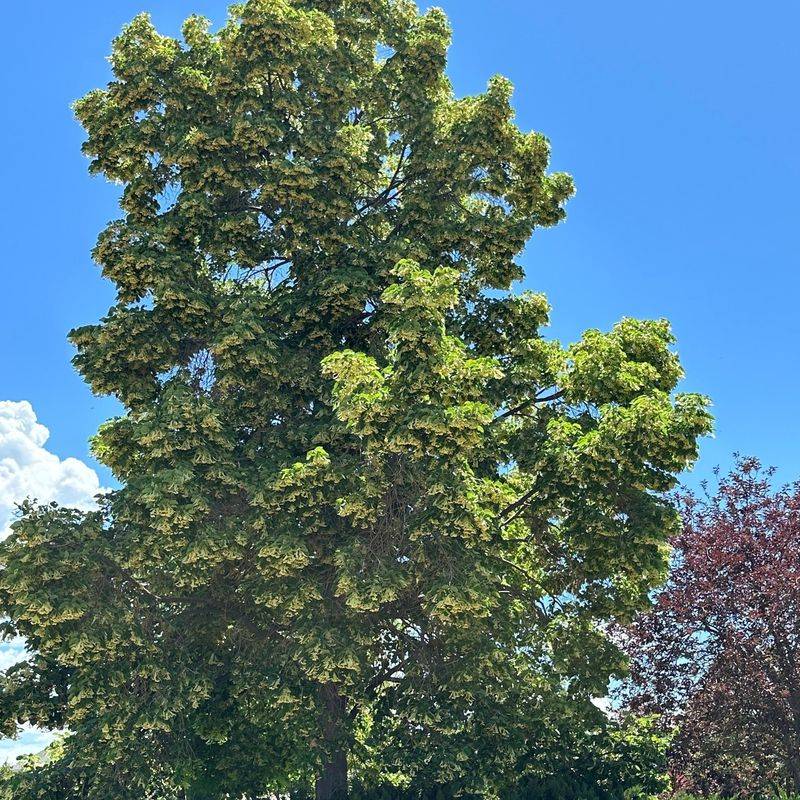
Timing matters more than most people think when it comes to feeding trees. Nitrogen is the nutrient that pushes trees to grow new leaves and shoots. When you add it while a tree is still busy growing in early fall, you send the wrong signal.
Instead of slowing down and getting ready for the cold, the tree keeps pushing out fresh, tender growth. That soft new growth does not have enough time to toughen up before Michigan winters roll in.
Sadly, the tree spends its energy in the wrong direction. Think of it like telling someone to start a big project right before bedtime. They stay up late and never get the rest they need.
Trees work the same way when nitrogen arrives too soon. The best move is to hold off on nitrogen-heavy fertilizer during late summer and early fall. Let your trees follow their natural rhythm and start winding down for the season.
Their internal clock knows what to do when we do not interfere. If you truly want to help, focus on watering and mulching instead of feeding. These simple steps support roots without triggering unwanted growth spurts.
Many gardeners feel like they must always be doing something for their trees. Sometimes the kindest thing is stepping back and letting nature take the lead.
Skipping that late nitrogen boost can save your trees from a rough winter and keep them looking healthy come spring.
2. Tender Growth Has Less Time To Harden
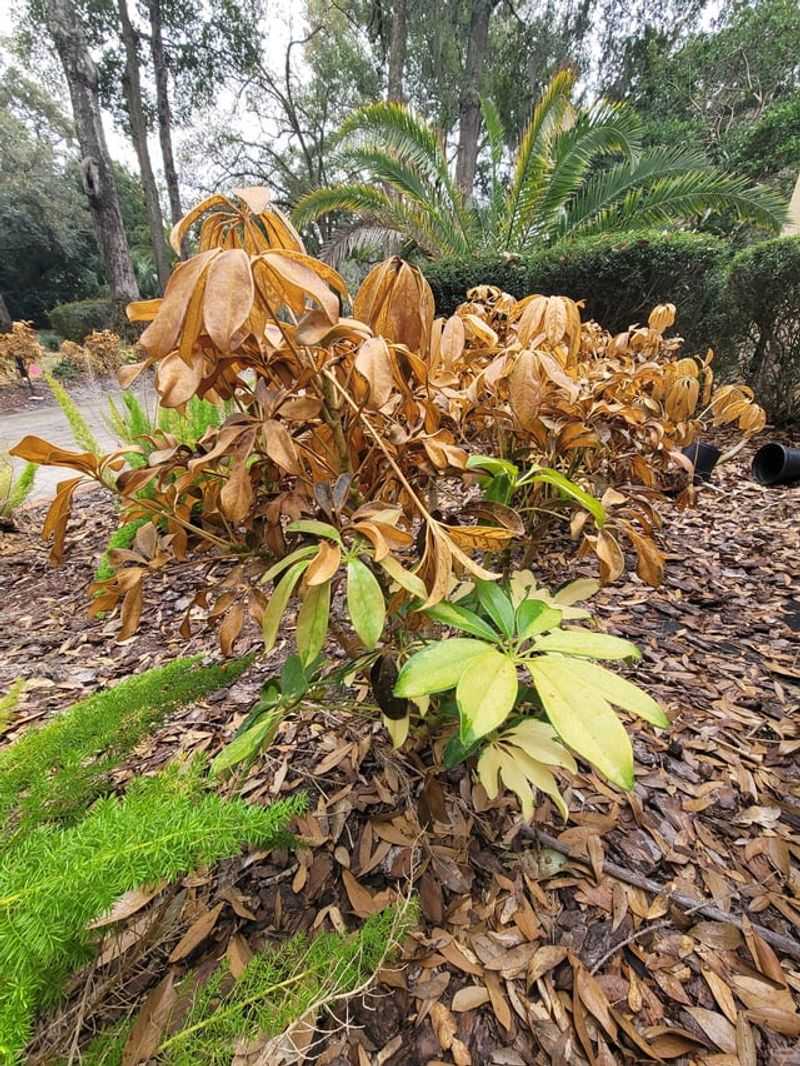
Fresh green shoots may look pretty, but appearing late in the season spells trouble. When extra nitrogen sparks new growth in fall, those young twigs and leaves stay soft and full of water. Soft tissue simply cannot handle freezing weather well.
Trees need weeks to turn that tender growth into tough, woody material that resists the cold. This process is called hardening off, and it happens slowly as days grow shorter and cooler. Rushing a tree into new growth throws off this careful schedule.
Picture a fruit that never gets a chance to fully ripen. It stays mushy and easily bruised. Late tree growth is a lot like that unripe fruit, weak and exposed when frost shows up.
Your Michigan Garden Changes Every Week. Your Plan Should Too.
Gardening in Michigan changes quickly throughout the season. Every Friday you’ll receive a simple weekly plan showing exactly what to plant, prune, fertilize, harvest, and protect so you never miss the right timing.
Once cold weather hits, that unhardened growth often turns brown and shrivels. The tree loses the energy it spent creating those shoots, and the damaged areas can invite pests or disease later on.
You can avoid this whole mess by keeping fertilizer away from trees during the growing season’s final weeks. Let the tree focus on storing energy in its roots instead of building new leaves it cannot protect.
Healthy hardening takes patience, but the payoff is huge. A tree that hardens properly stands strong through ice, snow, and freezing winds.
When spring returns, it wakes up ready to grow with plenty of stored fuel. Giving your trees that quiet time to prepare is one of the smartest things you can do.
3. Trees Need Time To Prepare For Winter
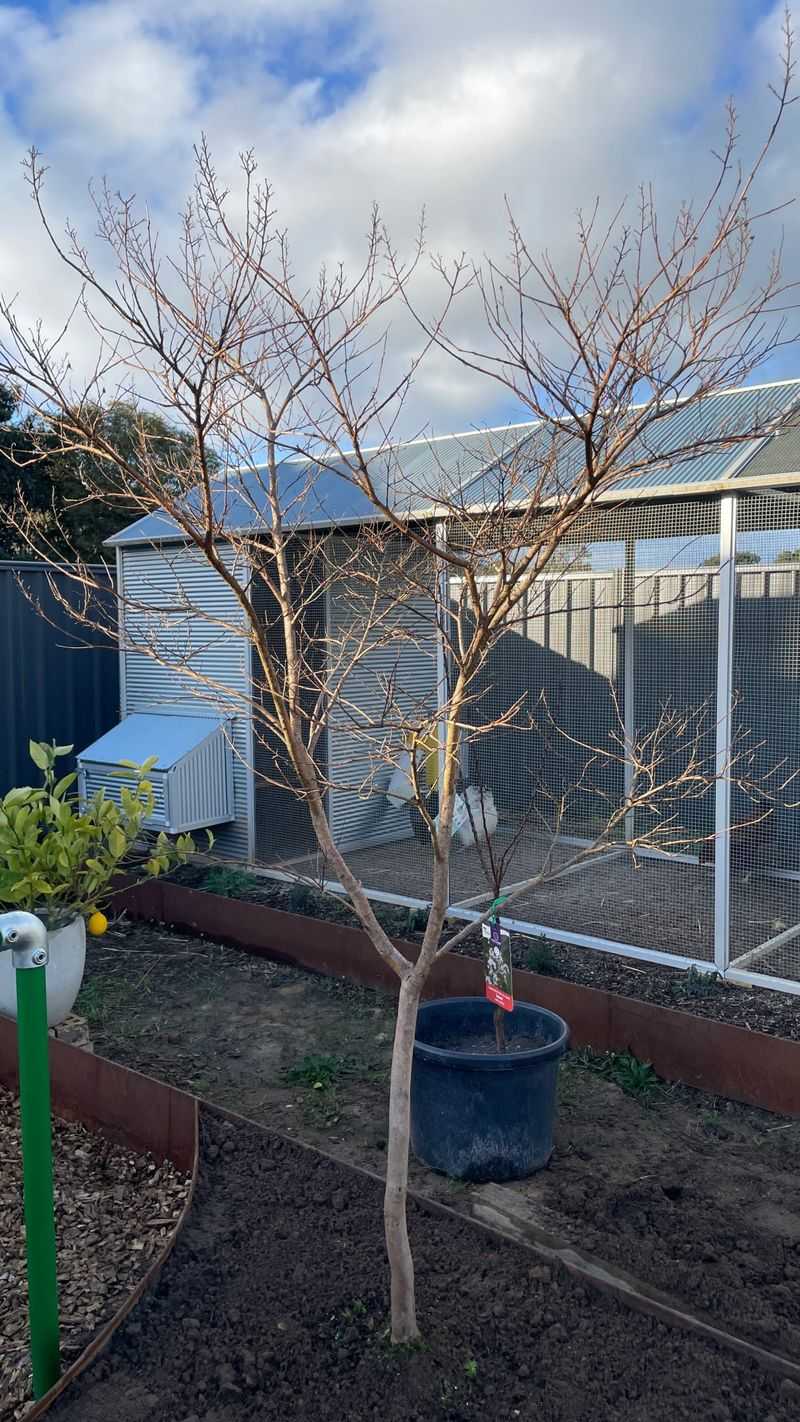
Behind the scenes, trees are constantly getting ready for the seasons ahead. As Michigan temperatures drop in fall, trees begin a quiet transformation.
Their buds tighten up, and their woody tissues slowly grow tougher and more able to survive freezing nights.
Shorter days act like an alarm clock, telling trees that winter is on the way. In response, they move sugars and nutrients into their roots and stems for safekeeping.
This natural storage system keeps them alive through the coldest months.
When you disturb this rhythm with fertilizer or too much attention, you can throw the whole plan into chaos. A confused tree may keep growing instead of settling down, leaving it open to cold injury.
Nature has fine-tuned this process over thousands of years. Trees know exactly when to slow their growth and toughen their tissues without any help from us. Trusting that built-in wisdom usually leads to the best results.
You can support the process by keeping your fall routine simple and calm. Rake leaves, check soil moisture, and add mulch if needed, but resist the urge to feed.
A tree that hardens on its own schedule enters winter fully armored against frost and wind. Its buds sit safely closed until spring gives the signal to bloom.
When that warmer weather finally arrives, your patient tree bursts back to life with fresh energy. Letting trees follow their natural timeline is a gift that keeps your landscape thriving year after year.
4. The First Cold Snap Can Expose The Problem
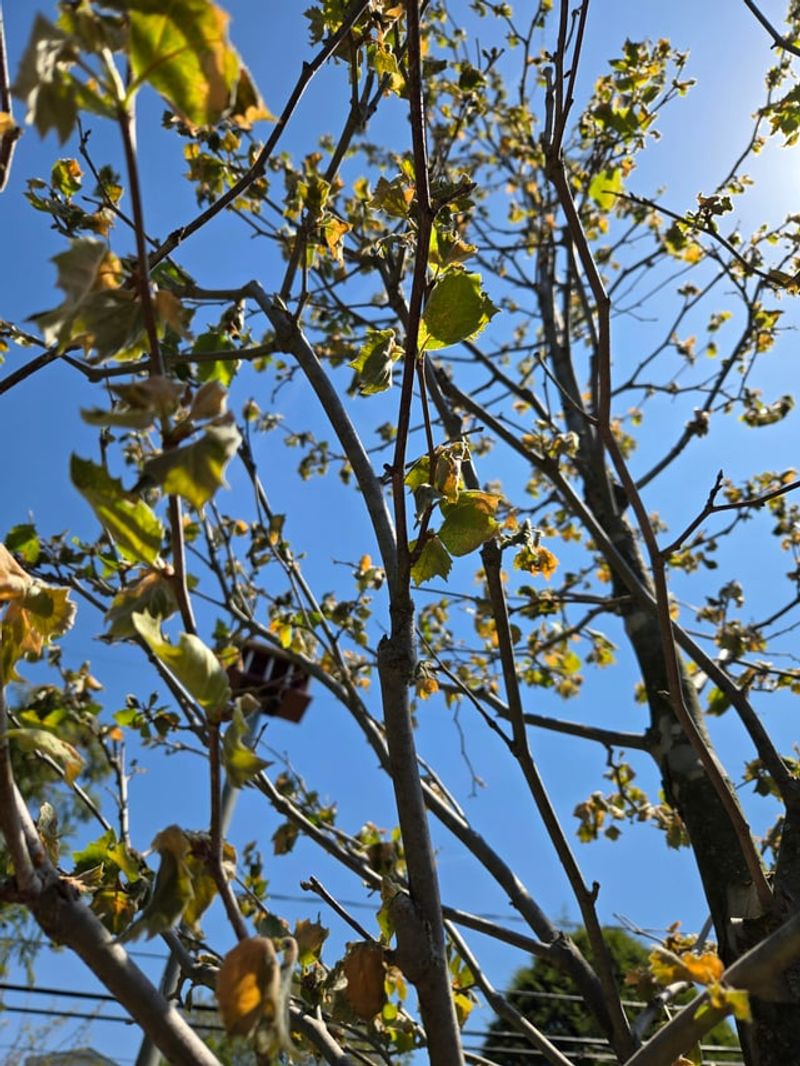
Michigan weather loves to surprise us, especially in fall. One day feels warm and mild, and the next brings a sudden freeze overnight. That first hard frost can reveal exactly which trees were pushed into late growth.
Tender shoots that never had time to harden get hit the hardest. While tough, mature branches shrug off the cold, soft new growth wilts and browns almost right away. The damage often shows up as blackened tips or drooping leaves.
An early cold snap catches unprepared trees off guard. Instead of resting safely, they are still holding fragile growth that simply cannot handle ice forming in their cells. The result is stress the tree did not need.
This is why fall fertilizer mistakes often stay hidden until that first freeze. Everything looks fine while the weather stays mild, but the true cost appears the moment temperatures plunge.
You can protect your trees by giving them a chance to fully prepare before the first frost date, which comes early in much of Michigan. Skipping late-season feeding means fewer tender shoots waiting to get zapped.
Keeping an eye on the weather forecast helps too. When a sudden freeze is coming, there is little you can do for growth that is already soft, so prevention is your best friend.
Trees that harden properly barely notice that first frost. They stand quiet and strong while the cold rolls in.
Planning ahead saves you from watching your hard work suffer when Michigan’s chilly nights arrive without warning.
5. Healthy Trees May Not Need Fertilizer At All
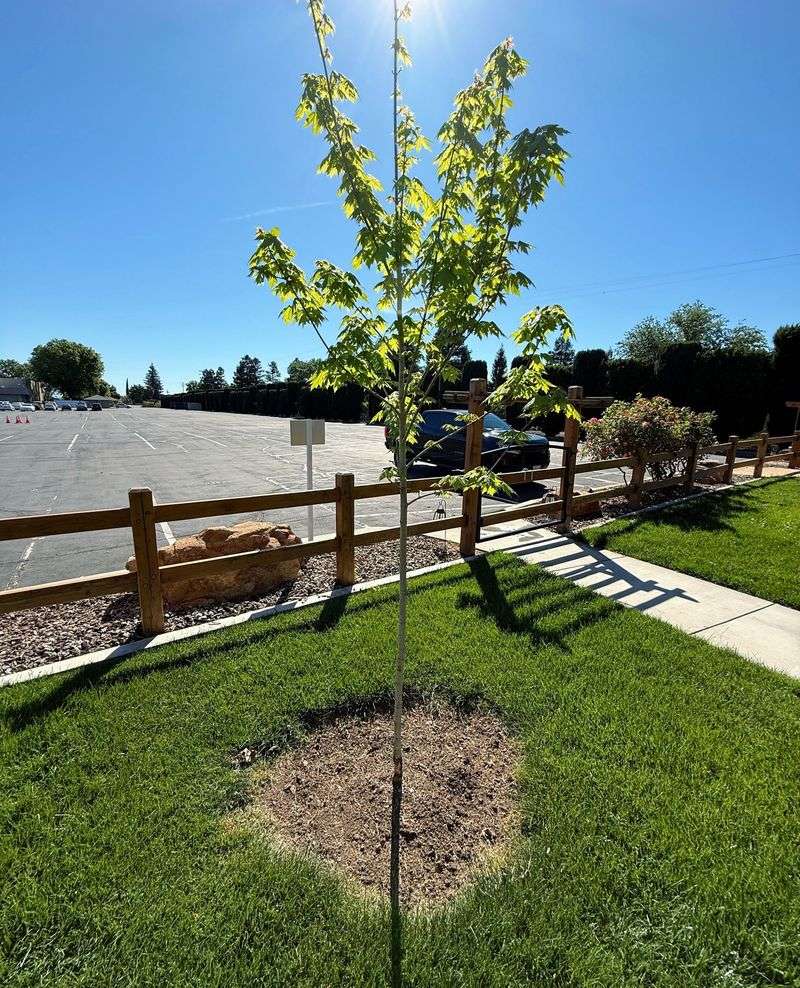
Here is something that surprises a lot of gardeners. Many Michigan soils already hold plenty of nutrients for landscape trees to grow well. Your tree might be perfectly happy without any extra help at all.
Unlike a vegetable garden that gets harvested each year, trees recycle their own nutrients. Fallen leaves break down and return food to the soil, creating a natural feeding cycle right under your feet.
Routine fertilizing every fall can be a waste of time and money. Worse, it can push unwanted growth at the exact moment your tree should be slowing down. More is not always better when it comes to feeding trees.
A mature, established tree with green leaves and steady growth is telling you it has what it needs. Adding fertilizer to a tree that is already thriving usually does nothing helpful and may even cause harm.
Before you buy that bag of fertilizer, take a close look at your tree. Are the leaves a healthy color? Is it growing at a normal pace? If so, you can probably skip feeding entirely.
Saving fertilizer for trees that truly need it protects both your wallet and your landscape. It also keeps you from accidentally triggering the late-growth problem that leaves trees open to frost.
Trusting your soil and letting trees do their thing often works better than any product on the shelf. Sometimes the healthiest choice is simply to leave a good thing alone and enjoy the shade.
6. Check The Soil Before Reaching For Fertilizer
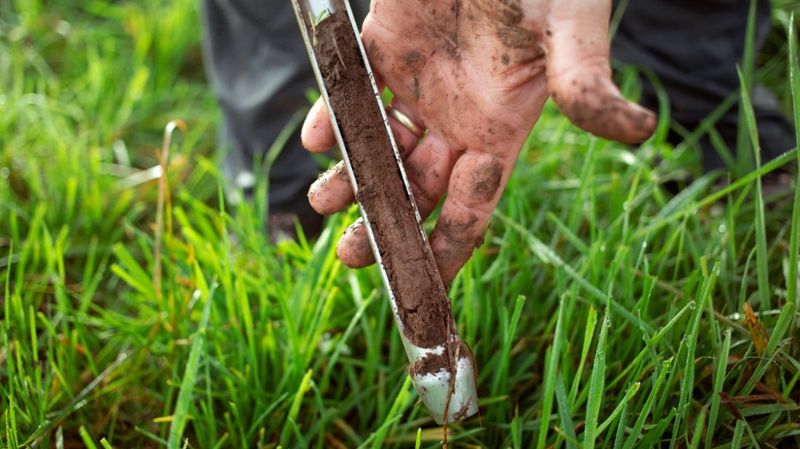
Guessing is never a great gardening strategy, especially with fertilizer. Before you feed a single tree, a simple soil test can tell you exactly what your ground is missing. This small step takes the mystery out of the whole process.
Soil tests are cheap and easy to find through local extension offices in Michigan. You collect a small sample, send it in, and get back a report showing what nutrients are present and what might be lacking.
Along with testing, look closely at how your tree looks and behaves. Pale leaves, slow growth, or thin foliage can signal a real nutrient problem worth addressing. Strong green leaves usually mean everything is fine.
Letting the soil and the tree guide your choices beats blindly feeding on a calendar schedule. Not every tree needs the same care, and dumping fertilizer without proof often creates more harm than good.
When a test shows a genuine shortage, you can pick the right product and apply it at the right time. That targeted approach solves the actual issue instead of guessing and hoping.
Skipping the test means you might feed a tree that needs nothing, or use the wrong nutrient completely. Both mistakes waste effort and can throw off your tree’s natural balance.
Think of soil testing as a checkup before any treatment. Doctors run tests before prescribing medicine, and your trees deserve the same careful thinking. A few minutes of testing can save you a whole season of trouble.
7. Fall Fertilizing Is Not Always Wrong
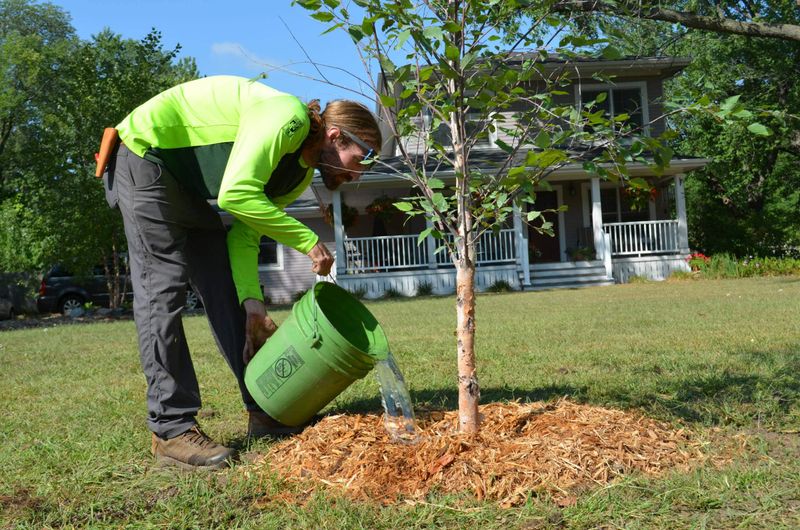
Timing changes everything, and fall fertilizing is not automatically a bad idea. The real problem is feeding a tree that is still actively growing too early in the season. Do it at the wrong moment and you invite frost trouble.
There is a big difference between early fall and late fall. Once a tree goes fully dormant and drops its leaves, its growth has already stopped for the year. At that point, careful fertilizing can help without sparking tender new shoots.
After dormancy, roots may still take in nutrients and store them for spring. If a soil test shows a genuine need, applying fertilizer late in the season can give the tree a healthy head start once warm weather returns.
The key word here is need. Fertilizing after dormancy only makes sense when testing proves the soil is truly short on something. Feeding a healthy dormant tree still wastes product.
So the lesson is not to fear all fall feeding. Instead, learn to read the calendar and your tree’s condition together. Early feeding pushes risky growth, while proper late feeding supports quiet storage.
Understanding this difference puts you ahead of many well-meaning gardeners who feed at the wrong time every year. You get the timing right and your trees benefit instead of suffering.
When done thoughtfully, a fall feeding can set up a beautiful spring. The trick is matching your actions to what the tree is actually doing at that moment in the season.
8. Water And Mulch May Matter More
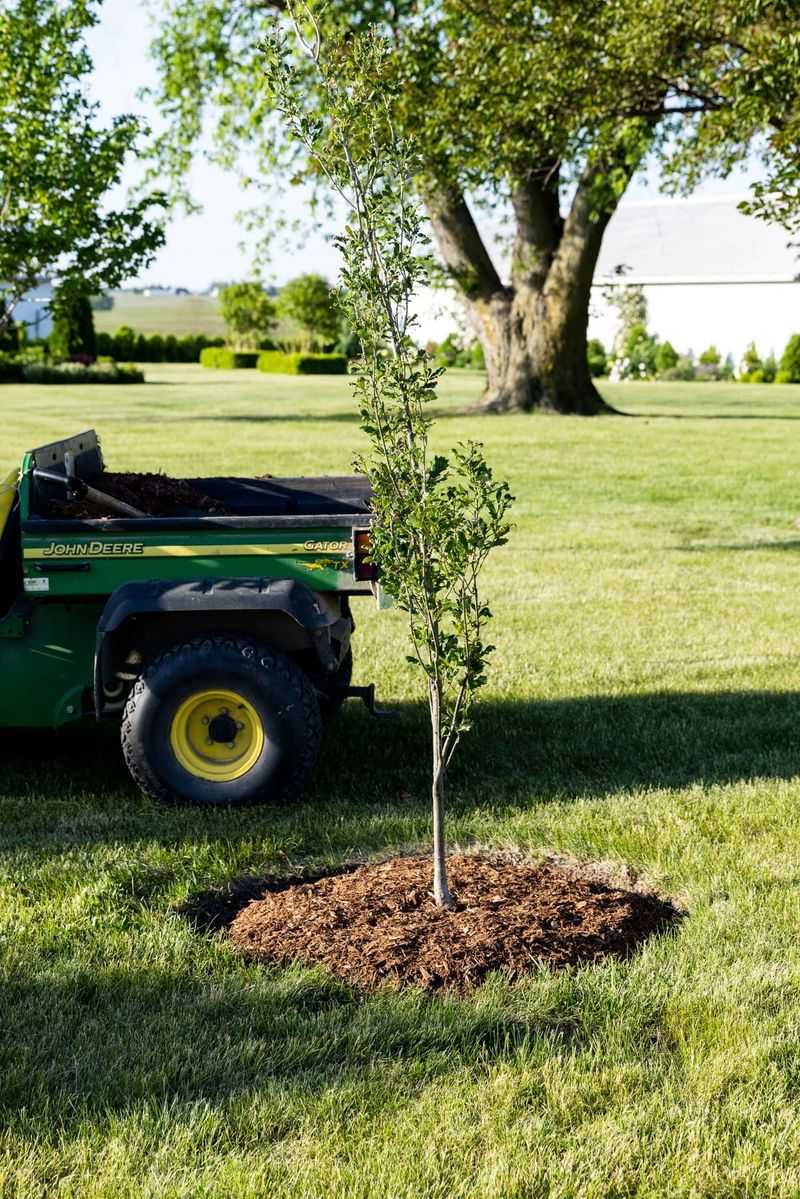
Sometimes the simplest tools beat the fancy ones. Before the ground freezes in Michigan, giving your trees a good drink of water can matter far more than any fertilizer. Well-watered trees enter winter in much better shape.
Dry soil in late fall can stress trees just when they need to be resting. A deep watering before the first hard freeze helps roots stay healthy and hydrated through the cold months ahead.
Mulch is another quiet hero for winter tree care. A proper layer of wood chips or bark around the base holds moisture in the soil and keeps roots warmer during freezing spells.
Spread mulch a few inches deep, but keep it from piling against the trunk. Leaving a small gap around the base prevents rot and pests while still protecting the roots below.
The best part is that watering and mulching do not push tender new growth the way nitrogen does. These steps support the tree without disturbing its natural march toward dormancy.
Instead of worrying about feeding, focus your fall energy on these two easy jobs. They cost little, take almost no skill, and deliver real protection against harsh Michigan winters.
A tree with moist soil and a cozy mulch blanket handles frost, wind, and snow far better than a hungry, thirsty one. Come spring, that well-prepared tree bounces back strong and green.
Choosing water and mulch over risky fertilizer is often the wisest move a gardener can make.