How To Use Shade Cloth To Save Your Heat-Stressed Georgia Tomatoes This Week
Heat like this doesn’t ask permission before it wrecks a harvest. Georgia gardeners know that feeling of stepping outside to find blossoms scattered across dry soil, gone before the fruit ever formed.
Tomatoes don’t fight back on their own, and they never warn you before they quit setting fruit. They shut down pollen production long before wilting becomes visible, and by then you’ve already lost the fruit that would have formed.
Every degree above their comfort range pushes your Georgia garden closer to shutdown, leaf by leaf. Fruit set stalls, pollen turns useless, and stems stop growing the moment temperatures spike past what these plants can handle.
Waiting costs you fruit you can’t reclaim later in the season, no matter how much rain follows. You have days, maybe less, before this heat rewrites your entire tomato season.
1. Choosing The Right Shade Percentage For Georgia’s Heat
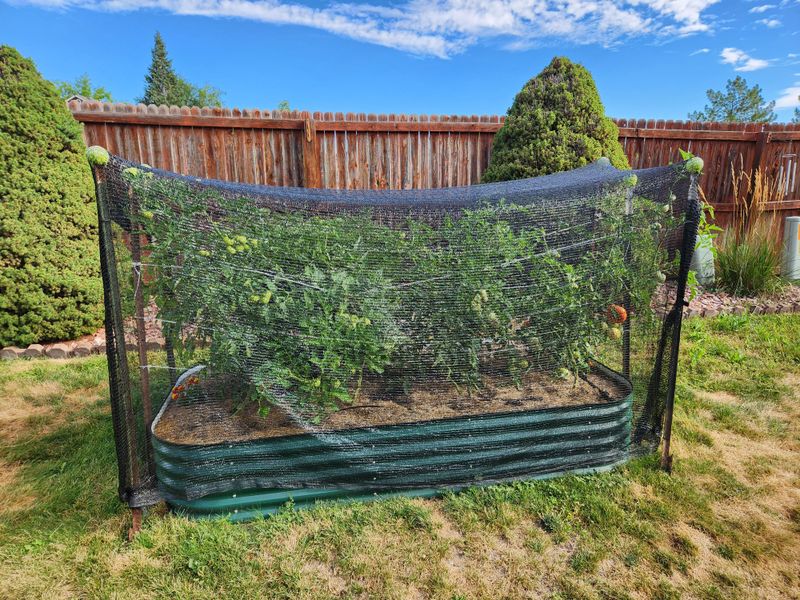
Not all shade cloth is created equal, and picking the wrong percentage can hurt your plants as much as the heat does. Tomatoes need sun to produce fruit, so blocking too much light backfires fast.
For Georgia summers, a 30 to 40 percent shade cloth hits the sweet spot. That range cuts the harshest afternoon rays without starving your plants of the light they need to thrive.
Going above 50 percent shade is risky for tomatoes specifically. You might cool the canopy down, but fruit production slows and plants get leggy chasing light.
Think of shade cloth like sunscreen for your garden. You want protection, not a blackout curtain over your whole raised bed or row.
A 30 percent cloth works well in areas with some natural afternoon shade from trees or fences. A 40 percent cloth is better for open, south-facing beds that get full sun from sunrise to sunset.
Walk your garden at noon and notice where shadows fall naturally. That observation tells you exactly how aggressive your shade strategy needs to be this season.
Percentage is the foundation every other decision rests on. Get this number right, and the rest of your setup falls into place with far less guesswork.
2. Picking Between White, Black, And Aluminet Cloth
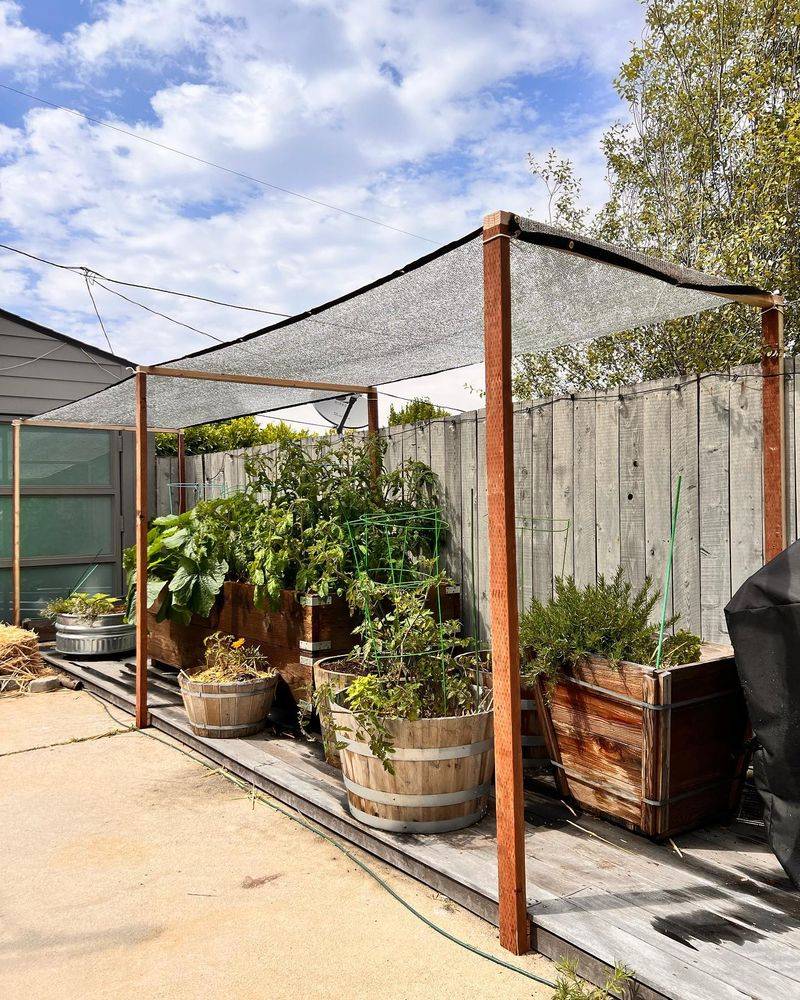
Walk into any garden supply store and you will see shade cloth in three main colors. Each one behaves differently in the sun, and the wrong choice can leave your plants warmer than you intended.
Black shade cloth absorbs heat rather than reflecting it, so the fabric itself warms up considerably in direct sun. On a 95-degree Georgia afternoon, that added warmth works against the cooling you are trying to create.
White shade cloth reflects sunlight rather than absorbing it. That reflective quality helps keep the air beneath the cloth cooler, which is a meaningful advantage during peak summer heat waves.
Aluminet is the premium option, made from knitted aluminum-coated threads that reflect heat away from the canopy. Many commercial growers in hot Southern states rely on it for protecting heat-sensitive crops.
White cloth is the most budget-friendly option and works well for most backyard gardeners. Aluminet costs more upfront but pays off quickly when temperatures stay above 90 for weeks at a time.
Your Georgia Garden Changes Every Week. Your Plan Should Too.
Gardening in Georgia changes quickly throughout the season. Every Friday you’ll receive a simple weekly plan showing exactly what to plant, prune, fertilize, harvest, and protect so you never miss the right timing.
Black cloth is better suited to cooler seasons when a little extra warmth under the cover is actually helpful. Using it in a Georgia July works against your goal.
Your color choice matters more than most gardeners realize. Pick white or Aluminet this week, and your tomatoes will feel the difference when the afternoon sun peaks.
3. Installing Shade Cloth Twelve To Eighteen Inches Above The Canopy
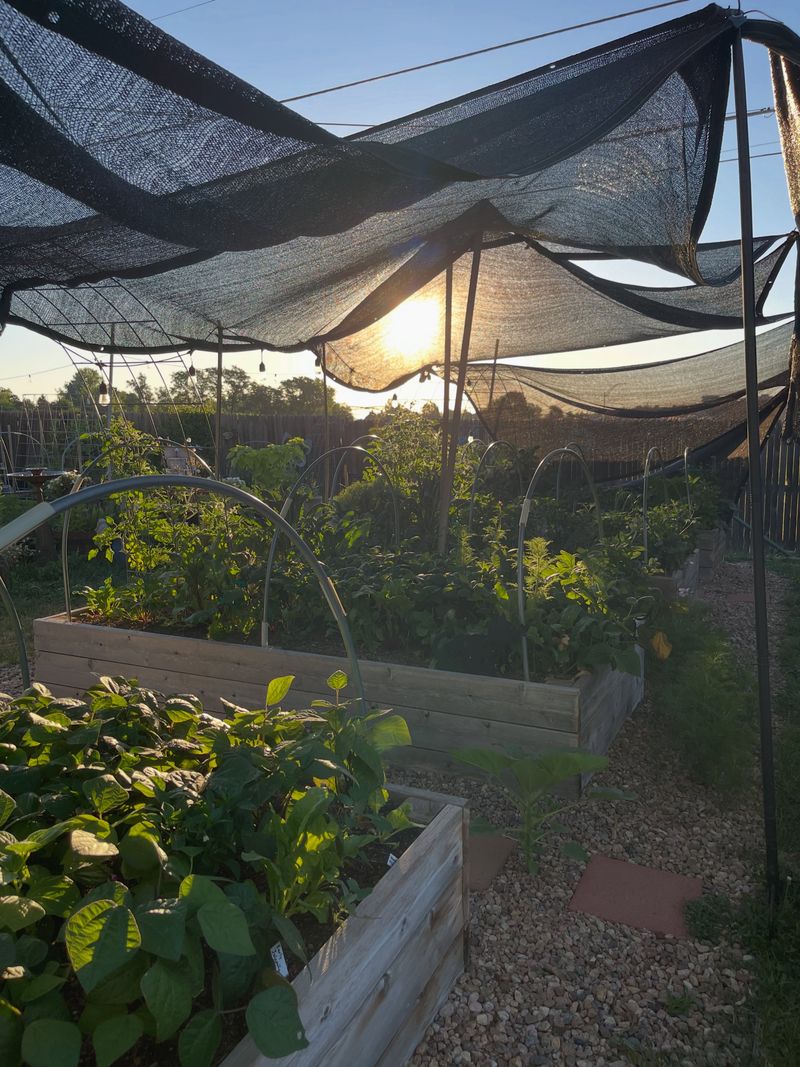
Height matters more than most people expect when installing shade cloth. Laying it directly on top of your plants traps heat and reduces airflow, which creates a humid, stagnant pocket around the leaves.
Twelve to eighteen inches above the plant canopy is the ideal installation height. That gap allows hot air to escape sideways instead of building up like a greenhouse effect beneath the cloth.
Good airflow is one of the most underrated factors in keeping tomatoes healthy during heat waves. When air moves freely, the plants can transpire properly and regulate their own temperature.
Use sturdy stakes, EMT conduit, or pre-bent hoop supports to create the frame your cloth will rest on. The frame needs to be stable enough to handle afternoon thunderstorms that roll through Georgia regularly.
Secure the edges of the cloth with clips, zip ties, or landscape staples so wind cannot flip it back over the plants. A shade cloth that blows sideways offers no protection and can damage stems.
Check the height after installation by sliding your hand underneath and feeling for airflow. If the air feels still, raise the cloth another few inches until you feel gentle movement.
Proper installation height is the difference between a shade cloth that saves your plants and one that stresses them further. Get the gap right and your tomatoes will breathe easier all week long.
4. Orienting Panels North To South For Even Coverage
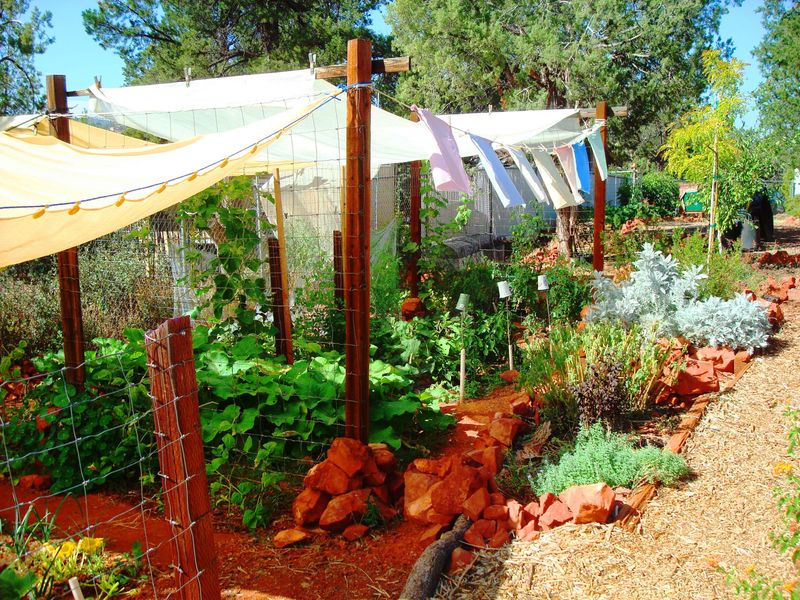
The direction your shade cloth runs across your garden changes how evenly the protection works. Most gardeners skip this step entirely, and their plants end up with hot spots that defeat the purpose.
Running panels from north to south allows the sun to pass over the cloth as it arcs from east to west. That arc means most of the plant receives more even filtered light across the day.
East-to-west orientation creates uneven shading because one side of the cloth faces the sun for hours while the other sits in shadow. That imbalance stresses the side of the plant getting direct exposure.
In Georgia, the sun tracks high and slightly southward during peak summer months. A north-to-south panel orientation accounts for that solar path and improves the cooling effect where it matters most.
Pull out your phone compass app before you set your stakes. Knowing true north in your specific yard takes less than thirty seconds and makes your whole setup more effective.
If your garden rows already run east to west, adjust the cloth angle slightly rather than rebuilding your whole setup. Even a diagonal orientation is better than running panels in the wrong direction entirely.
Smart orientation is a free upgrade that costs nothing but a few extra minutes of planning. Align your panels correctly and your tomatoes get steadier protection from the Georgia sun.
5. Adjusting Shade Level By Growth Stage
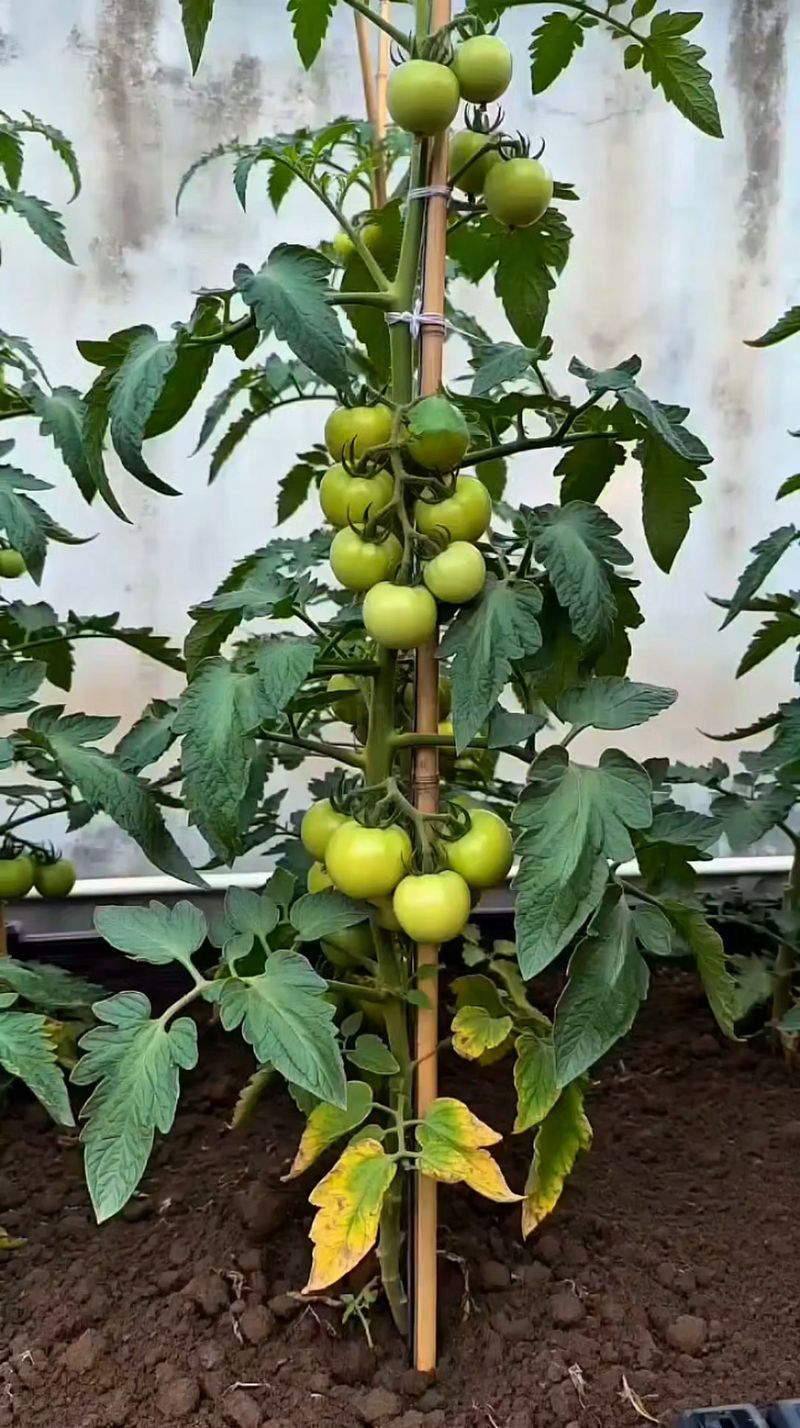
Tomatoes at different growth stages need different amounts of shade, and treating them all the same is a common mistake. A seedling has very different needs than a plant loaded with ripening fruit.
Young transplants and seedlings are the most vulnerable to heat stress. They have shallow roots and limited ability to pull water fast enough to cool themselves during extreme afternoon heat.
For plants under six weeks old, a 40 to 50 percent shade cloth gives enough protection without slowing growth too much. Roots need time to establish before they can handle full Georgia sun exposure.
Once your tomatoes are actively flowering and setting fruit, drop back to 30 percent shade. Fruit development requires photosynthesis, and too much shade at this stage reduces your harvest significantly.
During the ripening phase, some growers remove shade cloth entirely on mild days. Tomatoes color up faster with direct light, so pulling the cloth back on an 85-degree day can accelerate your harvest timeline.
Keep a simple garden journal this season and note which plants are at which stage. That awareness lets you swap cloth percentages strategically rather than using a one-size-fits-all approach.
Matching your shade level to your plant’s growth stage is like adjusting the thermostat as the seasons change. Fine-tuning this detail keeps your tomatoes productive from transplant day all the way to final harvest.
6. Timing Installation Around The Hottest Part Of The Day
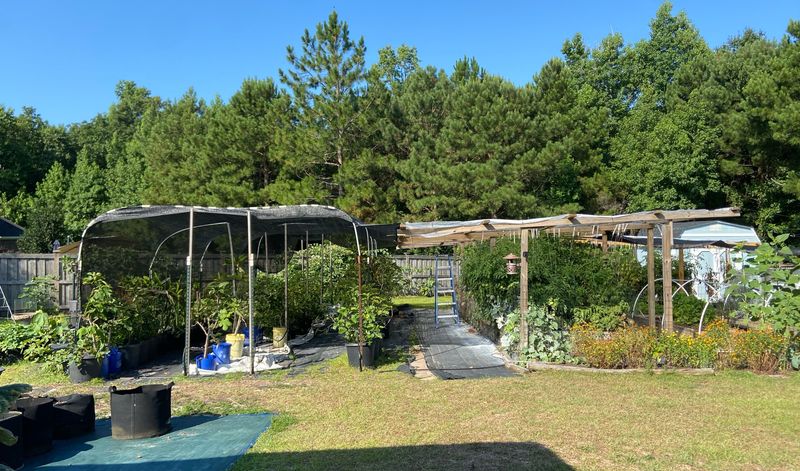
Timing your shade cloth installation makes a bigger difference than most gardeners expect. Putting it up at 2 PM when plants are already wilting is better than nothing, but early morning installation is far more effective.
Get your cloth up before 10 AM, ideally before the sun clears the tree line. That early coverage protects plants during the critical period when heat ramps up fastest and causes the most cellular damage.
Georgia afternoons between 1 PM and 4 PM are the most dangerous window for heat-stressed tomatoes. If your cloth is already in place before that window opens, your plants stay calmer and more productive.
Plan your installation the evening before a predicted heat wave. Laying out stakes and prepping clips in the cool of the evening means you can deploy the cloth in minutes the next morning.
Avoid installing shade cloth in the middle of the afternoon when the sun is already punishing. Working in that heat is hard on you too, and rushed installation leads to gaps and loose edges that fail quickly.
Set a phone alarm for 7 AM on days when the forecast shows highs above 92. That small habit keeps you ahead of the heat instead of scrambling to respond after damage is already done.
Protecting your shade cloth timing is just as important as the cloth itself. Beat the sun to the garden every hot morning, and your tomatoes will reward you with fruit instead of frustration.
7. Removing Shade Cloth On Cooler Or Overcast Days
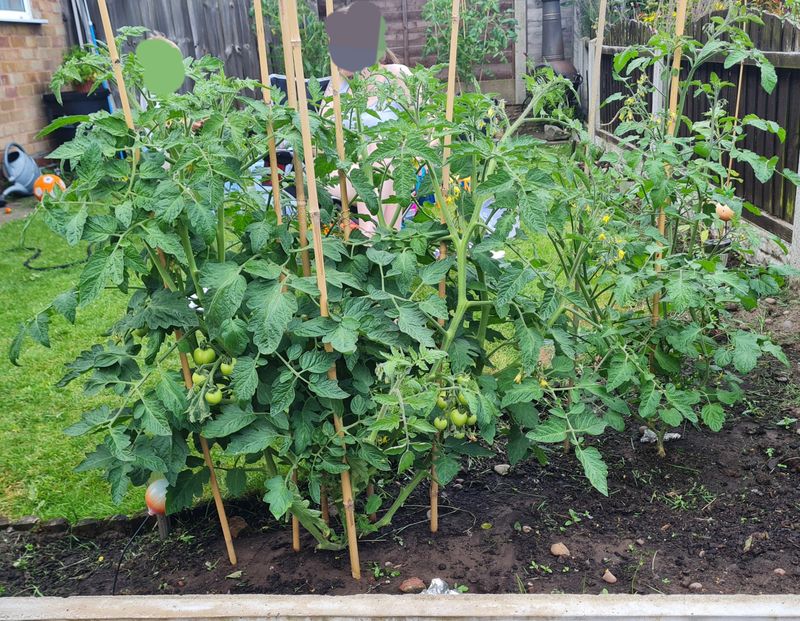
Shade cloth is a tool, not a permanent fixture, and leaving it up on cool or cloudy days actually hurts your plants. Tomatoes are sun-lovers at heart, and they need full light when the weather cooperates.
On days when temperatures stay below 85 degrees Fahrenheit, pull the cloth back or remove it entirely. Your tomatoes will soak up that natural light and convert it into the sugars that make fruit sweet and flavorful.
Overcast days are especially valuable for tomato growth because the diffused light reaches all parts of the plant evenly. Blocking that diffused light with shade cloth on a cloudy day is simply unnecessary and counterproductive.
Make it a habit to check the forecast every morning before heading out to the garden. A two-minute weather check lets you decide whether the cloth stays up or comes down for that day.
Shade cloth that stays up for weeks without removal can cause plants to stretch toward light in unhealthy ways. Leggy growth weakens stems and makes plants more vulnerable to wind damage and disease.
Roll the cloth loosely and store it clipped to the frame so it deploys quickly on the next hot day. A system that takes less than five minutes to operate is a system you will actually use consistently.
Flexibility is the key to using shade cloth well all season. Treat the cloth as a daily decision, not a set-it-and-forget-it solution, and your tomatoes will keep thriving through every shift in summer weather.
8. Watching For Signs Your Tomatoes Still Need More Protection
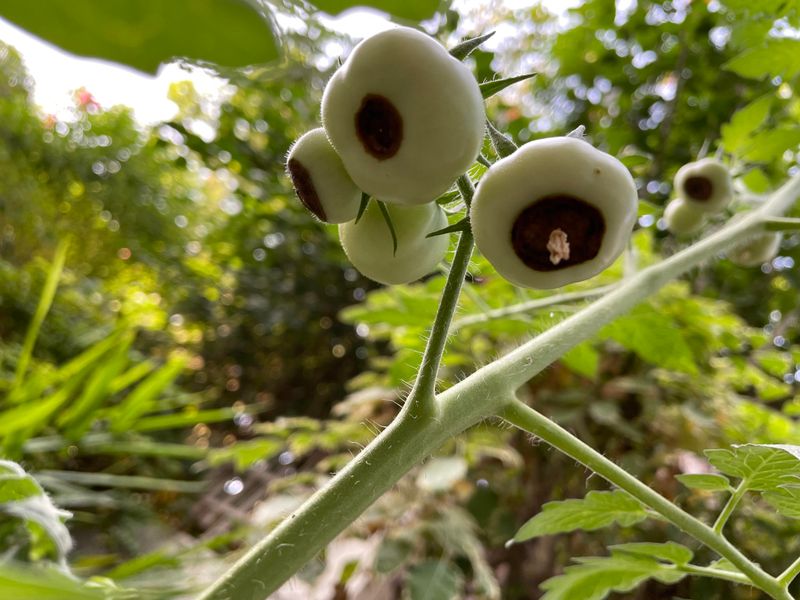
Even with shade cloth in place, some plants still show signs of heat stress, and knowing what to look for keeps you from losing your harvest. Your tomatoes communicate clearly when they are still suffering.
Leaf curl is one of the first signals that your plants are overheating despite the shade. Leaves roll inward along their length like a taco shell, which is the plant’s way of reducing its exposed surface area.
Blossom drop is a more serious warning sign that heat stress is actively cutting into your yield. When flowers fall off before setting fruit, high temperatures are likely still reaching the plant’s core tissues.
Yellowing between leaf veins, called interveinal chlorosis, can indicate that heat stress is disrupting nutrient uptake. This symptom often appears on older leaves first and moves upward through the plant as stress continues.
If you spot these signs, consider adding a second layer of cloth or switching to a higher shade percentage for a few days. A temporary bump from 30 to 40 percent can give stressed plants enough relief to recover.
Watering deeply in the early morning also helps reduce heat stress alongside your shade cloth setup. Moist soil acts as a thermal buffer, keeping root-zone temperatures lower during the hottest part of the afternoon.
Daily observation turns a good setup into a season-saving one. Watch your plants closely, adjust as conditions shift, and you will finish with a harvest worth celebrating.