Why Arizona Gardeners Are Adding Coral Fountain As A Fall Border Plant
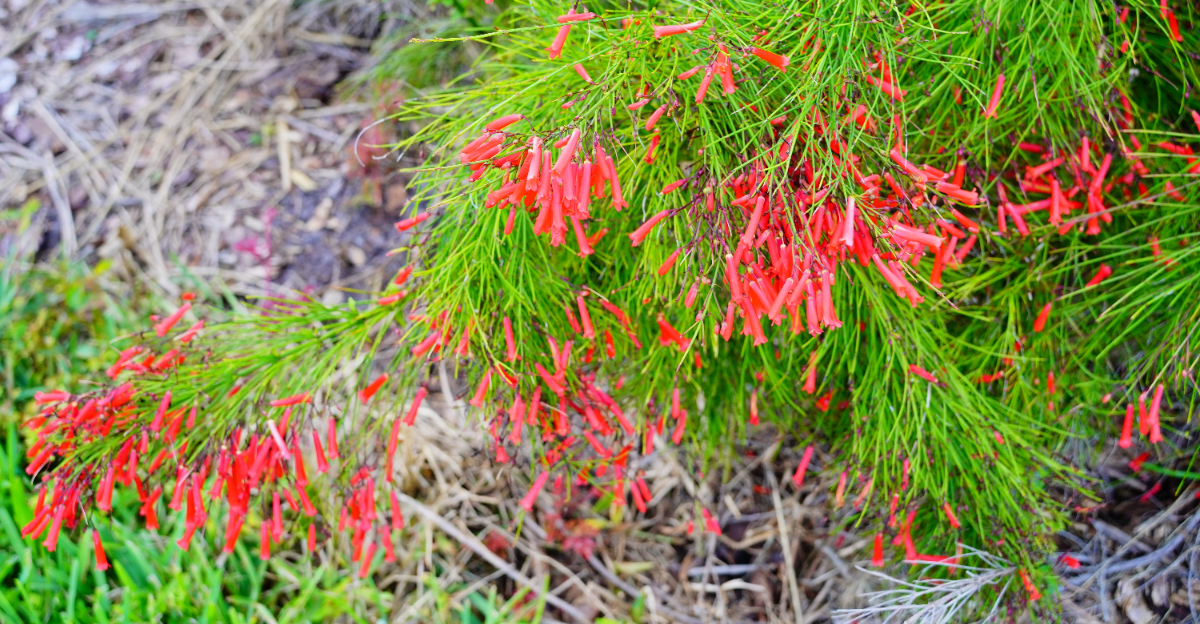
Some garden borders lose their spark as summer winds down, but one flowering plant can keep the display looking lively. Coral fountain brings movement and bright color without feeling overly formal.
Gardeners across Arizona can use this warm-season favorite where its arching stems have room to spill naturally. Those slender stems create an especially striking effect along borders and garden edges.
Give this plant the right spot, and its shape becomes part of the appeal. The flowers can also draw hummingbirds, adding another layer of interest around your yard.
Fall is when that combination can feel especially valuable. Many landscapes need something that still looks energetic as the season begins changing.
Placement matters if you want the strongest effect.
Coral fountain offers several qualities that explain why it deserves attention when refreshing a fall border.
1. Coral Fountain Makes A Colorful Choice For Fall Borders
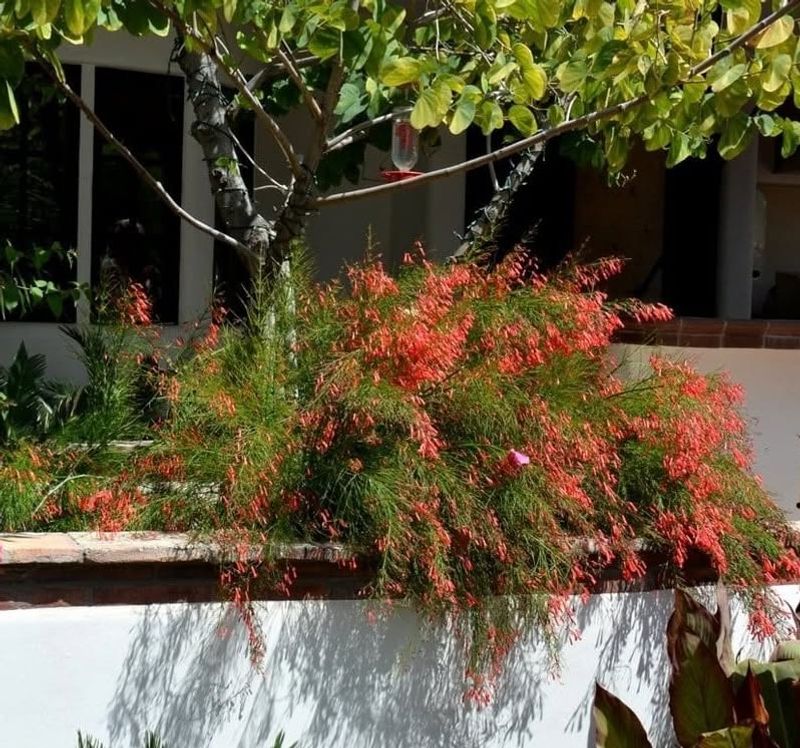
Red-orange blooms in September are not something most desert gardeners expect. Coral Fountain delivers exactly that, and it does so without demanding much in return.
Along a border, it creates a warm wash of color that feels almost tropical against the neutral tones of gravel and adobe.
Most border plants in dry climates go quiet by late summer. Coral Fountain keeps pushing out flowers right as the season shifts, which makes it genuinely useful rather than just decorative.
Gardeners who want late-season interest often struggle to find plants that perform well in heat and then carry on into fall.
Coral Fountain handles that transition better than many alternatives. Its blooms are small but dense, covering the arching stems in clusters that catch light well.
Planted along a walkway edge or a low wall, it softens hard lines without taking over the space.
Color consistency matters in border design. Coral Fountain stays fairly uniform in bloom color, leaning toward coral-red rather than shifting through shades, which makes it easier to pair with other plants.
Silver-leafed plants and blue-flowering perennials tend to complement it well. It also holds its own next to ornamental grasses, which are popular in dry-climate gardens.
The overall effect feels layered and intentional without requiring a complicated planting scheme.
2. Bright Flowers Stand Out Along Garden Borders
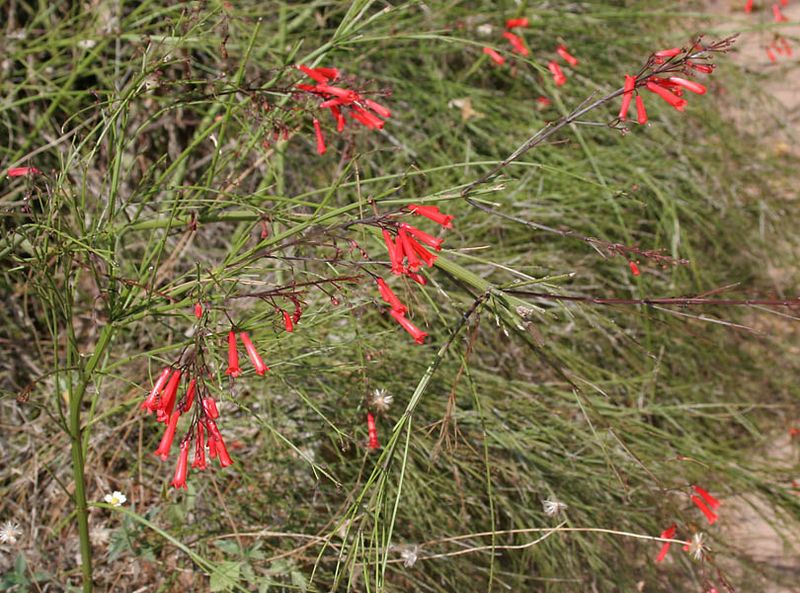
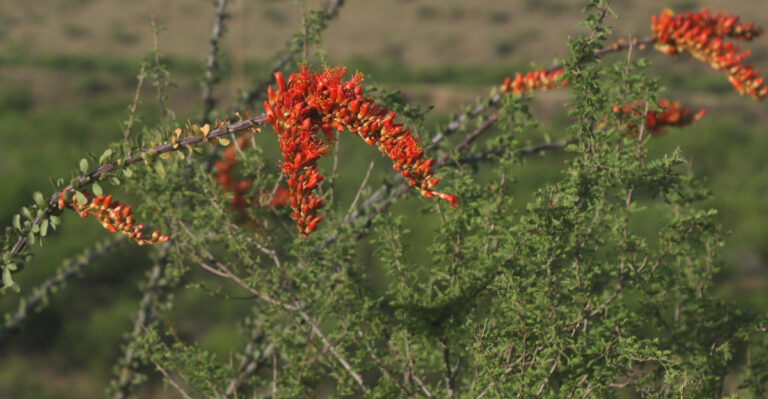
Few plants punch as hard visually as Coral Fountain when it is in full bloom. Those narrow tubular flowers are small individually, but grouped together along every arching stem, they create a burst of color that reads from across a yard.
Against a pale gravel path or a light-colored wall, the effect is sharp and immediate.
Border plants often fade into the background. Coral Fountain does not.
Gardeners in hot, dry regions sometimes shy away from bold color because many bright-flowering plants cannot handle the conditions. Coral Fountain is a practical exception.
It holds its color without fading badly in direct sun, which is not a guarantee with every flowering plant.
Placement matters here. Positioned near the front of a border, it creates a vivid edge that draws the eye along the bed.
Your Arizona Garden Changes Every Week. Your Plan Should Too.
Gardening in Arizona changes quickly throughout the season. Every Friday you’ll receive a simple weekly plan showing exactly what to plant, prune, fertilize, harvest, and protect so you never miss the right timing.
Set it back slightly, and it works as a mid-layer accent that adds depth behind lower ground covers.
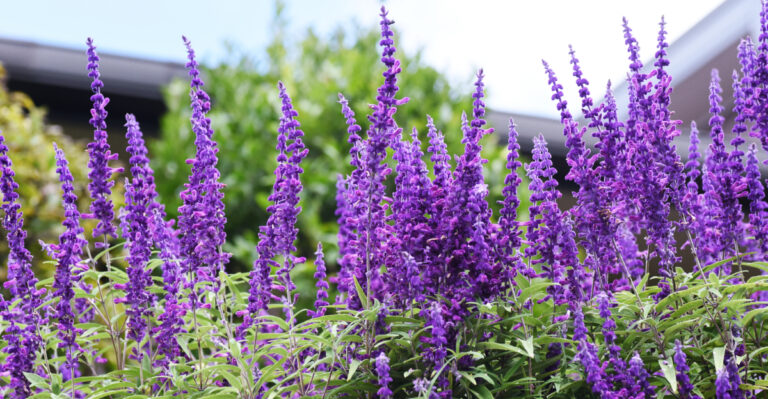
Pairing it thoughtfully makes a real difference. Blue salvia or purple verbena nearby creates a contrast that feels lively without being jarring.
Yellow-flowered plants can clash depending on the specific tones involved, so testing combinations before committing to a full planting is a reasonable approach.
The flowers last well and do not drop messily, which keeps borders looking tidy without constant cleanup. Consistent deadheading is not usually required to maintain the display.
3. Cascading Stems Give It A Softer Look
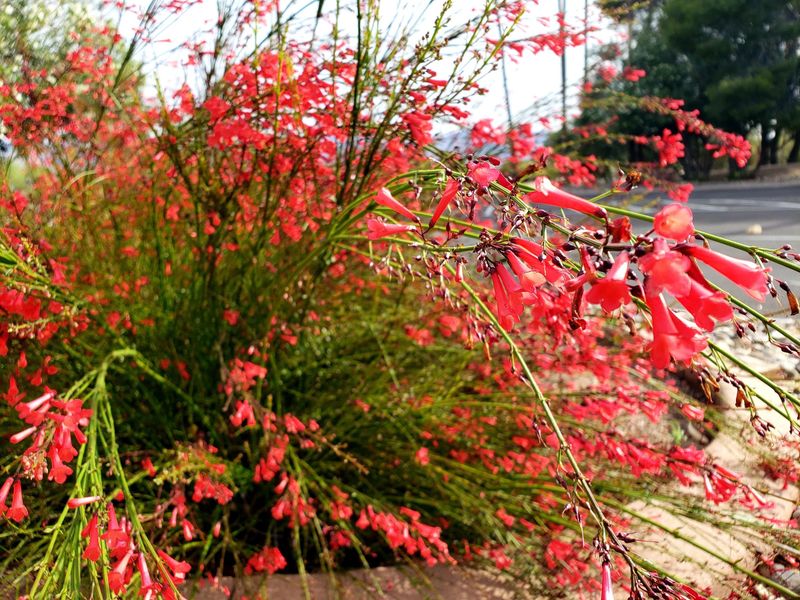
Stiff, upright plants can make a border feel rigid and formal. Coral Fountain moves differently.
Its stems arch outward and downward in a loose, fountain-like shape that adds a relaxed quality to any planting scheme. That movement softens edges and brings a sense of flow that structured plants cannot provide.
Planted at the top of a retaining wall or along a raised bed edge, the cascading stems spill downward in a way that looks natural rather than planted.
It fills space without crowding, and its open, airy structure means it does not block views or overwhelm neighboring plants.
Gardeners often use it specifically to break up the visual weight of heavier shrubs or boulders.
Growth habit shapes how a plant fits into a design. Coral Fountain tends to spread outward as much as upward, reaching roughly two to four feet in both directions under decent conditions, though size varies with soil, water, and sun exposure.
Giving it enough room to arch freely produces the best visual result.
Trimming it back too aggressively removes the stems that carry the most flowers. Light shaping is fine, but heavy cutting tends to reduce bloom output in the short term.
Letting it grow with minimal interference through fall allows the natural cascading form to develop fully. Arizona gardeners who work with its shape rather than against it tend to get the most satisfying results.
4. Sunny Spots Help Keep The Flowers Coming
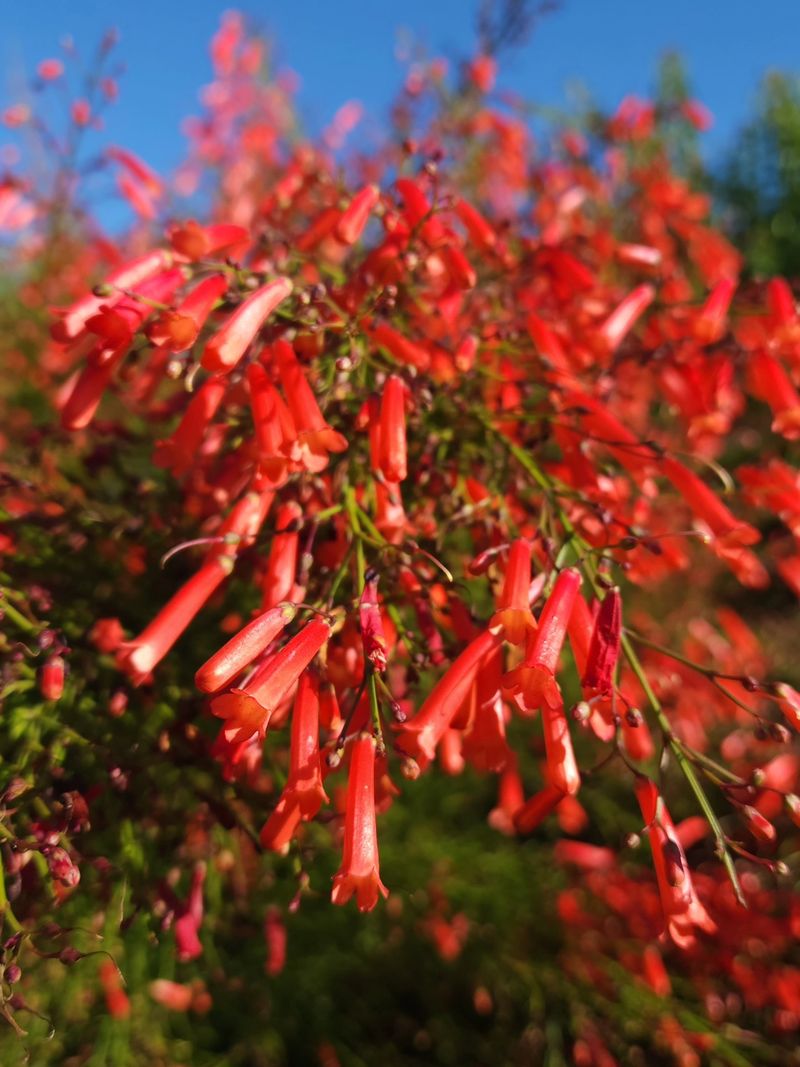
Shade is not this plant’s friend. Coral Fountain produces its best flower coverage in full sun, and in a desert climate, that means at least six hours of direct light daily.
Less sun generally means fewer blooms and weaker stem growth, though results can vary depending on soil and water conditions.
Choosing the right location before planting saves a lot of frustration later. South-facing and west-facing exposures in dry climates tend to offer the most consistent sun through fall.
East-facing spots work reasonably well but may limit afternoon light, which can reduce overall bloom density over time.
Heat reflection from walls or pavement nearby can intensify sun exposure. Coral Fountain generally handles reflected heat better than many flowering plants, but extremely intense conditions near dark surfaces may stress it during peak summer.
Fall temperatures reduce that intensity, making sun exposure less harsh and more productive for flowering.
Gardeners who move this plant from a shadier spot to a sunnier one often notice a clear improvement in bloom production within a few weeks. Soil temperature and moisture levels also play a role, so sun alone does not guarantee heavy flowering.
Pairing good sun exposure with appropriate watering gives the plant the best chance to perform consistently. Across dry Southwest gardens, sunny open borders tend to suit Coral Fountain far better than sheltered or partially shaded corners of the yard.
5. Deep Watering Works Best In Dry Conditions
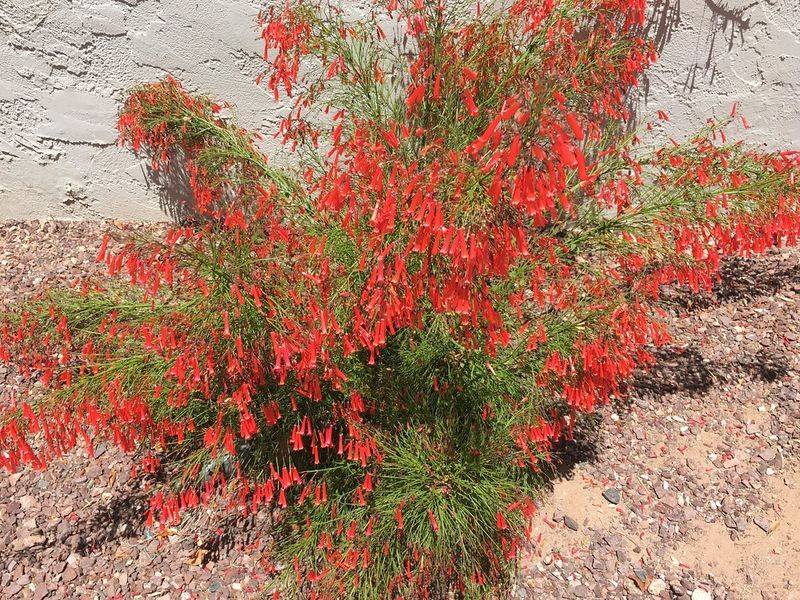
Watering habits shape how well Coral Fountain performs in a dry climate. Frequent shallow watering encourages roots to stay near the surface, where soil dries out fastest.
Deep, less frequent watering pushes roots further down, where moisture lingers longer and the plant becomes more stable during dry stretches.
Drip irrigation works well for this plant. A slow, steady delivery of water directly to the root zone reduces evaporation and keeps moisture where it is most useful.
Running a drip system for longer periods every few days tends to outperform quick daily watering in terms of root development and overall plant health.
Soil type affects how water moves through the ground. Sandy or gravelly soils common in desert landscapes drain quickly, which means water needs to be applied more frequently than in clay-heavy soils.
Checking soil moisture a few inches below the surface before watering helps avoid both under-watering and over-watering, which can both weaken the plant.
Established Coral Fountain plants are more tolerant of dry spells than newly planted ones. Younger plants need more consistent moisture during their first season to develop a strong root system.
Once established, they can handle gaps between watering better, though they still benefit from regular irrigation during extended dry periods.
In Arizona’s fall season, rainfall is often minimal, so supplemental watering remains important even as temperatures drop.
6. Hummingbirds Visit The Tubular Flowers
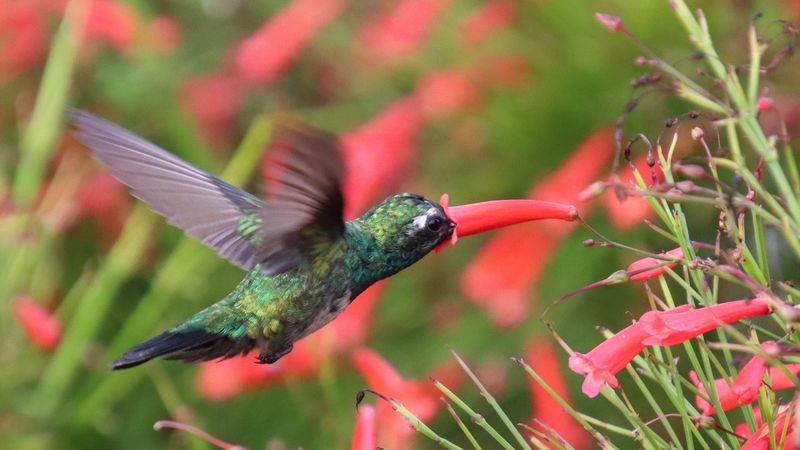
Narrow tubular flowers and hummingbirds are a reliable pairing in any garden. Coral Fountain produces exactly the shape these birds are built to feed from, and the red-orange color falls within the visual range they respond to most readily.
Planting it in a visible spot near a patio or window gives gardeners a front-row view of the activity.
Fall is actually an active time for hummingbirds in warm desert climates. Some species migrate through the region in September and October, making a reliable nectar source especially valuable during that window.
A plant that flowers consistently through fall can attract multiple species over the course of several weeks.
Positioning matters for wildlife value. Coral Fountain placed near other nectar-rich plants creates a feeding cluster that holds birds longer.
Combining it with red salvia, penstemon, or other tubular-flowering plants nearby increases the overall draw without requiring a large garden footprint.
Beyond hummingbirds, butterflies and certain native bees also visit the flowers. Coral Fountain is not exclusively a hummingbird plant, though that tends to be its most dramatic wildlife interaction.
Gardeners who want to support pollinators through fall will find it a genuinely useful addition. Avoiding pesticide use near the plant protects the visitors that make it worthwhile.
7. Cold Weather Is Its Biggest Fall Challenge
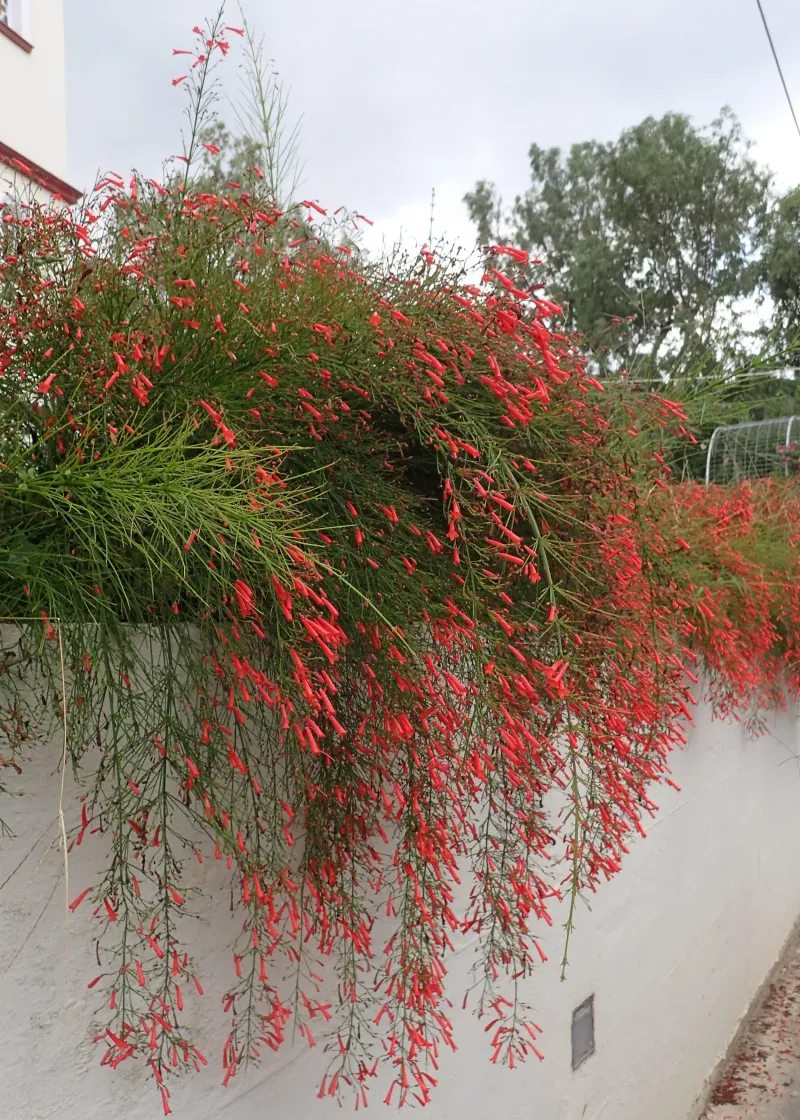
Coral Fountain is a warm-climate plant at its core. It handles desert heat with ease, but cold is a different story.
Once temperatures drop into the low to mid-twenties Fahrenheit, the plant can suffer visible damage to its stems and foliage. In most parts of Arizona’s lower desert, hard freezes are infrequent but not impossible in late fall and winter.
Protecting it during cold snaps extends its season considerably. Frost cloth draped loosely over the plant on nights when temperatures are expected to drop below freezing can prevent surface damage.
Removing the cover during the day allows normal airflow and light exposure, which keeps the plant healthier overall.
Planting near a south-facing wall provides a degree of natural cold protection. Walls absorb heat during the day and release it slowly at night, creating a slightly warmer microclimate around plants nearby.
Gardeners in cooler desert elevations should factor in their specific frost risk before planting Coral Fountain in an exposed location.
Cold weather may damage the above-ground growth. Established plants often recover when warmer temperatures return in spring.
Recovery depends on the severity of the cold exposure and the plant’s overall health.
Cutting back frost-damaged stems after the last expected cold period gives new growth a cleaner start.