The Fresh Green Twigs Piling Up Under Virginia Trees Are Not Storm Damage
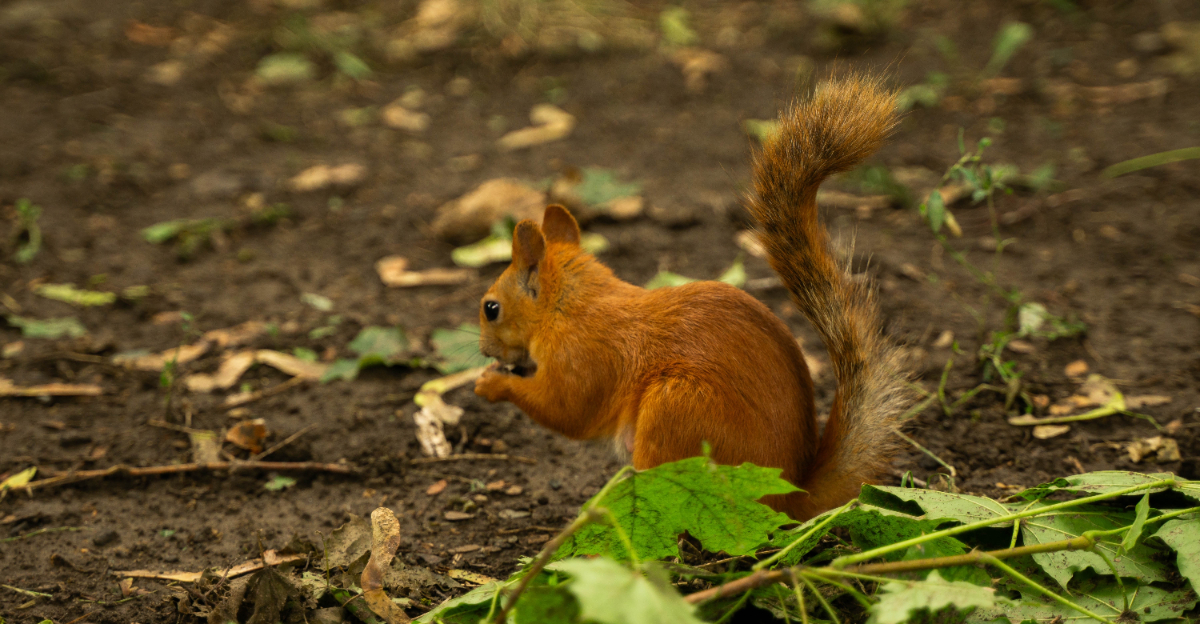
Scattered piles of twigs beneath your trees carry a signal most homeowners misread entirely. Wind and falling branches get blamed first, but you’re actually looking at evidence of something far more deliberate.
Virginia’s landscape hides a small, calculated actor behind what you’re finding scattered on your lawn. Branch tips show clean, angled cuts, not the jagged snaps you’d expect from a storm.
Nights bring the real activity, so whatever you see each morning already happened while you slept. Trees across Virginia keep losing the same small limbs, and the moment you notice the pattern, you can’t stop seeing it.
The creature behind it lives closer to your house than you’d ever guess, and the proof scattered across your ground leaves you no way to look away.
Squirrels And Their Late Summer Twig Cutting
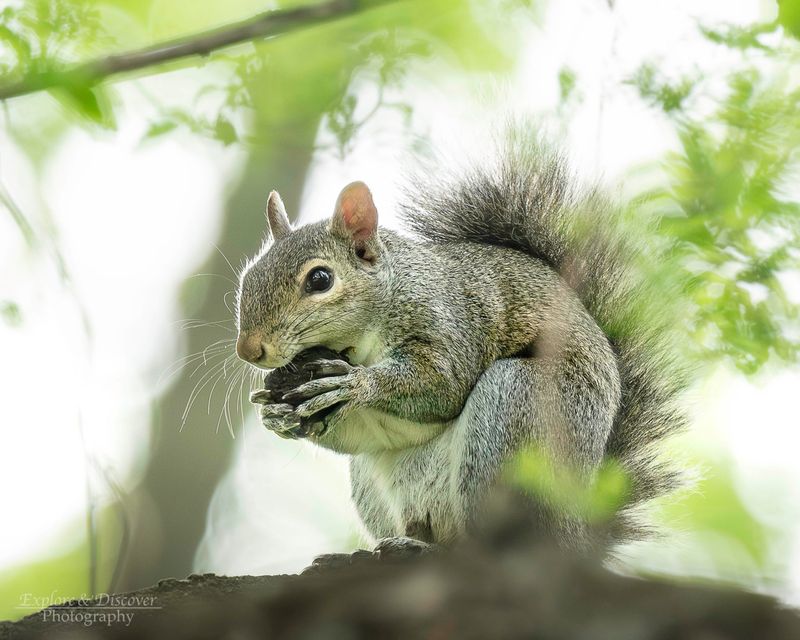
Look up. A gray squirrel is perched on a branch, gnawing like it’s racing the clock. Those fresh green twigs piling up under Virginia trees are not storm damage, they are a squirrel’s grocery run.
Squirrels clip twigs intentionally using their sharp front teeth. The cuts are clean and precise, not jagged like wind damage. Each severed twig usually has a nut, seed cluster, or bud attached to its tip.
This behavior is called caching, and squirrels take it seriously. They clip a twig, ride it down, grab the nut at the end, and bury it nearby. The twig itself gets left behind like discarded packaging.
Eastern gray squirrels are the main twig-clippers in Virginia. Fox squirrels do it too, though less frequently. Both species ramp up this activity as summer winds down and fall approaches.
Squirrels can clip dozens of twigs in a single morning. A productive tree might shed hundreds of small branches over just a few weeks. Homeowners often mistake this flurry for storm aftermath or a sick tree.
The clipping happens fast, often before sunrise or in the early morning hours. You might never catch a squirrel in the act. But the evidence piles up below the canopy like clockwork every August and September.
Understanding this behavior changes how you see your yard. Your squirrels are not vandalizing your trees. They are running a highly efficient food storage operation, and your oaks are their favorite warehouse.
The Nut Crop That Drives This Behavior Each Fall
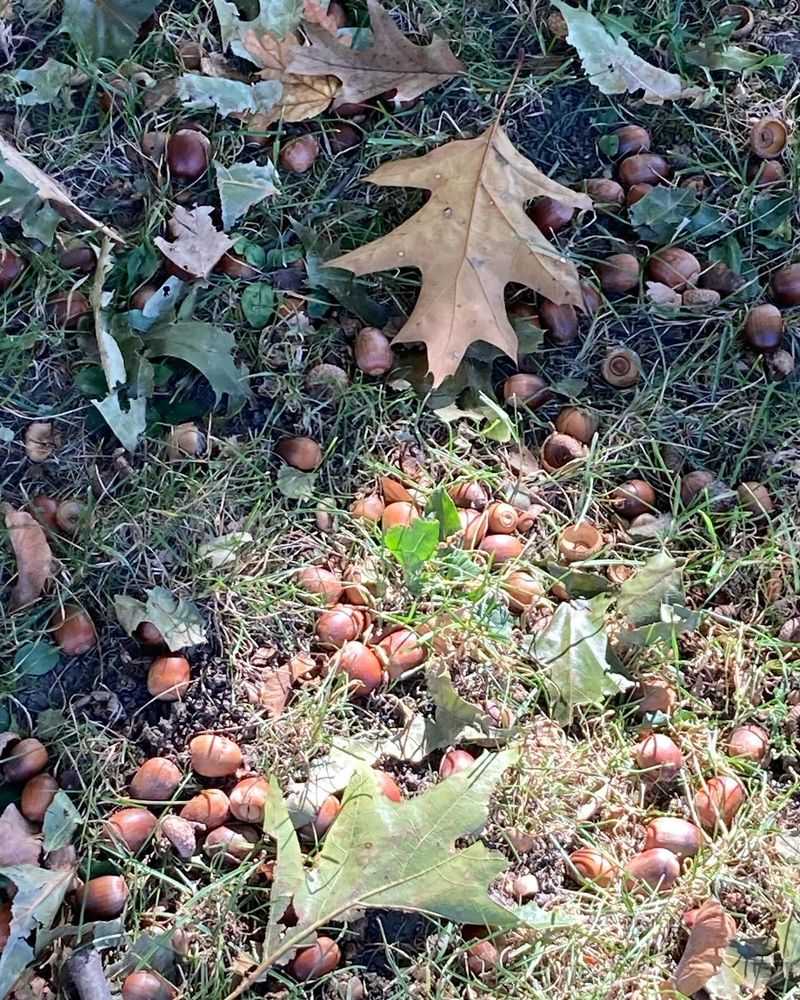
Everything comes down to the nuts. Squirrels are not clipping twigs for fun or mischief. They are after the acorns, hickory nuts, and other seeds attached to those fresh green stems.
Nuts on green twigs are easier to access than nuts on high branches. A squirrel clips the whole twig and lets gravity do the work. Once the branch falls, the nut is right there waiting at the end.
This strategy is especially smart when nuts are still tightly attached to the tree. Ripe nuts that fall on their own are easy pickings for competitors.
Clipping lets squirrels harvest early, before other animals get a chance. The size of the nut crop each year directly affects how much twig clipping you will see.
A bumper mast year, when trees produce enormous quantities of nuts, triggers intense squirrel activity. Lean years produce noticeably fewer clipped twigs on the ground.
Squirrels have excellent spatial memory. They bury thousands of nuts each fall and remember where most of them are hidden.
The clipping behavior is one part of a much larger food storage system they rely on all winter. Not every nut gets retrieved, though. Forgotten caches sprout into seedlings the following spring.
Squirrels are actually one of the most effective tree planters in any Virginia forest or backyard. So that pile of twigs under your tree represents more than lunch.
It represents a survival strategy perfected over thousands of years, and it is working beautifully right in your backyard.
Oaks, Hickories And Pecans Most Affected In Virginia
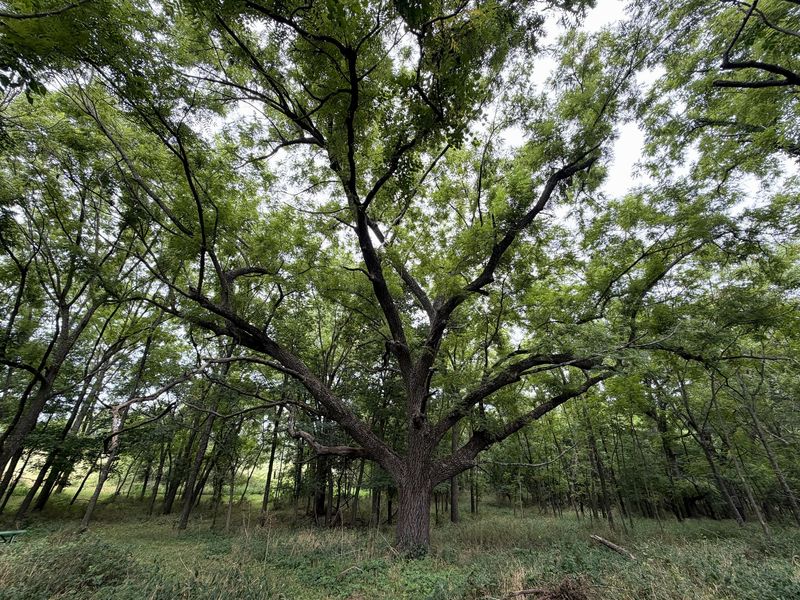
Not every tree in your yard gets the squirrel treatment equally. Oaks, hickories, and pecans are the top three targets across the mid-Atlantic region.
These trees produce the calorie-rich nuts that squirrels depend on most. White oaks and red oaks are particularly popular.
Their acorns are abundant, predictable, and packed with fat and carbohydrates. A single white oak can produce thousands of acorns in a good year.
Hickory trees get heavy attention too. Shagbark and mockernut hickories are common in many parts of the state. Their thick-shelled nuts are worth the extra effort squirrels put into clipping and cracking them.
Pecan trees, while less common than oaks, attract intense squirrel activity when they are present. Homeowners with pecan trees often notice the most dramatic twig piles of all.
A mature pecan loaded with nuts can lose hundreds of branch tips in just a few weeks. Walnut trees also get clipped, though squirrels tend to prefer the other species first.
Black walnuts have a strong smell that squirrels can locate easily, even under snow. They are a reliable backup food source when other nut crops run low.
Squirrels typically skip your maple or sweetgum trees, since those species don’t produce the high-fat nuts they crave. Squirrels are picky shoppers, and they know exactly which trees are worth their time.
If your oak is losing twigs fast, take it as a compliment. Your tree is producing a crop worth harvesting, and the neighborhood squirrels have noticed.
Signs That Point To Cutting Rather Than Wind
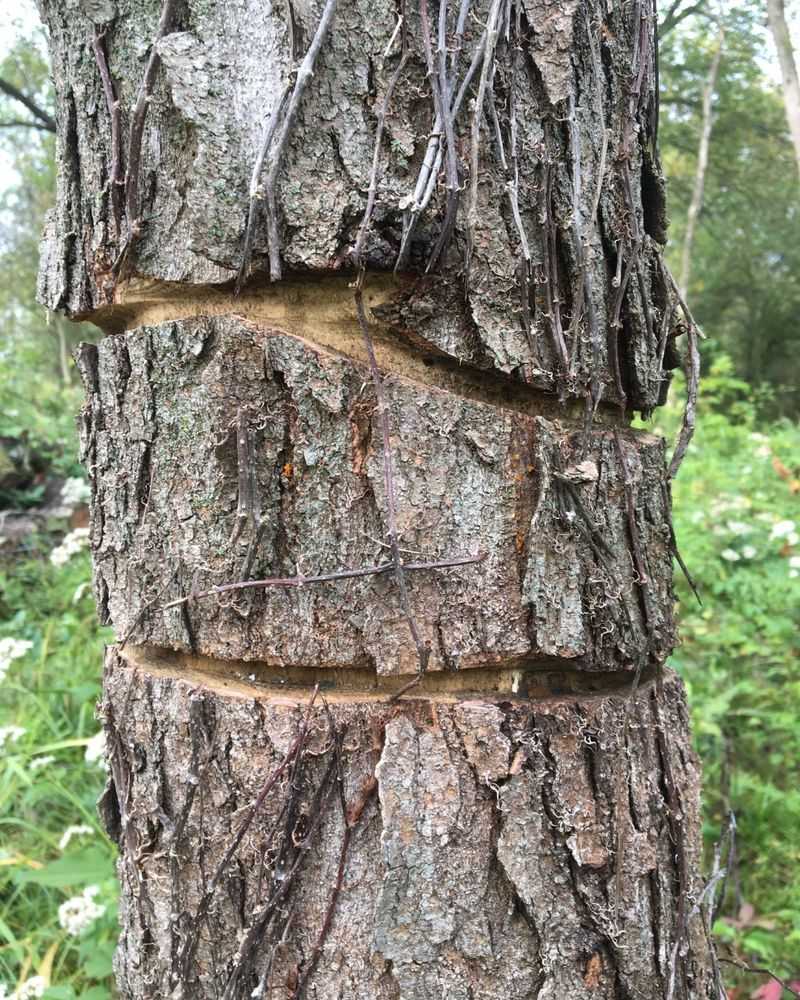
Clean cuts are the biggest giveaway. Wind-snapped branches look ragged and splintered, with torn fibers and jagged edges. Squirrel-clipped twigs have smooth, angled cuts that almost look like someone used garden shears.
Check the cut end of any twig you pick up from the ground. If the tip is beveled and tidy, a squirrel made that cut. If the wood is shredded or peeled back, wind or weight stress caused the break.
Another clue is the length of the twigs. Squirrels clip short sections, usually six to eighteen inches long. Storm debris tends to include longer branches and a mix of sizes, from tiny to very large.
Look at the leaves on the fallen twigs. Squirrel-clipped twigs still have fresh, green, fully attached leaves. Storm-damaged branches often show wilted, torn, or partially detached foliage from the force of the wind.
Timing matters too. Twig piles from squirrel activity appear gradually over days and weeks. Storm damage shows up all at once, usually after a specific weather event you can track on the calendar.
Scattered nut husks and chewed shells near the twig piles are another strong indicator. Squirrels eat on the spot or nearby, leaving chewed shells scattered right where they fed.
Once you know what to look for, the difference becomes obvious fast. Your trees are not in trouble. Your yard is just hosting a very productive squirrel harvest operation this season.
Tree Health After A Heavy Clipping Season
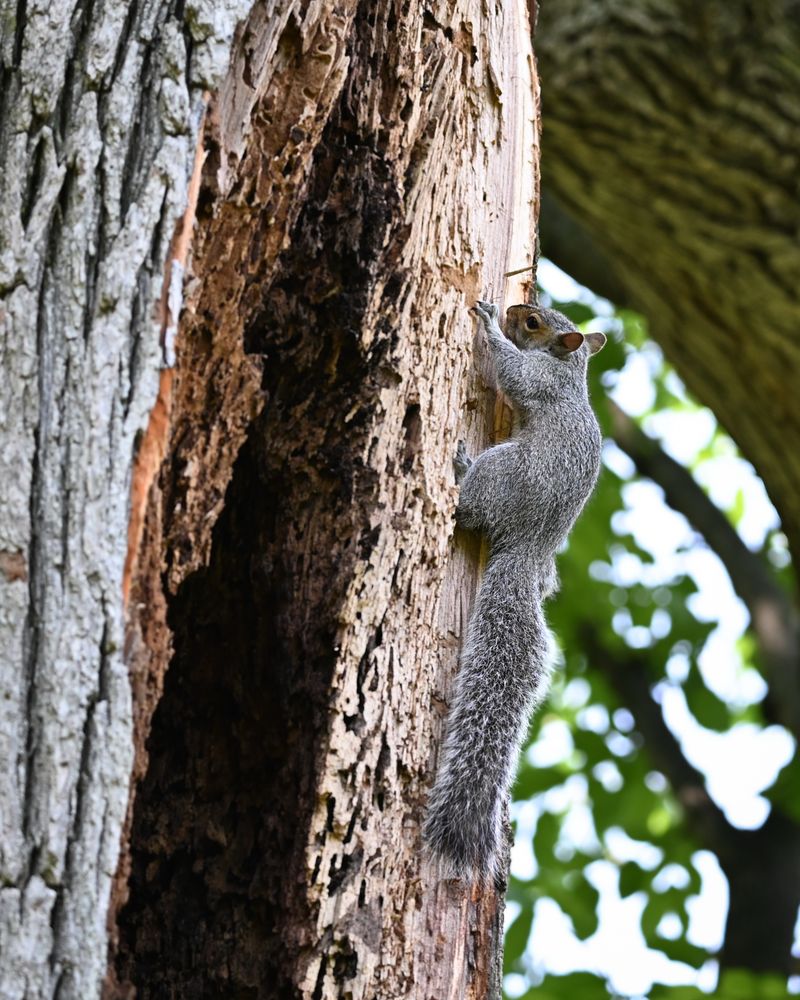
Squirrel twig clipping almost never harms a healthy tree. The branches being removed are small and located at the very tips of the canopy. Mature oaks and hickories barely notice the loss.
Think of it like a light pruning session. Removing small branch tips does not stress the tree or interrupt its growth cycle. The tree keeps pulling water and nutrients through its main limbs without any disruption.
Young trees are a slightly different story. A sapling with limited branching could look rough after a heavy clipping season.
Squirrels tend to focus on mature producers, but young trees near productive adults can get some spillover attention. Watch your young trees during peak squirrel season in August and September.
If a sapling loses more than a third of its branch tips, consider a temporary deterrent. Simple wire mesh around the trunk can discourage squirrels from climbing it.
For established trees, no intervention is needed. The tree will push new growth the following spring, filling in any thin spots from the clipping. Most homeowners cannot spot the difference by the following summer.
Stressed trees recovering from drought or disease are worth monitoring more closely. A tree already struggling does not need extra pressure.
If your tree looks unhealthy beyond the twig loss, consult a certified arborist for an evaluation. Healthy, well-established trees handle squirrel clipping without missing a beat.
The relationship between squirrels and nut trees has been going on for centuries, and both sides have figured out how to coexist just fine.
Cleanup Timing For Virginia Yards
Those twig piles are not an emergency, but they are worth cleaning up at the right time. Waiting until squirrel season winds down saves you from raking the same area multiple times.
Peak clipping usually runs from mid-August through mid-October in most parts of the state. Once the frenzy slows, a single cleanup session handles the bulk of the mess.
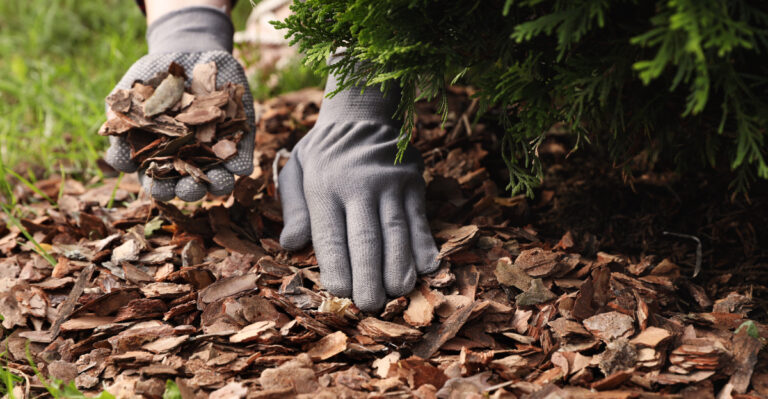
Rake the twigs into a pile and add them to your compost bin or yard waste collection. Fresh green twigs break down quickly and make excellent mulch material.
Leaving some twigs on the ground for a few days is not harmful. They will not damage your lawn in short periods. Waiting too long, though, can smother grass and create hiding spots for pests.
If you have a lawn care schedule, plan a dedicated fall cleanup pass after Columbus Day. By then, most of the squirrel activity has tapered off significantly. One thorough session beats four partial ones earlier in the season.
Twigs near garden beds can be chopped and used as a natural mulch layer. A simple garden shredder turns a pile of clipped branches into useful material in minutes.
Those clipped branches near garden beds make free mulch waiting to happen. Bagging twigs for trash pickup is a simple option if composting feels like too much work.
Many Virginia localities offer curbside yard waste pickup through November. Check your local schedule and set the bags out on the right collection day.
A tidy yard after squirrel season feels satisfying, and now you know exactly why those twigs were there in the first place.