This Invasive Tree Is Spreading Through Georgia Yards Faster Than Many Homeowners Realize
Look closely at the young trees appearing around your yard this September. One fast-spreading species can easily blend in before you realize what is growing.
Georgia yards provide plenty of places where unwanted seedlings can quietly become established. By the time they stand out, removing them may require much more effort.
Do not assume every volunteer tree deserves a permanent spot in your landscape. Some can spread beyond the original plant and quickly claim valuable growing space.
Learning what this tree looks like gives you an important advantage. Early identification makes it easier to decide what should stay and what should go.
Several features can help separate this invasive tree from similar plants nearby. Knowing those clues matters before taking action.
Check your yard carefully and find out which tree deserves attention before it spreads even farther
1. Chinaberry Is The Invasive Tree Behind The Problem
Not every unfamiliar tree in your yard is harmless. Chinaberry, known scientifically as Melia azedarach, is listed as an invasive species in several southeastern states, including Georgia.
It does not belong here, and it does not play nicely with native plants.
Originally from Asia, Chinaberry was brought to the United States in the 1800s as an ornamental tree. People liked its fast growth and fragrant spring flowers.
Over time, it spread far beyond gardens and became a persistent problem in natural areas and residential yards alike.
Chinaberry crowds out native trees and shrubs by growing faster and spreading aggressively through seed production. A single tree can produce a large number of seeds each year, and birds help scatter those seeds across wide areas.
That combination makes it a particularly effective spreader.
Ecologically, Chinaberry does not offer the same benefits as native trees. Local wildlife that depends on native species for food and shelter gets less support from an invasive like Chinaberry.
Its presence gradually changes the character of a yard or natural space.
Knowing that this specific tree is behind the problem helps homeowners take it seriously. It is not just a weed tree you can ignore.
Recognizing Chinaberry by name is the first step toward dealing with it effectively and protecting the plants that belong in your landscape.
2. Young Trees Can Blend Into The Yard Before Becoming Noticeable
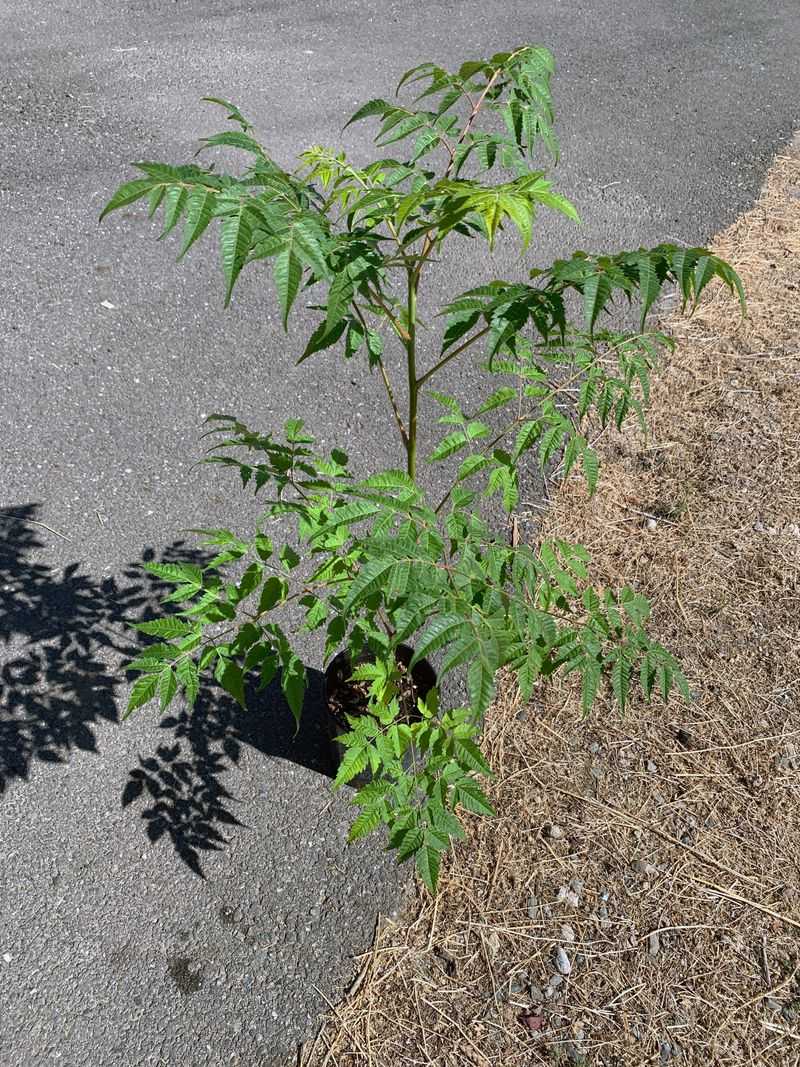
Young Chinaberry trees are sneaky. When they first sprout, they look a lot like other common plants that pop up in yards every spring.
Most homeowners walk right past them without a second thought.
Seedlings start out with compound leaves, meaning each stem holds several smaller leaflets arranged in pairs. That pattern is shared by other plants, so it does not immediately stand out.
Without knowing exactly what to look for, spotting one early takes practice.
Chinaberry tends to sprout near fence lines, along driveways, and at the edges of garden beds. These are spots that often get overlooked during routine yard maintenance.
A small tree tucked behind a shrub or beside a fence post can go unnoticed for an entire growing season.
Your Georgia Garden Changes Every Week. Your Plan Should Too.
Gardening in Georgia changes quickly throughout the season. Every Friday you’ll receive a simple weekly plan showing exactly what to plant, prune, fertilize, harvest, and protect so you never miss the right timing.
By the time most people notice it, the tree has already grown several feet tall. At that point, removal takes more effort.
Catching it early, when it is still a small sprout with a thin stem, makes the job much simpler.
Getting familiar with Chinaberry’s leaf shape and growth pattern is worth your time. Spend a few minutes comparing photos online to what is growing in your yard.
Routine walkarounds during spring and early summer can help you catch new growth before it gets a foothold.
3. Fast Growth Lets This Unwanted Tree Establish Quickly
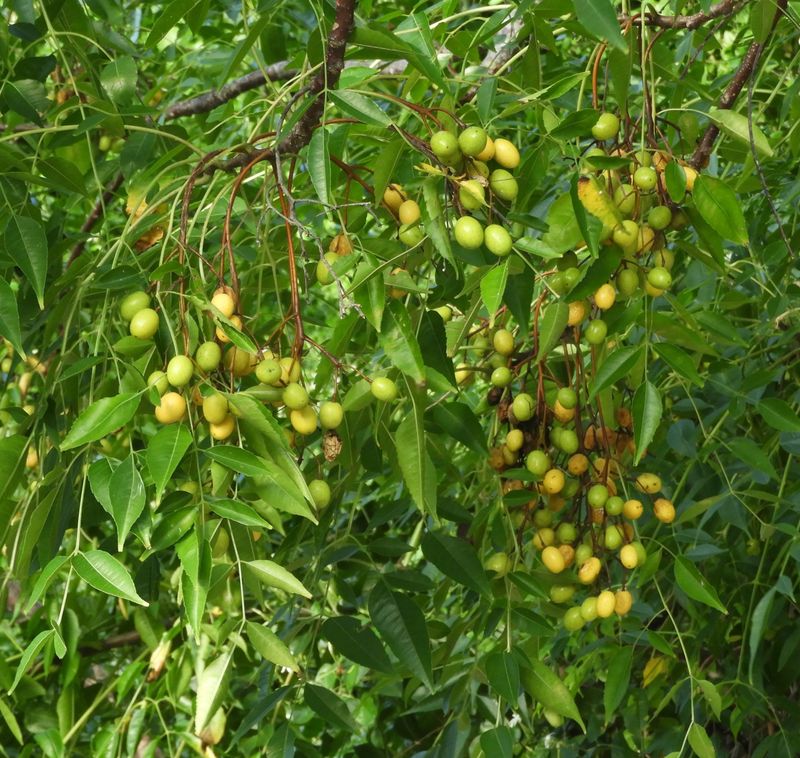
Speed is one of Chinaberry’s biggest advantages. Under decent conditions, it can grow several feet in a single season.
That kind of growth rate gives it a serious head start over slower plants nearby.
Once a Chinaberry seedling gets its roots established, it starts competing with everything around it. It reaches upward fast, shading out smaller plants and grasses.
Neighboring vegetation can struggle to keep up.
Warm temperatures and regular rainfall give this tree favorable conditions in the South. A seedling that sprouts in spring can become a noticeable sapling by late summer.
Homeowners who skip yard checks during the growing season may be surprised by how much size it has gained.
Chinaberry does not need rich soil to thrive. It tolerates poor, disturbed ground well, which is part of why it shows up along roadsides, vacant lots, and neglected corners of residential properties.
Soil quality rarely slows it down much.
Its fast growth also means a short window for easy removal. A tree that is easy to pull by hand in April may require tools and real effort by July.
Acting quickly after spotting a new sprout saves significant time and energy. Keeping a close eye on your yard through spring and summer is one of the most practical steps you can take against this tree.
4. Distinctive Leaves And Yellow Fruit Help Confirm Its Identity
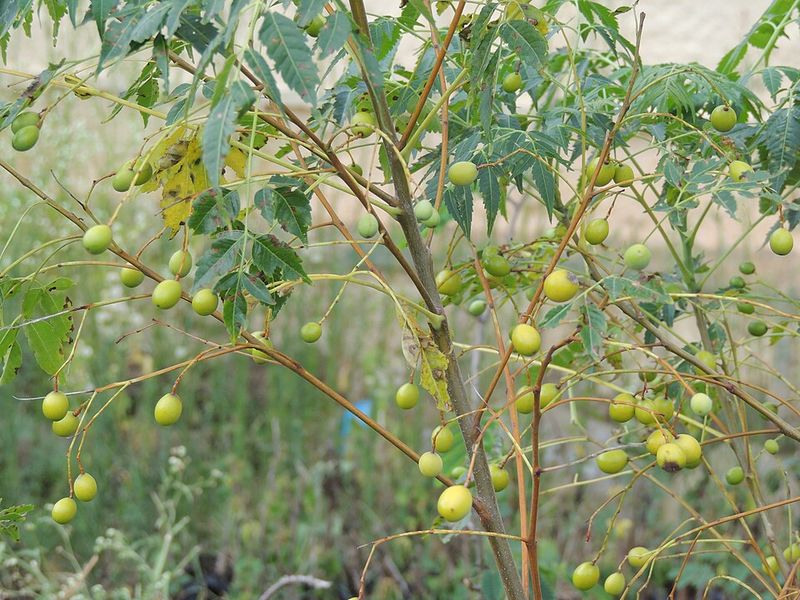
Confident identification matters before you remove any tree. Chinaberry has a few clear features that set it apart once you know what to look for.
Its compound leaves and fruit clusters are the most reliable clues.
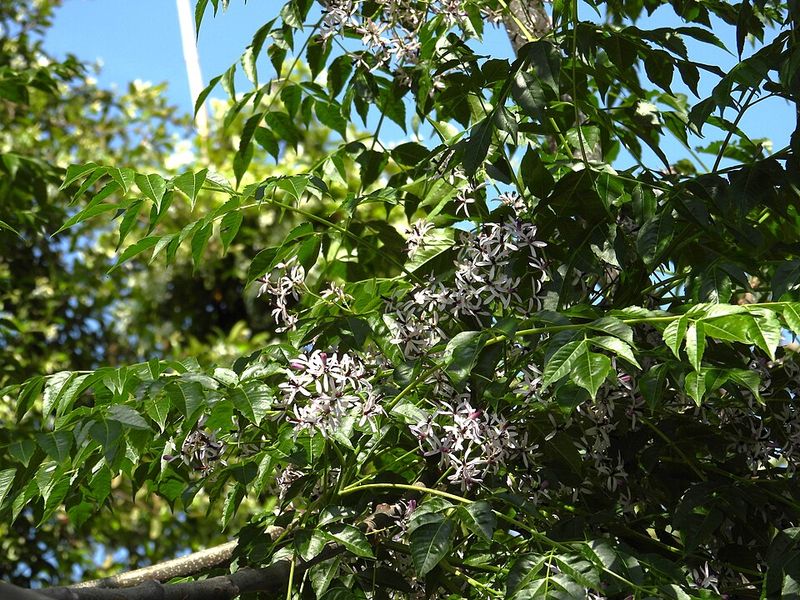
Each leaf is large and made up of many smaller leaflets arranged along a central stem. The leaflets have slightly toothed or serrated edges.
This bipinnate or pinnate leaf structure gives the tree a feathery, open appearance compared to trees with simple leaves.
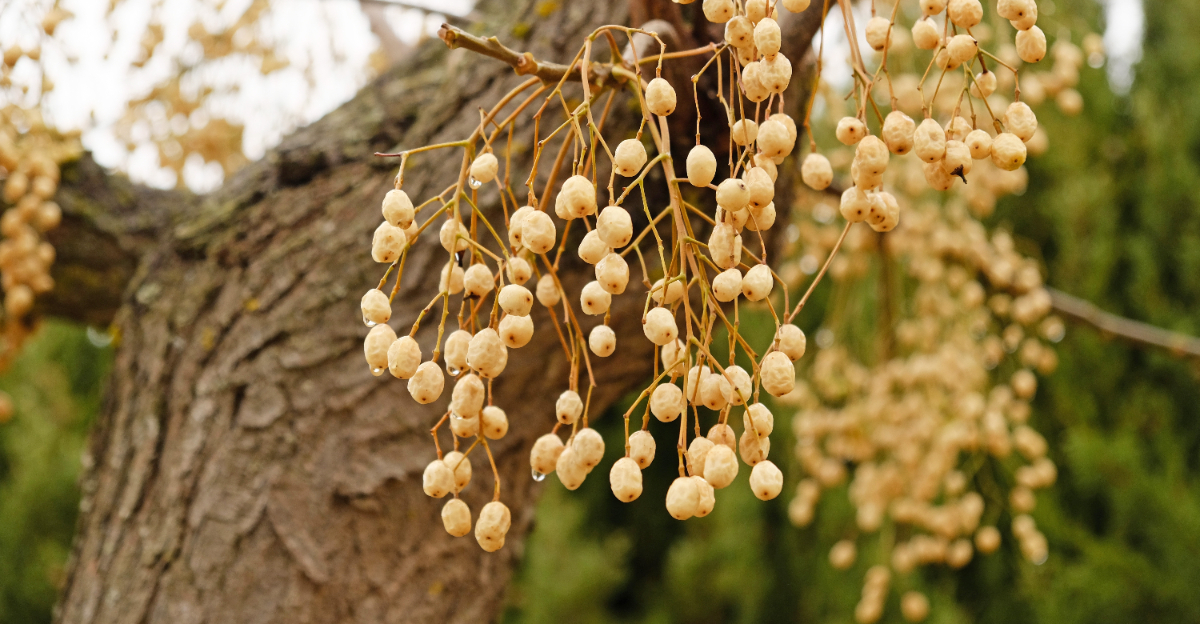
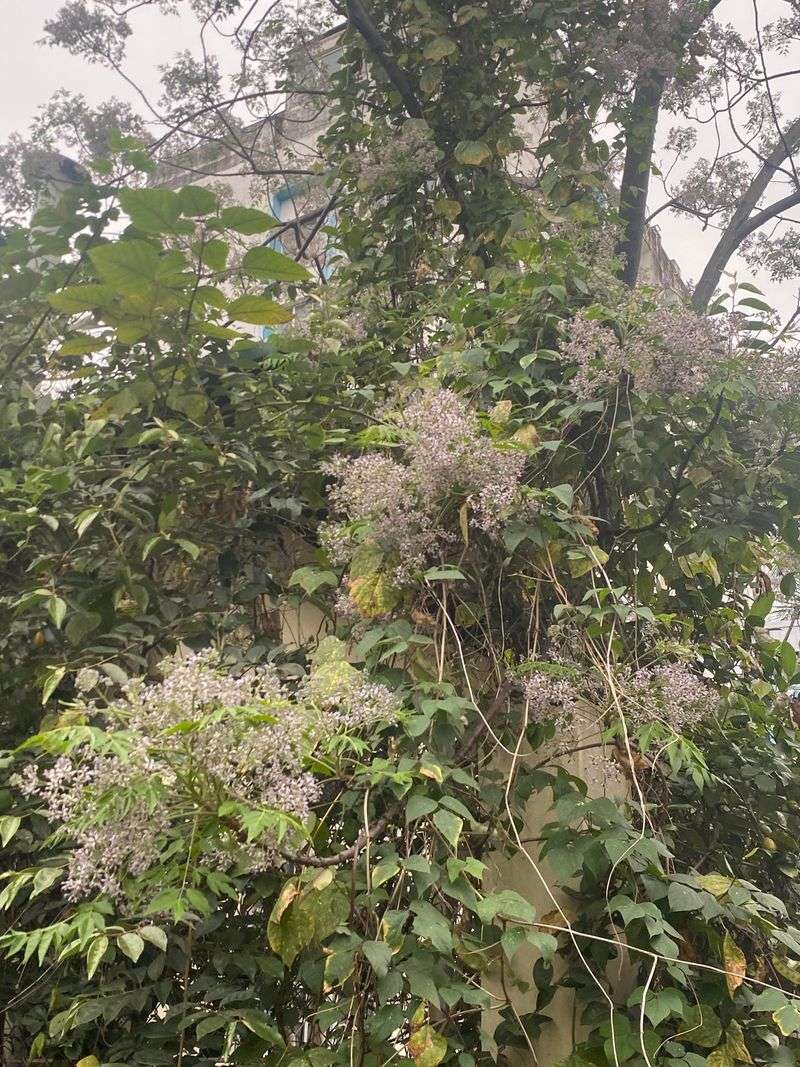
In spring, Chinaberry produces small, fragrant purple flowers that grow in clusters. Those flowers eventually develop into round, berry-like fruit.
The fruit starts green and ripens to a pale yellow or tan color as the season progresses.
Clusters of yellow berries often hang on branches well into fall and even through winter after the leaves drop. Seeing bare branches loaded with small yellow fruit is a strong visual cue that you are looking at Chinaberry.
That feature makes winter identification surprisingly straightforward.
Worth noting: the berries are considered toxic to humans and most mammals if eaten in quantity, though birds appear to tolerate them. Households with young children or pets should be aware of this when assessing whether to remove the tree.
Matching all these features together, compound leaves, purple spring flowers, and yellow fall fruit, gives you a solid, confident identification before taking any action in your yard.
5. Birds Can Carry Chinaberry Seeds Into New Areas
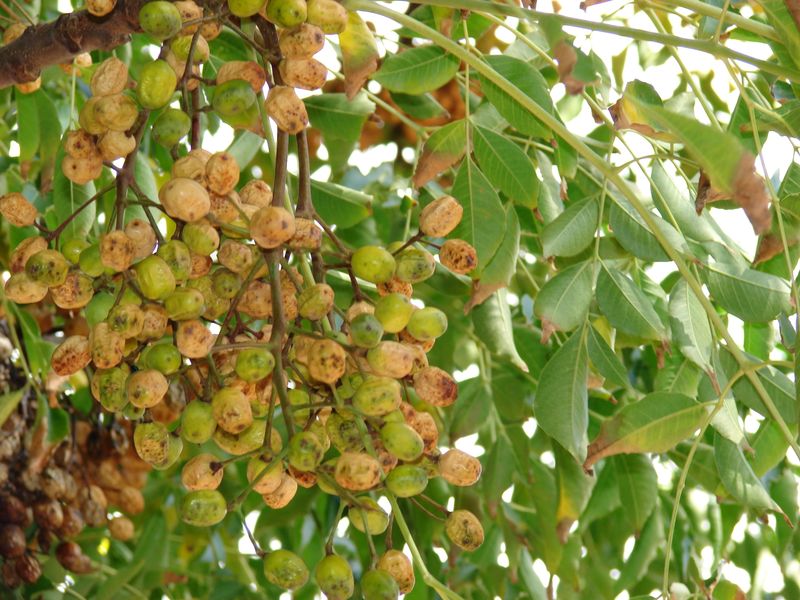
Birds are doing a lot of the spreading work for Chinaberry, and they have no idea they are causing a problem. When birds eat the ripe fruit, the seeds pass through their digestive systems unharmed.
Those seeds get deposited wherever the bird happens to land next.
Mockingbirds, robins, and cedar waxwings are among the species known to eat Chinaberry fruit. These birds travel across neighborhoods, parks, and wooded edges regularly.
A single bird can drop seeds in multiple locations in one afternoon.
That is why Chinaberry turns up in spots that seem random. A seedling sprouting in the middle of your lawn or behind a shed did not walk there.
A bird passed through, and the seed landed in a favorable spot. Germination can happen fairly quickly under warm, moist conditions.
Bird-dispersed seeds are harder to control than seeds that simply fall from a parent tree. You cannot predict where a bird will fly.
Even if you remove every Chinaberry from your property, seeds can still arrive from a neighbor’s tree or a nearby natural area.
Staying consistent with yard walkarounds is the practical response. Checking for new seedlings in spring and early summer gives you the best chance of catching bird-dropped seeds before they grow into established saplings.
Prompt removal of sprouts keeps the situation manageable over time.
6. New Growth Can Return Even After The Trunk Is Cut
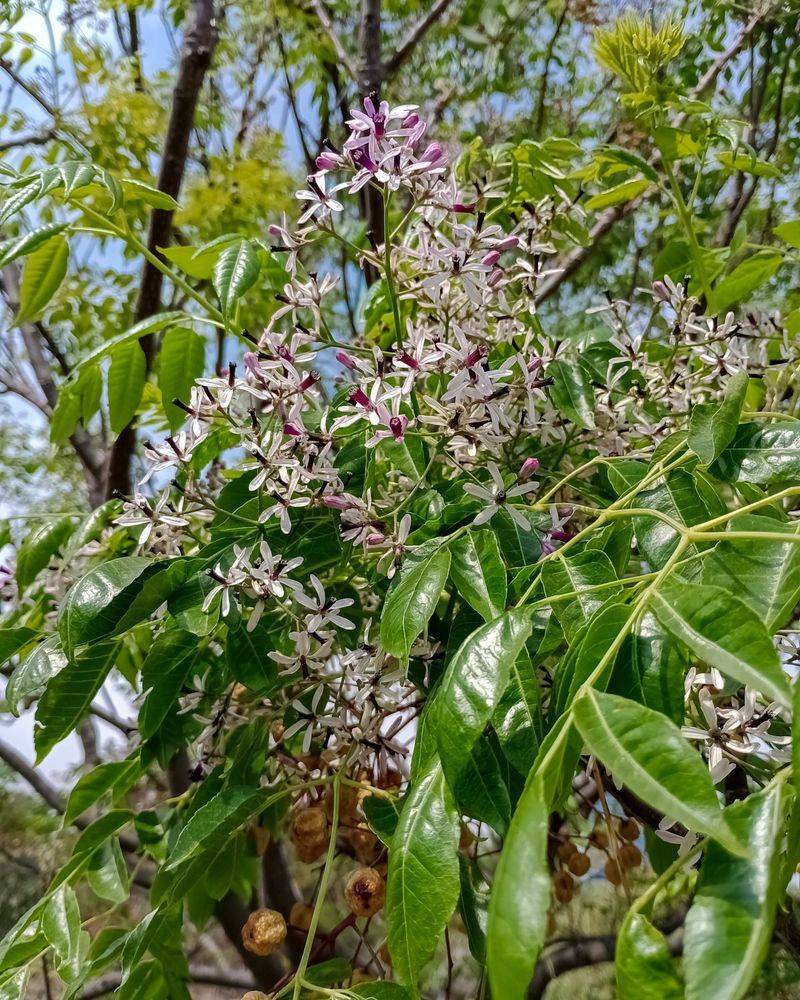
Cutting a Chinaberry down is not the end of the story. One of the most frustrating things about this tree is its ability to resprout from the stump or roots after removal.
New shoots can appear within weeks of cutting.
The root system stays active even after the trunk is gone. Stored energy in the roots fuels new sprout growth.
Left unchecked, those sprouts can develop into new stems that eventually reach tree size again.
Repeated cutting without follow-up treatment tends to result in a bushier, multi-stemmed regrowth rather than a single trunk. Some homeowners end up with a denser problem than they started with after cutting alone.
That is a common and understandable frustration.
Treating the cut stump promptly after removal gives better results. Herbicide products labeled for stump treatment can be applied directly to the cut surface to reduce regrowth.
Following product directions carefully and checking local regulations before applying anything is always a smart move.
Monitoring the removal site through the following growing season is important. Even with treatment, some regrowth can occur and will need to be addressed.
Staying on top of new sprouts early, before they establish again, is the key to making removal stick over time.
Patience and consistency matter more than a single aggressive action. Repeated follow-up visits to the site are a realistic part of managing Chinaberry effectively in a home landscape.
7. Removing Small Trees Early Makes The Problem Easier To Control
Timing is everything with Chinaberry. A small seedling with a pencil-thin stem can often be pulled out by hand with minimal effort.
Waiting even a few months changes that picture significantly.
Larger saplings develop a stronger root system that resists hand-pulling. At that stage, a shovel or pruning saw becomes necessary.
Removing a tree that has been growing for two or three seasons takes considerably more work than pulling a fresh sprout.
Early spring is a practical time to search for new Chinaberry sprouts. Soil is often moist from winter rain, which makes pulling easier.
Growth is just starting, so roots have not had time to anchor deeply yet.
Regular yard walkarounds through spring and summer help you catch new seedlings before they gain size. Checking spots where birds tend to perch or congregate is especially useful, since those areas receive more seed deposits over time.
Wearing gloves during removal is a reasonable precaution, particularly around the berries and sap. Bagging removed plant material before disposal reduces the chance of seeds spreading further.
Check with your local waste management guidelines for proper disposal options in your area.
Staying consistent year after year is what keeps Chinaberry from reclaiming space in your yard. Early removal, done regularly, is far less work than dealing with a mature tree.
Small actions taken at the right time add up to real, lasting results.