What Arizona Lantana Needs In September For Strong Fall Blooms
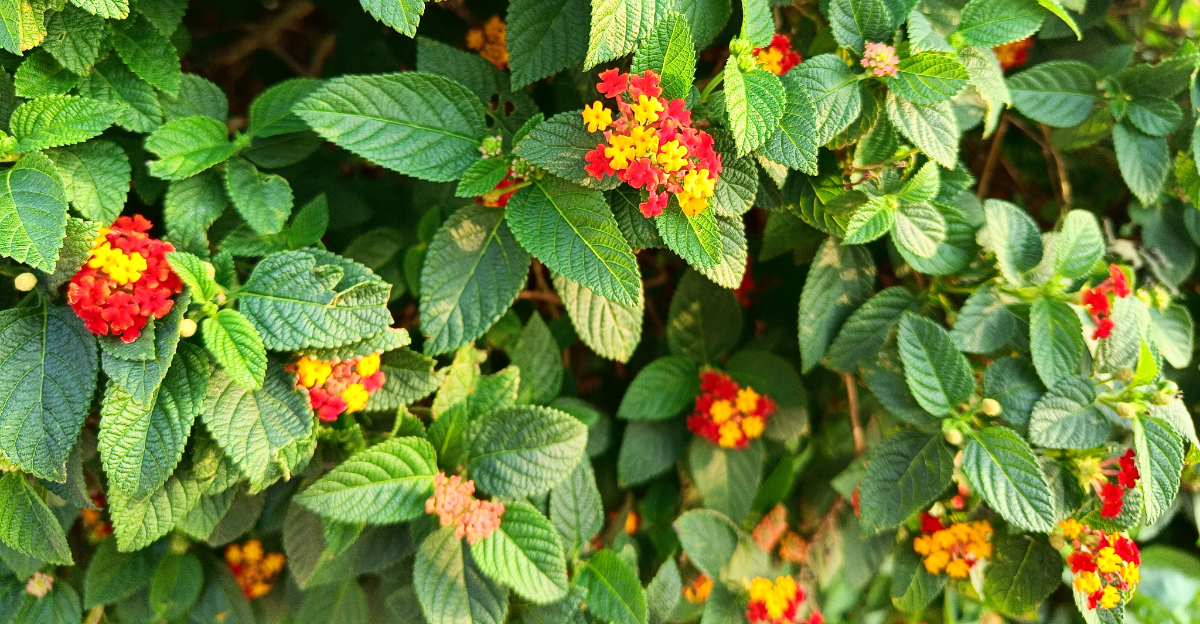
Lantana can still have plenty of color left to give after the hottest months. September care can influence how well those bright flower clusters continue into fall.
Do not assume a plant that handled summer can simply coast through the seasonal change. Small adjustments now can support healthier growth and better flowering.
Your lantana may already be showing clues about what it needs next. Faded blooms or tired growth can make this an important moment to pay attention.
In Arizona, warm September conditions can keep lantana actively growing and flowering. That gives gardeners another chance to encourage a colorful display before cooler weather arrives.
The goal is not to push the plant with excessive care. Lantana often performs best when its basic needs are handled correctly.
Give yours the right September attention, and fall color can keep going strong.
1. September Can Bring Another Strong Flush Of Lantana Flowers
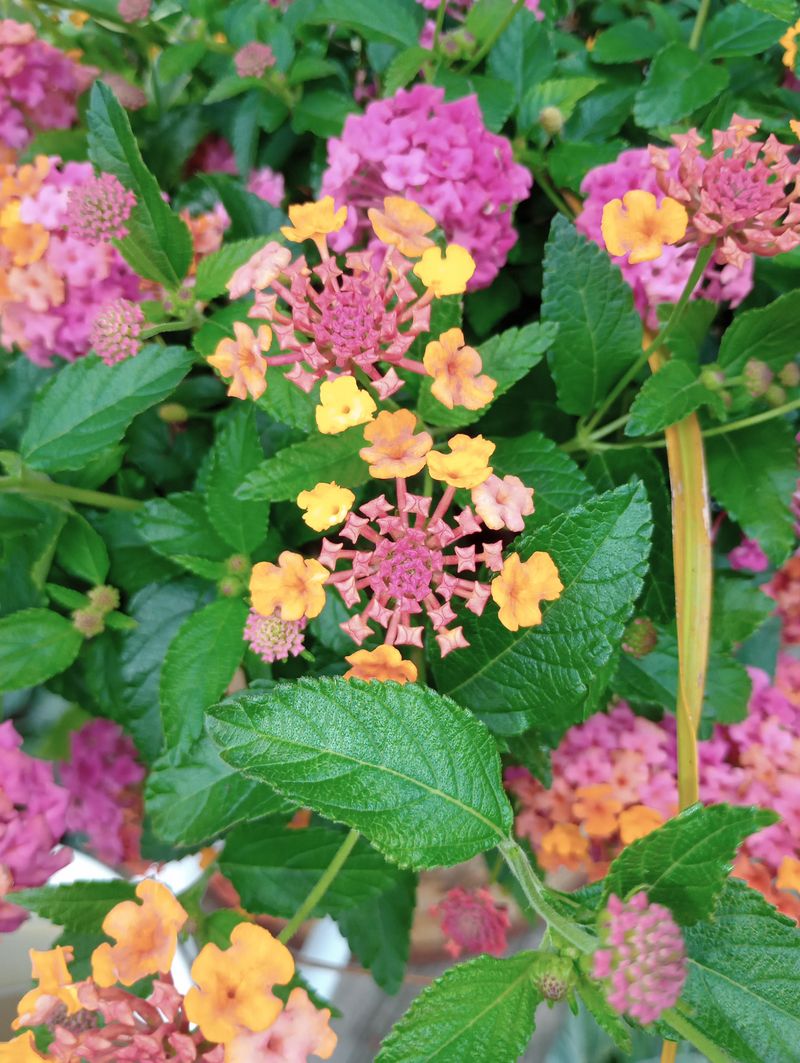
Lantana has a habit of surprising gardeners in September. After grinding through weeks of triple-digit heat, many plants look a little ragged by late summer.
But as temperatures start to drop, lantana often responds with a fresh round of blooms that can rival anything it produced in spring.
Late summer heat can actually stress the plant enough to pause flowering. Once that stress eases, the plant redirects energy back into producing new buds.
Gardeners across Arizona often notice this shift happening right around the first week of September.
The key is making sure the plant is set up to take advantage of that shift. A little extra care in early September, like light feeding and consistent watering, can make a real difference in how heavy that second flush turns out to be.
Lantana varieties like “New Gold” and “Miss Huff” tend to rebloom reliably in fall under the right conditions. Results can vary depending on the specific plant, its location, and how much stress it carried through summer.
Keeping realistic expectations is helpful, but the potential for a strong fall showing is genuinely there.
2. Plenty Of Sun Helps Keep New Blooms Coming
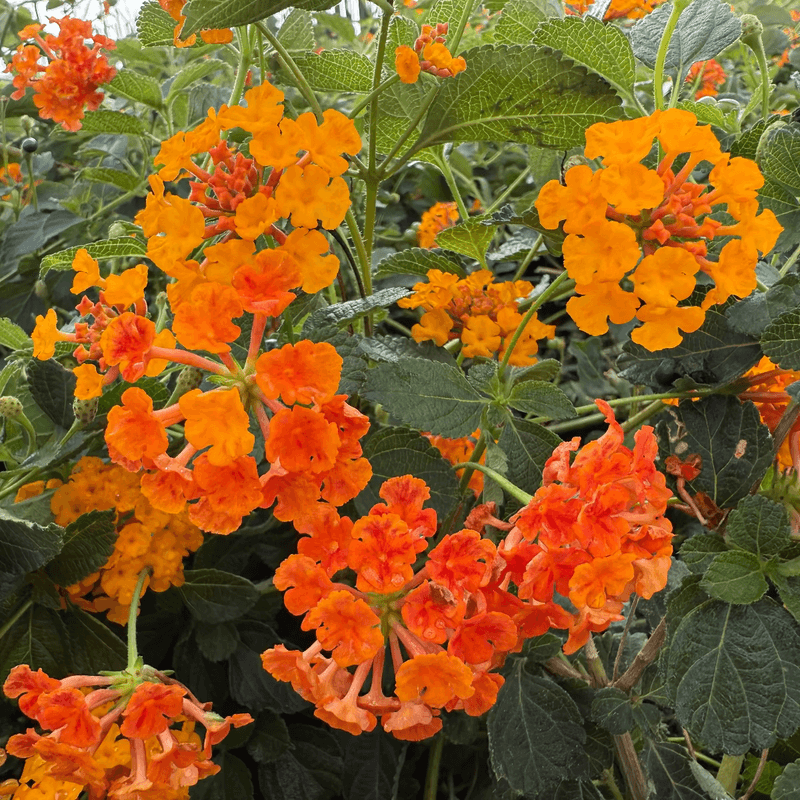
Lantana is not shy about what it needs from the sun. Without at least six hours of direct sunlight each day, flower production drops off noticeably.
September in the Southwest still delivers plenty of strong sun, which works in the plant’s favor.
Shaded lantana tends to grow more leaf cover and fewer flowers. If your plant is getting blocked by a fence, a wall, or a neighboring shrub, that could explain why blooms seem sparse.
Trimming back nearby plants or moving containers to a sunnier spot can help.
Full sun also helps the soil dry out at a reasonable pace between waterings. Lantana does not do well in soggy conditions, and good sun exposure helps keep moisture levels balanced.
That balance matters more in fall when temperatures start to cool and evaporation slows down.
Potted lantana has an advantage here because you can reposition it to chase the best light. In-ground plants need to make do with their location, so choosing a south or west-facing spot from the start pays off over time.
Your Arizona Garden Changes Every Week. Your Plan Should Too.
Gardening in Arizona changes quickly throughout the season. Every Friday you’ll receive a simple weekly plan showing exactly what to plant, prune, fertilize, harvest, and protect so you never miss the right timing.
Strong sun in September is one of the plant’s best assets for pushing out a solid fall bloom cycle.
3. September Temperatures Call For A Change In Watering
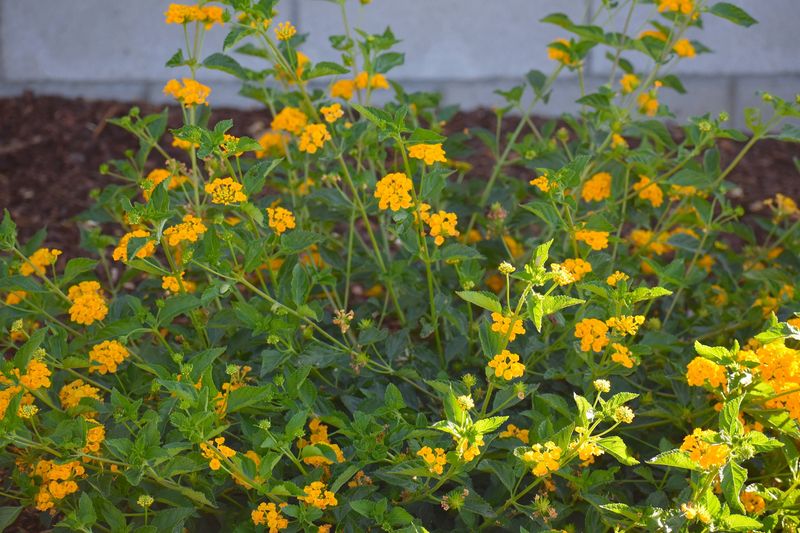
Watering schedules that worked in July and August may not be right for September. As temperatures drop, the soil holds moisture longer.
Sticking to a heavy summer watering routine when the heat eases can leave roots sitting in damp soil longer than they should.
Lantana prefers to dry out somewhat between waterings. A good rule of thumb is to check the top two inches of soil before watering again.
If the soil still feels moist, hold off for another day or two.
Deep, infrequent watering tends to produce stronger root systems than shallow, frequent watering.
Watering deeply once or twice a week in September, depending on your specific conditions, encourages roots to grow downward rather than staying near the surface.
Drip irrigation systems may need a small adjustment this month. Reducing run time slightly can prevent overwatering as evaporation rates drop with cooler mornings and shorter days.
Keep an eye on the plant for signs of stress, like wilting during cooler parts of the day, which can sometimes signal waterlogged roots rather than thirst.
Soil type also affects how quickly moisture drains. Sandy desert soils drain fast, while amended garden beds hold water longer.
Knowing your soil helps you fine-tune watering timing for better results in fall.
4. Removing Spent Flowers Keeps The Plant Looking Fresh
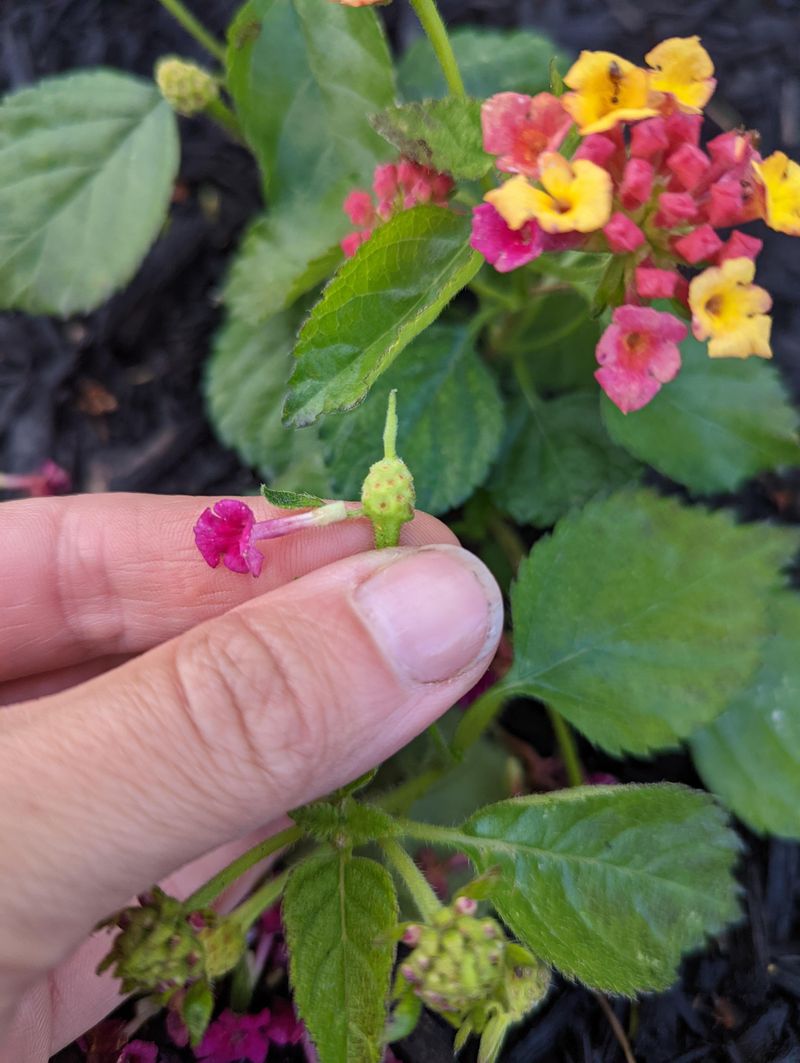
Spent flower clusters on lantana do not just look untidy. Leaving them on the plant can slow down the production of new blooms.
Removing faded flowers, a practice called deadheading, encourages the plant to put energy into new bud development instead of seed production.
Lantana produces small berry-like seeds after flowering. While some birds enjoy them, letting the plant focus on setting seed rather than blooming can reduce flower output.
Snipping off spent clusters before berries form helps redirect that energy.
Deadheading does not have to be a big project. A quick pass through the plant every few days with a pair of hand pruners or even your fingers is enough to make a difference.
Focus on clusters that have turned brown or dropped their petals.
Gardeners who deadhead regularly through September often report a noticeably fuller second bloom compared to plants that were left untouched. That said, results can vary based on the variety, plant health, and overall growing conditions.
Deadheading is a low-effort habit with a reasonable payoff in most cases.
Wearing gloves is a smart move when handling lantana. The foliage can cause mild skin irritation in some people.
Keeping a small pair of pruners nearby makes it easy to deadhead during a regular garden walk without turning it into a separate chore.
5. Light Trimming Helps Keep Leggy Growth Under Control
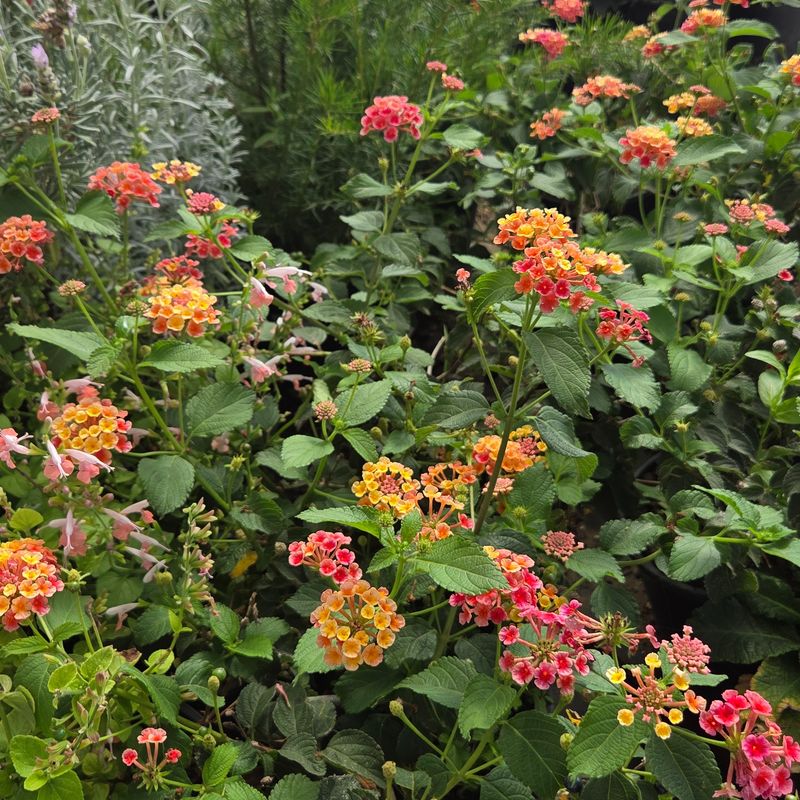
By the time September arrives, lantana plants can look stretched out and uneven. Long, bare stems with flowers only at the tips are a sign the plant has gotten leggy over the summer.
Light trimming helps tighten up the shape and encourages bushier growth.
Cutting stems back by about one-third is a reasonable approach for fall trimming. Avoid cutting too deep into old woody growth, since that can stress the plant heading into cooler weather.
Focus on the newer, green stems where regrowth happens faster.
Trimming also improves air circulation through the plant. Dense, tangled growth traps moisture and can create conditions where fungal issues are more likely.
Opening up the canopy a bit helps the plant stay healthier through fall.
Timing matters here. Light trimming in early to mid-September gives the plant enough time to push out new growth before temperatures drop significantly.
Waiting until late October means new growth may not have time to mature before cooler nights slow things down.
Sharp, clean pruners make a cleaner cut that heals faster. Ragged cuts from dull blades can leave the plant more vulnerable to disease.
Wiping blades with a damp cloth between plants is a practical habit, especially if you are working through several shrubs in one session.
6. Warm Weather Keeps Lantana Growing Through September
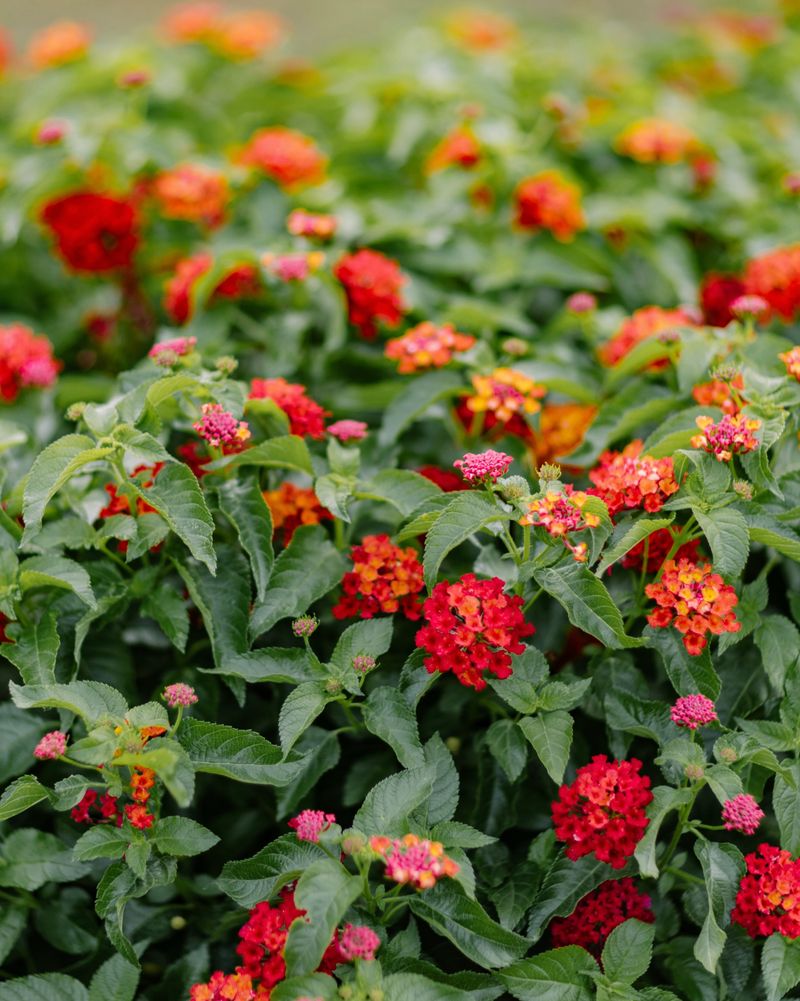
September in the low desert is still warm by most standards. Daytime highs often stay in the 90s through mid-month, and soil temperatures remain elevated even as nights start to cool.
Lantana handles this transition well because it genuinely thrives in warm conditions.
Cooler mornings can actually benefit the plant. Lower overnight temperatures reduce heat stress and give the plant a chance to recover between hot days.
Gardeners in Arizona often notice improved plant vigor and more consistent blooming as September progresses.
Warm soil encourages root activity and nutrient uptake. Feeding lantana with a balanced, slow-release fertilizer in early September can support that root activity and fuel new flower production.
Avoid heavy feeding late in the month when you want the plant to start winding down naturally.
Warm weather also means pest pressure can continue into fall. Spider mites and whiteflies are common on lantana during warm, dry stretches.
Checking the undersides of leaves regularly and spraying with water to dislodge pests is a simple, practical first step before reaching for any product.
The warm September window is genuinely one of the better periods for lantana in the desert. Taking advantage of it with consistent care gives the plant a strong platform for its best fall performance.
7. Cooler Fall Weather Eventually Slows Flower Production
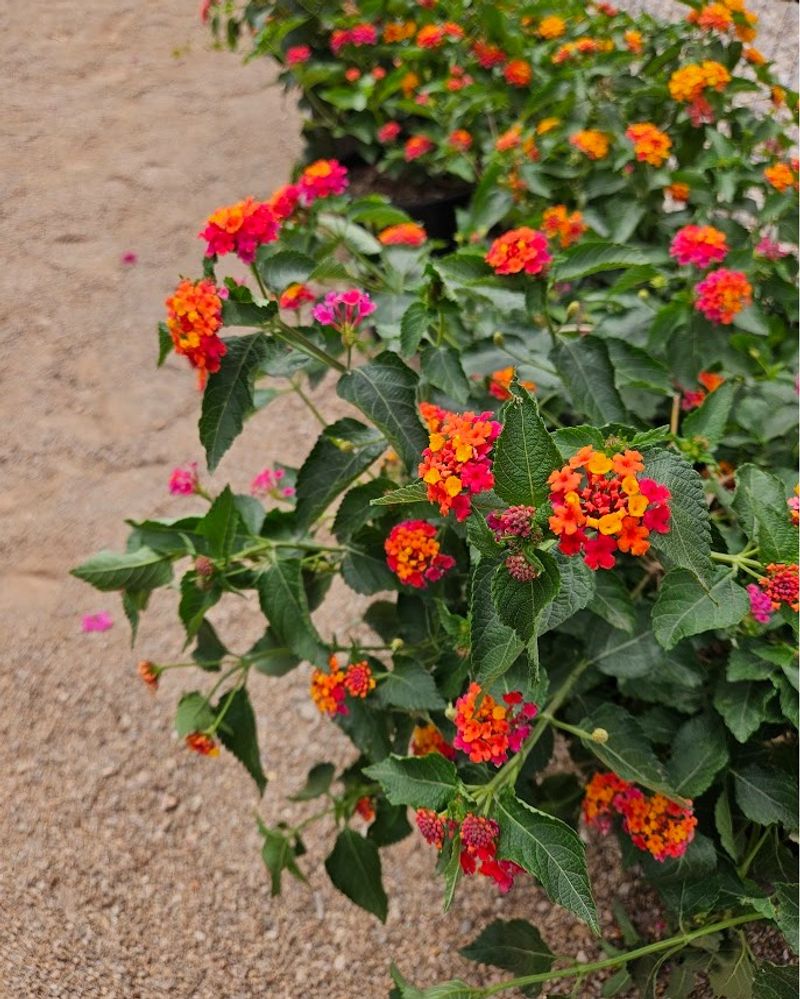
Lantana is heat-loving at its core. As October approaches and nights drop into the 60s and lower, flower production starts to taper off.
That slowdown is natural and not a sign that something went wrong with your plant or your care routine.
Cooler soil temperatures slow root activity and reduce the plant’s ability to take up nutrients efficiently. Less nutrient uptake means less energy available for blooming.
The plant begins to shift focus toward maintaining its existing structure rather than pushing out new flowers.
In warmer parts of the low desert, lantana may continue producing scattered blooms through November in mild years. Frost-free locations can extend the season noticeably compared to higher elevation areas where temperatures drop faster.
Local conditions vary quite a bit across the region.
Cutting back on fertilizer in late September helps the plant slow down gradually. Pushing heavy feeding late in fall can encourage soft new growth that struggles when cold nights arrive.
Let the plant transition at its own pace once the season starts turning.
The end of the bloom cycle is actually a good time to assess the plant’s overall health. Note which areas rebounded well and which stayed sparse.
That information helps you plan trimming, feeding, and positioning adjustments for a stronger performance when warm weather returns next year.