What Keeps Digging In Your Garden At Night? Look For These Signs
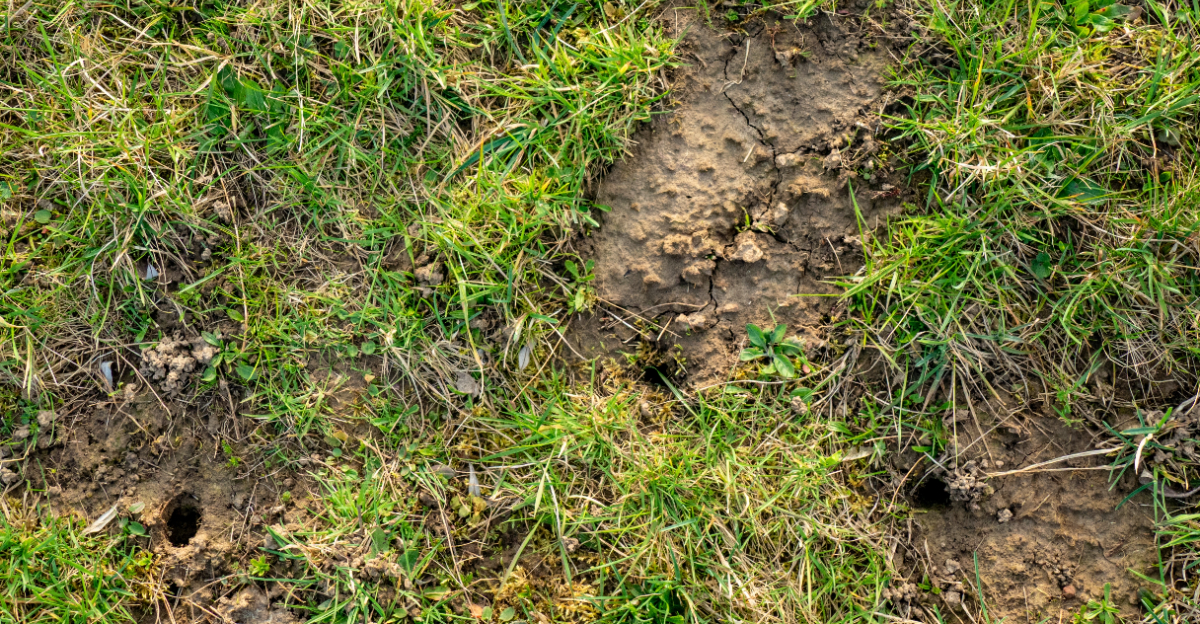
Yesterday there were carrot tops poking through the soil in a neat row. This morning there’s dirt, a few loose leaves, and gaps where the plants used to be.
Something visited while you slept. It left behind clues in the soil, and those clues are surprisingly easy to read once you know the alphabet.
Every midnight visitor has a signature move. Some scoop neat little cones, others peel back turf like a rug, and a few leave tracks that look almost handmade.
So grab a flashlight and your detective hat. The eight signs below will help you name your nocturnal guest and figure out what to do next.
1. Cone-Shaped Holes And Rolled-Back Turf
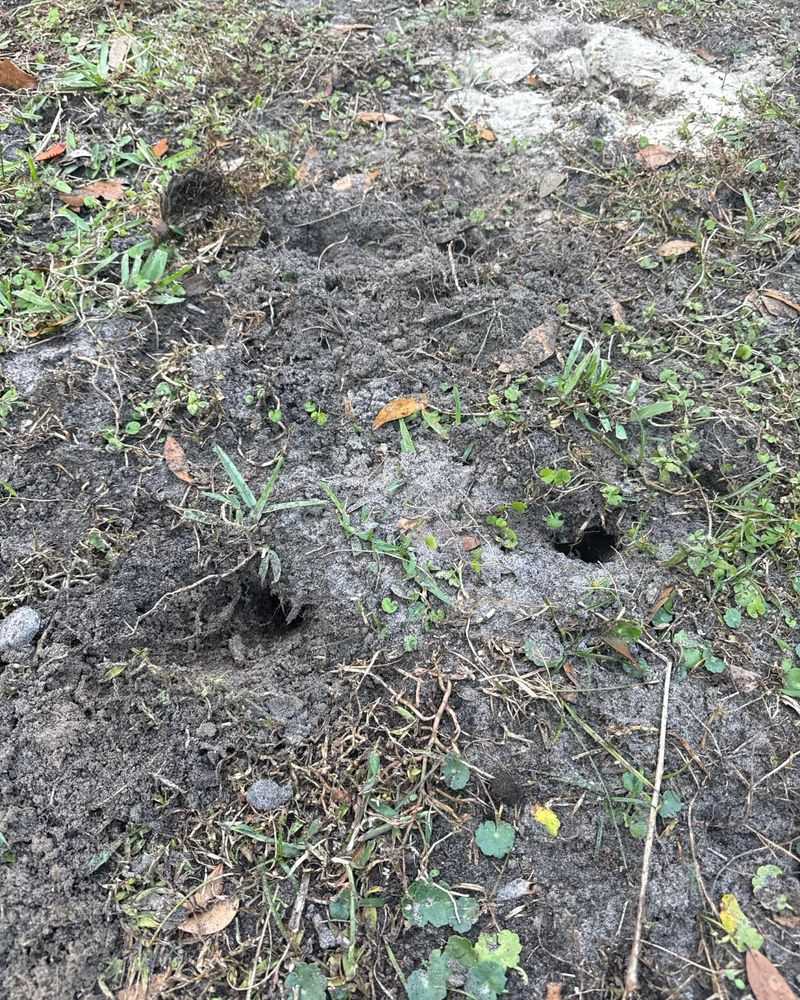
Small, scattered holes across the lawn are usually the work of a raccoon or skunk hunting for grubs and earthworms.
Skunks tend to leave small, tidy cones about two to four inches wide and just as deep. Their snouts work like little shovels, poking straight down where they smell a grub wiggling below.
Raccoons take a bolder approach with their nimble front paws. They grab the edge of your sod and peel it back in strips, sometimes flipping whole squares of grass upside down like pages in a book.
The best clue is timing. Grub damage peaks in late summer and early fall, right when beetle larvae sit closest to the surface and the soil stays soft from rain.
A quick way to confirm grubs before treating the whole lawn is the tug test. Grab a patch of damaged turf and pull gently. If it lifts away like loose carpet with little root resistance, grubs have likely chewed through the root system underneath.
Fixing the buffet solves the problem faster than chasing the diner. Beneficial nematodes or milky spore applied to your lawn reduce the grub population over a season or two, which makes your yard far less interesting.
Water deeply but less often so the top few inches are not constantly damp and grub-friendly. Press the flipped turf back down, step on it firmly, and give it a drink so the roots reconnect.
A motion-activated sprinkler near the worst spots works wonders too. Most masked visitors decide a surprise shower is not worth the snack and move along to a quieter yard.
2. Fresh Soil Mounds With Hidden Entrances
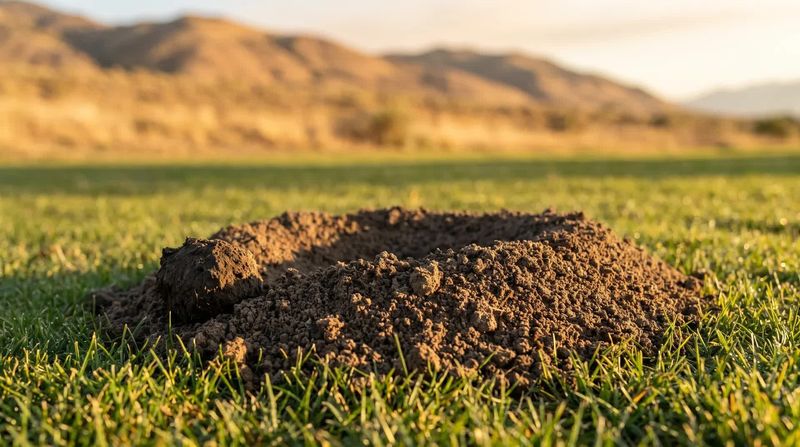
Some mornings you find little volcanoes of loose dirt sitting in the middle of your bed, with no obvious doorway. That hidden-entrance detail matters more than you might expect.
Pocket gophers push soil out of a side tunnel, then plug the opening with a dirt cork. Their mounds look fan-shaped or crescent-shaped, and the plug sits off to one side rather than in the center.
Moles build differently. Their hills are rounder and more volcano-like, with soil pushed straight up from a vertical shaft, plus raised ridges snaking across the surface where they tunnel just below.
Reading the mound tells you what is on the menu. Gophers are plant eaters who chew roots, bulbs, and sometimes pull whole seedlings down from below, while moles hunt worms and insects and mostly cause damage by accident.
For gophers, buried hardware cloth baskets around prized roots protect individual plants. Line raised beds with half-inch galvanized mesh before you fill them and you sidestep years of frustration.
For moles, focus on tolerance and repair. Flatten ridges with a rake, firm the soil around loosened roots, and remember that their tunnels actually loosen compacted ground and reduce some pest larvae.
Keep a garden journal of where new mounds appear each week. Mapping the pattern shows you the main runway, which is exactly where barriers or traps do the most good.
3. Five-Toed Handlike Tracks In Mud
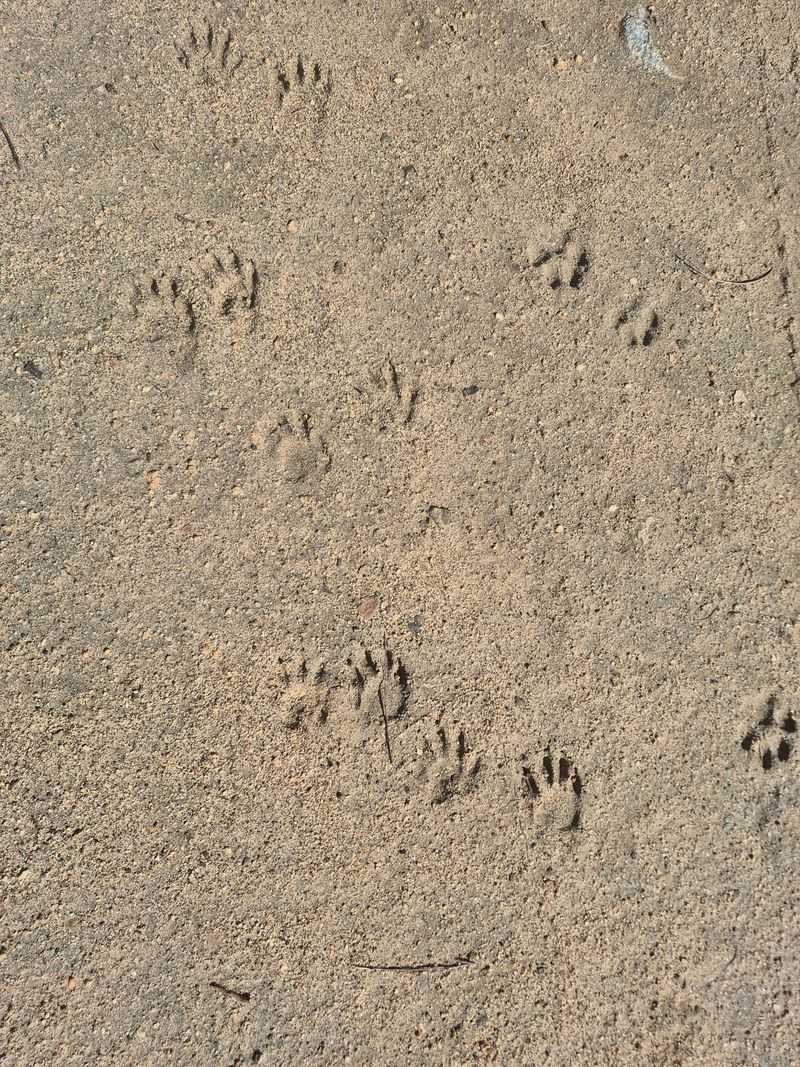
A damp patch of soil near the damage will often hold a clear footprint by morning.
Raccoon prints look startlingly human, like a toddler pressed tiny hands into the dirt. Five long toes fan out from a rounded palm, and the front and back prints often sit side by side.
Opossum tracks have a similar handlike look, but the back foot shows a thumb sticking out sideways at a wide angle. Once you notice that odd thumb, you cannot unsee it.
Skunk prints are smaller and stubbier, with visible claw marks well ahead of the toe pads. Cats and dogs, by contrast, leave four rounded toes with no thumb and usually no claw marks for cats.
Setting up a track trap takes two minutes. Rake a two-foot square smooth, sprinkle a thin layer of dry sand or flour over it, and place a bit of overripe fruit in the center.
Photograph what you find with a coin or your thumb beside the print for scale. Size separates a young raccoon from an adult and helps you guess how many visitors you are hosting.
Knowing the species changes your whole plan. Fencing that stops a skunk barely slows a raccoon, and a climber needs a very different barrier than a burrower does.
4. Bitten Bulbs And Missing Seedlings
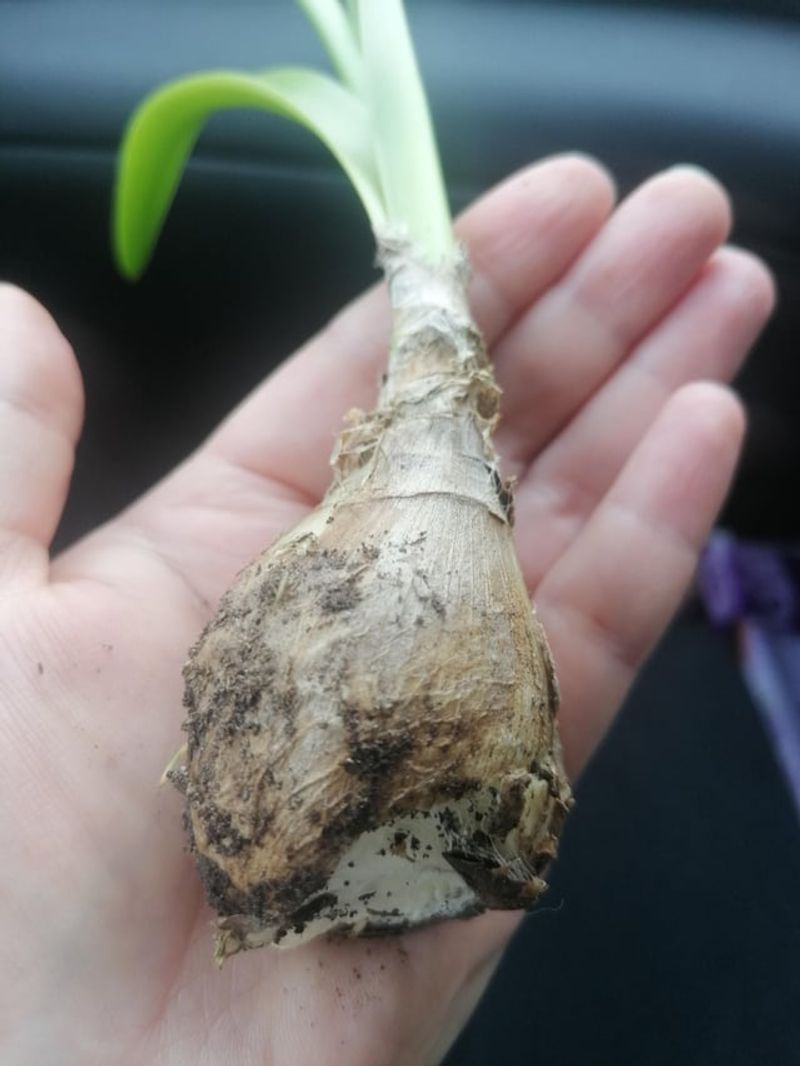
Bulbs planted in October sometimes turn up missing by November, with empty holes left behind. Bulb thieves are a specific crowd with specific habits.
Squirrels and chipmunks dig shallow, sloppy pits and often leave papery bulb skins scattered nearby. They frequently rebury a bulb somewhere else, which is why tulips randomly appear in your lawn come spring.
Voles work from below and leave the surface nearly untouched. You pull on a healthy looking plant, it lifts out with no roots at all, and a small hole sits underneath.
Rabbits do not really dig for bulbs, so if stems are clipped at a clean forty-five degree angle instead, blame a different diner. Deer leave ragged, torn edges because they lack upper front teeth.
Young seedlings are most vulnerable in the first two weeks after transplanting, before roots anchor deep. A row cover or mesh cloche over new transplants blocks most digging and nibbling until they toughen up.
Protecting bulbs is mostly about texture and smell. Lay chicken wire flat over freshly planted areas, cover it with an inch of mulch, and remove it once shoots push through in spring.
Mixing sharp crushed gravel into the planting hole discourages tunneling paws. Daffodils, alliums, and fritillaria are naturally unappealing to most rodents, so plant them as a border around tastier tulips.
Clean up leftover bulb papers and any spilled birdseed too. A tidy planting site smells far less like a treasure map, and your spring display has a much better chance of surviving until it blooms.
5. Burrow Openings Under Sheds And Fences
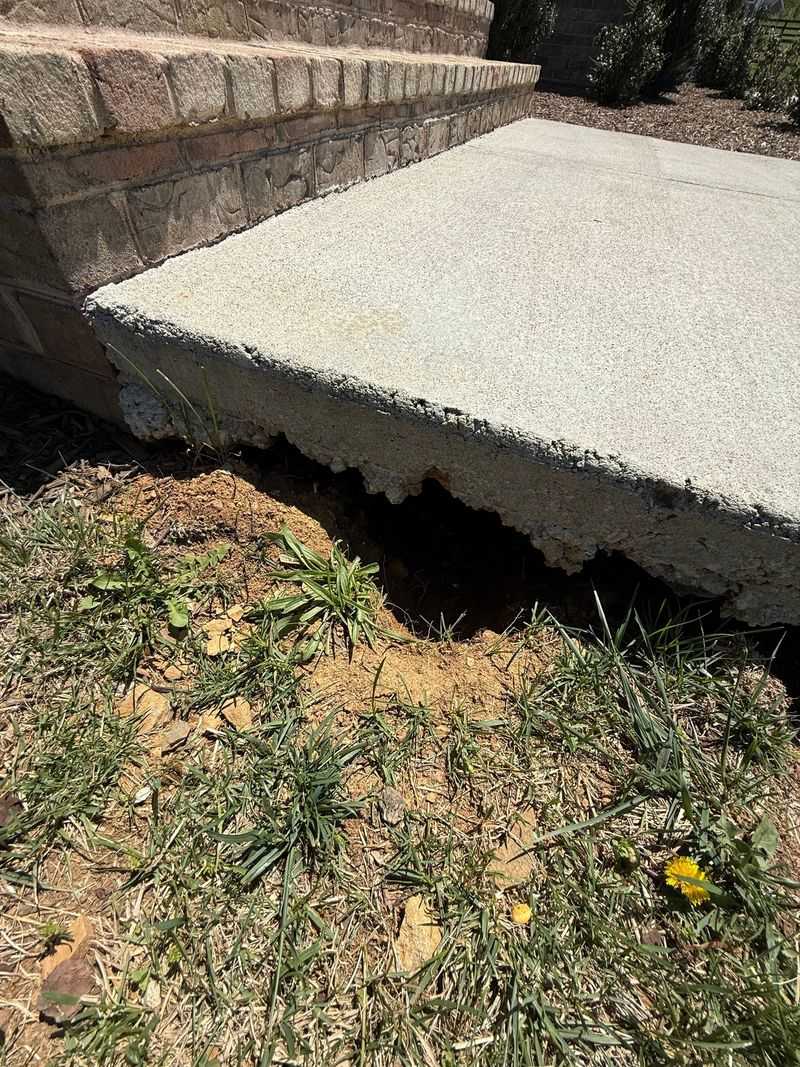
Check the base of your shed, deck, or fence line. A round opening with loose dirt fanned out in front usually marks an active burrow.
Groundhogs, also called woodchucks, dig entrances roughly ten to twelve inches wide with an impressive dirt pile out front. Their main hole is usually near cover, with a second escape hatch hidden nearby and no dirt pile at all.
Skunk burrows run smaller, around six to eight inches, and often smell faintly musky. Rats leave holes about two to three inches across, usually with smooth, greasy edges from repeated traffic.
Worn paths in the grass tell you which door gets used most. Follow the trail and you will often find it leads straight to your bean rows or melon patch.
Spiderwebs, fallen leaves, or debris settled across an opening are a good sign the burrow is inactive. A fresh, clear entrance with compacted soil at the rim usually means it’s still in regular use.
Blocking a burrow works best after the resident has moved on, so check for activity with loosely stuffed newspaper for a couple of days. If the paper stays put, the tunnel is likely vacant.
Bury an L-shaped skirt of hardware cloth about a foot down and a foot outward along shed edges. Digging animals hit the horizontal lip, get frustrated, and generally give up rather than tunnel farther.
Trim tall weeds and stack firewood away from structures. Open, exposed ground feels risky to burrowers, and most will choose a brushier neighbor’s yard instead.
6. Scattered Droppings Near The Damage
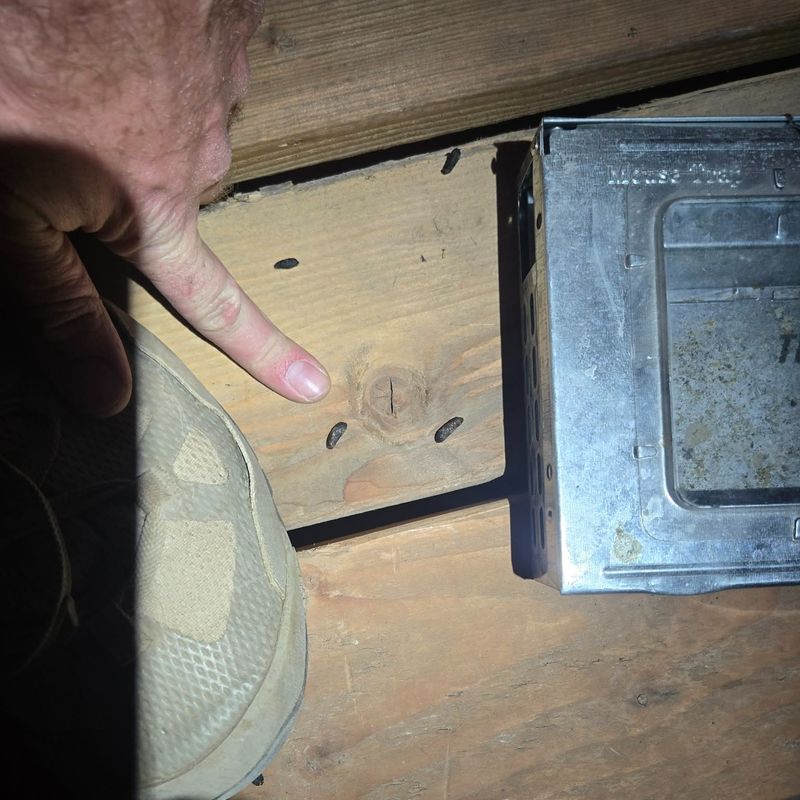
Droppings are one of the clearest indicators in the garden. They reveal the species, the diet, and roughly how recent the visit was.
Raccoon scat is tubular, blunt on the ends, and often stuffed with seeds, corn bits, or berry pits. It shows up in flat, obvious spots like logs, deck rails, or the middle of a path.
Rabbit pellets are round, dry, and about the size of a pea, usually in loose scattered piles. Deer droppings look similar but larger and more oval, often clustered in dozens.
Rat droppings are dark, rice-shaped, and pointed at one end. Groundhog scat is rarely seen at all because they use a toilet chamber inside their burrow, which is oddly tidy of them.
Location matters as much as shape. Scat left in the open, on rocks, logs, or trail junctions, often marks territory, while droppings tucked near a burrow entrance usually point to where the animal is denning.
Handle none of it barehanded. Wear disposable gloves, use a plastic bag turned inside out, wash your hands well afterward, and skip using a leaf blower or dry broom that could stir up dust.
Note the location on a simple yard sketch along with the date. Droppings concentrated along one fence line usually mark a regular travel route worth blocking or fencing.
Also check whether droppings sit near your compost pile. Uncovered kitchen scraps are the number one reason nighttime visitors put your address on their regular rounds, and a sealed bin often ends the parade.
7. Fur Tufts Caught On Wire And Wood
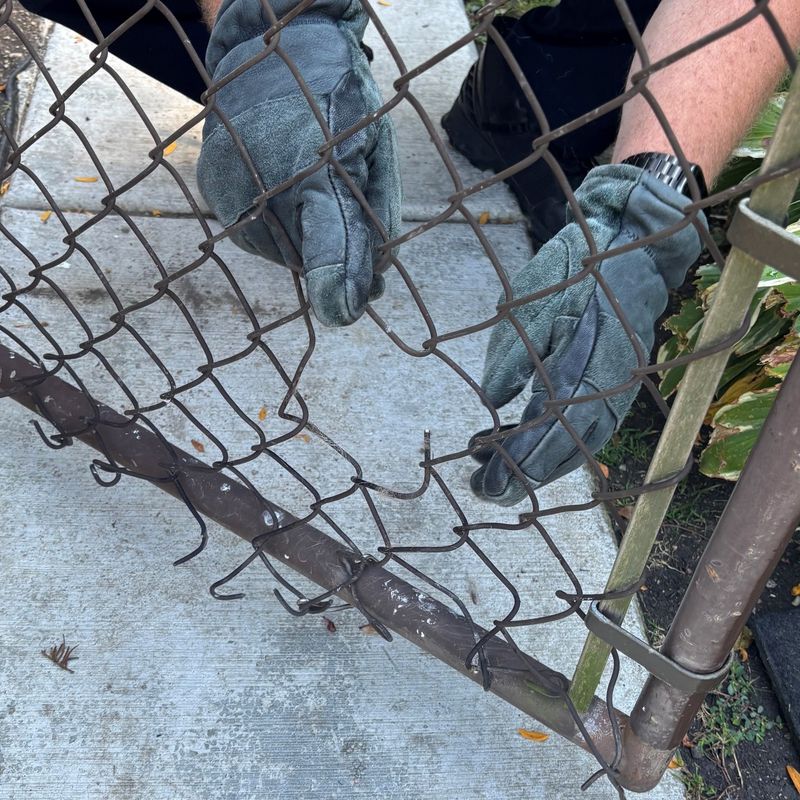
Fences rarely stop wildlife completely, but the fur caught on them can identify who’s getting through. Run your eyes along the bottom wire where an animal squeezed through and you may spot a souvenir.
Coarse black and white hairs mean skunk, and the two-tone pattern is unmistakable even in a small tuft. Grayish, banded guard hairs with a soft undercoat usually point to a raccoon.
Groundhog fur is thick, brownish, and often frosted with lighter tips. Rabbit fur feels remarkably soft and pulls apart easily between your fingers, while deer hair is stiff, hollow, and brittle enough to snap.
Check the height of the snag as well. Hair caught at ankle level suggests a squeezer or digger, while fur three feet up on a post hints at a climber testing your defenses.
Once you know who is squeezing under, the repair gets easy. Pin the bottom of your fence tight to the ground with landscape staples every foot, or add a wire apron flat on the soil.
Bend the top six inches of a wire fence outward at an angle for climbers. Raccoons and squirrels hate an unstable, floppy overhang and usually abandon the attempt.
Save a few samples in a labeled envelope. If damage returns next season, you can compare fur and instantly know whether you are dealing with the same tenant or a brand-new one.
8. Trail Camera Footage After Dark
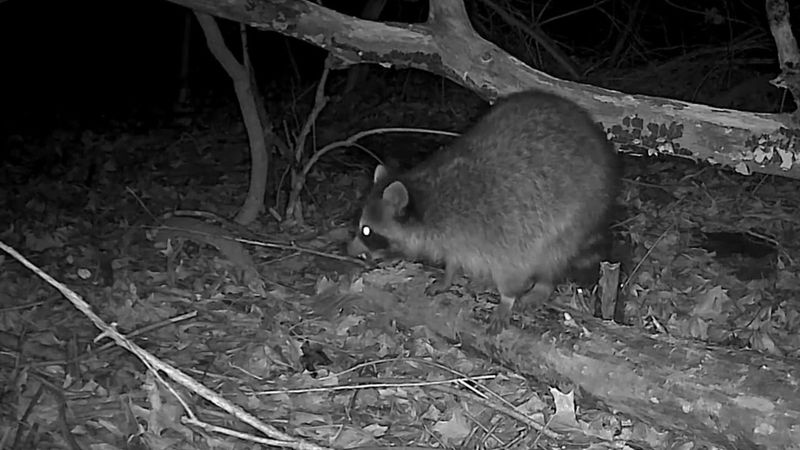
Signs in the soil only tell you so much, which is where a trail camera fills the gaps. A cheap trail camera turns your garden mystery into a nightly nature documentary.
Mount the camera roughly two feet off the ground, angled slightly downward toward the disturbed area. Low placement catches short-legged visitors that a chest-height camera would miss entirely.
Face it north if you can so sunrise glare does not wash out the first frames. Clear grass and branches from the view because moving stems trigger endless empty photos.
Set it to take a short video plus a still image, with the shortest delay between triggers. Movement patterns often identify an animal even when the face is blurry, since a waddling skunk moves nothing like a bounding rabbit.
Check timestamps carefully. Visitors between nine and midnight are often raccoons and opossums, while pre-dawn activity leans toward skunks, and daytime digging usually means squirrels or chipmunks.
Add a small handful of cracked corn or a wedge of melon just inside the frame for the first two nights only. That short lure confirms the species quickly, then remove it so you do not build a habit.
Once the visitor is identified on camera, the right fix becomes obvious. Targeted fencing, lighting, or habitat cleanup works faster than a season of guessing.