The Reason Stink Bugs Pick One Side Of A Maryland House And Ignore The Other
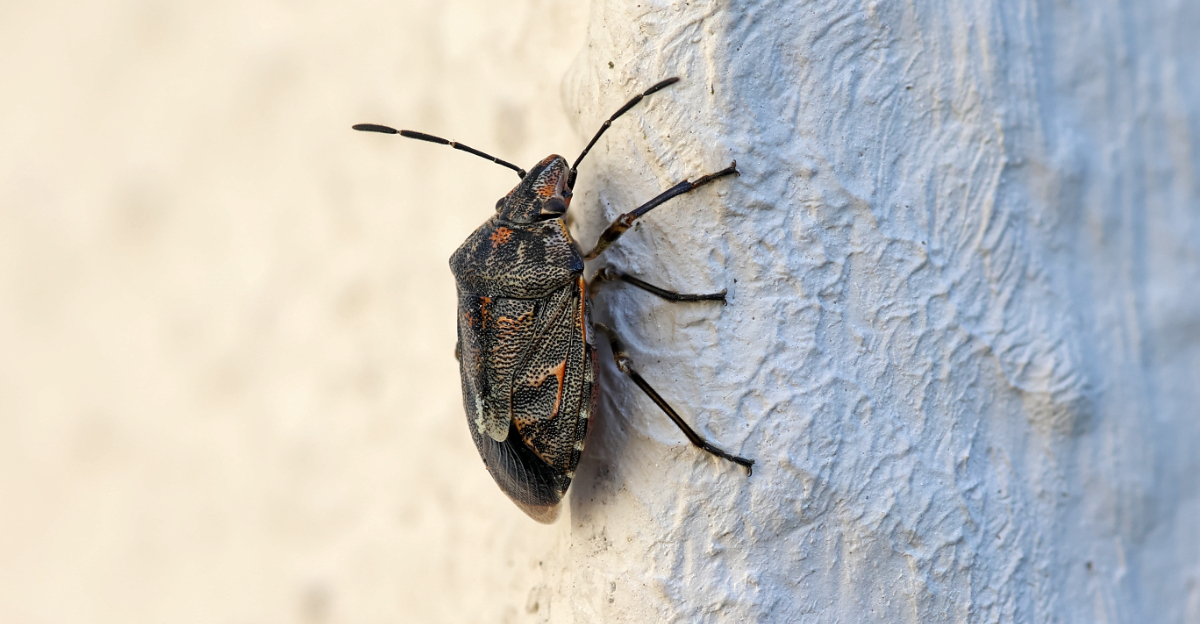
Every September in Maryland, something odd happens on the outside of a house. One wall turns into a crowded waiting room, while the wall around the corner stays oddly empty.
You can stand there with a cup of coffee and count dozens of tiny shapes clinging to the siding. Walk twenty steps to the other side and the paint looks freshly washed.
It is not random, and it is not bad luck. The pattern follows a handful of clues involving sunlight, warmth, wind, and the way your home was built.
Once you understand what draws them to a favorite wall, you can stop guessing and start blocking the invitation. Here are seven reasons that one side of your house gets picked and the other gets skipped.
Warm Afternoon Sun On The South And West Walls
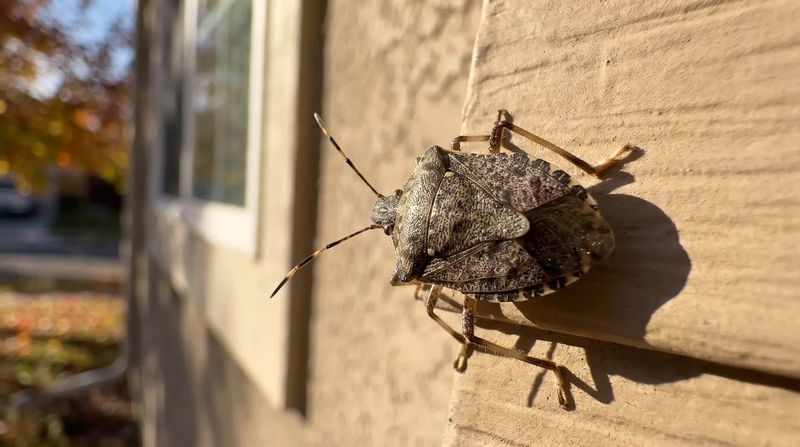
Picture a wall soaking up sunshine from late morning until dinnertime. That surface can run ten to fifteen degrees warmer than the shaded side, and stink bugs notice.
In Maryland, south and west walls catch the longest stretch of direct autumn light. Those surfaces hold heat well into the evening, right when the bugs start hunting for winter shelter.
The angle matters as much as the direction. A wall that faces southwest often edges out a true south wall, since it keeps catching low afternoon sun after other exposures have already slipped into shadow.
Roofline and neighboring structures play a part too. A wall with nothing blocking the horizon soaks up sun for hours longer than one tucked behind a garage or a stand of trees.
Homes on a slope add another wrinkle. A wall set slightly higher on a hillside often stays sunlit later in the day than the same wall would on flat ground.
Weather patterns shift the picture from year to year. A stretch of clear September days pushes more bugs toward the sunniest wall, while a cloudy season spreads them out a little more evenly.
None of this is guesswork once you know what to look for. The sunniest stretch of wall on your house, at the time of day the bugs are most active, is usually where the crowd gathers.
That single detail is the thread running through everything else about where these bugs choose to land.
The Cold-Blooded Pull Toward A Warmer Wall
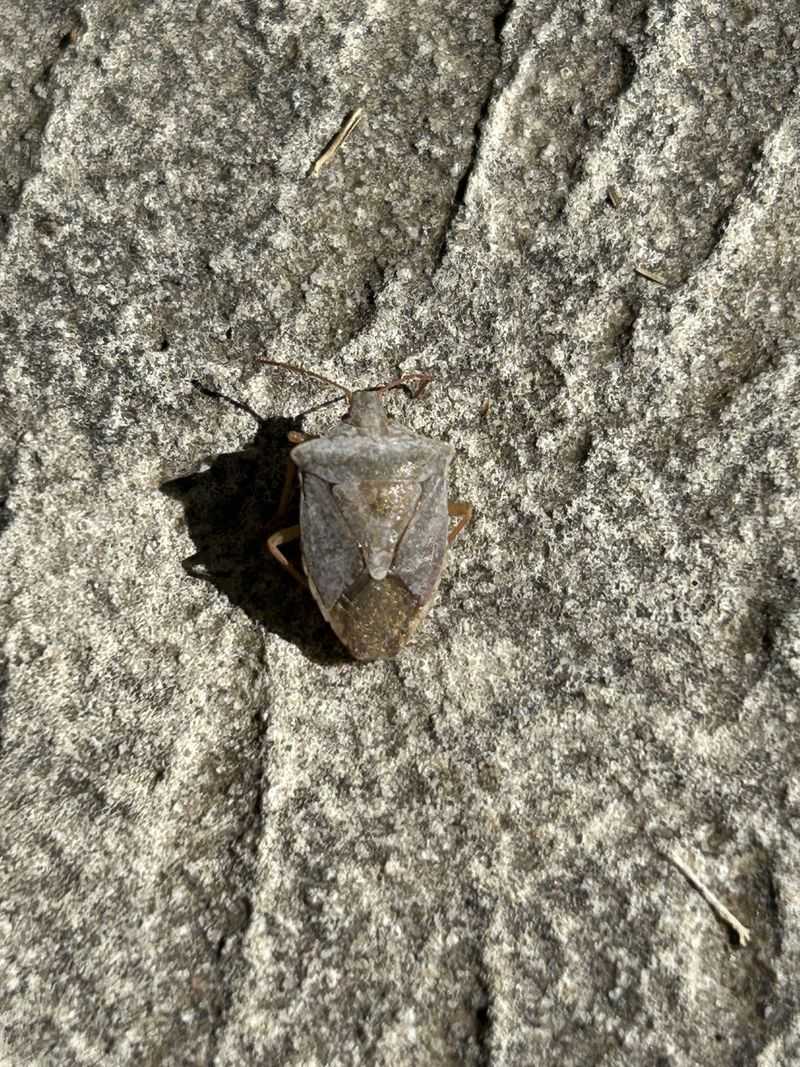
Brown marmorated stink bugs are cold-blooded, so their body temperature simply matches whatever surface they’re resting on. There’s no internal furnace keeping them moving once the air turns cool.
A warm wall works like a battery for these insects. It keeps their muscles active and their senses sharp enough to keep searching for a crack to slip into before winter sets in.
On a shaded or cool surface, the opposite happens fairly quickly. Their movement slows, their reflexes dull, and they become far less capable of finding shelter before nightfall.
This is why the same species can look strikingly different depending on where it lands. A sluggish bug barely moving on a north wall might be darting from crack to crack twenty feet away on a warm one.
Researchers who study the species describe this fall behavior as a search for a safe overwintering spot, driven largely by dropping temperatures outside. Heat gives the bugs the energy reserves to keep that search going a little longer each day.
That search often peaks in the hours right before sunset, when a sun-warmed wall is at its hottest and outdoor air is starting to cool. It’s a narrow window, but stink bugs seem to use it efficiently.
Understanding this pushes the mystery past simple bad luck. A warm wall isn’t just a comfortable spot to land, it’s a resource the bugs are actively seeking out before the season turns against them.
Wall Materials That Store And Release The Day’s Heat
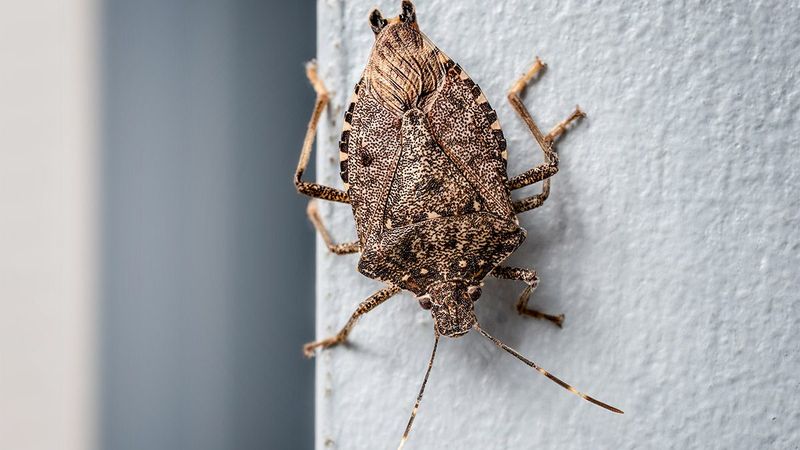
Not every wall warms up and cools down the same way, even with identical sun exposure. The material behind the paint or siding decides how long that heat actually sticks around.
Brick and stone act like a thermal battery. They absorb heat slowly through the afternoon, then release it gradually for hours after the sun has moved on, which keeps the surface warm well past sunset.
Vinyl siding behaves almost the opposite way. It heats up fast under direct sun but loses that warmth quickly once the light fades, so a vinyl wall can go from hot to cool in under an hour.
Wood siding sits somewhere in the middle. It holds a moderate amount of heat, though a coat of dark paint or stain can push its surface temperature noticeably higher during peak sun hours.
Stucco tends to perform closer to masonry, holding warmth for a good stretch of the evening. That’s one reason older stucco homes in Maryland often report heavier fall gatherings on their sunniest elevation.
A wall’s insulation matters too, in a less obvious way. Poorly insulated walls let some indoor warmth escape outward, giving the exterior surface a small extra boost overnight.
Two identical homes with different siding materials can end up with very different bug counts on their sunniest wall. The material itself is quietly shaping how long that wall stays attractive after the sun goes down.
The Shaded Side Of The House That Bugs Skip
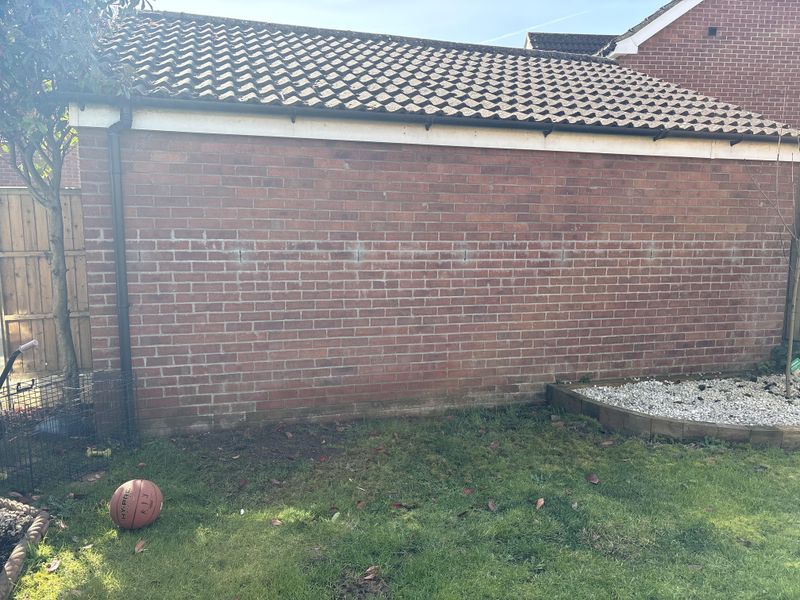
Walk around to the north or shaded east side of the same house and the difference is obvious right away. The wall looks clean, the corners are quiet, and there’s rarely more than a stray bug or two.
That side of the house misses most of the day’s direct light. Without the sun hitting it for long stretches, the surface rarely builds up the heat that draws a crowd in the first place.
Even on a mild September afternoon, a shaded wall can sit ten degrees cooler than its sun-facing counterpart. For a cold-blooded insect, that gap is the difference between an inviting resting spot and a place worth skipping.
Trees and taller structures make the contrast sharper. A mature oak or a neighboring garage that blocks morning and midday sun keeps that section of wall in near-constant shade, cooling it further.
Bugs that do land on the shaded side rarely stay long. Without the warmth to keep them active, they tend to drift back toward sunnier ground within minutes.
This explains why some homeowners swear their house has almost no stink bug problem, while a neighbor a few doors down deals with a heavy fall gathering. Orientation and shade, more than luck, usually explain the gap.
Comparing both sides of your own house on the same afternoon is often the fastest way to see the pattern for yourself. The busy wall and the quiet wall are usually mirror opposites in how much sun they get.
A Simple Heat Check To Confirm Your Hottest Wall
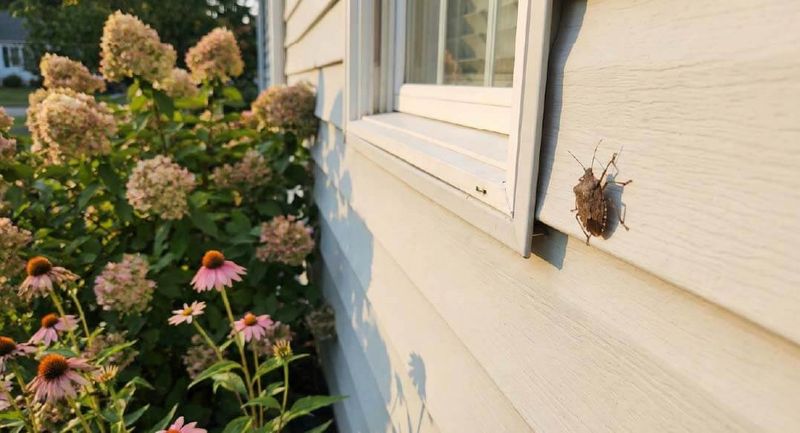
An infrared thermometer takes the guesswork out of finding the hot spot on your house. These handheld tools cost little, and pointing one at siding gives an instant surface reading.
The best time to test is around 4 p.m., when afternoon sun has had hours to build up heat but hasn’t started fading yet. Walk the perimeter and note the reading on each wall.
Compare the numbers side by side rather than relying on memory. A difference of even eight to ten degrees between two walls is usually enough to explain a noticeable gap in bug activity.
No thermometer on hand? A simple touch test works in a pinch. Press the back of your hand against different walls in the late afternoon and the warmest one is usually easy to identify.
Watching the bugs themselves is another useful check. Stink bugs tend to appear on a warm wall within an hour or two of peak sun exposure, so timing a walk-around with that window often confirms the pattern directly.
Testing more than once helps rule out a fluke. A single overcast day can skew results, so checking on two or three sunny afternoons gives a more reliable picture of which wall consistently runs hottest.
Once you’ve identified the wall, that’s where sealing cracks, adding screens, and adjusting shade will do the most good. Testing first saves time by pointing your effort at the one spot that actually matters.
Shade And Landscaping That Cool Down A Hot Wall
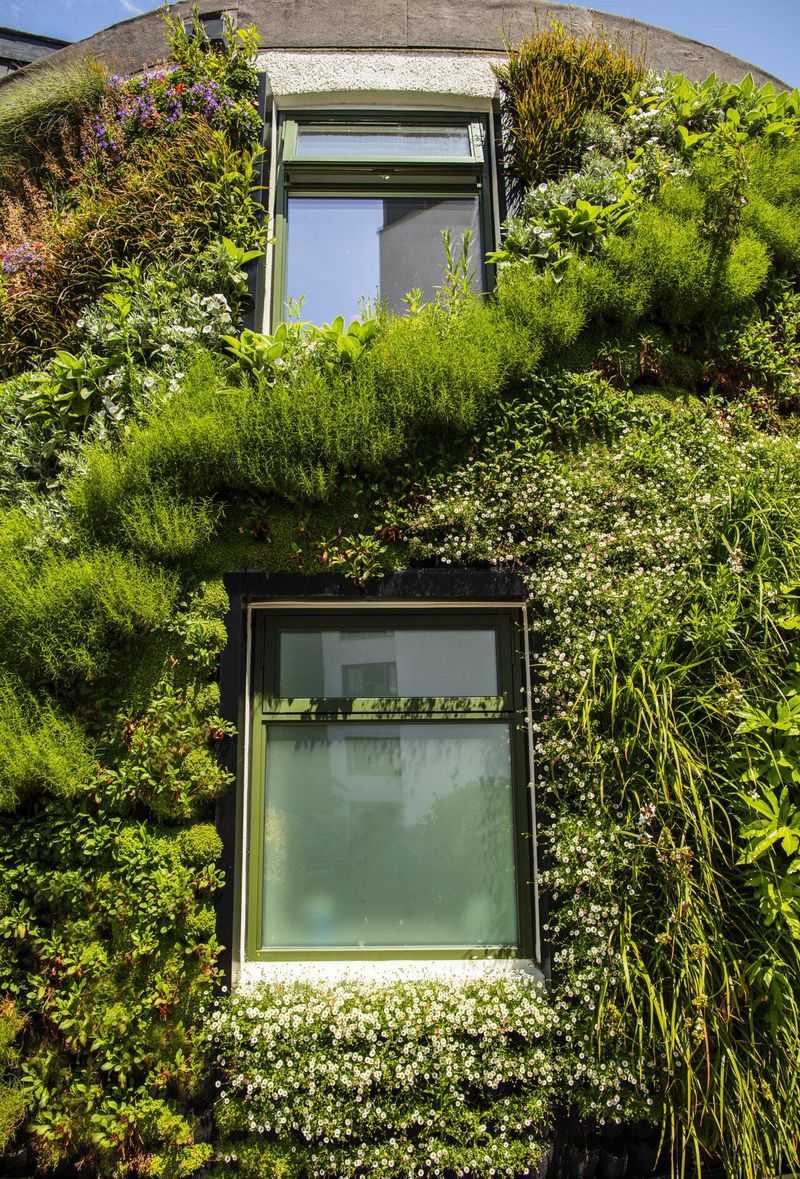
Once the hottest wall is identified, the most direct fix is cutting down how much sun actually reaches it. Less afternoon heat on the siding means less reason for bugs to gather there.
An awning or a retractable shade sail over a south or west wall can lower surface temperatures noticeably during peak sun hours. Even a partial cover across the hottest stretch makes a measurable difference.
Deciduous trees are a longer-term option worth considering. Planted on the sunny side, they block strong afternoon light through the fall while still letting sun reach the house once their leaves drop in winter.
A pergola or trellis with climbing vines works well for a west-facing wall in particular, since that side often takes the most intense late-day sun. The extra structure breaks up direct light without blocking airflow.
Tall shrubs planted a few feet from the foundation can cast useful shade lower on the wall, where bugs often cluster near cracks and vents. Leaving some clearance behind the plants still allows airflow and easy access for maintenance.
Exterior shutters, if the house already has them, can be angled or extended slightly to block late-day sun on the worst wall. It’s a small adjustment that costs nothing beyond a bit of time.
None of these changes need to happen all at once. Even one or two shade additions on the sunniest wall tend to shift enough heat away to noticeably thin out the fall gathering.