Why New Jersey Lawns Are Breaking Out In Circular Brown Patches This September And How To Treat It
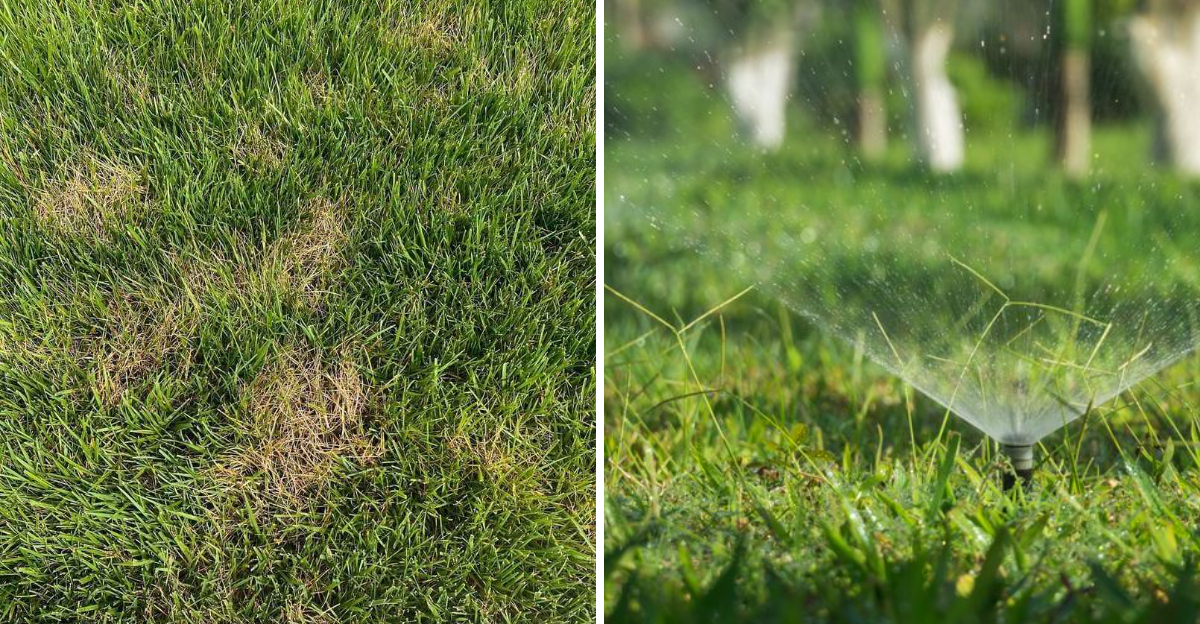
Rings in your lawn appeared overnight, and you have questions. Grass in your yard doesn’t curl into circles by accident.
New Jersey mornings coat your lawn in cold dew that lingers.
Cool nights meet warm soil right beneath your feet. Fungi grow fast once dew settles across your grass.
Homeowners like you blame dogs, sprinklers, or stray heat waves. Reality points you somewhere stranger and far more fixable.
September in New Jersey turns your lawn into the perfect fungal breeding ground. Patterns spread across your grass like signs you can’t ignore.
Circles widen or shrink depending on how wet your soil stays. Answers exist, and they’re closer to you than you think.
Real fixes start with understanding what’s shifting under your lawn.
Roots absorb moisture unevenly, spreading fungus straight through your lawn. Timing matters more than you’d expect this season.
You won’t look at your lawn the same way again.
Brown Patch Fungus Loves Jersey’s Sticky Nights
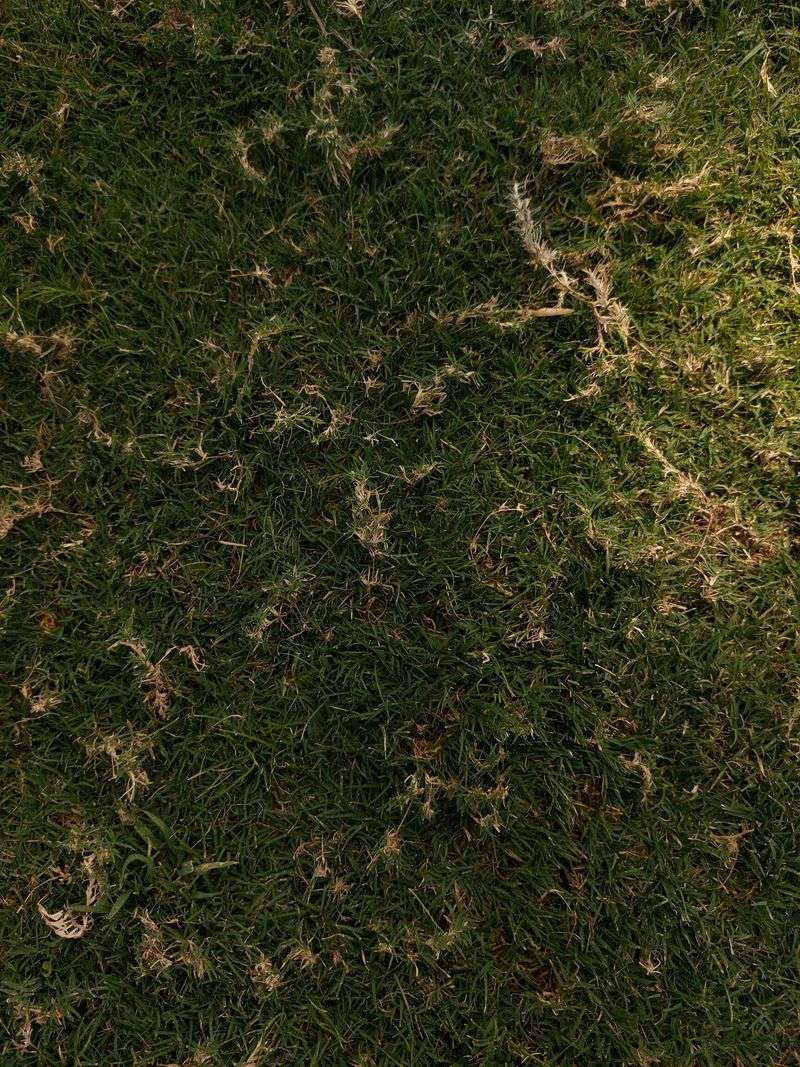
Brown patch often creates a spotted, ring-like pattern across the lawn. That is what Rhizoctonia solani, the fungus behind brown patch, does to cool-season grass across New Jersey each September.
The disease waits for a very specific recipe: daytime highs in the 80s, nights that stay above 65, and humidity thick enough to fog your glasses. Coastal counties like Monmouth and Ocean get hit hard because ocean air keeps moisture hanging around all night.
Circles usually start small, maybe the size of a dinner plate, then spread outward to several feet. Tall fescue and perennial ryegrass are the favorite targets, which covers most Jersey front yards.
Look closely at individual blades in the morning. You may spot tan lesions with dark brown borders, and sometimes a grayish, cobweb-like film called mycelium riding along the outer edge of the ring.
Here is the encouraging part. Brown patch damages leaf tissue only, not the crown or roots, so the grass often bounces back once the weather shifts.
Treatment starts with cutting back nitrogen fertilizer until October, since lush new growth feeds the fungus. Water early in the morning so blades dry by noon, and skip evening irrigation entirely.
For badly affected lawns, a fungicide containing azoxystrobin or propiconazole applied at label rates can stop the spread. Rotate active ingredients if you need a second round.
Mow with a sharp blade at three inches or higher, and bag clippings from infected areas. Clean, dry, slightly hungry turf is what shuts brown patch down.
Grubs Chewing Roots Right Under The Surface
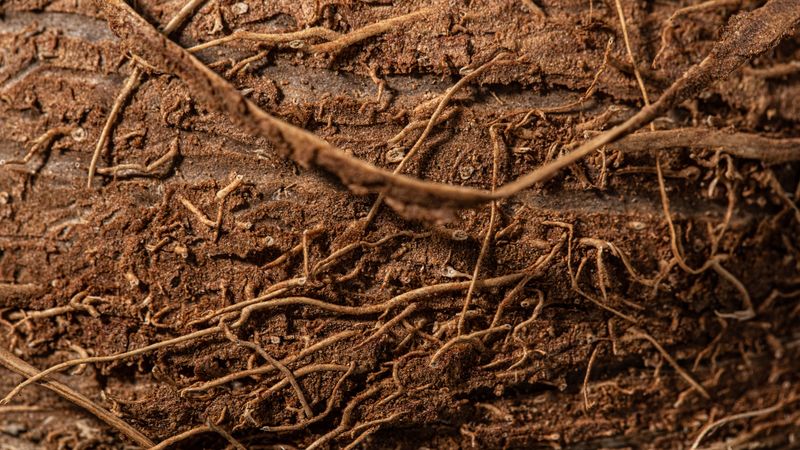
Grab a handful of brown grass and tug. If it lifts like a loose carpet with no roots attached, grubs are a likely culprit, though a quick dig will confirm it.
White grubs are the larvae of Japanese beetles, European chafers, and oriental beetles, all of which are common in New Jersey soil. Adults laid eggs in July, and by September those C-shaped larvae are fat, hungry, and grazing on grass roots about two inches down.
Your New Jersey Garden Changes Every Week. Your Plan Should Too.
Gardening in New Jersey changes quickly throughout the season. Every Friday you’ll receive a simple weekly plan showing exactly what to plant, prune, fertilize, harvest, and protect so you never miss the right timing.
Damage shows up as irregular brown areas that often look roundish at first, then merge into large sunken sections. Skunks, raccoons, and crows digging up your yard at night can be an additional clue.
Do a count before you treat. Cut a one-foot square of turf, peel it back, and tally the grubs.
Fewer than five per square foot rarely needs action; ten or more calls for a response.
Curative products with trichlorfon or clothianidin work on larger September grubs, while preventive treatments like chlorantraniliprole belong on the calendar for next June. Water the product in thoroughly so it reaches the feeding zone.
Beneficial nematodes offer a lower-impact route. Apply them on a cloudy evening into moist soil, and keep the area damp for two weeks afterward.
Once grubs are handled, roll the loose turf back flat, water steadily, and overseed thin spots. Roots regrow surprisingly fast in cool autumn soil.
Dollar Spot Making Silver-Dollar Circles
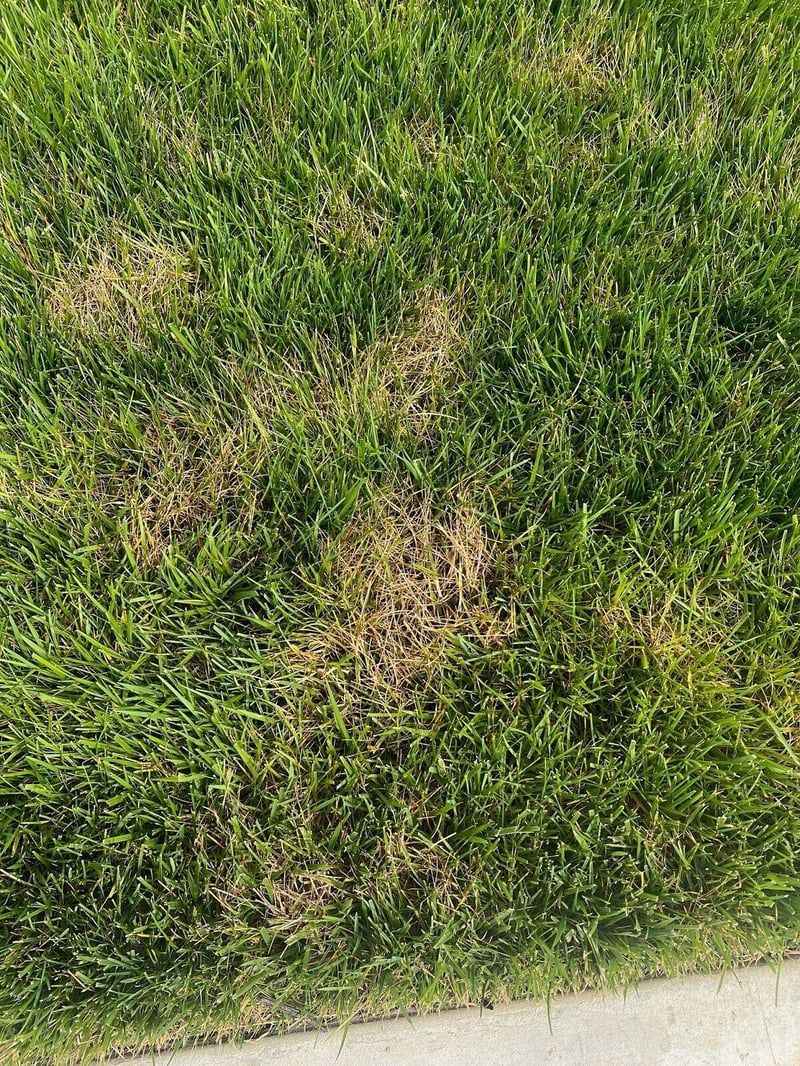
Golf course superintendents in New Jersey monitor closely for this disease, and now it shows up on home lawns too. Dollar spot earns its name from bleached circles roughly the size of an old silver dollar.
Clarireedia jacksonii (formerly known as Sclerotinia homoeocarpa) is the organism responsible, and it thrives when nights turn cool while days stay warm, exactly what September delivers between Sussex and Cape May. Heavy dew is its best friend.
Individual spots measure one to three inches. Left alone, dozens merge into larger blotchy zones that look like someone dragged a bleached mop across the yard.
Check the leaf blades at sunrise. You will see straw-colored lesions shaped like an hourglass, pinched in the middle with reddish-brown edges, plus wispy white threads clinging to wet grass.
Low nitrogen actually encourages dollar spot, which makes it the opposite of brown patch. A light feeding of quick-release nitrogen in early fall often helps turf outgrow the damage.
Knock the dew off each morning by dragging a hose, a rope, or a lawn whip across the grass. Removing that moisture film for a few hours makes a real difference.
Water deeply but less often, aiming for about an inch per week in one or two sessions. Shallow daily sprinkling keeps blades wet and the fungus happy.
Stubborn cases respond to fungicides containing thiophanate-methyl or myclobutanil. Improving airflow by trimming dense shrubs along fence lines also speeds recovery.
Necrotic Ring Spot Leaving Doughnut Shapes
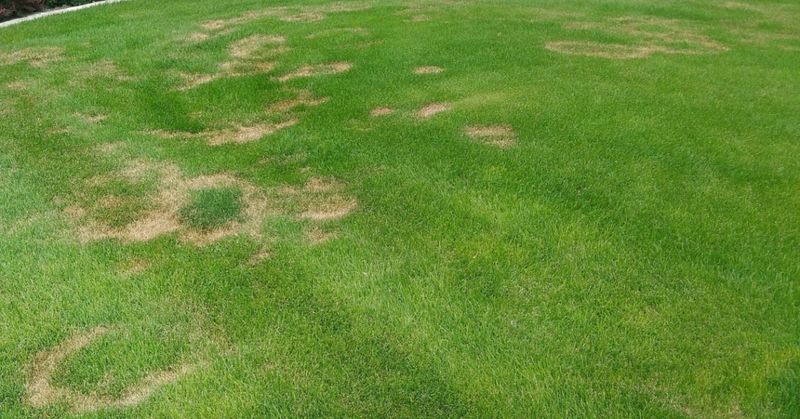
Some rings come with a green center, like a frog-eye staring back at you. That signature belongs to necrotic ring spot, and it fools plenty of homeowners into blaming their sprinkler heads.
Ophiosphaerella korrae causes the trouble, damaging roots and crowns of Kentucky bluegrass. Sod-grown lawns installed within the last five years are the usual victims across northern New Jersey.
Rings range from six inches to three feet wide. The outer band turns straw brown and slightly sunken while grass in the middle stays surprisingly green.
Unlike leaf diseases, this one damages the plumbing that carries water upward. Affected turf wilts fast on warm afternoons even when soil moisture reads fine.
Recovery takes patience, so set expectations accordingly. Core aeration in September breaks up compaction and gives new roots room to explore.
Light, frequent watering during hot spells sounds wrong but genuinely helps here, because damaged roots cannot pull water from deep soil. Think short mid-day sips rather than one long soak.
Overseed the rings with perennial ryegrass or a resistant tall fescue blend. Mixing grass species reduces the odds of the pathogen taking out an entire area again.
Keep nitrogen moderate and steady rather than dumping it all at once, and add a topdressing of quality compost to boost soil biology. Fungicides work poorly against root diseases, so cultural fixes carry most of the weight.
Two seasons of consistent care usually shrinks the doughnuts down to memories.
Chinch Bugs And Sod Webworms Working In Secret
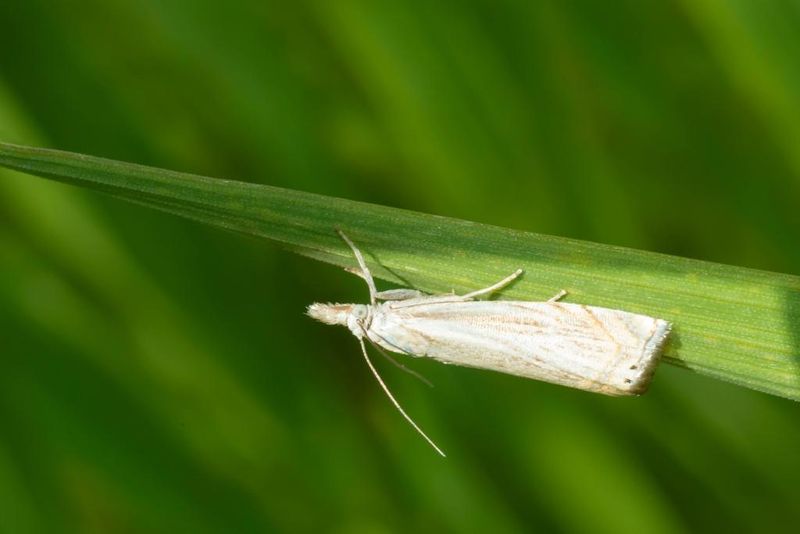
Two tiny troublemakers often get blamed on disease. Hairy chinch bugs and sod webworms both create round, tan patches that show up during warm, dry September stretches.
Chinch bugs are barely a quarter inch long with black bodies and white wing patches. They pierce grass stems and inject a substance that blocks water movement, so blades go from yellow to straw-colored while soil stays moist.
Sod webworms leave a different signature. Small buff-colored moths flutter in zigzags just above the lawn at dusk, and their caterpillars chew grass down to nubs within days, leaving pencil-thick silk-lined tunnels near the soil.
Try the coffee can trick to confirm chinch bugs. Push a bottomless can two inches into the edge of a brown area, fill it with water, and watch for insects floating up within ten minutes.
For webworms, mix two tablespoons of dish soap into a gallon of water and pour it over a square yard. Caterpillars will crawl to the surface, irritated but easy to count.
Both pests favor sunny, dry, thatch-heavy turf. Dethatching in fall removes their preferred hideout and improves water penetration at the same time.
Treatment options include products with bifenthrin or a spinosad-based spray for a softer approach. Apply late in the day when caterpillars become active.
Afterward, water well and overseed. Cool-season grasses bounce back quickly once the chewing stops.
Sprinkler Gaps And Dry Rings You Can Diagnose Today
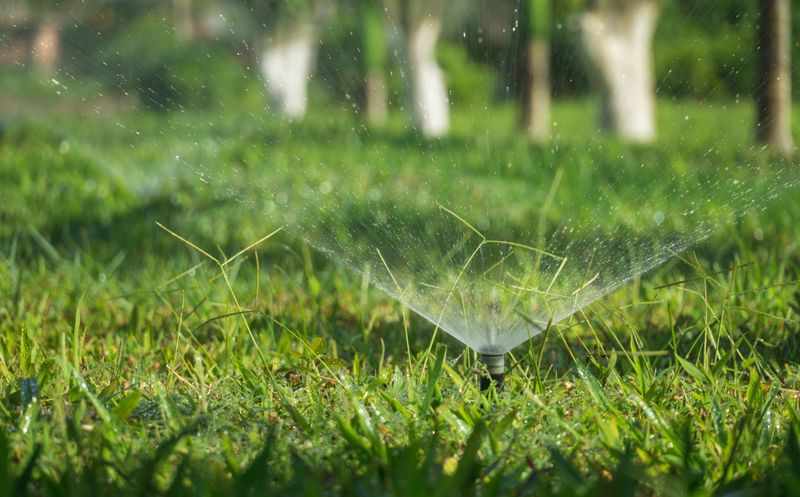
Before spending money on chemicals, check your water. A significant number of September circles trace back to a clogged nozzle or a head knocked crooked by the mower.
Irrigation systems throw water in overlapping arcs, and when one head underperforms, the shortfall shows up as a crescent or full circle of stressed grass. Jersey summers end dry often enough that these gaps become obvious right about now.
Run an audit with empty tuna cans. Space six or eight across the zone, run the system fifteen minutes, then compare water depths with a ruler.
Differences greater than about thirty percent mean uneven coverage. Clean the filter screens, straighten tilted heads, replace worn nozzles, and check that pressure is not so high that water mists away before landing.
Hand-watering with a hose has its own blind spots, especially near driveways and along south-facing slopes where heat radiates. Those strips need extra attention.
Compacted soil creates fake drought too. Water can pool and run off instead of soaking in, leaving roots thirsty even after a long session.
A screwdriver that resists sliding six inches into damp soil is telling you to aerate.
Aim for one to one and a half inches per week total, including rainfall, delivered in two sessions. Early morning beats evening every time.
Grass stressed by drought greens up within a week or two of proper watering, which makes this the cheapest diagnosis on the list.
Pet Spots, Spills, And Other Innocent Mistakes
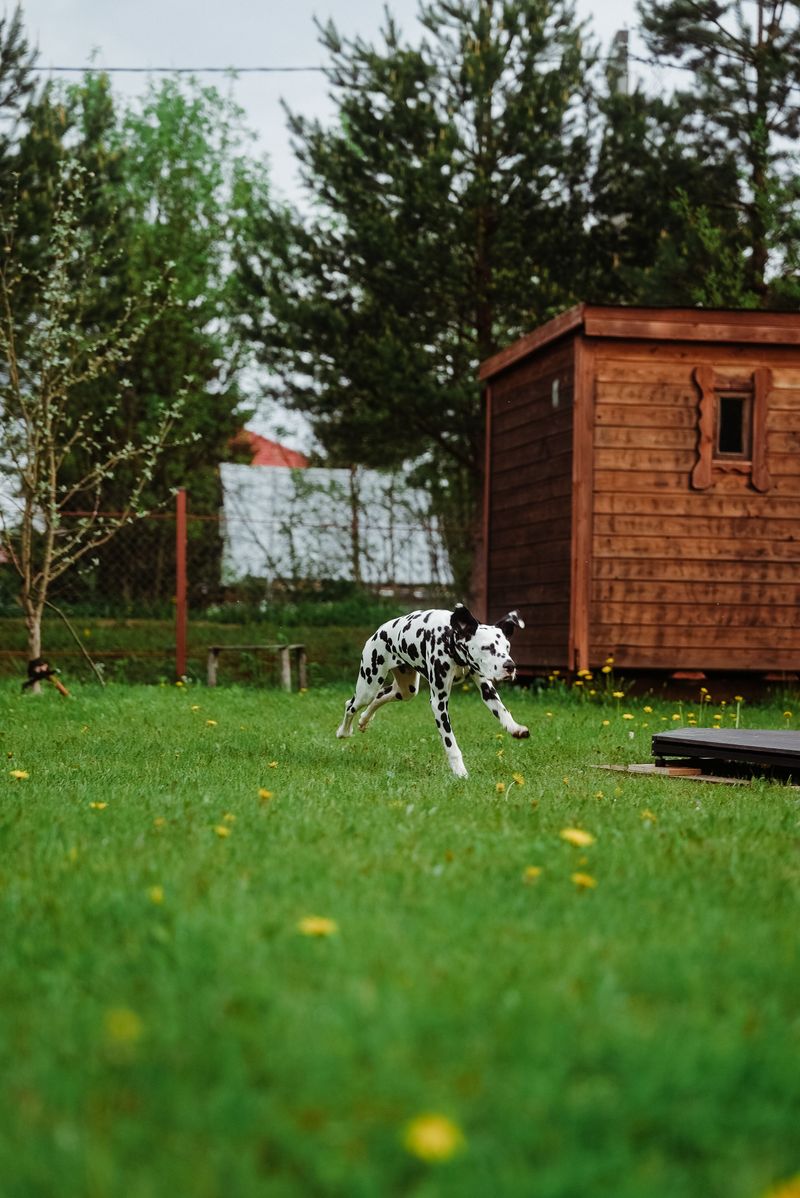
Sometimes the cause is your pet. Pet urine creates small circles with a distinctive dark green halo, because diluted nitrogen at the edges fertilizes while concentrated salt in the middle burns.
Size gives it away. These spots stay under a foot wide and appear in random locations rather than spreading outward like a disease.
Rinsing the area with plenty of water within a few hours dilutes the salts before damage sets in. Training pets to use one gravel or mulch corner solves the problem long term.
Fertilizer accidents look similar. A spreader that stalls, a bag that tips, or a hopper left open while you answer the phone drops a concentrated pile that scorches turf in a neat circle.
Flush those spots heavily, then wait. Grass on the rim often creeps back in on its own, and seeding after two weeks of rinsing works well.
Gasoline drips from a mower refill, spilled weed spray, and hot exhaust from a parked machine all leave rounded marks too. So does a kiddie pool or trampoline base that sat in one place through August.
Anything smothering grass for more than a week creates a pale ring that greens up slowly once light returns.
Rake out the debris, loosen the soil an inch deep, sprinkle matching seed, and cover lightly with compost. September soil temperatures make this the friendliest month of the year for patching mistakes.
Your September Recovery Plan, Step By Step

Good news to end on: September is one of the best months to rebuild a New Jersey lawn. Soil stays warm, air cools down, and weed pressure drops way off.
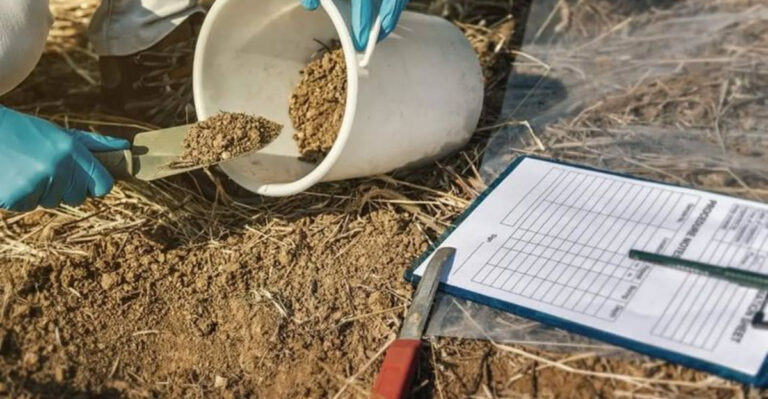
Start with identification, because treating the wrong problem wastes both time and money. Rutgers Cooperative Extension offers soil and disease testing through county offices for a modest fee.
Next, mow at three to three and a half inches with a freshly sharpened blade. Taller grass shades soil, cools roots, and crowds out crabgrass trying to sneak in.
Core aerate if soil feels hard, pulling plugs rather than just poking holes. Follow immediately with overseeding, using a tall fescue blend for sun and fine fescue for shade.
Rake seed into the top quarter inch of soil and keep it lightly moist for two to three weeks. Skipping the watering step is the number one reason overseeding disappoints.
Apply a starter fertilizer with phosphorus at seeding time, then a balanced feeding in mid-October and another around Thanksgiving. Splitting nitrogen across the season is generally more effective than one heavy dose.
Test pH while you are at it. Much of New Jersey runs acidic, and lime brings the number back toward 6.5 where nutrients become available.
Keep leaves cleared off new seedlings, since a wet mat blocks light and traps moisture against tender blades. Mulch-mow them instead for free organic matter.
Come spring, those circles will be a story you tell neighbors rather than something they can see.