How Jumping Worms Change Michigan Garden Soil And The Signs To Spot Before Moving Plants
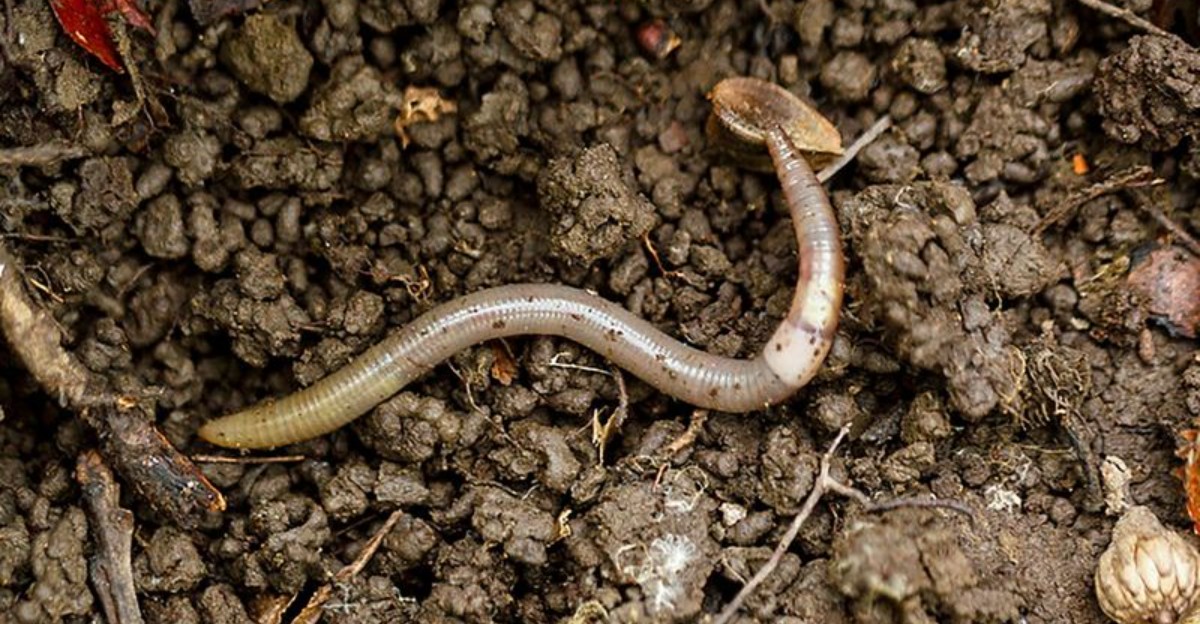
Jumping worms have been spreading into Michigan gardens, and their effect on soil is unlike anything caused by regular earthworms.
Jumping worms can rapidly consume organic matter and may leave behind a loose, granular soil texture when populations become established.
This altered soil can crumble apart easily, struggle to hold water, and leave plants looking yellowed or stressed even when nothing else seems wrong.
Since these worms spread easily through potted plants, mulch, and shared soil, checking for warning signs before moving anything between garden beds has become an important habit.
Once jumping worms take hold, they’re notoriously difficult to remove, which makes catching these early signs especially valuable for Michigan gardeners hoping to protect the rest of their yard.
1. Soil Starts Looking Like Coffee Grounds
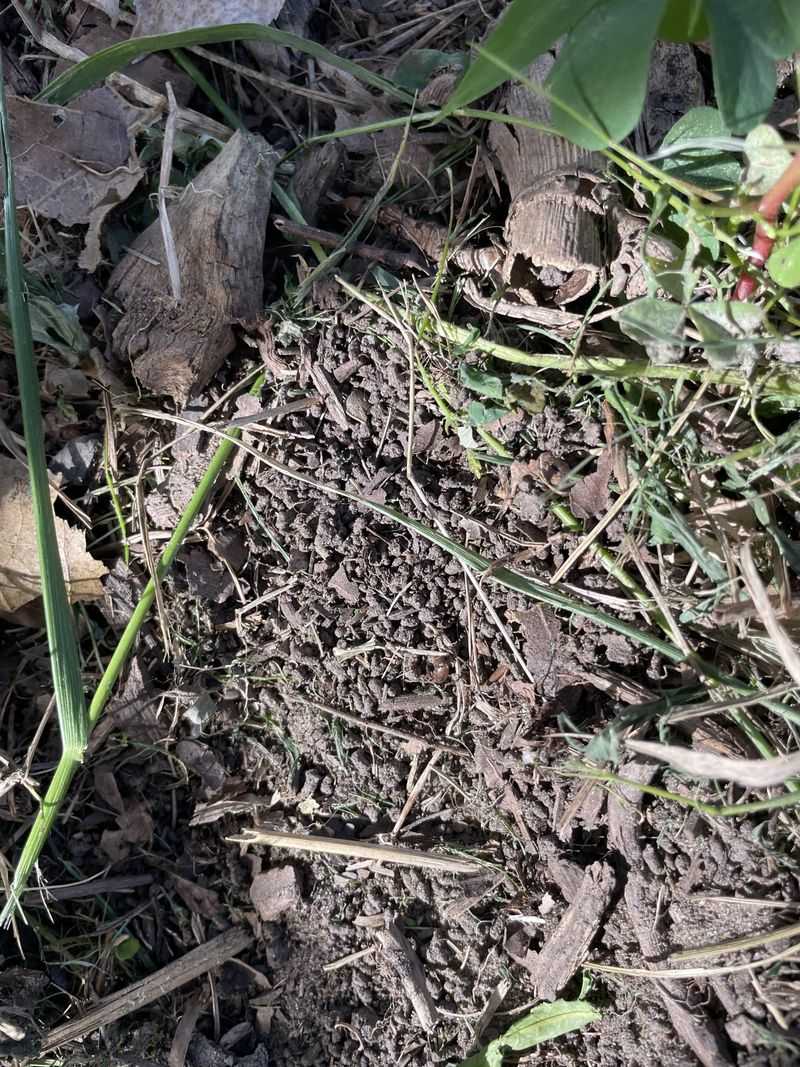
The moment your garden dirt starts looking like a scoop of used coffee grounds, you have a big clue on your hands. Jumping worms chew through the top layer of soil and leave behind little round pellets called castings.
Those castings pile up and give the ground a bumpy, grainy feel that crumbles apart easily. Instead of the smooth, dark, clumpy soil that plant roots love, you get something dry and loose that falls through your fingers.
What makes this so different from normal worm activity is the amount and the texture. Regular earthworms help mix soil slowly, but jumping worms work fast and change the whole surface in just one season.
The grainy layer sits right on top where seeds sprout and young roots try to grab hold. Water often runs straight through it instead of soaking in, which leaves plants thirsty even after a good rain.
If you scratch the surface and notice this coffee ground look across a wide area, take it seriously. It usually means a large group of worms is feeding just below.
Grab a handful and squeeze it. Healthy soil holds together a little, while worm-changed soil breaks into crumbly bits almost right away.
Spotting this early gives you a head start. You can mark the spot, avoid moving that soil, and keep the problem from spreading to the rest of your yard.
2. Leaf Litter Disappears Fast
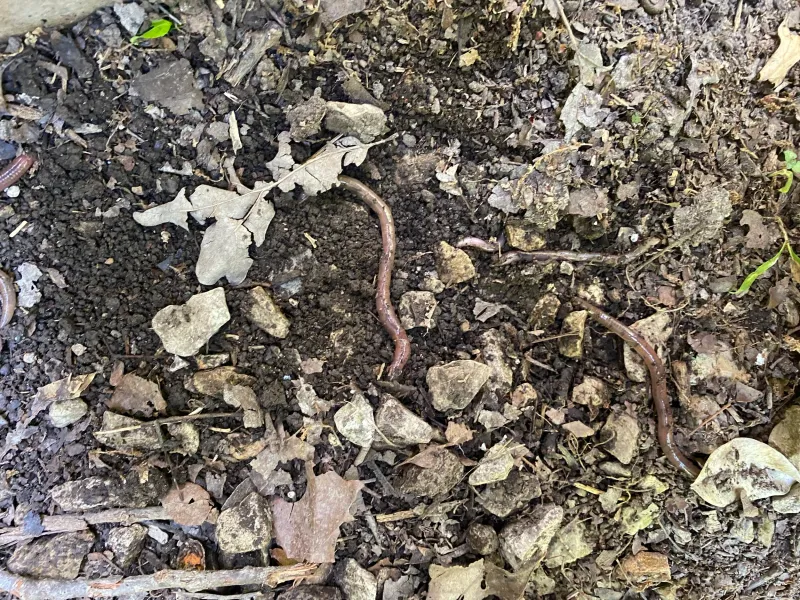
Ever notice a thick pile of leaves vanish way quicker than it should? That speedy cleanup is not always a good thing, and jumping worms are often behind it.
These worms are hungry eaters, and they love the layer of leaves, mulch, and bits of plant material sitting on top of your soil. In a healthy garden, that layer breaks down slowly and feeds the ground over many months.
Jumping worms speed things up in a way that hurts more than it helps. They gobble the organic material so fast that the protective blanket over your soil disappears, sometimes in just a few weeks.
Without that leafy cover, the ground loses its natural shield. Moisture escapes quicker, and the soil heats up or dries out more easily on warm Michigan afternoons.
The nutrients that would normally seep slowly into the earth get used up too fast. What is left behind does not stick around to nourish your plants the way slow decay would.
If your mulch keeps thinning out and you find yourself replacing it more often than usual, pay attention. Bare patches showing up where leaves used to sit are a warning sign worth checking.
Take a peek under whatever litter remains. Finding lots of active worms squirming there, along with that grainy soil, points strongly to a jumping worm crowd making themselves at home.
3. The Soil Structure Changes
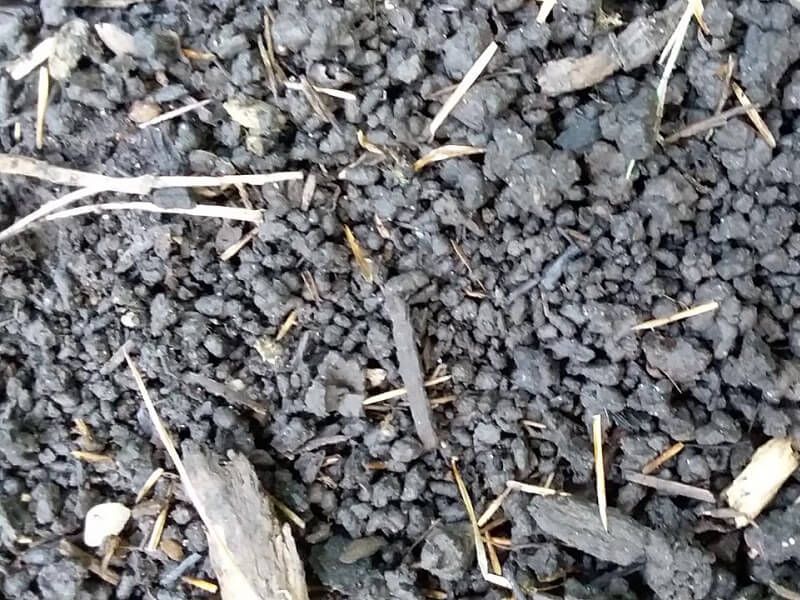
Good soil is a bit like a sponge, full of tiny spaces that hold water, air, and food for roots. When jumping worms move in heavily, that whole setup gets flipped around.
As the worms feed and leave behind their pellet-shaped castings, the soil loses its natural clumps and channels. The pieces that once stuck together break apart into a loose, uneven mix.
That change matters more than you might think. Roots depend on those little pockets to breathe and to grab moisture, and the new grainy texture just does not hold things the same way.
Water becomes a real problem too. Instead of soaking in and staying put, it drains through the loose layer quickly or pools on top and washes away, taking valuable topsoil with it.
The nutrients shift as well. Even though castings contain some minerals, they release everything at once instead of feeding plants slowly over time, so the goodness disappears before roots can use it.
Over a season or two, ground that used to grow strong plants can turn crumbly and tired. Erosion gets worse, especially on slopes or in beds without a solid cover.
Checking your soil now and then helps you notice these shifts early. Compare a shovel full from a suspected area with soil from a healthy spot, and the difference in feel usually tells the story.
4. Plants May Start Struggling
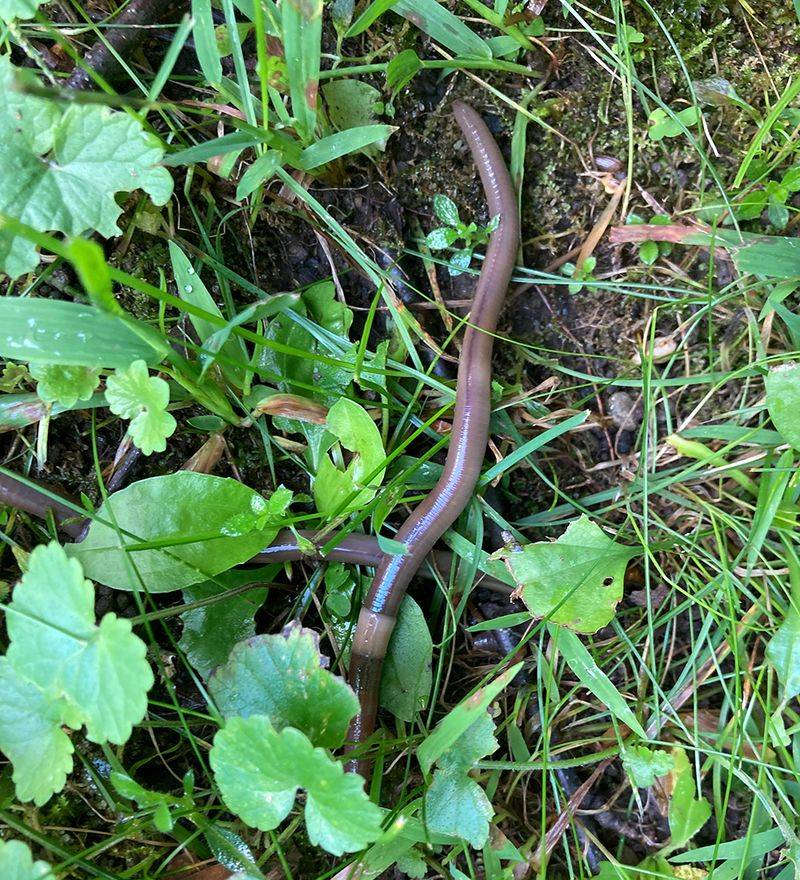
Plants have a way of telling us when something is off, and struggling growth is one of the first clues that jumping worms have set up shop. Leaves may yellow, stems may look weak, and seedlings might not take off the way they used to.
The reason ties back to the changes happening underground. With the organic material eaten up and the soil turned grainy, roots simply cannot find the steady supply of water and food they need.
Young plants have it especially rough. Their small root systems depend on soft, moist, nutrient-rich soil to get started, and the loose castings give them very little to hold onto.
Shallow-rooted plants and tender seedlings often show trouble first. They may tip over, dry out between waterings, or just stop growing even when you care for them the same as always.
Bigger, established plants can hang on longer, but they are not safe forever. Over time, the poor soil wears them down, and you might see thinner foliage or fewer blooms and vegetables.
What makes this frustrating is that everything above ground looks fine at first. The real problem hides below, so gardeners sometimes blame weather or pests before spotting the worms.
If your plants keep underperforming in one area despite good care, dig around a little. Finding grainy soil and squirming worms explains a lot and points you toward the real fix.
5. The Worms Thrash When Touched
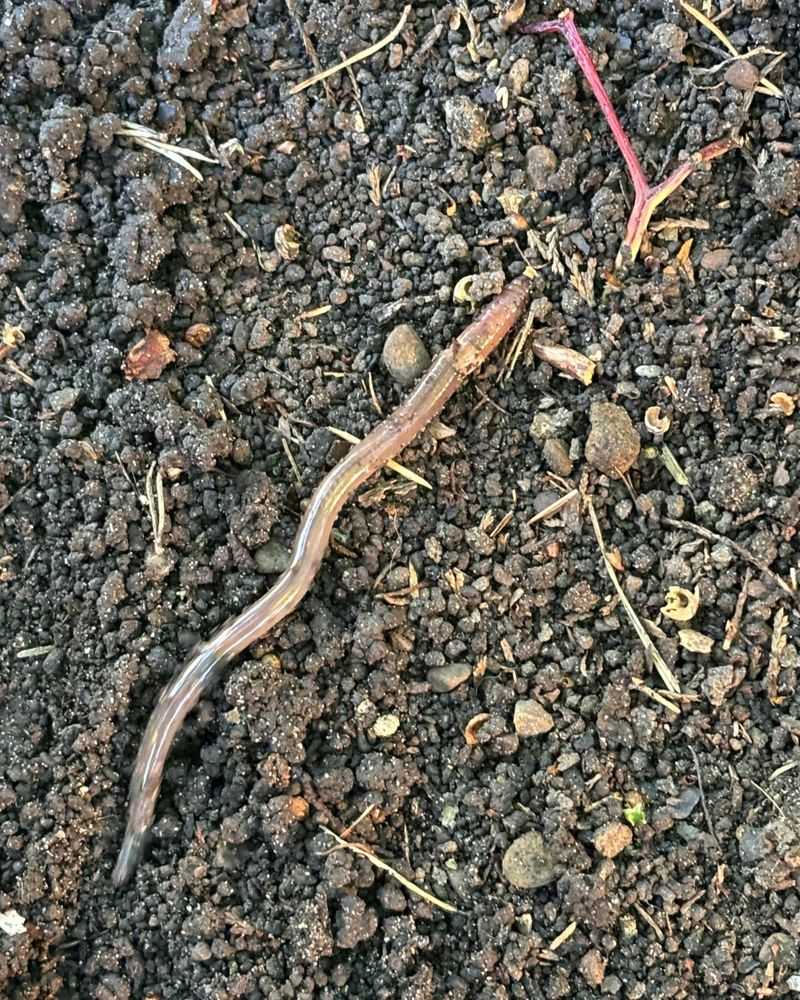
Give a jumping worm a gentle poke and you will get a show unlike anything a regular earthworm does. They thrash wildly, snap back and forth, and slither across the ground almost like tiny snakes.
The wild movement is exactly how these worms got their name. While common earthworms slowly stretch and burrow away, jumping worms wiggle so hard they can flip themselves right out of your hand.
That behavior is one of the easiest ways to tell them apart in the moment. If you scoop up a worm and it goes into a frantic, springy dance, you are almost certainly looking at a jumping worm.
They tend to live near the surface too, which makes them easy to find. A light rake through the top inch of soil or leaf litter often brings several thrashing worms into view at once.
Their color offers another hint. Jumping worms usually look darker and have a smooth, shiny, gray-brown body compared to the pinker tone of familiar garden worms.
Watching how they act really is the giveaway. No other worm in a Michigan garden moves with that much energy or snaps around so quickly when it feels disturbed.
Next time you are digging and see something whipping around like it drank too much coffee, stop and look closer. Spotting that wild motion early helps you act before the worms spread further.
6. Look For The Pale Smooth Collar
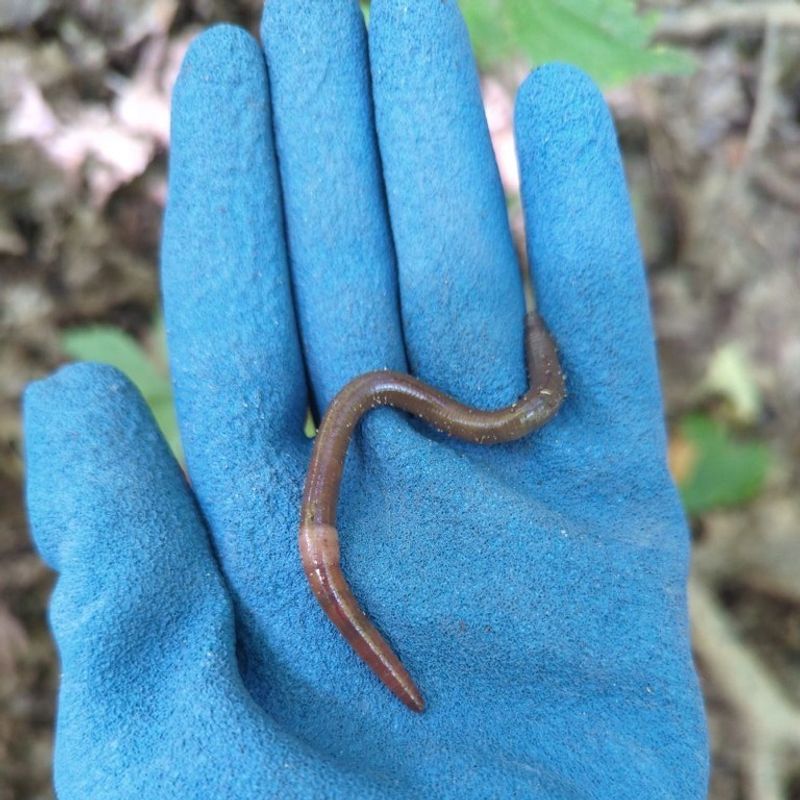
One tiny feature separates a jumping worm from an ordinary earthworm, and it sits right around the middle of the body. That band, called a clitellum, tells you almost everything you need to know.
On a jumping worm, the collar is pale, smooth, and flat against the body. It wraps all the way around like a ring, with no raised or puffy edges sticking out.
Compare that to a common earthworm, whose collar is usually pinkish, raised, and only partly circles the body. The difference is clear once you know what to look for.
The color is another handy clue. The jumping worm band often looks milky white or light gray, and it sits close to the head end of the worm.
To check, hold the worm gently or look at it on the ground and find the smooth ring near the front. If it looks flat and goes fully around, you have found the telltale sign.
This little detail matters because young jumping worms can be tricky to identify by movement alone. The collar stays reliable even when a worm is calm and not thrashing.
Keep a close eye whenever you dig, especially near new plants or fresh mulch. Spotting that pale, complete band is an important clue for identifying jumping worms.
7. Cocoons Can Hide In Plant Soil
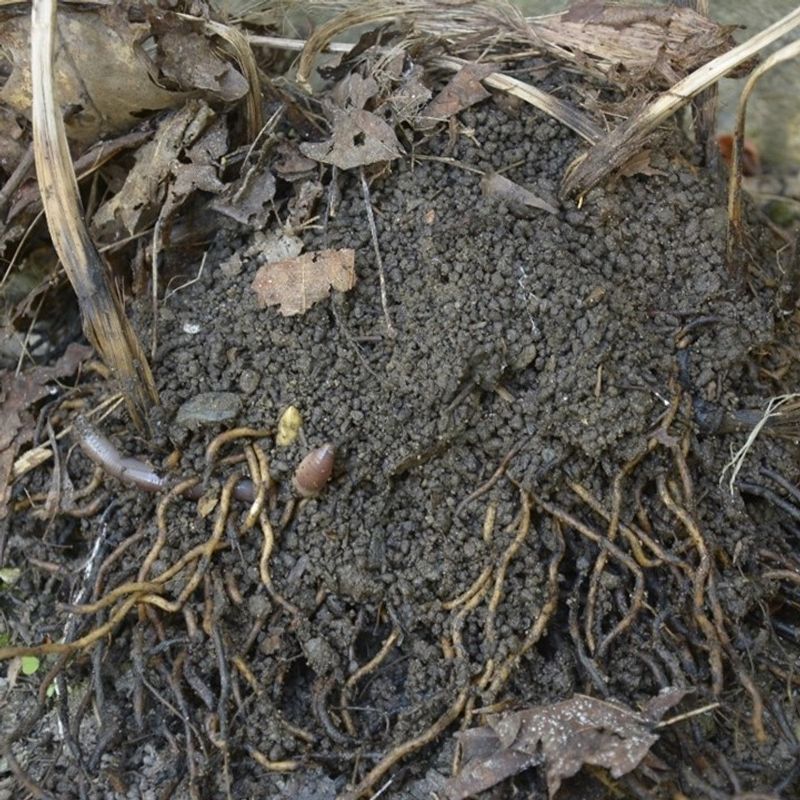
The scariest part of jumping worms is not always the worms you can see. It is the tiny cocoons you cannot, because they hide easily and travel far without anyone noticing.
Each cocoon is about the size of a mustard seed and blends right into the soil. They look like little specks of dirt, so they slip past even careful gardeners.
These cocoons ride along in all sorts of ways. Potting soil, compost, mulch, and the root balls of plants you share or buy can all carry them into a brand new garden.
Because the cocoons are so small and tough, they survive Michigan winters tucked in the ground. When spring warms up, a fresh batch of worms hatches and starts the whole cycle again.
That is why an area can look worm-free one year and suddenly show problems the next. Hidden cocoons were simply waiting for the right weather to hatch.
Swapping plants with friends or grabbing free mulch might spread them without anyone meaning to. A single scoop of infested soil can carry dozens of these hidden specks.
Knowing this helps you stay cautious with anything that comes with soil attached. Being a little picky about where your dirt and plants come from goes a long way toward keeping these hitchhikers out of your beds for good.
8. Inspect Before Moving Any Plants
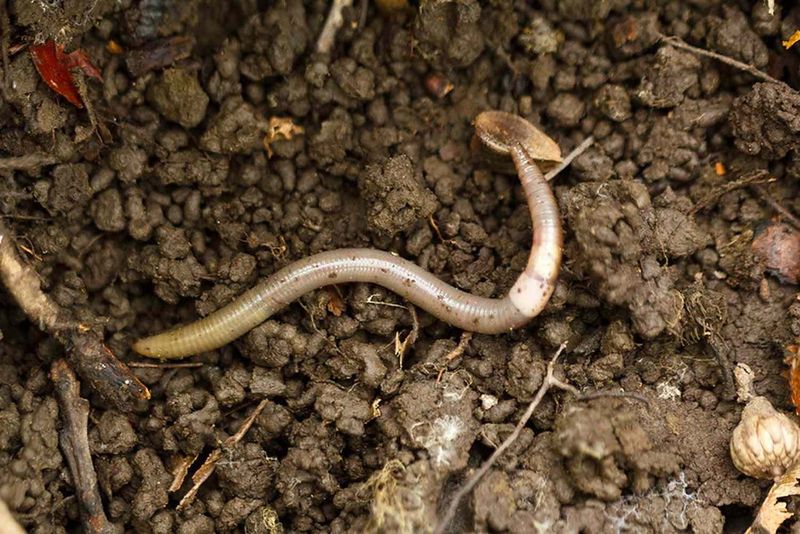
Before you move a single plant, take a minute to play detective. A quick check of the soil and roots can save your whole garden from becoming the next worm hotspot.
Moving plants from an area where jumping worms live is one of the fastest ways to spread them. Both the worms and their hidden cocoons travel right along with the soil clinging to roots.
The safest habit is to use clean soil from a trusted source. Bare root plants, where you gently wash all the dirt off the roots before planting, work even better.
Washing roots might feel like extra work, but it removes cocoons that would otherwise ride along unseen. A good rinse and a look at the roots go a long way.
When you buy or swap plants, ask where they came from and whether jumping worms have been a problem there. Trading bare root divisions instead of potted soil helps everyone stay safe.
Compost and mulch deserve the same care. Getting these from sources that heat their piles properly reduces the chance of bringing cocoons home.
If you already have worms in one bed, keep tools, boots, and wheelbarrows from carrying that soil around your yard. A quick brush and rinse between areas makes a real difference.
Staying alert with every plant you move keeps the clean parts of your garden clean. A few careful steps now protects all the growing you plan to do later.