The Oregon Native Groundcover To Plant This Fall Under Deciduous Trees Before Leaves Drop
Under the big-leaf maple in the back corner, the soil never looks right.
Roots crisscross the surface. Grass gives up by July. Bark dust washes away every winter, leaving bare, tired patches nobody quite knows what to do with.
Western Oregon yards are full of spots exactly like that one. Most fixes fail there too, mostly because the wrong plants get chosen for conditions they were never built to handle.
Wild ginger grew up in exactly this kind of shade though. Deep, damp, root-crossed ground under a canopy that shifts with the seasons.
Early fall happens to be the exact moment this particular plant wants to go in the ground, right when soil still holds warmth and rain is about to come back.
Stick around, because that bare patch under your tree might be closer to fixed than you think, and the plant that fixes it might already be growing wild just a few miles from your yard.
Meet Wild Ginger, Oregon’s Woodland Native
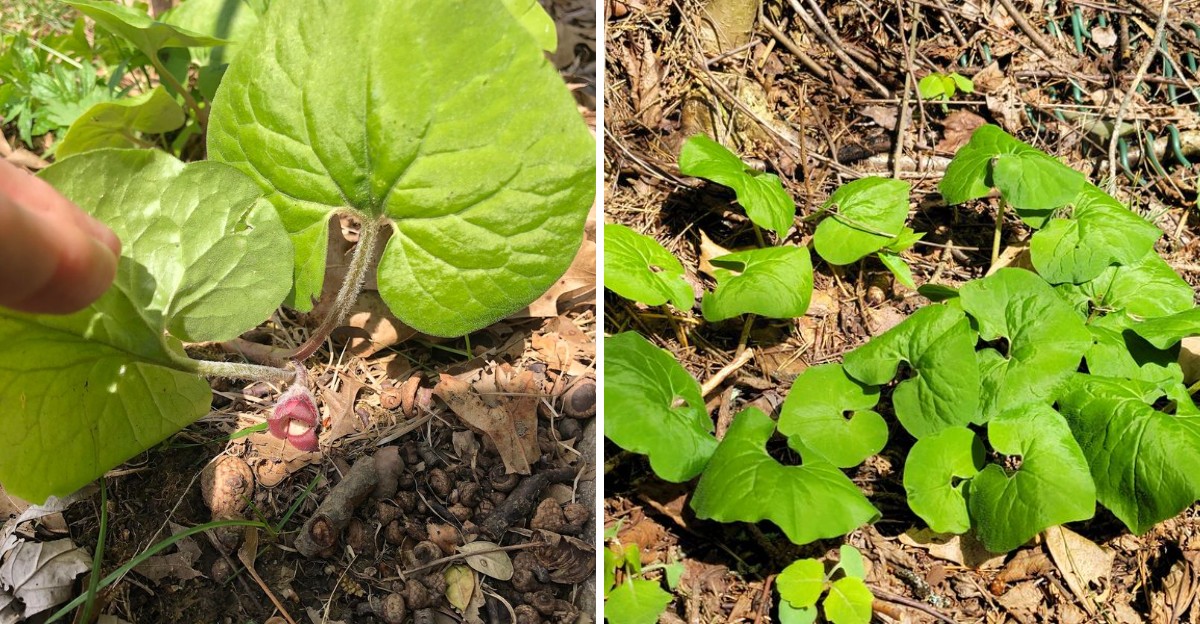
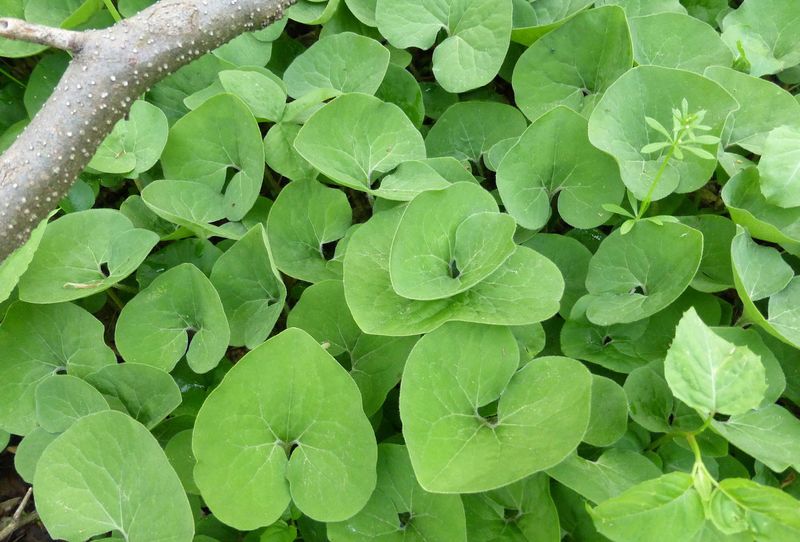
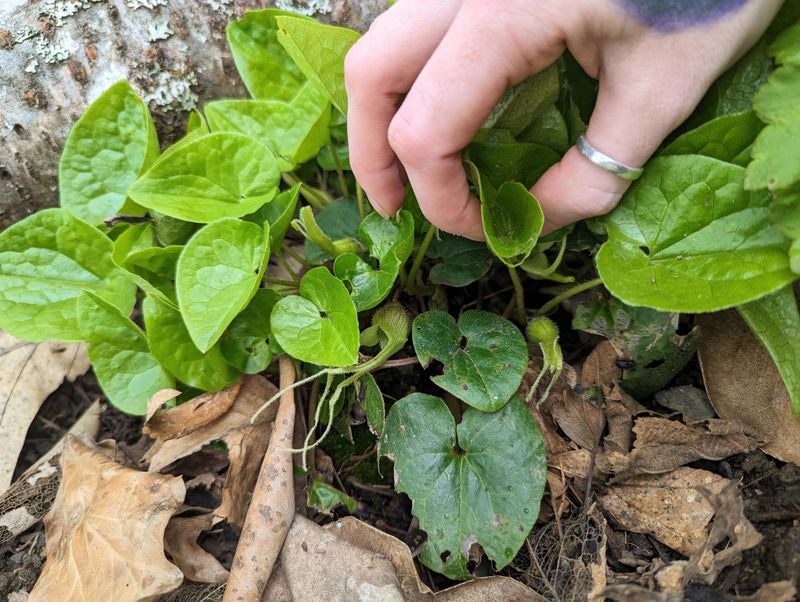
Walk a shaded trail in the Coast Range and look down at the forest floor. That low carpet of glossy, heart-shaped leaves is Asarum caudatum, our native wild ginger. It grows wild in moist conifer and mixed woods west of the Cascades.
The name comes from the spicy smell of its creeping stems, which hint at kitchen ginger. The two plants are not related, and the native version is not used as a cooking spice. Crush a leaf lightly and you will catch that warm, peppery scent.
Oregon State University Extension lists wild ginger among the native plants recommended for shady, moist garden spots west of the Cascades.
Its home range stretches from British Columbia south through western Oregon and into California. East of the Cascades, the drier air and soil make it a struggle without steady irrigation.
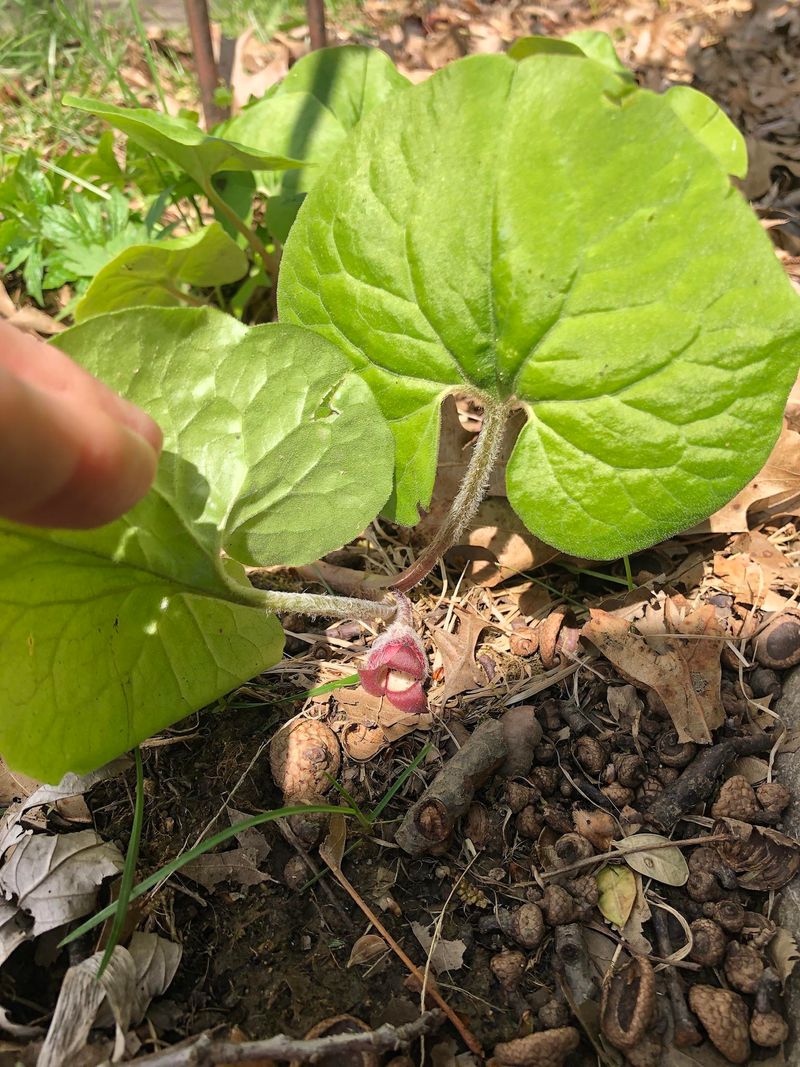
Hidden under the foliage sit odd little maroon flowers with three long, curling tails. Ground beetles and ants find them, not bees, which is why you rarely notice the bloom happening at all. Gardeners grow it for the leaves anyway, since the foliage does the heavy work all year long.
Nurseries that specialize in Northwest natives usually carry it in four-inch pots through fall. Buy from a licensed grower rather than digging plants from the woods.
Under a big maple or oak, wild ginger is not a novelty. It is simply moving back into the kind of shade it evolved beneath in the first place.
Heart-Shaped Leaves Stay Green All Winter
November strips the maple overhead down to bare gray branches. The ground below, though, keeps its color if wild ginger is growing there.
Its leaves stay green straight through the cold months, no dormancy, no bare dirt showing through.
Each leaf spans roughly two to four inches across and sits on a fuzzy stalk. The shape is a soft heart, deep green on top with a slight sheen.
Plants usually hold at four to eight inches tall, which keeps the whole look tidy.
Evergreen habit separates wild ginger from several other native shade groundcovers that vanish come winter.
Your Oregon Garden Changes Every Week. Your Plan Should Too.
Gardening in Oregon changes quickly throughout the season. Every Friday you’ll receive a simple weekly plan showing exactly what to plant, prune, fertilize, harvest, and protect so you never miss the right timing.
Vanilla leaf and inside-out flower, for example, retreat below ground and leave the soil exposed.
Wild ginger sits tight instead, catching whatever winter light slips through the empty canopy above.
Winter sun is genuinely a gift here, not a threat. Once the tree above sheds, weak seasonal light reaches the leaves and keeps them quietly working through the cold.
By the time the canopy fills in again in May, the patch is fully ready for deep shade once more.
Cold snaps can flatten the foliage temporarily, and leaves may look a bit tired by March.
Old, ragged leaves can be trimmed in early spring before fresh growth unfurls. New leaves push up quickly, and the patch tightens back up again by early summer.
Deer and rabbits mostly ignore the peppery foliage, another quiet advantage worth noting.
Slugs may nibble edges in a wet spring, though damage is usually cosmetic at worst. Hand-picking on damp evenings keeps the worst chewing in check easily enough.
Fall Planting Gets Roots Established Early
Timing beats effort in a shade garden, and early fall happens to be the sweet spot for this one.
Soil under a deciduous tree is still warm in September and October, while the air overhead has already cooled off.
Warm soil plus cool air encourages roots to grow without forcing leafy top growth at the same time.
Rain returns to western Oregon around this time, usually by mid-October most years.
Free water soaking into the root zone saves you weeks of hauling a hose around the yard.
Plants set out now spend winter expanding their root systems underground, out of sight and out of mind.
Planting before leaves drop matters for a second reason too.
The canopy still shades the ground, so new transplants are not baked by leftover afternoon sun while they settle in.
Roots settle into cool, moist, shaded soil rather than hot, crusty dirt.
Aim for a window between mid-September and late October in the Willamette Valley specifically.
Coastal gardens can stretch a little later, since freezes arrive slowly there most years. Higher elevations should plant earlier instead, giving roots six weeks before the ground chills for good.
Spring planting works too, but summer arrives fast and wild ginger genuinely hates drying out mid-season.
A fall start buys the plant two extra seasons of root growth before its first real heat test arrives.
Water each new plant well the day you set it in the ground. After that, watch the weather instead of the calendar on the wall.
A dry October stretch still calls for a deep soak every week or so. Skip fertilizer entirely, since forest soil and leaf litter already supply what this plant needs.
Fallen Leaves Become Free Winter Mulch
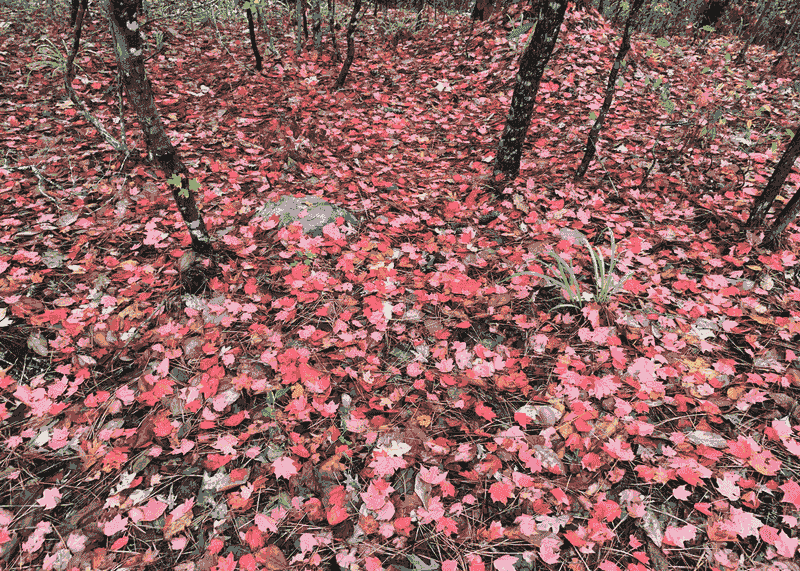
Raking under a maple can feel like a chore invented specifically to punish homeowners. Plant wild ginger first, and that job mostly disappears on its own.
Leaves drifting down in November land exactly where they end up being useful.
Forest floors work this way naturally, without anyone raking a thing.
Leaf litter breaks down into humus, feeds soil life, and holds moisture through dry spells.
Wild ginger evolved under that exact blanket, and its shallow roots feed in the crumbly layer just below.
A mulch layer also buffers temperature swings during cold snaps.
Roots stay steadier underground, and winter rain soaks in instead of running off bare, exposed ground.
By spring, worms and fungi have already turned much of the litter into dark, crumbly soil ready to feed new growth.
Some cleanup still helps here though.
Thick mats of big-leaf maple leaves can smother small new plants if left untouched, so fluff or thin them out a bit.
Shred heavy leaves with a mower and spread a layer about two inches deep across the bed.
Oak and birch leaves are lighter and can usually stay right where they land without any extra work.
Pull any leaves piling directly on top of a young crown though. Wild ginger foliage needs air and light, even during the depths of winter.
Skip bark dust here entirely. Chunky mulch sits on the surface and does little for actual soil texture underneath.
Leaves are free, local, and already the right recipe for exactly this plant.
Moist Acidic Soil Matches Its Forest Roots
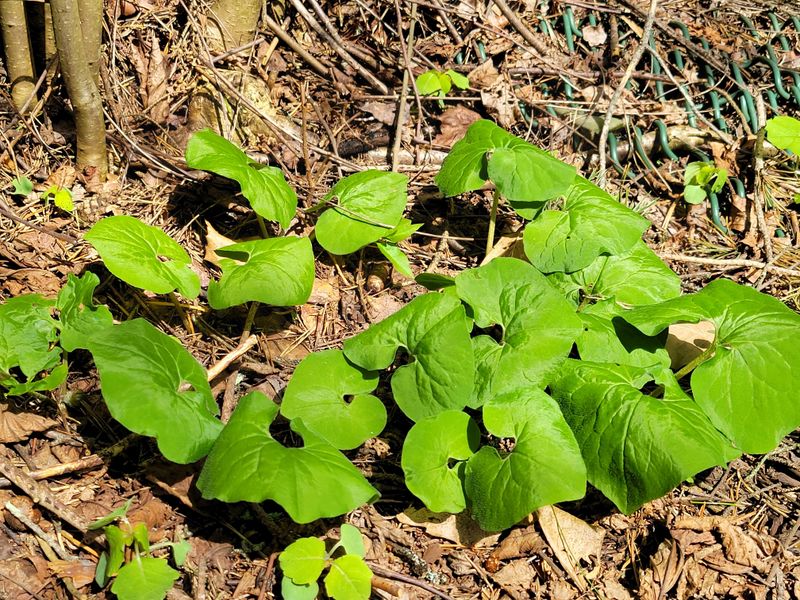
Soil chemistry explains most wild ginger failures, more than any other single factor.
The plant wants consistently moist, humus-rich ground with an acidic pH, roughly 5.0 to 6.5 on the scale.
Western Oregon forest soils under conifers and maples usually land right in that exact range naturally.
Dig a test hole before planting anything.
If water sits for hours after rain, drainage is too poor for this plant. If the hole dries out instantly instead, the soil is too sandy for something that likes a damp creek-side bank.
Mix compost or leaf mold into the top few inches before setting plants into the ground.
Avoid heavy tilling under a mature tree though, since slicing through big roots harms the tree itself.
Work gently between roots with a hand trowel instead, planting in whatever gaps you find.
Clay soils can work fine here if organic matter gets added year after year consistently.
Lime is the wrong move though, since it pushes pH up and away from what this plant actually prefers.
Skip it unless a soil test specifically says otherwise for other plantings nearby.
Part shade to full shade suits wild ginger best overall.
Morning light is fine for it, while afternoon sun scorches leaf edges and turns them brown fairly quickly.
A north-facing bed under a mature tree is about as close to ideal as it gets.
East of the Cascades, plan on regular irrigation and generous mulch if you want to try this plant at all.
Without both, the drier climate out there makes this a genuinely difficult plant to keep happy.
Slow Spread Rewards Patience Early On
Expectations matter quite a bit with this particular plant.
Wild ginger creeps by rhizomes rather than sprinting across a bed the way some groundcovers do.
A single plant might add only a few inches of width per year at first, nothing dramatic.
Year one looks fairly unimpressive, and that is completely normal for this species.
Most of the action happens below the surface as roots quietly explore new soil.
Year two brings noticeably more leaves up top, and by year three the clumps finally start to merge together.
Spacing controls how fast the whole patch closes up.
Set plants 12 to 18 inches apart for a moderate fill over time, or 8 to 10 inches apart for considerably faster coverage.
Tighter spacing costs more upfront but saves two full seasons of waiting around.
Buying larger pots helps speed things along too.
Four-inch plugs are cheap, though gallon-size plants establish visibly quicker under a hungry tree canopy competing for the same resources.
Tree roots compete hard for water, which slows everything down compared with an open, sunny bed elsewhere.
Weed the area faithfully during those early seasons especially.
Bare gaps invite herb Robert, bittercress, and creeping buttercup, all aggressive spreaders in Oregon shade specifically.
A quick pass every few weeks keeps the ground clear until the ginger finally takes over on its own.
Divisions can speed things along later on too.
Lift an established clump in early fall, cut rhizome sections with roots attached, and replant immediately elsewhere.
Free plants are a decent reward for two years of patience spent waiting.