What Happens If You Prune Oregon Boxwood Too Late In The Season
That late-season boxwood trim may seem like a simple way to tidy up the garden before winter, but the timing can make a bigger difference than many gardeners realize.
Pruning too close to the end of the growing season can change how your shrub handles the colder months ahead.
Oregon boxwoods are known for being reliable and easy to care for, but they still need the right conditions to recover after a cut. A poorly timed prune can leave new growth exposed and affect the way the plant looks when the next growing season begins.
Before you pick up the shears, it helps to know what happens when boxwoods are cut back too late. A little extra care now can help you avoid problems that may not appear until months later.
1. Late Cuts Can Trigger Tender New Growth
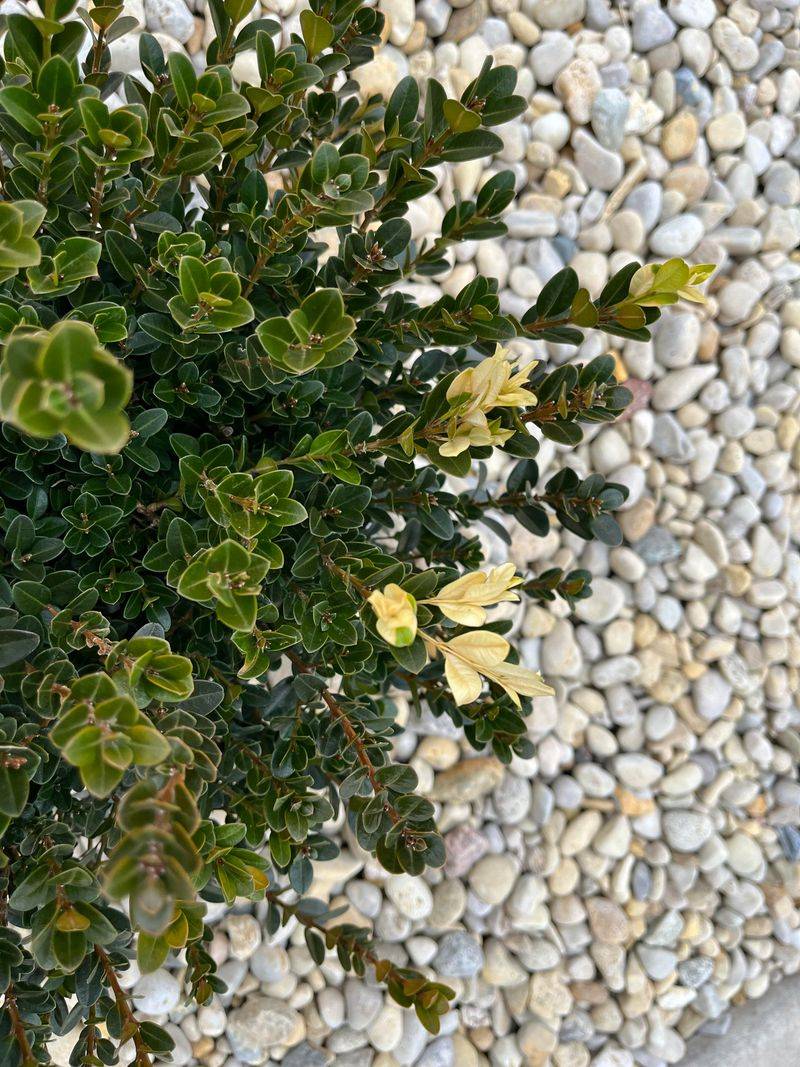
Trimming your boxwood late in the season sends a signal to the plant. It thinks it is time to grow again. Soft, bright green shoots start to appear where you made the cuts.
These fresh shoots are tender and weak. They have not had time to toughen up like older leaves. When you cut in fall, the plant rushes to replace what it lost.
The trouble is that this new growth shows up at the wrong time. Warm days can trick the shrub into thinking spring is near. It puts energy into growing instead of resting.
Boxwood normally slows down as cold weather comes closer. That slowdown protects it during winter. Late cuts break this natural rhythm and wake the plant back up.
You might see this tender growth within a week or two after pruning. It looks healthy at first, but it is fragile. Cold air can harm these soft parts quickly.
To avoid this problem, put your shears away as summer ends. Give the shrub time to settle into its resting stage. This helps it stay calm and steady.
Think of it like waking someone from a nap right before bedtime. The plant gets confused and works when it should be resting. Careful timing keeps everything in balance and your shrub much healthier.
2. New Growth May Not Harden Before Cold Weather
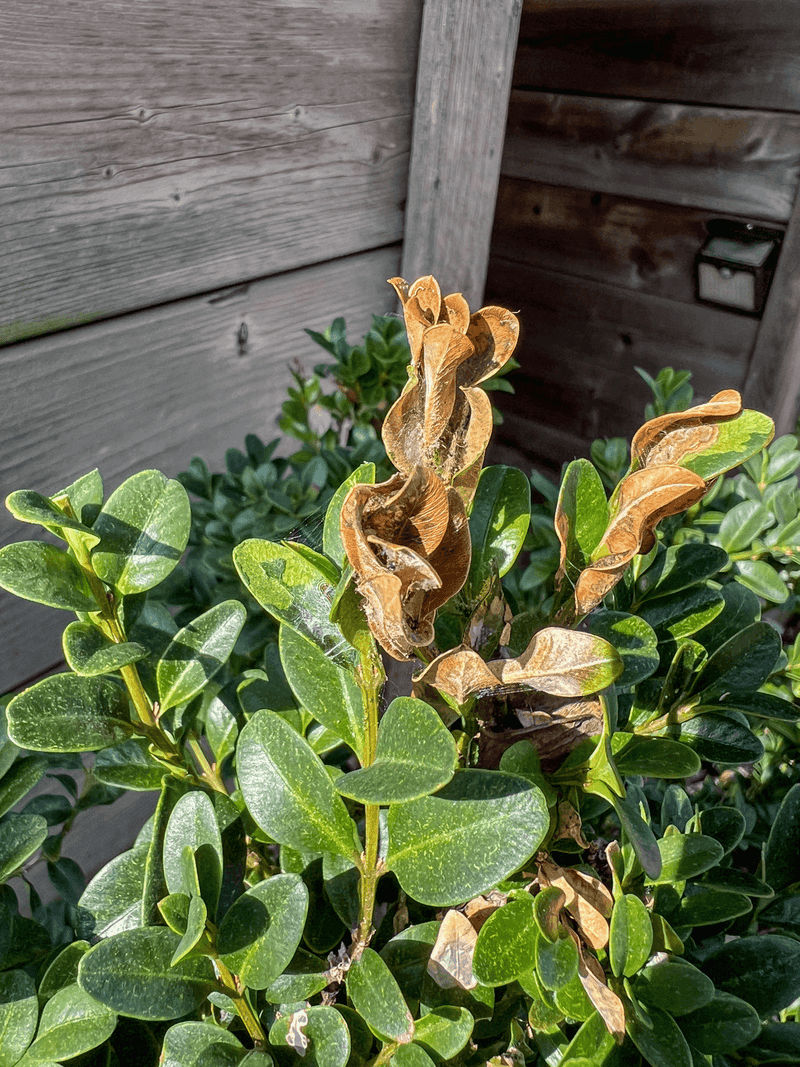
Plants need time to prepare their new growth for winter. This process is called hardening off. It makes stems and leaves tougher and better able to handle cold.
When you prune too late, the fresh shoots never get that chance. Cold weather arrives before they can toughen up. Soft tissue simply cannot survive freezing temperatures well.
Hardening happens slowly over several weeks. The plant builds up strength little by little as days grow shorter. Rushing this process is not possible.
Imagine sending someone outside in a t-shirt during a snowstorm. They are not dressed for the weather. That is what happens to unhardened boxwood shoots.
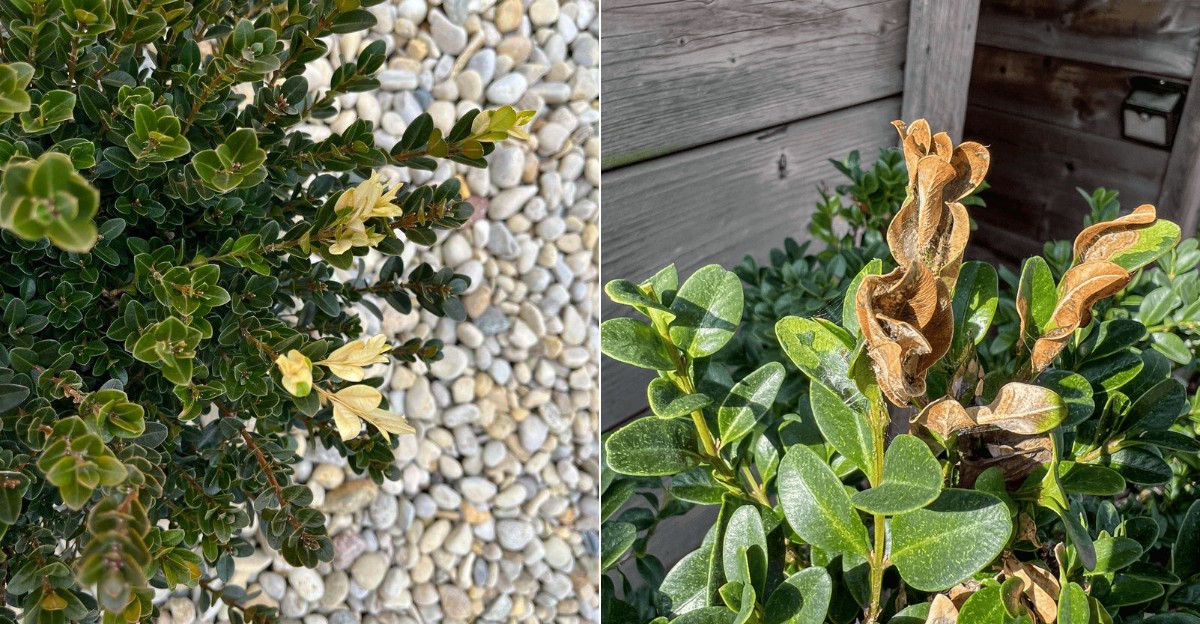
The tender parts get damaged first. You may notice brown or blackened tips once the frost hits. These weak spots often appear right where you cut.
Boxwood that grows on schedule has time to prepare. Its late-summer growth firms up before the first frost. That timing is a natural safety plan.
Your Oregon Garden Changes Every Week. Your Plan Should Too.
Gardening in Oregon changes quickly throughout the season. Every Friday you’ll receive a simple weekly plan showing exactly what to plant, prune, fertilize, harvest, and protect so you never miss the right timing.
To help your shrub, finish pruning while there is still plenty of warm weather ahead. This gives any new growth enough days to harden. A few weeks makes a big difference.
Pay attention to your local frost dates. Count backward and stop pruning well before them. This simple habit protects the plant and keeps it looking full and green.
3. Fresh Cuts Can Be More Exposed To Winter Damage
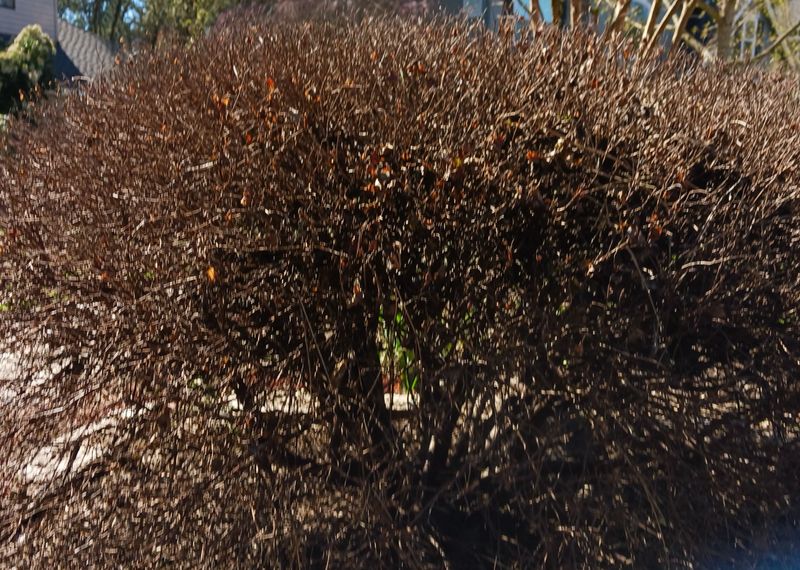
Every time you prune, you create small open wounds on the plant. These cut ends are like fresh scrapes. They need time to seal and heal properly.
In warm months, the shrub heals these cuts quickly. Sap flows and the wounds close up fast. But late in the season, healing slows way down.
Open cuts left before winter stay exposed longer. Cold, wind, and moisture can all reach the fresh wounds. This makes the plant more likely to suffer damage.
Think of a cut on your hand that will not close. It stays sore and can get worse. Plant wounds work in a similar way when they cannot heal.
Boxwood stems with unhealed cuts may crack or brown at the tips. The damage can spread a little further into the branch. That leaves the shrub looking rough by spring.
Wind can also dry out these open ends. Dry, cold air pulls moisture from the plant. Fresh cuts lose water faster than sealed ones.
The fix is to prune when the shrub can heal fast. Warmer weather helps wounds close before the cold sets in. Timing gives the plant a fighting chance.
Always check that you have several warm weeks left. This lets every cut heal fully. Healthy, closed wounds keep winter trouble away from your boxwood.
4. Heavy Pruning Can Leave The Shrub Vulnerable
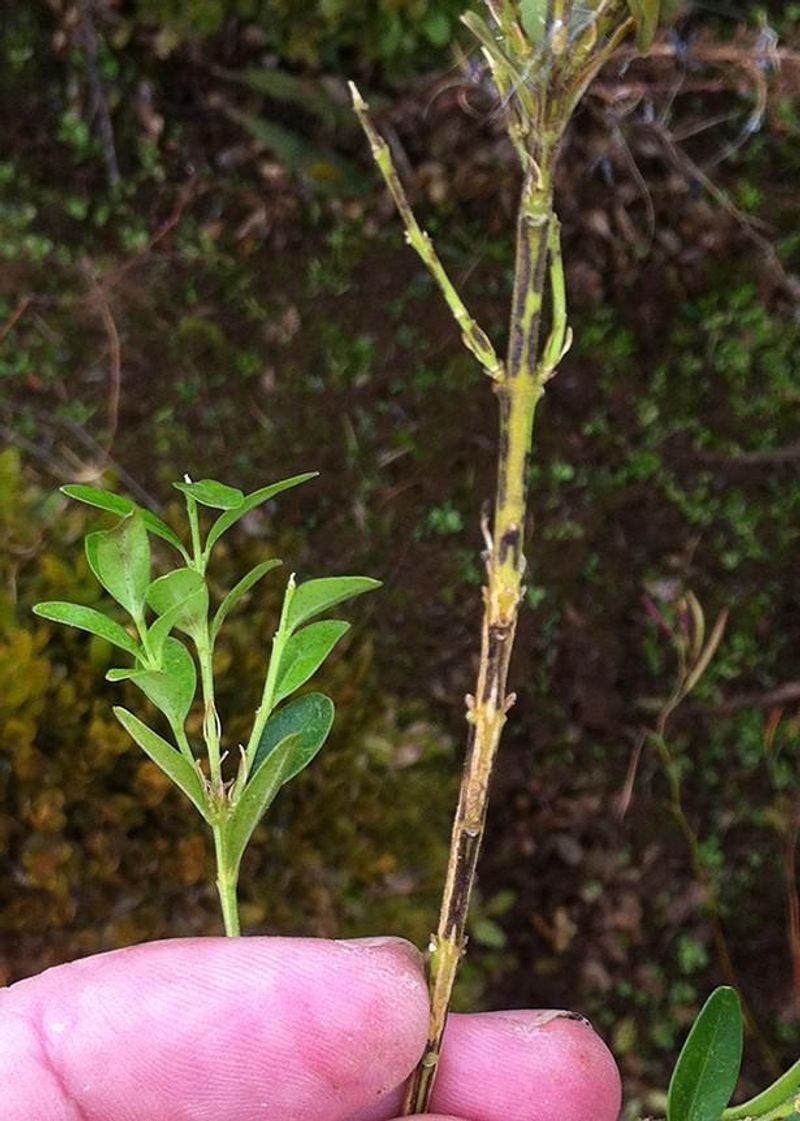
Cutting a lot of growth at once is a big shock to any plant. Heavy pruning removes many leaves and branches. That leaves the shrub with less energy to store.
Leaves are like little food factories. They make energy from sunlight. When you take away too many, the plant has fewer resources for winter.
Doing this late in the season is even riskier. The shrub has no time to recover before the cold. It goes into winter weak and thin.
A heavily trimmed boxwood also has more exposed inner branches. These parts are used to being shaded and protected. Sudden exposure to cold air can stress them.
Picture a house with half its walls removed right before a storm. There is little protection left inside. That is a hard-pruned shrub facing winter.
Weak plants also have a harder time fighting off problems. Pests and disease find it easier to move in. A strong shrub resists these troubles better.
If your boxwood needs heavy shaping, wait for the right season. Late winter or early spring gives it time to bounce back. Then it grows strong all through the warm months.
Save the big cuts for when growth is about to begin. This lets the shrub recover fully. Light touch-ups are all it needs as the year winds down.
5. Light Cleanup Is Different From Hard Pruning
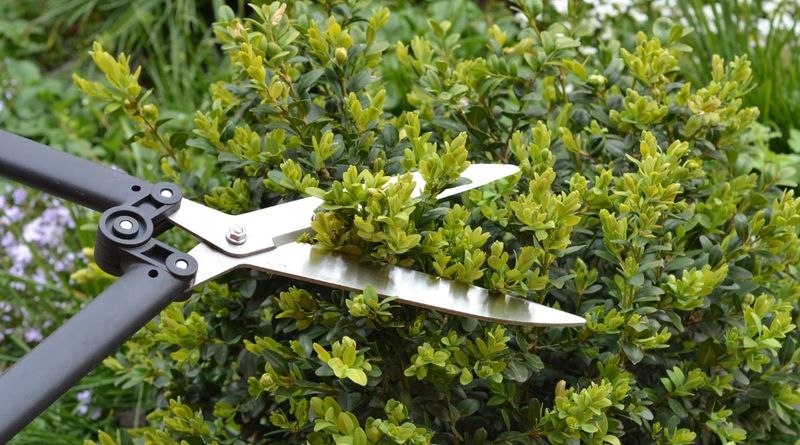
Not all trimming is the same. There is a big difference between a light cleanup and serious pruning. Knowing which one you are doing really matters.
Light cleanup means snipping a few stray branches. You remove damaged twigs or tidy up a messy edge. This barely stresses the plant at all.
Hard pruning is much more serious. You cut back large amounts of growth to reshape the whole shrub. This takes a real toll on the plant.
Late in the season, a gentle cleanup is usually okay. Removing a broken branch will not wake up major new growth. The plant stays mostly at rest.
Heavy cuts are the ones to avoid in fall. They trigger tender shoots and leave big wounds. That combination spells trouble when cold arrives.
Think of it like the difference between combing your hair and getting a full haircut. One is quick and simple. The other changes a lot at once.
Boxwood handles small trims better than big ones. A little grooming keeps it neat without shocking the system. Just do not overdo it.
If you only need to remove a few withered pieces, that is fine anytime. Save the shaping and bulk cuts for the proper season. Match the task to the calendar.
This simple rule keeps your shrub safe. Light work now, heavy work later. Your boxwood will thank you with healthy growth.
6. Wait For The Right Pruning Window
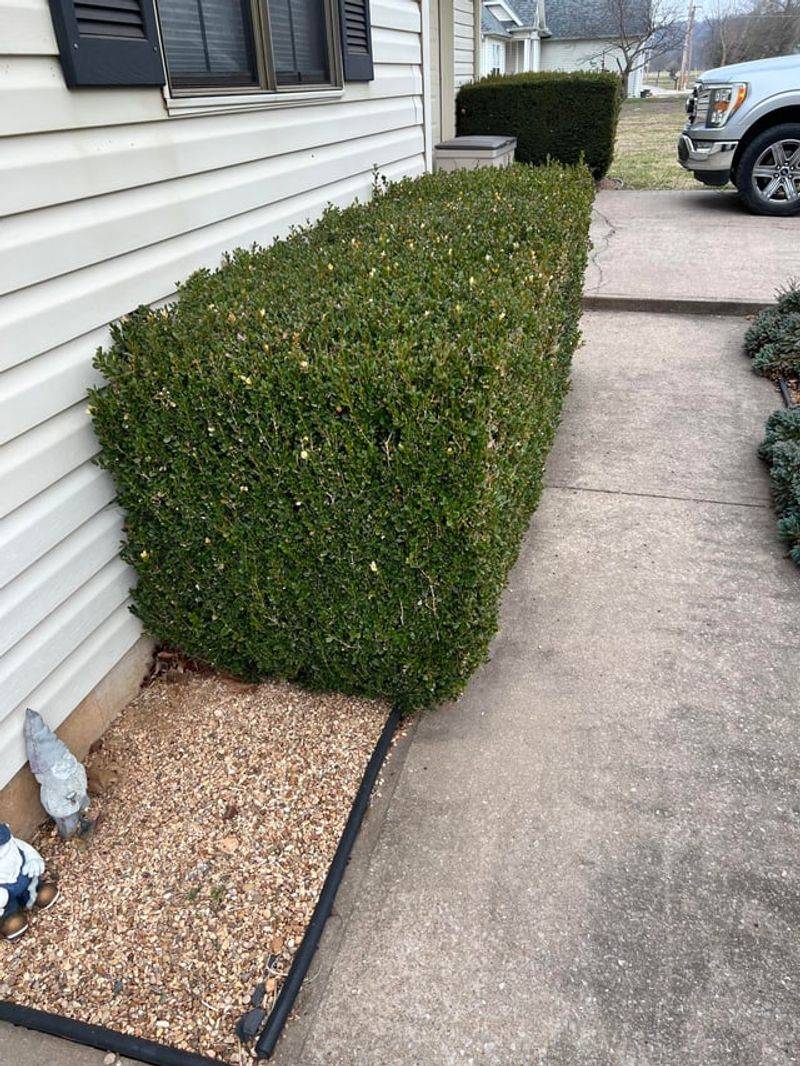
Timing is everything when it comes to pruning. There is a sweet spot in the year that works best. Hitting that window keeps your shrub happy.
The best time to prune boxwood is late spring into early summer. New growth has appeared and the weather is warm. The plant heals fast during these months.
Another good option is late winter before growth begins. The shrub is still resting but about to wake up. Cuts made then heal as spring arrives.
Avoid pruning in late summer and fall. That is when cold weather is just around the corner. The plant needs that time to prepare, not to grow.
Picture a calendar with green months marked as safe. Those are your pruning-friendly times. The late-season months are marked to skip.
Boxwood grows slowly, so you do not need to trim often. One or two sessions in the right window keep it neat all year. Patience really pays off.
Watch the weather and your local growing season. Every area is a little different. Learn your frost dates to plan smart.
When you prune at the right time, everything works in your favor. Wounds heal, new growth hardens, and the shrub stays strong. Good timing makes gardening easier.
Mark your calendar for next spring. Give your boxwood the timing it deserves. The results will show in a lush, healthy hedge.
7. Avoid Shaping Boxwood During Warm Fall Spells
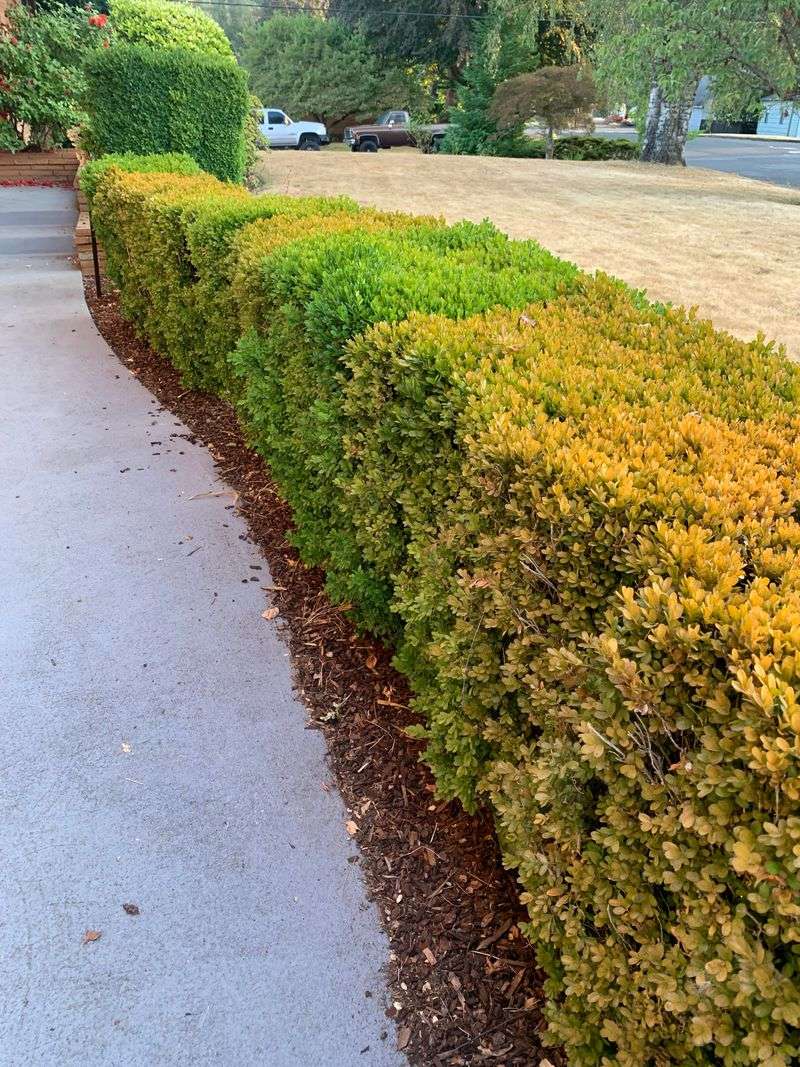
Fall weather can be tricky. Sometimes a warm spell shows up out of nowhere. It feels like summer came back for a visit.
These warm days can tempt you to grab your shears. The weather feels perfect for yard work. But this is a trap for your boxwood.
Cutting during a warm fall spell wakes the plant up. It starts pushing out fresh growth. Then the cold returns and catches it off guard.
The plant reads warm days as a signal to grow. It does not know the warmth is only temporary. That confusion leads to weak, tender shoots.
Imagine getting ready for bed, then someone turns on all the lights. You feel awake again at the wrong time. That is what warm spells do to resting shrubs.
Boxwood needs steady rest as winter approaches. Shaping it during these mild days breaks that rest. The new growth will not survive the next frost.
Resist the urge to trim, even on nice days. The calendar matters more than the temperature outside. Warm fall weather does not change what the plant needs.
Keep your tools stored away during autumn. Enjoy the warm day in another way instead. Your shrub is better off left alone.
Stick to your spring pruning plan no matter what. This keeps your boxwood on a safe schedule. Consistency protects it from surprise weather changes.
8. Protect The Plant From Sudden Temperature Swings
Winter weather can change fast. One day is mild and the next is freezing. These swings are hard on plants, especially freshly pruned ones.
A shrub with new growth feels these changes strongly. Tender shoots cannot handle quick drops in temperature. They get damaged when the cold hits suddenly.
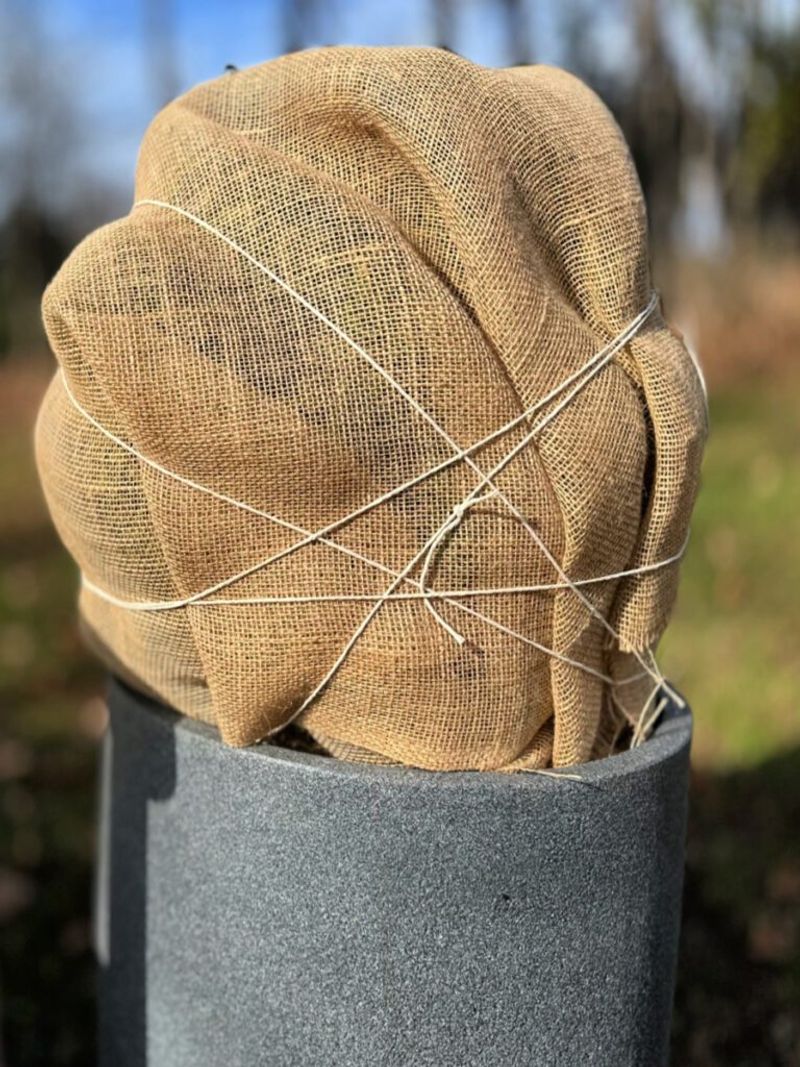
If you did prune late, there are ways to help. Wrapping the shrub in burlap gives it some shelter. This shields it from harsh wind and frost.
A layer of mulch around the base helps too. It keeps the roots warmer and steadier. Stable roots support the whole plant.
Think of burlap as a cozy blanket for your shrub. It does not stop all the cold, but it softens the blow. Every bit of protection counts.
Boxwood placed in a sheltered spot handles swings better. A location near a fence or wall blocks some wind. Planning ahead makes winter easier.
Water the shrub well before the ground freezes. A hydrated plant resists cold stress more easily. Dry plants struggle much more.
Watch the forecast for sudden cold snaps. Cover the shrub before the temperature falls. Being ready makes all the difference.
These steps give a late-pruned boxwood a better chance. They will not fix bad timing completely, but they help. Care and attention carry the plant through winter safely.