What North Carolina Citrus Trees Need In September After A Harsh Summer

Citrus tes growing in North Carolina often show visible stress after a particularly harsh summer, and September brings a real opportunity to help them recover before winter arrives.
Extreme heat and inconsistent rainfall can leave citrus trees with weakened root systems, reduced fruit production, or stressed foliage that takes real intention to reverse.
Because citrus isn’t naturally suited to North Carolina’s climate to begin with, recovery care becomes especially important heading into the cooler months when the trees will need extra resilience.
Skipping this recovery period can leave already-stressed trees more vulnerable to cold damage or disease over winter.
Giving citrus trees focused attention this September can make a meaningful difference in how well they bounce back and perform next growing season.
1. Restore Consistent Moisture

After weeks of heat, your citrus tree probably feels thirsty and worn out. Steady watering in September helps it settle down and start healing from the long, dry summer.
Citrus roots handle normal wet-dry cycles, but prolonged drought followed by excessive watering can stress the tree and damage roots.
When you let the ground dry out too much and then dump a huge amount of water, the roots get shocked and struggle to take in what they need.
Think of it like drinking water throughout the day instead of gulping a gallon all at once. Trees prefer a calm, even rhythm. Deep watering once or twice a week usually works better than tiny sips every day.
Slow, deep soakings reach the lower roots where the tree stores its strength. This encourages roots to grow downward, which makes the tree tougher during dry spells and cooler weather ahead.
Mulch can be your best friend here. A few inches of mulch around the base, kept away from the trunk, holds moisture in the soil and keeps the ground from drying out too fast in the September sun.
Pay attention to how your tree responds. If leaves stop drooping and start looking firm again, your watering plan is working well.
Keeping moisture steady now sets the stage for a healthier tree later. A little patience and consistency go a long way toward helping your citrus recover from a rough summer and feel refreshed as autumn begins.
2. Check The Root Zone Before Watering
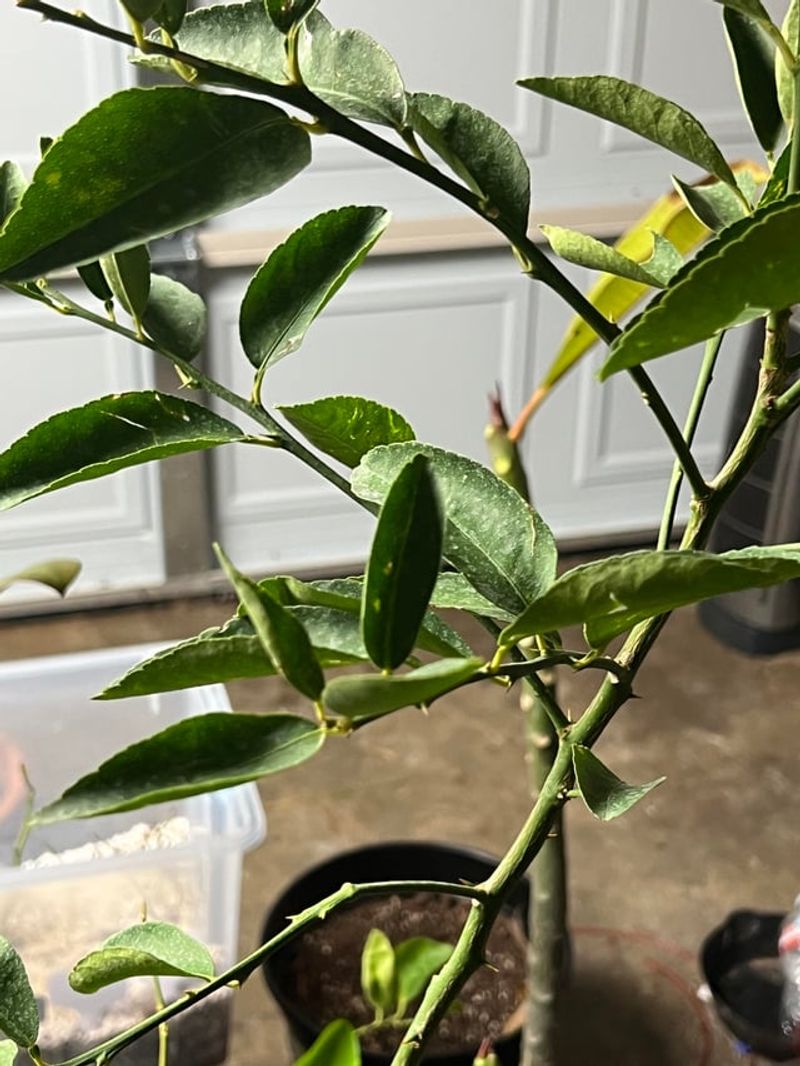
Before you grab the hose, take a quick moment to feel the soil. The surface might look dry and dusty, but the ground a few inches down could still be nicely damp from an earlier watering.
Citrus roots live below the surface, so what happens up top does not always tell the full story. Poke your finger three or four inches into the soil, or use a small trowel to dig a little. If it feels moist down there, your tree is fine and does not need more water yet.
Watering when the soil is already soaked can cause more trouble than the summer heat did. Roots sitting in soggy ground cannot breathe, and they start to rot instead of recover.
This simple habit saves you time and protects your tree. Instead of guessing, you get a clear answer every single time.
Your North Carolina Garden Changes Every Week. Your Plan Should Too.
Gardening in North Carolina changes quickly throughout the season. Every Friday you’ll receive a simple weekly plan showing exactly what to plant, prune, fertilize, harvest, and protect so you never miss the right timing.
You can also try a wooden stick pushed into the soil. If it comes out clean and dry, water your tree. If it comes out with damp dirt stuck to it, wait a couple of days.
Checking first also helps you learn your yard. Sunny spots dry out faster than shady ones, and containers dry quicker than trees planted in the ground.
By reading the soil before you water, you give your citrus exactly what it needs. That balance is what helps a stressed tree slowly regain its strength through September.
3. Inspect Leaves For Heat Stress
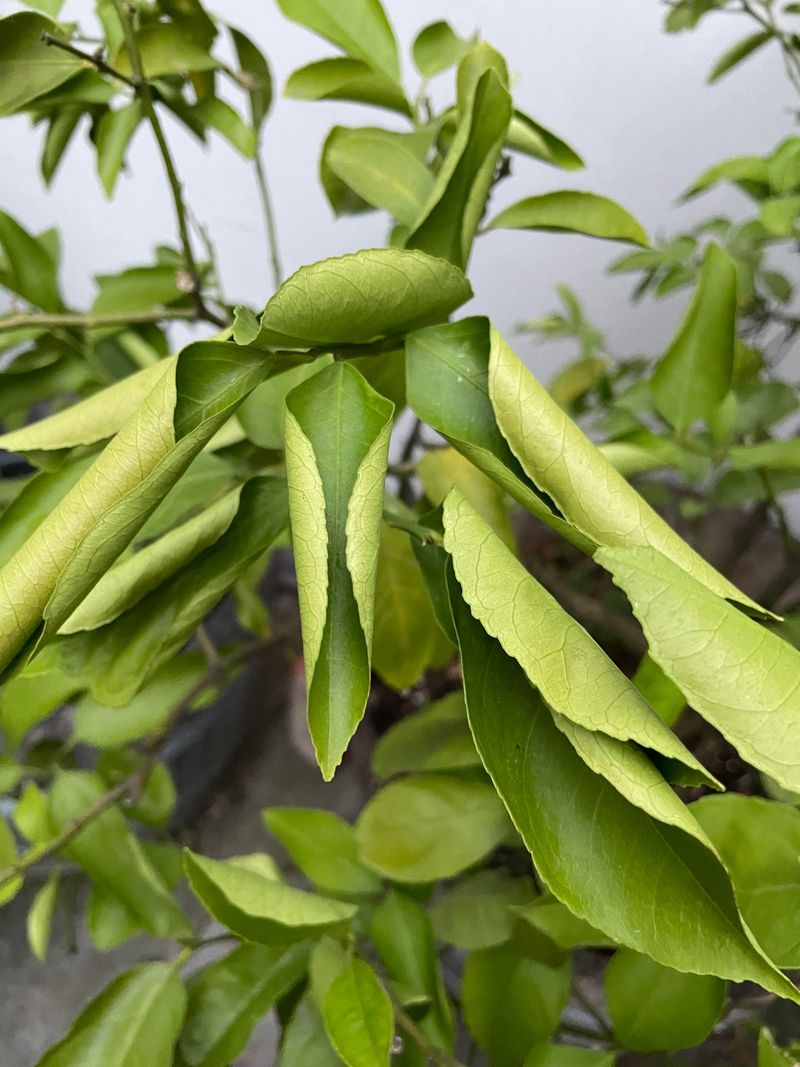
Leaves tell the whole story of how your tree survived the summer. When you look closely, you might notice yellow patches, curled edges, or brown tips that look scorched by the sun.
These signs are your tree waving a little flag for help. A harsh summer can cause leaves to drop, fade in color, or crisp up along the edges from too much heat and not enough water.
Before you rush to add fertilizer or sprays, figure out what actually caused the damage. Yellow leaves might mean the tree was too dry, while brown edges often point to sunburn or salt buildup in the soil.
Guessing wrong can make things worse. If you treat a watering problem with plant food, you may stress the tree even more instead of helping it.
Take a slow walk around your citrus and check both the tops and undersides of the leaves. Sometimes the cause hides where you least expect it, like a tiny pest or a spot that never gets shade.
Curling leaves can mean the tree pulled back moisture to protect itself during the hottest days. That is a normal survival trick, and steady watering often helps those leaves recover.
Once you know the real reason behind the damage, you can pick the right fix with confidence. Reading your leaves carefully now helps you avoid mistakes and gives your citrus a smoother path back to good health this fall.
4. Avoid Heavy Late Fertilizer Applications
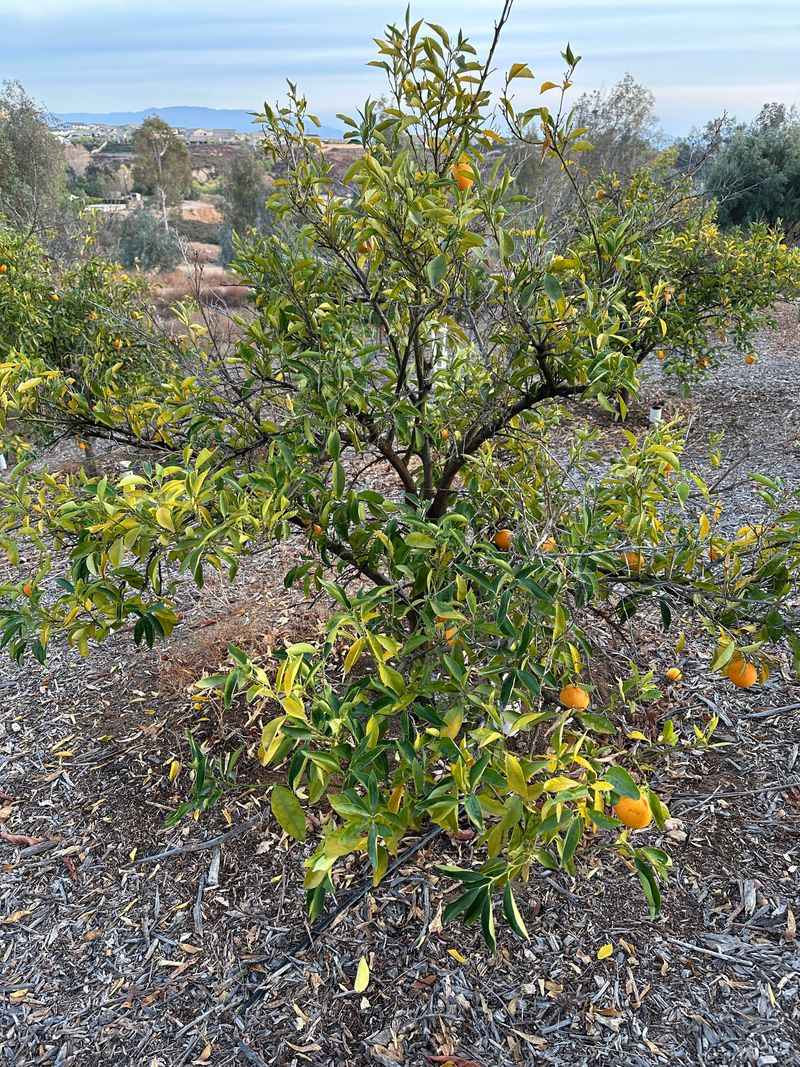
It feels natural to want to feed a tired tree, but September is not the time to pile on the plant food. Too much fertilizer this late can actually work against your citrus.
Nitrogen is the nutrient that pushes trees to grow fresh leaves and shoots. When you give a big dose now, the tree responds by sprouting tender new growth just as the weather starts to cool down.
That soft, young growth is fragile. Cooler nights and early frosts can damage those delicate shoots easily, leaving your tree weaker instead of stronger.
Think of it like waking someone up right before bedtime. The tree wants to slow down and rest for the season, not start a growth spurt it cannot finish.
Instead of heavy feeding, keep things light or hold off completely until spring. If your tree truly needs a little boost, a small, balanced amount is safer than a large scoop of high-nitrogen food.
Your citrus stores energy during the fall to prepare for the months ahead. Letting it settle naturally helps it build that strength without wasting effort on growth that will struggle later.
Focus your energy on steady watering and good care instead. Those simple habits do more good right now than any big feeding ever could.
By easing off the fertilizer as autumn approaches, you help your tree harden off and stay protected. That patience pays off with a healthier, tougher tree when warmer days return.
5. Check For Citrus Pests
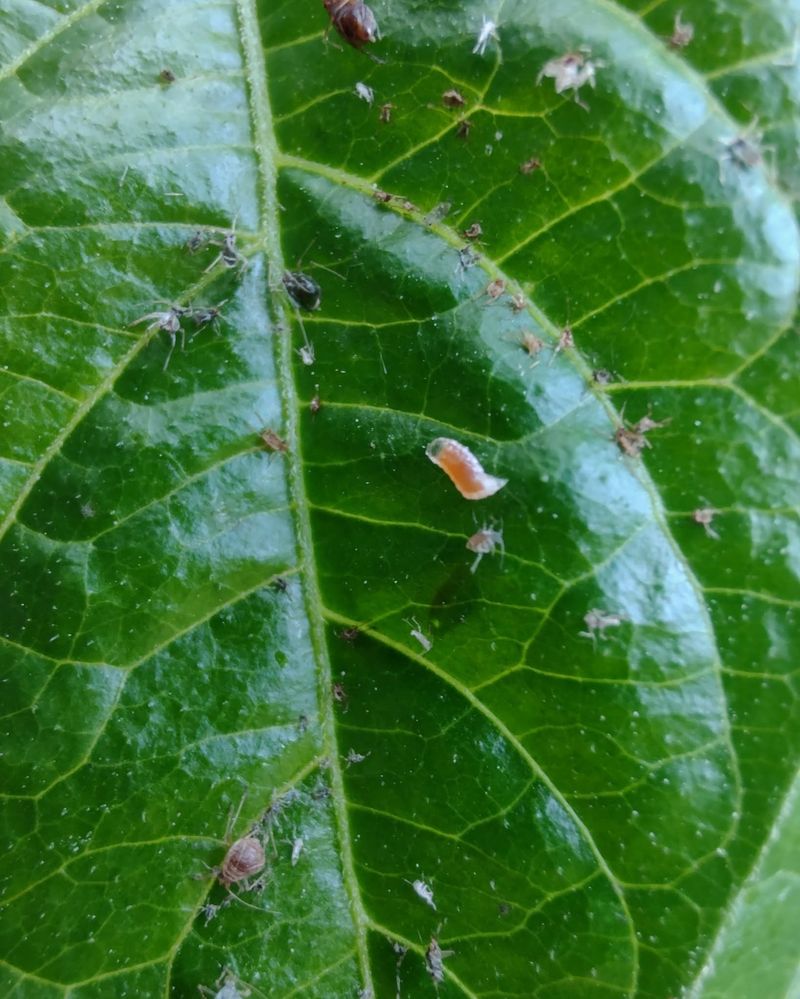
Bugs love a stressed tree, and a hot summer often leaves citrus more open to unwanted visitors. September is a smart time to play detective and check for tiny pests.
Weakened trees send out signals that attract insects like scale, aphids, and mites. These pests move in quietly and can spread fast if nobody notices them.
Flip over a few leaves and look closely along the stems. Scale insects look like small bumps stuck to the branches, while aphids gather in clusters and mites leave fine webbing or speckled leaves behind.
Catching them early makes a huge difference. A small group of pests is easy to handle, but a large one can drain your tree just when it needs energy to recover.
A strong spray of water can knock many pests off the leaves. For tougher problems, insecticidal soap or horticultural oil usually works well without harming the tree.
Sticky, shiny spots on the leaves are another clue. That sticky stuff, called honeydew, comes from insects feeding on the plant and often leads to black mold if left alone.
Checking regularly keeps small problems from turning into big headaches. Even a quick weekly look helps you stay ahead of trouble.
By keeping pests in check now, you give your citrus one less thing to fight. A clean, bug-free tree can focus all its energy on healing and getting ready for the cooler season coming up.
6. Improve Protection Before Cold Weather

North Carolina weather can turn chilly faster than you expect. Getting ready now, while it is still warm, saves you from scrambling when the first cold snap arrives.
Keep an eye on the weather forecast as September moves along. Knowing when temperatures start to dip gives you time to act before frost can reach your trees.
Trees growing in containers have a big advantage because you can move them. Plan a bright indoor spot near a window so your potted citrus stays cozy when nights turn cold.
For trees planted in the ground, gather your supplies early. Frost cloth, blankets, or old sheets work well to wrap and shield branches when freezing temperatures show up.
Setting things up ahead of time means less stress for you and your tree. There is nothing worse than searching for covers in the dark while cold air rolls in.
Young trees and tender varieties need the most attention. Their thinner branches feel the cold quickly, so give them extra protection first.
Mulch around the base also helps guard the roots from chilly ground. A thick layer acts like a warm blanket for the soil below.
Preparing now while the weather is mild lets you handle cold nights calmly and quickly. A little planning today keeps your citrus safe when winter finally knocks.
That head start makes all the difference between a tree that struggles and one that sails through the cold months in good shape.
7. Maintain Good Drainage
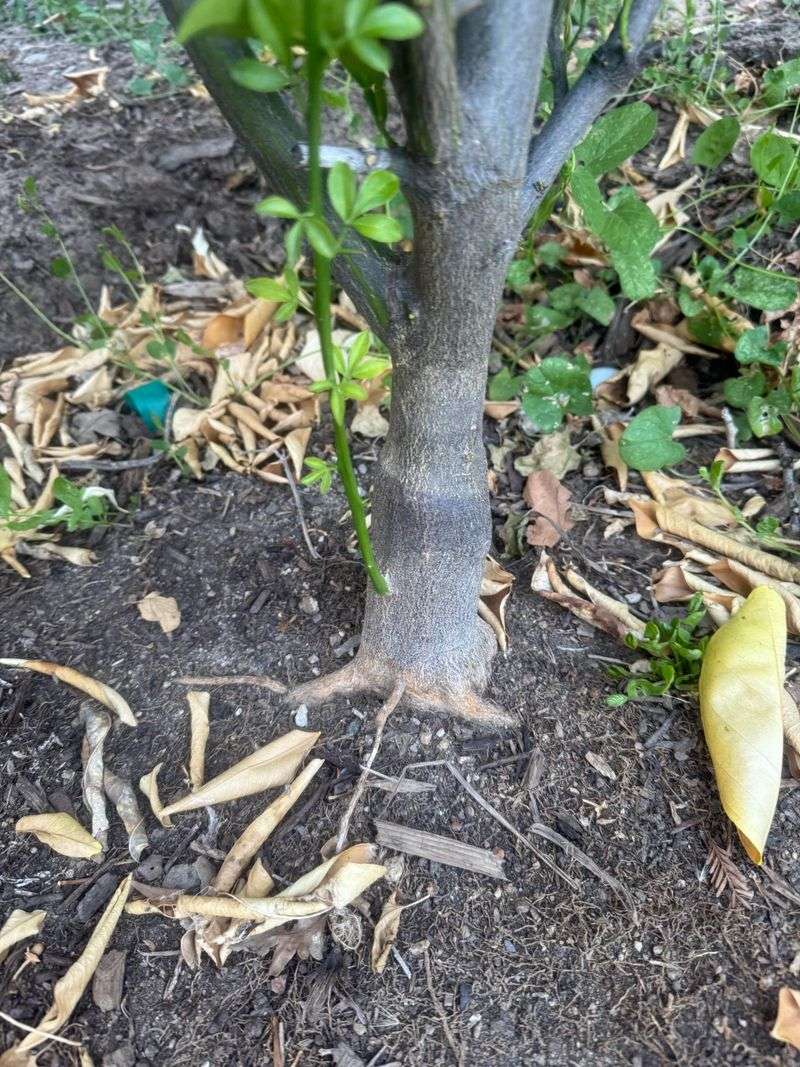
Here is something many gardeners forget: roots need air just as much as they need water. Citrus roots breathe through tiny spaces in the soil, and good drainage keeps those spaces open.
After a dry summer, it is tempting to keep pouring on water to help the tree recover. But if the soil stays soggy and heavy, the roots end up drowning instead of healing.
Waterlogged ground pushes out the air that roots depend on. Without oxygen, roots start to rot, and a rotting root system causes far more harm than a little summer stress ever did.
Check how your soil handles water. If puddles sit on top for a long time or the ground feels muddy for days, drainage may be your real problem.
For potted citrus, make sure the container has holes in the bottom. Empty any saucer that collects extra water so the roots are never left sitting in a puddle.
Mixing in some sand or a gritty potting blend can help heavy soil drain better. Raised beds or mounds also lift roots above soggy spots in the yard.
Healthy soil should feel moist but never swampy. That balance lets water and air work together to keep roots happy.
By keeping drainage in mind, you protect your tree from a hidden danger. Good airflow underground gives stressed citrus the steady, healthy foundation it needs to fully recover from a tough summer.
8. Prepare The Tree For A Strong Spring Start
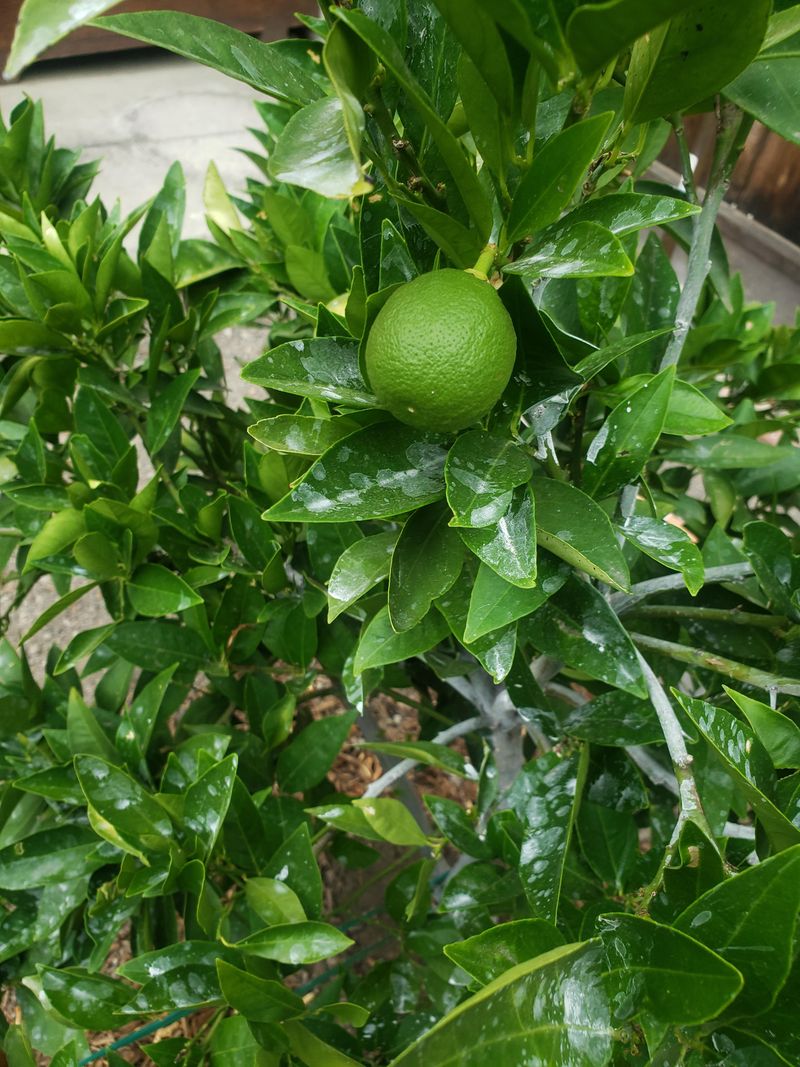
Everything you do in September builds toward one big goal: a strong, happy tree next spring. All the small steps add up to a citrus that wakes up ready to shine.
Steady moisture helps roots settle and rebuild after the summer heat. When you keep watering even and reasonable, the tree slowly regains the strength it lost during the hottest weeks.
Watching for pests keeps your tree from spending energy fighting off bugs. A clean, pest-free citrus can pour all its focus into healing and storing power for the months ahead.
Feeding wisely matters too. By skipping heavy fertilizer now, you let the tree rest and toughen up instead of pushing weak growth that struggles in the cold.
Getting ready for winter ties it all together. Covers, mulch, and a plan for chilly nights keep your tree safe when temperatures drop.
Think of fall as a quiet resting season for your citrus. The tree is not doing much on the outside, but underground it is preparing for a big comeback.
When spring arrives, a well-cared-for tree bursts back with fresh leaves, healthy branches, and maybe even fruit. That reward comes from the care you give right now.
Taking these simple steps through September sets your citrus up for success. With a little effort during the cooler months, your tree enters the new year stronger, healthier, and ready to grow beautifully once the warm days return.