The Late Flush Of Maryland Roses Has A Reason People Get Wrong
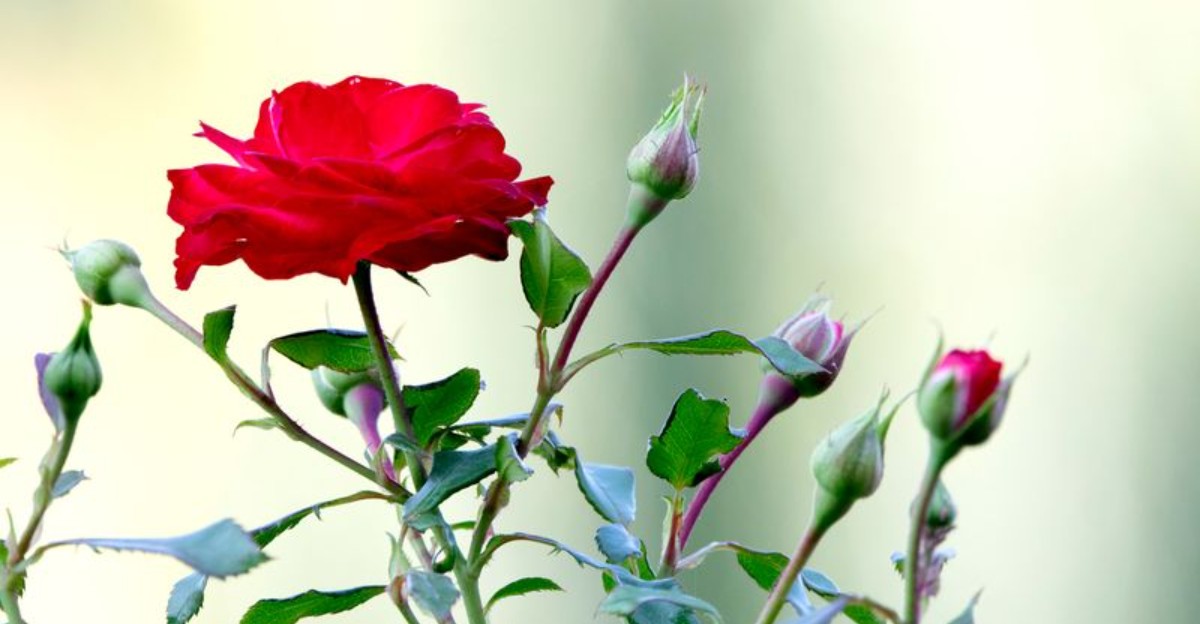
By late August the garden looked scorched, tired, and honestly a little insulted by Maryland humidity. Then September slipped in, and something began stirring again in the tired beds along the back fence.
Neighbors swap theories over the mailbox, each one more confident than the last about the sudden change. Most of those explanations sound perfectly reasonable, and nearly all of them happen to be wrong.
Gardeners love a good cause-and-effect story, especially one that credits the bag of something they bought in July. The real answer is a lot less flattering, and honestly, far more interesting than any purchase.
Weather did most of the heavy lifting while everyone else took credit and posted photos. Somewhere in a shed, an unopened bag is quietly taking a bow it did not earn.
The True Trigger Behind Maryland’s Autumn Rose Blooms
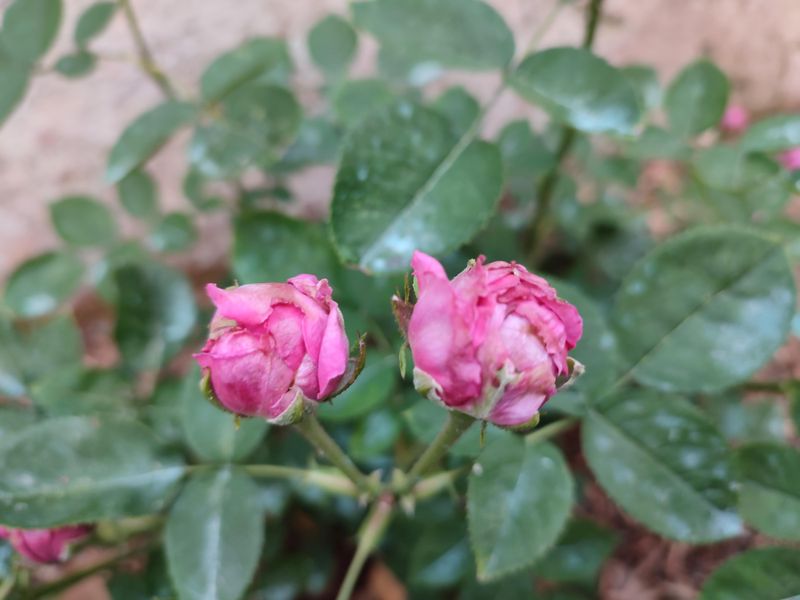
Ask ten gardeners about the fall show and you will hear ten different answers. The honest one involves a thermometer rather than anything sold in a garden center.
Repeat-blooming roses push new buds all season long, quietly, in the background. Summer heat simply shrinks those buds, fades the color, and shortens how long each flower lasts.
Once Maryland nights settle into the fifties and low sixties, the plant redirects its energy instead of resisting the heat. Energy that went toward survival goes back into petals, stems, and richer pigment.
Shorter days matter too, since less intense sunlight means less moisture pulled from the leaves. The plant holds water better, so buds open fully instead of scorching at the edges.
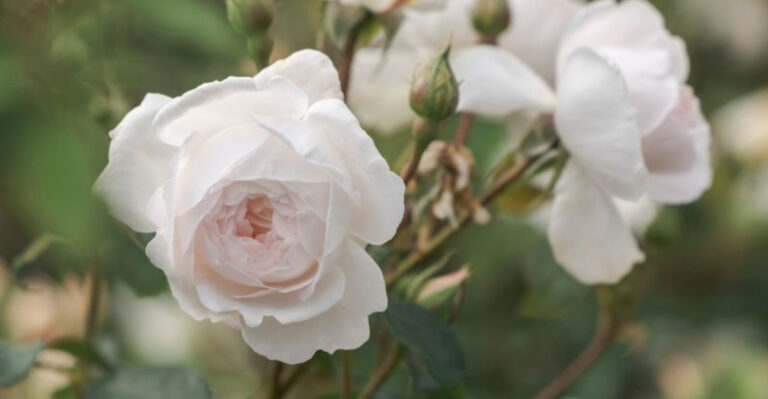
Petal counts climb noticeably in autumn, and many varieties gain a shade or two of depth. A pale pink in July can look almost raspberry by the first week of October.
Fragrance follows the same pattern, because scent oils hold up better in cool, humid morning air. Walk past a bed at seven in the morning and the difference is obvious.
Gardeners in Frederick and on the Eastern Shore often see the shift within the same week. Elevation and water proximity nudge the timing, but the cause stays identical.
Track your own nights with a cheap outdoor thermometer for one season. The pattern becomes predictable, and you can plan visitors around peak color.
None of that required extra effort from you, which is either comforting or slightly humbling. Maryland weather ran the show, and the bushes were simply waiting for permission.
Summer Heat’s Pause On Rose Bud Development
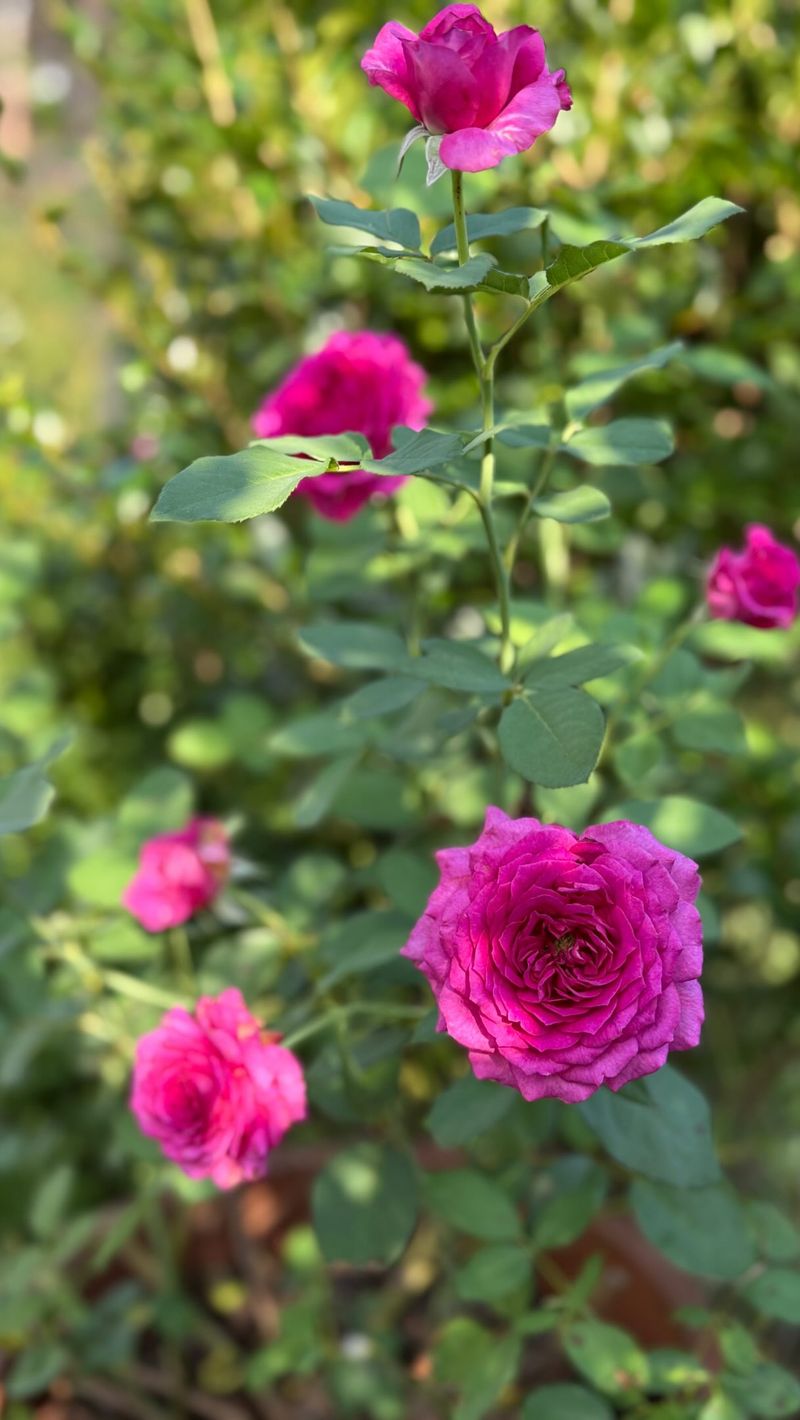
Roses do not take vacations, but Maryland Julys come awfully close to forcing one. Above roughly ninety degrees, bud development slows and the plant shifts into pure maintenance mode.
Photosynthesis becomes inefficient in extreme heat, so the bush spends more sugar than it makes. Flowers are expensive, and an overheated plant treats them as an optional luxury.
Blind shoots show up during this stretch, stems that grow tall and finish with nothing on top. Gardeners panic, assume something is wrong, and start troubleshooting problems that do not exist.
Humidity adds another layer, since soggy air keeps petals from separating properly. Buds ball up, turn papery brown, and drop without opening at all.
Your Maryland Garden Changes Every Week. Your Plan Should Too.
Gardening in Maryland changes quickly throughout the season. Every Friday you’ll receive a simple weekly plan showing exactly what to plant, prune, fertilize, harvest, and protect so you never miss the right timing.
Meanwhile, roots keep working underground and canes keep storing energy for later use. That stored energy is exactly what funds the September and October display.
The summer pause, then, is less a failure and more a savings account. Cooler weather simply unlocks the balance the plant built during those miserable weeks.
Knowing that changes how you treat a struggling bush in August. Shade cloth, deep watering, and patience beat aggressive pruning or heavy feeding every time.
Mulch depth matters more than most people realize during a Chesapeake heat wave. Three inches of shredded bark can hold soil temperatures ten degrees lower than bare ground.
Cooler roots mean less stress, and less stress means a bigger payoff once fall arrives. Your August effort shows up in October, which feels like a delayed thank-you note.
The Fertilizer Myth Most Maryland Gardeners Repeat
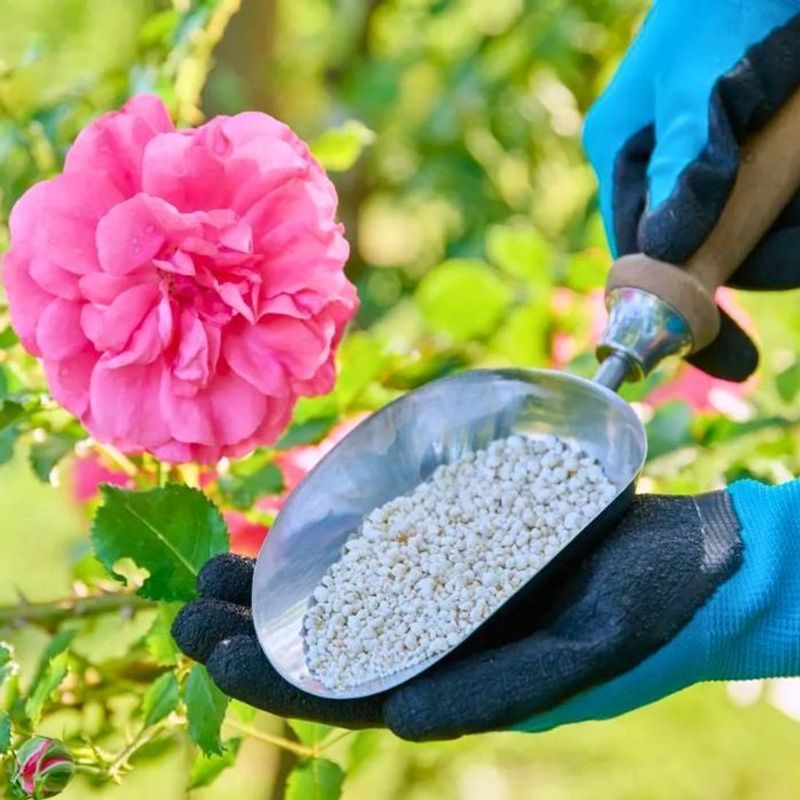
Here comes the part that stings a little. That bag of rose food you scattered in mid-August did not cause the October show.
Fertilizer supplies building materials, and temperature decides whether the plant uses them. A hot, stressed bush cannot absorb nutrients efficiently, no matter how generous you were.
The timing coincidence fools almost everybody in the mid-Atlantic. You feed in August, cool weather arrives in September, and the blooms follow right on cue.
Skip the feeding one year and watch what happens along your fence line. The fall flush shows up anyway, slightly smaller perhaps, but stubbornly present.
Late nitrogen carries real risk in Maryland, especially in zones 6b and 7a. Soft new growth pushed in October has little time to harden before the first hard frost.
Damaged cane tips invite fungal trouble over winter and weaken the plant by spring. The bag meant to help ends up creating next season’s headache.
Most Maryland rose growers stop feeding around the middle of August for that reason. Anything the plant needs after that point already sits in the soil.
A soil test through your county extension office costs very little and settles arguments fast. Most yards here run heavy in phosphorus already, which surprises people who feed constantly.
Compost remains the exception worth keeping in the routine. A thin autumn layer feeds soil life without pushing tender growth at a risky moment.
Credit the weather, save your money, and put it toward something you actually enjoy. The roses will not notice the difference, and your wallet certainly will.
September Timing In The Mid-Atlantic Garden
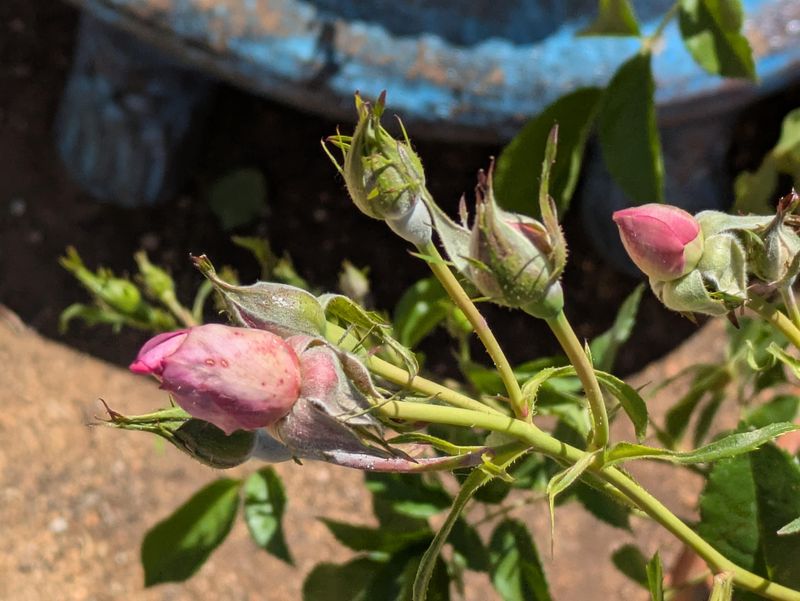
Mark mid-September on the calendar and you will look prescient to your neighbors. That is roughly when Maryland night temperatures drop into the comfortable range for bud development.
Blooms you see in October were actually started six to eight weeks earlier. The stems forming during late August quietly decide what the autumn display will look like.
Timing your last shaping cuts around Labor Day supports that October peak. Anything later mostly removes the buds you were hoping to admire.
Peak color usually lands between the first and third weeks of October across central Maryland. Baltimore and Annapolis gardens often run a few days ahead of Hagerstown.
Garrett County sits higher and colder, so its window opens sooner and closes faster. Eastern Shore gardens, warmed by water, sometimes hold blooms into early November.
Day length plays a supporting role alongside temperature in triggering the shift. Shorter photoperiods signal the plant to finish its reproductive work before winter settles in.
A warm, dry September can delay everything by ten days or more. A cool, damp one pulls the whole schedule forward and produces unusually large flowers.
The first hard frost, typically late October inland, ends the performance abruptly. Coastal gardeners frequently squeeze out two extra weeks thanks to the Chesapeake.
Keep a simple garden journal with dates, and patterns emerge within two seasons. You will predict peak weekend timing better than any regional forecast can.
Local photographers often plan fall sessions around this predictable color peak. October roses simply photograph better, with deeper tones and fewer scorched petal edges.
Pruning Habits That Stretch The Fall Rose Season
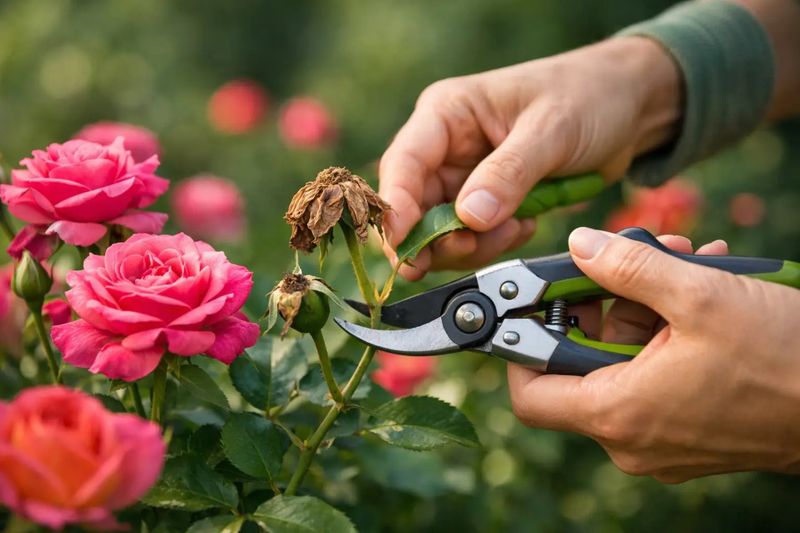
Snipping faded flowers does more than tidy the bed. Each removal tells the plant to keep producing instead of putting energy into seed formation.
Cut just above a leaf with five leaflets, angling the blade slightly away from the bud. Sharp bypass pruners make clean cuts that seal quickly in humid Maryland air.
Sanitize pruners with an isopropyl solution between bushes, especially after cutting damaged wood. Ten seconds of wiping prevents spreading trouble down the entire row.
Stop that routine around the middle of October in most of the state. Letting the final blooms form hips signals the bush to begin hardening its canes.
Water matters just as much as pruning during the autumn stretch. Roses want about an inch each week, delivered in one deep soak rather than daily sprinkles.
September rain in Maryland arrives unevenly, so check soil moisture four inches down. Dry soil at that depth means the roots are thirstier than the surface suggests.
Morning watering at the base keeps foliage dry and black spot less enthusiastic. Wet leaves overnight in our humidity practically roll out a welcome mat for fungus.
Clear fallen leaves from under the bushes weekly. Those scraps carry spores that splash back onto healthy foliage during the next storm.
Refresh mulch lightly in September, keeping it a few inches off the canes. Piled mulch against stems traps moisture and invites rot at the worst possible spot.
Small habits like these add two or three weeks to the show. That is the difference between a nice fall and a showy one.
Winter Preparation After The Final Rose Display
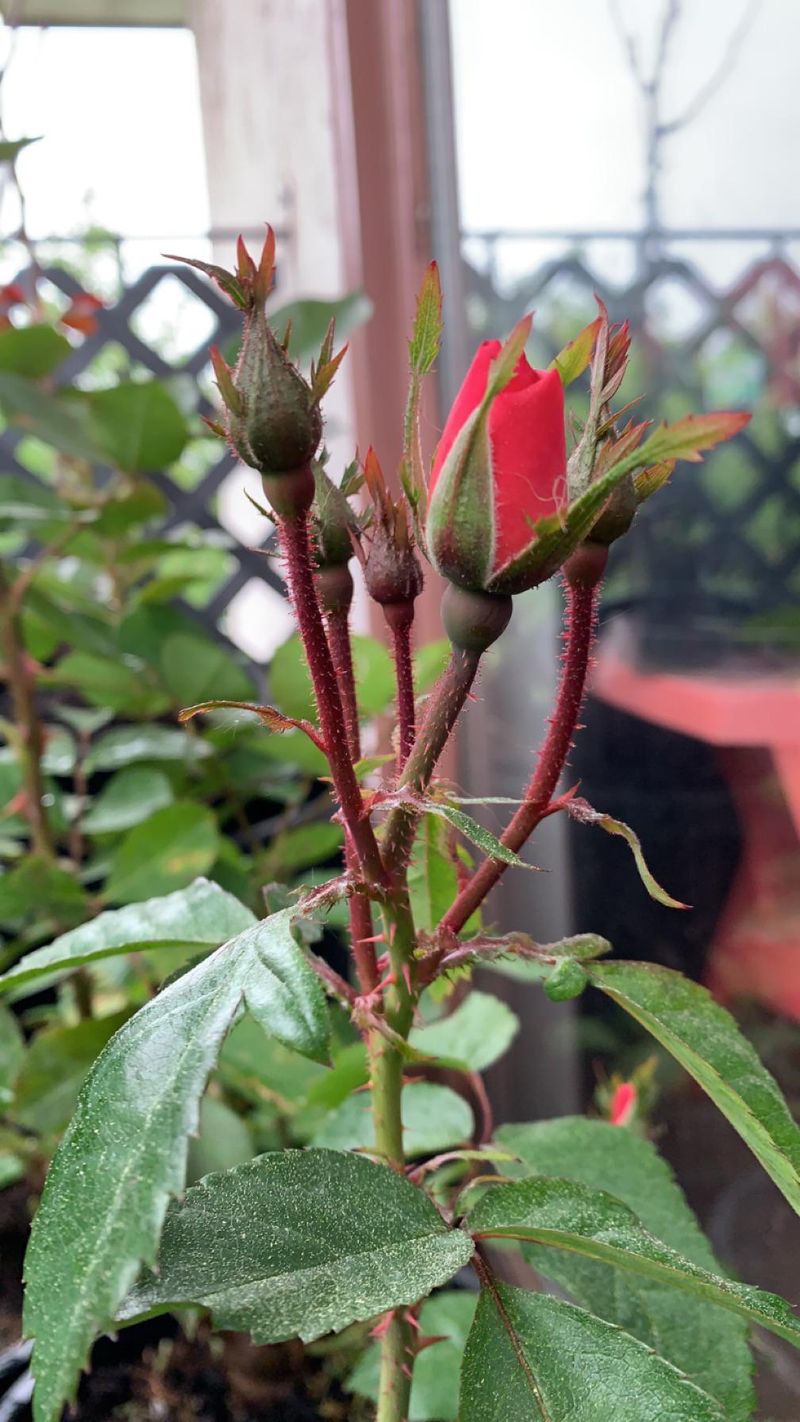
The show ends, the frost arrives, and suddenly everybody reaches for the pruners. Resist that urge, because heavy autumn cutting is the most common regional mistake.
Fresh cuts stimulate growth the plant cannot protect once temperatures swing. Maryland winters bounce between sixty degrees and twenty, which confuses an already awake bush.
Shorten only the tallest canes, and only enough to stop winter wind from rocking them. Loose roots caused by that rocking damage more plants than cold ever does.
Wait until the ground genuinely freezes, usually around Thanksgiving, before mounding protection. Eight inches of compost or shredded leaves over the graft union does the job.
Keep watering until the soil locks up, since dry roots suffer badly in freezing weather. A hydrated plant handles January far better than a parched one.
Rake out every fallen leaf around the base before winter settles in. Black spot spores overwinter in that debris and return with the first warm rain.
Climbers need their canes tied securely to supports before the first ice storm. Whipping canes snap at the base and take years to replace properly.
Gardens in Garrett and Allegany counties benefit from burlap windbreaks on exposed sides. Closer to the bay, mulch alone usually handles the milder winters fine.
Real pruning belongs in March, when forsythia blooms across the state. That old signal remains more reliable than any date printed on a calendar.
Do all of that and next year’s roses start ahead of schedule. Then autumn rolls around again, and the weather takes the credit once more.