Why Your Garden Gets More Bird Visitors In Fall
Something shifts in the yard once the light turns golden and the early mornings start to feel crisp. Your quiet backyard suddenly sounds much busier than usual.
Wings flicker past the kitchen window while you sip coffee, and the chatter outside climbs by the hour. You certainly did not schedule this noisy little party, yet somehow it arrived right on time.
The reason has far less to do with luck and much more to do with timing. Your yard has quietly turned into a reliable stopover for hungry travelers.
Knowing what drives the rush helps you keep the buffet stocked and your guests coming back. Just do not expect a single one of them to help you with the dishes.
1. Migration Traffic Turns Your Yard Into A Rest Stop
Millions of feathered travelers pass overhead each autumn, and plenty of them are running dangerously low on fuel. Your garden sits somewhere along a flyway that their families have followed for many generations.
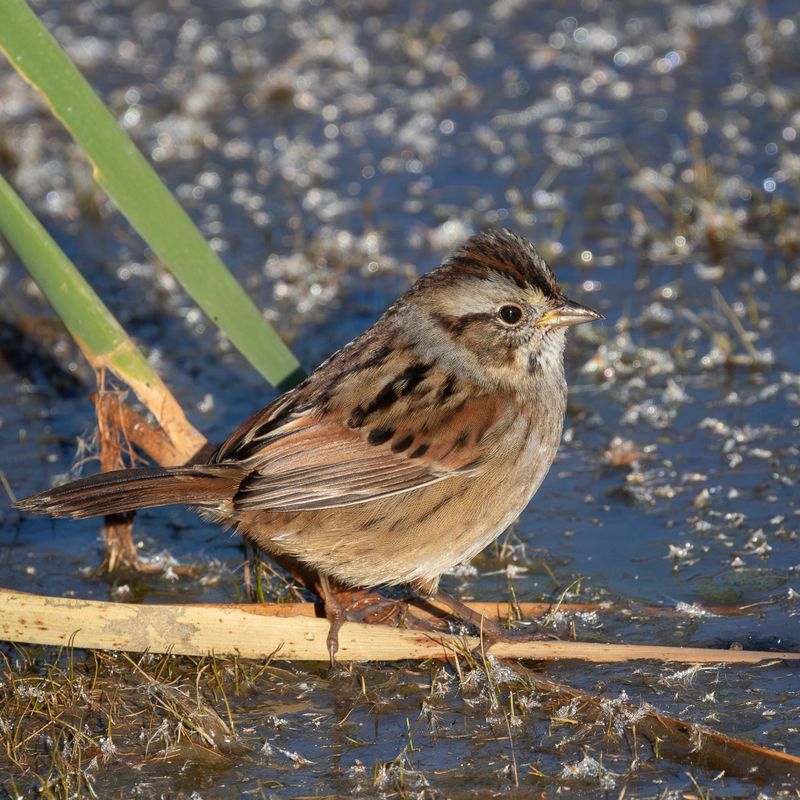
Warblers, thrushes and sparrows drop in for a fast meal before continuing south after dark. They are not staying long, so they judge your whole yard in roughly thirty seconds.
Plant a mix of native shrubs and leave a few weedy corners standing through the season. Messy edges shelter insects and seeds, which is exactly what a tired traveler hopes to find.
Keep at least one feeder filled with black oil sunflower seed throughout September and October. High fat food helps small visitors rebuild lost energy quickly between long flights toward warmer ground.
Migration peaks shift week by week, so your guest list keeps changing without any warning. One morning brings warblers, and the next delivers a noisy flock of white throated sparrows.
Keep a notebook near the window and jot down anything unfamiliar that catches your eye. Autumn plumage looks duller than spring colors, which turns identification into a satisfying puzzle.
Cats should stay indoors during peak movement weeks because worn out migrants react slowly to danger. Window decals help too, since exhausted travelers often misjudge reflections in very clean glass.
Here is a fun fact: many songbirds migrate at night using stars and magnetic fields. Your quiet yard might be their first real breakfast after an eight hour flight.
2. Shorter Days Flip A Hidden Feeding Switch
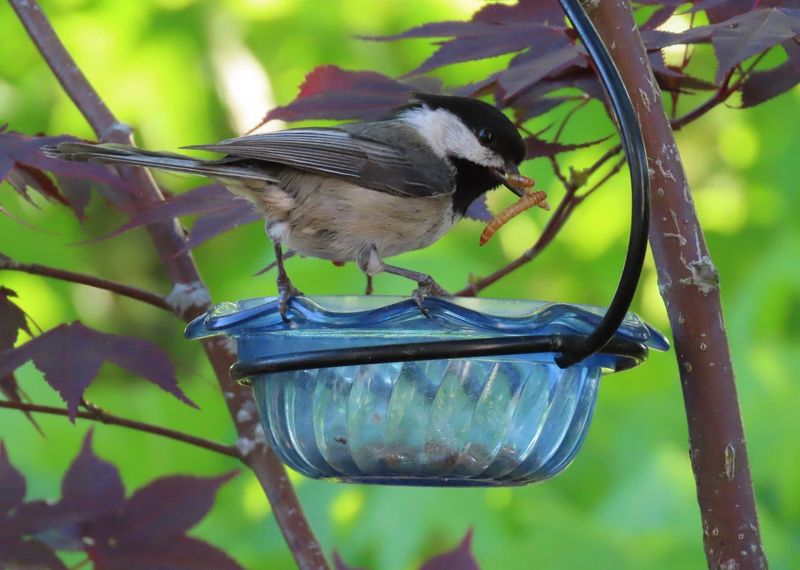
Daylight shrinks a little more each evening, and birds notice the change long before we do. Their bodies respond to shrinking light with hormone shifts that crank up appetite almost overnight.
Scientists call this seasonal restlessness, and it explains the sudden traffic jam at your feeders. Birds that ignored you all July will suddenly arrive twice an hour in September.
Feeding turns into a race against the clock once daylight hours drop below twelve. Every small bird must gather enough calories before the sun slips behind your back fence.
Fill your feeders early in the morning so the first hungry wave finds breakfast waiting. Top them off again during late afternoon, because that last feeding hour truly matters most.
Chickadees take advantage by caching seeds in bark cracks all around the yard. A single chickadee can hide thousands of seeds and later remember most of those spots.
Offer foods that pack real energy, such as peanuts, suet cakes and striped sunflower seed. Skip cheap mixes loaded with red milo, because most visitors kick it onto the ground.
Cleaning matters much more as traffic increases, so scrub your feeders every couple of weeks. Warm soapy water and a thorough rinse stop illness from spreading through busy crowds.
Watching that switch flip is genuinely fun once you know exactly what to look for. Suddenly your whole yard runs on a schedule set by sunlight rather than your alarm.
3. Wild Seed Supplies Start Running Thin
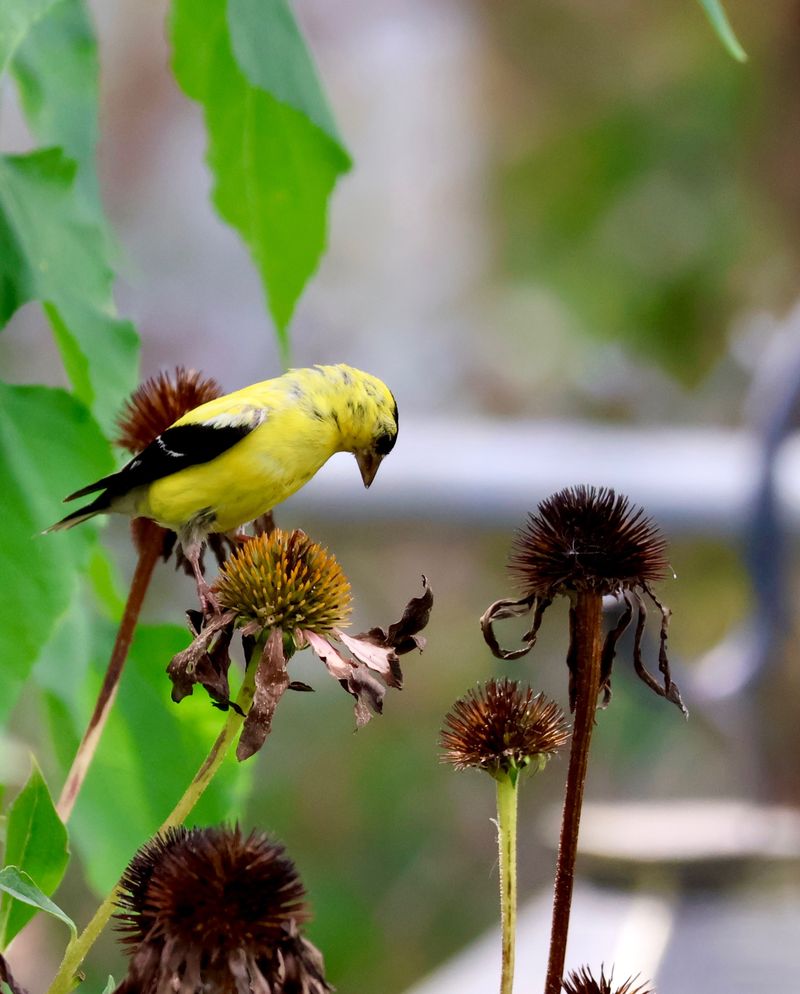
Late summer meadows look generous, yet much of that natural harvest disappears faster than most people expect. Rain, mold and hungry rodents claim a large share of it before October even arrives.
Goldfinches strip coneflower heads within days, and ground sparrows clean up whatever seed tumbles below. Once those wild pantries run empty, your feeder quickly becomes the most reliable option nearby.
Leave the seed heads standing this month instead of cutting everything back for a tidy look. Coneflowers, sunflowers, black eyed Susans and ornamental grasses feed dozens of visitors for many weeks.
Nyjer seed pulls in finches quickly once natural thistle supplies run low during cooler weeks. Store it inside a sealed container, because stale nyjer seed gets ignored almost immediately.
Scattering a little seed across bare ground helps juncos and towhees that dislike hanging feeders. Use small amounts only, so leftovers do not attract mice near your house foundation.
A tarp or tray beneath hanging feeders keeps spilled hulls from smothering your lawn grass. Sunflower shells release chemicals that discourage grass and garden plants from growing well nearby.
Weedy patches sound unappealing until you watch a hungry flock working through them at sunrise. Foxtail, ragweed and lamb quarters supply thousands of tiny seeds that nobody planted on purpose.
Think of your garden as a pantry that stays open long after the neighbors close theirs. Word spreads fast among the local flocks, and regular customers return every single morning.
4. Berry Loaded Shrubs Become A Magnet
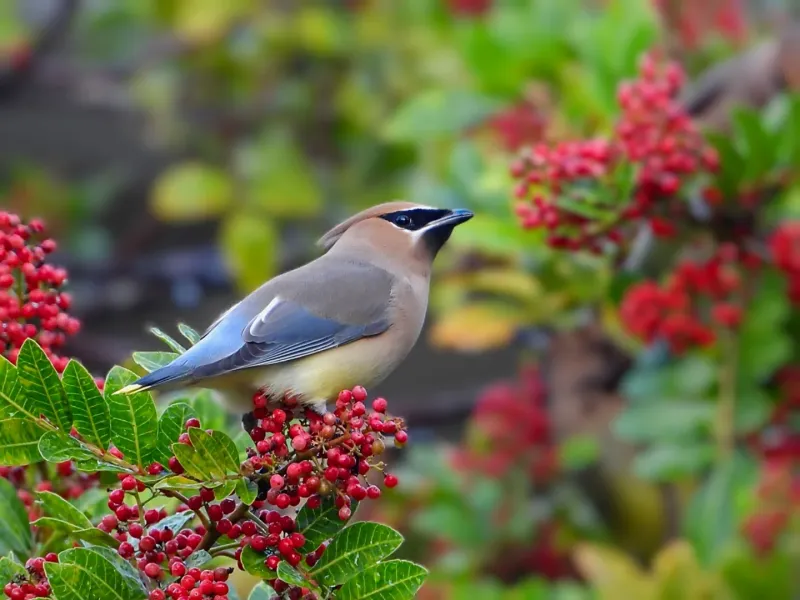
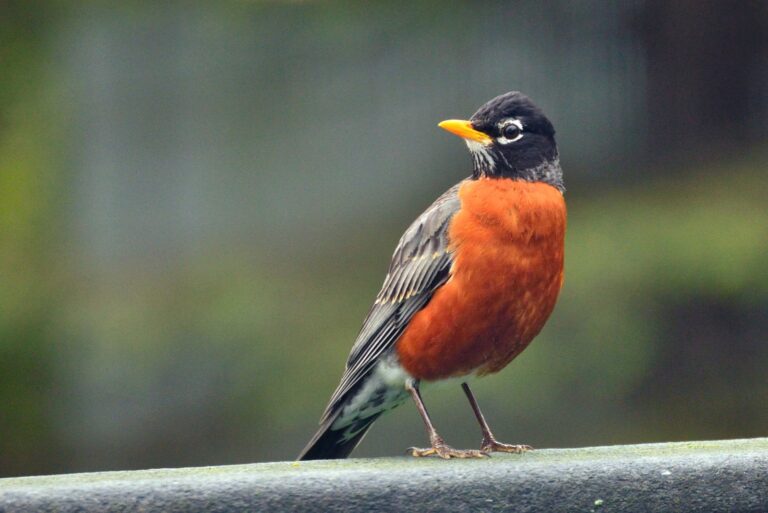
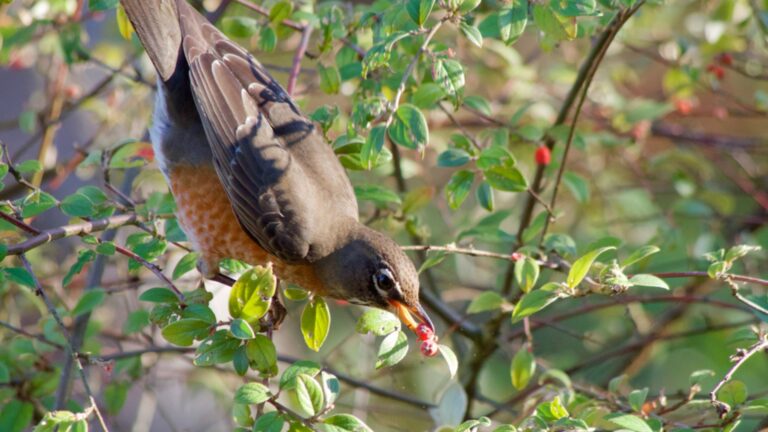
Robins abandon lawns in autumn and switch to fruit, sometimes eating hundreds of berries daily. One loaded winterberry shrub can hold an entire flock captive for most of a morning.
Native fruits ripen right when migrants need quick sugar and steady fat for long travel. Dogwood, serviceberry, viburnum and elderberry rank among the most popular choices across most regions.
Cedar waxwings arrive in tight flocks and can strip a loaded bush clean in a single visit. They often pass berries down the branch to each other as they feed.
Plant new shrubs this month, since autumn soil stays warm enough for roots to settle. Water them deeply until the ground freezes, and skip heavy fertilizer during this period.
Avoid invasive fruiting plants such as autumn olive and bush honeysuckle, however tempting they seem. Their berries offer plenty of sugar but little of the fat that migrants truly need.
Grapes, crabapples and native holly hold their fruit well into winter when other food disappears. Leaving fallen apples beneath the tree also invites thrushes and the occasional curious mockingbird.
Netting protects your own fruit, though most gardeners eventually share the harvest without much complaint. Watching a bluebird balance on a swaying branch makes that small loss feel reasonable.
Sunlight helps too, because fruit ripens best on shrubs planted in open spots. Check plant labels carefully before buying anything new.
Here is an odd detail: certain berries sprout better after passing through a bird. Your hedge trades fruit for free seed dispersal, a deal birds have kept for generations.
5. Insects Vanish And Feeders Take Over
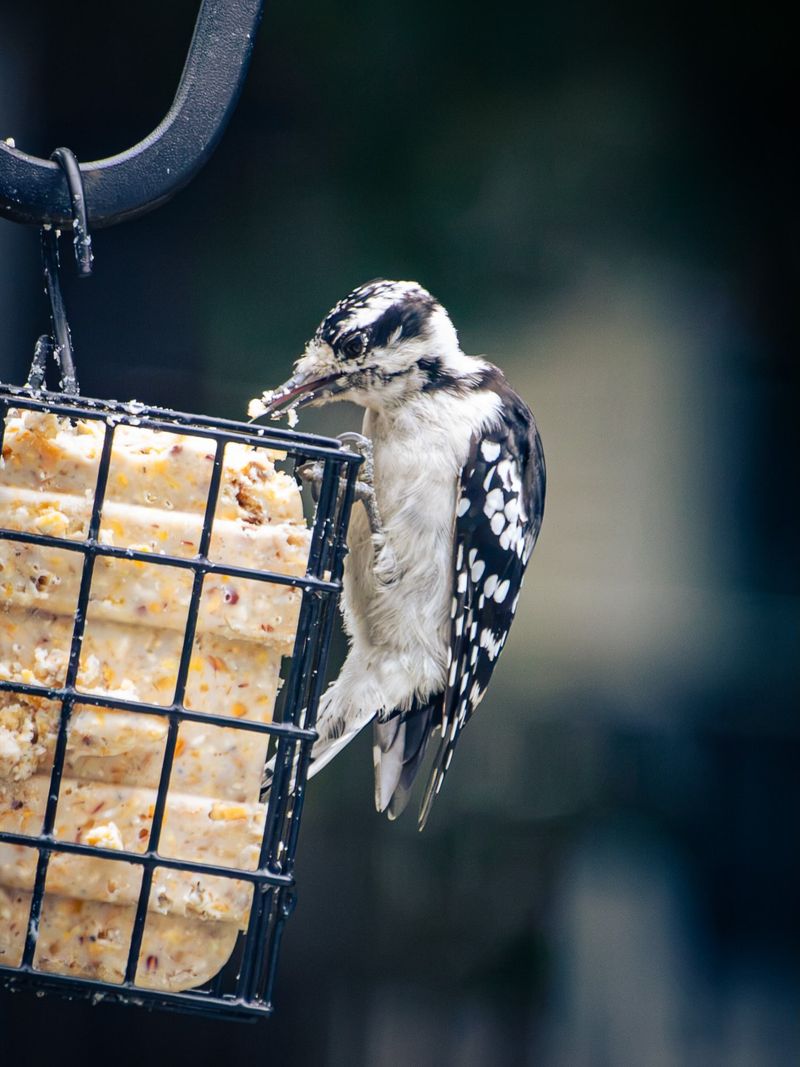
Warm months keep chickadees and wrens busy chasing caterpillars, beetles and soft bodied insects. Cold nights shut that buffet down quickly, and protein suddenly becomes much harder to find.
Insect eaters respond by switching diets, which explains why suet feeders get busy in September. Woodpeckers, nuthatches and wrens will all visit a suet cake hung near sheltered branches.
Choose plain suet or peanut blends rather than seed studded cakes with bright colored bits. Cooler weather means suet holds its shape instead of turning into a greasy mess.
Mealworms work beautifully too, especially dried ones offered in a shallow dish each morning. Bluebirds and wrens learn the routine fast and arrive before you finish pouring.
Leaf litter hides overwintering insects, so resist the urge to rake every corner bare. Towhees kick through those leaves like tiny gardeners hunting for spiders and beetle larvae.
Standing perennial stems shelter insect eggs that woodpeckers and chickadees pry out during winter. Cutting everything down in September removes a food source almost nobody thinks about.
Skip broad insecticide sprays this season, since they erase the protein your visitors depend on. A garden with a few chewed leaves usually hosts far more interesting wildlife.
Hang suet in shade if your afternoons still reach eighty degrees. Rancid fat smells terrible and gets refused by picky feeders.
One chickadee family can gather thousands of caterpillars while raising a single brood. Your untidy yard fed all of them, even without a thank you note.
6. Fresh Water Gets Harder To Find
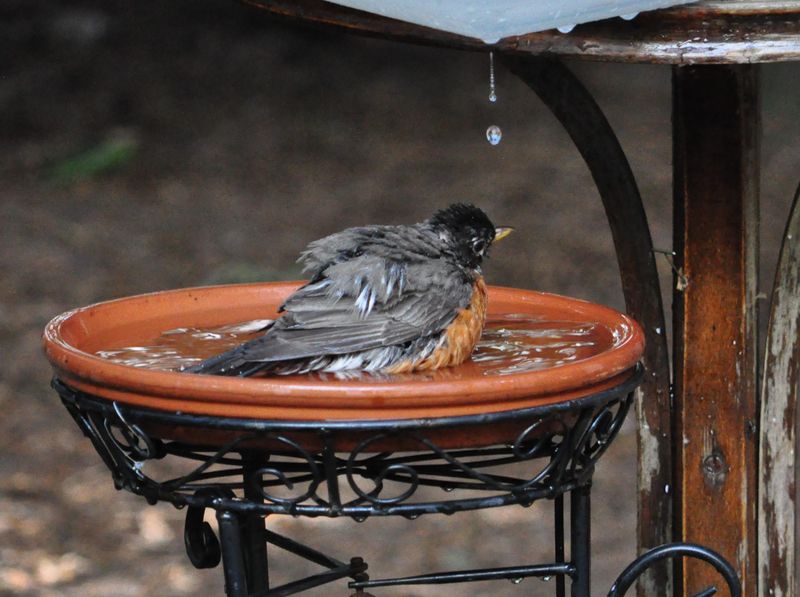
Puddles shrink during dry autumn stretches, and many natural water sources drop noticeably low. A clean birdbath can pull in species that ignore your seed feeders completely.
Warblers, tanagers and orioles rarely touch sunflower seed, yet all of them need drinking water. Add one shallow basin and your yard list can grow within a single week.
Depth matters more than size, so keep the water under two inches near the edges. Place a flat stone in the middle for smaller visitors to stand on safely.
Moving water works like a dinner bell during the busiest weeks of migration. A simple dripper or solar fountain draws attention from surprisingly long distances away.
Scrub the basin every few days with a stiff brush and plain running water. Slimy green film builds fast in warm September weather and discourages picky bathers.
Set the bath about ten feet from shrubs so soaked birds can reach cover quickly. Too close invites ambush, and too far leaves them feeling exposed and nervous.
Bathing keeps feathers clean, and clean feathers insulate far better once temperatures drop. Preening after a soak keeps their feathers in shape for insulation once temperatures drop.
Refill on warm afternoons because evaporation empties shallow basins faster than most people expect. A dry bath teaches visitors to stop checking, and rebuilding that habit takes time.
Ground level dishes suit doves, juncos and other birds that dislike tall pedestals. Tuck one under a shrub and watch who shows up before evening.
7. Bare Branches Make Your Feeders Easy To Spot
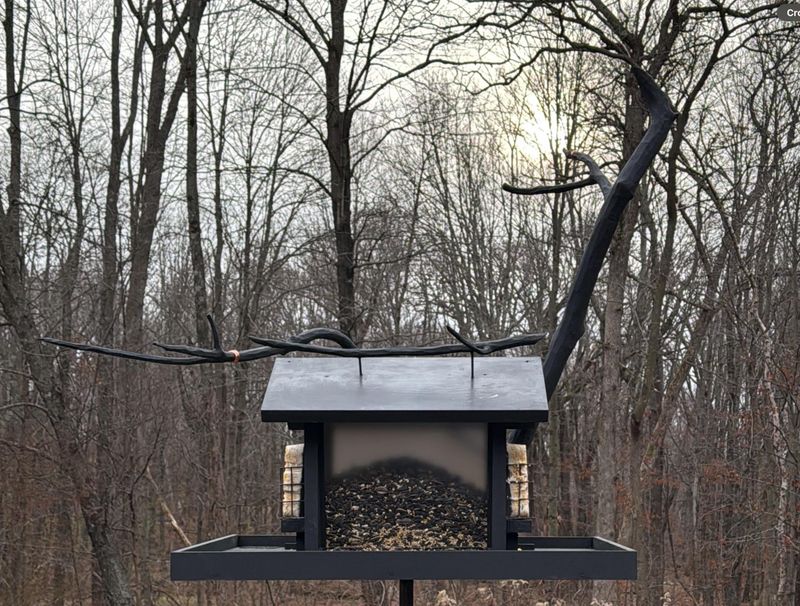
Summer foliage hides everything, including that feeder you hung with such high hopes in June. As leaves thin out, your setup suddenly becomes visible from across the entire neighborhood.
Birds locate food mostly by sight, then by watching other birds behave confidently. A single curious chickadee can lead an entire mixed flock straight to your yard.
Hang feeders where they catch morning light, since shiny seed and movement attract attention. Avoid deep shade corners that stay hidden even after the maples finish dropping leaves.
Open sightlines help birds spot hawks too, which makes them feel safer while eating. Leave roughly ten feet of clear space around each feeder for quick escapes.
Brush piles built from fallen branches give nervous visitors somewhere to duck instantly. Stack a few limbs loosely in a corner and the sparrows will thank you.
Clean windows become a real hazard once reflections of bare sky appear everywhere. Place feeders within three feet of glass or beyond thirty feet to reduce collisions.
Bright feeders help, though dull ones work fine when placed beside colorful shrubs. Movement matters more than paint, so a swaying feeder often gets noticed first.
Autumn flocks travel together, mixing chickadees, titmice, nuthatches and downy woodpeckers into one group. Attract one species and you usually get the whole noisy crew by default.
Take a walk to the sidewalk and look back at your yard honestly. If you cannot spot the feeder, neither can anyone flying overhead.
8. Cooler Nights Send Birds Hunting For Shelter
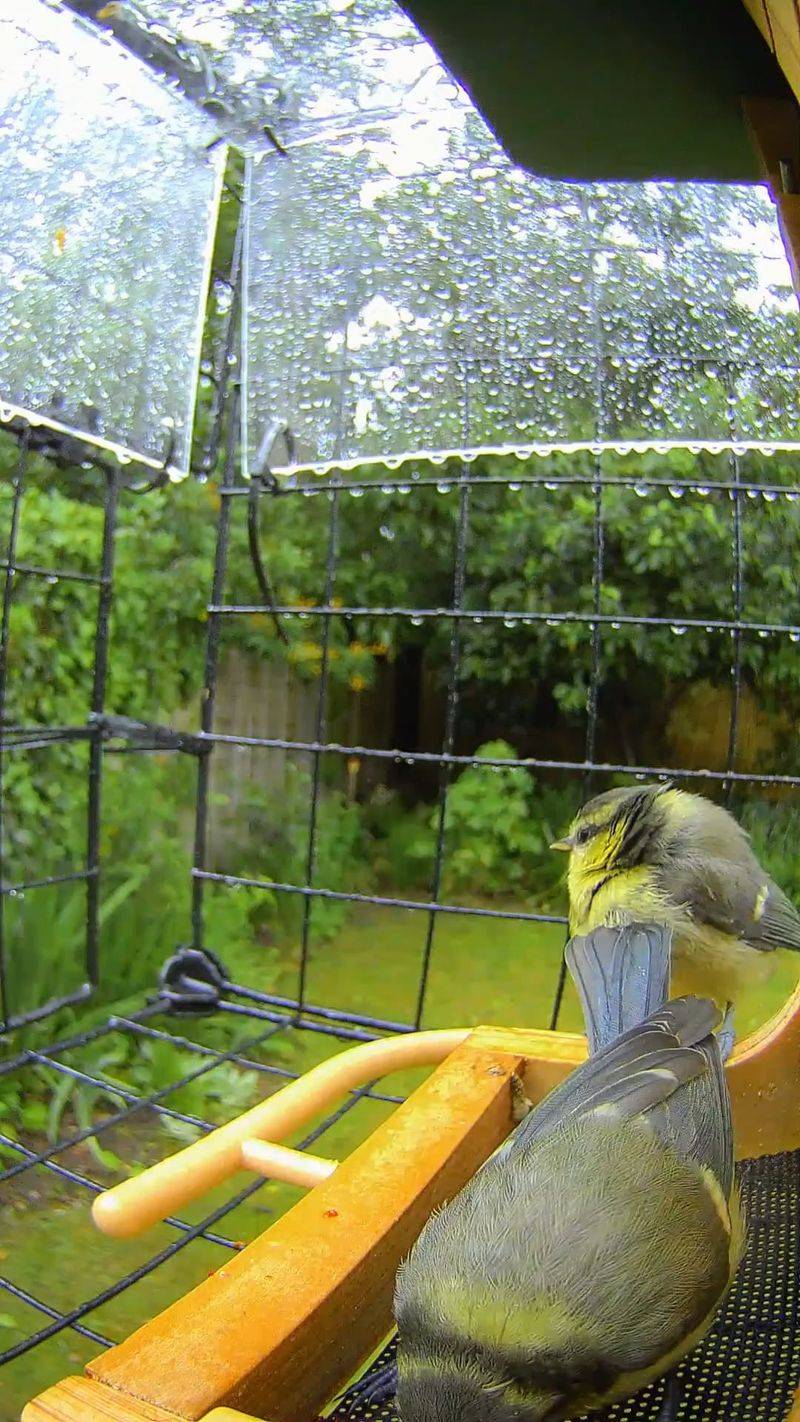
Food gets attention, but shelter decides who sticks around after the sun goes down. Chilly September nights push small birds to search for tight, protected sleeping spots.
Evergreens like spruce, juniper and arborvitae block wind better than any bare deciduous tree. Even one well placed conifer can turn a plain yard into a dependable roost.
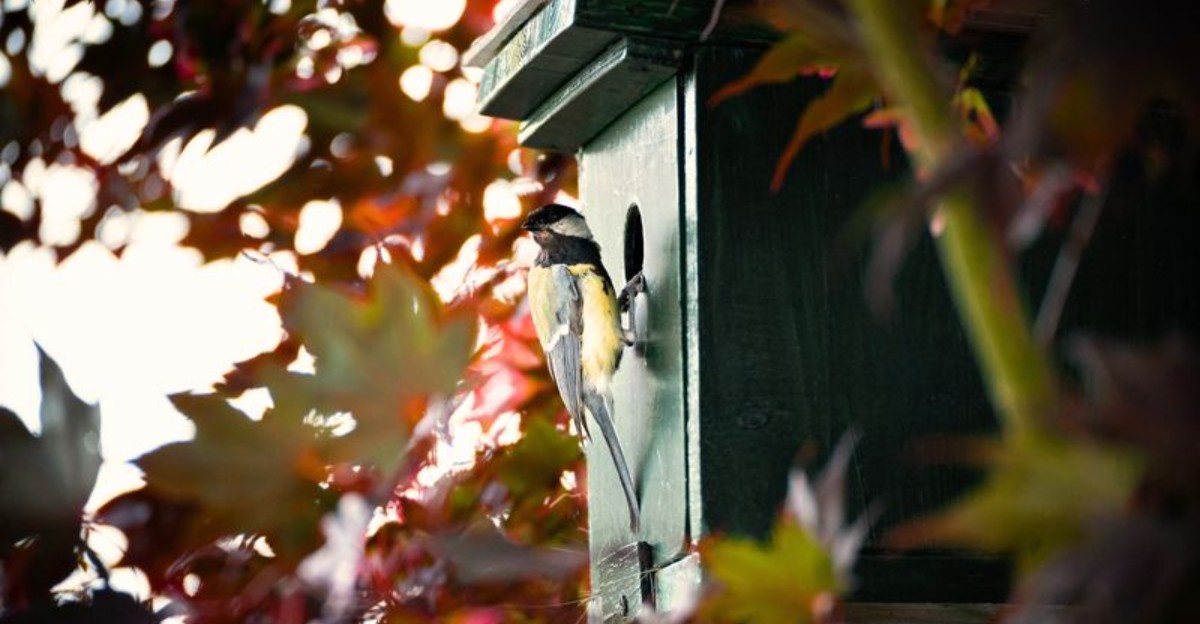
Old nest boxes make excellent winter bedrooms if you clean them out this month. Scrape the inside, add a handful of wood shavings, and leave the entrance clear.
Roost boxes differ from nest boxes because the entrance hole sits near the bottom. Warm air stays trapped inside, and several chickadees may pile in together overnight.
Brush piles serve double duty, offering cover from weather and from watchful neighborhood cats. Build one in a quiet corner where you rarely walk during the cold months.
Wrens and bluebirds sometimes crowd into one cavity, sharing body heat on freezing nights. Reports exist of more than a dozen birds packed inside a single box.
Skip pruning your hedges heavily in September, since dense twigs provide valuable protection. Save the serious trimming for late winter when the coldest nights have passed.
Position shelter near food so morning visitors do not burn energy commuting across town. Twenty feet between a roost and a feeder makes a genuinely useful difference.
Comfort turns casual visitors into regulars who greet you from the fence each morning. Free rent, free breakfast, and zero complaints about the management.