The Michigan Vegetables You Must Harvest Before The First Hard Frost
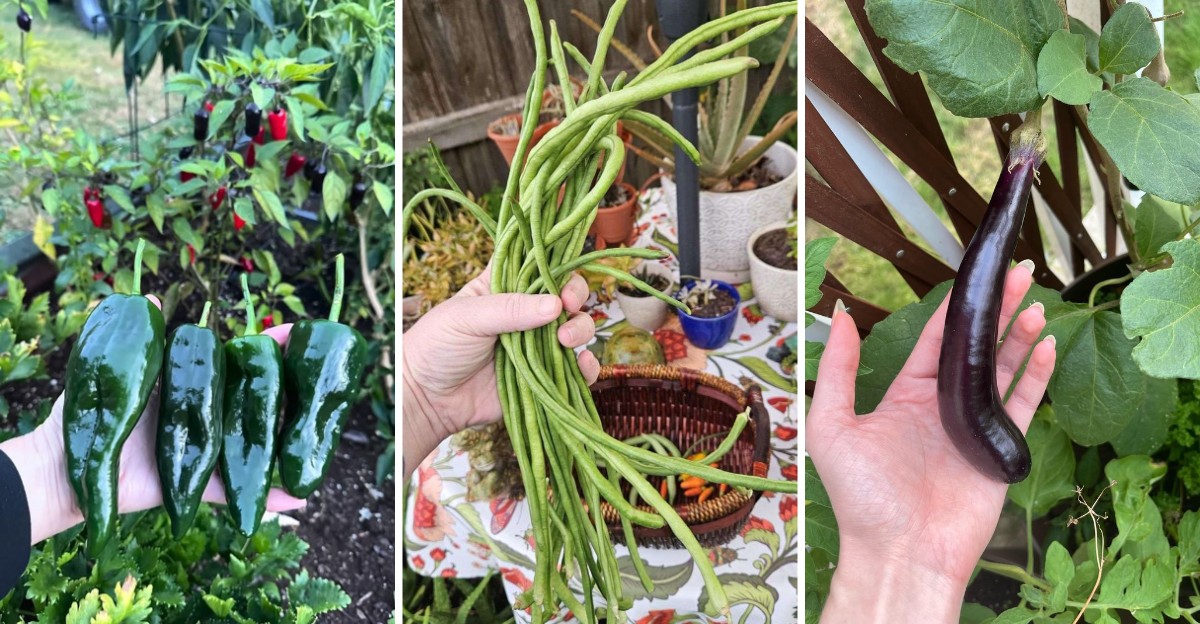
Picture a crisp Michigan morning when your breath puffs out like a tiny, grumpy dragon. The garden sparkles with dew, the air smells like apples, and something sneaky is creeping across the lawn tonight.
Your garden has worked hard all summer, and now every row is bursting with crunchy, colorful goodies. One surprise chilly night can turn that whole bounty into a sad, soggy mess by breakfast.
Michigan weather loves to play tricks on hopeful gardeners, especially once the maple leaves start turning red. You can wear shorts on Tuesday and scrape thick ice off your car windshield by Thursday morning.
So grab a sturdy basket, pull on a cozy sweatshirt, and get ready to outsmart the chill. That grumpy dragon breath is a better frost alarm than any weather app on your phone.
1. Harvest Tomatoes Before The Vines Freeze
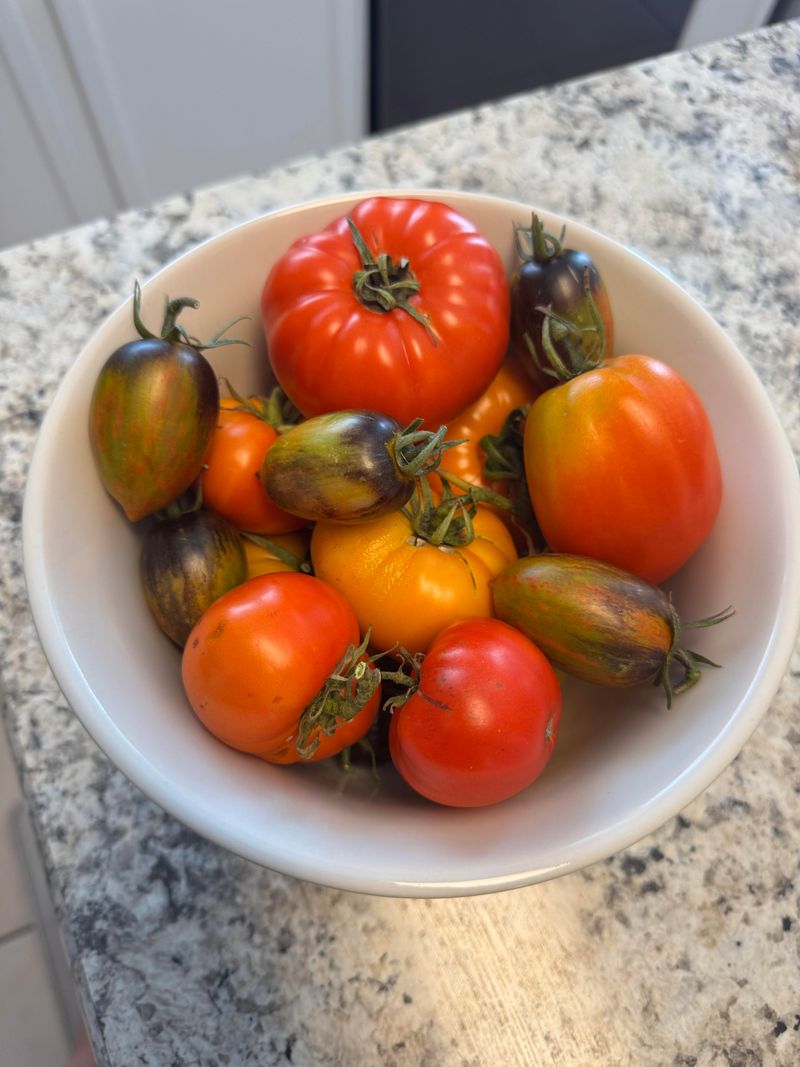
Grandma used to say that a tomato left out in frost tastes like a wet sponge. She was right, because freezing bursts the tiny cells inside the fruit and ruins the texture.
In most of Michigan, the first hard frost arrives between late September and mid-October. Northern counties and the Upper Peninsula often see it even sooner, so keep an eye on forecasts.
Once nighttime temperatures are forecast to dip near 32 degrees, it is time to pick every tomato you can find. Ripe ones go straight to the kitchen, while green ones still have plenty of promise.
Look for green tomatoes that have a pale, whitish shine or a hint of pink. Those mature green fruits will ripen nicely indoors, but tiny hard ones usually stay sour and bitter.
To ripen them, wrap each tomato in newspaper and store them in a cardboard box. Keep the box somewhere cool, around 60 to 70 degrees, and check every few days.
Tucking a ripe banana inside the box can speed things up a little. Bananas give off ethylene gas, a natural chemical that tells fruit it is time to soften and color up.
Sort out any cracked, bruised, or squishy fruit before storing the rest of your harvest. One rotten tomato can spoil the whole box faster than you might expect.
Leftover green tomatoes are tasty too, especially fried in cornmeal or cooked into tangy salsa. Nothing from your hard summer work has to go to waste this fall.
2. Pull Green Peppers Off Stressed Plants
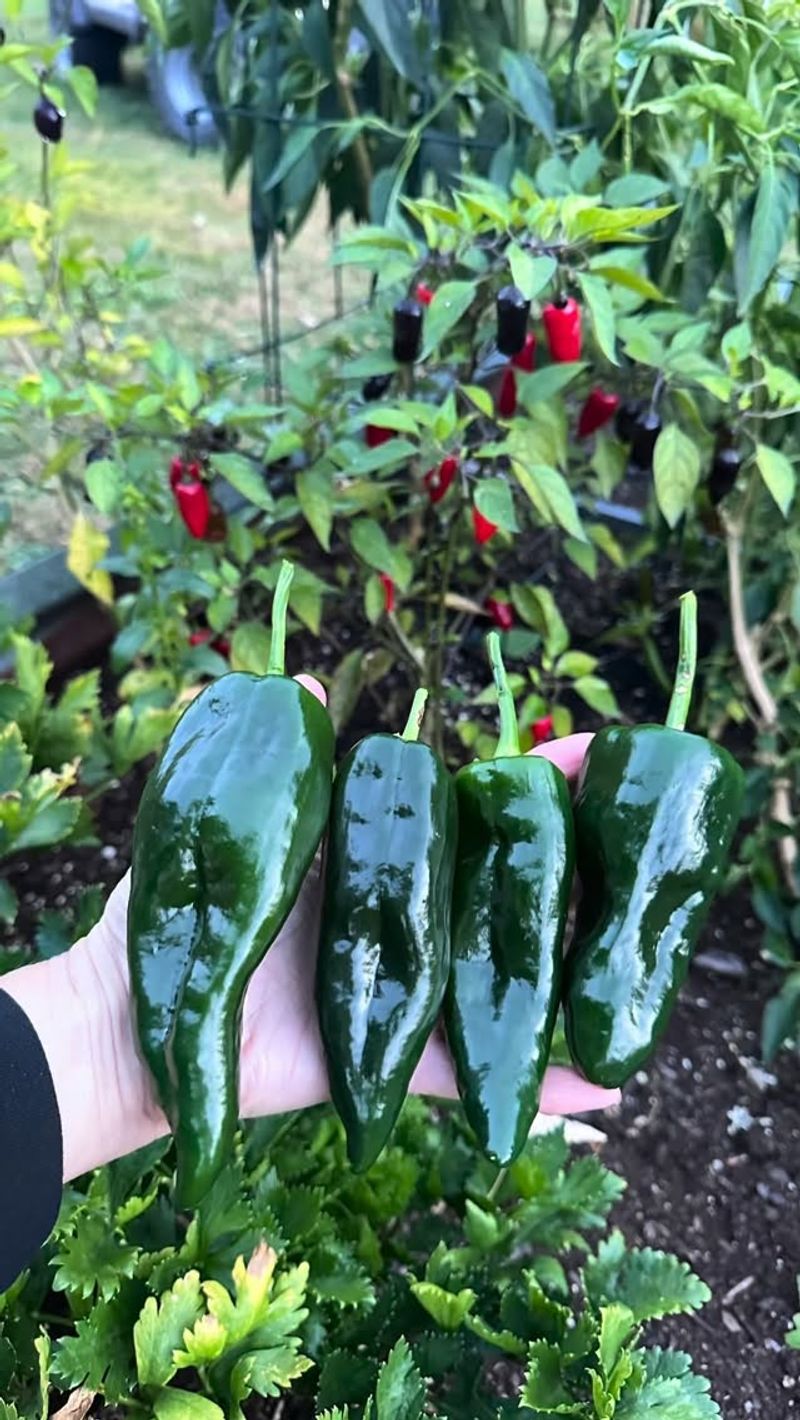
Pepper plants are the fussy drama queens of the chilly fall garden. The moment temps dip below 50 degrees, they sulk, drop flowers, and stop growing new fruit.
Peppers come from warm parts of Central and South America, so Michigan chill is a real shock. Even a light frost can blacken the leaves overnight, and a hard frost turns fruit to mush.
Signs of a stressed plant include curling leaves, soft spots on fruit, and stems that look droopy. When you see these clues, grab your pruners and start harvesting right away.
Snip peppers off instead of yanking them, since the branches are brittle and snap easily. Leave a short piece of stem attached to help the pepper stay fresh longer.
Your Michigan Garden Changes Every Week. Your Plan Should Too.
Gardening in Michigan changes quickly throughout the season. Every Friday you’ll receive a simple weekly plan showing exactly what to plant, prune, fertilize, harvest, and protect so you never miss the right timing.
Hot peppers like jalapenos follow the same rules, so pick them before the cold arrives too. Wear gloves while handling them, because spicy oils love to sneak into your eyes.
Here is a fun fact that surprises many kids and plenty of grown-ups too. Green bell peppers are simply unripe red, yellow, or orange peppers that have not finished changing color yet.
Some half-colored peppers will keep blushing on your kitchen counter for a few days. Fully green ones stay green, but they still taste crisp and fresh in salads.
Store unwashed peppers in the fridge crisper drawer, where they stay firm for up to two weeks. Extra peppers can be sliced, frozen on a baking sheet, and bagged for winter chili.
3. Dig Potatoes Before The Ground Hardens
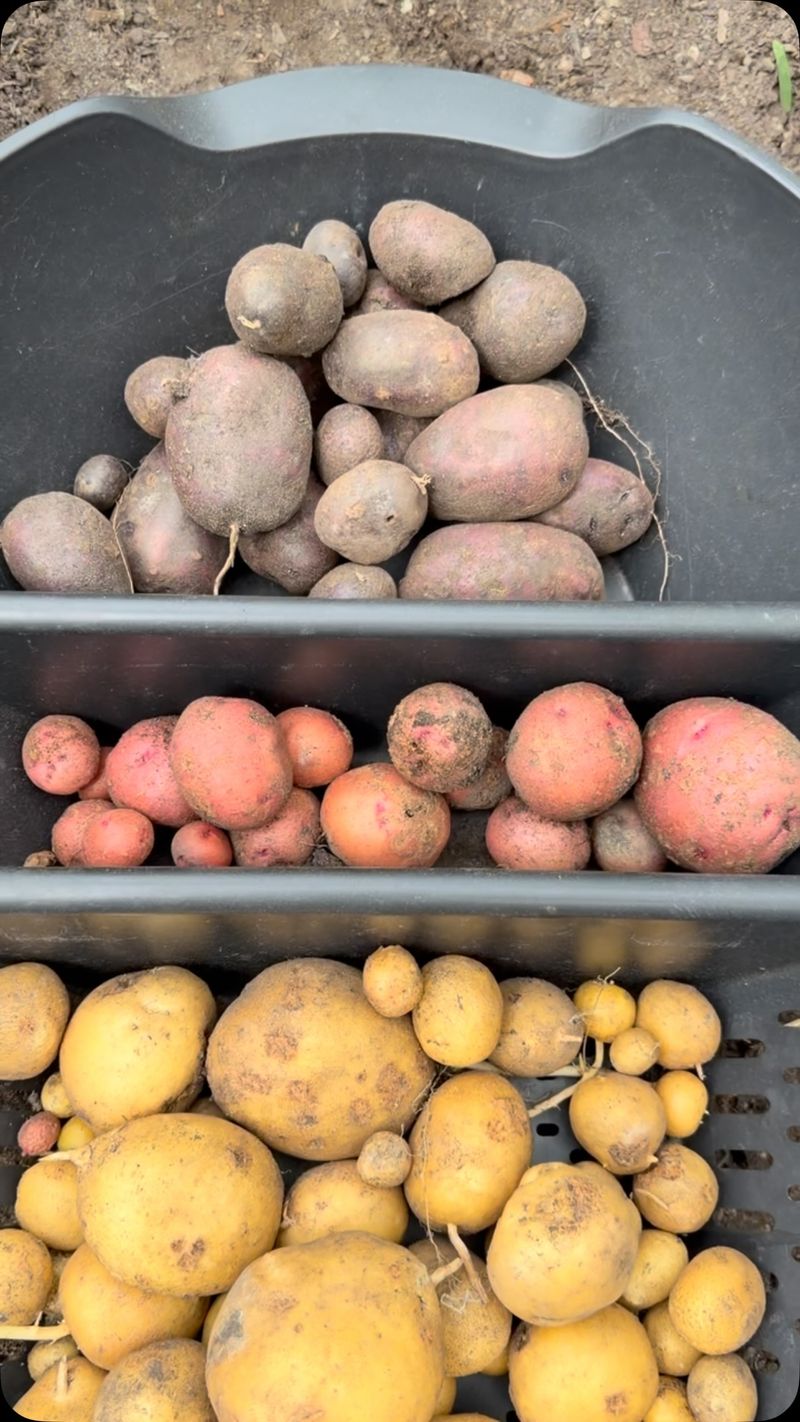
Digging potatoes feels a lot like hunting for buried treasure in your own backyard. Every forkful of dirt might reveal a golden nugget, a purple surprise, or a funny lumpy shape.
Michigan is one of the top potato-growing states in the country, especially for chip potatoes. Our cool nights and sandy soils make spuds very happy, at least until the ground freezes.
Potatoes can handle a light frost because the soil acts like a warm blanket. Once the ground hardens, though, digging turns into a sore-shoulder chore, and frozen tubers turn soft.
Wait about two weeks after the leafy green tops turn brown and flop over before you dig. That pause lets the potato skins toughen up, which helps them last much longer in storage.
Use a garden fork and start digging about a foot away from each plant. Gently lift the soil upward so you do not accidentally stab the potatoes hiding underneath.
Pick a dry, sunny day for the job, since wet potatoes are more likely to rot. Brush off loose dirt, but skip washing them until you are ready to cook.
Let your harvest cure in a dark, airy spot for about ten days. After that, store them somewhere cool and dark, like a basement or root cellar, around 40 degrees.
Keep them away from bright light, or the skins will turn green and taste bitter. Also skip storing them next to onions, which can make potatoes sprout early.
4. Cut Winter Squash Off The Vine
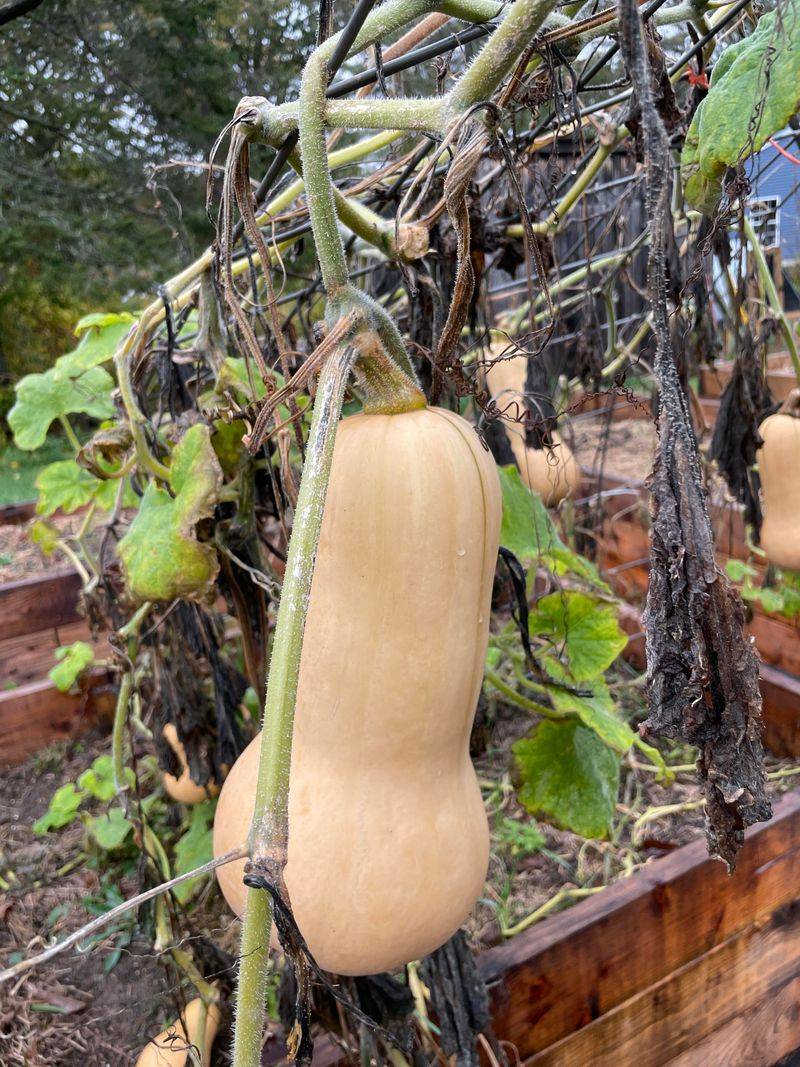
Winter squash has a funny name, since it grows all summer and hates freezing weather. The name comes from how well it stores, lasting deep into the snowy months ahead.
Butternut, acorn, spaghetti, and pumpkins all belong to this hardy family. A light frost that nips the leaves is fine, but a hard freeze damages the fruit itself.
To check ripeness, press your thumbnail firmly into the thick outer skin. If it leaves no dent, the squash is ready, and the rind should look dull instead of shiny.
Another clue is the little tendril closest to the stem, which turns brown and dry when the fruit is mature. The spot resting on the ground also changes to a creamy or orange color.
Use sharp pruners to cut the vine, leaving two to three inches of stem attached. Resist carrying squash by the stem like a handle, because it can snap off and let germs inside.
Next comes curing, which is just a fancy word for letting the skin harden. Set the squash in a warm, sunny spot for about ten days to toughen up.
Acorn squash is the odd one out, since curing can make its orange flesh stringy and bland. Cook those within a month or two for the sweetest, nuttiest flavor.
Once cured, store squash in a cool, dry room around 50 to 55 degrees. Butternuts can last three months or more, making them a cozy treat for January soups.
5. Gather Basil Before The First Cold Snap
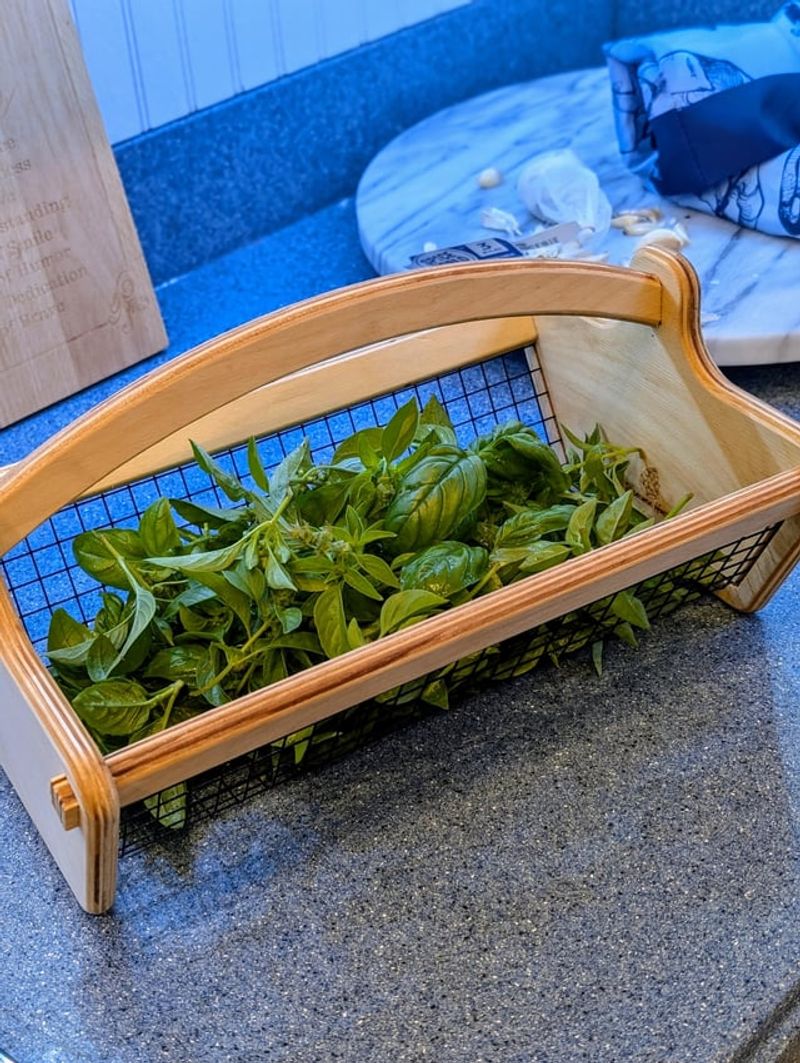
Basil is the biggest wimp in the herb garden, and that is not an insult. It starts turning black when temperatures dip below 40 degrees, long before any frost shows up.
That means Michigan gardeners need to act earlier with basil than with almost anything else. Watch the forecast for the first chilly night in September, and harvest the day before it arrives.
Cut whole stems near the base instead of plucking single leaves one at a time. Early morning is the best time, after the dew dries but before the sun wilts the plant.
One surprising tip is to keep fresh basil far away from the fridge. Cold air turns the leaves dark and slimy, which is exactly what you were trying to avoid.
Instead, stand the stems in a glass of water on the counter, like a bouquet of flowers. They will stay perky for about a week and make your kitchen smell amazing.
Got a mountain of leftover basil sitting on the counter? Blend it with olive oil, garlic, pine nuts, and parmesan to make a bright green pesto.
Spoon the pesto into ice cube trays and freeze it for quick winter meals. Each frozen cube adds a burst of summer flavor to pasta, soup, or scrambled eggs.
You can also dry basil by hanging small bunches upside down in a warm, airy room. Dried basil loses some of its sweet smell, but it still works great in tomato sauce.
6. Pick Beans Off Wilting Vines
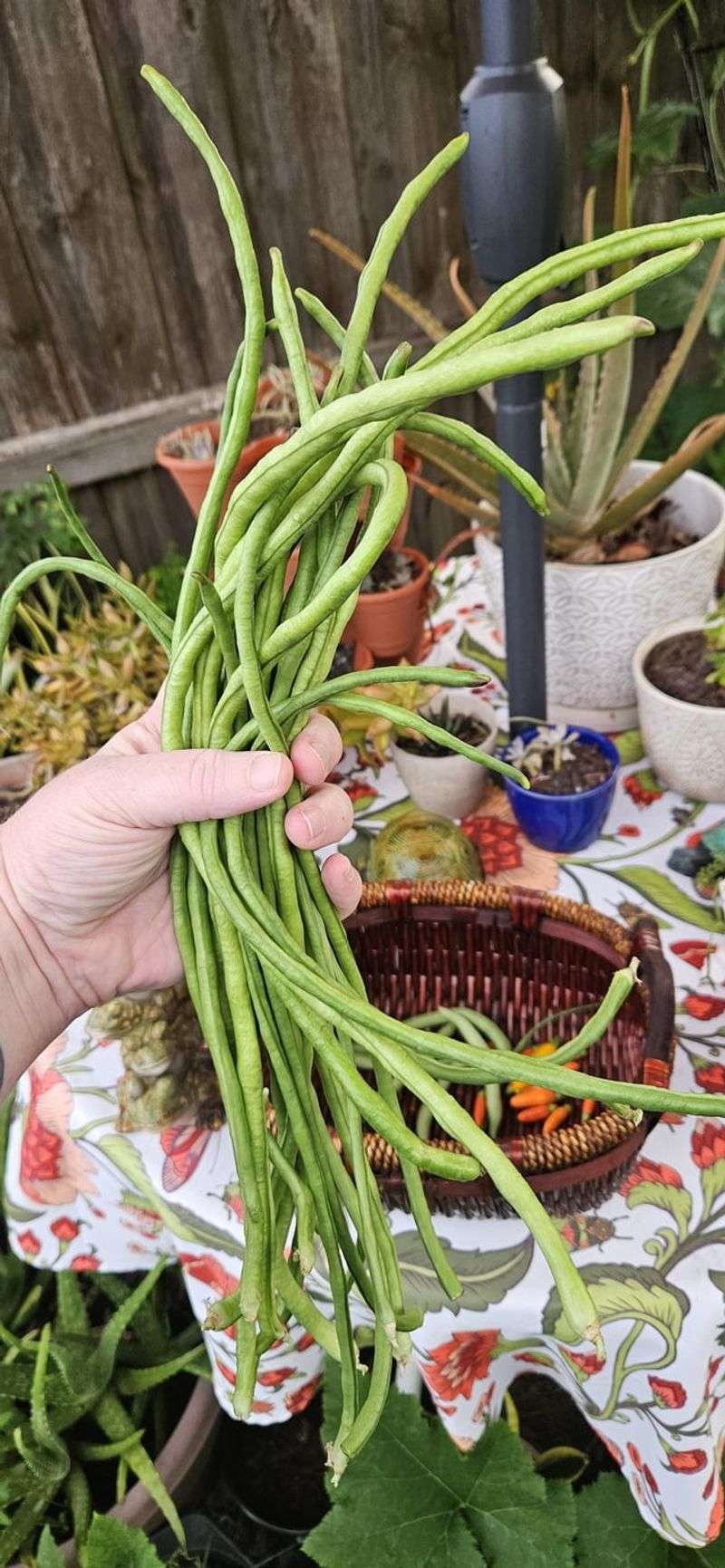
Late September bean picking has a special kind of magic, with cool fingers and a bucket slowly filling up. Beans, however, are tender plants that wilt fast once Michigan nights turn frosty.
Even one night at 32 degrees can turn bean leaves black and crispy. Pods left hanging will get soft, watery spots that make them mushy and unpleasant to eat.
When the vines start to droop and turn yellow, take that as your signal to harvest. Pick every pod you can find, even the skinny ones hiding under the floppy leaves.
Hold the vine with one hand and gently snap the bean off with the other. Pulling too hard can rip the plant, and pole bean vines tangle easily.
Beans with fat, lumpy pods that you missed earlier are useful for a different reason. Let them dry, then shell the seeds for soups or save them to plant next spring.
Native American farmers grew beans alongside corn and squash in a system called the Three Sisters. The bean vines climbed the corn stalks while adding helpful nitrogen to the soil.
Fresh green beans keep about a week in a plastic bag in the fridge. For longer storage, blanch them in boiling water for three minutes, cool them in ice water, and freeze.
Once picking is done, pull the old vines and toss them in the compost pile. Leaving them in the garden can give pests and plant diseases a snug winter home.
7. Harvest Eggplant While Skin Stays Glossy
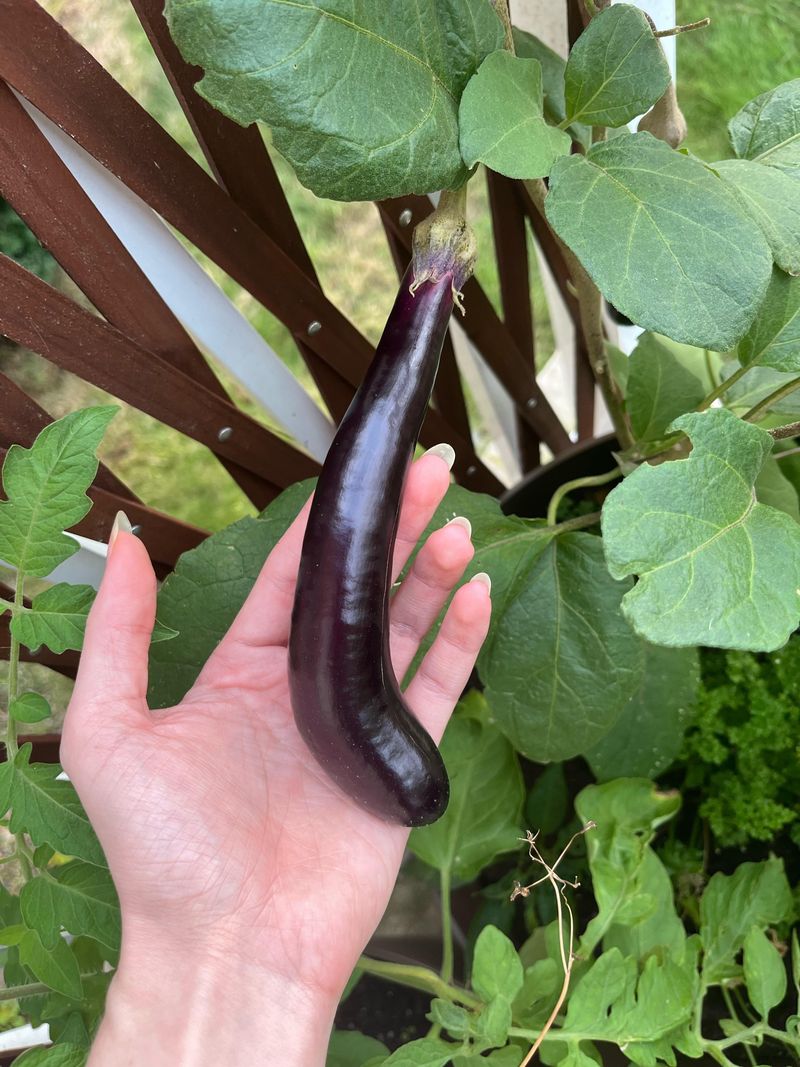
Eggplant got its odd name from early European varieties that were small, white, and shaped just like eggs. Today most Michigan gardens grow the purple kinds, but they are just as picky about cold.
Eggplants love heat and stop growing once nights fall below 50 degrees. A single frost can wrinkle the purple skin and turn the pale flesh brown and spongy.
The secret to a perfect eggplant is all in the shine. A glossy, smooth skin means the fruit is young and tender, while a dull skin means it waited too long.
Try the press test by pushing gently on the side with your thumb. If the dent springs back slowly, it is ready, but a rock-hard fruit needs more time.
With frost on the way, pick every glossy eggplant on the plant, even the smaller ones. Baby eggplants are sweet and mild, and they cook up fast on the grill.
Stems are thick and prickly, so cut them with sharp pruners instead of twisting them off. Wearing gloves is smart, since some varieties have tiny spines on the green cap.
Eggplant does not store well, so plan to eat your harvest within about a week. Keep it in a cool spot around 50 degrees, since the fridge can cause brown bruises.
Need tasty ideas for a sudden pile of purple eggplants? Try eggplant parmesan, roasted cubes with olive oil, or a smoky dip from the Middle East called baba ganoush.
8. Collect Cucumbers Before Vines Turn Mushy
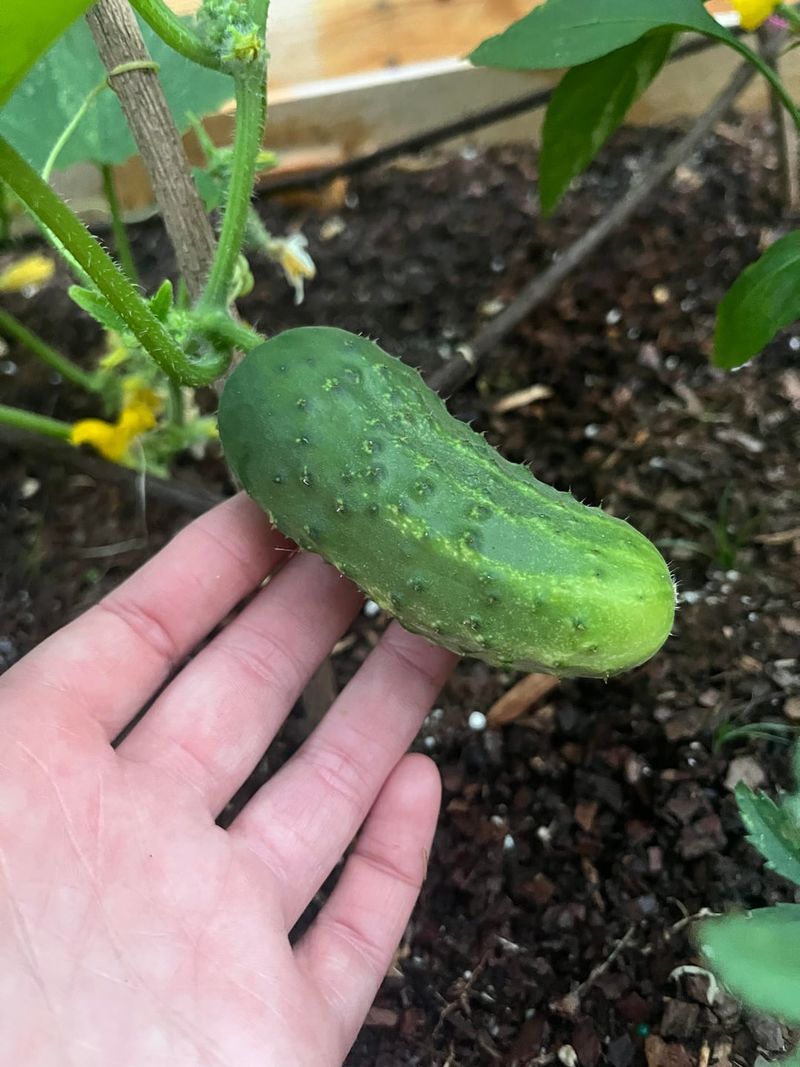
Cucumbers are about 95 percent water, which makes them super refreshing in July. That same water turns into ice crystals during a frost, leaving you with limp, slimy green logs.
By early fall in Michigan, cucumber vines start looking tired, patchy, and a little bit sad. Powdery white spots, yellow leaves, and fewer flowers all mean the plant is winding down.
Once nights hit the low 40s, go on a cucumber scavenger hunt. Lift every big leaf and peek under the tangled vines, because sneaky cukes are masters of hide-and-seek.
Slicing cucumbers taste best at six to eight inches long, while pickling types are ready at two to four inches. Giant yellow ones are overripe, with tough seeds and a bitter bite.
Snip each cucumber off with clean scissors, leaving a short stub of stem attached. Tugging on the fruit can tear the vine and bruise the cucumber you worked so hard to grow.
Store cucumbers in the warmest part of the fridge, like the door, for about a week. Keep them away from bananas, apples, and tomatoes, which give off gases that make them yellow faster.
Staring at a heap of cucumbers you cannot possibly eat in time? Turn them into quick refrigerator pickles with vinegar, water, salt, sugar, and a sprinkle of dill.
Fridge pickles are ready in a day and stay crunchy for about a month. Your sandwiches will thank you all winter long for that last-minute garden rescue.