The 9 California Herbs That Can Keep Producing As Temperatures Cool
A backyard herb bed in late October looks like it should be done for the year, tomatoes pulled, summer rush long gone.
Look closer, though, and the rosemary still smells sharp. The parsley looks greener than it did back in August.
In much of California, fall is not an ending for herbs. It’s a second chance.
Some herbs barely notice the season changed at all. Others actually prefer these cooler weeks over the brutal heat of summer.
Nine herbs explain exactly which ones keep producing right now, and what small habits keep the harvest coming well into the cooler months ahead.
Curious which herb in your own garden is quietly having its best season yet? It starts with a plant that shrugs off almost everything California throws at it.
1. Rosemary Barely Notices The Change
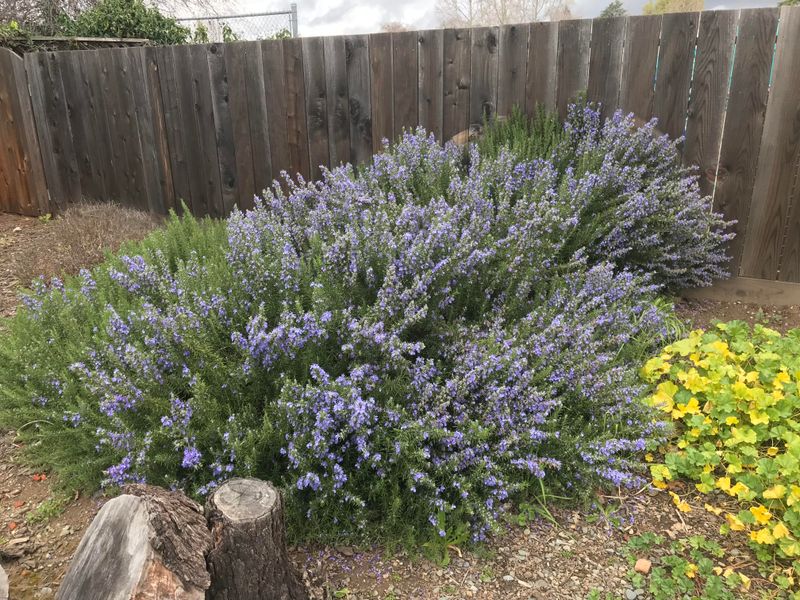
Walk past a rosemary bush in November, and you might not guess the season changed at all.
Its needle-like leaves stay green, its scent stays strong, and in many California yards it even starts blooming with tiny blue flowers.
Few herbs shrug off the shift from summer to fall quite so calmly.
Rosemary comes from the dry hills around the Mediterranean Sea, where summers are hot and winters are cool and damp.
California has a very similar climate, which is why rosemary ranks as one of the easiest herbs for our state.
It handles hot, dry spells and chilly nights without much fuss, so the fall transition barely slows it down.
You can keep snipping sprigs all season long.
Just avoid cutting more than about one third of the plant at once, since woody herbs regrow slowly in cooler weather.
The biggest fall risk is not cold but water.
Once winter rains arrive, soggy soil can cause root rot, so plant rosemary in a well-drained, sunny spot and cut back on watering as the rains begin.
In most of the state, a light frost will not harm established plants, though very cold inland or mountain areas can damage some varieties.
As a bonus, the fall and winter flowers are a food source for bees when little else is blooming.
2. Thyme Stays Productive Into Late Fall
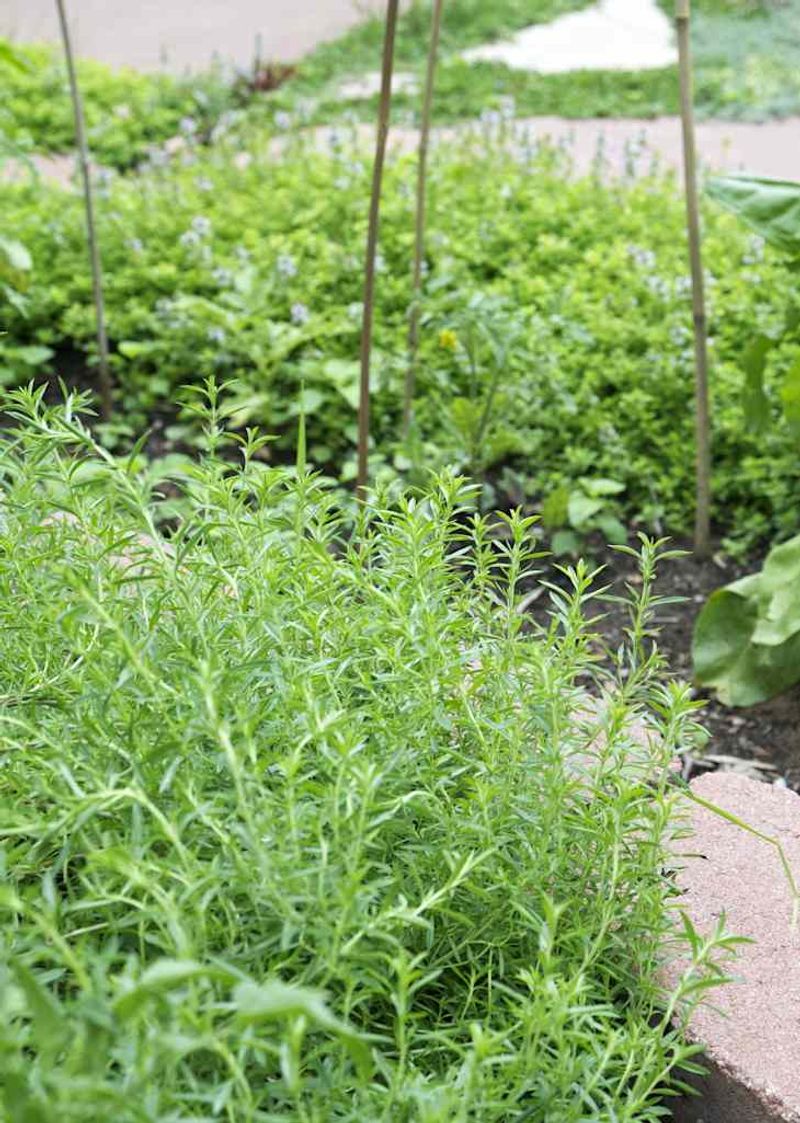
Tiny leaves, big staying power. A patch of thyme might look delicate, but it keeps cranking out flavorful stems long after the basil has turned black and floppy from the first cold nights.
Like rosemary, thyme is a Mediterranean plant used to hot, dry summers and mild, wet winters. It’s a low-growing perennial that does well in full sun and lean, fast-draining soil.
Because it tolerates a wide range of temperatures, fall weather does not shock it.
To keep thyme productive, harvest often but lightly. Snip the soft green tips instead of cutting into the hard, woody base, which may not sprout again.
Regular trimming keeps the plant bushy and stops it from getting leggy and bare in the middle.
Watch the drainage as the season shifts. Thyme hates wet feet, and heavy clay that stays soggy after fall storms is its worst enemy.
Your California Garden Changes Every Week. Your Plan Should Too.
Gardening in California changes quickly throughout the season. Every Friday you’ll receive a simple weekly plan showing exactly what to plant, prune, fertilize, harvest, and protect so you never miss the right timing.
If your soil holds water, try a raised bed, a mound of soil, or a clay pot with a drainage hole. In coastal and valley gardens, thyme often stays green and harvestable right through winter.
In colder inland spots, growth slows a lot once frost sets in, but the plant usually bounces back in spring.
Pick a few extra bundles in late fall and hang them upside down in a dry room for homemade dried thyme.
3. Sage Rewards Minimal Fall Care
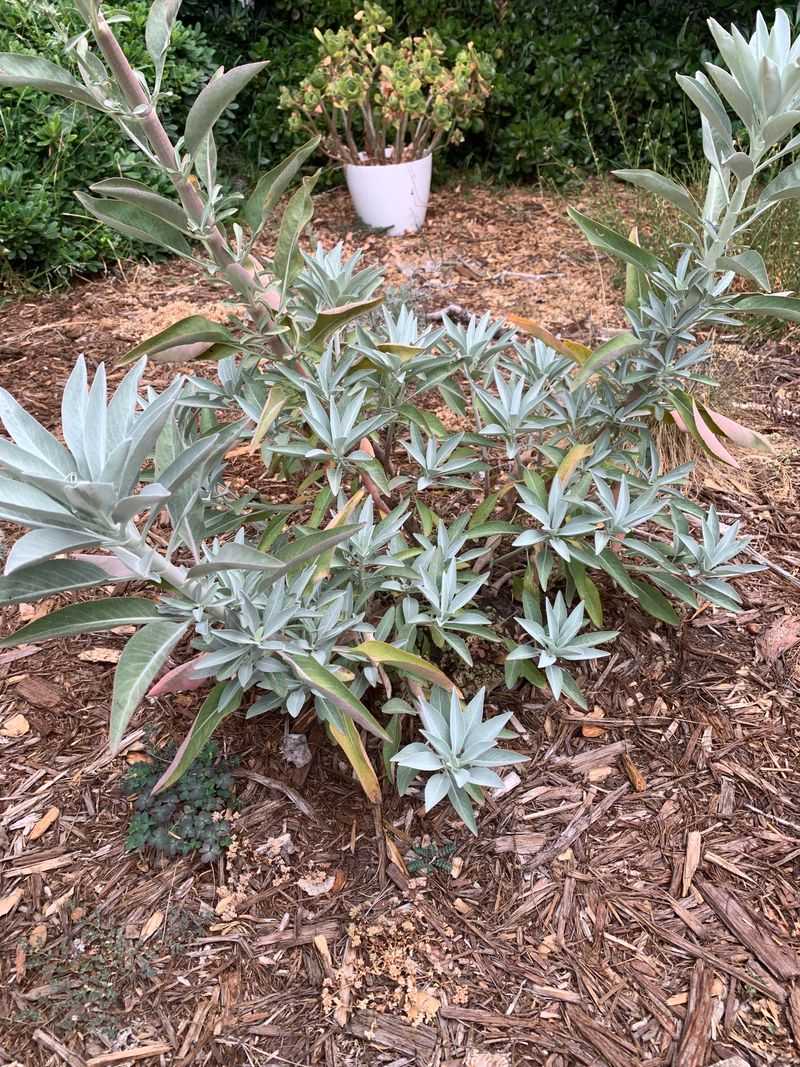
If you like plants that do not need babysitting, sage might become your new favorite. Garden sage seems to do best when you leave it mostly alone, and fall is when that easygoing attitude really shines.
Sage is another Mediterranean native, so it’s well suited to California’s pattern of dry summers and cool, rainy winters. Its fuzzy gray-green leaves help it hold onto moisture, and established plants need very little water.
As temperatures drop, you can water even less, and once regular rain returns, many gardeners stop watering entirely.
Too much care is actually the most common way people hurt sage. Overwatering and rich, heavy soil can lead to root rot and weak, floppy growth.
A sunny spot with soil that drains quickly is really all it asks for.
Harvest leaves as you need them, picking from the top so the plant stays full. Hold off on hard pruning in late fall, though.
Cutting deep into old wood right before winter can stress the plant, so save any big shaping for early spring when new growth starts.
Fall is also the perfect season to enjoy sage in the kitchen. Its earthy flavor pairs well with squash, stuffing, and brown butter pasta.
4. Oregano Keeps Growing As Nights Cool
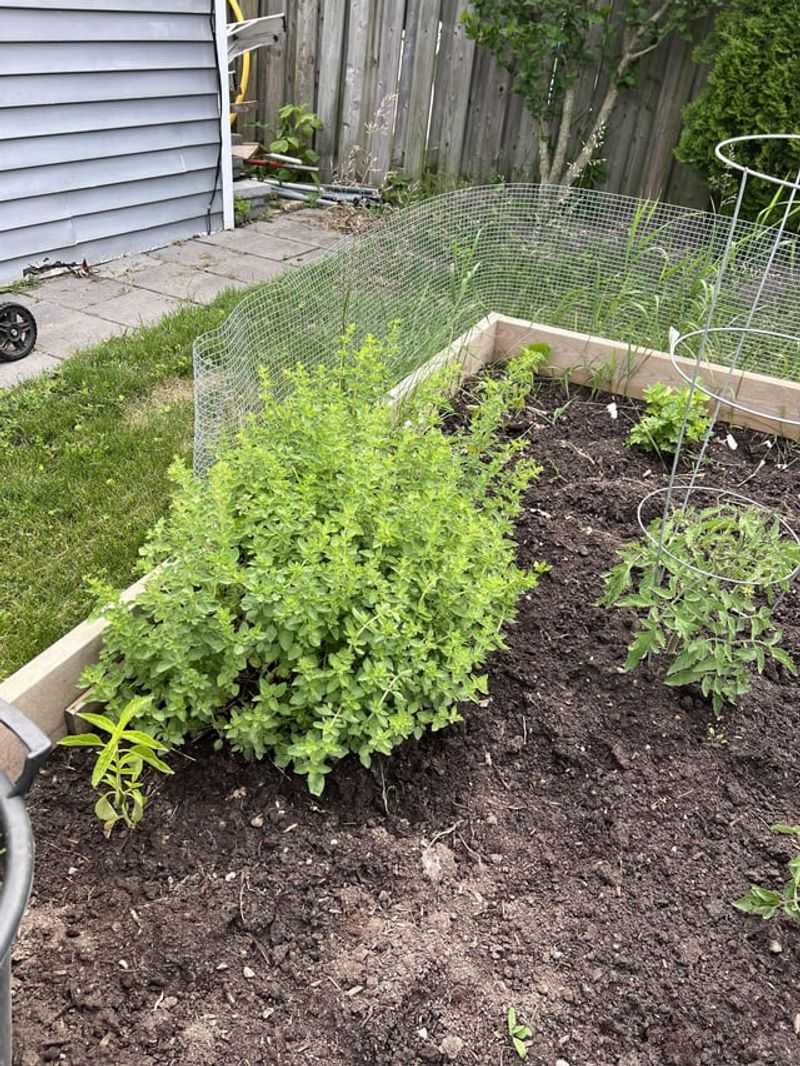
Will oregano quit when the nights turn chilly? In most of California, the answer is no.
The tough little herb just keeps sending up fresh leaves as long as the days stay mild.
Oregano belongs to the same Mediterranean crowd as rosemary, thyme, and sage. It handles heat, drought, and cool weather with ease, which makes the fall transition feel like no big deal at all.
In fact, once the intense summer sun fades, the plant often puts out a fresh round of soft, leafy growth.
A late summer trim is the secret here. If your oregano got tall and woody or bloomed heavily in July and August, shear it back by about half in early fall.
New stems will fill in quickly and give you plenty of tender leaves to pick through the cooler weeks.
Keep in mind that flavor can change with the seasons. Many cooks notice oregano tastes a bit milder in cool weather than at the peak of summer, when the leaves hold more of their strong oils.
If you want bold flavor, dry a batch now and store it in a sealed jar away from light.
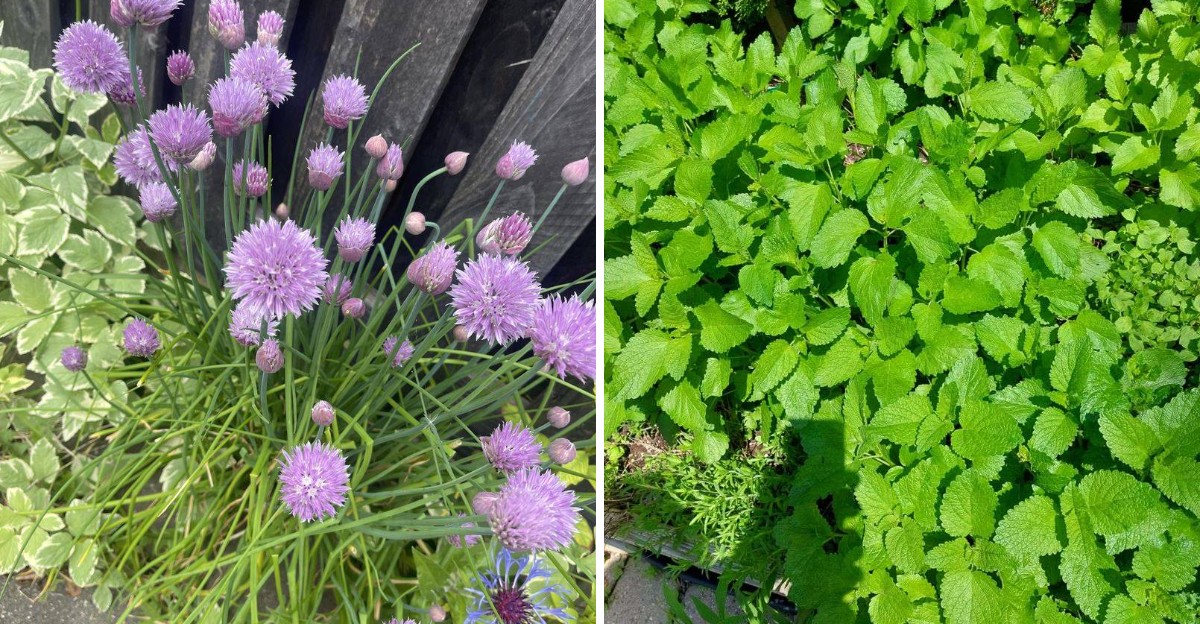
5. Chives Come Back Strong With Cooler Weather
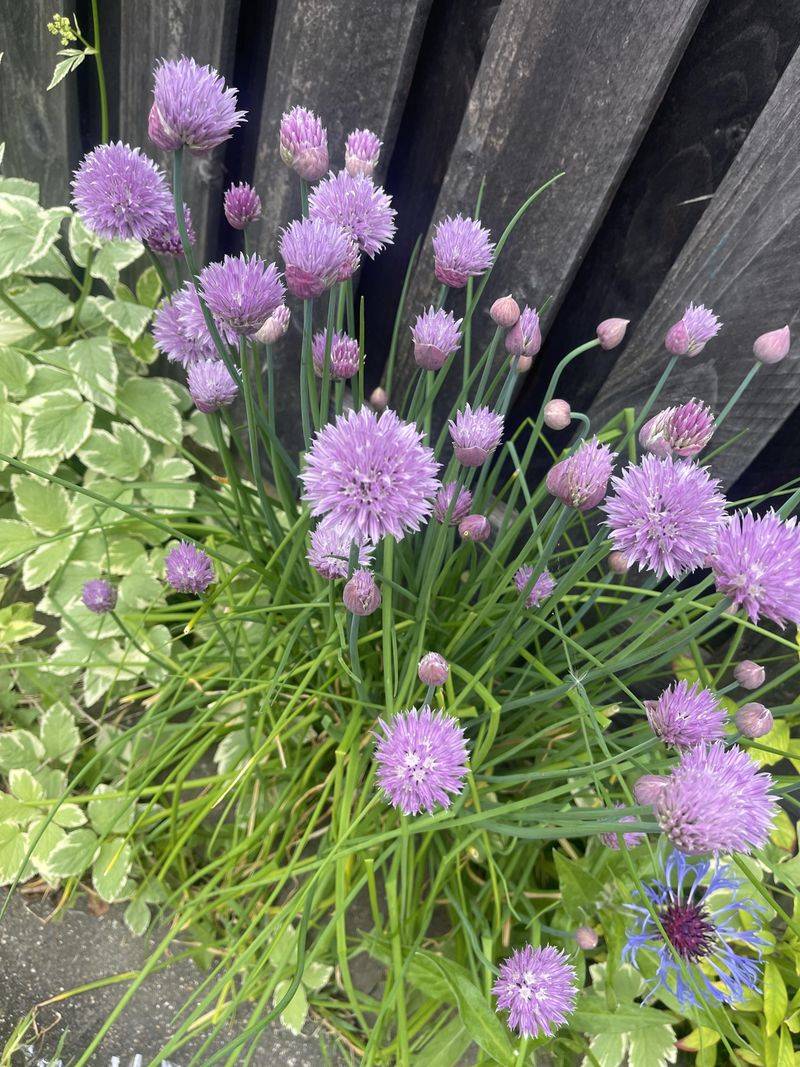
Notice how chives can look tired and brown by the end of August? Hot weather stresses these slender, onion-flavored plants.
Then the first cool mornings arrive, and suddenly a thick bunch of bright green spears pushes up as if someone flipped a switch.
Chives are a cool-weather perennial in the onion family, and they grow best when temperatures are mild. They’re easy to grow in most California gardens and can be harvested for much of the year in mild areas.
That makes fall one of their happiest seasons, especially along the coast and in the valleys.
Harvesting is simple. Grab a small bunch of leaves and cut them about an inch or two above the soil with clean scissors.
Snipping regularly encourages even more new growth, so use them freely in eggs, potatoes, and dips.
Fall is also a smart time to divide older clumps. If your chives look crowded or have fewer leaves than before, dig up the clump, gently pull it into smaller sections, and replant them a few inches apart.
In colder parts of the state, chives may go dormant to the ground in winter and return in early spring. That’s normal behavior, not a sign of trouble.
6. Parsley Prefers Fall Over Summer Heat
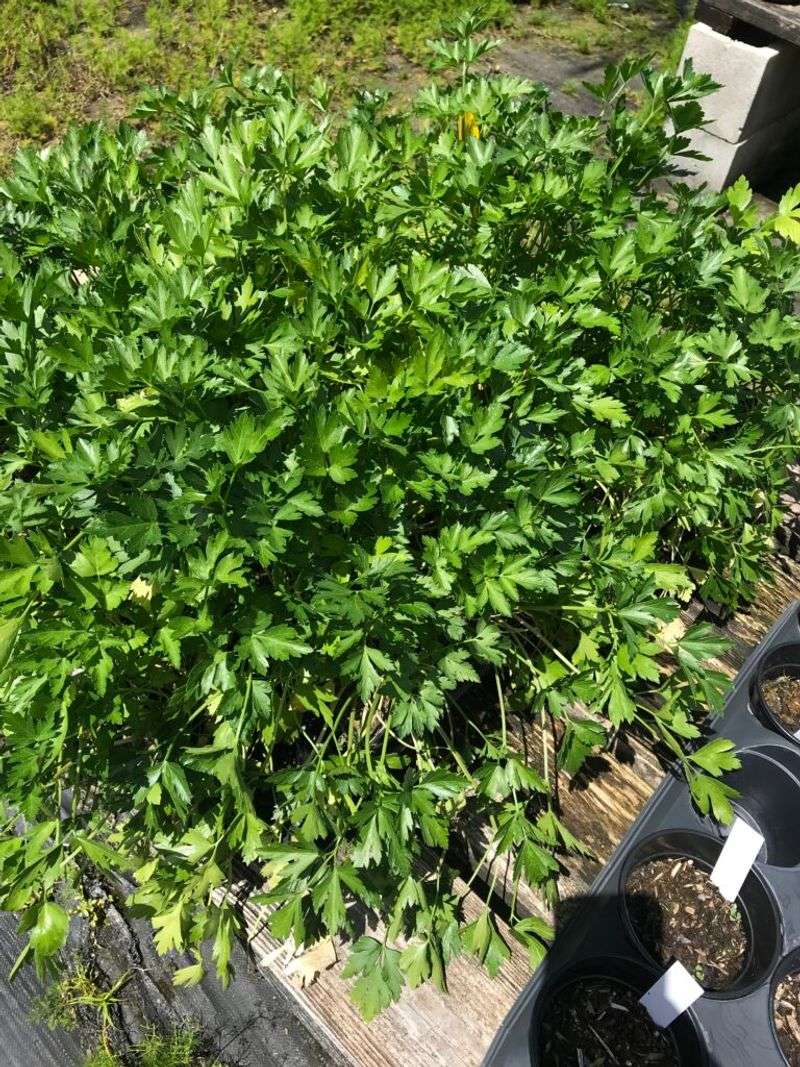
Summer is rough on parsley. Long stretches of heat can make the leaves yellow, tough, and bitter, and stressed plants may even try to flower early.
Fall feels like a vacation by comparison.
Unlike the woody Mediterranean herbs, parsley does not simply tolerate the seasons. It genuinely prefers cool, mild weather.
Fall ranks as an ideal time to sow or transplant it in many California regions. Moderate temperatures let the plant focus on making lush, leafy growth instead of struggling to survive.
You can grow either curly or flat-leaf, also called Italian parsley. Flat-leaf types usually have stronger flavor for cooking, while curly types make a pretty garnish.
Both do well in full sun to light shade and rich, moist soil.
Seeds are famously slow to sprout, sometimes taking three weeks or more. Soaking them in warm water overnight before planting can help speed things up.
Always harvest from the outside of the plant, cutting the older stems near the base. New leaves grow from the center, so leaving that area alone keeps the plant producing for months.
Fun fact worth knowing: parsley is a biennial, which means it naturally lives for two years, sending up a flower stalk in its second spring.
7. Cilantro Finally Stops Bolting In Fall
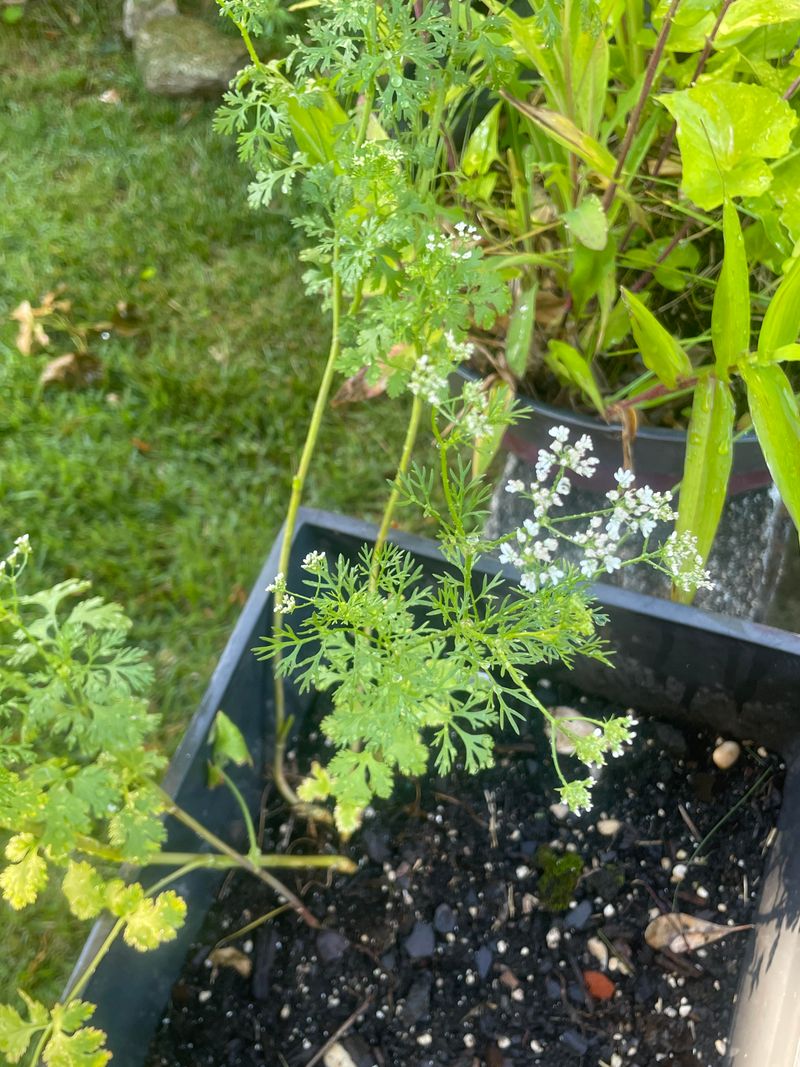
Anyone who has tried growing cilantro in July knows the heartbreak. One week the plant is full of leaves, and the next it shoots up a tall, skinny stalk covered in flowers.
That process is called bolting, and it’s the number one complaint about this herb.
Cilantro is a cool-season annual. Heat and long summer days signal the plant to stop making leaves and start making seeds, and once it bolts, the leaves become sparse and taste harsh.
Many planting calendars for California recommend sowing cilantro in fall and early spring for exactly this reason.
When temperatures drop and days get shorter, that pressure to flower fades. Plants stay leafy much longer, giving you weeks of steady harvests.
Cilantro can also handle light frosts, so in most low-elevation areas it keeps going well into winter.
For best results, sow seeds directly into the garden rather than transplanting, since cilantro has a taproot that dislikes being disturbed. Plant a new short row every two to three weeks from early fall onward.
Pick leaves once plants are about six inches tall, taking no more than a third at a time. And those round seeds? They are the spice called coriander.
8. Mint Spreads Steadily Through Cooler Months
Plant one little mint sprig in the ground, and by next year you might have a mint lawn. Gardeners joke about it, but mint really is that determined, and cooler fall weather does not slow it down much in most of California.
Mint grows happily in sun or partial shade and loves steady moisture. In mild coastal and valley areas, it often keeps producing fresh leaves well into late fall and sometimes through winter.
In colder inland spots, the tops may go dormant after a hard frost, but the roots survive and send up new shoots when spring warms up.
The real fall task is managing its spread. Mint travels by underground runners that pop up far from the original plant, even under paths and into neighboring beds.
Growing it in containers is commonly recommended to keep it under control.
A large pot with a drainage hole works well. If you want mint in a garden bed, sink a bottomless bucket or pot into the soil with the rim sticking up an inch or two, which helps block runners.
Harvest often by pinching stems just above a pair of leaves. Peppermint, spearmint, and chocolate mint all handle fall weather well, so pick the flavor you enjoy most.
9. Lemon Balm Perks Up As Summer Fades
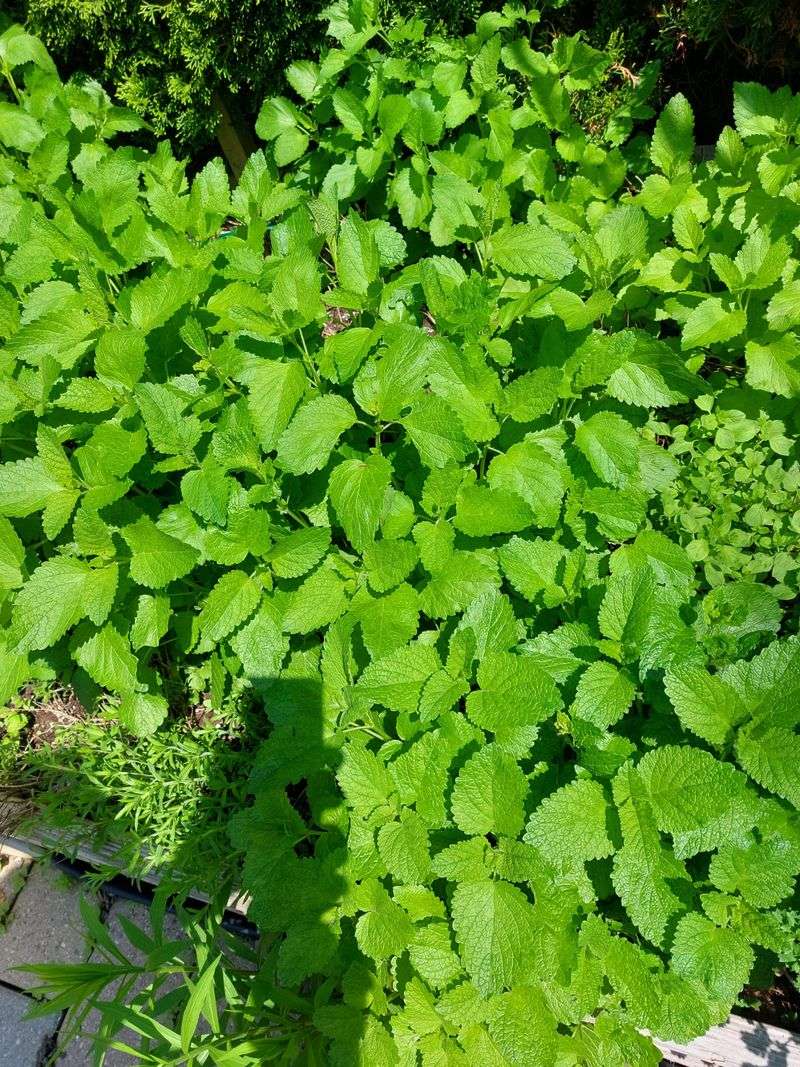
Rub a lemon balm leaf between your fingers, and you get an instant citrus scent that seems almost out of place in a fall garden.
This herb often looks tired and scraggly by late August, worn down by the peak summer heat. Cooler fall weather brings it right back to life.
Lemon balm belongs to the mint family, and it shares that group’s love of moisture and its tendency to spread with enthusiasm. It handles a wide range of conditions, though it genuinely prefers the milder temperatures fall provides over blazing summer sun.
As nights cool, the plant often pushes out a fresh flush of bright green, tender leaves. Those new leaves carry a stronger lemon flavor than the sun-stressed growth from midsummer.
Harvest by snipping stems just above a leaf node, similar to how you’d pick mint. Regular cutting keeps the plant bushy and encourages even more new growth through the cooler weeks ahead.
Like its mint relatives, lemon balm spreads by both seed and creeping roots, so many gardeners keep it contained in a pot rather than letting it loose in a bed.
Drainage matters here too. Soggy winter soil can invite root problems, so a spot with decent drainage works better than a low, wet corner of the yard.
In coastal and valley gardens, lemon balm often stays green and pickable well into winter. Steep a few fresh leaves in hot water for a calming tea, or add chopped leaves to fruit salads and iced drinks for a bright, citrusy lift.