9 Plants That Keep Deer Away From Your Fall Plantings
Petals vanished overnight, and only a split hoofprint remained to explain the silence. That print sat there like a signature, daring you to guess who left it.
Autumn beds practically invite trouble, loaded with soft color and tender new growth for the taking. Not every border can defend itself, and a flimsy fence rarely changes a determined visitor’s mind.
Certain plants, though, carry a built-in warning that most foragers respect without needing a second sniff. Fragrance and a sharp bitterness work together to turn a hungry nose in another direction.
Texture plays its part too, since tough, waxy leaves rarely tempt a picky eater looking for something soft. Height and placement matter just as much, turning a border into a maze a cautious animal would rather skip.
Nothing about the right choices looks complicated when they’re lined up side by side in your beds. Tonight your flashlight might finally catch the culprit red-handed, or it might just laugh at your best attempt to see who’s really in charge of that garden.
1. Ornamental Kale Adds Frilly Color To Chilly Beds
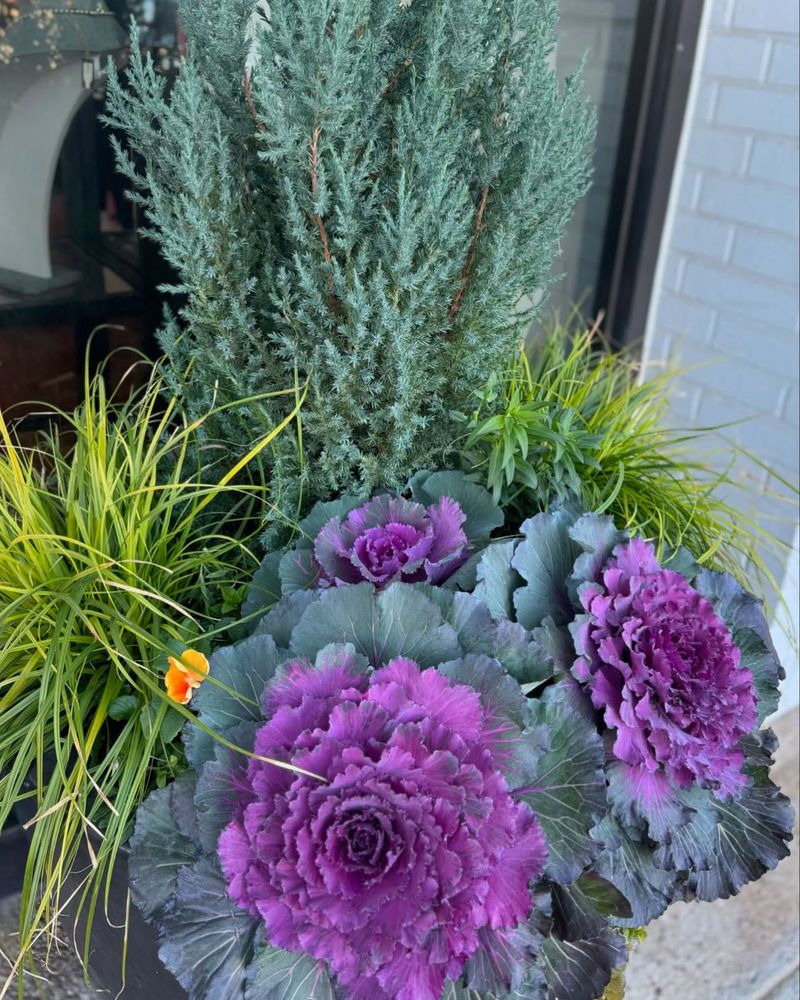
Frilly purple rosettes that look like giant cabbage corsages are hard to miss in a September garden. Ornamental kale loves cool weather, and its colors get brighter once nights dip below fifty degrees.
Deer tend to pass it by because the leaves are thick, waxy, and a bit bitter. To a hungry doe, mature plants taste more like a leathery chore than a tasty snack.
Still, a very hungry herd may nibble young kale, so it works best as a helper, not a fortress. Tuck it beside tender plants to make the whole bed feel less inviting.
Buy sturdy nursery transplants in early fall rather than starting seeds so late in the year. Plant them in full sun, about twelve to eighteen inches apart, in soil that drains well.
Water deeply once a week if rain is scarce, but skip heavy fertilizer. Too much food keeps the leaves plain green and dulls those bright pink and white centers.
Here is a fun bonus: ornamental kale is edible, though it tastes tougher and more bitter than grocery kale. Most folks keep it for looks and happily leave the salad bowl out of it.
Kale plants often hold their color well past the first light frost, sometimes into December. Pair them with ornamental peppers and pumpkins for a cheerful porch display that lasts longer than most fall decor.
2. Marigolds Bring A Smell Deer Can’t Stand
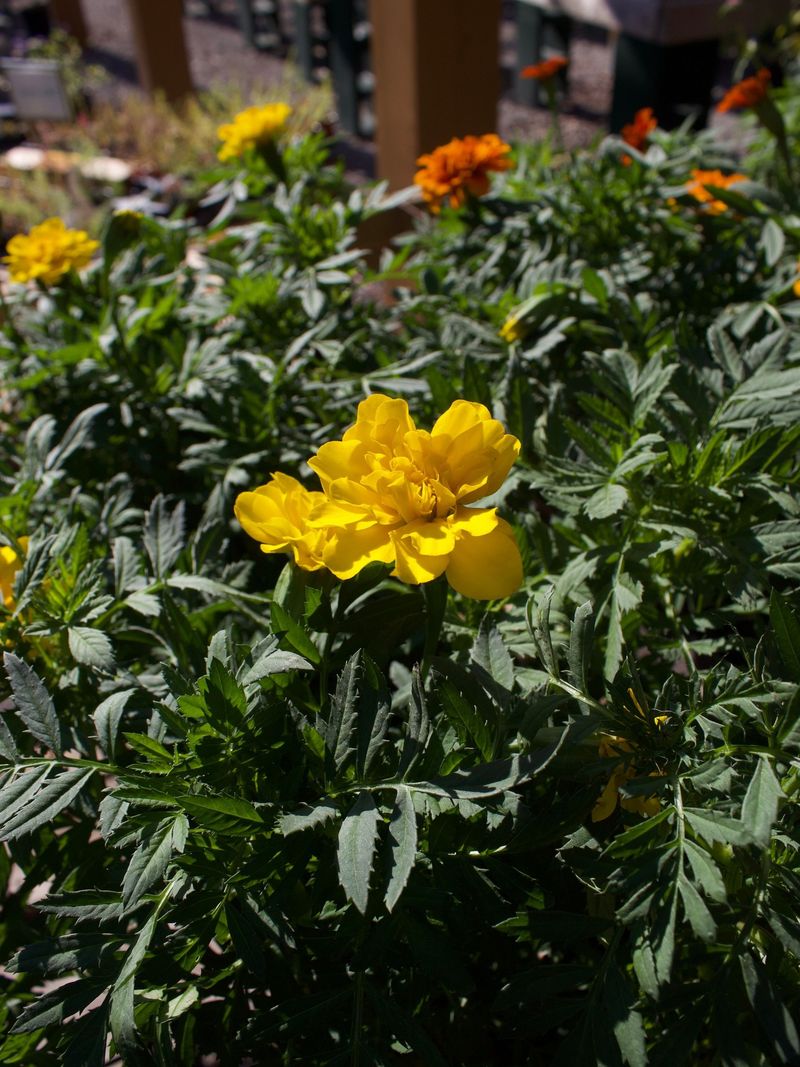
Rub a marigold leaf between your fingers, and you will smell something sharp, musky, and a little like old pennies. Deer notice that scent too, and most of them wander off to find something milder.
Marigolds are cheerful little bodyguards for fall beds because they bloom right up until frost. Their orange, gold, and rusty red flowers match pumpkin season and scarecrow displays perfectly.
Garden centers often sell blooming pots in September at bargain prices. Grab a flat or two and use them as a smelly border around lettuce, mums, or young shrubs.
French marigolds tend to have the strongest scent, while tall African types make a bolder statement. Either kind works, so pick the look you like best.
Plant them in full sun and water at the base instead of over the top. Wet leaves can invite powdery mildew, which spreads a gray, dusty coating.
Pinch off faded blooms every few days to keep new buds coming. A snip with scissors takes less time than brushing your teeth and stretches the flower show for weeks.
A word of caution: a starving deer in a lean autumn may still take a bite. Marigolds lower the odds, and that is a pretty good deal for a few dollars.
Fun fact: marigold petals have been used for centuries to dye fabric a warm golden yellow. Some chicken farmers even add them to feed to make egg yolks look brighter.
3. Catmint Keeps Deer Guessing All Season Long
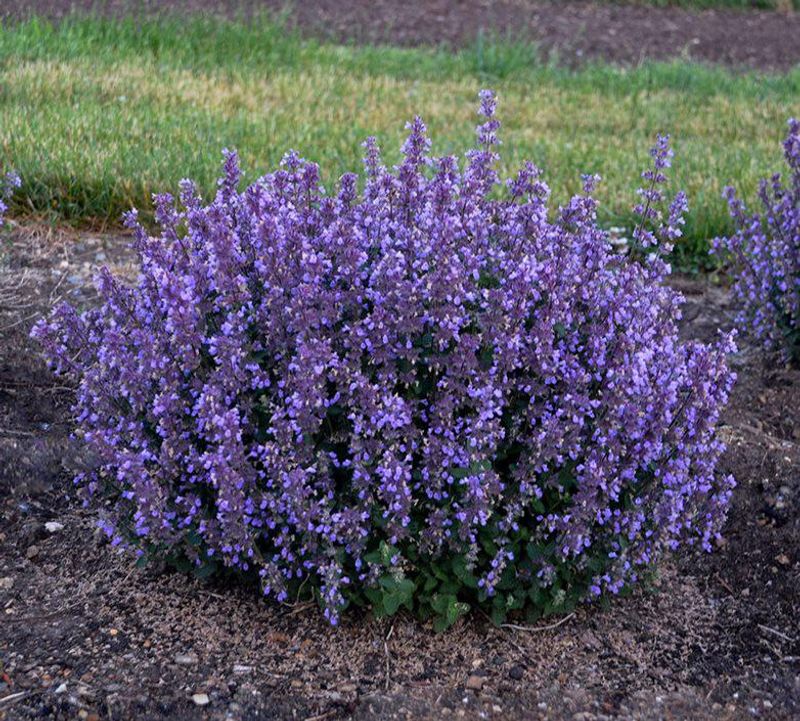
My neighbor’s orange tabby once flopped into a catmint patch and rolled around like he had won the lottery. Deer react the opposite way, turning up their noses at the fuzzy, minty leaves.
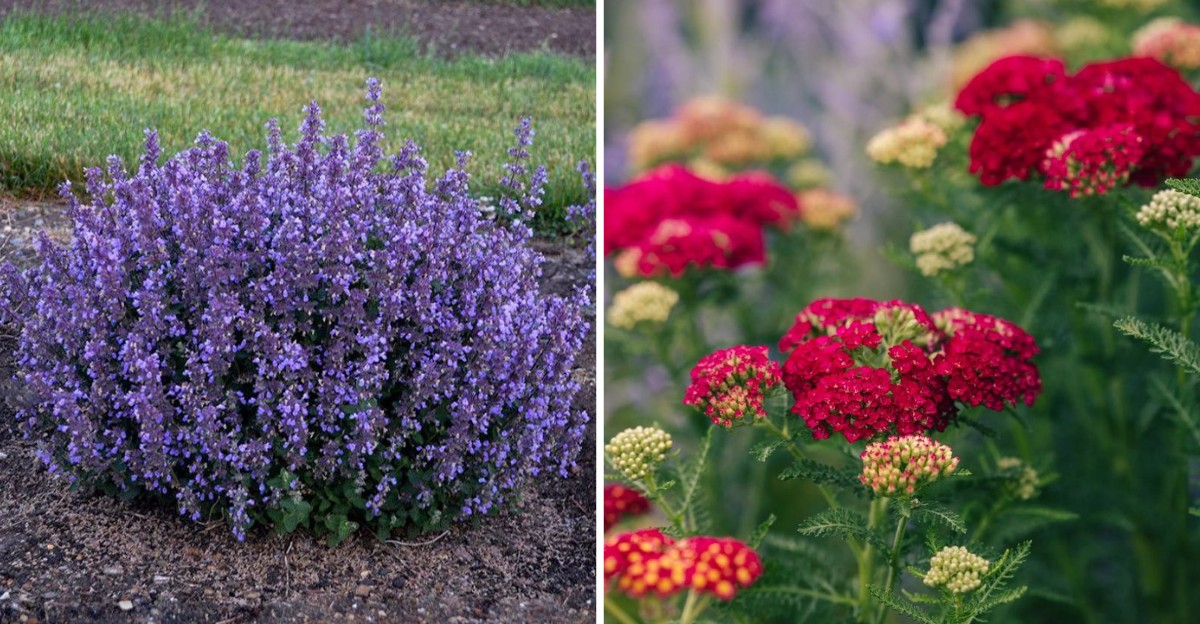
Catmint is a tough perennial with soft gray-green foliage and clouds of lavender-blue flowers. Its strong scent and hairy texture make it one of the most deer-resistant plants around.
September is a smart month to plant it, since warm soil helps roots settle before winter. Cooler air also means you will not spend every evening dragging a hose around.
Give it full sun and average soil, and skip the rich compost. Catmint grows floppier when it is pampered, like a spoiled house cat.
Varieties like ‘Walker’s Low’ spread about three feet wide, so space them generously. A row of them makes a soft, blue hedge that deer usually walk right past.
If your summer plants look tired, shear them back by about half in late August or early September. Fresh leaves and a second wave of blooms often show up within a few weeks.
Bees and butterflies love those late flowers, which gives pollinators a snack before cold weather arrives. Plant catmint near roses or other deer favorites to help hide their tasty smell.
Once established, it shrugs off drought and poor soil with barely a complaint. Honestly, the hardest part is keeping the neighborhood cats from using it as a nap mat.
4. Lavender Smells Sweet To Us And Sour To Deer
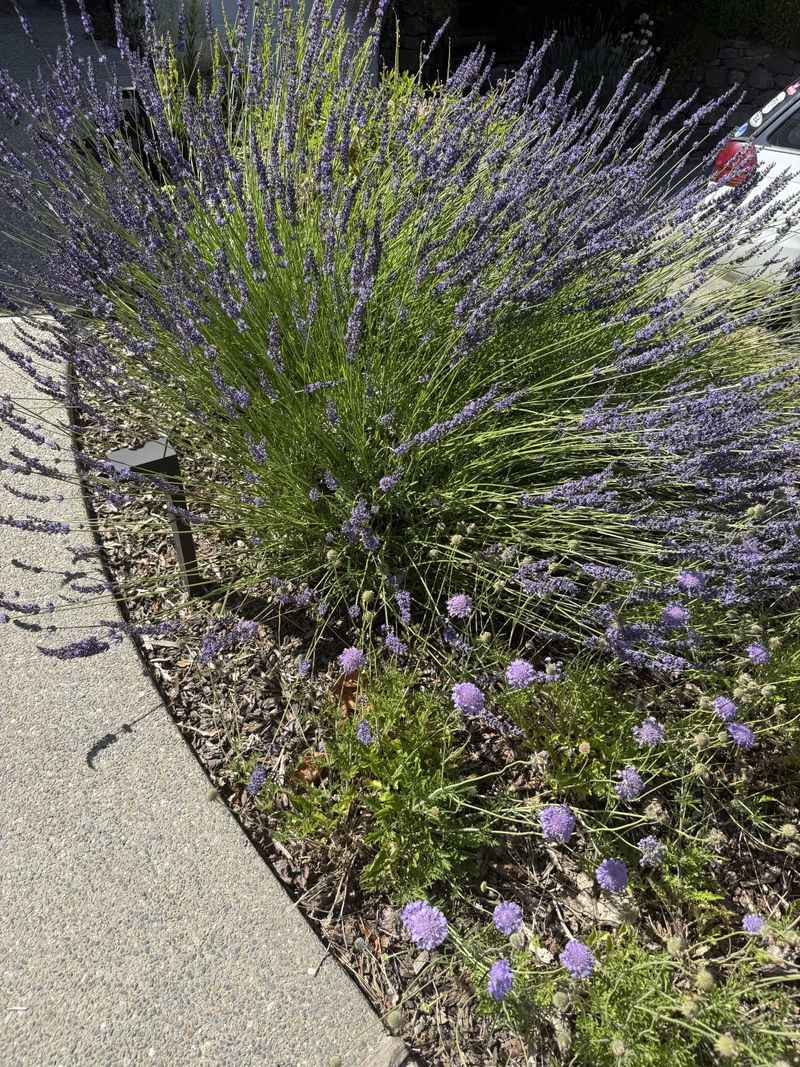
Grandma kept lavender sachets in her sock drawer, and every pair smelled like a summer afternoon. That same perfume that people adore sends deer searching for a meal somewhere else.
The oils in lavender leaves are strong and bitter, so deer rarely take more than a curious sniff. Its narrow, gray leaves also feel stiff and unappealing in the mouth.
Early fall planting works in many areas, but aim for at least six weeks before the ground freezes. Colder regions should choose hardy types like ‘Munstead’ or ‘Hidcote’ for the best winter survival.
Soggy soil is lavender’s biggest enemy, far worse than any hungry animal. Plant it on a slope, in a raised bed, or in gravelly soil where water drains fast.
Full sun is a must, ideally six to eight hours a day. Skip mulch piled against the stems, since trapped moisture can cause rot over winter.
Line a walkway with lavender, and you get a bonus every time you brush past it. Each step releases a puff of calming fragrance that deer find much less charming.
Light trimming in early fall is fine, but save any heavy cutting for spring. Avoid chopping into old woody stems, which rarely sprout fresh growth.
Ancient Romans reportedly added lavender to their bathwater, and the name may come from the Latin word for washing. You can snip a few stems now and dry them upside down for homemade sachets.
5. Russian Sage Stands Tall With Silvery Style
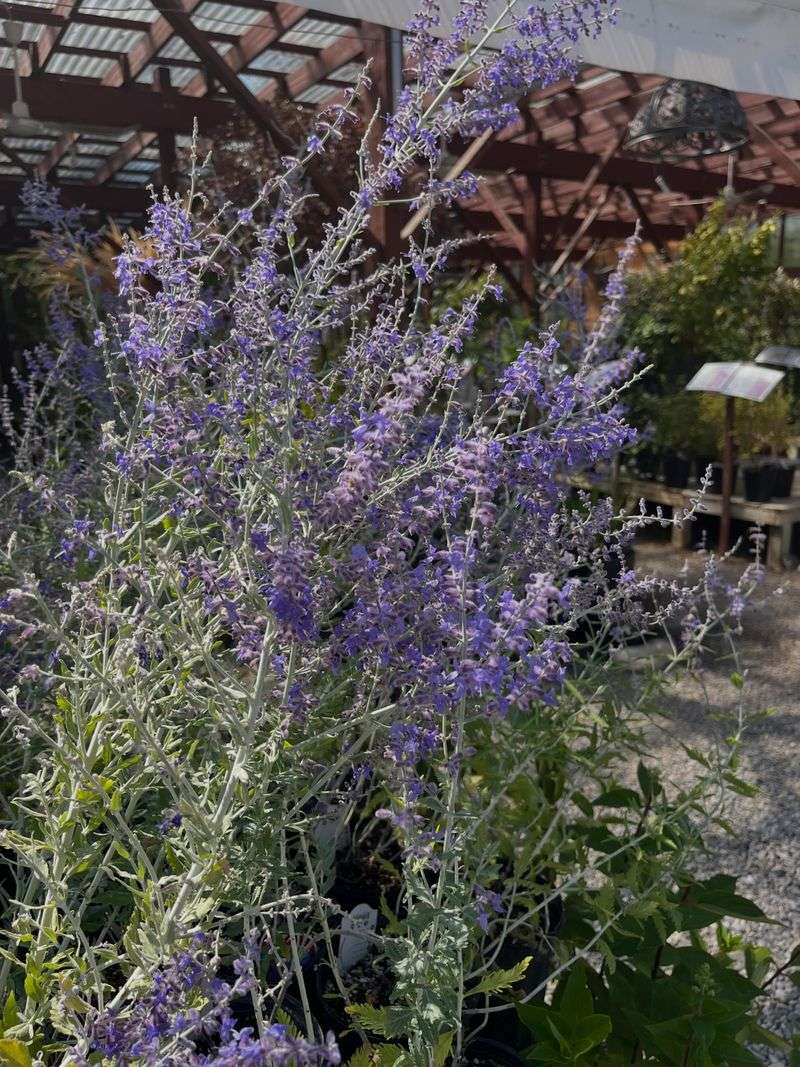
From across the yard, Russian sage looks like a haze of purple smoke hovering over silver stems. Up close, the leaves smell sharp and medicinal, which is exactly why deer keep their distance.
Funny enough, it is not from Russia, and it was not grouped with sages until recently. Scientists moved it into the Salvia group in 2017, where it now shares space with kitchen sage.
Fall is when this plant shows off, with blooms lasting from late summer into October. The silvery stems stay handsome even after the flowers fade, adding texture to a frosty garden.
Plant it in full sun and lean, well-drained soil, and it will reward you with little fuss. Rich soil and extra water make it flop over like a sleepy teenager.
Mature plants reach three to four feet tall and just as wide. Use them at the back of a border or as a loose, airy screen along a fence.
Leave the stems standing through winter for extra interest and shelter for insects. In early spring, cut everything back to about six inches above the ground.
Drought hardly bothers it once the roots are settled, which makes it a lifesaver for busy gardeners. Pair it with ornamental grasses or black-eyed Susans for a bold, deer-resistant fall combo.
Pollinators swarm the tiny flowers on sunny September afternoons. Bees seem to treat it like the last open diner before winter.
6. Boxwood Builds A Green Wall Deer Ignore
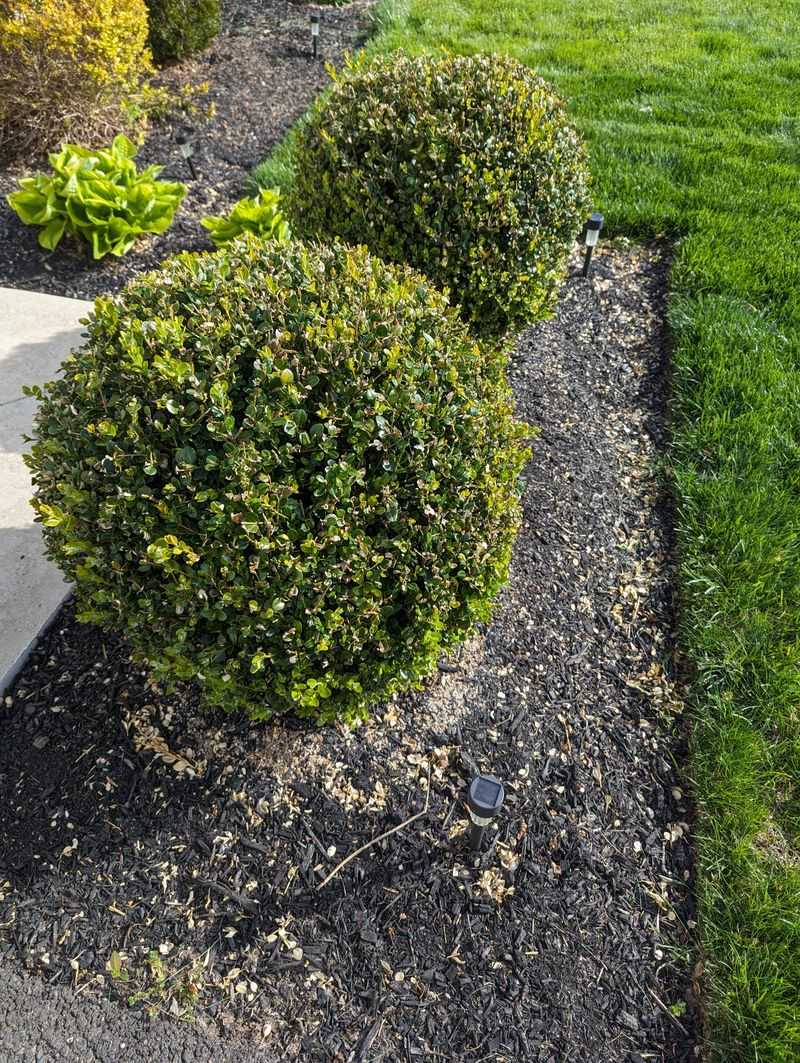
Walk through any historic garden, from Colonial Williamsburg to old English estates, and you will spot neat boxwood hedges. They have lasted for centuries partly because deer find them bitter and bad-smelling.
Boxwood leaves contain compounds that taste awful and can upset an animal’s stomach. Deer seem to know this and usually leave the shrubs alone.
Early fall is a good time to plant them, because cooler air is easier on new roots. Aim to finish about six weeks before your first hard freeze.
Dig a hole twice as wide as the root ball but no deeper. Boxwood roots stay shallow, so a two-inch layer of mulch helps keep them cool and moist.
Use boxwood as a living fence around softer plants that deer love to snack on. A low hedge will not stop a determined deer, but it makes the area feel less welcoming.
Winter wind can scorch the leaves and turn them bronze, especially on young plants. Water well until the ground freezes, and wrap shrubs in burlap if your area gets harsh weather.
Keep an eye on pets, since boxwood is mildly toxic to dogs and cats too. Also look for blight-resistant varieties like ‘NewGen Independence’ to avoid fungal trouble down the road.
Shaping is optional, but a light trim in late spring keeps hedges tidy. Save the fancy topiary for later, unless you secretly want a shrub shaped like a rooster.
7. Daffodil Bulbs Go In Now For A Deer-Free Spring
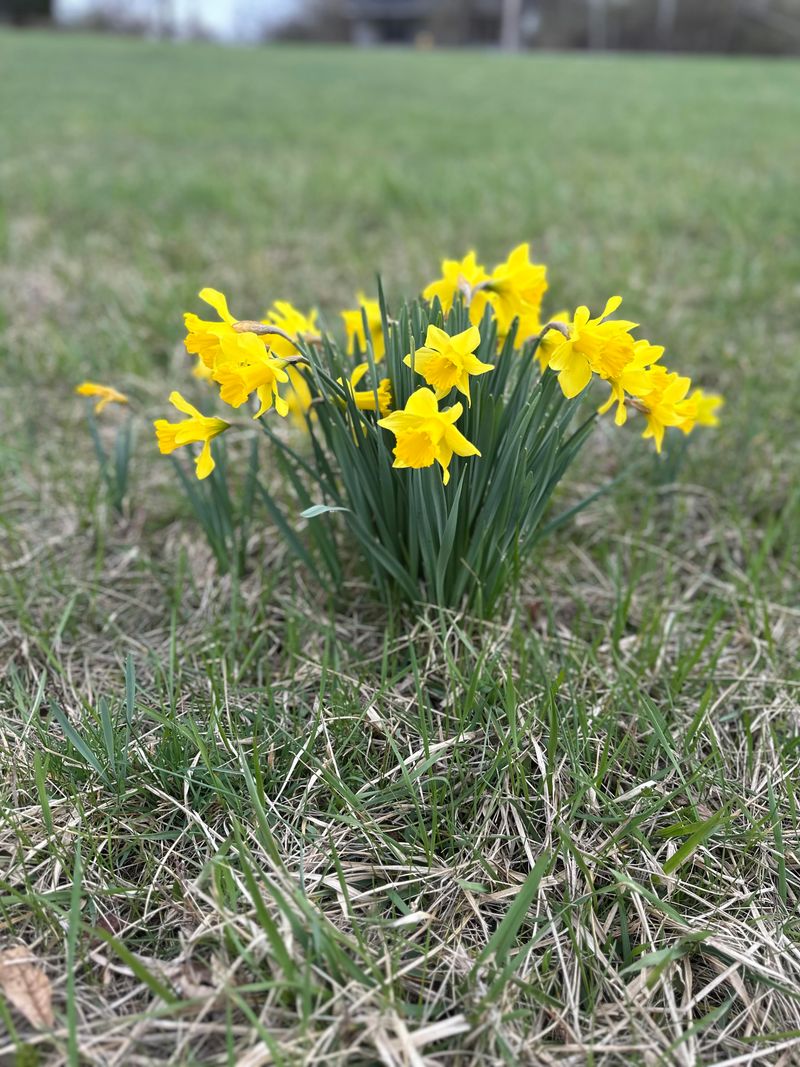
Squirrels dig up tulips, deer munch crocuses, and yet daffodils usually sail through spring without a single bite mark. Their secret is a natural chemical called lycorine, which makes every part of the plant taste terrible.
Deer, rabbits, voles, and even gophers learn to leave them alone. That makes daffodils one of the most reliable bulbs you can put in the ground this fall.
September through October is prime planting time in most regions. Bulbs need several weeks of cool soil to grow strong roots before the ground freezes solid.
Dig holes about three times as deep as the bulb is tall, usually around six inches. Set each bulb pointy side up, then cover it and water well.
Plant them in clusters of seven or more instead of in a single straight line. Groups look more natural and create a bigger splash of yellow come March and April.
One clever trick is to tuck daffodils around tulips or other bulbs that deer find tasty. The bitter neighbors can help hide the treats, though it is not a perfect shield.
After blooming, let the leaves turn yellow before you cut them back. Those leaves feed the bulb for next year, so be patient even if they look scruffy.
Keep bulbs away from curious pets and toddlers, since they are toxic if eaten. Wear gloves too, because the sap can irritate sensitive skin.
8. Ornamental Grasses Give Deer Nothing To Chew On
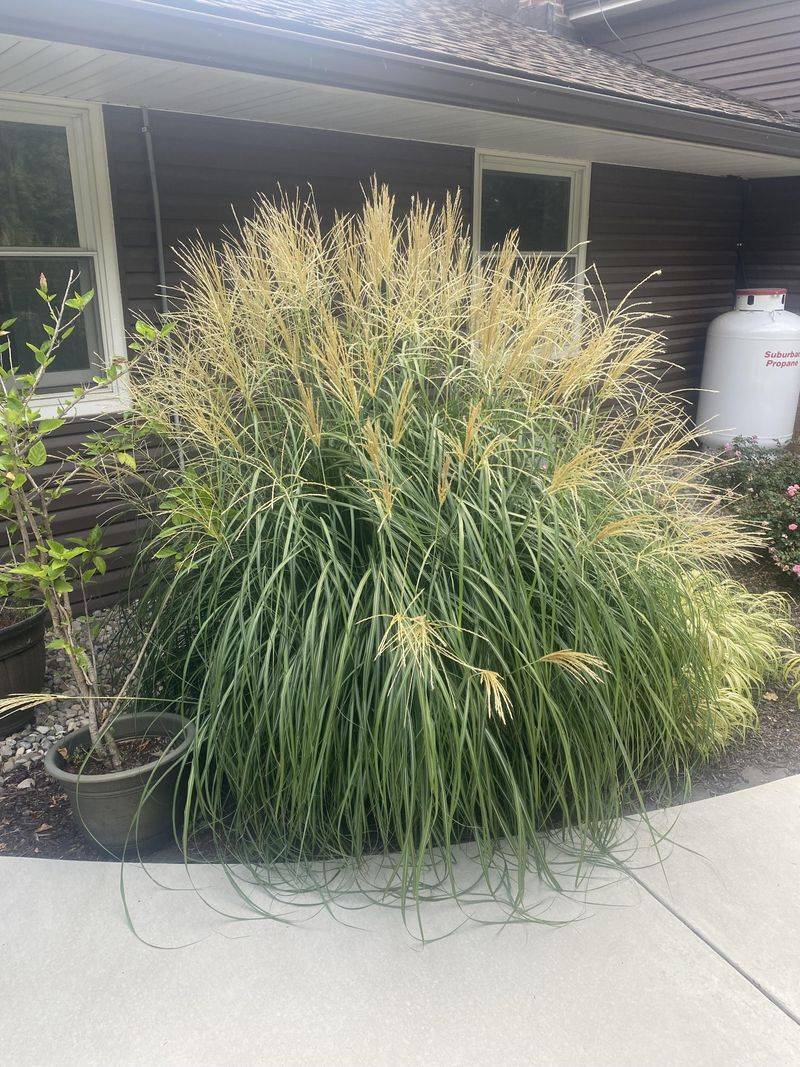
Listen closely on a breezy October afternoon, and a clump of ornamental grass sounds like soft rain. Deer hear that rustle too, but they rarely stop for a bite.
Most ornamental grasses have tough, sharp-edged blades that are low in nutrition and hard to chew. For a deer, eating them is like chomping on a paper towel with no flavor.
Autumn brings grasses to their peak, with feathery plumes in silver, pink, and copper. Maiden grass, switchgrass, and pink muhly grass all put on a big show in September and October.
Planting now works well for many types, especially cool-season grasses like blue fescue and feather reed grass. Warm-season kinds prefer spring planting, so check the tag before you buy.
Give them full sun and room to spread, since some reach five feet or more. Water new plants weekly until frost, then let nature take over.
Grasses make a handy screen between the woods and your flower beds. A tall, swaying border can make nervous deer feel less safe, since it blocks their view of predators.
Leave the plumes standing all winter for birds, snow-catching beauty, and a bit of movement. Cut them down to a few inches in late winter before new shoots appear.
One heads-up: skip invasive types like pampas grass in warm regions, as they can spread into wild areas. Your local extension office can suggest native options like little bluestem.
9. Yarrow Wraps Up The Garden With Bitter, Feathery Charm
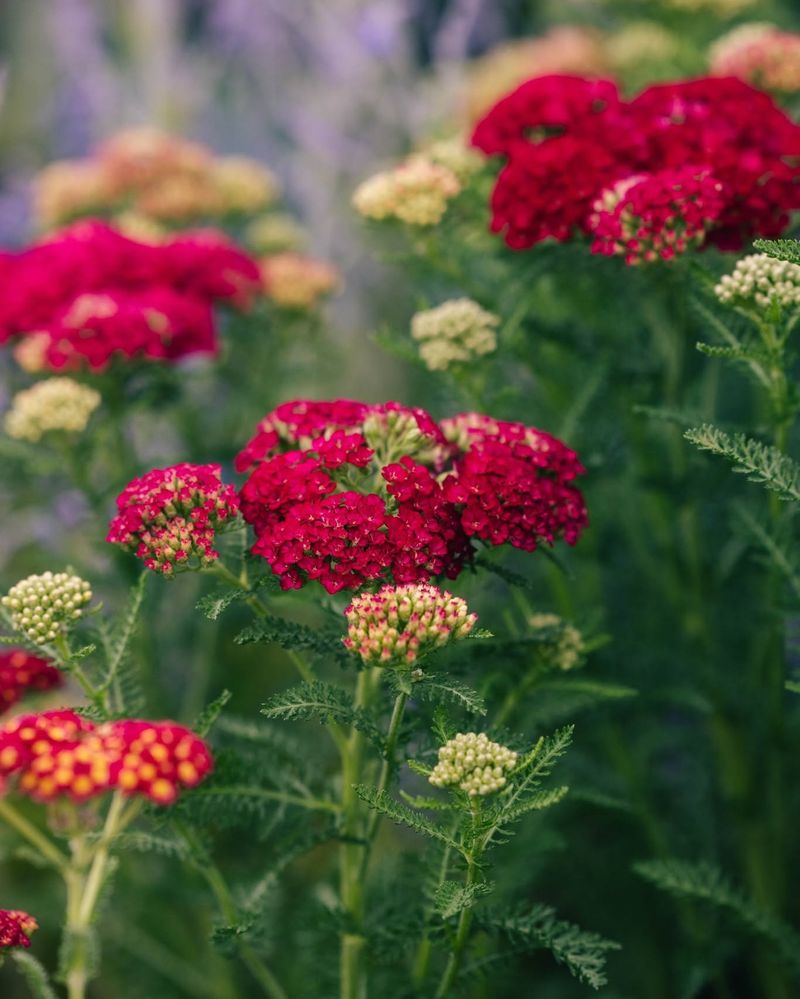
Legend ties this plant to Achilles, which explains its scientific name, Achillea. Deer are far less impressed by its history and even less by its bitter, feathery leaves.
The foliage has a spicy, camphor-like smell and a ferny texture that deer dislike. Rabbits usually skip it too, which is a nice bonus for bed edges.
Flat flower clusters come in white, yellow, pink, red, and even terracotta orange. Many kinds rebloom into early fall if you snip off the spent flower heads regularly.
Nursery pots planted in early September have plenty of time to root in before winter. Pick a sunny, dry spot, since yarrow actually prefers poor soil over rich garden beds.
Too much water or fertilizer makes the stems weak and prone to toppling. Treat it like a tough little roadside weed, and it will thrive on your neglect.
Butterflies and ladybugs flock to the flat blooms, and ladybugs eat aphids that bother nearby plants. That makes yarrow a quiet ally in the vegetable garden, too.
Yarrow spreads by underground runners, so divide clumps every few years to keep them in check. Share the extra pieces with friends who are tired of feeding the local deer herd.
Cut stems also dry beautifully for fall wreaths and flower arrangements. Hang bundles upside down in a dark closet for about two weeks, and the color holds surprisingly well.