12 Houseplants That Need Less Water As Days Get Shorter Through Fall And Winter
Your watering can may be the biggest threat your houseplants face this fall. As daylight shrinks, their roots slow down and drink less than you expect. Soil you soaked on Sunday can stay wet well into the following week.
Waterlogged pots squeeze out oxygen, and your roots start gasping for air. That soggy darkness invites Pythium, a water mold that turns your roots mushy. Fungus gnats notice too, laying eggs in the damp top inch you keep refreshing.
Yellow lower leaves then fool you into pouring even more. Here is the twist: you can rescue your plants by doing less. Smart autumn care means you read soil, light, and leaves, not the calendar.
Master those signals, and you trade rescue missions for steady, glossy growth. Before you lift that watering can again, see what your plants are quietly telling you.
1. Snake Plant
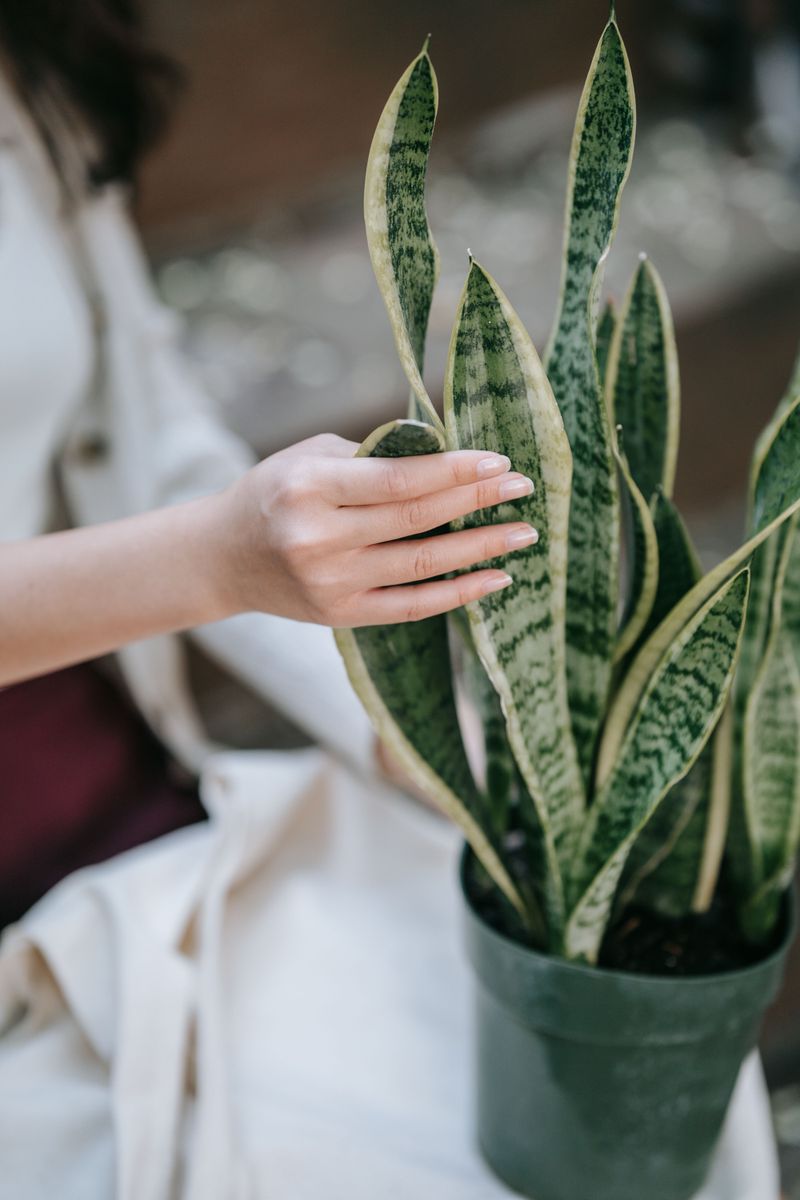
Picture a houseplant that shrugs at neglect like a cat ignoring its name. Snake plants store water in their thick, sword-shaped leaves, so they handle dry spells with ease.
Once fall arrives, growth slows to a crawl because there is less sunlight to fuel it. Less growth means the roots drink far less, even if the pot looks thirsty.
In summer, you might water every two weeks or so. By late October, stretching that to once a month usually works beautifully for most homes.
Before reaching for the watering can, push a wooden chopstick deep into the soil. If it comes out with any damp crumbs, wait another week or even two.
Overwatering is the main way people hurt these tough plants in winter. Soft, yellow, or mushy leaves near the base are a warning sign of root rot.
Snake plants are also nicknamed mother-in-law’s tongue for their sharp, pointy leaves. Keep yours in a bright spot away from cold drafts, and it will stay happily upright.
2. ZZ Plant
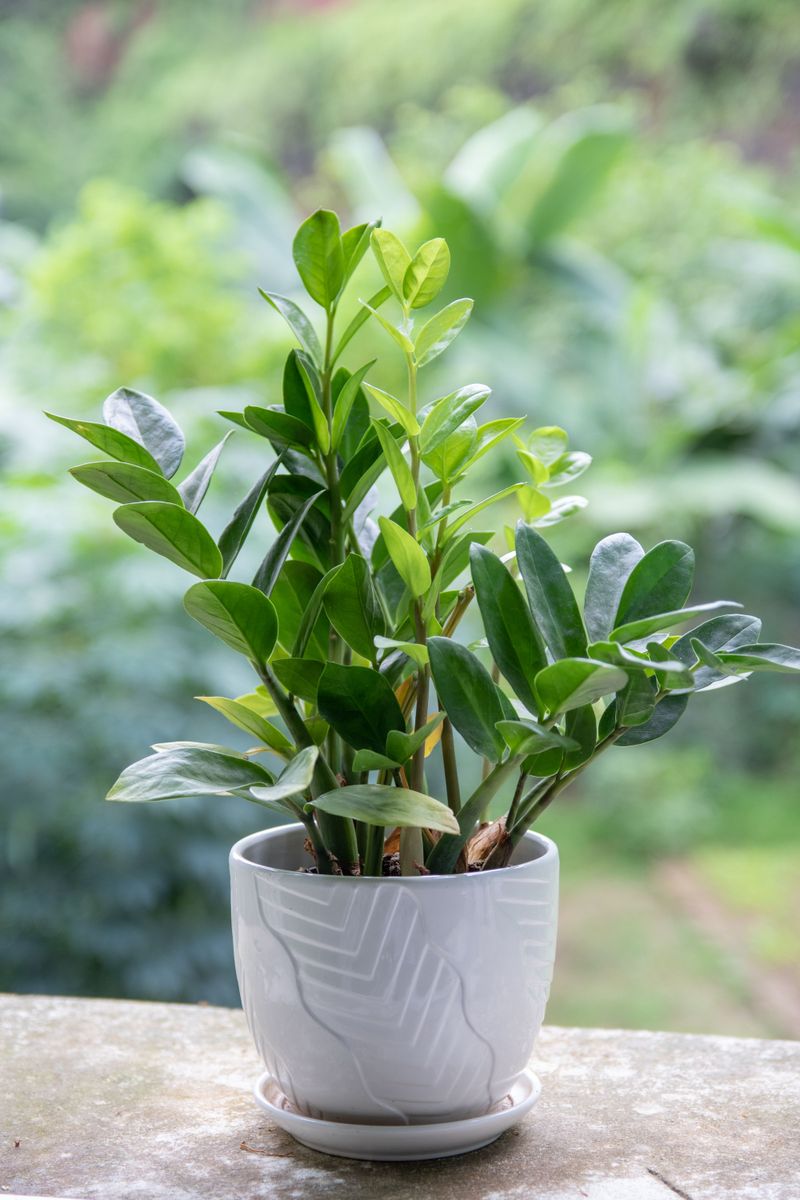
Some plants act like camels, and the ZZ plant might be the champion of the group. Hidden under the soil are potato-like rhizomes that stash water for weeks.
Those chunky storage roots are great in summer, but they become a problem when days shrink. With less light, the plant barely uses its stored water, so extra drinks just sit around.
A good fall rhythm is watering every three to four weeks. In a dim room during December, you might even wait five or six weeks.
Let the soil dry out all the way to the bottom of the pot. Lifting the pot helps, since a light pot usually means it is ready for water.
Yellow stems are the plant’s way of waving a little flag for help. That usually points to too much water, not too little.
Here is a quirky bonus: ZZ plants can grow in offices with only fluorescent lights. Treat yours like a low-maintenance pal, and its shiny leaves will glow right through winter.
3. Jade Plant
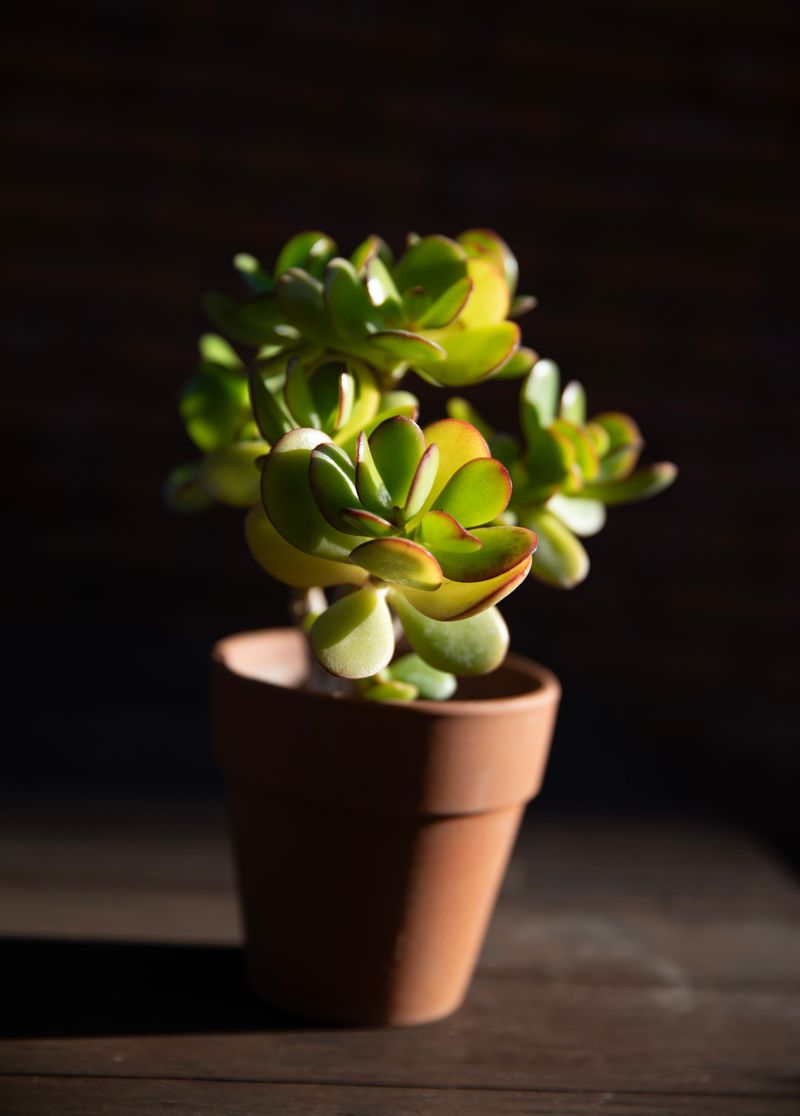
Many of us remember a jade plant sitting on a grandparent’s sunny kitchen windowsill for decades. Those chubby, coin-shaped leaves are tiny water tanks built for patience.
Jades come from dry regions of South Africa and Mozambique, where cool seasons are often short on rain. Your living room in November feels a lot like that resting time to them.
During spring and summer, water when the top inch of soil feels dry. As fall settles in, wait until the soil is dry nearly all the way down.
For most homes, that means a slow drink every three to four weeks. A slightly wrinkled, less plump leaf is a friendly hint that it is time.
Watch out for leaves that turn squishy or drop off suddenly. Soggy soil in chilly weather invites rot much faster than most people expect.
Some people call jade the money plant and believe it brings good luck. Give it your sunniest window, and a well-cared-for jade may even surprise you with tiny star-shaped flowers.
4. Aloe Vera
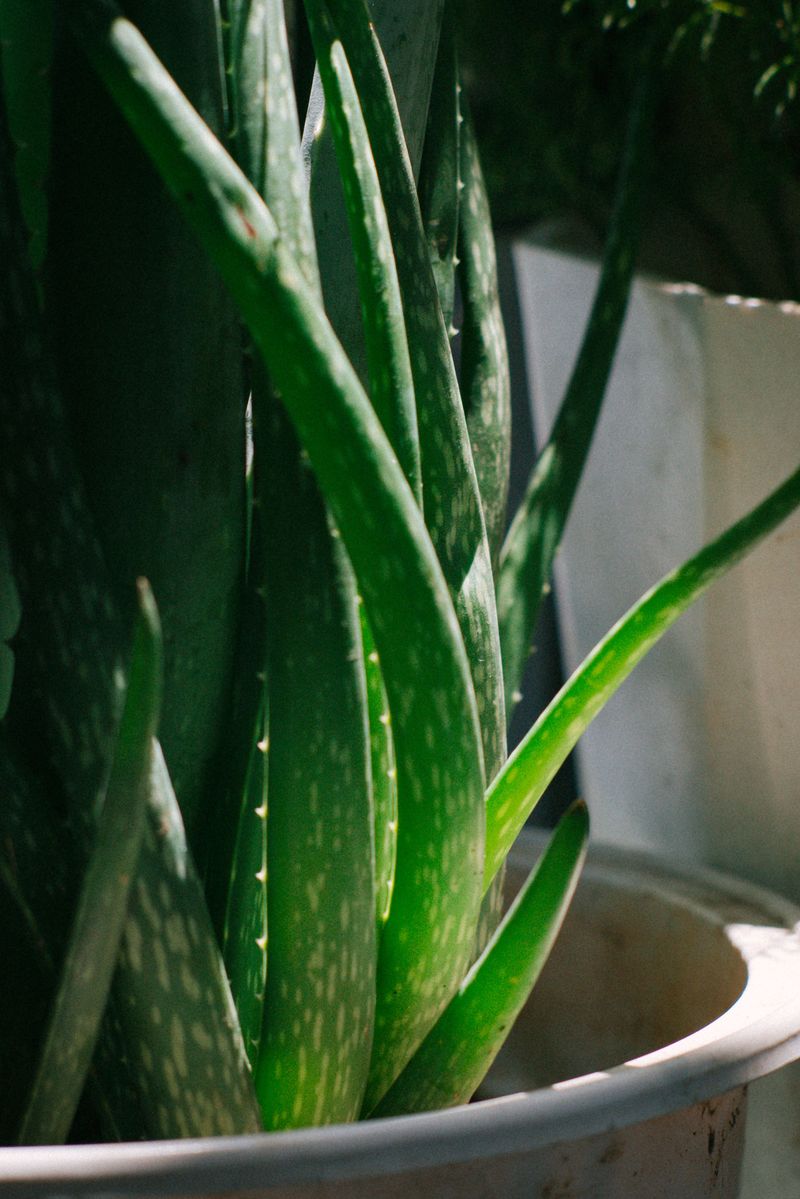
That spiky green plant you reach for after a sunburn has a secret winter wish. Aloe vera wants to be left alone with dry soil and bright light.
Its fleshy leaves are packed with gel, which is basically stored water. When the sun sits lower in the sky, the plant grows slowly and needs far fewer refills.
Aim to water about once every three to four weeks from October through February. Pour slowly until water runs out the drainage hole, then let every drop escape.
A terra cotta pot is a smart choice for aloe in cooler months. The clay breathes and pulls extra moisture away from the roots.
Brown, mushy spots or leaves that flop over often mean the plant got too much water. Thin, curling leaves, on the other hand, suggest it is finally ready for a drink.
People have used aloe for skin care for thousands of years, and it is often linked to ancient Egypt. Keep yours near a sunny window, and it will be ready whenever you need a soothing leaf.
5. Ponytail Palm
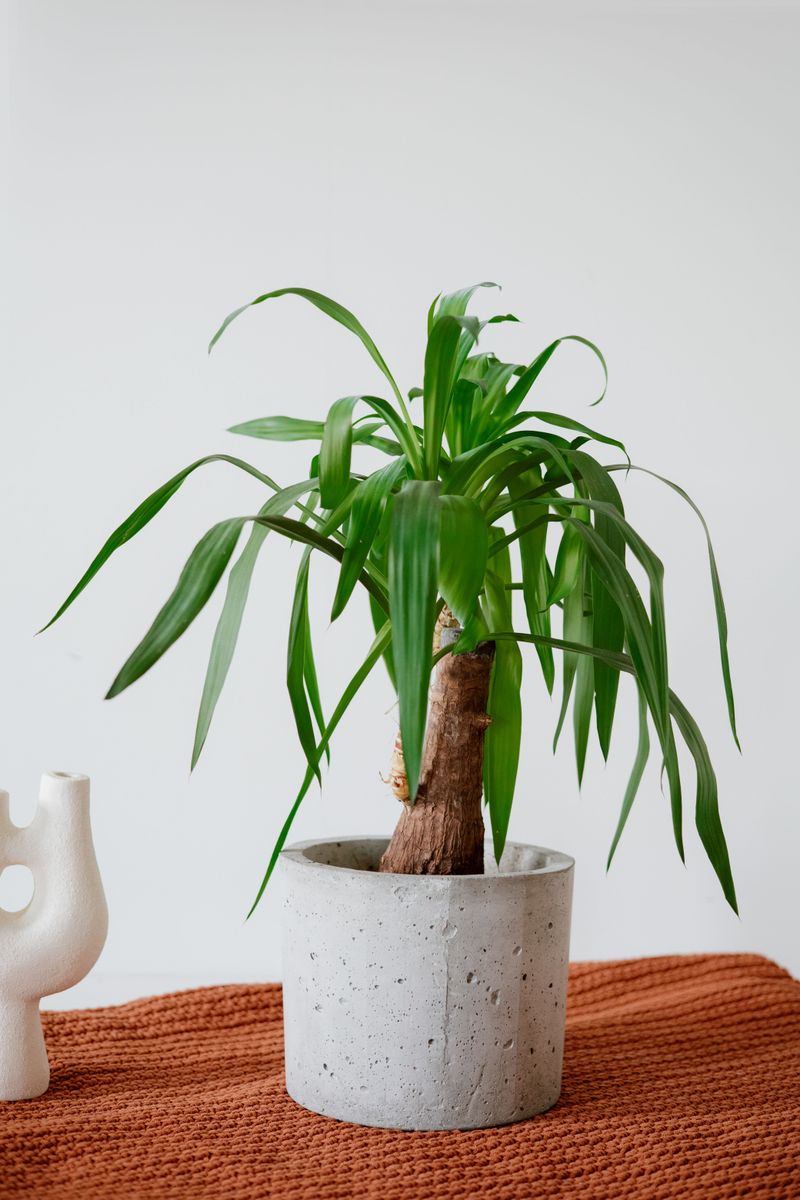
With its wild spray of leaves, the ponytail palm looks like it just rolled out of bed. Surprisingly, it is not a palm at all but a cousin of the agave.
The real star is its swollen trunk base, which works like a built-in water bottle. That bulb lets the plant coast through dry weeks without any fuss.
As autumn light fades, your ponytail palm switches into slow motion. Watering every three to four weeks is plenty, and some homes can stretch it longer.
Check the trunk base before you water. A firm, smooth bulb means the plant is still full, while a slightly wrinkled one, paired with fully dry soil, says it is ready.
Brown leaf tips can happen in dry indoor air, and they are mostly cosmetic. Any softness in the trunk, though, is a clear sign of too much water.
In Mexico, where it grows wild, old ponytail palms can reach thirty feet tall. Indoors, yours will stay a manageable size and keep its bad hair day charm all winter long.
6. Cast Iron Plant
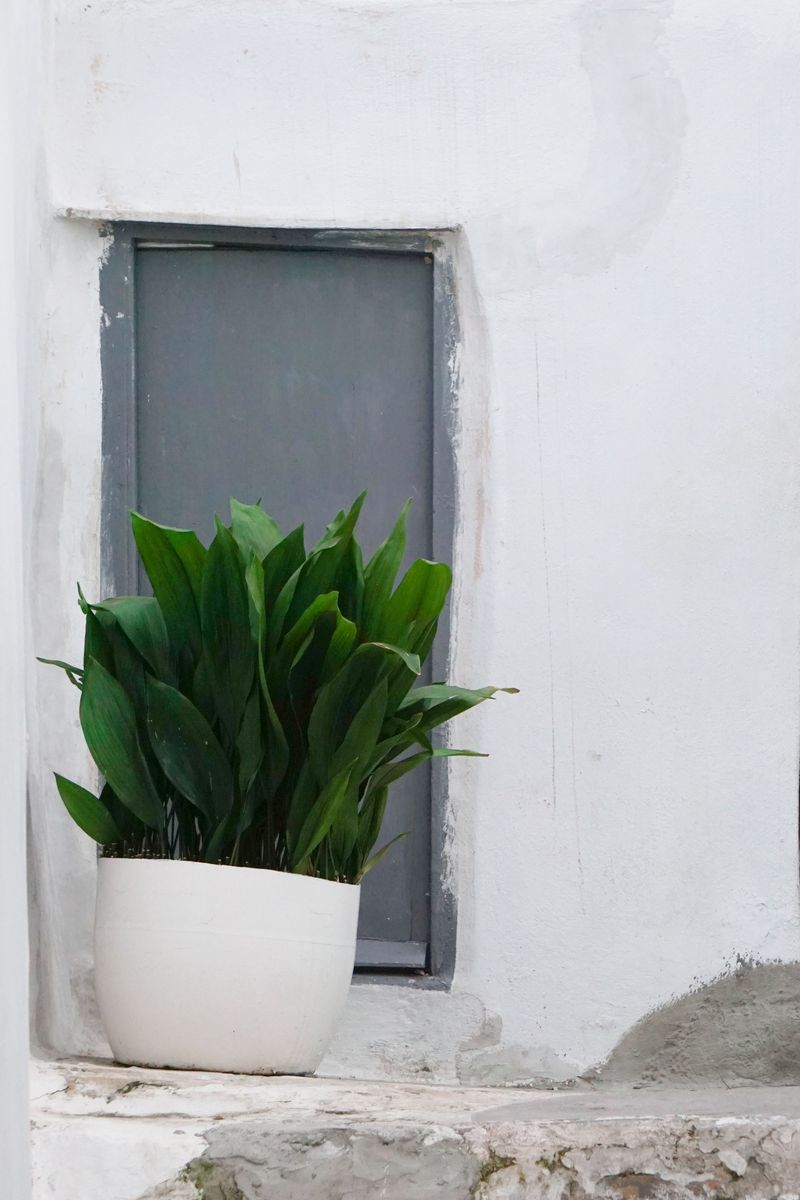
Victorian homes were dark, smoky, and chilly, yet one plant thrived in their shadowy parlors. The cast iron plant earned its name by surviving conditions that sent other plants packing.
Its broad, dark green leaves are tough, but its roots are sensitive to soggy soil. Cooler rooms and weak winter light make that soil stay wet much longer.
Water when the top two inches of soil feel dry to your finger. In fall and winter, that often means every two to three weeks.
Unlike succulents, the cast iron plant does not want to go bone dry for long stretches. Aim for soil that stays lightly moist but not muddy.
Brown patches on leaves or a sour smell from the pot point to too much water. Tip out any water sitting in the saucer after each drink.
Growth is famously slow, so you may only see a few new leaves each year. Place it in that gloomy hallway corner, and it will stand guard like a loyal butler.
7. Echeveria
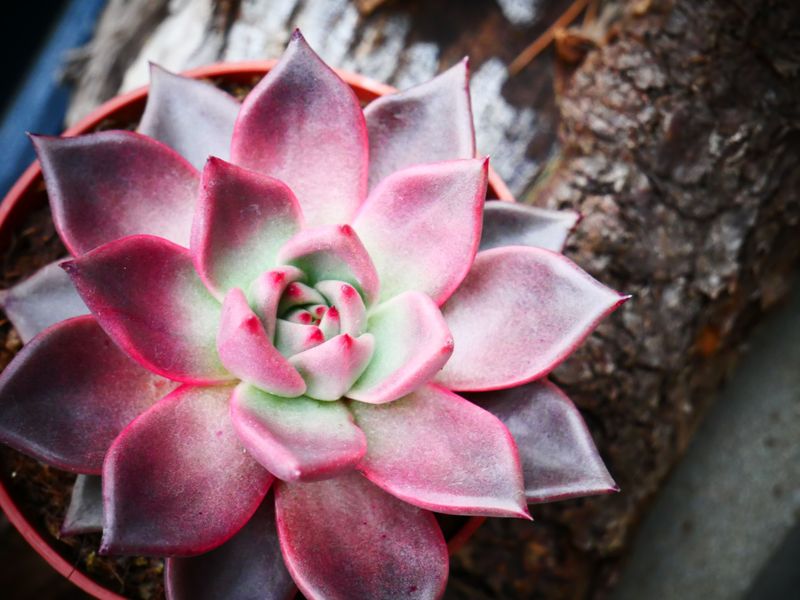
Shaped like tiny stone roses, echeverias look almost too pretty to be real. Their tight rosettes of plump leaves hold enough water to ride out long dry spells.
Native to the mountains of Mexico, Central America, and northwestern South America, they are used to chilly, dry seasons. Shorter days tell them to rest, so they drink much less than in summer.
Try the soak and dry method, which is much simpler than it sounds. Water deeply, then wait until the soil is dry all the way through.
In winter, that could mean just one drink every three to four weeks. Pour onto the soil instead of the rosette, because trapped water can cause rot.
If your echeveria starts stretching tall and pale, it wants more light, not more water. A south-facing window or a small grow light fixes that quickly.
Many echeverias blush pink, purple, or red when nights turn cool. Enjoy that seasonal glow, and resist the urge to shower them with extra attention from the watering can.
8. Hoya
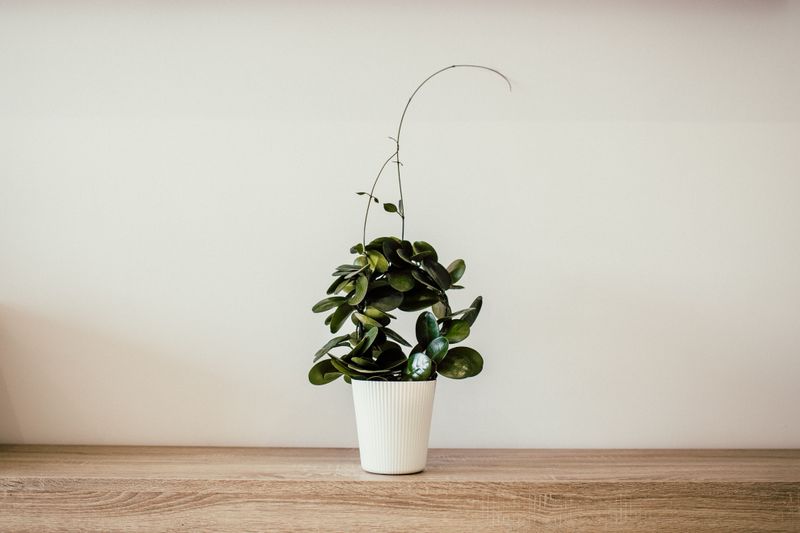
Ever seen leaves so glossy they look like they were dipped in candle wax? Hoyas, often called wax plants, wear that shine thanks to thick leaves that hold moisture.
In the wild, many hoyas climb trees in Southeast Asia and grow on bark instead of soil. Their roots like to breathe, so they dislike sitting in wet dirt.
Once the days shorten, a hoya takes a long seasonal breather. Watering every two to three weeks is usually enough until spring returns.
Let the top half of the soil dry out before giving it more. A chunky mix with orchid bark helps extra water drain away fast.
Wrinkled, soft leaves can mean thirst, but yellow leaves with black stems usually mean too much water. When unsure, wait a few more days.
Many mature hoyas bloom with clusters of star-shaped flowers, and some smell sweet at night. Leave the old flower stems in place, since new blooms often sprout from the same spots.
9. String Of Pearls
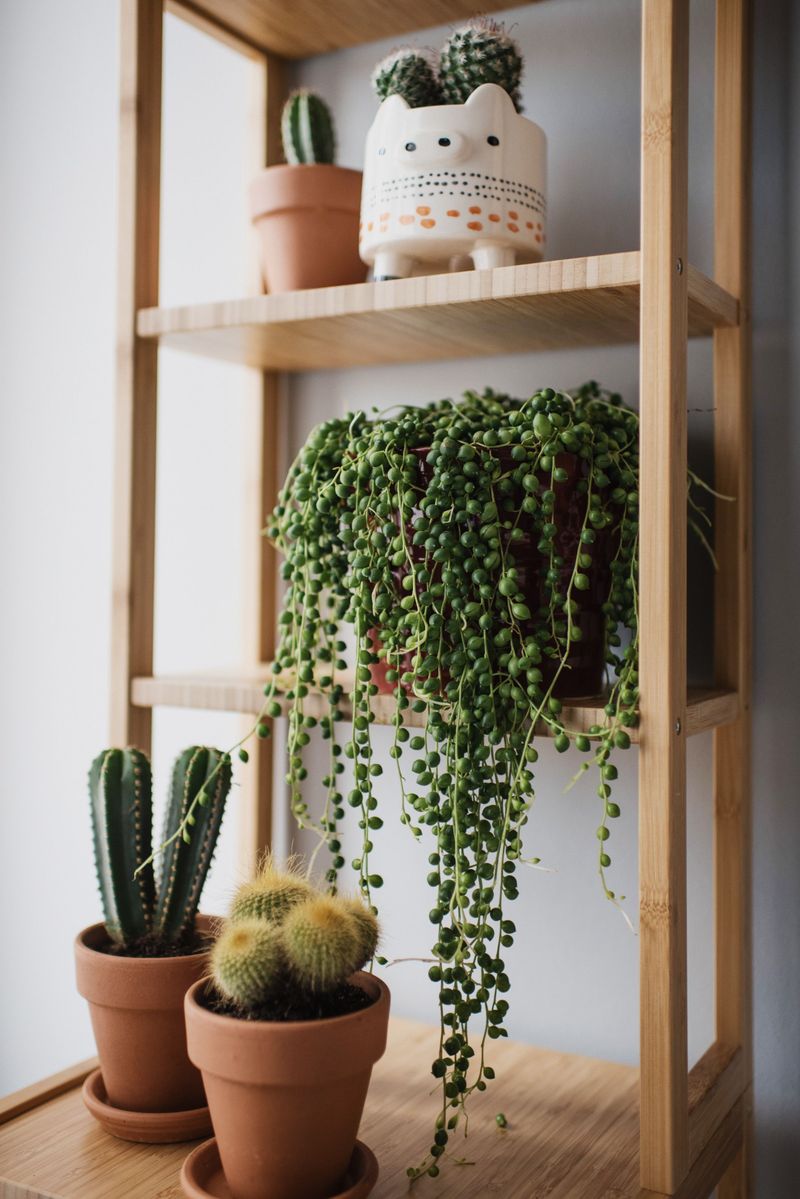
Imagine a necklace that grows, and you have pictured a string of pearls. Its bead-like leaves dangle over the pot edge like a shimmering green waterfall.
Each tiny pearl is a water storage pod with a small see-through window. That window lets light reach inside, a clever trick from its dry, shaded home in southern Africa.
Few trailing plants are as fussy about water, especially once the air turns crisp. Their shallow roots can rot quickly if the soil stays damp for several days.
From October to March, water about every three weeks, or when the pearls look slightly wrinkled. Firm, round pearls mean the plant is still perfectly hydrated.
Water around the base of the plant, not over the strands themselves. A shallow terra cotta pot with drainage holes helps the soil dry out faster.
Mushy, flat, or brown pearls are a bright red flag for overwatering. Snip healthy strands, lay them on dry soil, and they will often root into new plants.
10. Rubber Plant
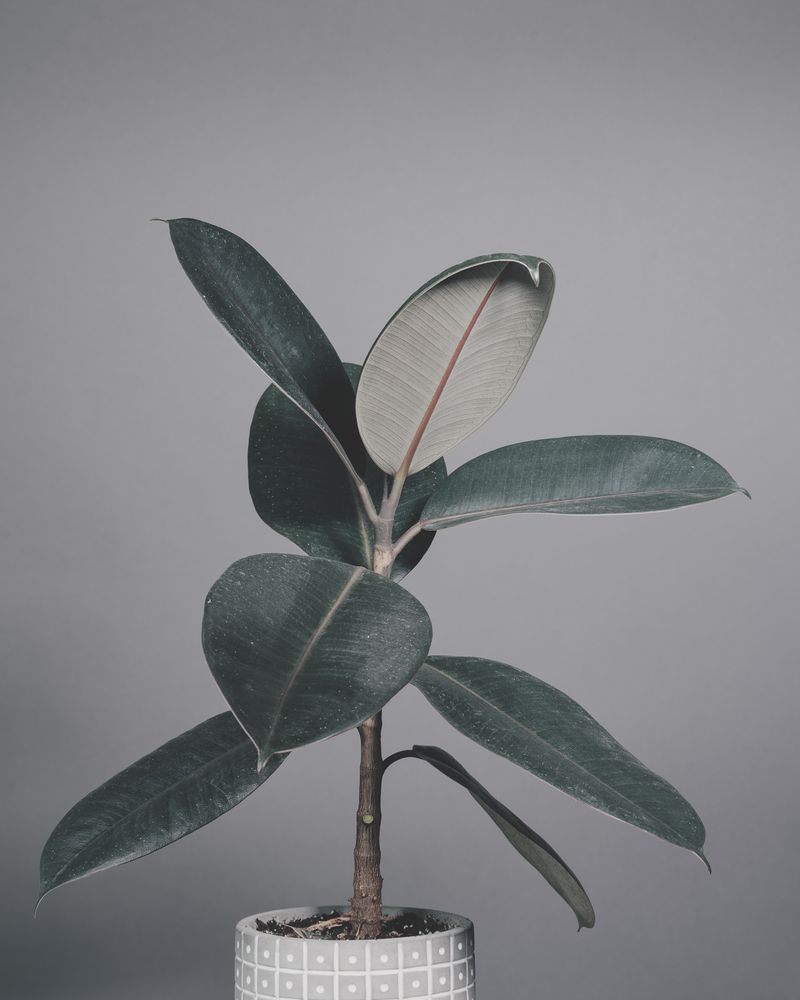
Long ago, rubber plants were tapped for a milky sap used in early rubber products. Today, they are loved for their big, glossy leaves that shine like polished leather.
Summer is their big growing season, when new leaves unroll from protective sheaths, often reddish on darker varieties. By fall, growth slows sharply, and the roots need much less water.
Check the soil before each watering by pressing a finger two inches deep. If it feels dry, water well, and if it feels cool and damp, wait.
For many homes, that works out to every two to three weeks in winter. Room temperature water is much kinder than icy tap water on chilly days.
Dropping lower leaves is the classic complaint of an overwatered rubber plant. Sudden cold drafts from doors or windows can cause the same leafy tantrum.
Wipe the big leaves with a damp cloth monthly so they soak up more winter light. Wear gloves if you prune, since the sticky sap can bother sensitive skin.
11. Golden Pothos
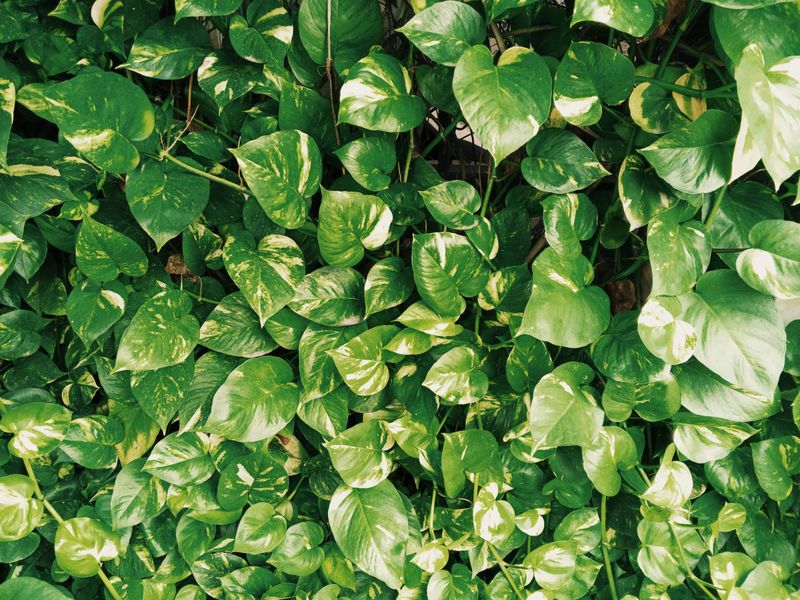
Almost every new plant parent starts with a pothos, and for good reason. Its heart-shaped, gold-splashed leaves forgive plenty of beginner mistakes and grow fast in summer.
Winter is the one season when a pothos becomes less forgiving about water. Shorter days slow its vines, and wet soil can linger for a week or more.
In summer you might water weekly, but in fall try every ten to fourteen days. Let the top couple of inches dry before you pour again.
Pothos is great at talking to you through its leaves. Slight drooping usually means thirst, and the vines perk up within hours of a drink.
Yellow leaves with soft brown patches tell a different story, usually one of soggy roots. Cut back on watering and make sure the pot drains freely.
NASA once included pothos in a 1989 study on indoor air, though later research shows houseplants have little effect on air quality in real homes. Move yours a bit closer to a window this fall, and its golden streaks will stay bright.
12. Fiddle Leaf Fig
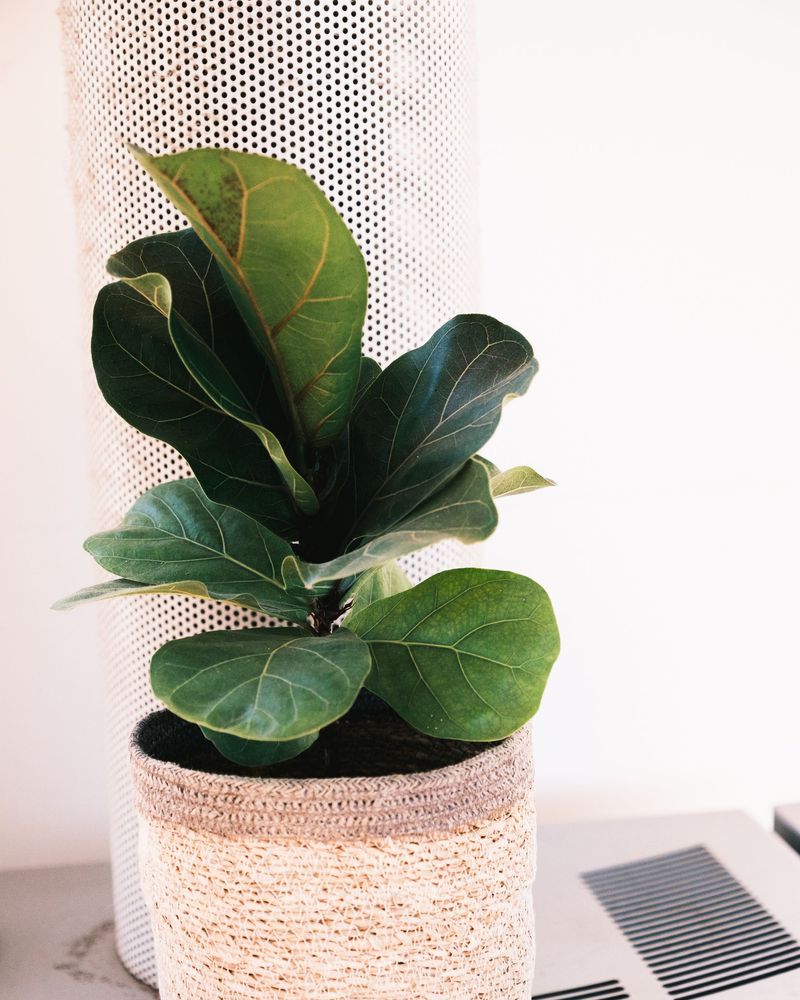
Every plant collection seems to have one drama queen, and the fiddle leaf fig happily takes the crown. Its huge violin-shaped leaves react quickly to any change.
Less daylight in autumn means the fig uses much less water than it did in July. Keeping the same summer routine is a fast track to brown spots and dropped leaves.
Water when the top two to three inches of soil feel dry. In most homes, that lands around every two to three weeks during winter.
A moisture meter can reduce the guesswork, especially when you pair it with a quick finger test. Pour only when the reading drops into the dry range, not on a fixed calendar day.
Dark brown patches in the middle of leaves usually point to overwatering. Crispy, light brown edges lean more toward thirst or dry heater air.
Try not to move your fig around once you find a bright spot it likes. Like a diva with a favorite dressing room, it prefers to stay put all season.