Skip Thirsty Bermuda Grass and Plant This Arizona Native Groundcover Instead
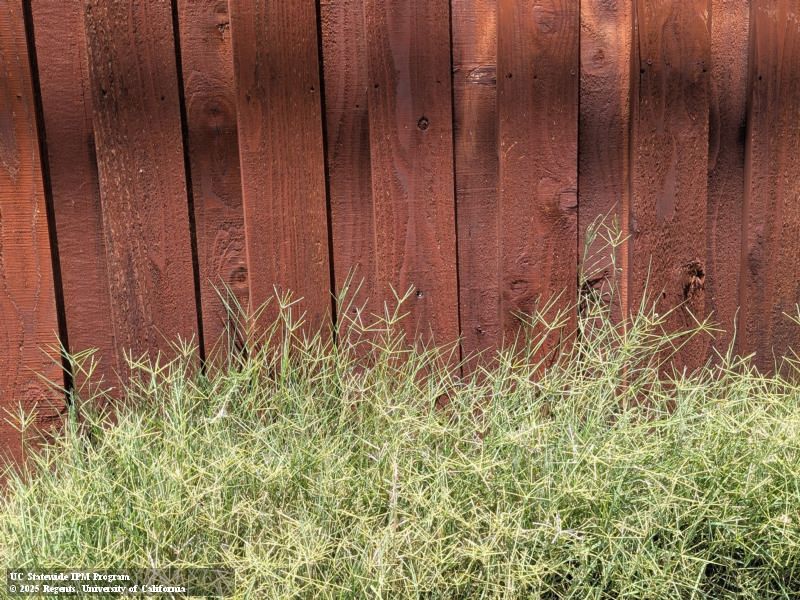
Bermuda grass covers a huge share of Phoenix and Tucson yards, and plenty of homeowners are wondering whether swapping it for something native could cut their water bills. The answer is more complicated than a simple yes or no. One Arizona-native grass does stand out as a lawn-like option, but it comes with real geographic and seasonal limits that matter before you pull out a single sprinkler head.
Buffalograss is an option, not a universal replacement
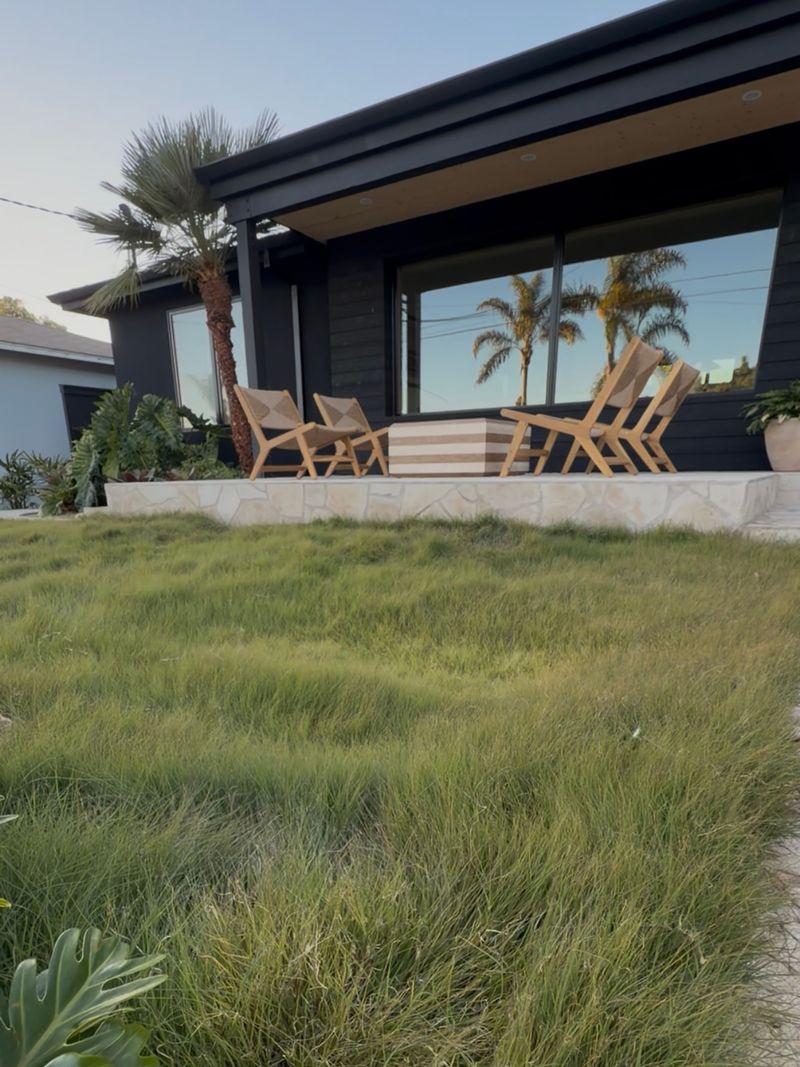
Most conversations about replacing Bermuda grass start with the idea that Bermuda is just plain thirsty, and that swapping it for a native plant fixes everything. That framing skips over some important details.
Bermuda’s water demand shifts with how it is managed, what season it is, and whether a homeowner chooses to overseed it in winter, so calling it uniformly water-hungry is not accurate.
Among the Arizona-native plants researched as possible lawn alternatives, buffalograss is the strongest documented candidate for a lawn-like look. University of Arizona Extension’s buffalograss profile describes it as a low-traffic lawn option with real drought tolerance once established.
That is a meaningful distinction from Bermuda, but it is also a narrower use case than most homeowners picture when they imagine a full lawn replacement.
Buffalograss suits some yards well and others poorly. Before deciding, readers should know where the plant actually grows in Arizona, what it looks like in winter, and how much foot traffic it can handle.
Those answers shape whether it fits the yard you actually have.
Arizona native does not mean low-desert native
A plant labeled “Arizona native” can come from any of the state’s wildly different ecosystems, from pine-covered highlands to low desert basins. That label alone does not mean the plant evolved in the same conditions as a Phoenix or Tucson backyard.
Buffalograss is a good example. According to the same Extension profile, documented Arizona populations are concentrated in Yavapai, Coconino, and Gila counties, which sit at higher elevations with cooler temperatures and different rainfall patterns than the low desert.
Calling it a low-desert native overstates where it naturally occurs.
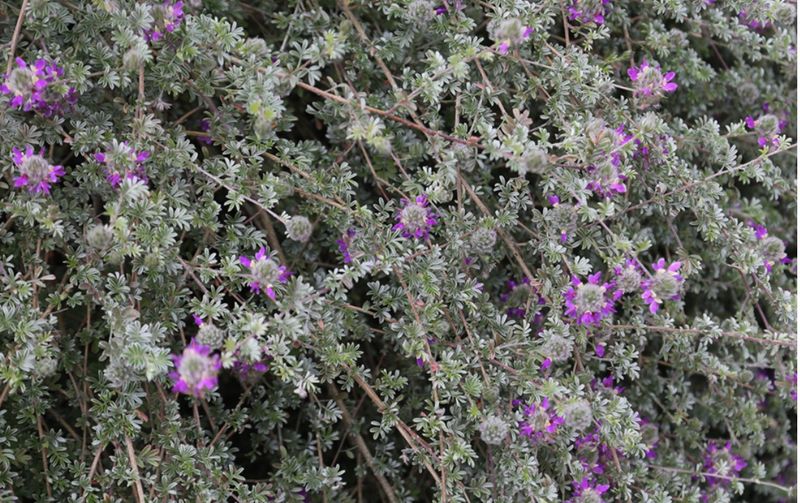
Dalea greggii, sometimes called trailing indigo bush, is another plant that appears on native groundcover lists. The University of Arizona Campus Arboretum’s entry for Dalea greggii identifies its origin as the Chihuahuan Desert, not the Sonoran Desert that surrounds Phoenix and Tucson.
That is a meaningful geographic difference. Using the term “Arizona native” loosely for either plant can lead homeowners to expect performance that the plant’s actual native range does not support.
A lawn-like look has limits
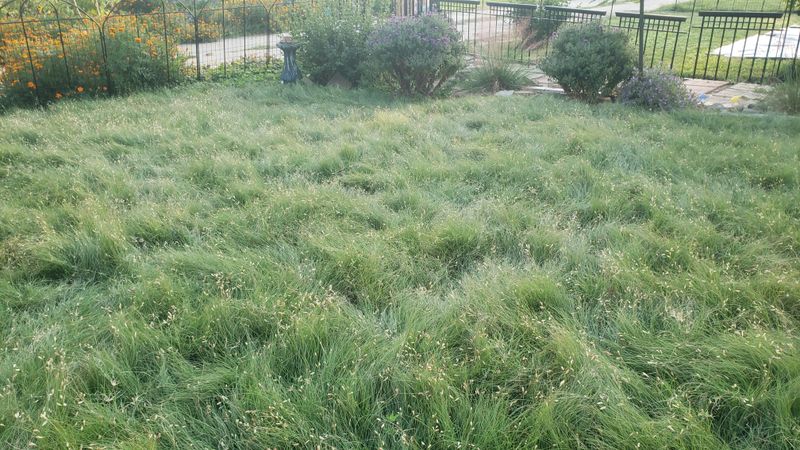
Buffalograss spreads by stolons and can form a continuous, lawn-like mat, which is why it gets mentioned as a Bermuda alternative. In warm weather, its fine blades stay relatively low and create the kind of coverage most homeowners associate with a traditional lawn.
That warm-season appearance is genuinely appealing if your expectations match what the plant can deliver.
The Extension profile makes clear that established buffalograss needs about 1 inch of water per week, should be kept at a minimum height of 3 inches, and performs best in low-traffic areas. Those three details matter.
Your Arizona Garden Changes Every Week. Your Plan Should Too.
Gardening in Arizona changes quickly throughout the season. Every Friday you’ll receive a simple weekly plan showing exactly what to plant, prune, fertilize, harvest, and protect so you never miss the right timing.
A yard where kids play daily, dogs run, or guests walk across regularly is not a good candidate. The grass does not recover from repeated heavy use the way Bermuda does.
Winter appearance is the other honest conversation to have. Buffalograss goes dormant when temperatures drop and turns straw-colored, which is a significant visual change for homeowners used to overseeded winter green.
If a green yard year-round is the goal, buffalograss does not deliver that without overseeding, which largely defeats the purpose of switching. Knowing these limits upfront saves a frustrating and costly mistake later.
Xeriscape savings do not guarantee groundcover savings
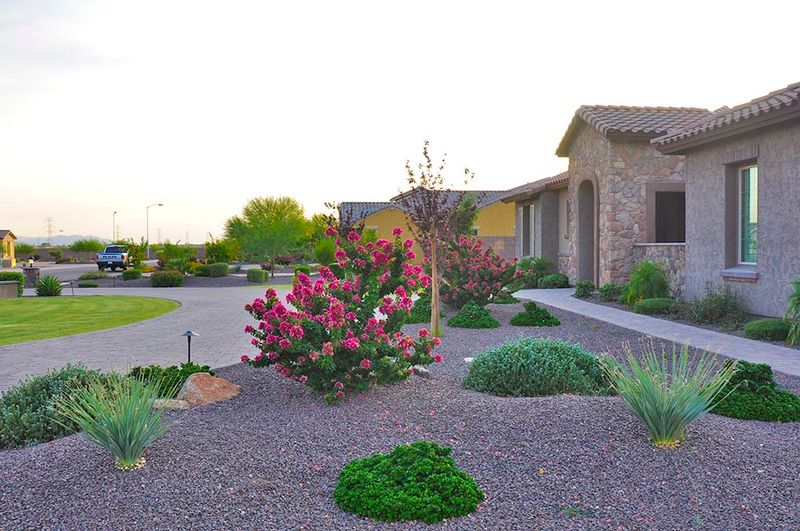
Water savings are a real reason homeowners consider switching away from Bermuda, and the numbers that get cited are striking. Arizona Extension’s turf conversion guide estimates that a low-desert Bermuda or hybrid Bermuda lawn overseeded with winter grass may require more than 55 inches of irrigation annually, while an average xeriscape comparison comes in at less than 18 inches.
Those figures reflect a full xeriscape conversion, not a same-area swap of one groundcover for another. Replacing Bermuda with buffalograss, frogfruit, or Dalea greggii in the same footprint does not automatically deliver xeriscape-level savings.
The replacement plant still needs irrigation, especially during establishment, and its ongoing water demand depends on species, soil, sun exposure, and how efficiently the irrigation system runs.
The broader point is that the gap between 55 and 18 inches is largely explained by reducing or eliminating irrigated turf area, not simply by choosing a different plant for the same patch of ground. Homeowners who expect a direct substitution to produce xeriscape savings may be disappointed unless the overall design changes too.
Reduce turf water use without replacing every inch
Not every homeowner wants to remove all their lawn, and that is a reasonable position. Bermuda grass is genuinely well-adapted to low-desert heat, and for many yards it is the most practical surface for a specific high-use area.
The question worth asking is not always “what replaces it” but “how do I use it more efficiently.”
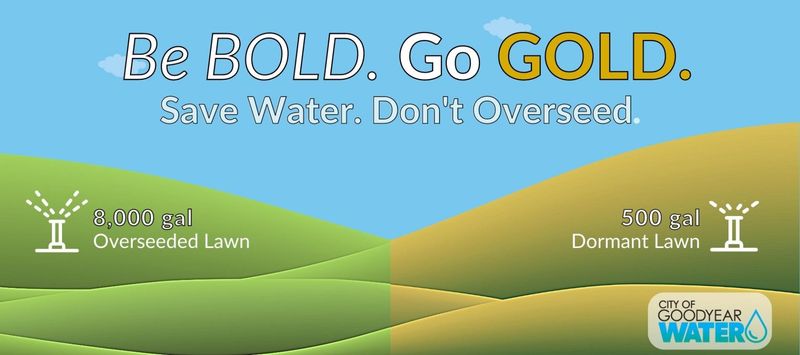
The Extension turfgrass maintenance guide describes Bermuda as a highly resilient low-desert lawn grass whose water demand changes significantly with management choices. Skipping winter overseeding is one of the highest-impact decisions a homeowner can make.
Non-overseeded Bermuda goes dormant in winter and generally needs little or no supplemental irrigation when winter rainfall is adequate, which cuts annual water use without removing a single square foot of lawn.
Other practical steps include shrinking the total turf area by converting edges and low-use corners to gravel or native plantings, repairing irrigation leaks, and upgrading to a smart irrigation controller. The Extension Kurapia publication also notes that simply replacing turf with a groundcover may not be the most effective water-saving strategy if the irrigation system itself is inefficient.
Fixing the system first often delivers more savings than changing the plant.
Other spreading plants are not interchangeable lawns
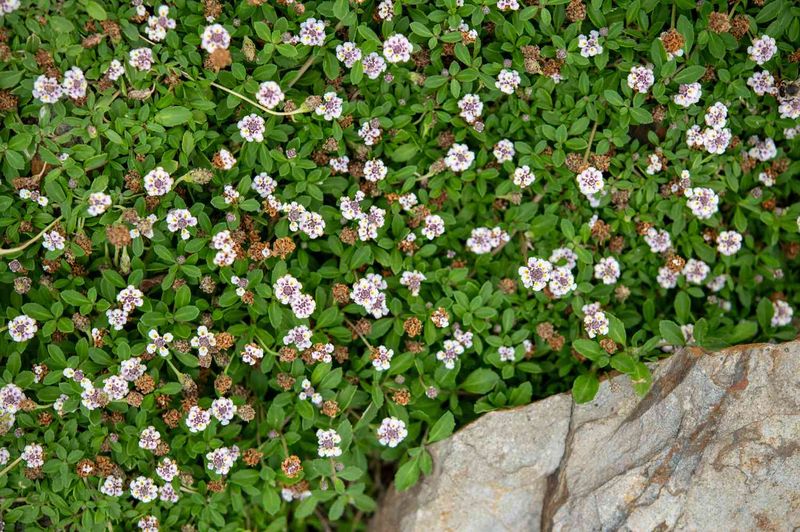
Beyond buffalograss, two plants come up regularly in Arizona groundcover conversations: Dalea greggii and frogfruit. Both spread horizontally and can cover ground efficiently, but neither functions like a lawn in the ways most homeowners expect.
Dalea greggii produces attractive purple spring flowers and grows quickly once established. The Campus Arboretum profile notes it may need supplemental water to fill out, and rabbits sometimes feed on it, which can create gaps in coverage.
It works well as a landscape groundcover in the right spot, but it is not documented as a surface that handles regular foot traffic the way turf does.
Frogfruit (Phyla nodiflora) is listed as native in several Arizona counties in Extension publications, and the Pima County Master Gardener plant list describes it as a spreading groundcover with moderate water use. That is a useful option for some yards.
What frogfruit is not is the same thing as Kurapia. Kurapia is a sterile, horticulturally selected product developed in Japan from a related species, and calling it an Arizona native would be inaccurate.
The two plants share a genus but not an origin, and homeowners shopping for one should confirm which they are actually buying.
Plan for Bermuda rhizomes and nearby trees
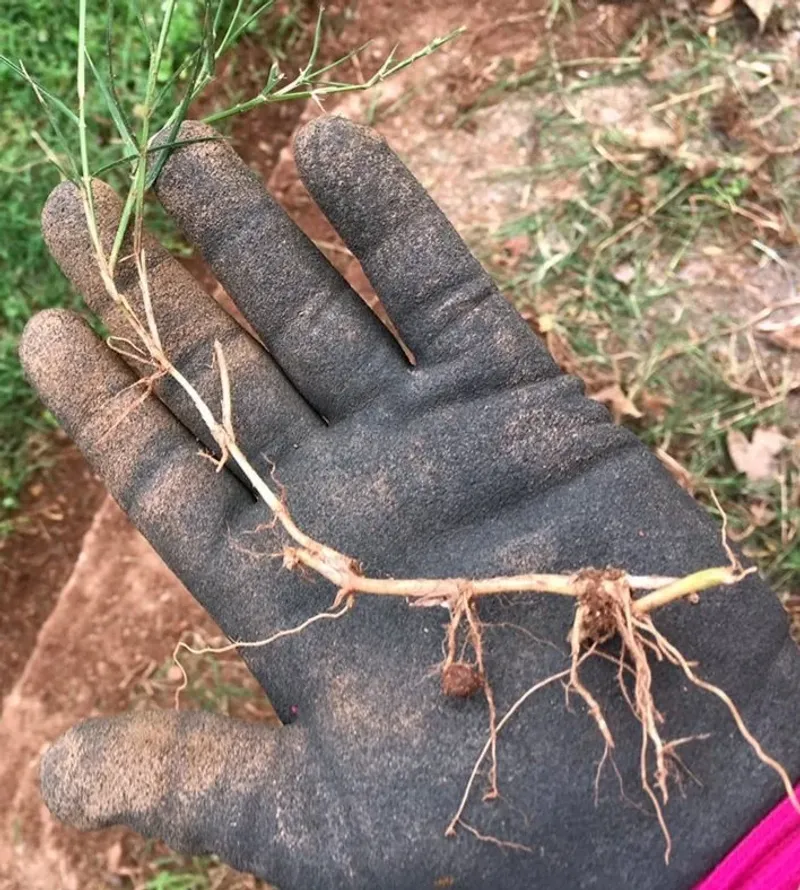
Removing an established Bermuda lawn is harder than it looks. Bermuda spreads through underground rhizomes that can resprout from small fragments left in the soil.
A single removal attempt rarely finishes the job, and follow-up work over several months is common.
Two removal methods, digging and solarizing, both carry risks for nearby trees. Digging disturbs the root zone, and solarizing with plastic sheeting raises soil temperatures high enough to harm feeder roots that extend well beyond the trunk.
The Extension Kurapia publication advises protecting existing trees and maintaining their irrigation throughout any conversion process. Cutting off water to a large mesquite or palo verde while also disturbing its root zone can cause real damage that takes years to appear.
A practical approach is to map out where mature trees sit before choosing a removal method, keep a buffer zone around their drip lines, and plan the conversion in stages rather than all at once. Realistic timelines for full Bermuda removal range from one growing season to two or more, depending on how aggressively the rhizomes resprout.
Going in with that expectation makes the process less frustrating and protects the existing landscape.
Groundcover is not scorpion control
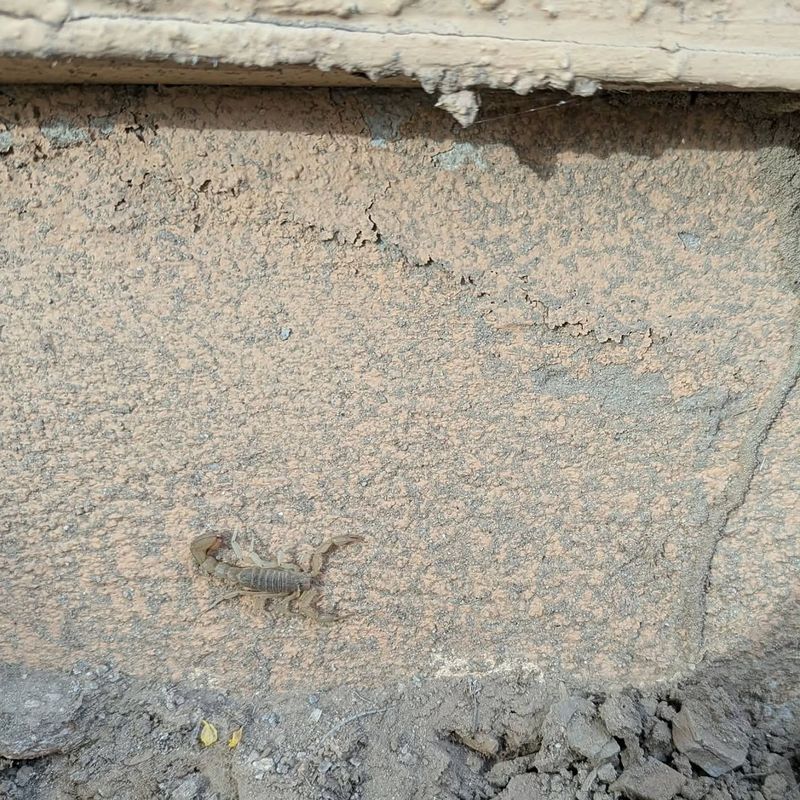
Some homeowners assume that switching to a native groundcover will make their yard less attractive to scorpions. That assumption is worth examining before it drives a planting decision.
Extension guidance on living with scorpions recommends minimizing low, creeping vegetation near structures as part of reducing scorpion habitat. The reasoning is straightforward: dense, low plantings close to a home’s foundation create the kind of sheltered hiding spots scorpions use during the day.
A thick mat of any groundcover planted near exterior walls can work against that goal rather than supporting it.
The Extension scorpion management newsletter focuses on reducing harborage, not on choosing specific plants that repel scorpions. No researched groundcover has documented scorpion-deterring properties.
If pest management is a priority, keep groundcovers away from the home’s perimeter and maintain clear, open zones near the foundation regardless of which plant you choose for the rest of the yard.
Choose for the yard you actually have
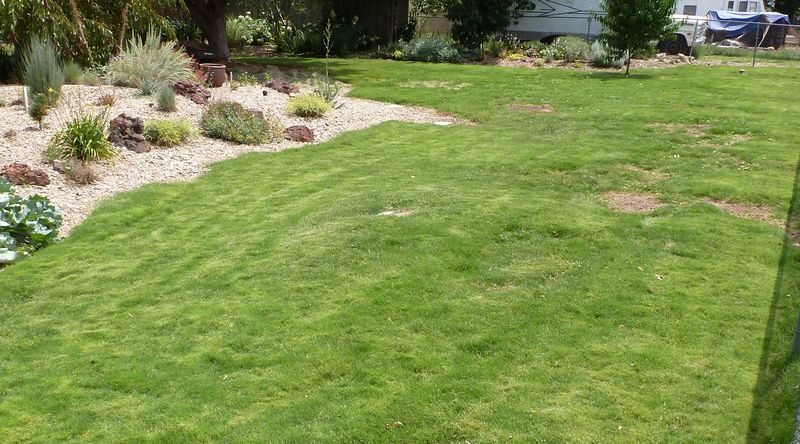
A useful decision starts with four honest questions: Where in Arizona is the yard located? How much foot traffic does the lawn area get?
Can the homeowner accept a straw-colored yard in winter? And what is the realistic goal, lower water use, a different look, or both?
If the yard is in the low desert and the lawn gets regular use, neither buffalograss nor the other researched groundcovers is a clean swap for Bermuda. Reducing turf area, skipping winter overseeding, or improving irrigation efficiency may deliver more of what the homeowner actually wants without the conversion risks.
The turf conversion and buffalograss Extension resources both point toward design changes rather than one-for-one plant substitutions as the more reliable path to lower water use.
For yards at higher elevations, with low-traffic areas, and with owners comfortable with seasonal color change, buffalograss is worth a serious look. The best outcome comes from matching the plant to the yard rather than the other way around.
Knowing your yard’s real conditions is the step most guides skip.