Skip Thirsty Bermuda Lawns and Plant This Oregon Native Grass Instead
Most Oregon gardeners picture a lush green lawn and immediately wonder how much water it will cost them each dry summer. Bermudagrass gets a reputation as a water-hog, but that label is not quite fair, and swapping it out for a native grass is not as simple as it sounds.
Roemer’s fescue, a fine-textured native bunchgrass of western Oregon, is worth knowing about if you have the right site and realistic expectations. This article will help you figure out whether it could work for your yard or whether a conventional turf grass is the smarter choice.
Bermuda is not automatically the thirsty lawn
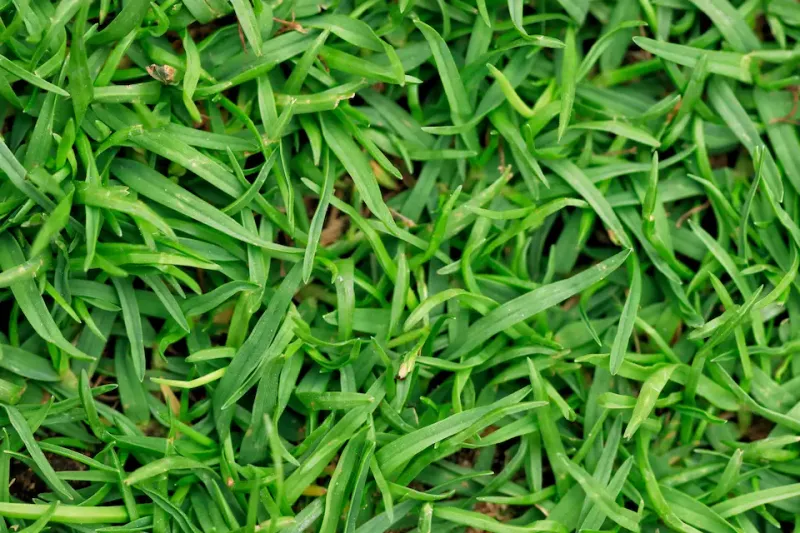
Calling Bermudagrass thirsty is a bit like calling a camel high-maintenance. According to OSU Extension’s waterwise gardening guidance, warm-season grasses like Bermuda are actually more drought-resistant than the cool-season turf grasses that dominate most Oregon lawns.
So the idea that you need to ditch Bermuda to save water does not hold up as a universal rule.
The lawns that tend to drink the most in Oregon are the familiar cool-season types, including Kentucky bluegrass and perennial ryegrass, which need consistent summer irrigation to stay green. OSU’s turfgrass irrigation guidance notes that some cool-season grasses can survive summer by going dormant and turning straw-brown, but most homeowners prefer to keep watering rather than live with a tan lawn for months.
Bermuda, by contrast, handles heat and dry spells by design.
That said, Bermuda is mostly a warm-region grass and is not a common choice across much of western Oregon, where cooler summers limit how well it establishes. The more useful question for Oregon gardeners is not whether Bermuda or Roemer’s fescue uses less water in a head-to-head test, because that comparison has not been established in Oregon conditions.
The better question is whether Roemer’s fescue fits your specific site, your local climate, and what you actually need a lawn to do.
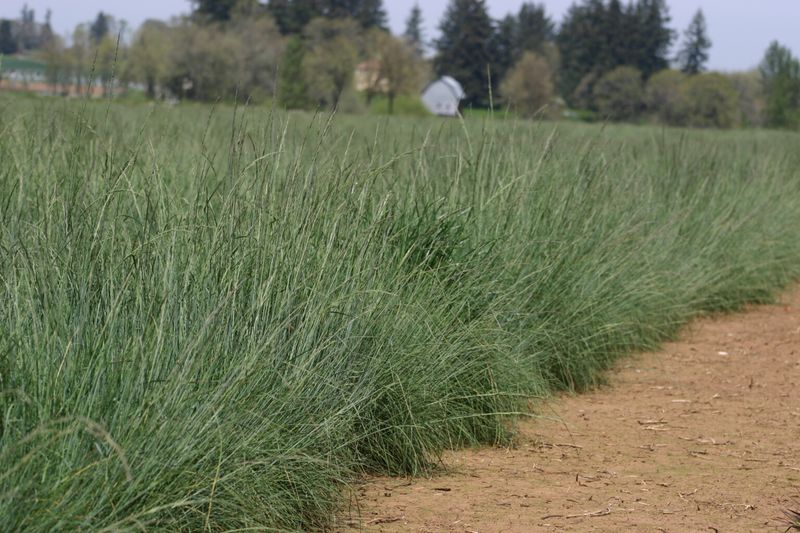
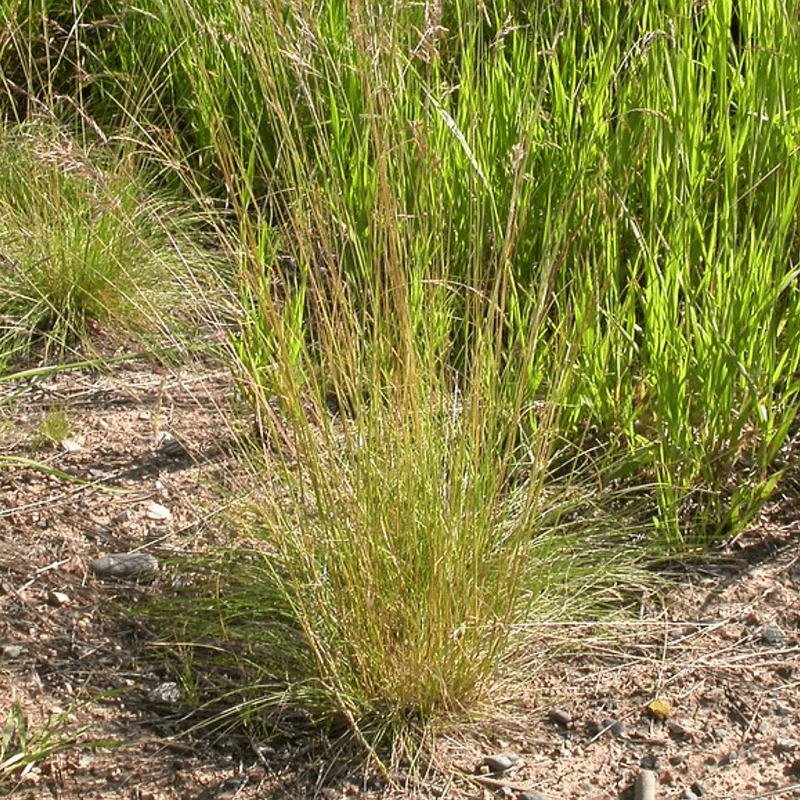
Roemer’s fescue grows as a bunchgrass, not spreading turf
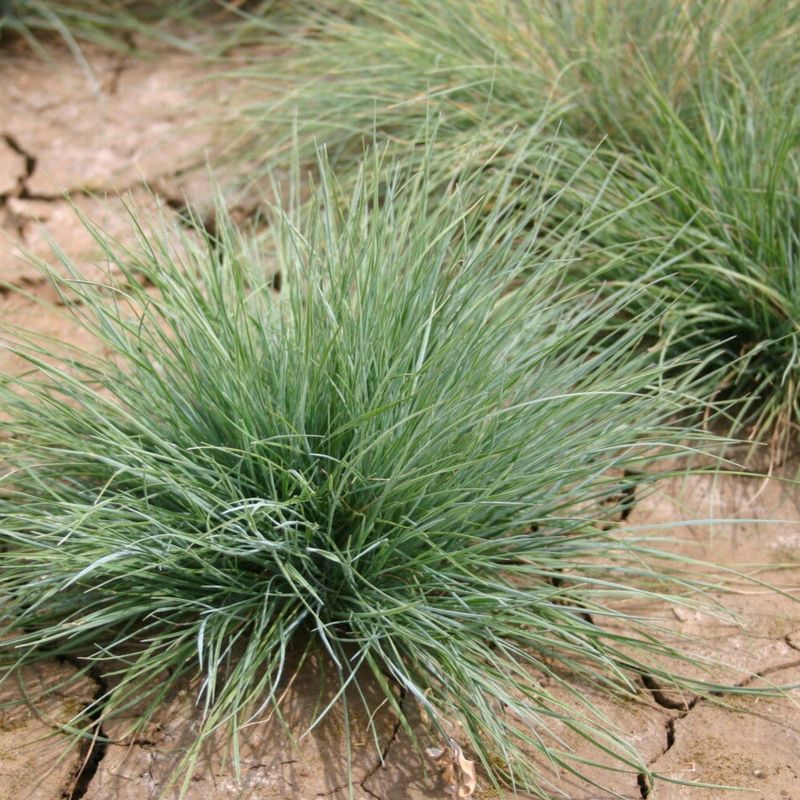
Roemer’s fescue (Festuca roemeri) is a fine-textured, cool-season perennial that is native to the upland prairies and oak savannas of western Oregon. According to the USDA NRCS plant fact sheet for Roemer’s fescue, it is drought-tolerant once established and plays a real role in native habitat restoration.
That ecological track record is genuinely appealing, but it does not automatically translate into lawn performance.
The key detail that changes every expectation is the word “bunchgrass.” Roemer’s fescue grows in discrete clumps rather than spreading by rhizomes or stolons the way Kentucky bluegrass or Bermuda does. A spreading turfgrass fills in gaps on its own over time, knitting together into a continuous mat.
A bunchgrass stays where you plant it, so coverage depends entirely on how densely you sow seed and how well each plant establishes.
The USDA also notes that Roemer’s fescue does not compete well with introduced grasses, which is an important caution for any homeowner whose yard already has established turf or persistent weedy grasses. Weeds and competition can thin a planting quickly.
Your Oregon Garden Changes Every Week. Your Plan Should Too.
Gardening in Oregon changes quickly throughout the season. Every Friday you’ll receive a simple weekly plan showing exactly what to plant, prune, fertilize, harvest, and protect so you never miss the right timing.
Treating native status as a guarantee of rugged, effortless lawn performance sets you up for disappointment. Think of Roemer’s fescue as a grass that rewards site preparation and patience rather than one that takes over and fills in by itself.
Where in Oregon could it fit?
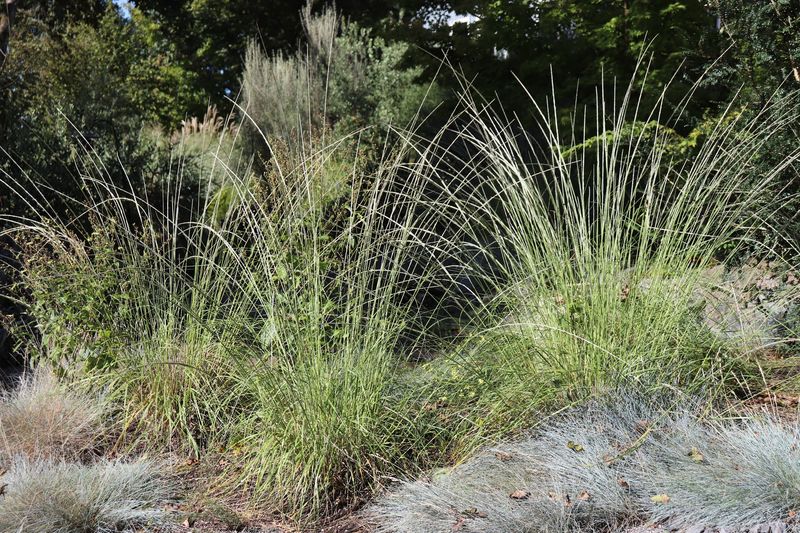
Geography matters a lot here. The USDA NRCS release brochure for the Willamette Valley Germplasm of Roemer’s fescue focuses its recommendations on elevations below 2,500 feet in the Willamette Valley, which covers a good portion of western Oregon’s populated lowlands.
This guidance is not meant to apply across all of Oregon, and it is especially not a recommendation for the high-desert areas east of the Cascades, where climate, soils, and growing conditions are dramatically different.
Within that western Oregon range, the grass performs best in full sun or part shade, particularly in spots near Oregon white oaks or other open-canopy trees that mimic its natural prairie and savanna habitat. Soil drainage is non-negotiable: the USDA fact sheet specifies that Roemer’s fescue needs moderately well- to well-drained soils and will not tolerate winter soil saturation or flooding.
Many Willamette Valley yards have heavy clay soils that hold water through the wet season, and those sites are likely poor candidates regardless of how attractive the idea sounds.
A gentle slope with decent drainage, a south- or west-facing exposure, and existing full sun are the site conditions most likely to give this grass a fair chance. If your yard stays soggy from November through March or sits in low spots that collect runoff, Roemer’s fescue will struggle no matter how carefully you plant it.
Native status does not make a plant immune to site mismatch, so an honest look at your drainage before you buy seed is worth more than any amount of enthusiasm for native plants.
What does “lawn-like” really mean here?
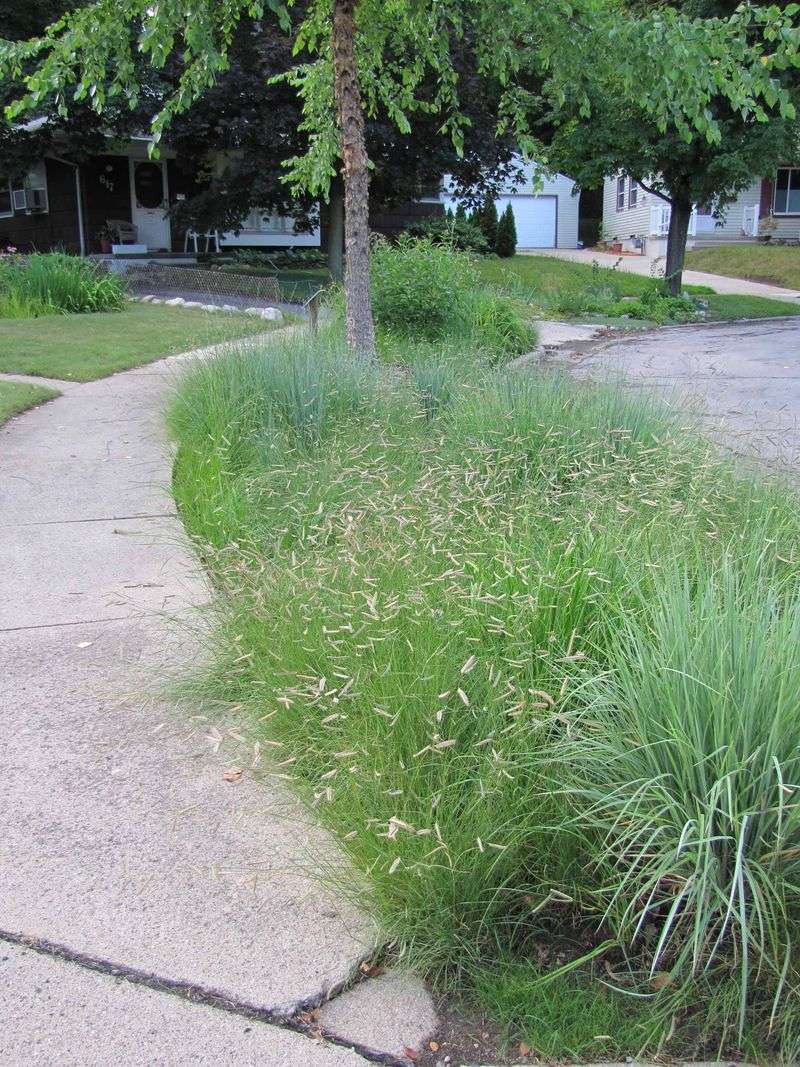
Honest expectations make or break this choice. The Willamette Valley Germplasm guidance describes Roemer’s fescue as suitable for cover or low-input turf, which sounds promising until you consider what those words actually mean in practice.
Low-input cover is not the same thing as a dense, continuous carpet of grass that bounces back from a game of backyard soccer or a summer of kids running across it. The USDA notes that further evaluation is still needed for lawn use, which is a candid acknowledgment that the evidence for turf performance is not yet complete.
Because Roemer’s fescue is a bunchgrass, the lawn-like appearance it can achieve depends heavily on sowing density and site conditions. At good density it can create a reasonably uniform look when mowed, but gaps between clumps may remain visible, especially in the first year or two.
The Willamette Valley Germplasm release brochure describes mowing two or three times a year at a height of 2 to 3 inches, which is far less frequent than conventional turf maintenance. That reduced mowing schedule is part of the low-input appeal, but it also means the planting will look more naturalistic than manicured for most of the season.
Its weak competitive ability against introduced grasses, noted in the USDA NRCS fact sheet, means weeds and persistent turf grasses can undercut the planting over time without careful site prep. If your household needs a hard-wearing, heavily trafficked lawn surface, Roemer’s fescue is not the right tool.
A low-traffic side yard, a naturalistic front planting, or a transition zone near trees are better fits than a primary play area.
Establishment still takes water
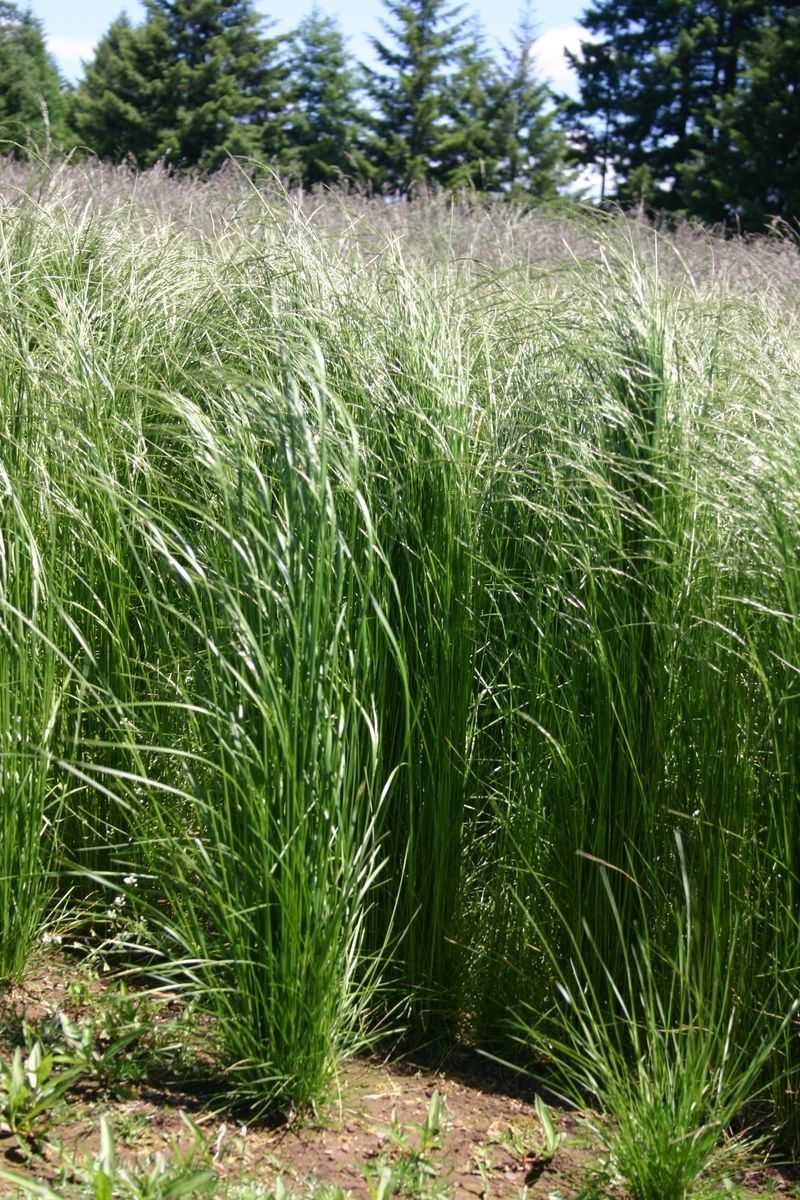
One of the most common misunderstandings about native plants is that planting them means walking away and letting nature take over. Roemer’s fescue needs real attention during its first season.
The Willamette Valley Germplasm release brochure recommends fall sowing as the preferred timing, because Oregon’s rainy season handles much of the early moisture need and soil temperatures are still warm enough for germination. Fall planting takes advantage of natural rainfall patterns and reduces how much supplemental watering you need to do.
Spring planting is possible but comes with a significant catch. In summer-dry areas of western Oregon, a spring-sown planting may need irrigation through the first summer to survive.
Skipping that water during a dry stretch can kill seedlings before they ever get a chance to develop the deep roots that make this grass drought-tolerant. OSU Extension’s yard and garden water conservation guidance is direct on this point: new lawns need moisture kept consistent through germination, and establishment may require watering nearly every day at first.
Trying to start a lawn during a drought is not recommended.
Once established, the maintenance picture improves considerably. The Willamette Valley Germplasm guidance calls for mowing two or three times a year at 2 to 3 inches, which is a welcome change from weekly mowing.
Avoid scalping the grass below that height, as bunchgrasses are more sensitive to close cutting than spreading turf. Site preparation before seeding also matters: removing competing grasses and weeds gives Roemer’s fescue its best shot at filling in without being crowded out.
Think of the first year as an investment in the lower-maintenance years that follow.
When conventional turf may be the better fit
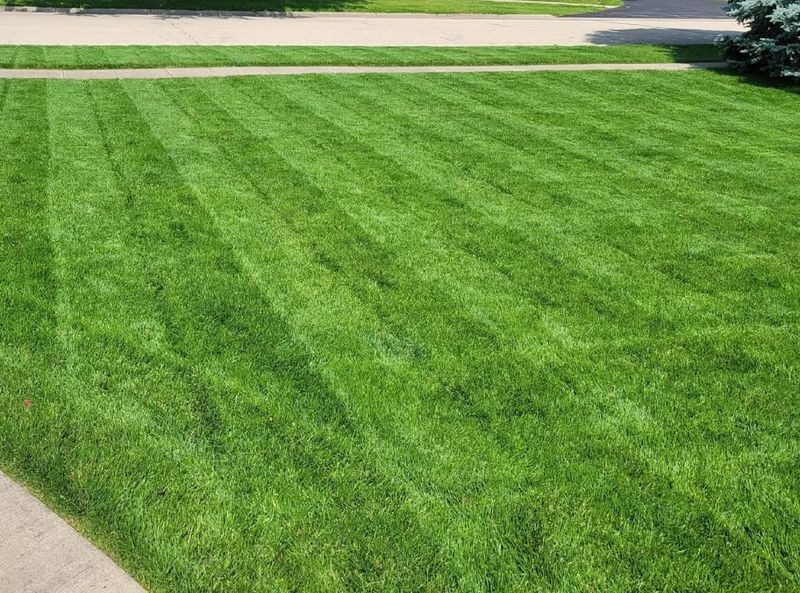
Not every yard is the right candidate for a native bunchgrass experiment, and there is no reason to feel bad about that. For households that need a durable, heavily used lawn surface, conventional turf grasses are a more reliable choice.
OSU Extension’s turfgrass irrigation guidance for western Oregon identifies tall fescue as a drought-tolerant option that can perform well through summer with minimal irrigation once established. That is a meaningful practical advantage for families who want a green, usable lawn without a punishing water bill.
Fine fescues, which are close relatives of Roemer’s fescue but bred specifically for turf use, are another option worth considering. They can persist with little or no summer irrigation in western Oregon, though they may turn straw-brown during summer dormancy.
That dormancy is normal and harmless, but it is worth knowing about before you choose them. The key distinction is that this guidance applies to turf-type fine fescues developed and evaluated specifically for lawn use, not to Roemer’s fescue, which has its own growth habit and a different performance record.
Matching your grass to your actual needs is more useful than chasing a single label like “native” or “drought-tolerant.” A yard with heavy foot traffic, kids, dogs, or regular outdoor gatherings will likely perform better with a proven turf grass than with a bunchgrass still being evaluated for lawn use. Site conditions, water expectations, and how the lawn will actually be used are the three questions worth answering before you choose seed.
Roemer’s fescue is a genuine option for the right situation, not a universal upgrade.
Choose the grass that matches your site and use
Roemer’s fescue can work as a low-input, lawn-like planting on a sunny or partly shaded, well-drained Willamette Valley site where naturalistic coverage is acceptable and foot traffic is light. The USDA NRCS fact sheet and the Willamette Valley Germplasm release brochure both support its potential while being candid about what still needs evaluation.
Before buying seed, weigh four things honestly: whether your site drains well through winter, whether you can water through the first season, how much traffic the area gets, and whether you are comfortable with a less uniform look. A grass that fits your site and your real expectations will always outperform one chosen for its reputation alone.