The California Garden Tool That Should Be Cleaned Before Moving From Plant To Plant
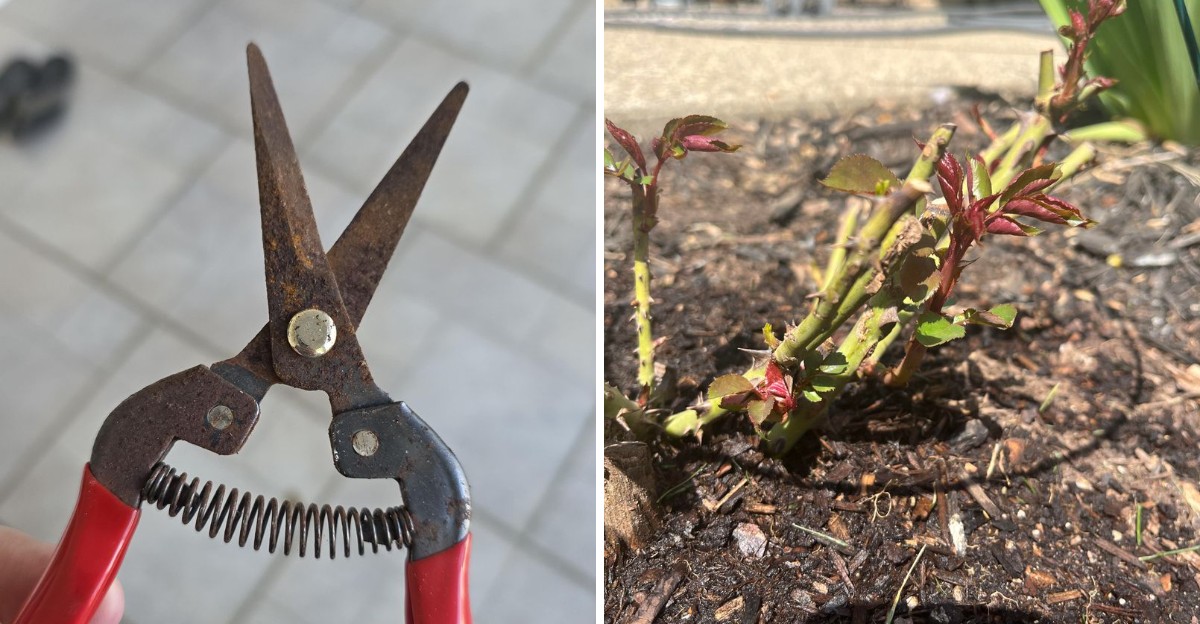
A gardener in Fresno moves down a row of roses, snipping one bush after another with the same trusty shears, cut after cut without a second thought.
Something invisible may be riding along on those blades the entire time.
Pruning shears can carry plant germs from a sick plant to a healthy one without anyone ever noticing until weeks later, when leaves wilt for no obvious reason.
Curious what’s actually traveling from cut to cut in your own garden, and how something this small could matter so much? The answer starts with sap that looks harmless.
Pruning Shears Carry More Than Sap
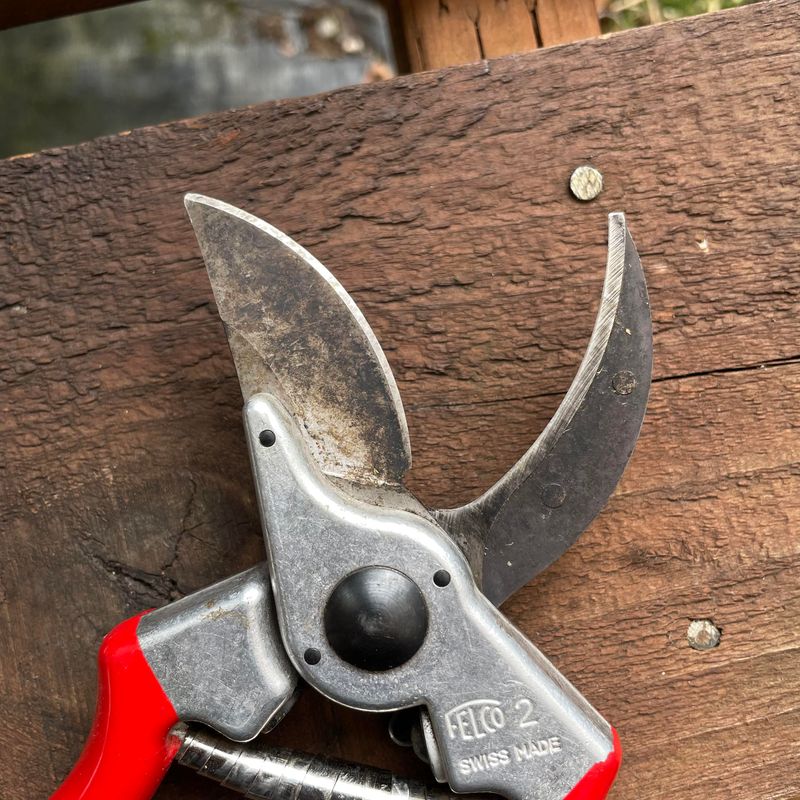
A pair of shears after a morning of trimming looks clean enough, maybe a little sticky with sap and a few green smudges here and there. What you cannot see is the real problem hiding in plain sight.
Pruning shears, sometimes called hand pruners or secateurs, are the California garden tool that most needs a cleaning between plants. Every single cut slices through living tissue, and that tissue may hold tiny fungi, bacteria, or other germs riding along on the metal itself.
Some of these microscopic hitchhikers cling to the blade and travel straight to the next branch you snip, regardless of how far apart the two plants happen to sit in your yard.
Pruning tools are one documented way that plant diseases move around a garden entirely undetected.
Fire blight bacteria and various canker-causing pathogens can hitch a ride on dirty blades without leaving any visible trace behind. You might never notice a problem until leaves wilt or branches decline weeks or even months later, long after the actual transfer occurred.
California makes this worth thinking about seriously. Our long growing season means people prune often, and many yards pack roses, citrus, stone fruit, and flowering shrubs close together in tight spaces.
One infected plant can quietly share its trouble with every neighbor if the same tool touches them all in a single afternoon.
The good news is that shears are remarkably easy to clean properly. A quick wipe takes only seconds, and the supplies probably already sit in your bathroom or laundry room.
Think of your pruners like a kitchen knife that just cut raw chicken. You would wash it before slicing salad.
Disease Spreads Fast Through Unclean Cuts
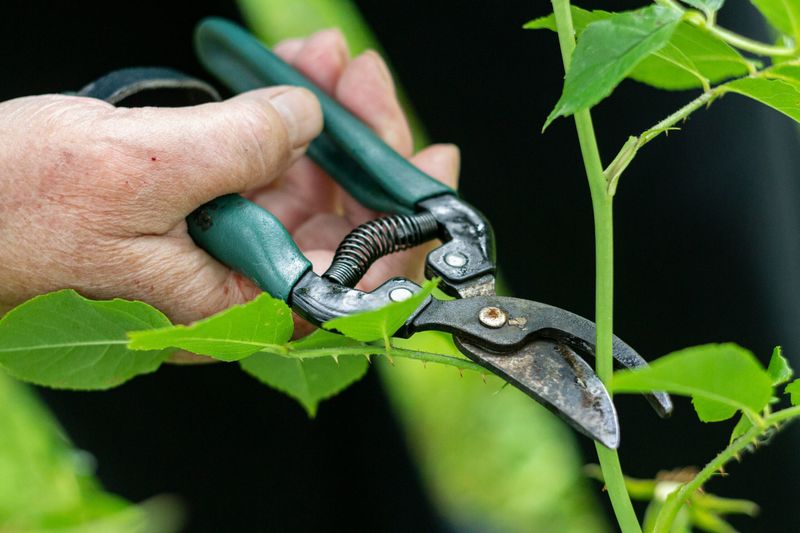
Here is how the trouble usually starts in a typical garden. You snip a branch that carries a disease, even one that looks mostly healthy from a distance.
Juice, spores, or bacteria smear across the blades in that single instant of contact.
Then you move to the next plant and make a fresh cut without cleaning anything in between.
That cut is an open wound, a doorway straight into the plant’s inner tissue that never existed a moment before.
Whatever is sitting on the blade gets pressed right into it, much like a dirty splinter carrying germs beneath your skin.
Bacteria like fire blight can be spread directly by pruning tools moving from one cut to the next. That is exactly why experts suggest disinfecting blades between cuts when working on any infected trees in the yard.
Your California Garden Changes Every Week. Your Plan Should Too.
Gardening in California changes quickly throughout the season. Every Friday you’ll receive a simple weekly plan showing exactly what to plant, prune, fertilize, harvest, and protect so you never miss the right timing.
Plants do not fight germs the way our bodies do, so once a pathogen gets inside, it can be very hard to stop or reverse.
Speed is part of the problem too. A single pruning session might involve dozens of cuts across several plants in under an hour of casual weekend work.
If the first plant happened to be sick, every single cut after it could be spreading that same illness further.
Weather adds another twist worth considering. Many plant diseases spread more easily when conditions are wet, so pruning during dry weather lowers the overall risk considerably.
Clean blades and smart timing work together as a team here. A sanitized tool simply closes the door before anything can sneak through the fresh opening you just made in the plant.
Roses And Fruit Trees Are Especially Vulnerable
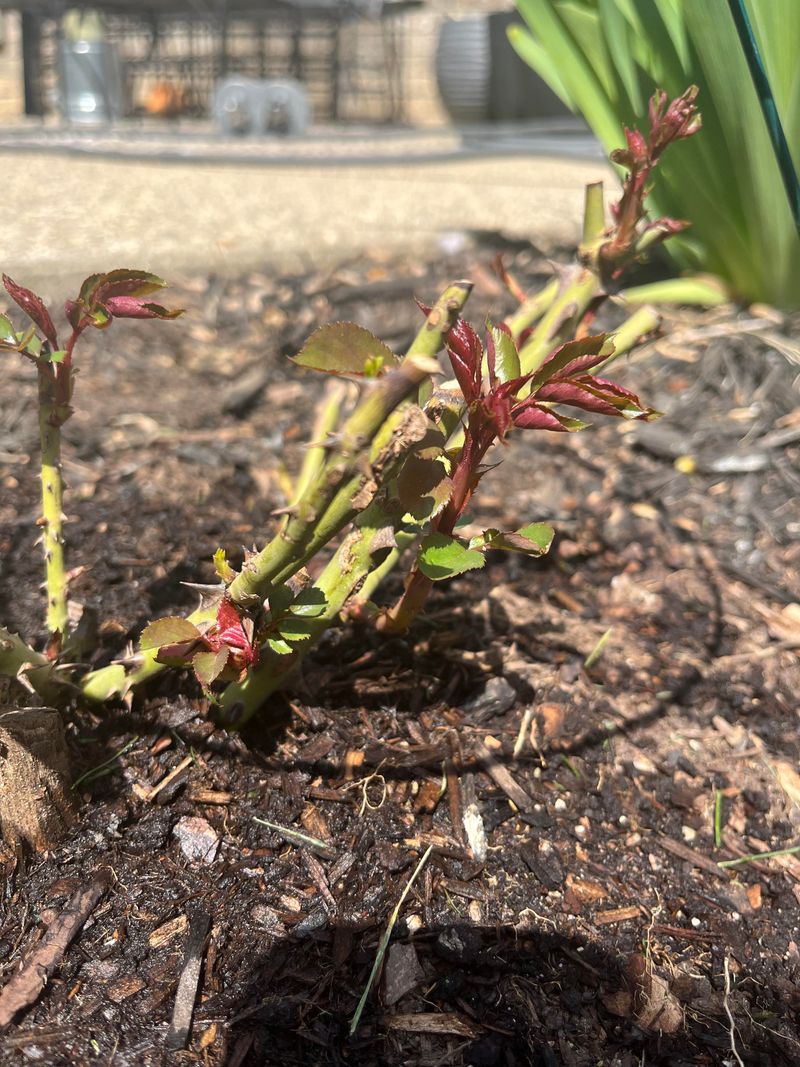
Ask any rose lover in Pasadena or Sacramento how often they prune, and you might get a surprisingly long, detailed answer.
Roses need regular cutting for shape, trimming, and winter cleanup throughout the year.
More cuts naturally mean more chances for germs to travel between plants.
Roses can suffer from stem cankers, which are dying, discolored patches on canes caused by fungi.
These fungi often enter through wounds, including the very pruning cuts you make yourself while shaping the bush.
Rose guidance recommends cutting out cankered canes well below the visible damage and keeping tools clean so the problem does not follow you to the next bush.
Fruit trees bring their own set of risks into the picture. Pears, apples, and loquats can all get fire blight, a bacterial disease that turns branch tips black and curled, as if scorched by an actual flame.
Sanitizing pruning tools when removing blighted wood matters enormously, since the bacteria can spread easily on the blades from one cut to the next.
Stone fruits like cherries, plums, and apricots face bacterial canker and other wound-loving diseases as well.
Because these trees are valuable and slow to replace once lost, protecting them is genuinely worth a few extra seconds of effort.
There is also a practical reason these particular plants top the list. Home gardeners often grow several roses in one bed or a small orchard of fruit trees in the backyard.
When related plants sit side by side, a disease that likes one variety will probably like its neighbors too.
A Simple Isopropyl Wipe Does The Job
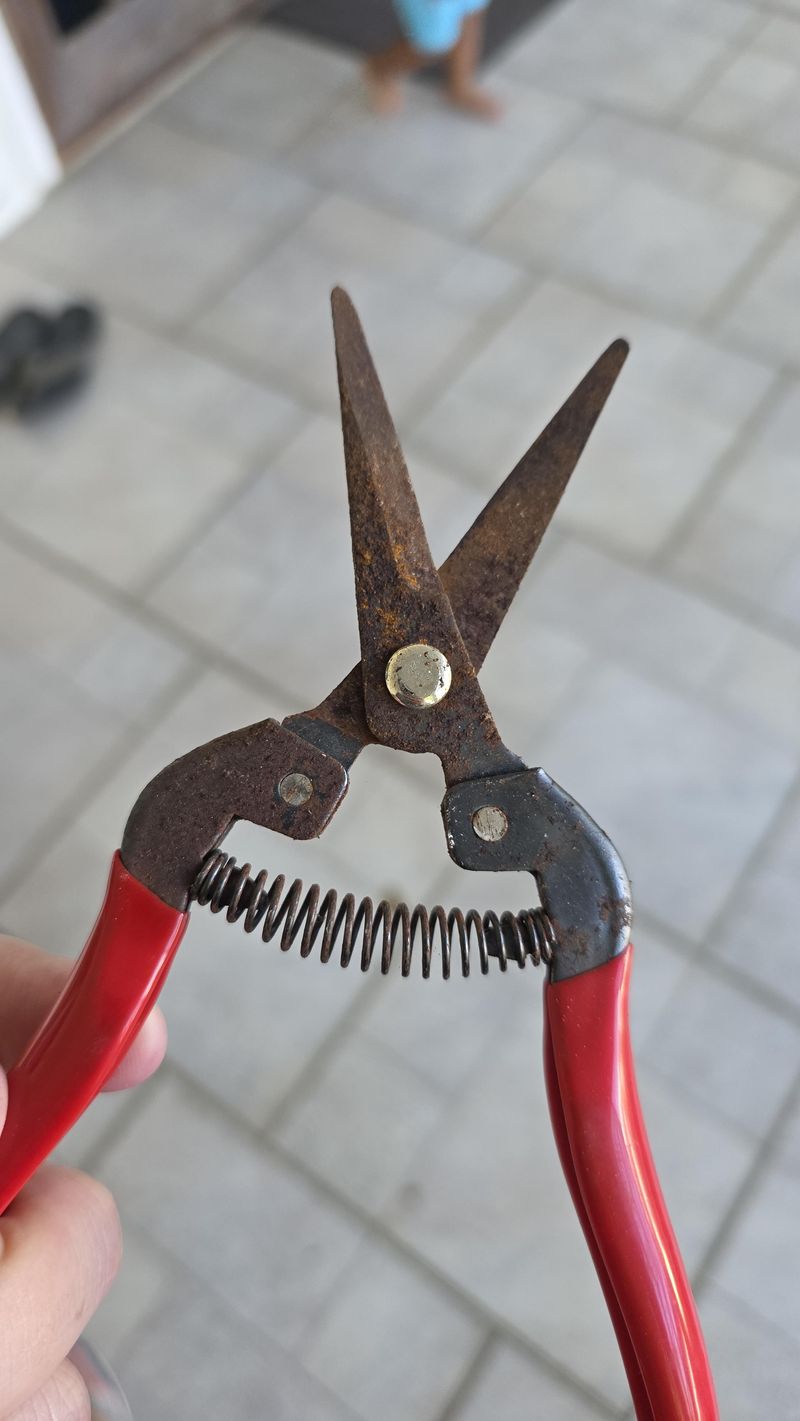
Good news for busy gardeners everywhere. The easiest fix might already be sitting in your medicine cabinet at home.
Rubbing solution, the kind sold as 70 percent isopropyl, is a favorite choice for quick cleaning between cuts. It works fast and evaporates entirely on its own, leaving no residue behind.
Isopropyl solution is listed as a practical option for disinfecting pruning tools between plants.
Seventy percent strength is often preferred over stronger versions because the water content in it actually helps the solution work more effectively on germs.
You can also use 70 percent ethyl solution if that happens to be what you already have on hand.
Here is a simple routine worth building into your habits. First, wipe off sap and dirt with a rag, since grime can shield germs from the solution entirely.
Then spray or wipe both blades thoroughly with the solution, or dip them into a small jar kept nearby for this purpose.
Let the blades stay wet for a few moments before making your next cut on a different plant.
Some gardeners carry a spray bottle in a tool belt, while others simply tuck a pack of isopropyl wipes into a pocket for convenience.
Either way, the whole step takes less time than tying a shoe in the morning.
The isopropyl solution is kinder to metal than bleach, which makes it great for routine, everyday pruning tasks. It usually does not cause rust the way harsher products can over repeated use.
Because it is flammable, keep it away from open flames and store it safely out of reach of curious kids.
Diluted Bleach Works For Tougher Cases
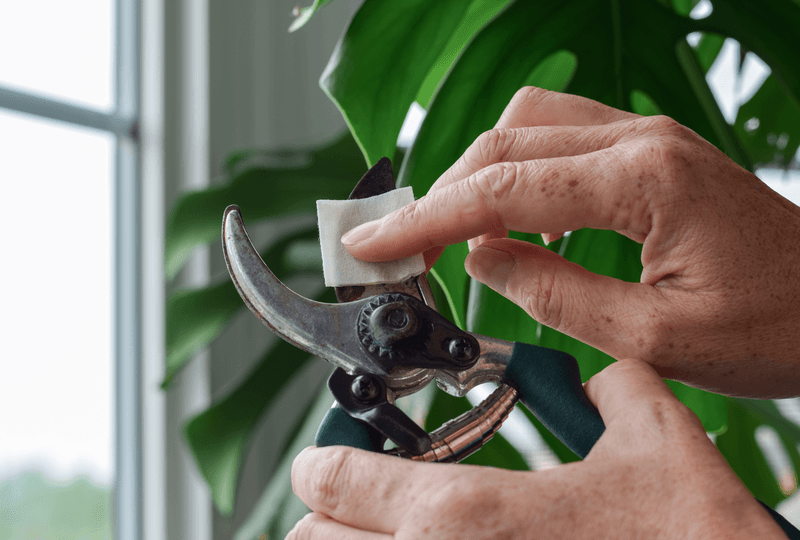
Sometimes a plant is clearly and obviously sick. Maybe you are cutting fire blight out of a pear tree or removing a rose cane covered in dark, unmistakable cankers.
That is exactly when many experts suggest stepping up to a stronger cleaning solution instead.
A diluted bleach solution is a common choice for these tougher, more serious jobs.
Sources often describe a mix of about 1 part household bleach to 9 parts water, which creates a 10 percent solution overall.
Dip or soak the blades briefly in this mixture, then rinse them thoroughly with clean water afterward.
Mix only what you need for that specific day of work. Bleach solutions lose their strength over time, so a batch left sitting in the garage for weeks may not work well anymore.
A clearly labeled container also keeps anyone in the household from mistaking it for plain water by accident.
There is a catch worth knowing, though. Bleach is genuinely hard on metal and can cause pitting and rust if it stays on the blades too long without proper attention.
That is why rinsing and drying afterward really matters, and why many experienced gardeners save bleach for known infected plants instead of using it on every single cut they make.
Safety counts here too. Wear gloves, work outside or in a breezy spot, and never mix bleach with ammonia or other household cleaners, since that combination can create dangerous fumes.
Keep it away from your clothes unless you enjoy spotted, ruined shirts.
Think of the isopropyl solution as your everyday soap and bleach as the heavy-duty scrub reserved for serious problems.
Dry Tools Fully Before Storing Them
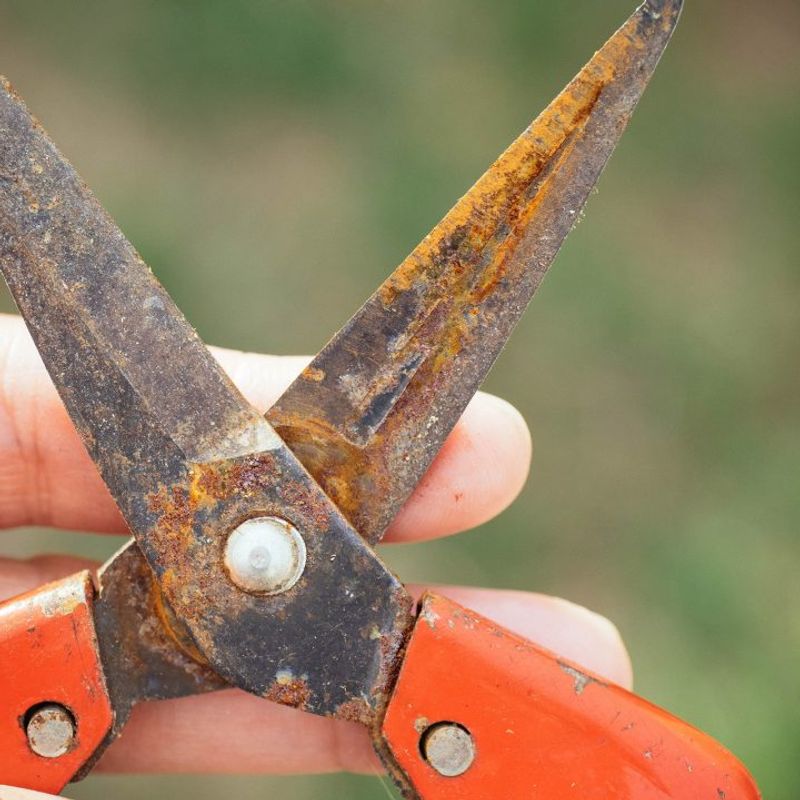
Rust is sneaky and works quietly in the background. You finish a pruning job, toss your still-wet shears into a drawer, and a week later the blades have orange freckles.
The spring mechanism feels noticeably stiff to operate too.
Drying your tools fully after sanitizing stops this entire problem before it starts.
Water, bleach residue, and even the moisture left over from rinsing can sit hidden in the tiny gaps around the pivot bolt.
Over time, that trapped moisture slowly eats away at the metal surface itself.
After cleaning, wipe both blades thoroughly with a dry cloth, including the inner edges and the area near the hinge where moisture likes to collect.
Open and close the shears a few times deliberately to push out any hidden drops of water.
Then let them sit in the sun or a dry spot for a few minutes before putting them away in storage.
A light coat of oil adds extra protection against future rust.
Many gardeners use a few drops of household oil or a product made specifically for tools, rubbing it over the blades and pivot point.
It keeps the action smooth and makes it considerably harder for rust to ever form again.
Where you store your shears matters as well in this whole process. Coastal California homes deal with salty, damp air year round, while inland garages can swing wildly between hot and cool temperatures.
A dry shelf, pegboard, or holster hung indoors works far better than leaving tools sitting in the dirt or on a damp patio overnight.
One Habit Protects Your Whole Garden
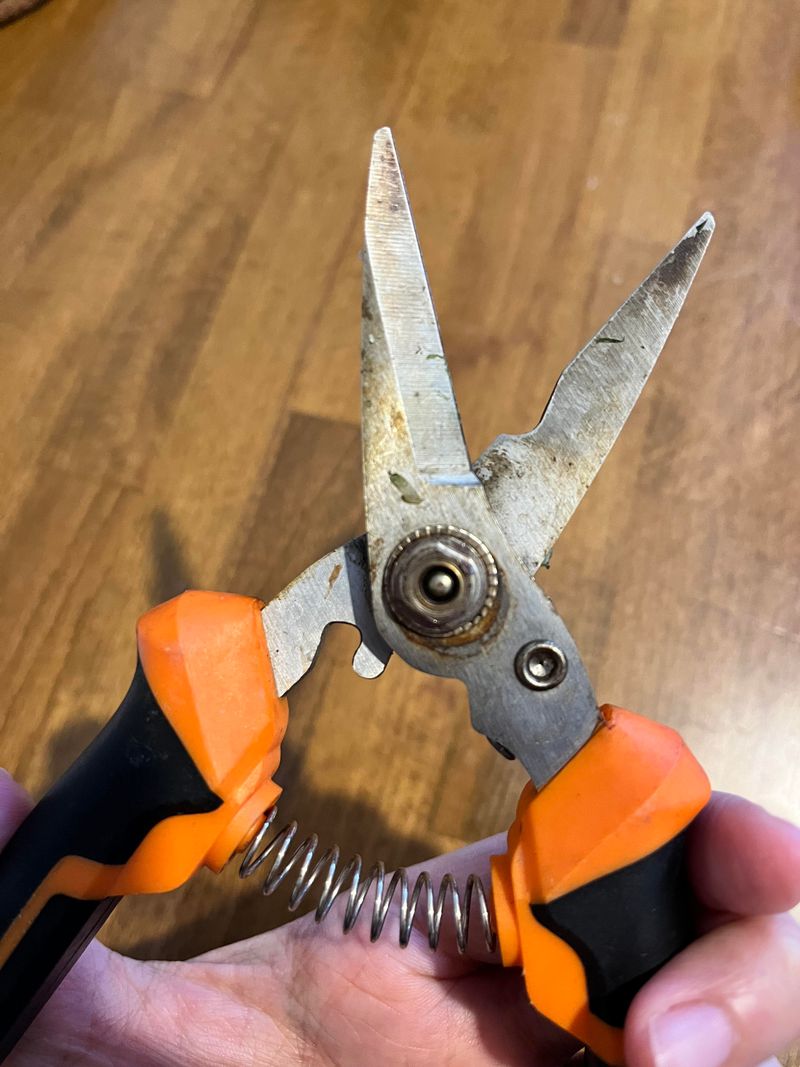
Remember the gardener from the very start of this story, moving from rose to rose with the same unwashed shears?
Now imagine that same exact scene with one small, simple change added into the routine.
Between each bush comes a quick swipe of the isopropyl solution, and the garden stays noticeably healthier all season long as a direct result.
That is the whole idea behind this entire habit. Cleaning pruning shears between plants is not fancy or expensive in any way.
Yet it can prevent problems that take years to fully fix afterward.
Losing a mature apple tree or a favorite climbing rose to a disease you accidentally spread yourself is a genuinely tough lesson to learn the hard way.
To make the habit stick permanently, set up a simple kit ahead of time.
Keep a small spray bottle of 70 percent isopropyl solution, a clean rag, and a pair of gloves in the same bucket or bag as your shears.
When everything lives in one convenient place, there is no real excuse to skip the step.
Share this habit with anyone who helps out in your yard, from kids to hired landscapers working for pay.
Ask every gardener to clean their tools before they start, especially if they just came from working on another property nearby. Diseases do not care about fence lines or property boundaries whatsoever.
Watch your plants closely too, throughout every season. Spotting blackened tips, oozing cankers, or sudden wilting early lets you prune out the damage and clean up before it spreads any further.
A few seconds spent per cut is a remarkably small price to pay.