This Underused Native Tree Deserves A Spot In More Georgia Yards
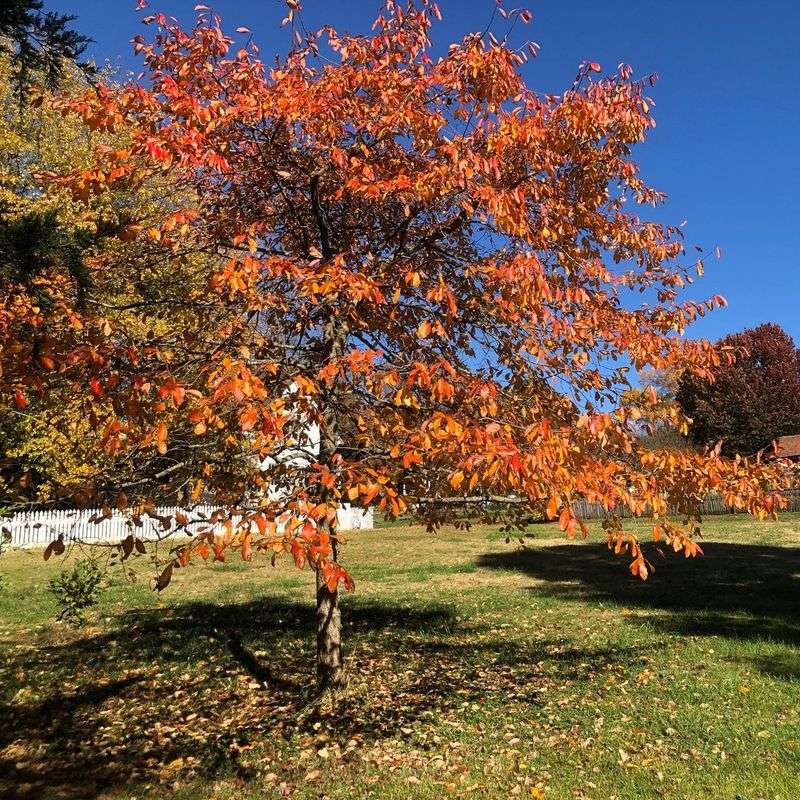
Drive through almost any subdivision around town and you will notice the same handful of trees planted in yard after yard.
Most of them ended up there because they were easy to find at the garden center, not because they suit the local soil.
Meanwhile, one of the most dependable native trees in Georgia rarely makes it onto a homeowner’s planting list at all.
It handles red clay and long summer heat without much fuss from you, which already puts it ahead of several popular picks.
Birds and pollinators rely on it throughout the year, yet you have probably walked right past one without knowing what it was. If you are planning to add a tree this fall, it deserves a serious look before you settle on the usual choice.
1. Common In The Woods, Rare In Home Landscapes
Black gum is the tree hiding in plain sight across the state. Botanists call it Nyssa sylvatica, and it grows wild from the mountains to the coastal plain.
Hikers see it often, even if they rarely notice it.
Its bark gives it away once you know the trick, since older trunks develop deep, blocky ridges. Some people say it looks like alligator hide, and that comparison fits pretty well.
Leaves are glossy, oval, and smooth along the edges, usually two to five inches long.
So why does a tree this common stay so rare in yards? Part of the answer is simple habit, because homeowners tend to plant what they already see at big box stores.
Georgia neighborhoods lean heavily on a short list of favorites like red maple, Bradford pear, and crape myrtle.
Black gum rarely makes that list, even though it handles local heat and humidity well. Spotting one in the woods near you is a good sign it may suit your area too.
Take a walk in a nearby park this month and look for that alligator bark.
Once you find a few, you will start seeing them along roadsides and creek banks everywhere. It feels a bit like learning a secret the whole forest already knew.
2. Nurseries Often Pass Over A Worthy Native Tree
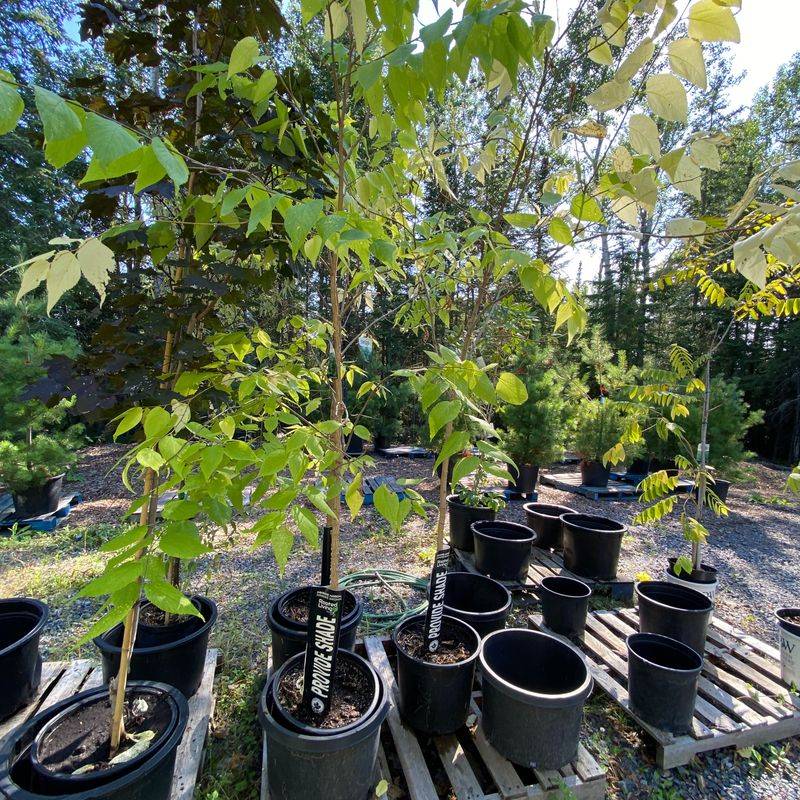
Blame the taproot. Black gum sends a long root straight down early in life, and that makes digging and moving it tricky.
Growers prefer trees that transplant easily and sell fast, so this one often gets skipped.
Speed is another issue for busy nurseries. Young black gums tend to grow at a slow to moderate pace, often around one to two feet a year in decent conditions.
A red maple can reach sellable size sooner, which keeps the business side simpler.
Shoppers also play a part without meaning to. In spring, a black gum in a pot looks fairly plain, with no flashy blooms to catch anyone’s eye.
Its big show comes months later, long after most people finish their garden shopping.
Good news, though, because interest in native plants keeps growing across the Southeast. Some Georgia nurseries that focus on natives now carry container-grown black gums, which transplant more reliably than dug trees.
Your Georgia Garden Changes Every Week. Your Plan Should Too.
Gardening in Georgia changes quickly throughout the season. Every Friday you’ll receive a simple weekly plan showing exactly what to plant, prune, fertilize, harvest, and protect so you never miss the right timing.
Calling ahead is smart, since supply can be limited and varies from year to year.
Ask about named cultivars like Wildfire or Green Gable if you want more predictable shape or color. Local native plant society sales in fall can also be a great place to find healthy young trees at fair prices.
3. Fall Is When Its Best Feature Takes Over
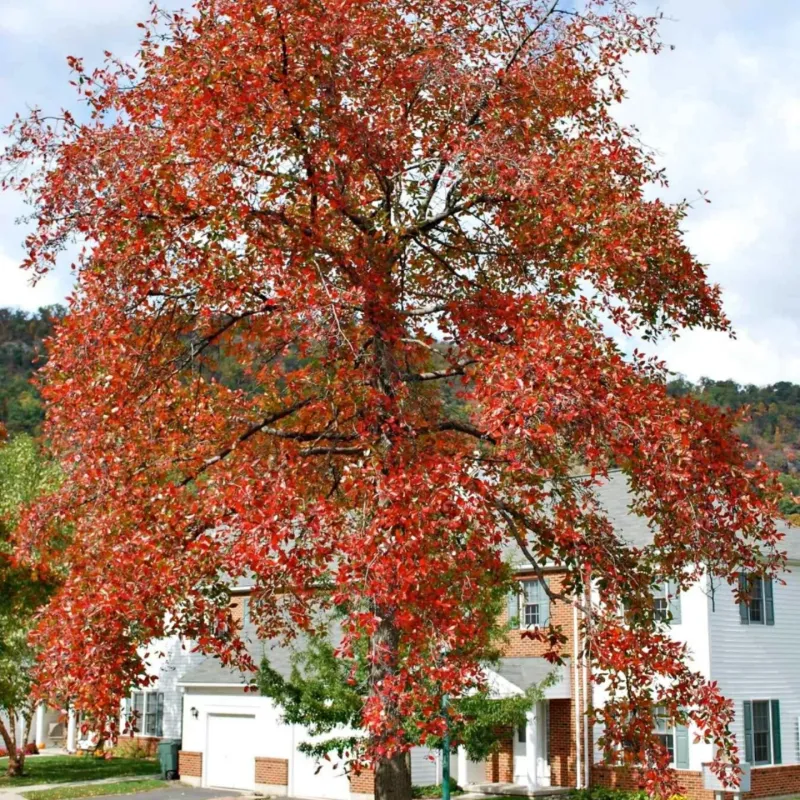
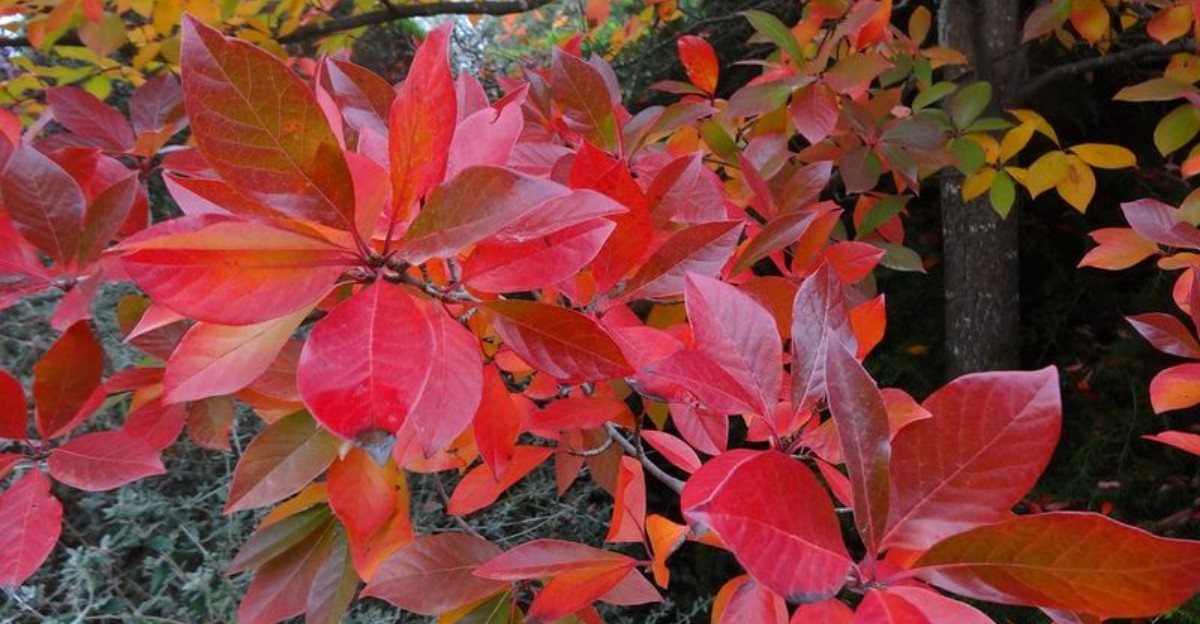
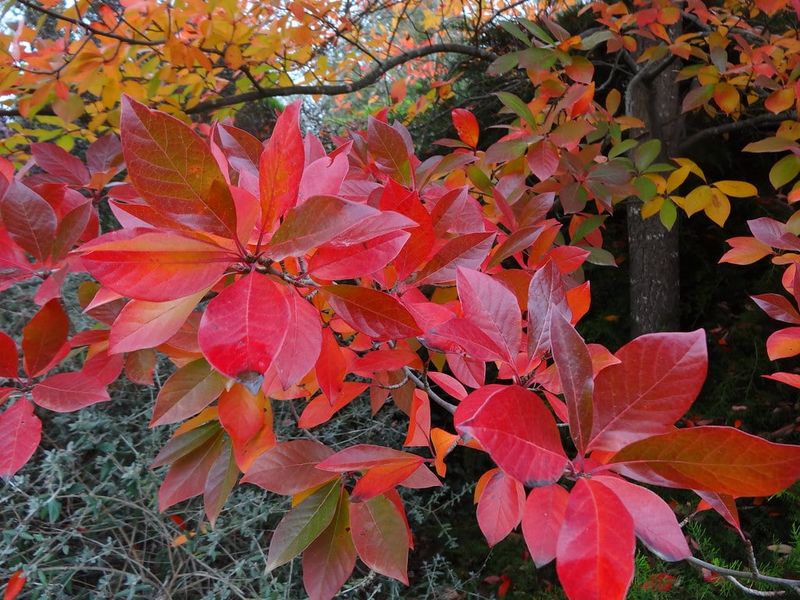
Scarlet. Orange.
Deep purple. Sometimes all three appear on one branch at the same time.
Black gum often ranks among the earliest trees to change color, with some leaves turning in late September.
Peak color usually lands in October or early November in much of Georgia, depending on elevation and weather. Mountain areas tend to color up first, while southern counties lag a couple of weeks behind.
A dry summer or a warm fall can dull the show somewhat, so results vary from year to year.
Still, black gum is known for holding its color more dependably than many other trees. Even in so-so years, it usually puts on a respectable display.
Sunlight matters a lot for the brightest reds. Trees in full sun generally color more intensely than those tucked into heavy shade.
Leaves have a waxy shine that makes the red look almost lit from inside.
If you want to enjoy it from indoors, think about placement now. A spot visible from a kitchen or living room window lets you watch the change unfold each morning with your coffee.
Pair it with evergreens like hollies or pines behind it, and that red pops even more against the dark green.
4. Wildlife Finds Plenty To Like Here Too
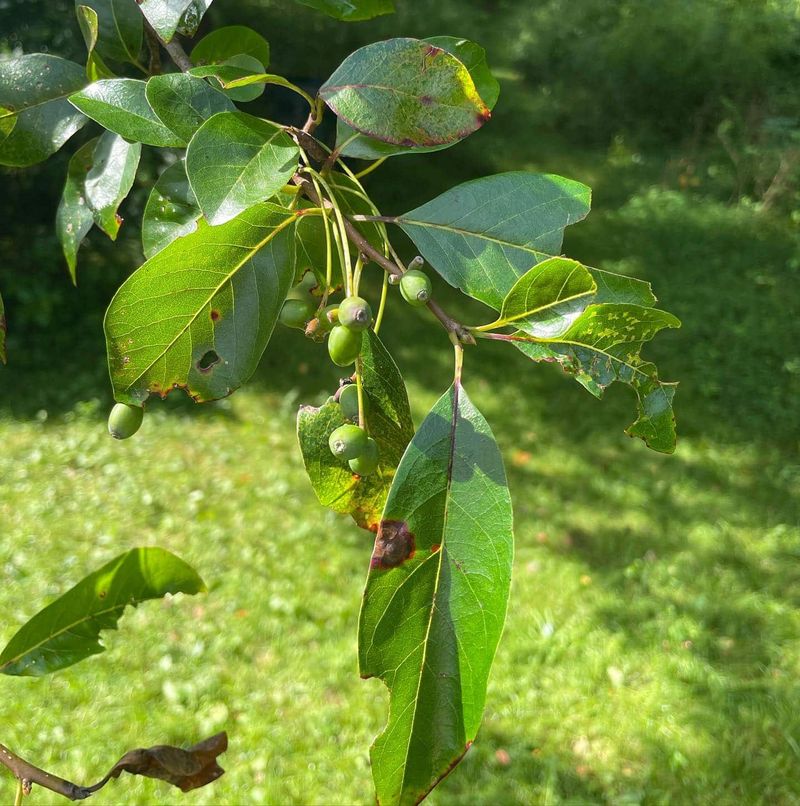
Birds notice this tree long before people do. Small, dark blue fruits ripen on female trees in late summer and fall, and they disappear quickly.
Thrushes, mockingbirds, woodpeckers, and migrating songbirds all seem eager to grab a bite.
Timing makes the fruit especially useful for wildlife. Many birds are fueling up for migration in fall, and these berries offer a helpful energy boost along the way.
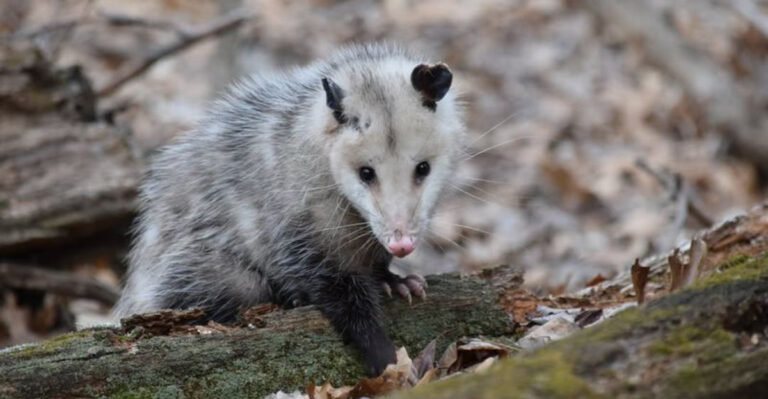
Deer, opossums, and foxes may also eat fruit that drops to the ground.
In spring, tiny greenish flowers bloom that most people barely see. Bees love them, though, and black gum is well known among beekeepers as a source of nectar.
Tupelo honey from southeast Georgia and Florida comes from a close cousin, the water tupelo.
Here is a detail worth knowing before you buy. Black gum trees are usually either male or female, so only female trees produce fruit.
If berries matter to you, ask the nursery whether a tree’s sex is known, since that is not guaranteed.
Older trees can also develop hollow spots that owls and squirrels may use for shelter. Leaving a little leaf litter beneath your tree gives insects and ground-feeding birds even more reasons to visit.
5. Tough Sites Are Surprisingly Easy To Handle
Soggy corner? Clay soil?
Black gum often shrugs off conditions that make other trees struggle.
In the wild, it grows in both wet bottomlands and dry ridges, which shows how adaptable it can be.
Poorly drained spots are where it really shines. Plenty of backyard trees rot in soil that stays damp after heavy rain, but black gum tends to tolerate short periods of wetness fairly well.
Red clay, so familiar across the Piedmont region of Georgia, usually suits it fine too.
It prefers slightly acidic soil, which matches many yards in the Southeast. Very alkaline soil can cause yellowing leaves, so a simple soil test through your county extension office is worth doing.
Heat and humidity are rarely a big problem once roots settle in.
Pest and disease trouble tends to be light compared to many common landscape trees. Leaf spot can show up in wet summers, but it is usually cosmetic and not serious.
Salt spray and heavily compacted construction soil may still cause stress, so keep those limits in mind.
Give it at least partial sun for the best growth and color. If a spot has defeated other trees before, black gum might be the one that finally feels at home there.
6. Young Trees Need The Right Start
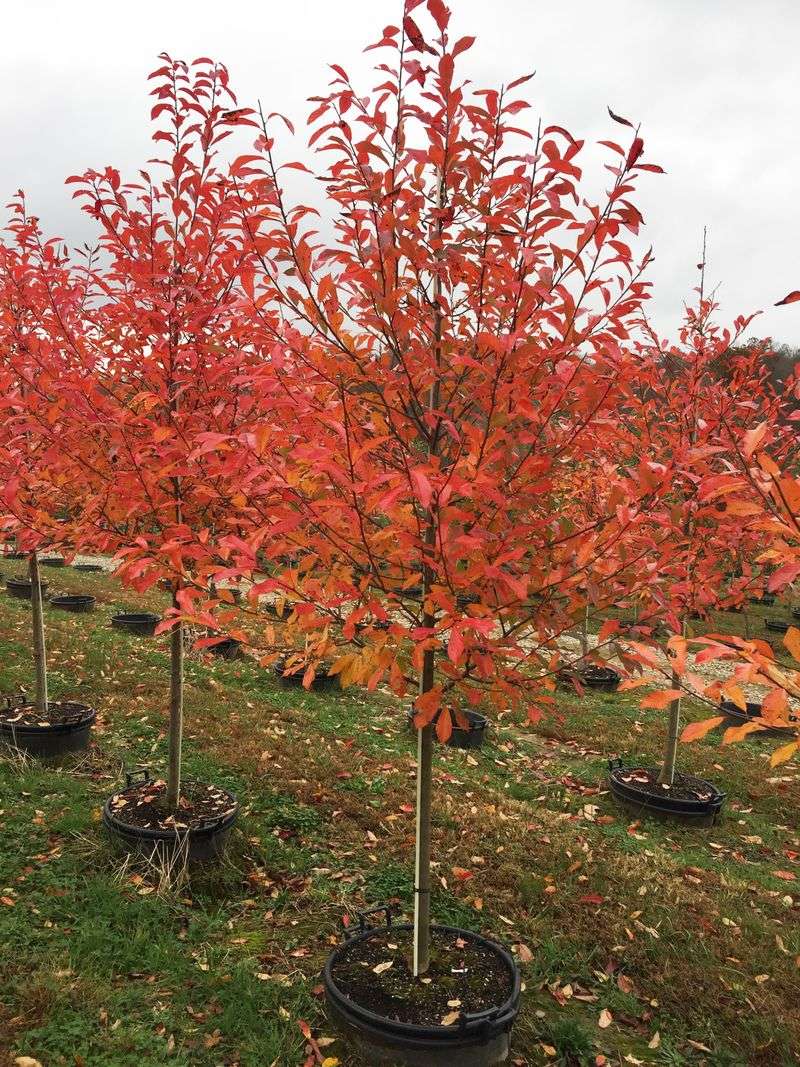
Planting a black gum is less about muscle and more about timing. Fall and early winter are ideal across most of Georgia, since cooler air lets roots grow without summer stress.
Late October through February usually works well, as long as the ground is not frozen.
Choose a small, container-grown tree whenever you can. Younger trees handle transplanting better because that deep taproot has less to recover from.
Dig a hole two to three times wider than the root ball but no deeper. Set the tree so the root flare sits right at soil level or slightly above it.
Burying the trunk too deep is one of the most common planting mistakes people make.
Loosen any circling roots gently with your fingers before backfilling with the native soil. Skip heavy amendments, because roots do better when they learn to spread into the surrounding ground.
Spread two to three inches of mulch in a wide ring, keeping it a few inches off the trunk.
Water deeply once or twice a week during the first year, adjusting for rain. Expect slow top growth at first, since the tree spends its early energy building roots underground.
7. Years Of Shade Reward The Initial Patience
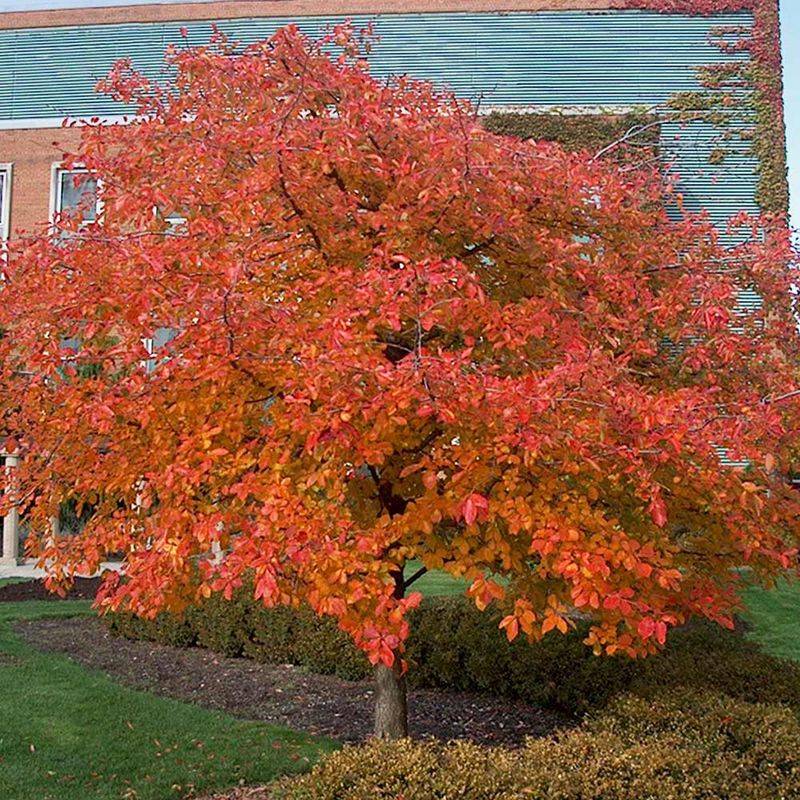
Patience pays off here, maybe more than with any other tree you plant. A black gum that looks skinny in year two can become a real shade tree within a couple of decades.
Mature trees commonly reach 30 to 50 feet tall in home landscapes, sometimes more in ideal spots.
Its shape is part of the charm. Young trees tend to grow in a neat pyramid form, while older ones often develop a rounder, more relaxed crown.
Branches usually grow at wide angles, which can help them hold up in storms better than weak-wooded trees.
Longevity is another quiet perk. Black gums are known to live for a very long time, with some wild specimens estimated at several hundred years old.
Your yard tree will not match that record, but it could easily outlast your mortgage.
Summer shade from those glossy leaves helps cool patios and lawns during long Georgia heat waves.
Place it at least 15 to 20 feet from your house to give the crown room to spread. Keep in mind that shallow surface roots are uncommon, so lawns and walkways nearby usually stay in good shape.
Plant one this fall, and future you will thank you from a cool bench beneath it.