10 Plants To Never Grow Near Peppers In Your Garden
Peppers can fall behind in a hidden rivalry before you see pods. Fennel releases root compounds that slow your peppers.
Black walnut trees send juglone through the soil, and pepper roots react poorly. Corn looks harmless, yet it attracts the corn earworm, which happily tunnels into pepper pods.
Tomatoes, potatoes, and eggplant can share stubborn soil diseases with your peppers, like verticillium wilt. Pole beans climb fast and cast heavy shade your peppers cannot tolerate.
Kohlrabi and cabbage claim nutrients your peppers need for heavy fruiting. Even apricot trees can share a fungal issue with nearby peppers. Mismatched pairings quietly shrink your harvest.
You control these matchups the moment you choose where each seedling goes. Smart placement turns a modest bed into a haul that outpaces your neighbors. Discover which plants belong beside your peppers before you dig another hole.
1. Fennel And Its Chemical Grudge
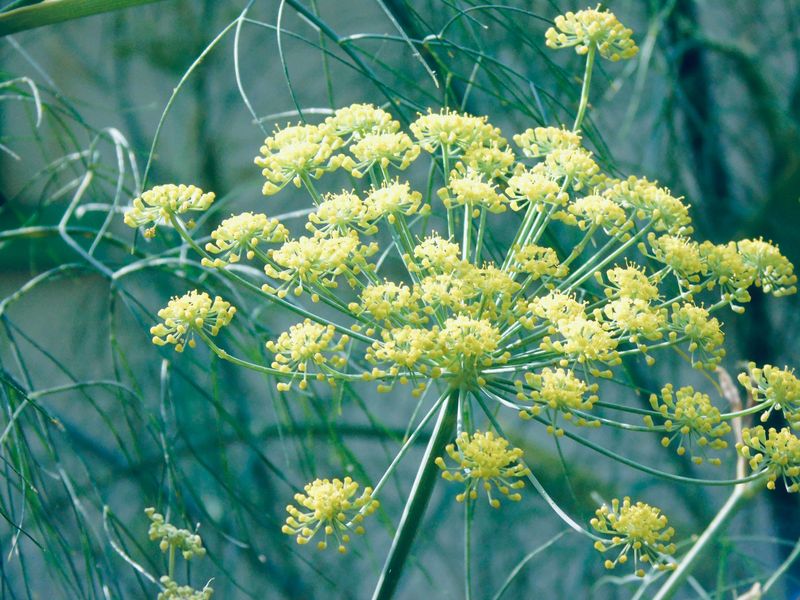
Gardeners sometimes call fennel the loner of the vegetable patch, and the nickname fits. Its roots release natural chemicals that slow the growth of many nearby plants.
Peppers appear to be among the crops that react to this sneaky habit. Leaves may stay small, stems can look thin, and flowers might drop before any pods form.
Scientists call this effect allelopathy, which simply means one plant bothering another with chemicals. Fennel is famous for it, so many gardening books tell you to plant it alone. It even cross-pollinates with dill, which can produce off-flavored seedlings if you save seed.
You can still enjoy fennel without giving up your pepper harvest. Try growing it in a big pot on the patio or in its own corner bed. A container also keeps its spreading roots and self-sown seeds under control.
Fennel also attracts helpful insects like ladybugs and tiny wasps that eat garden pests. That makes a separate fennel spot a smart way to invite helpers from a distance.
A good rule is to keep at least several feet of soil between fennel and your peppers. Your pepper plants will reward that space with bushier stems and more colorful pods by late summer.
2. Pole Beans And Their Tangled Reach
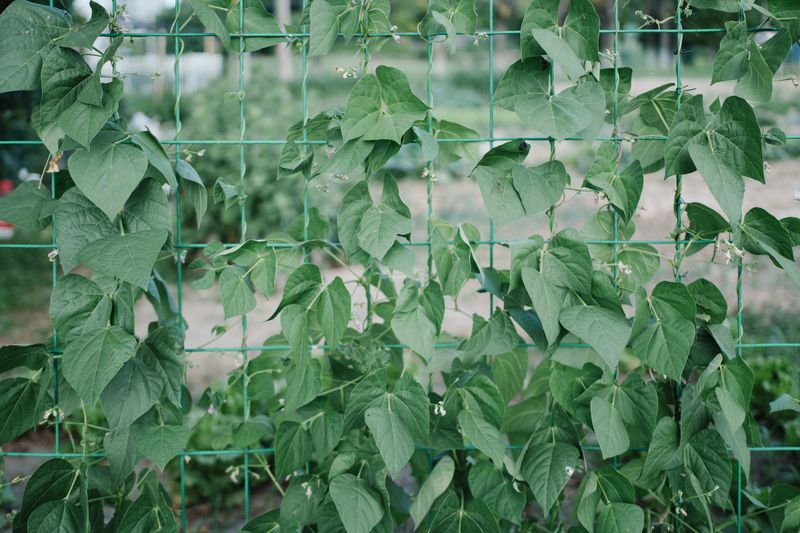
Imagine a vine so eager that it wraps around anything within arm’s length. Pole beans grow like that, climbing fast and stretching in every direction. Some varieties climb taller than a doorway by midsummer.
Peppers are not built to hold up heavy climbing vines. Bean vines can twine around pepper stems and pull branches down, snapping them during windy days. Pepper stems are brittle, so a light tug can split a loaded branch.
Shade is another trouble spot with this pairing. Tall bean walls block the sunshine peppers need, and pepper plants love at least six hours of bright light. Less light means fewer flowers, and fewer flowers mean fewer pods.
Gardeners also notice that beans and peppers compete for space and water in crowded beds. Both plants drink heavily during hot weeks, which leaves thirsty roots fighting underground.
Bush beans cause fewer problems since they stay short, but pole types are better placed elsewhere. A trellis on the side farthest from the midday sun keeps their shadows away from other crops.
Beans do add nitrogen to soil, which helps later crops. So plant them in a different bed this year, then grow peppers there next season to enjoy that bonus.
3. Cabbage And Its Hungry Appetite
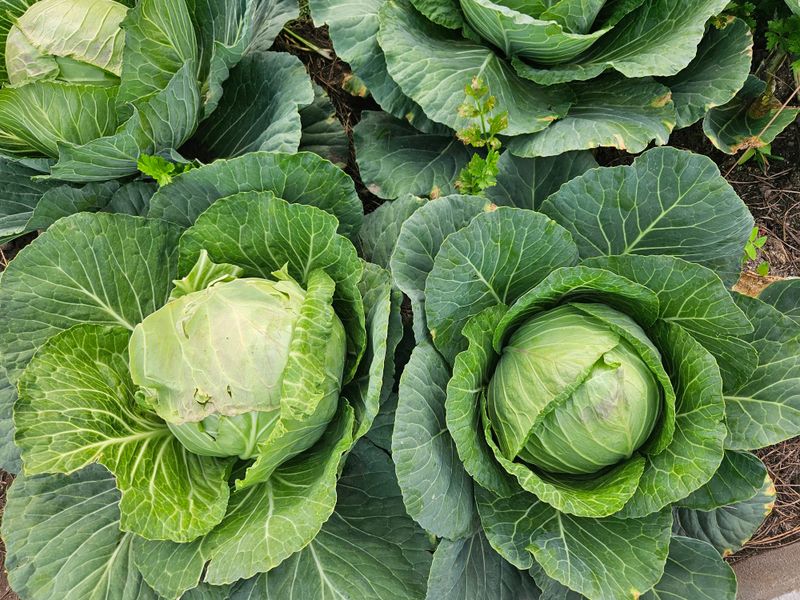
Gardeners who plant cabbage right beside peppers often wonder why both look tired. The answer usually comes down to food, as both plants compete for nutrients.
Cabbage and other brassicas, like broccoli and kale, are heavy feeders. They pull lots of nutrients from the soil, leaving less for nearby pepper roots.
Peppers need nitrogen and calcium to set healthy fruit. Poor calcium uptake, often caused by uneven watering, can trigger blossom end rot, those sunken brown patches on pods.
These crops also like cooler weather, while peppers crave heat. Their different needs make it hard to water and care for them in the same bed. Broccoli tends to bolt when temperatures climb, just as peppers hit their stride.
Aphids love brassicas and happily wander over to peppers too, while cabbage loopers occasionally follow. Keeping the plants apart slows the spread of these munching pests.
Many gardeners grow cabbage in early spring and fall instead. That timing means cabbage is mostly finished before peppers really start growing strong in summer.
If space is tight, try a separate raised bed just for your leafy crops. Add rich compost there, and let your peppers enjoy their own sunny, warm patch without any competition.
4. Potatoes And Their Shared Diseases
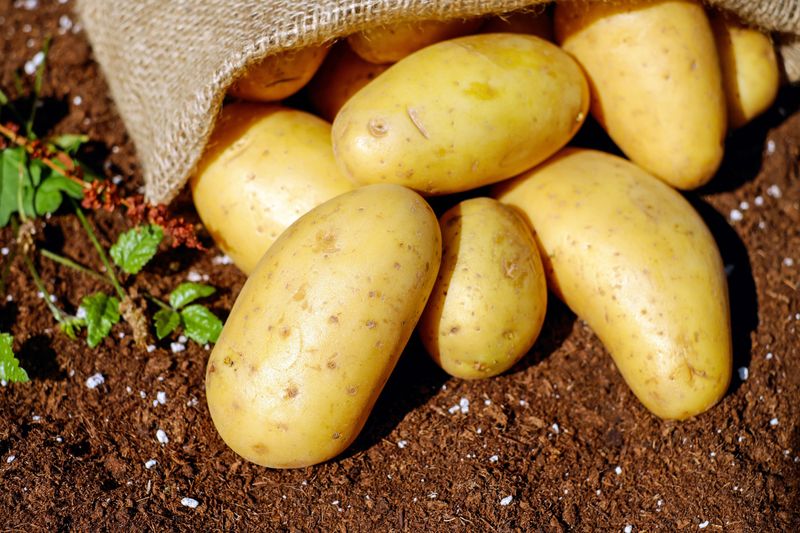
Family members sometimes share colds, and plant families work the same way. Potatoes and peppers both belong to the nightshade family, so they catch similar illnesses.
Verticillium wilt is the big worry here. This soil disease infects both crops and can linger in the ground for years. Blight is another concern, though it hits potatoes and tomatoes much harder than peppers.
Potatoes also attract Colorado potato beetles, which chew holes in leaves. When potato leaves run out, those beetles occasionally nibble pepper foliage nearby, though peppers are not their favorite.
A single female can lay hundreds of bright orange eggs in one season. Check leaf undersides often and squish those egg clusters early.
Another issue sits underground. Digging potatoes at harvest time can disturb pepper roots, which are shallow and easily damaged by a shovel.
Crop rotation helps a lot with nightshade problems. Try not to plant peppers where potatoes, tomatoes, or eggplants grew in the past two or three years. Keeping a garden map each year makes tracking those spots easy.
Give potatoes their own bed on the far side of the garden. You will lower disease risk, make harvesting easier, and keep your peppers standing tall and healthy all season.
5. Apricot Trees And Their Fungal Guests
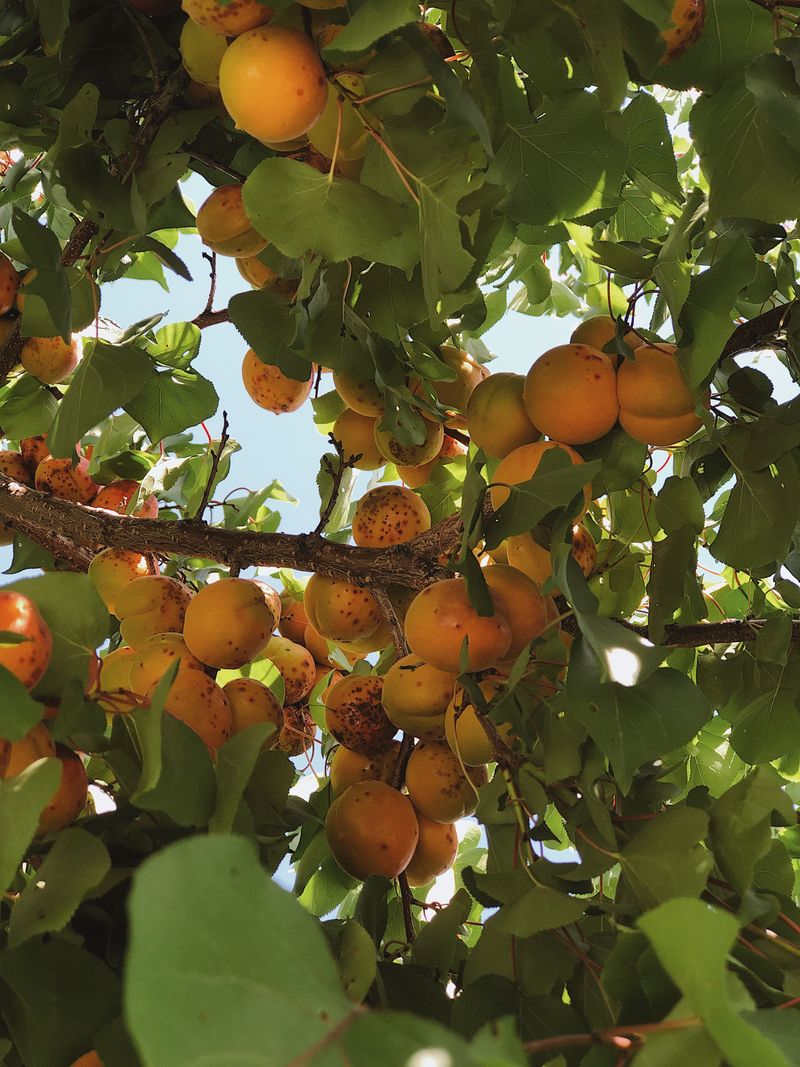
Few things feel as cozy as a backyard apricot tree heavy with golden fruit. Sadly, that sweet tree can bring trouble to a pepper patch planted underneath.
Apricots and peppers can both catch a fungal disease called verticillium wilt. The fungus lives in soil for years and spreads through soil, water, and garden tools. It enters through the roots and clogs the tubes that carry water upward.
Once peppers catch it, leaves turn yellow and droop, even with plenty of water. Symptoms often show up on one side of the plant first. There is no cure, so avoiding the problem is the best plan.
Trees also cast wide shadows as they grow bigger. Peppers planted under branches may stay leggy and produce only a few small pods. Dappled shade also keeps leaves damp longer, which invites leaf diseases.
Tree roots spread far past the branches. They soak up water and nutrients that your peppers would happily use to grow larger fruit. Like most fruit trees, apricot roots can stretch two or three times wider than the canopy.
Place your pepper garden well away from any fruit trees if possible. A sunny spot in the open yard gives peppers light, airflow, and a safer home from soil diseases.
6. Black Walnut And Its Toxic Roots
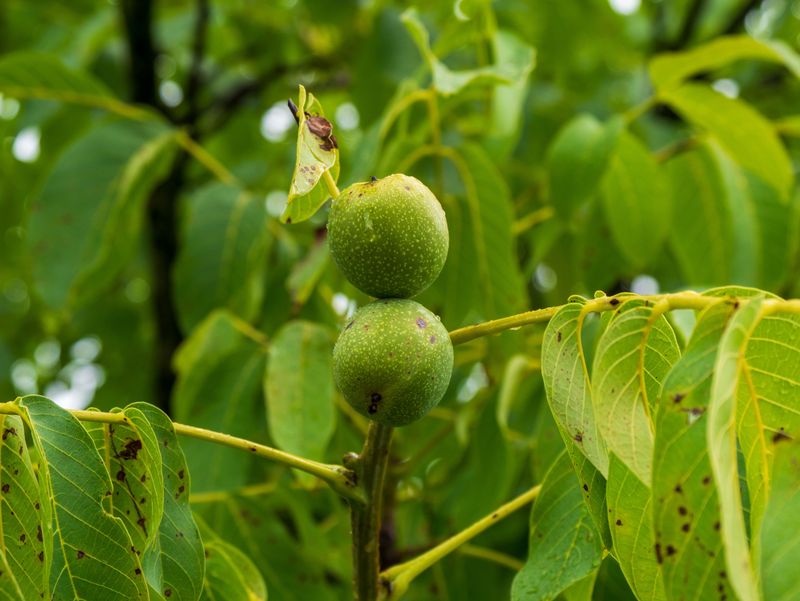
Here is a tree with a secret weapon hidden in its roots. Black walnut trees produce juglone, a chemical that harms many garden plants nearby.
Peppers are very sensitive to juglone. Plants may wilt, turn yellow, and stop growing, even when they get enough water and sun. Tomatoes, potatoes, and eggplants react the same way, so many nightshades are at risk.
The chemical spreads through roots, fallen leaves, and walnut hulls. It can reach soil fifty feet or more away from the trunk of a big tree. Rain can even wash juglone from the leaves onto plants below.
Many gardeners learn about this problem the hard way after a failed season. If your peppers struggle mysteriously, look around for a walnut tree close by. Check for compound leaves and round green husks about the size of tennis balls.
Raised beds with fresh soil and a thick root barrier underneath can help, though roots may still find a way through. Still, keeping far away from walnut roots is the safest choice for your peppers.
Keep walnut hulls and wood out of your compost pile. Leaves can be composted, but give them several months in a hot pile so juglone breaks down.
7. Corn And Its Towering Shade
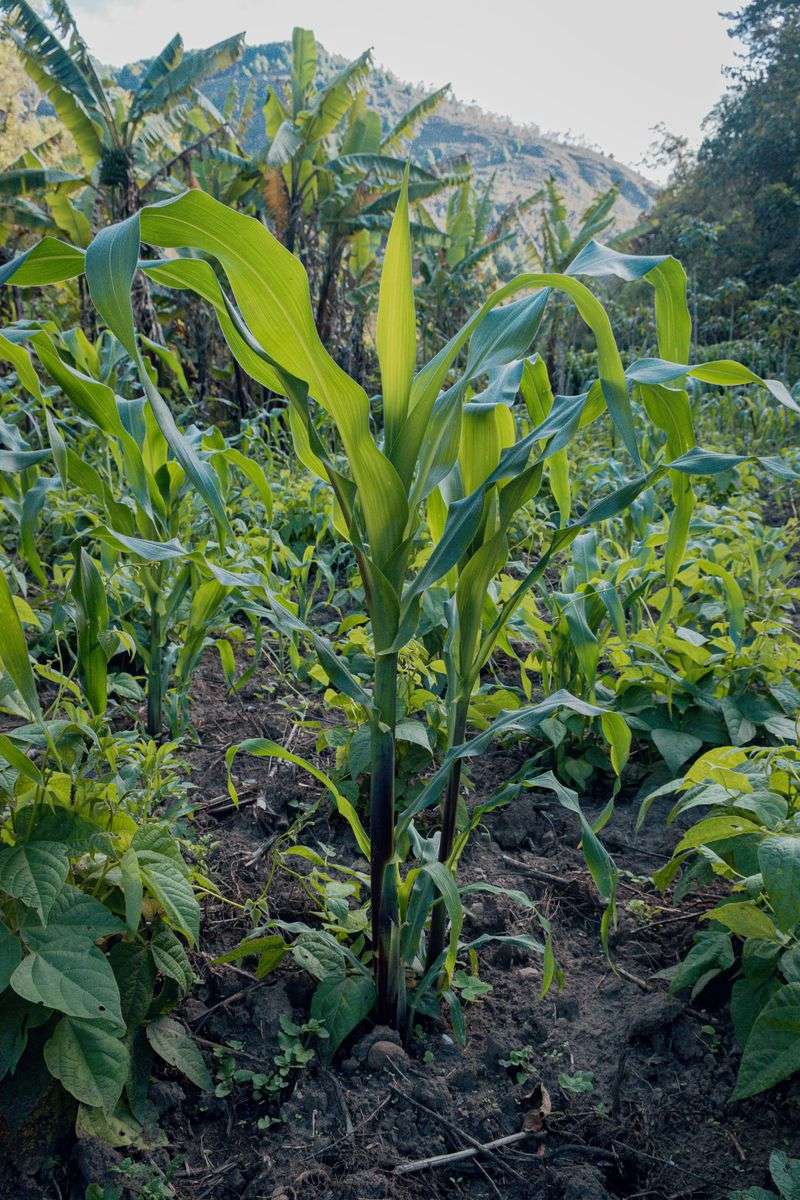
Standing next to a row of corn in August feels like walking through a green forest. Peppers planted in that forest spend their days stuck in the shadows.
Corn grows six to ten feet tall in many home gardens. Short pepper plants beside it can lose hours of sunshine, which means fewer flowers and pods. Shaded peppers also ripen slowly, so green pods take longer to blush red.
Both crops also attract the corn earworm. Farmers sometimes call this caterpillar the tomato fruitworm because it chews into many fruits, including peppers.
Moths lay eggs on corn silk first, then move to peppers once the silk dries. Look for small, round holes near pepper stems, a telltale sign of caterpillars feeding inside.
Corn is a remarkably thirsty, hungry plant too. It takes lots of nitrogen and water, leaving nearby peppers with smaller shares during hot, dry spells.
Some gardeners use corn as a windbreak on purpose. If you try that, plant corn on the side farthest from the midday sun so its shadow falls away from peppers.
Otherwise, give corn its own block in the garden. Corn pollinates best in square groups anyway, so a separate patch helps both crops grow happier and more productive.
8. Cucumbers And Their Viral Baggage
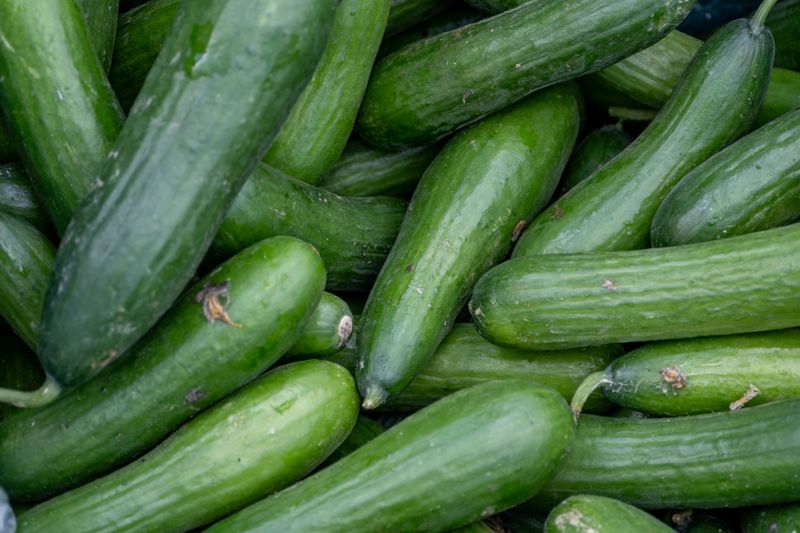
Crunchy cucumbers make summer salads wonderful, but they carry some unwanted luggage. Cucumbers can host cucumber mosaic virus, and peppers can catch it too.
Aphids spread this virus as they hop from plant to plant. When cucumbers and peppers grow side by side, those tiny bugs make the trip easy.
Infected peppers develop mottled leaves with light and dark patches. Fruits can come out twisted, spotted, or much smaller than usual.
Cucumber vines also sprawl across the ground and climb anything nearby. They can crowd pepper plants and trap moisture around their lower leaves.
That damp air invites mildew and other leaf problems. Peppers prefer good airflow, so tangled vines around their stems cause extra stress during humid weather.
Plant cucumbers on a trellis in a separate bed if you can. Check leaves for aphids often, and spray them off with water to reduce the chance of viruses spreading.
9. Sunflowers And Their Sneaky Chemistry
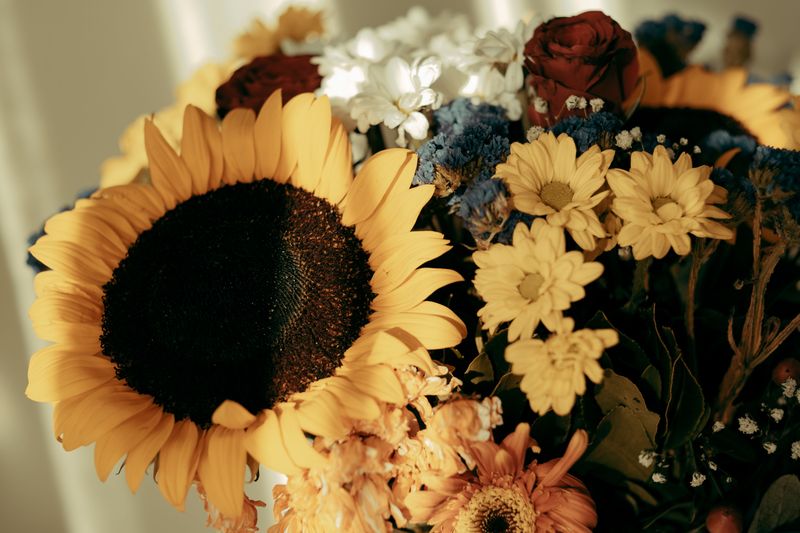
Sunflowers look like cheerful giants waving at the sky. Behind those bright faces, though, they play a quiet game that can bother your peppers.
Sunflower roots, seeds, and shells release chemicals that slow growth in some plants. Like fennel, they are known for this allelopathic effect in gardens.
Fallen seed hulls pile up under the flower heads. Those hulls can make the soil less friendly for peppers growing close by.
Height is another issue with these towering blooms. Giant varieties can grow over eight feet tall and cast long shadows across smaller crops.
Sunflowers still have plenty to offer in the garden. Bees and birds love them, and some gardeners try them as a trap crop to lure aphids away.
Plant sunflowers along a fence or at the garden edge instead. You can enjoy their golden glow while your peppers soak up full sun in a separate, protected spot.
10. Mint And Its Runaway Roots
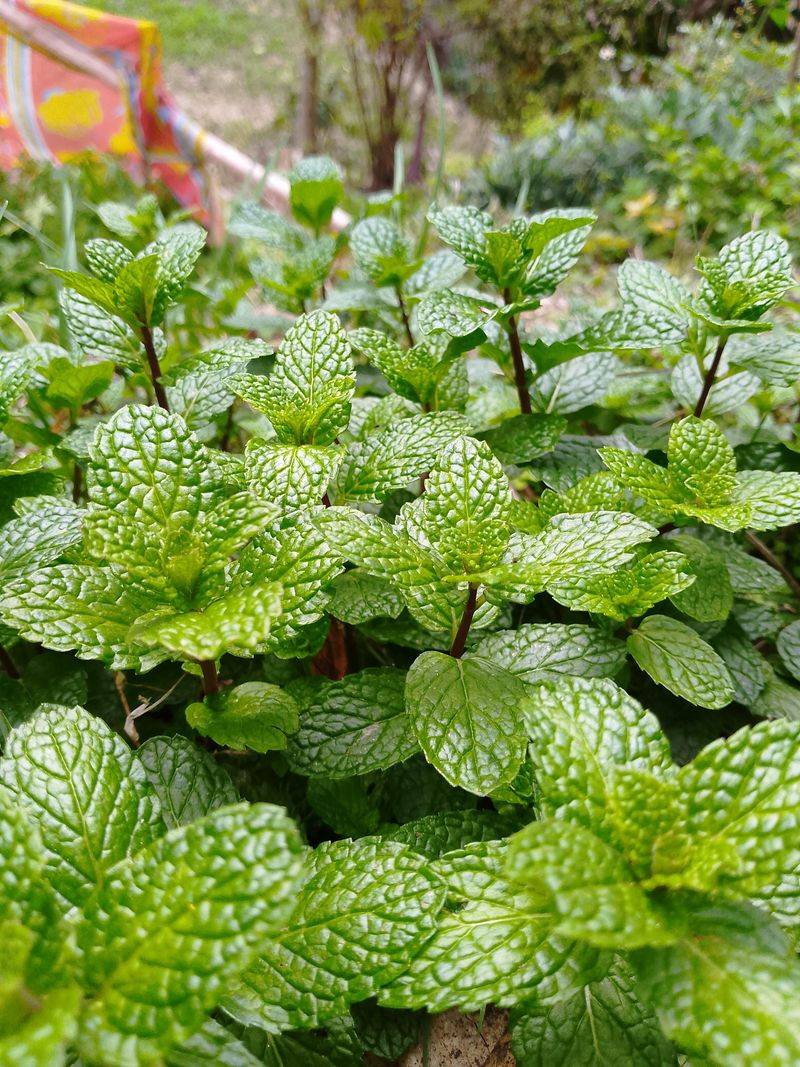
Plant one little mint sprig, and soon you might have a mint jungle. Its roots spread fast underground, popping up new shoots far from where you planted it.
Peppers do not enjoy sharing their space with this fast mover. Mint roots crowd pepper roots and steal water and nutrients they need.
Once mint takes over a bed, pulling it out is hard work. Tiny pieces of root left behind can sprout into brand new plants.
Mint also likes damp soil more than peppers do. Watering for the mint can leave pepper roots too soggy, which may lead to rot.
The easy fix is to grow mint in a container. Many gardeners even sink a pot into the ground to keep roots from wandering.
Keep that pot a few feet away from your peppers. You will still have fresh leaves for lemonade and tea, while your peppers enjoy a calm, uncrowded home.