How To Help A Georgia Lawn Recover After Storm Damage And Heat Stress
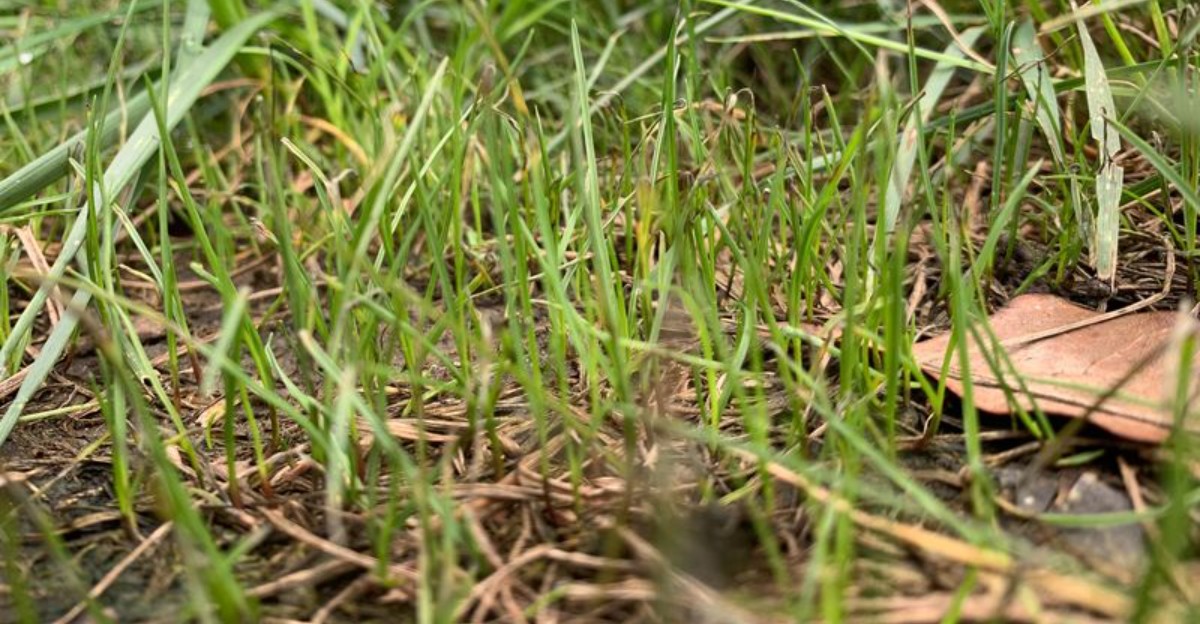
After a summer of brutal heat and rough storms, your lawn may look worn out. A few spots may never have bounced back from July.
It is tempting to throw down seed and fertilizer right away and hope it works.
That rush usually backfires, because stressed grass cannot use much of what you give it yet. Storm debris and packed, soggy soil can also hide problems that seed will not fix.
In Georgia, the type of grass you have also changes what makes sense this late in the season.
A warm season lawn and a fescue lawn need very different things right now, even with similar damage.
Walk your yard slowly and notice where the worst spots are. Knowing what caused each one usually points you toward the right fix.
1. Battered Isn’t The Same As Beyond Saving
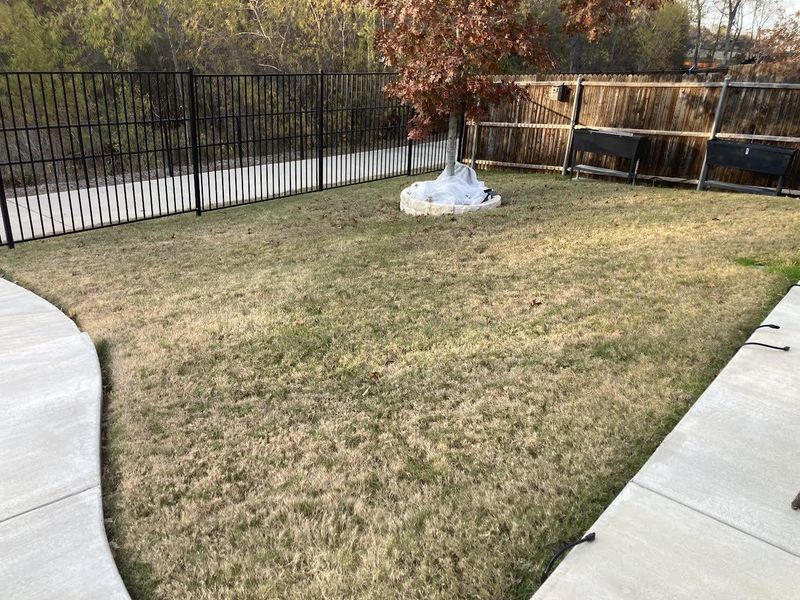
Brown grass can fool you. A lawn that looks rough after a storm and a heat wave is often just resting, not gone.
Warm-season grasses such as Bermuda, zoysia, and centipede can go dormant when stressed by heat and drought.
Dormancy is a survival trick where the grass slows growth and lets its blades turn tan. Underground, the roots and runners may still be alive and waiting for better conditions.
Across much of Georgia, that pattern shows up almost every August, especially on lawns with sandy or clay-heavy soil.
Before you panic, look closely at the base of the plants. Green tissue near the soil line or firm, white roots are both good signs.
Give the yard a deep watering and wait about a week or two to see what happens.
Rain and cooler nights often bring back color faster than people expect. Still, results depend on how long the stress lasted and how healthy the lawn was before the trouble started.
Fescue is a different story, since it is a cool-season grass that struggles more in southern heat.
Thin fescue patches may need reseeding in fall, while warm-season grass usually just needs patience. Knowing which kind you have is the first step toward making a smart repair plan.
2. Give A Few Brown Patches The Tug Test
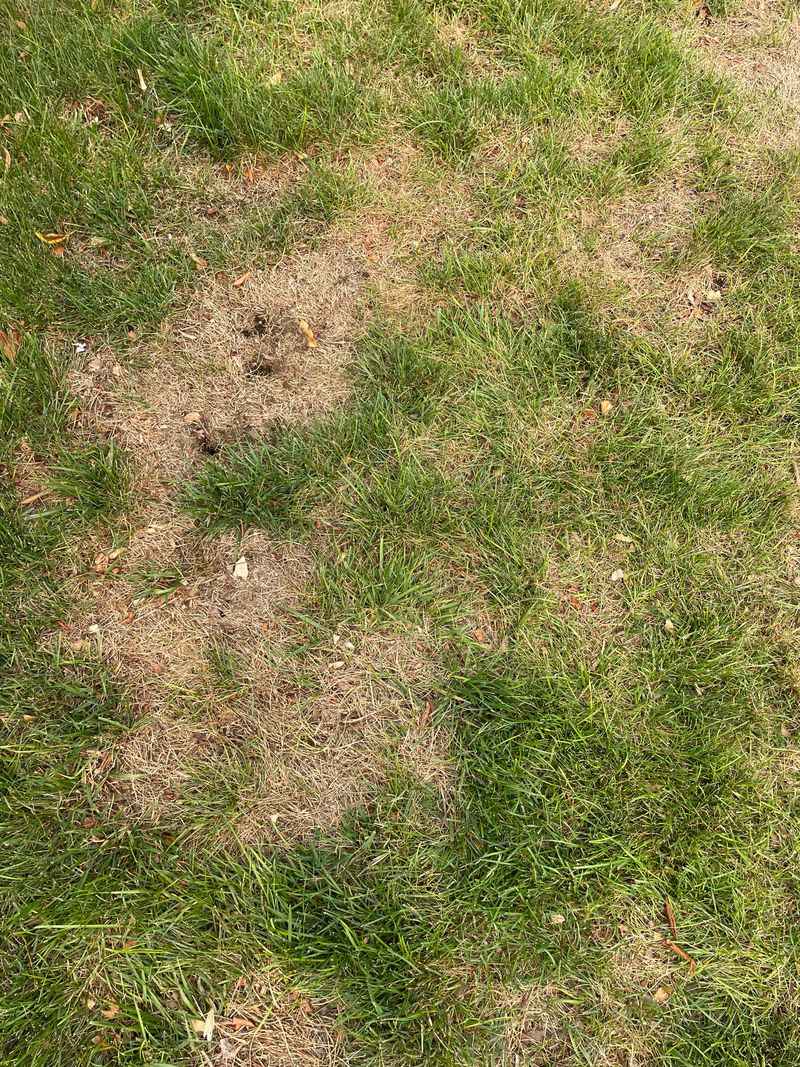
Your fingers can tell you more than your eyes. A quick tug on a brown patch is one of the easiest ways to judge what is going on below the surface.
Grab a small handful of grass and pull upward with light, steady pressure.
If the grass holds tight, the roots are likely still anchored and alive. That usually points to dormancy or mild heat damage, which often improves with water and time.
Grass that lifts out easily, like a loose rug, deserves a closer look.
Short or missing roots can mean grub feeding, disease, or rot from soggy ground. Grubs are C-shaped white larvae, and you may spot them in the top inch or two of soil.
Around Georgia, brown patch fungus and large patch can also flare up after warm, wet weather, especially in zoysia and fescue.
Try the test in several spots, including areas near the edge of each patch.
Your Georgia Garden Changes Every Week. Your Plan Should Too.
Gardening in Georgia changes quickly throughout the season. Every Friday you’ll receive a simple weekly plan showing exactly what to plant, prune, fertilize, harvest, and protect so you never miss the right timing.
Comparing healthy and damaged sections gives you a clearer picture. If you find many grubs or a pattern of rotted roots, your local county Extension office can help identify the cause.
Guessing wrong can lead to treatments you do not need, so a few minutes of tugging is well worth it.
3. The Longer Limbs Stay Down, The More The Grass Suffers
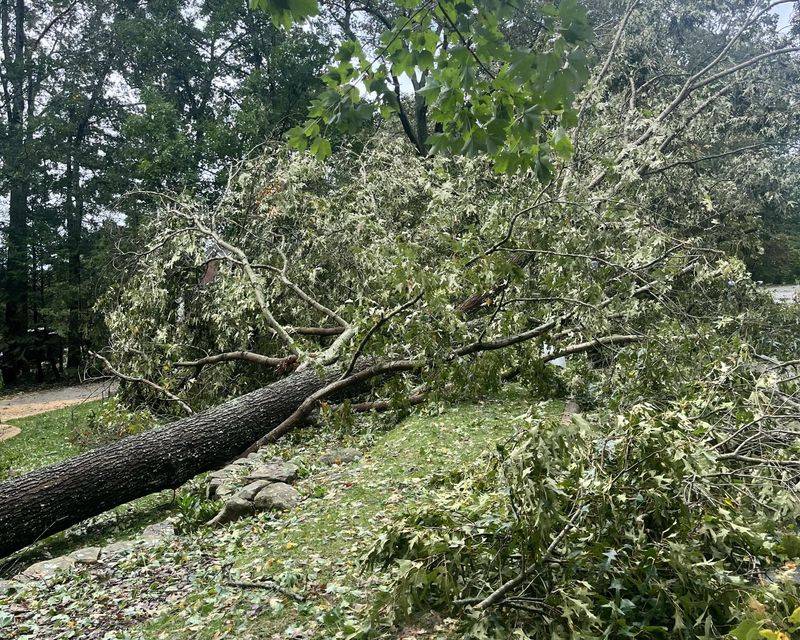
Shade and weight make a rough combo. Every day a fallen branch sits on your lawn, the grass underneath loses light it needs to keep growing.
Warm-season grasses are especially hungry for sun, so even a few days under heavy debris can leave yellow or pale streaks.
Leaves and pine straw piled in thick layers can also trap moisture. That damp, dark space can invite fungus, which is the last thing a stressed yard needs.
After a big Georgia thunderstorm, try to clear small limbs and twigs within a day or two if it is safe.
A rake or a leaf blower handles lighter debris well. Larger limbs may need to be cut into smaller pieces first so you can move them without dragging.
Dragging heavy branches across wet ground can tear grass and leave ruts in soft soil.
Safety matters more than speed here. Watch for downed power lines, hanging limbs, and cracked trunks, and call a licensed tree service for anything big or overhead.
Once the area is clear, give those yellow strips a little time in the sun.
Grass that was covered briefly often recovers on its own, though longer coverage may leave thin spots that need extra help later.
4. Where Water Sat For Days, Expect Compacted Soil
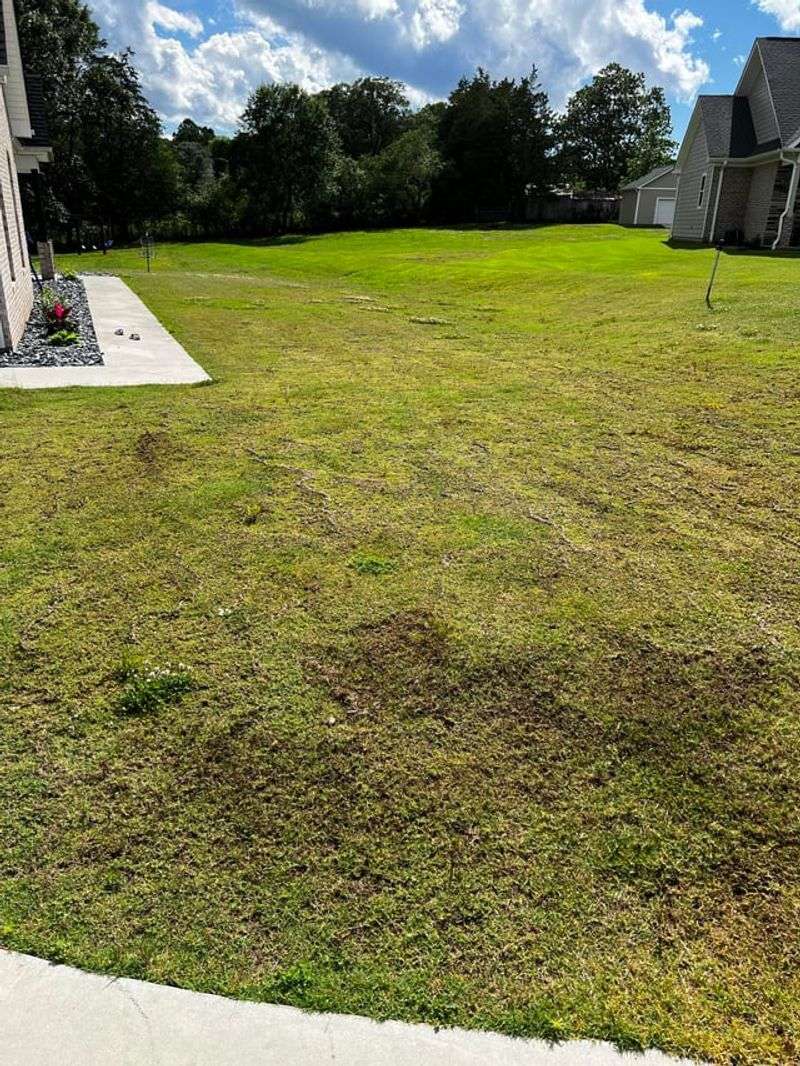
Puddles leave a hidden mark. Once the water finally drains, the soil below it is often packed tighter than before.
Saturated ground loses the tiny air pockets that roots use to breathe.
Foot traffic, mowers, and even the weight of the water itself can press soil particles closer together. Clay, which is common across much of Georgia, is especially likely to pack down this way.
You might notice grass in low spots looking thin, yellow, or slow to green up.
Try pushing a screwdriver into the soil once it has dried a bit. If it takes real effort to go in a few inches, compaction is a likely suspect, though dry clay can also feel hard on its own.
Another clue is water that pools again quickly after the next rain.
Stay off soggy areas as much as you can until they firm up. Parking cars, running mowers, or letting kids play on wet ground can make the problem worse.
If certain spots flood after nearly every storm, drainage may be the real issue. Grading changes, a French drain, or redirecting a downspout could help, but those fixes vary a lot by yard and are worth talking over with a local landscaper.
5. Your Best Tool For Loosening It Up Is A Core Aerator
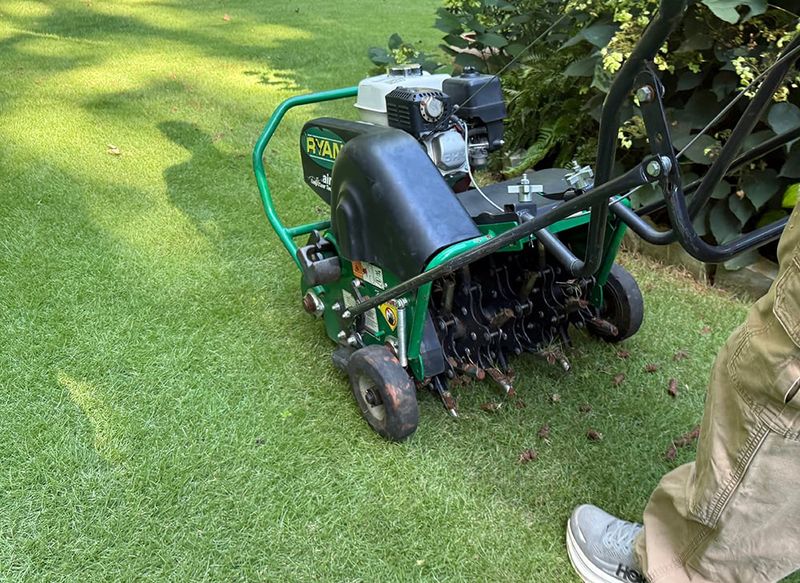
Pulling plugs beats poking holes. A core aerator removes small cylinders of soil, which opens space for air, water, and roots to move.
Spike aerators just push holes into the ground, and in clay they may even press the sides tighter.
Core machines are easy to rent from many home improvement stores. Some neighbors split the rental cost and take turns on the same weekend.
Timing depends on your grass type.
Bermuda and zoysia do best when aerated during active growth, usually late spring into early summer in Georgia. Fescue prefers early fall, when cooler weather helps it heal and fill in.
Aerating a dormant or heat-stressed lawn can add stress, so wait until the grass is actively growing again.
Moist soil works best, so aim for a day or two after rain or a good watering. Dry, rock-hard clay can make the tines bounce instead of digging in.
Mark sprinkler heads, shallow cables, and septic lines before you start.
Leave the soil plugs on the lawn to break down naturally, which usually takes a week or two. A single pass helps, while two passes in different directions can give tougher spots a better boost.
6. If Fertilizer Seems Tempting, Hold Off Until Spring
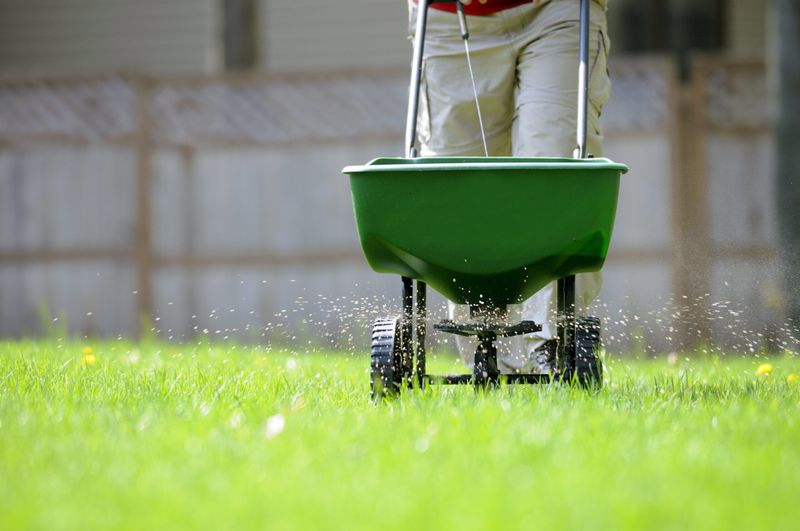
Feeding a stressed lawn feels helpful, but it can backfire. Grass under heat stress usually cannot use a big dose of nitrogen well.
Pushing new growth on a struggling lawn may drain energy the roots need to recover.
Fast, tender growth can also be more prone to disease, especially in humid weather. Brown patch and large patch are known to thrive on lush, overfed turf.
Late-season timing adds another risk for warm-season grasses.
Fertilizing Bermuda, zoysia, or centipede close to fall can encourage growth right before winter dormancy. In Georgia, many lawn experts suggest waiting until the grass fully greens up in spring, often around April or May depending on your area.
Fescue follows a different calendar, with feeding usually done in fall.
A soil test is a smart move before you buy anything. The University of Georgia Extension offers affordable testing, and results show what your soil actually needs instead of leaving you to guess.
Lime, potassium, or nothing at all might be the right answer.
Meanwhile, focus on steady, deep watering and mowing at the right height. Those simple habits support recovery without the risks that come with feeding at the wrong time.
7. Seed Now For Fescue, Sod Later For Bermuda And Zoysia
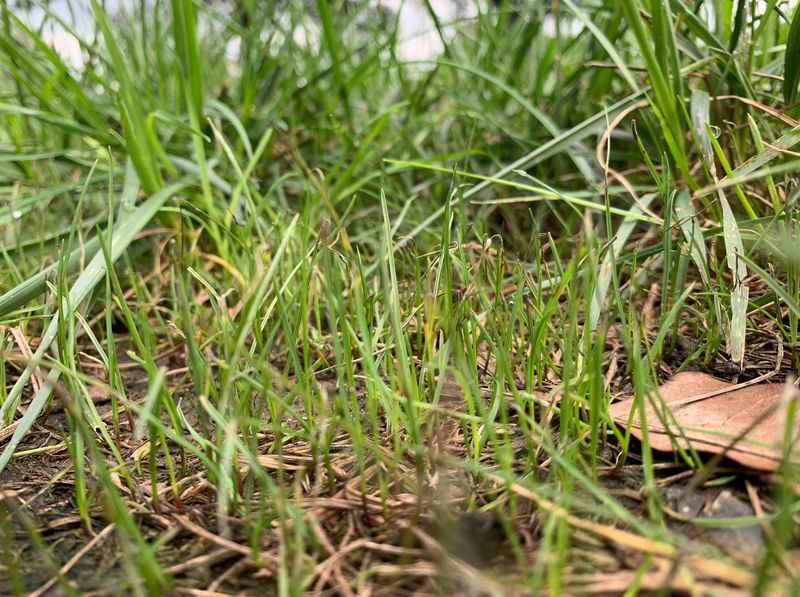
Grass type decides the calendar. Getting the timing right can be the difference between a thick lawn next year and wasted money.
Tall fescue grows best from seed in early fall, when nights cool down but the soil stays warm.
In north Georgia, mid-September through mid-October is a common window. Seed sown then has time to root before winter and before the next summer heat returns.
Rake bare spots lightly so seed makes good contact with soil.
Keep the area evenly moist with short, frequent watering until the seedlings are established. Germination often takes one to two weeks, though weather can speed it up or slow it down.
Bermuda and zoysia work differently, since they spread by runners and prefer warm soil.
Laying sod in late spring or early summer gives these grasses the heat they need to root quickly. Sod placed in fall may struggle because it goes dormant before settling in, although some installers still do it with extra care.
Small bare spots in warm-season lawns can fill in on their own during the growing season.
Measure larger areas before ordering sod, and buy a little extra for cuts and edges. Ask local suppliers which variety suits your sun, shade, and soil best.