How To Prepare Virginia Coneflowers For Winter And Get Bigger Blooms Next Summer
Why do your Virginia coneflowers return sparse while the neighbor’s stand tall and full? Timing shapes the result, and you still have a window before the ground hardens.
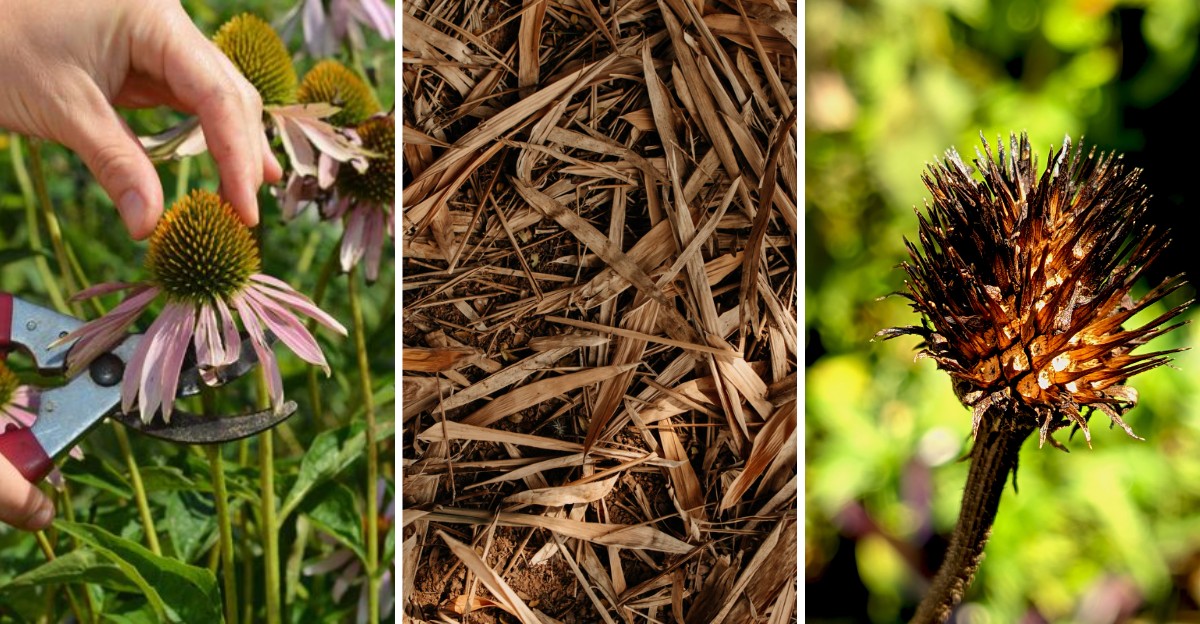
Grab pruners, a rake, and a bag of shredded leaves. Trim only the floppy, broken, or spotted stems. Leave a few sturdy stalks standing so you shelter native bees through winter. Split crowded Virginia clumps with a sharp spade, and you multiply plants for free.
Tuck extra roots into fresh soil beside your fence before the freeze arrives. Water deeply after planting.
Mulch around each crown after a light freeze, keeping it off the stems. Damp mulch against stems invites rot, and you will notice by June.
Skip fertilizer now, because you would coax tender shoots that frost then nips. Your reward can arrive in July as a dense wall of blooms.
1. Stop Fertilizing By Late Summer
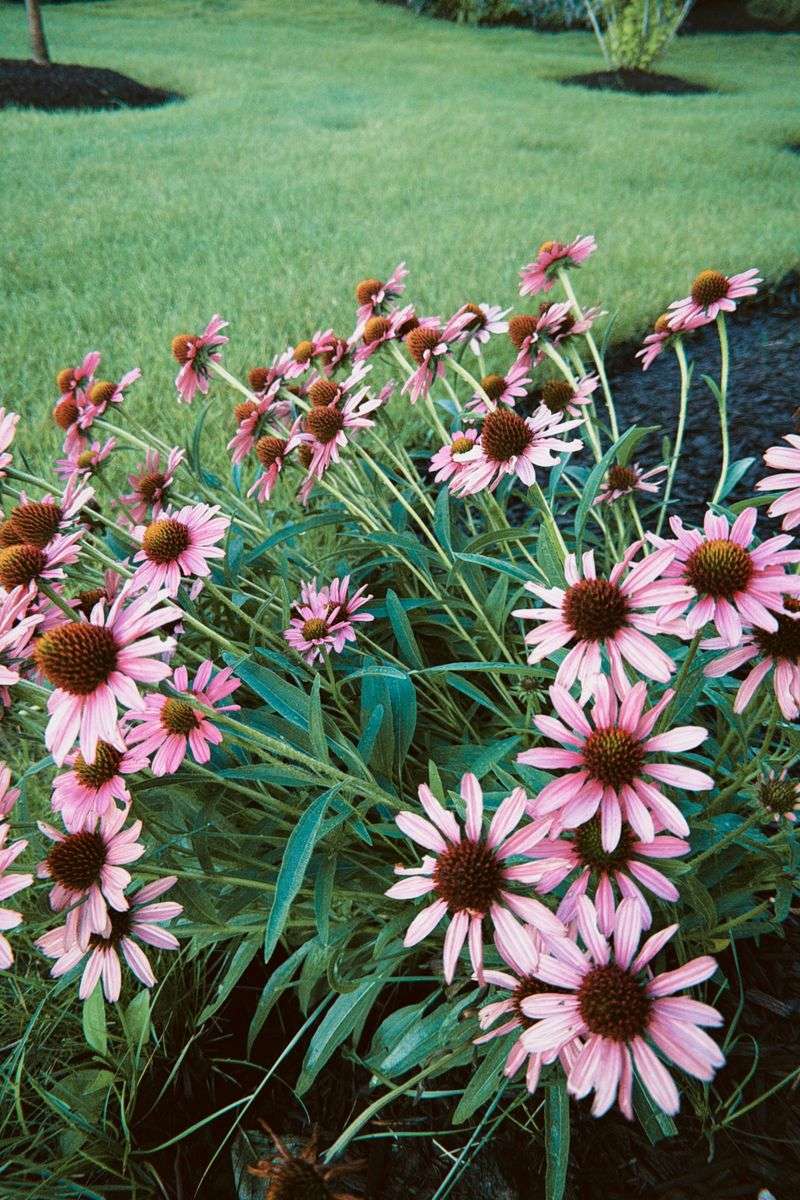
Picture feeding a toddler a candy bar right before bedtime. Giving fertilizer to coneflowers in late summer triggers the same burst of energy at an unhelpful time.
Plant food pushes soft, leafy growth that cannot handle cold nights. When frost arrives, tender shoots turn mushy and leave openings for rot and disease.
A simple rule works well for many gardens. Stop feeding about six to eight weeks before your first expected frost date.
For many places, that means putting the fertilizer away by early or mid August. You can look up your local frost date online in about thirty seconds.
Coneflowers are tough native plants that grew wild without anyone feeding them. Too much nitrogen can make them floppy, with weak stems and fewer flowers.
Instead of chemical boosts, let the plant slow down naturally as days get shorter. Cooler weather tells the roots to store energy for the long winter nap ahead.
Stored energy is a key factor behind bigger blooms when summer rolls around. Roots packed with sugars send up thicker stems and more flower buds next year.
If your soil feels poor, spread a thin layer of compost in early spring instead. Compost feeds slowly and gently, so your plants wake up hungry.
Think of fall as quiet time for your Virginia garden. Less fuss now means a happier, stronger plant later.
Skipping late feedings also saves you money, time, and effort, so your budget benefits. That leaves more cash for new seed packets come spring.
2. Leave The Seed Heads Standing
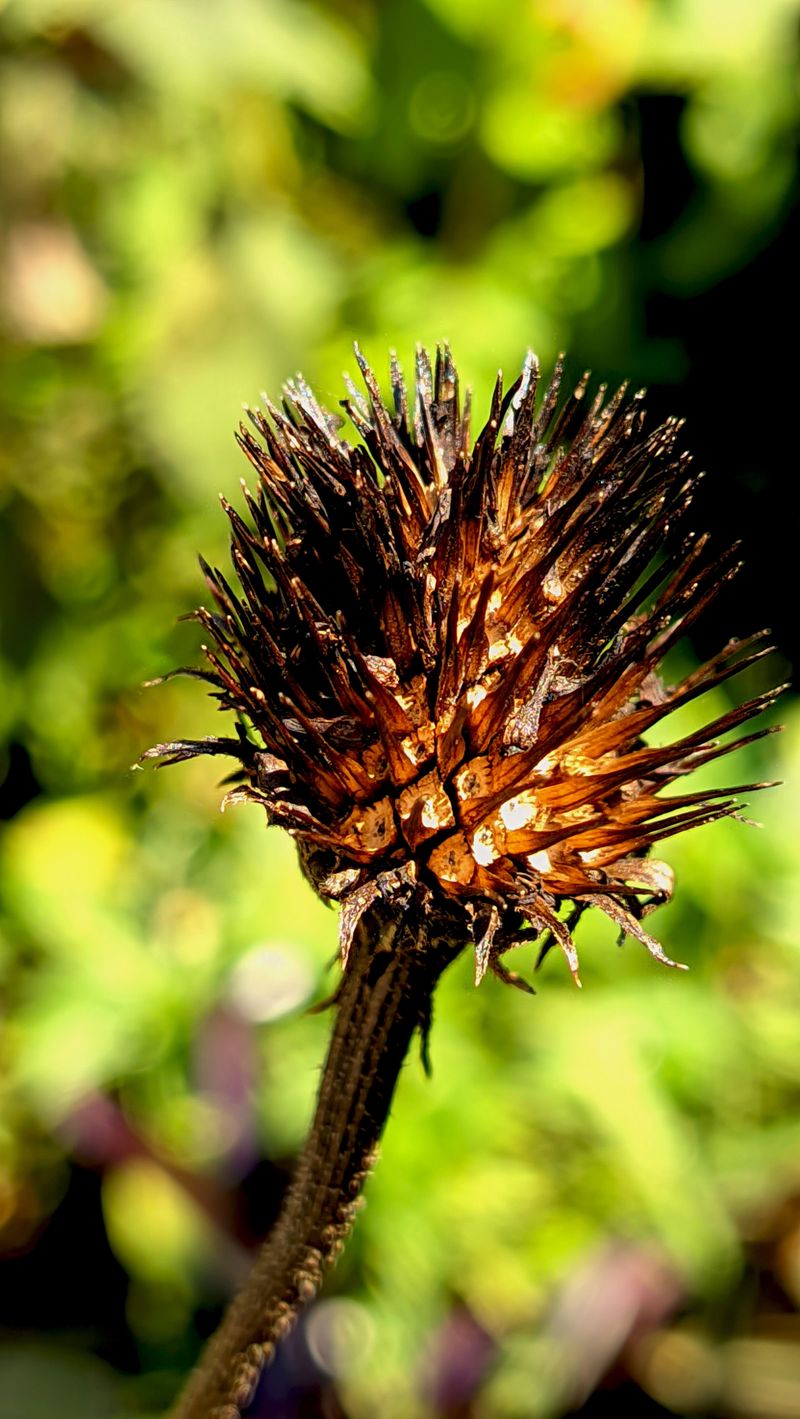
Goldfinches have excellent taste in snacks. Spiky coneflower seed heads are like a free winter buffet, and these little yellow birds know it.
Many gardeners rush to cut everything back in fall. Holding off on that urge helps both your plants and the wildlife visiting your Virginia yard.
Standing stems catch falling leaves and drifting snow around the base. That natural cover acts like a cozy scarf, protecting the crown from hard freezes.
Hollow stems also give shelter to helpful insects, including tiny native bees. Those same insects pollinate your flowers next summer, so you are basically hiring tomorrow’s work crew.
Seeds that drop to the ground may sprout into new plants in spring. A few extra seedlings can fill bare spots or be shared with friends.
If you dislike volunteers popping up everywhere, simply trim some heads and leave the rest. A balance keeps your beds tidy while still feeding birds through the cold months.
Frosted seed heads look beautiful on gray winter mornings. They add texture and shape to a garden that might otherwise seem flat and empty.
Grab a camera after the first snowfall and see for yourself. Those dark cones topped with white look like tiny frosted cupcakes on sticks.
Plan to cut old stalks back once spring stays mild, leaving stubs for bees. Clipping them before new shoots appear prevents accidental damage to fresh green growth.
Your patience gets rewarded twice over. Birds stay well fed, and your plants stay snug until warm weather returns.
3. Water Deeply Before The Ground Freezes
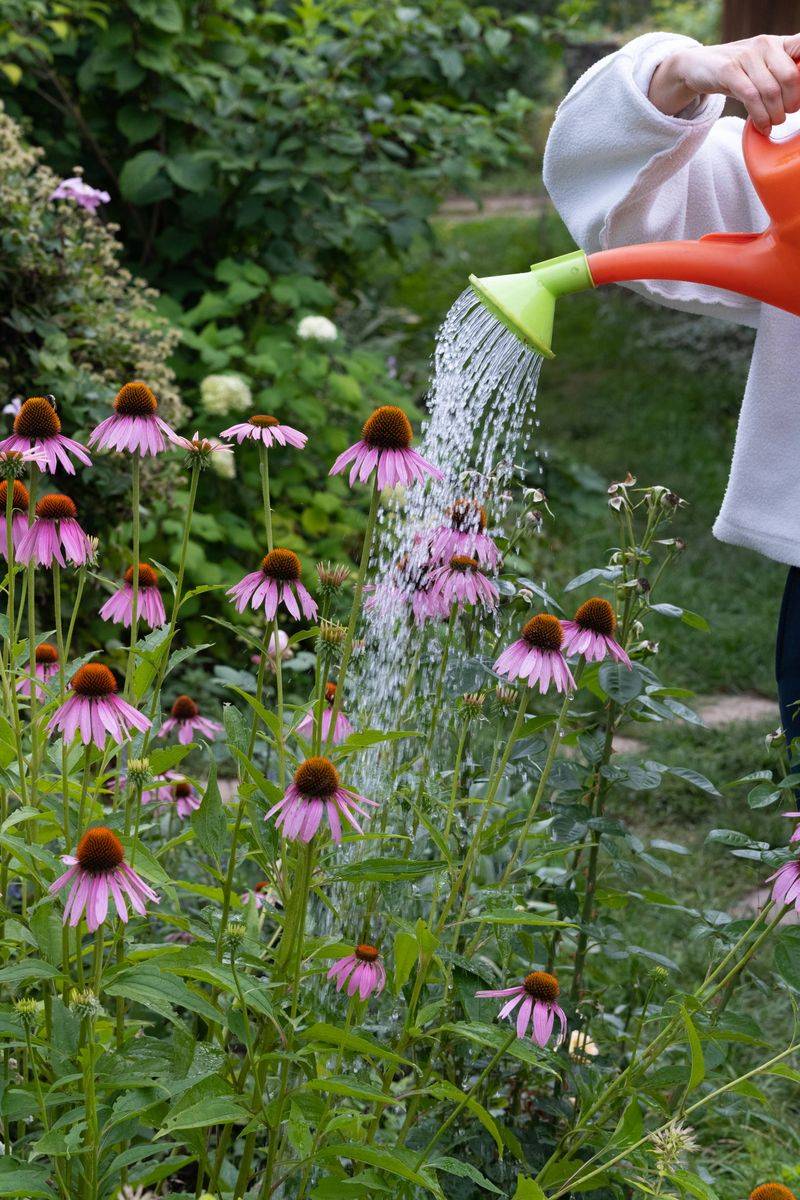
Thirsty roots in January sound odd, yet winter dryness can stress coneflowers too. Dry fall weather can leave soil parched right when plants need moisture most.
Coneflowers handle drought well in summer, but winter dryness is a different story. Cold, dry winds pull water from roots and crowns, which can stress the plant.
A good soaking in autumn builds a hidden water bank underground. Moist soil also holds heat better than dry soil, which keeps roots a bit warmer.
Aim to water deeply about once a week if rain has been scarce. Let a hose trickle slowly at the base for several minutes so water sinks deep.
Shallow sprinkles do very little good here. Water needs to reach six to eight inches down, where the main roots live.
Stick a finger or a wooden spoon into the soil to check. If it feels dry two inches down, your plants could use another drink.
Keep watering until the ground starts to freeze in your area. Once soil turns hard, water cannot soak in and will just run away.
Be careful not to overdo it, especially in heavy clay soil. Soggy ground invites crown rot, which coneflowers tolerate poorly.
Morning watering works best on chilly fall days, giving leaves time to dry. Plants absorb moisture well before temperatures drop overnight.
Picture each deep soak as packing a lunch for a long road trip. Well-fed roots arrive in spring rested, strong, and ready to bloom.
4. Add A Fluffy Blanket Of Mulch
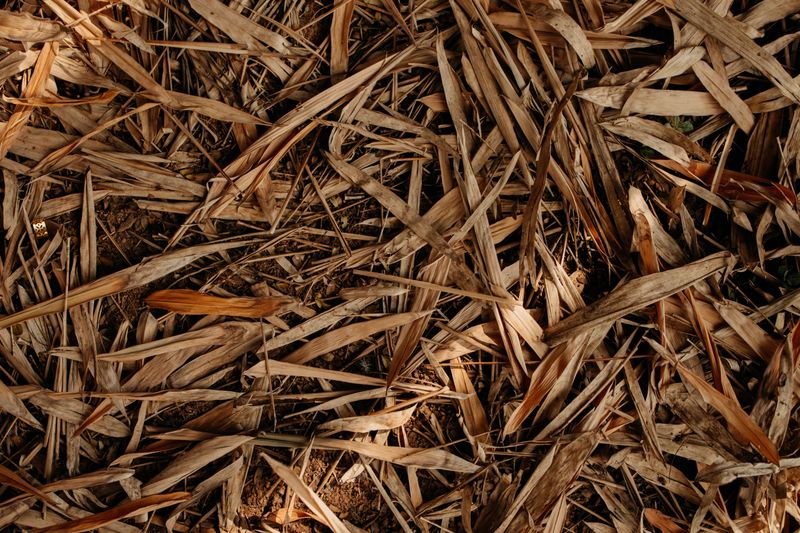
Nobody enjoys sleeping without blankets on a freezing night. Coneflower roots feel the same way when temperatures swing up and down all winter.
The main risk is not steady cold but repeated freezing and thawing. That cycle can push roots right out of the ground, a problem called frost heaving.
A layer of mulch keeps soil temperatures steadier through the season. Shredded leaves, pine needles, or straw all make excellent, low-cost choices.
Wait until the ground has frozen lightly before spreading mulch. Mulching too early can invite mice to build cozy winter homes near your plants.
Spread about two to three inches around each plant. Keep a small gap near the crown so the base can breathe and stay dry.
Piling mulch right against stems traps moisture and encourages rot. Think donut shape, not volcano shape, when you arrange the material.
Fallen leaves from your own yard work wonderfully and cost nothing. Run a mower over them first so they do not mat into a soggy layer.
In spring, pull the mulch back gently as the weather warms. Sunshine can then reach the soil and wake up the sleepy roots faster.
Old mulch can stay in the bed and break down slowly. Over time, it feeds soil life and improves the texture of the ground.
Gardeners in very cold regions often gain from this simple step. Even in milder areas, mulch smooths out those abrupt winter temperature swings. Tuck them in now, and your coneflowers will wake up refreshed. No alarm clock required.
5. Cut Back Only What Looks Messy
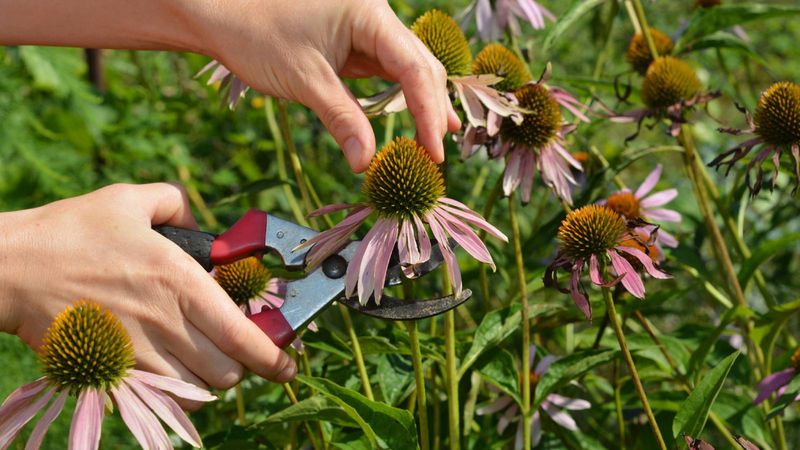
Garden shears can be tempting tools in October. A little restraint, though, goes a long way with coneflowers heading into cold weather.
Trim away stems that have flopped over, broken, or turned black and soft. Those messy parts can harbor fungus and pests that would love to overwinter there.
Healthy, upright stems can stay put for birds and winter protection. The goal is tidying, not cutting the whole bed back to bare soil.
Use clean, sharp pruners for every cut you make. Wipe the blades with rubbing alcohol between plants to avoid spreading any hidden disease.
Cut stems at a slight angle, a few inches above the soil. Angled cuts help shed water instead of letting it linger on the cut surface.
Spent flowers from late fall can also be clipped if they look moldy. Any brown, crispy blooms that still hold seeds are fine to leave for wildlife.
Toss trimmings showing spots or mildew into the trash, not the compost. Home compost piles often stay too cool to destroy those disease organisms.
Clean, healthy clippings can go straight onto the compost heap. They break down into rich food for your garden beds next year.
Light trimming also helps you spot problems early. You might notice crowded clumps, weeds, or chewed leaves that need attention before winter.
Think of it as giving your plants a quick haircut, not a buzz cut. They will thank you with fresh, sturdy growth when spring sunshine returns.
6. Divide Crowded Clumps In Early Fall
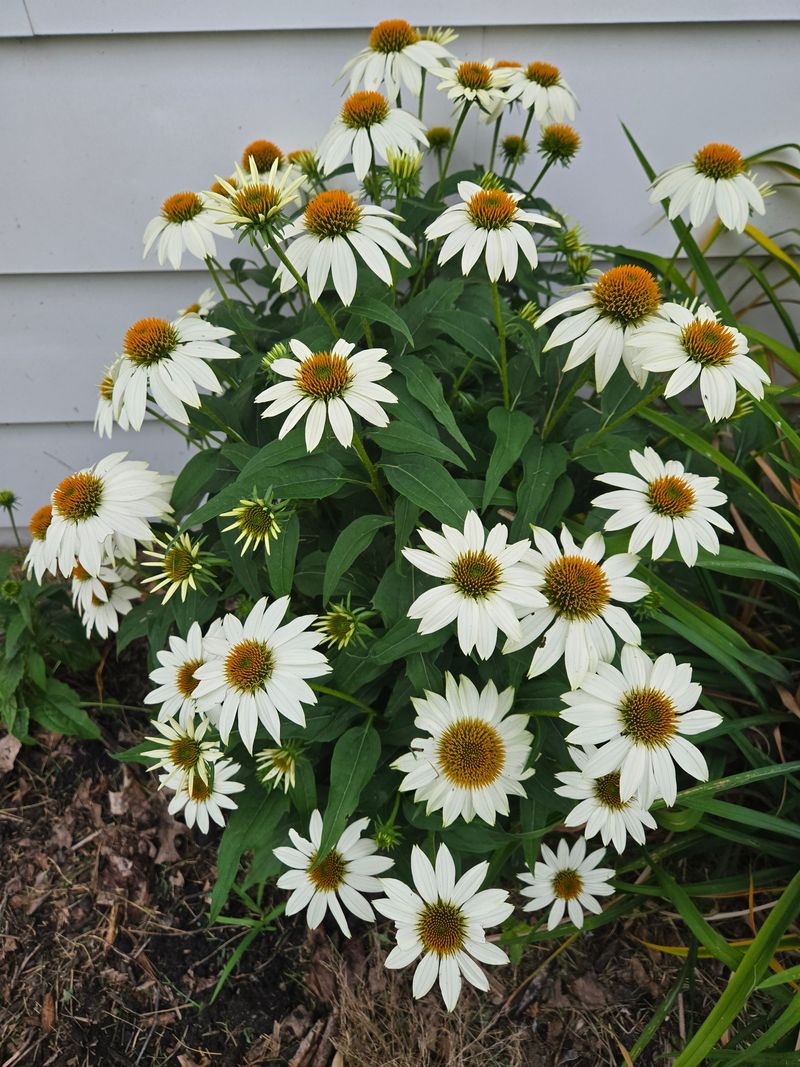
After three or four years, coneflowers can start acting like teenagers crammed into one small bedroom. Crowded clumps compete for water, food, and space, and flowers start shrinking.
Dividing them gives each plant room to stretch out. Early fall works well because the soil is still warm enough for roots to settle in.
Plan to divide about four to six weeks before your first hard frost. That window lets new divisions grow fresh roots before winter arrives.
Water the clump well the day before you dig. Moist soil holds together better and makes lifting the roots much easier.
Use a sharp spade to dig around the outside edge of the clump. Lift the whole thing gently, shaking off loose soil so you can see the crowns.
Split the mass into sections, each with several healthy shoots and plenty of roots. A garden knife or two forks pushed back to back work nicely for this.
Discard any woody, tired center that looks weak or hollow. The outer pieces are younger and usually bloom with the most energy.
Replant divisions at the same depth they grew before. Water them deeply and add a light layer of mulch once the ground cools.
Extra plants make wonderful gifts for neighbors or school gardens. You might even start a small coneflower swap with friends down the street.
Some kinds of coneflowers dislike being disturbed and reseed easily instead. If yours look healthy and blooming well, feel free to skip this chore.
7. Clean Up Diseased Leaves And Weeds
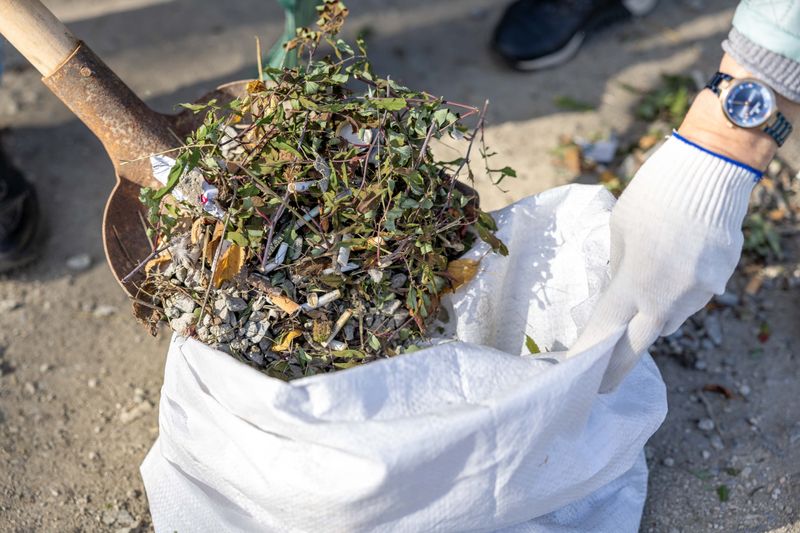
Powdery mildew loves to spend the winter in messy garden beds. Fungal spores hide on fallen leaves, waiting to reappear when humid spring weather arrives.
Coneflowers sometimes develop gray, dusty patches or dark spots on their foliage by late summer. Leaving that infected material on the ground sets up a repeat performance next year.
Grab gloves and a bucket for a quick cleanup session. Pick up spotted, yellow, or fuzzy leaves from around the base of each plant.
Weeds deserve attention too, since many shelter pests through winter. Pulling them may mean fewer aphids and beetles chewing on tender spring growth.
Roots come out easiest after a good rain when soil feels soft. Get as much of the root as possible so weeds do not sneak back.
Bag diseased material and put it out with household trash. Burning yard waste may be restricted in your area, so check local rules first.
Airflow matters a lot in preventing mildew. Thin out nearby plants that crowd your coneflowers and block breezes from moving through.
Aster yellows is a rarer problem that twists flowers into distorted green growth. Remove any plant showing that growth, since leafhoppers can carry it to neighbors.
A clean bed also makes spring chores much quicker. You can see new shoots clearly and avoid stepping on them by accident.
Spend thirty minutes now, and you might save hours of frustration later. Healthy foliage next summer means more energy flowing into those big, cheerful blooms.
8. Wake Plants Gently In Early Spring
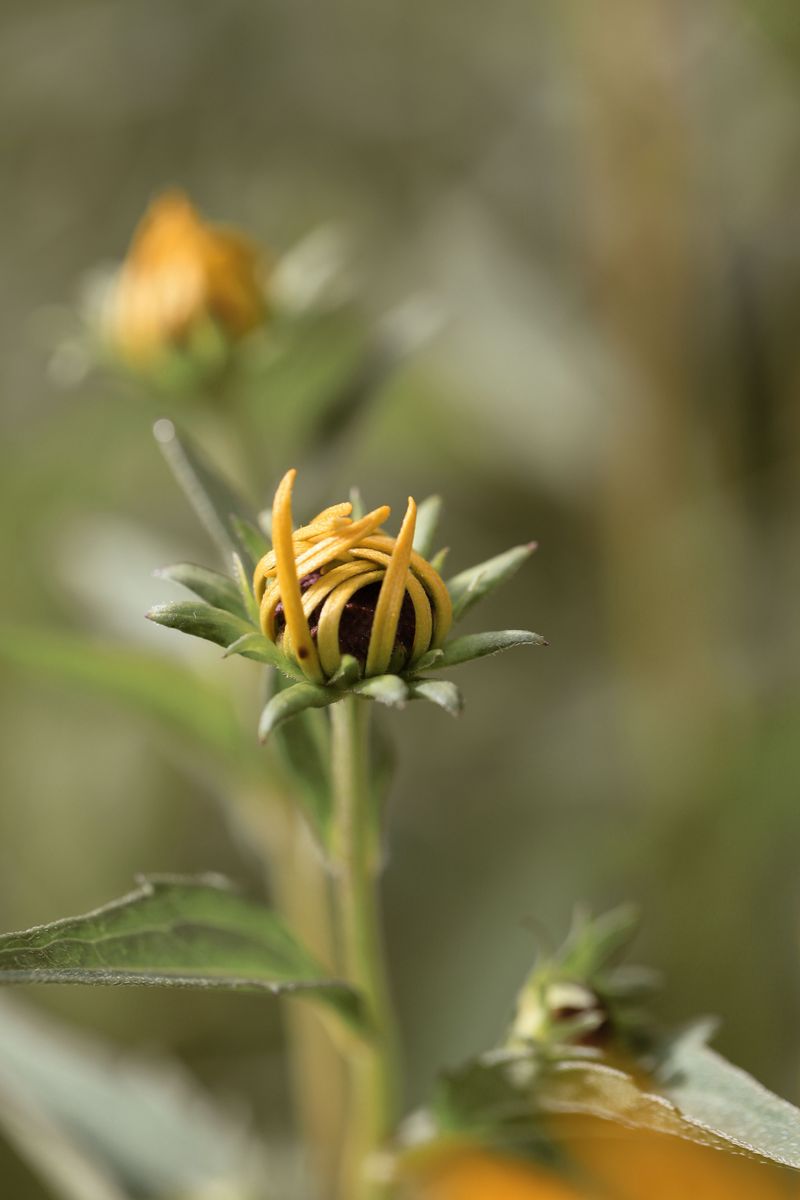
That first warm March afternoon can make any gardener a little giddy. Before you start working in flower beds, give your Virginia coneflowers a slow, gentle wake-up call.
Late frosts can still sneak in after a few sunny days. Pull mulch back gradually over a week or two rather than all at once.
Look for tiny green rosettes pushing up near the old stems. Once you spot them, cut last year’s stalks back to about a foot.
Work carefully so your pruners do not nick the fresh shoots. New growth is soft and bruises easily, kind of like a ripe peach.
Spread an inch of compost around each plant once the soil thaws. Compost releases food slowly and gives roots a steady, healthy breakfast.
Check for frost heaving and press any lifted crowns back into the soil. Exposed roots dry out fast, so cover them with a little fresh soil.
Water only if spring rains are skimpy and the soil feels dry. Coneflowers prefer slightly dry feet, so too much water can cause trouble early on.
Pinching a few stem tips in late spring can encourage bushier plants. More branches mean more buds, though flowers may be smaller and later.
Keep a notebook of what you did and how the plants responded. Notes help you fine-tune your routine and grow even better blooms next season.
Fall prep and spring care work together like two halves of a sandwich. Do both well, and your Virginia garden can stay colorful through the whole summer.