8 Things To Add To California Raised Beds Before Planting Fall Crops
A raised bed that turned out buckets of tomatoes, zucchini, and peppers all summer often looks pale and sunken by the end of September.
That tired look is normal, since hungry summer crops pull a lot of food out of the soil over a long season.
Before lettuce, kale, garlic, or broccoli go in, the bed needs a little attention to get back into shape.
The right additions depend on what the soil actually lacks, and piling on everything at once can create new problems instead of solving old ones.
Here’s what’s worth adding to a California raised bed before fall planting, and how each one helps the coming cool-season harvest.
1. Fresh Compost Replenishes Depleted Nutrients
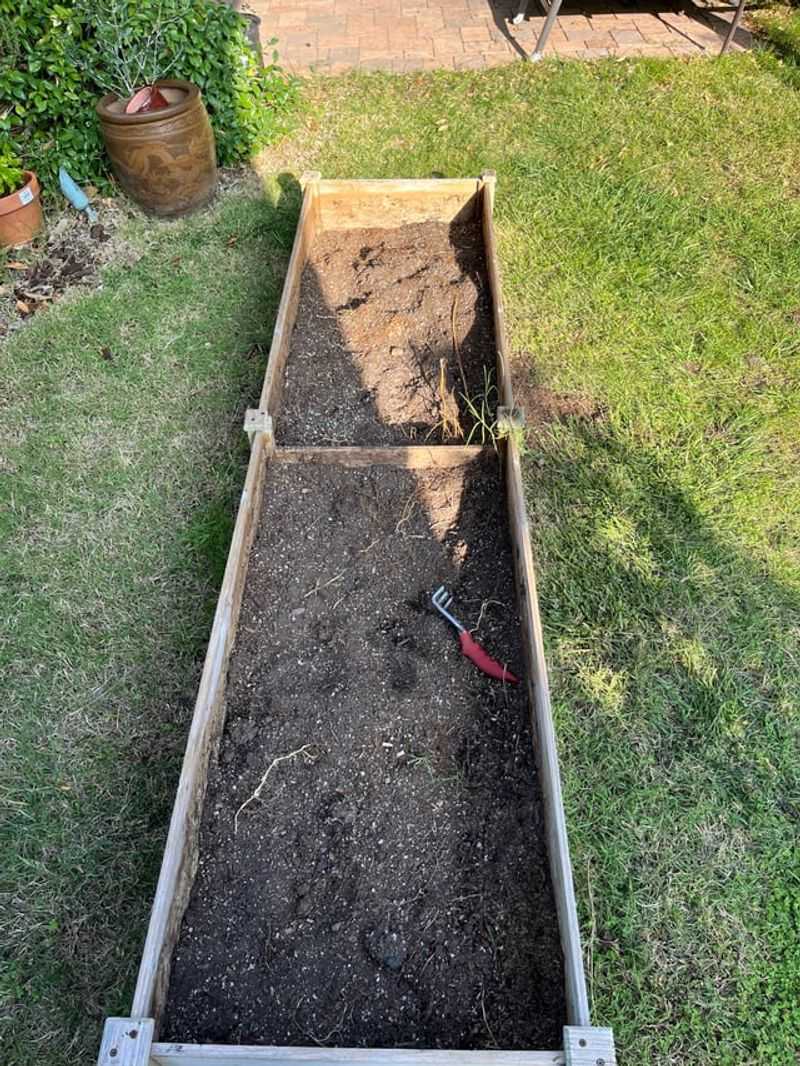
After a busy summer of feeding tomatoes, squash, and beans, a raised bed is a bit like a pantry after a big holiday dinner. The shelves are nearly bare, and something needs to restock them before the next round of meals.
Compost handles that job better than almost anything else. It adds organic matter, which breaks down over time and slowly releases small amounts of nitrogen, phosphorus, potassium, and trace minerals.
UC Master Gardener programs often suggest working about one to three inches of finished compost into the top several inches of soil before a new season. That layer feeds plants gently and helps the soil hold both water and air.
Many beds also sink a bit by fall. That happens because organic matter breaks down and disappears as plants and soil life use it, and fresh compost tops the level back up.
Good compost looks dark, smells earthy, and crumbles easily in the hand. Material that still smells sour or holds big chunks of food scraps needs more time, since unfinished compost can actually tie up nitrogen while it keeps breaking down.
Homemade compost works well, and so does bagged compost from a garden center. Many California cities also offer free or low-cost compost through green waste programs, so a quick look at the local city website can save money.
Spread it evenly and mix it in gently with a garden fork. The bed should feel soft and loose again, ready for fall seedlings.
2. A Soil Test Reveals What Is Actually Missing
Plenty of gardeners pour in every amendment they can find each fall, hoping more will mean better crops. That approach sometimes backfires, since soil can end up with too much of one thing and not enough of another.
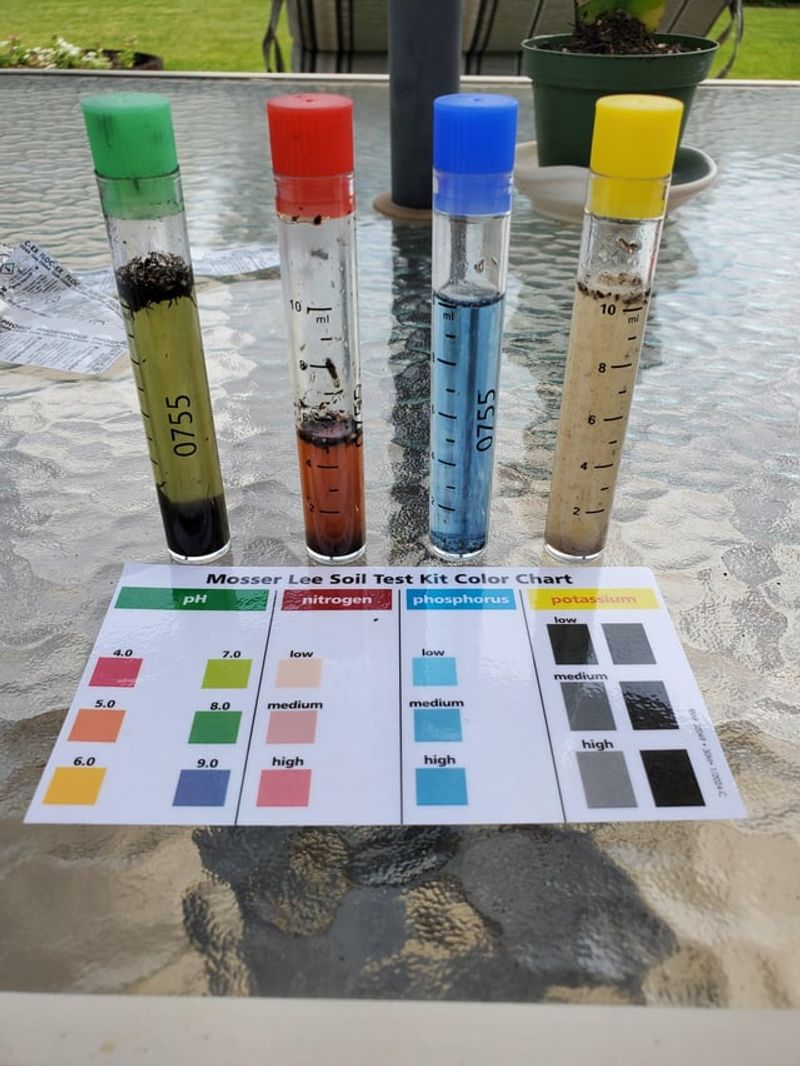
A soil test shows what a bed really has and what it lacks. It can reveal pH, which affects how well plants absorb food, along with levels of key nutrients like phosphorus and potassium.
UC ANR experts point out that too much of a good thing can cause trouble. Salt buildup and extra phosphorus that plants can’t use are both common in beds that get heavy amendments year after year.
Raised beds that receive compost and manure every season often already hold plenty of phosphorus, so adding more just wastes money. A test also helps narrow down the cause when leaves turned yellow or plants grew poorly over the summer.
Your California Garden Changes Every Week. Your Plan Should Too.
Gardening in California changes quickly throughout the season. Every Friday you’ll receive a simple weekly plan showing exactly what to plant, prune, fertilize, harvest, and protect so you never miss the right timing.
Home test kits from a garden store give a quick, rough picture. For more detailed results, a sample can go to a soil testing lab, and local UC Master Gardener offices can usually recommend one.
Collecting a good sample is simple. Scoop soil from several spots in the bed, about four to six inches deep, mix it in a clean bucket, and send in a small amount.
Once results arrive, they work like a shopping list for the rest of fall prep. The bed might need compost and mulch but no extra fertilizer, which keeps soil balanced and saves money.
3. Aged Manure Adds Slow Release Fertility
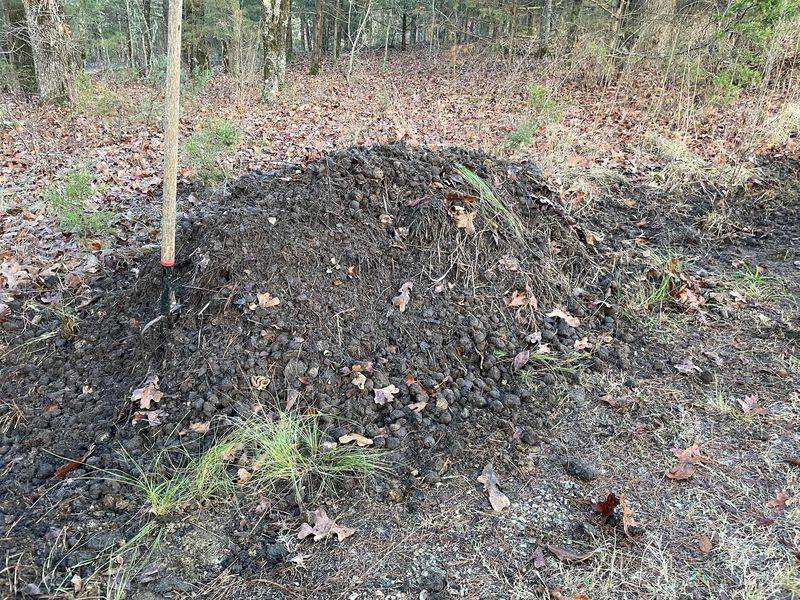
Farmers relied on manure for thousands of years before anyone sold fertilizer in a bag. Ancient Roman writers even discussed which animal manures worked best for different crops.
Aged manure releases nutrients slowly as soil microbes break it down. Instead of one big burst of food, fall crops get a steady supply over weeks and months, a pace that suits cool-season plants growing through shorter days.
The key word is aged. Fresh manure can burn tender roots because it’s high in ammonia and salts, and it may carry harmful bacteria like E. coli.
UC ANR food safety guidance recommends using only well-composted or aged manure in vegetable gardens. It also suggests leaving time between application and harvest, especially for leafy greens and root crops eaten raw.
Well-aged manure looks dark and crumbly and has very little smell. Steer, horse, chicken, and rabbit manure are all common choices, though chicken manure is much stronger and calls for a lighter hand.
California gardeners should watch for one extra issue. Some steer manure carries a fair amount of salt, which matters in areas where irrigation water already runs a little salty.
A thin layer of about an inch, mixed into the top of the bed, usually works better than a thick pile. Beds with high salts or plenty of nutrients on a soil test may do better with compost alone this season.
4. Perlite Improves Drainage In Compacted Mix
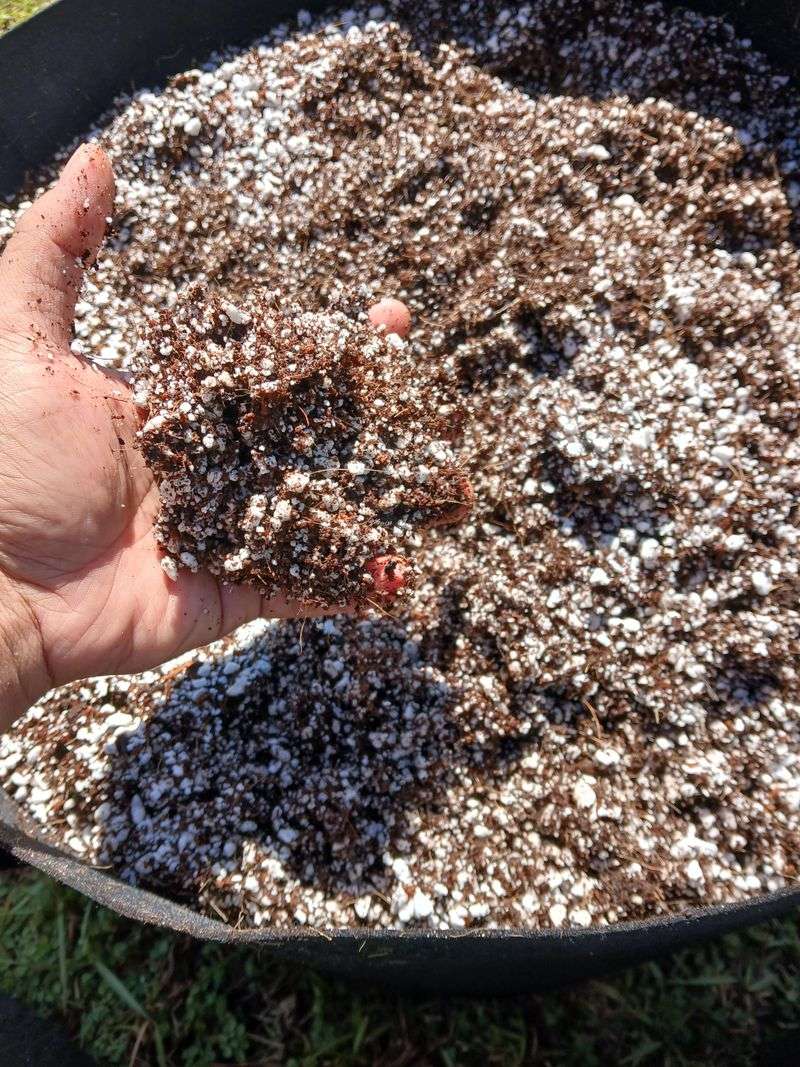
A sponge that’s already full of water can’t soak up another drop. Compacted soil behaves in a similar way, and roots struggle to get the air they need inside it.
After months of watering, harvesting, and leaning over the bed, soil particles press closer together. Fine bits of broken-down organic matter fill in the spaces between them, creating a dense mix that drains slowly and stays soggy once fall rains arrive.
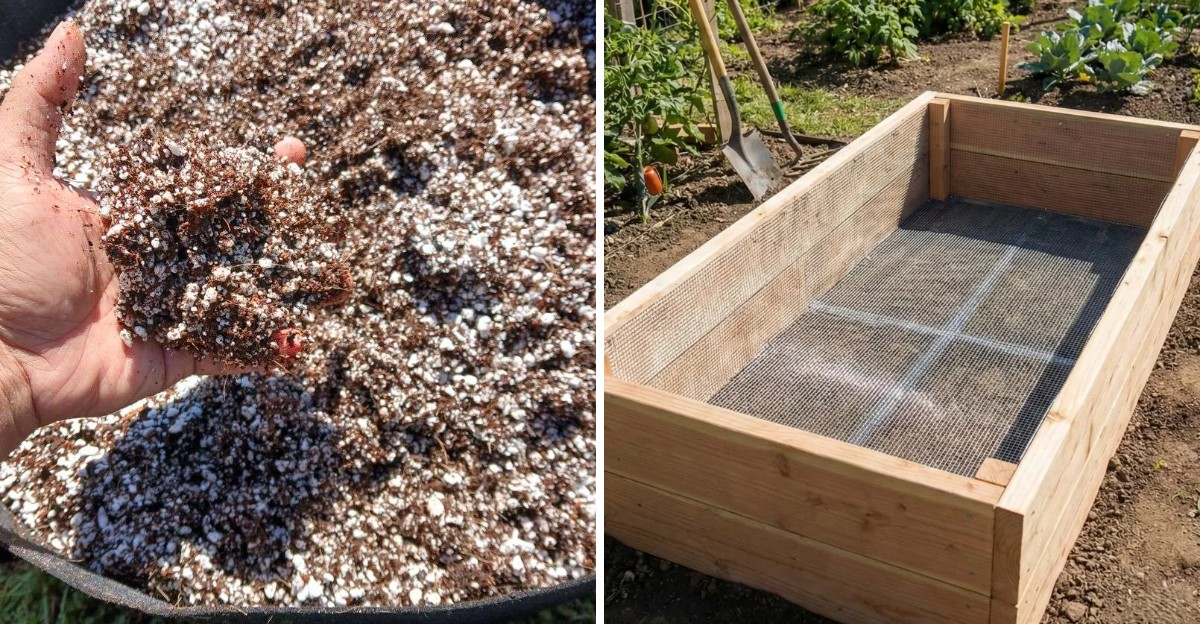
Perlite helps open things back up. Those small white pebbles are actually volcanic glass heated until it pops, a little like popcorn, and the result is light and full of tiny air pockets.
Mixed into soil, perlite creates space for water to drain and air to reach roots. That extra breathing room matters in winter, when cool, wet soil can lead to root rot.
Not every raised bed needs it, though. A quick check after watering tells a lot, since water that puddles on top or soil that feels like clay points to a drainage problem.
A few inches of perlite worked into the top layer can help, especially in smaller beds. In larger beds, compost often improves structure just as well for less money, and UC ANR resources generally lean on organic matter as the main fix.
A dust mask is a good idea when pouring perlite, since the fine particles can irritate the lungs. Staying off the bed afterward keeps all that new airspace in place.
5. Worm Castings Boost Microbial Activity
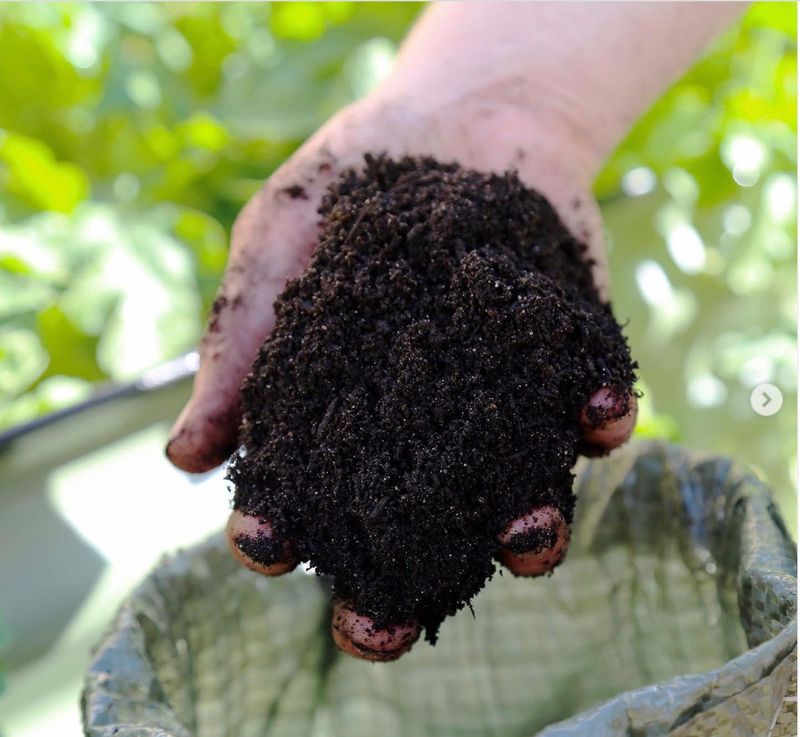
Red wiggler worms are some of the hardest-working farmers in any backyard. They munch through kitchen scraps and leave behind dark, crumbly droppings called worm castings, or vermicompost, which gardeners sometimes call black gold.
Worm castings are packed with helpful microbes like bacteria and fungi. Those tiny helpers break down organic matter, release nutrients, and support roots as they take up food.
A thriving community of soil life can also help keep some plant problems in check by crowding out harmful organisms. That benefit makes castings especially appealing for beds that have been worked hard all summer.
Castings are gentle compared with many fertilizers. They’re mild in nutrients and rarely burn roots, which makes them a good match for delicate seedlings like lettuce, spinach, and carrots.
Researchers have studied vermicompost for years, and results vary depending on how it was made and how much gets used. A little usually goes a long way, with many gardeners sprinkling about half an inch over the bed or adding a small handful to each planting hole.
Castings can also soak in water to make a simple tea for young plants. That mild drink gives seedlings a gentle boost without much risk of overdoing it.
A worm bin makes an easy project under a shady patio, and California’s mild weather keeps worms comfortable most of the year. Feeding them fruit and vegetable scraps and keeping the bedding damp produces fresh castings every few months.
6. A Balanced Organic Fertilizer Rounds Things Out
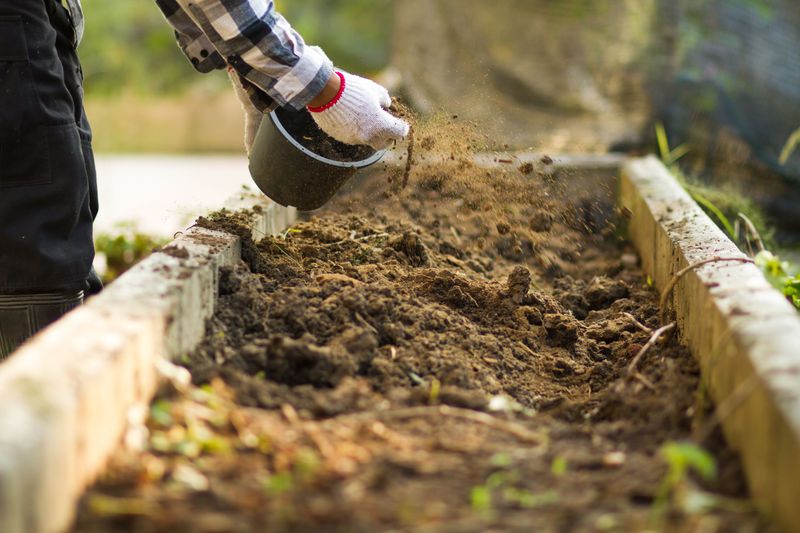
Compost, manure, and worm castings work like the main course for a raised bed. A balanced organic fertilizer plays more of a supporting role, filling in small gaps the other additions might leave behind.
Balanced means the product contains a mix of the three main nutrients. Nitrogen supports leafy growth, phosphorus helps roots, and potassium builds overall plant strength, with the amounts listed as three numbers on the bag, such as 4-4-4 or 5-5-5.
Organic types come from ingredients like feather meal, bone meal, kelp, and alfalfa. Because they break down gradually, they feed soil life along the way instead of delivering everything at once.
Fall crops vary in what they need. Leafy greens like kale, chard, and lettuce love nitrogen, while garlic and onions benefit from steady feeding over their long season, so a light dose at planting gives everything a good start.
A soil test pays off again at this stage. Beds that show high phosphorus, which is common after years of compost and manure, do better with a fertilizer that has a lower middle number.
UC ANR guidance warns that nutrients beyond what plants can use may wash into waterways and harm streams and lakes. Following label directions closely matters, since organic fertilizers vary quite a bit in strength.
Scratch the granules into the top inch or two of soil and water well afterward. Many gardeners add a small side dressing a month or so later for heavy feeders like broccoli and cabbage.
7. Fresh Mulch Locks In New Moisture
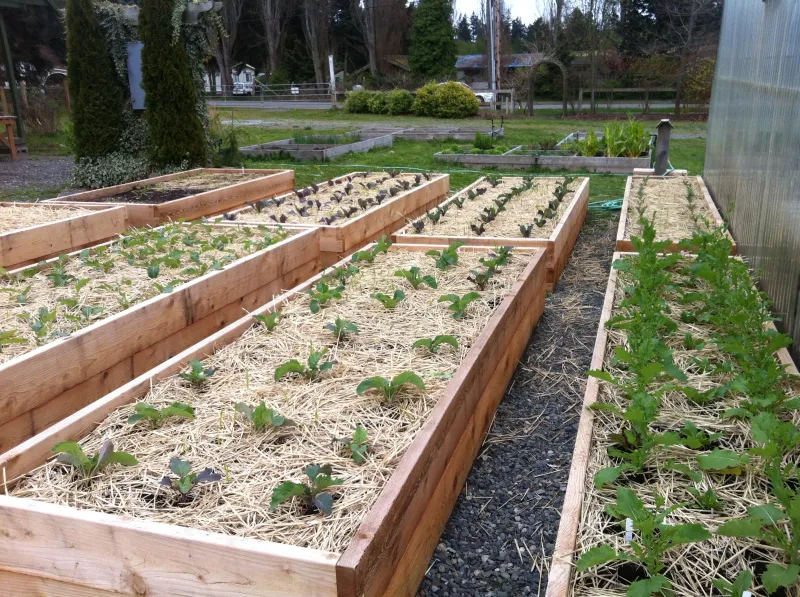
Fall in California can be sneaky. Early autumn often brings hot spells and dry Santa Ana winds in the south, while the first real rain may not arrive until November or later.
Tiny seedlings can dry out fast under those conditions. A layer of mulch works like a blanket for the soil, slowing evaporation so water stays where young roots can reach it.
UC ANR experts often recommend mulch as one of the easiest ways to save water in home gardens. Two to three inches of straw, shredded leaves, or fine wood chips usually does the job in a raised bed.
The benefits keep adding up. Mulch helps block weed seeds from sprouting, keeps soil temperature more even, and stops heavy rain from crusting the surface once storms do arrive.
Over time, organic mulch breaks down and adds even more organic matter to the bed. Straw and shredded leaves work especially well for vegetables, since they break down quickly, though straw is a better pick than hay, which often carries weed seeds.
Keep mulch an inch or two away from plant stems to prevent rot and discourage slugs and snails. Plant seeds or transplants first, water them in, and then spread the layer around them.
For seeds, waiting until sprouts reach a few inches tall before mulching closely keeps them from getting buried. With that final layer in place, a refreshed bed is ready for a season of crisp greens, sweet carrots, and garlic.
8. Gopher Wire Protects Roots From Below
A row of young broccoli can look perfect one evening and wilt the next morning, with no clue on the surface about what went wrong.
In much of California, the answer often lies underground, where pocket gophers tunnel up from below and pull whole plants down into their burrows.
Raised beds offer some protection by lifting plants above the native soil, but they don’t stop a determined gopher on their own. Without a barrier at the bottom, gophers simply dig up through the open base and help themselves to the roots.
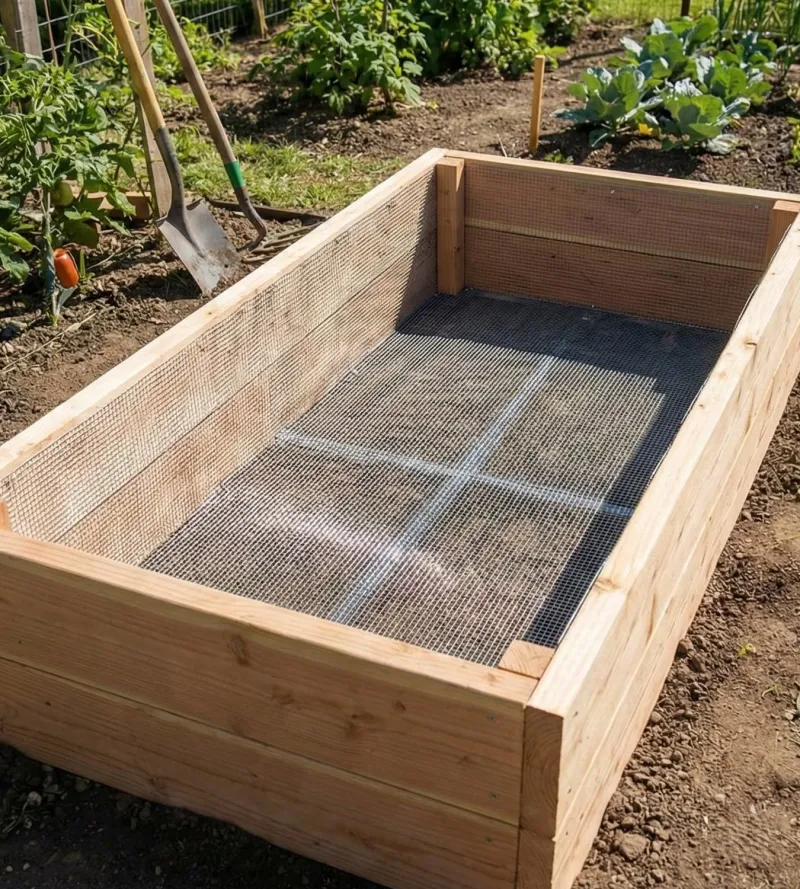
The UC Statewide IPM Program recommends wire mesh barriers as one of the most reliable ways to protect raised beds from gophers. Galvanized hardware cloth with half-inch openings works well, since it’s sturdy enough to block digging but still lets water drain freely.
Fall makes a smart time to check this layer, especially in older beds that are already partly emptied after summer crops. Over the years, wire can rust through, tear at the seams, or pull away from the frame, leaving gaps that gophers find quickly.
Installing new mesh means removing some soil, laying the wire flat across the bottom, and running it a few inches up the inside walls before stapling it to the frame. Overlapping the edges of each piece keeps small openings from forming.
The job takes an afternoon, but it can save an entire season of fall crops. Lettuce, carrots, and garlic all stay much safer once the welcome mat underneath disappears.