Why Ohio Gardeners Plant Tulip And Daffodil Bulbs This October
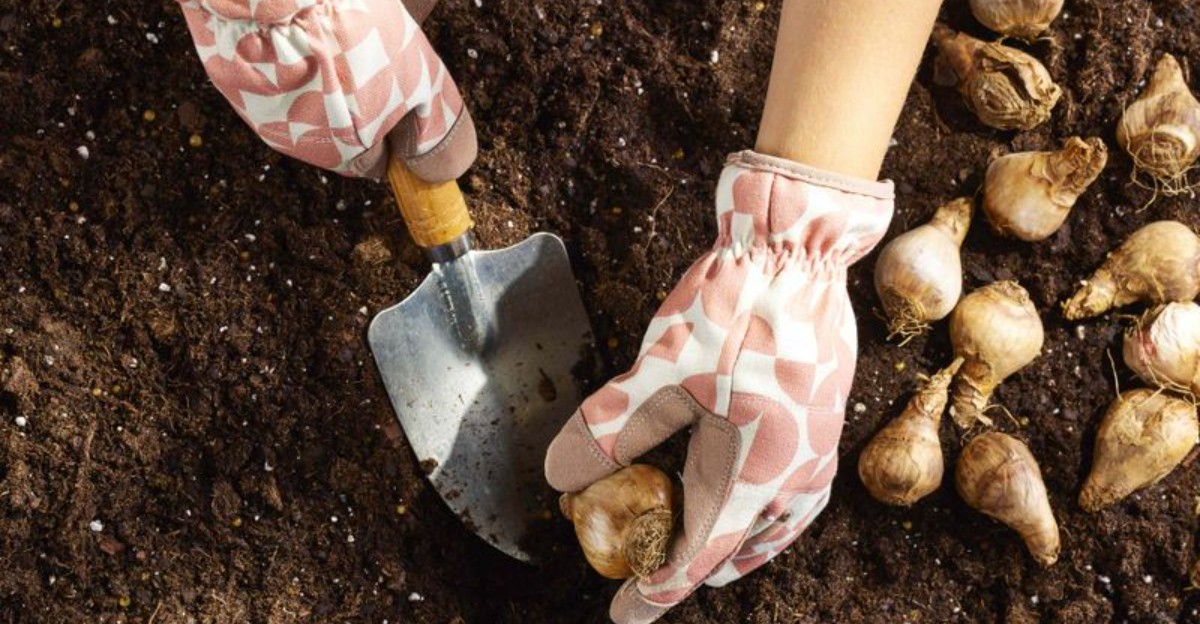
Ohio air turns crisp in early October, and many a porch smells like cinnamon and wet leaves. Most people grab a rake or a sweater, but some gardeners grab a trowel and grin.
They kneel in chilly dirt, digging little holes while neighbors wonder what treasure they are hiding. The answer looks like a small brown onion, papery and plain, with zero obvious garden charm.
Yet those humble lumps hold a secret plan, like a surprise party under the frosty ground. Winter in Ohio can feel long and gray, so planning color ahead makes plenty of sense.
Timing matters more than folks expect, because the soil keeps its own clock and strong opinions. Plant too early or too late, and the show can fizzle like a soggy backyard firework.
Gardeners who get it right earn bragging rights for months, plus admiring looks from passersby. One curious neighbor asked which onions were for soup, and the gardener refused to share the recipe.
Cool Soil Gives Roots A Head Start
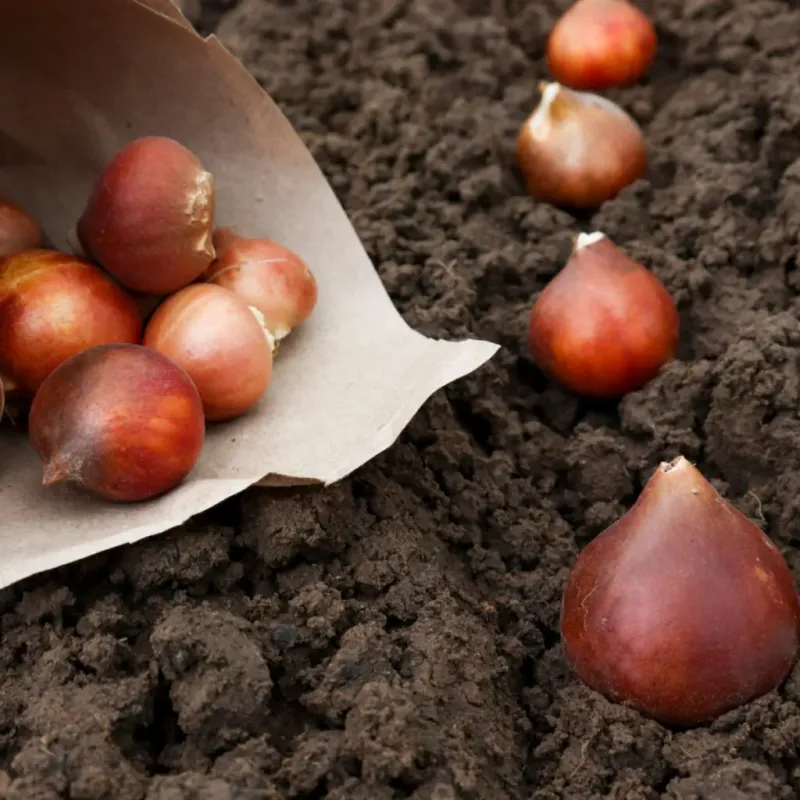
Picture a bulb as a tiny packed lunch, holding much of the food a flower needs for next spring. Before it can use that lunch, the bulb has to grow roots in soil that is cool but not frozen.
Ohio soil often cools into the 50s during October, which roots seem to love. Warm summer ground can trick bulbs into sprouting leaves too soon, and that wastes their stored energy.
Tulips and daffodils also need a long chill before they bloom, often around twelve to sixteen weeks. Gardeners call this the cold period, and Ohio winters hand it over without any extra effort from you.
Think of it like an alarm clock that only rings after the bulb has felt enough chilly nights. Skip the chill, and many tulips send up short stems or floppy leaves with very few flowers.
Fall planting also gives roots several weeks to settle in before the ground hardens in December. Strong roots anchor the bulb, drink up moisture, and help it survive freeze and thaw cycles.
Rain is another quiet helper, since Ohio autumns often bring enough showers to keep the beds moist. That natural watering means less hose dragging for you and more comfortable growing conditions for the bulbs.
So when you plant in October, you are basically letting nature handle the hardest part of the job. Your only real task is to dig, drop, cover, and then wait patiently for the spring reward.
The Sweet Spot On The Ohio Calendar
Ask an experienced Ohio gardener about bulb timing, and you might hear a simple rule about first frost. Many gardeners plant about six weeks before the ground freezes hard, which usually means October into early November.
Northern Ohio, near Cleveland and Toledo, cools down faster, so early to mid October works well there. Southern spots like Cincinnati stay milder longer, giving gardeners room to plant well into early November.
Columbus and central towns sit in the middle, so mid to late October is usually a safe bet. A quick check of a soil thermometer helps, and you want readings below 60 degrees at planting depth.
Your Ohio Garden Changes Every Week. Your Plan Should Too.
Gardening in Ohio changes quickly throughout the season. Every Friday you’ll receive a simple weekly plan showing exactly what to plant, prune, fertilize, harvest, and protect so you never miss the right timing.
If you lack a thermometer, try a fun trick and watch the maple trees in your neighborhood. Once their leaves blaze red and orange and start dropping, the soil is usually cool enough for planting.
Garden centers often stock their best bulbs in September, so shopping early gives you the widest choice. Store them in a paper bag somewhere cool and dry until the calendar and the soil agree.
Keep bulbs away from apples in the fridge, because ripening fruit gives off a gas that harms flowers. That odd fact surprises plenty of beginners, so store the bulbs far from any fruit.
Pick a dry, mild afternoon for the work, since soggy clay sticks to everything and slows you down. A warm mug of cocoa makes October planting feel like a treat instead of a chore.
Shallow Planting Is A Common Misstep
Plenty of first-time gardeners tuck bulbs in like they are hiding Easter eggs, barely under the surface. Shallow holes feel faster and easier, but they set the stage for weak stems and unhappy flowers.
A handy rule of thumb is to plant each bulb about three times as deep as it is tall. For most tulips and daffodils, that means digging roughly six to eight inches down into the soil.
Deeper planting protects bulbs from wild temperature swings, which Ohio often sees in late winter. One sunny February week can warm the top inches, then a sudden freeze can heave shallow bulbs upward.
Another frequent slip involves planting bulbs upside down, especially when the pointy end is hard to spot. Look for the flat base where the roots grow, since that side belongs facing down.
Spacing trips people up too, and crowding bulbs shoulder to shoulder can invite rot and smaller blooms. Leave about four to six inches between tulips, and plan on roughly the same spacing for daffodils.
Heavy clay soil, which covers much of Ohio, holds water like a sponge after autumn rains. Bulbs sitting in soggy pockets often turn mushy, so mixing in compost before planting makes a real difference.
Mistakes like these are easy to make, and even seasoned growers admit to a few goofy plantings. Taking an extra minute per hole pays off later with sturdy stems that stand tall through April storms.
Smart Fixes For Hungry Squirrels
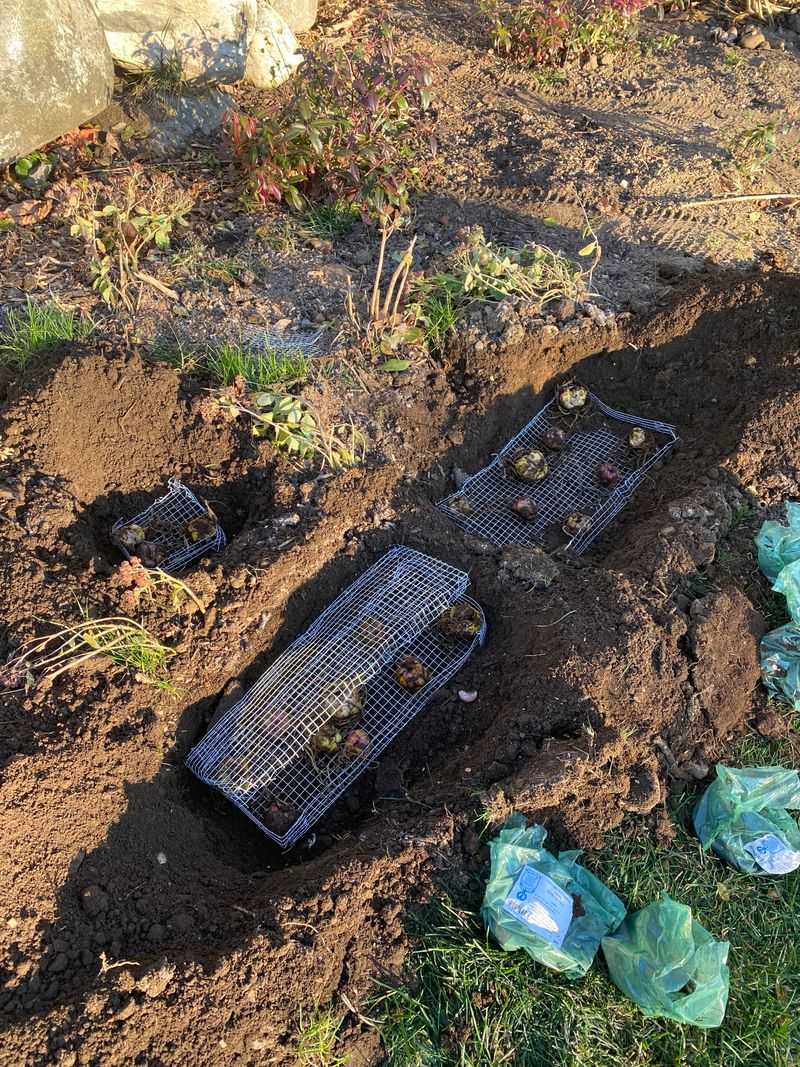
Squirrels in Ohio treat freshly dug soil like an open invitation to a free autumn buffet. You plant twenty tulips on Saturday, and by Monday you find empty holes and scattered papery skins everywhere.
Daffodils offer a clever way around this problem, because their bulbs have a bitter taste that critters dislike. Squirrels, chipmunks, and even deer mostly leave them alone, which explains why many gardeners plant both together.
Tulips, on the other hand, are a tasty snack, so they need a little extra protection. Laying chicken wire flat over the planted bed, then covering it with mulch, blocks most digging paws.
The shoots can grow right through the wire openings in spring, so you can leave it in place. Some gardeners sprinkle crushed red pepper flakes on top, which squirrels may find unpleasant, though results vary.
Cleaning up after planting matters more than you might think, since loose bulb skins attract curious noses. Rake away any papery scraps and smooth the soil, so the spot looks undisturbed and boring.
Planting at the full recommended depth also helps, since deeper bulbs are harder for critters to find. Another sneaky idea is tucking tulips inside a ring of daffodils, creating a bitter barrier around them.
Fun fact for curious readers: squirrels bury thousands of nuts each fall and forget where many of them went. So when they dig up your bulbs, they might honestly believe they are just collecting their own lost snacks.
A Spring Payoff Worth The Wait
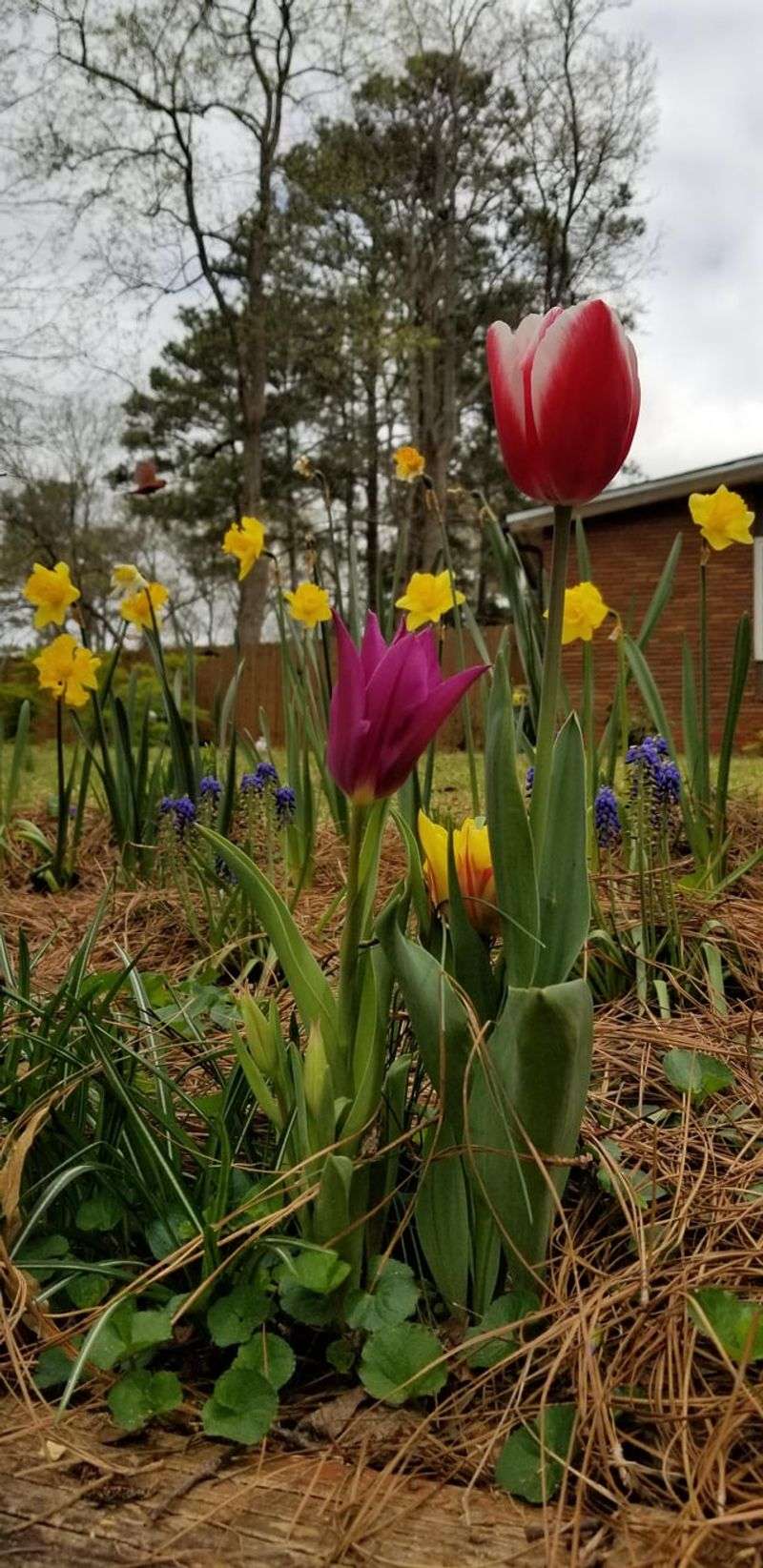
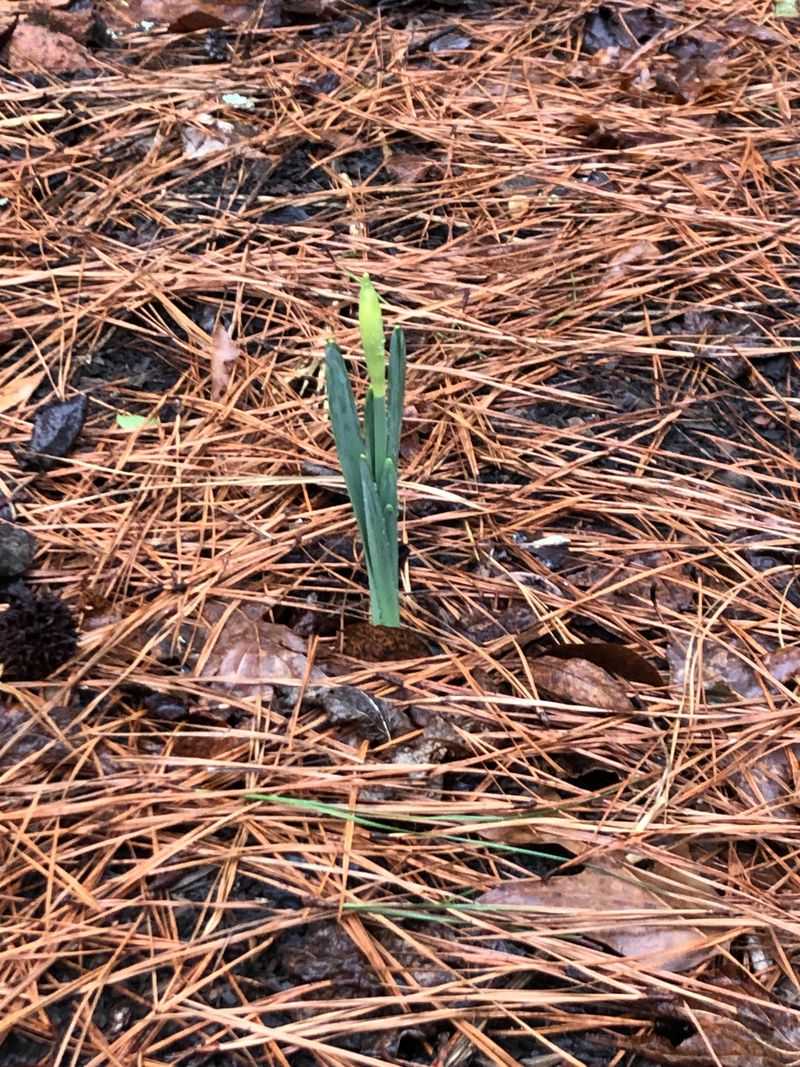
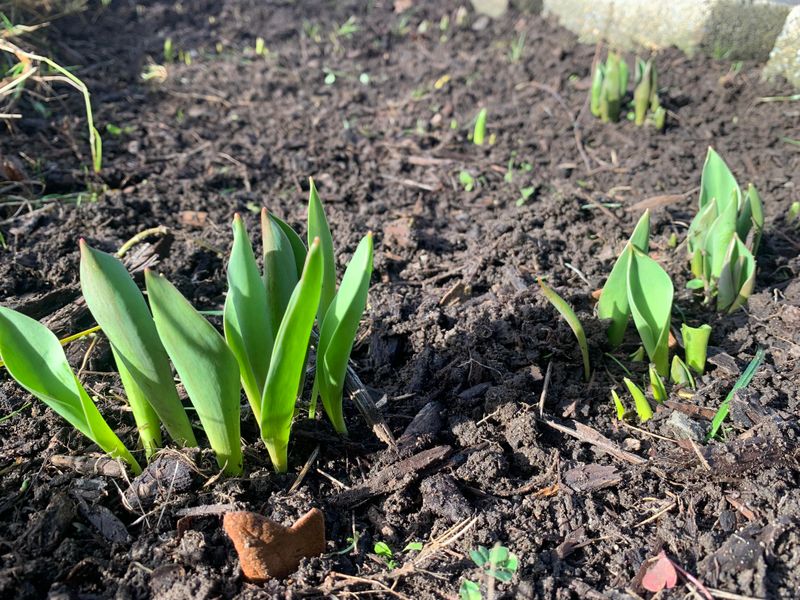
Remember the thrill of spotting the first green tips poking through leftover snow after a long gray winter? That magic moment is the reward for a few chilly hours spent kneeling in the October garden.
Daffodils usually arrive first in Ohio, often opening their bright yellow trumpets in late March or April. Tulips follow close behind, painting beds with reds, pinks, purples, and even striped petals by early May.
Those early flowers do more than look pretty, since tulips can offer some pollen to bees on mild spring days. Pair them with crocuses or snowdrops, and your garden becomes a welcome snack stop for buzzing neighbors.
Many families turn bulb planting into a yearly tradition, with kids dropping bulbs into holes and giggling. Months later, those same kids race outside to count blooms and pick a few for the kitchen table.
Daffodils are especially generous, because they multiply underground and often return in bigger clumps over the years. A dozen bulbs planted today can grow into a golden patch that keeps expanding each spring.
Tulips tend to fade after a few seasons, though some types, like Darwin hybrids, come back more reliably. Many gardeners simply add fresh tulips each fall, treating them like a cheerful seasonal decoration for the yard.
There is something hopeful about planting a promise in cold dirt and trusting it to keep its word. When spring finally shows up, your yard will greet you with color long before the lawn turns green.
Mulch Plus Drainage For Years Of Color
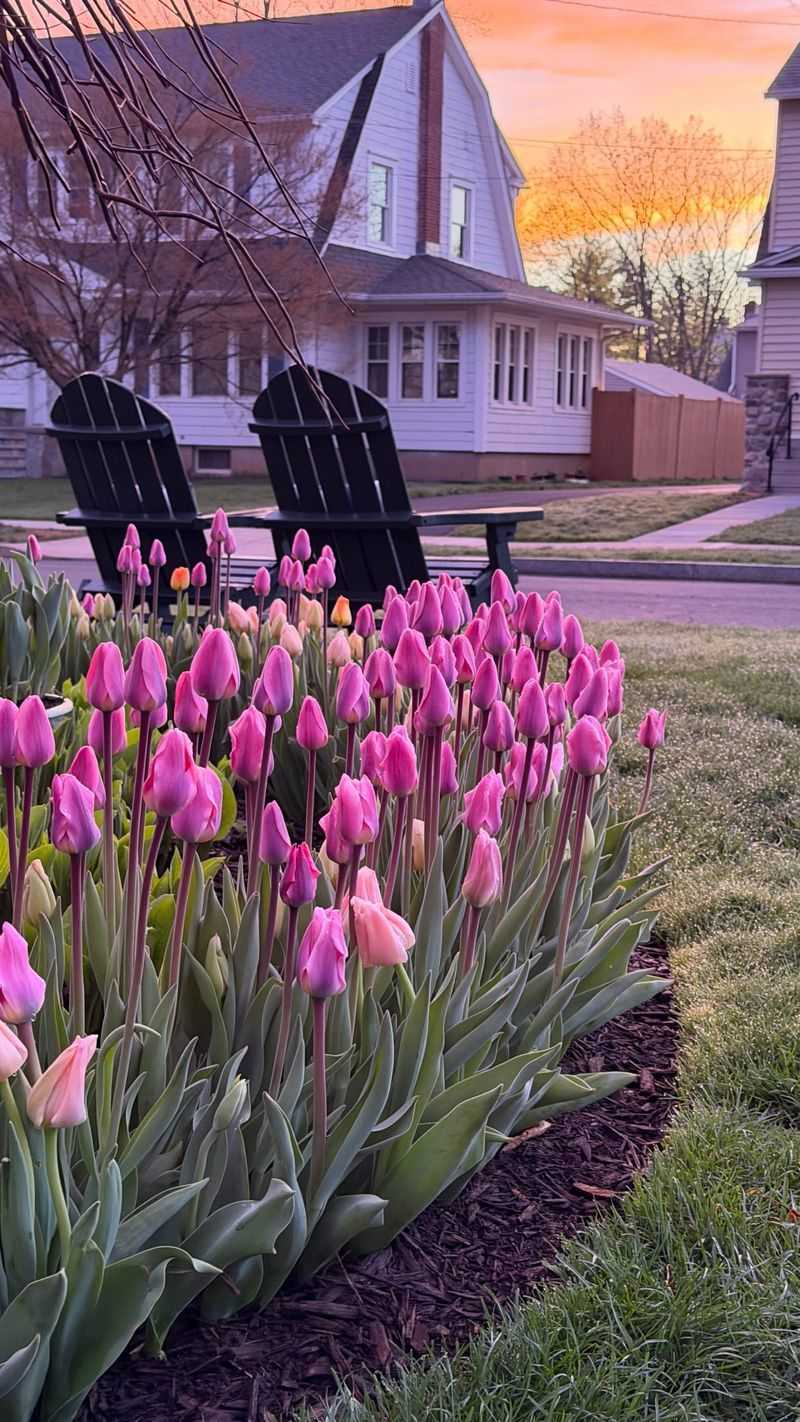
A little care after planting can keep bulbs healthy for many seasons, not just the first spring. Start by spreading two to three inches of shredded leaves or wood mulch over the bed once planting wraps up.
Mulch acts like a cozy blanket, keeping soil temperatures steady during those wild Ohio swings between freezing and thawing. It also slows weeds, holds moisture, and adds a tidy look to beds that might otherwise seem empty.
Good drainage matters just as much, because bulbs sitting in puddles are likely to rot over winter. Choose spots where rainwater runs off quickly, or build raised beds if your yard stays soggy after storms.
A sprinkle of bulb fertilizer or bone meal at planting time gives roots a gentle boost. Mix it into the bottom of each hole, then add a thin layer of soil before setting the bulb.
Next spring, resist the urge to cut back leaves right after the colorful flowers fade away. Those green leaves gather sunlight to refill the bulb, so let them yellow naturally for about six weeks.
Keeping a simple garden notebook helps too, especially for remembering where each variety went in the ground. Jot down planting dates, bloom times, plus any trouble spots, so next October goes even more smoothly.
With steady habits like these, your bulb beds can grow fuller, brighter, and easier to manage each year. That first October planting session might just become the start of a long, colorful garden friendship.