Do This For North Carolina Pansies In October Or The Heat Will Leave Them Struggling
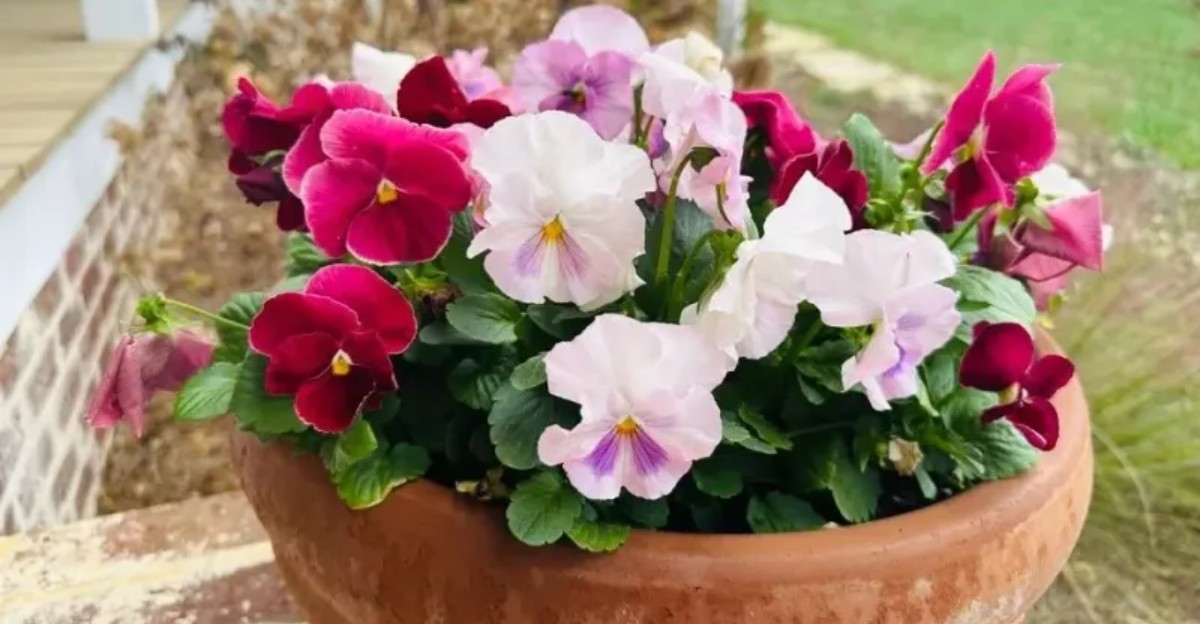
Pansies are known for loving cool fall weather, but a warm October can still catch North Carolina gardeners off guard. These plants perform best when temperatures stay mild, and unexpected heat can stress them before they’ve had a chance to fully establish.
Without the right care during this stretch, pansies can wilt, stall, or fail to produce the steady blooms they’re known for later in the season.
A few adjustments now help plants push through the heat and settle in properly once cooler weather returns for good. Taking this step early protects weeks of potential blooming time from being lost to an unseasonably warm stretch.
1. Wait For Cooler Soil Before Planting
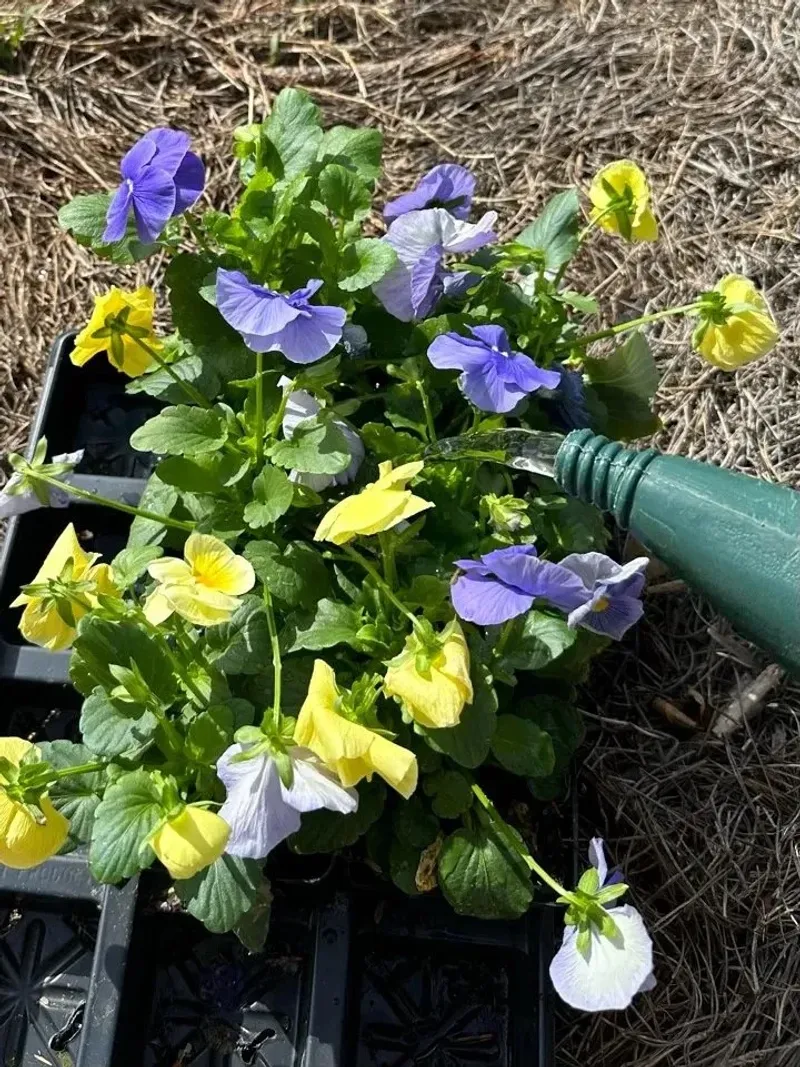
Garden centers in North Carolina often fill their racks with pansies while the air still feels like August.
Those bright flats are tempting, but grabbing them too early is the most common reason pansies struggle in fall. Timing truly matters more than any other step.
Pansies are cool season plants, so they love crisp nights and mild days. When you set them into soil that is still warm from summer, their roots grow slowly.
The plants lose water faster than they can take it in, and they often turn weak, floppy, and leggy instead of compact and full.
So when is the right moment? A good rule is to plant once nights stay cool and the soil has dropped below about 70 degrees Fahrenheit. In the Mountains, that usually happens in September.
The Piedmont tends to reach it from late September through October, while the Coastal Plain often waits until October or even November.
Not sure about your yard? A simple soil thermometer solves the mystery. Push it a few inches deep in the morning, when readings are most accurate, and check it for a few days in a row to see a steady trend.
Buying early is fine if you find a great deal. Just keep the plants in their pots in a bright, slightly shaded spot and water them often until the soil cools down.
A little patience now pays off with sturdier plants that settle in quickly and bloom much longer, giving you color well into spring.
2. Mulch Right After Planting
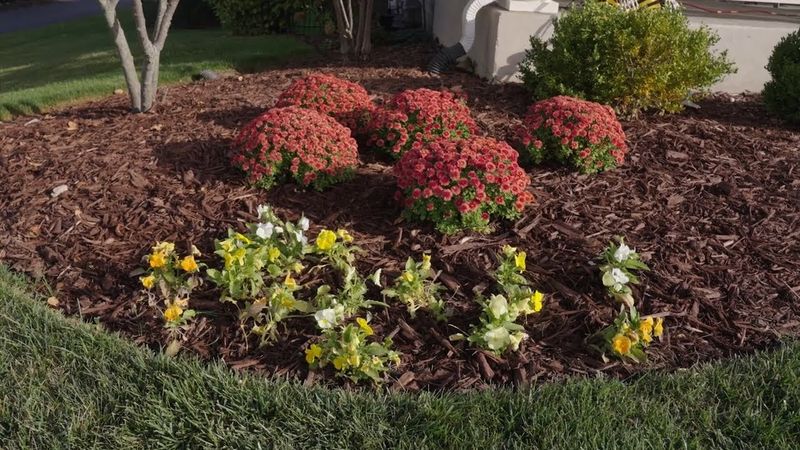
Bare soil acts a lot like a dark parking lot on a sunny afternoon. It soaks up heat and dries out fast, which is rough news for tiny pansy roots trying to settle in. A blanket of mulch changes that story almost overnight.
Mulch works like a sun hat for your flower bed. It shades the ground, keeps roots cooler, and slows the loss of moisture. That calm, steady environment helps new pansies grow roots faster, even when a warm spell rolls through in October.
Spread mulch as soon as planting is finished, not a week later. Aim for a layer about 1 to 2 inches deep. Pine straw and finely shredded pine bark are both great choices because they let water and air pass through while still holding in moisture.
Be careful around the plants themselves. Pull the mulch back slightly so it does not touch the stems, since constant dampness against the stems can invite rot. A small open ring around each plant is perfect.
Your North Carolina Garden Changes Every Week. Your Plan Should Too.
Gardening in North Carolina changes quickly throughout the season. Every Friday you’ll receive a simple weekly plan showing exactly what to plant, prune, fertilize, harvest, and protect so you never miss the right timing.
Through winter, keep an eye on your mulch layer. Heavy rain, wind, and curious squirrels can thin it out, so add a fresh handful wherever bare spots appear. Over the months, mulch also helps soften the swings between chilly nights and sunny days.
Here in North Carolina, you have a big advantage. Pine straw is easy to find at garden centers and roadside stands, and it fits the natural look of our landscapes. On warm October afternoons, that simple layer can make a huge difference.
3. Water The Root Ball Directly
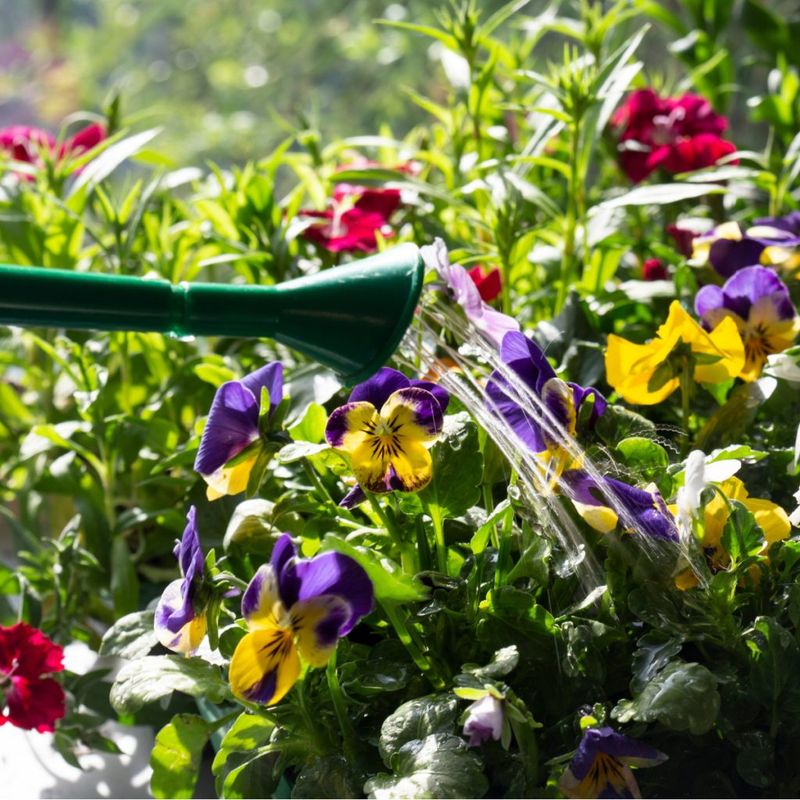
Ever seen a pansy droop even though the bed looked perfectly damp? It happens all the time, and the reason hides right under the plant. The fix is simple once you know where to aim your water.
New pansies come with a little ball of potting mix around their roots. That mix is light and fluffy, so it dries out much faster than the garden soil surrounding it. The bed can feel moist while the root ball itself is bone dry, leaving the plant thirsty and wilted.
The answer is to water right over each root ball instead of sprinkling the whole bed. A watering can or a hose with a gentle shower setting works well. Pour slowly so the water soaks down rather than running off to the side.
Mornings are the best time for this job. Plants get a full drink before the warmest part of the day, and the leaves dry quickly, which helps keep diseases away. Evening watering leaves foliage wet overnight, and that is something pansies do not enjoy.
Checking is easy too. Press a finger into the root ball itself, not the soil next to it. If the top inch feels dry, it is time to water again.
Keep this routine going for the first couple of weeks, until the roots spread out into the bed.
October in North Carolina is often one of the driest months, and breezy days pull moisture away even faster. A few minutes of careful watering each morning keeps your new plants perky and strong.
4. Choose Sun With Some Relief From Afternoon Heat
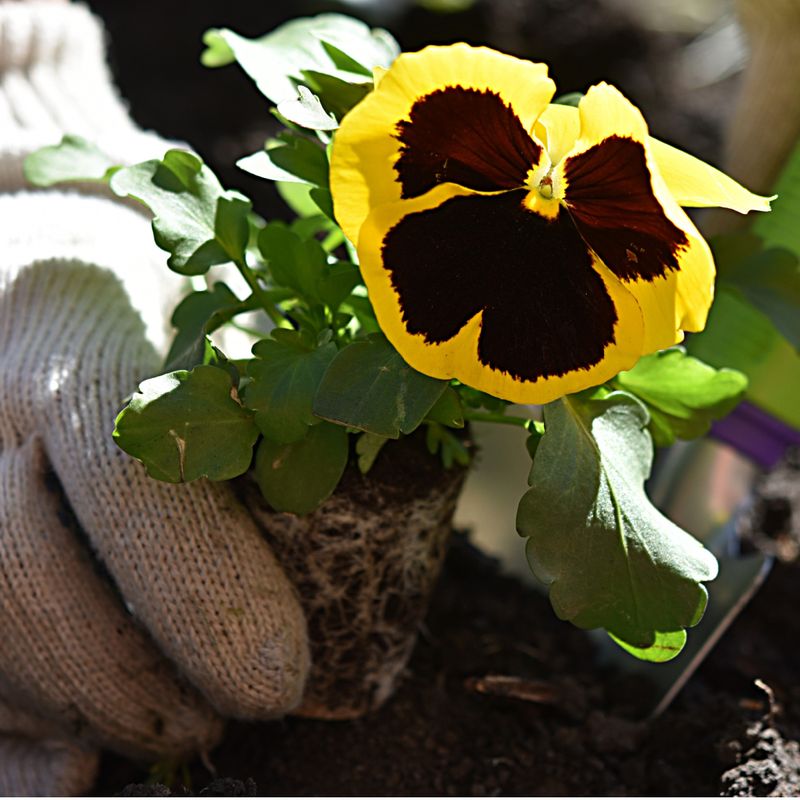
Location can make or break a pansy bed. Pick the wrong spot, and even healthy plants will sulk through a warm October week. Pick the right one, and they reward you with blooms for months.
Sun is a must for these flowers. Pansies need plenty of light to keep blooming through fall, winter, and spring. Too much shade leads to fewer flowers and stretched stems that reach for brightness.
Still, there is a catch during early fall. Beds that bake under strong afternoon sun can stress young plants while temperatures remain high.
Reflected heat makes things worse, so spots next to driveways, sidewalks, and west-facing walls can feel like an oven on a warm day.
The sweet spot is a bed with full morning sun and a bit of relief later in the afternoon. East-facing areas often work beautifully.
Deciduous trees can help too, since they offer some shade now and then drop their leaves, letting winter sun pour in once cooler weather arrives.
Sometimes a heat wave sneaks in right after planting. When that happens, offer temporary cover. Lightweight row cover or shade cloth draped over simple hoops can cut the glare for a few days without blocking all the light.
Remove it once the weather cools again. Across North Carolina, pansies grown in full winter sun bloom best once temperatures settle down.
Choosing a bright spot with afternoon breathing room gives you the best of both seasons, strong early growth now and a lively show later.
5. Loosen Roots When Planting
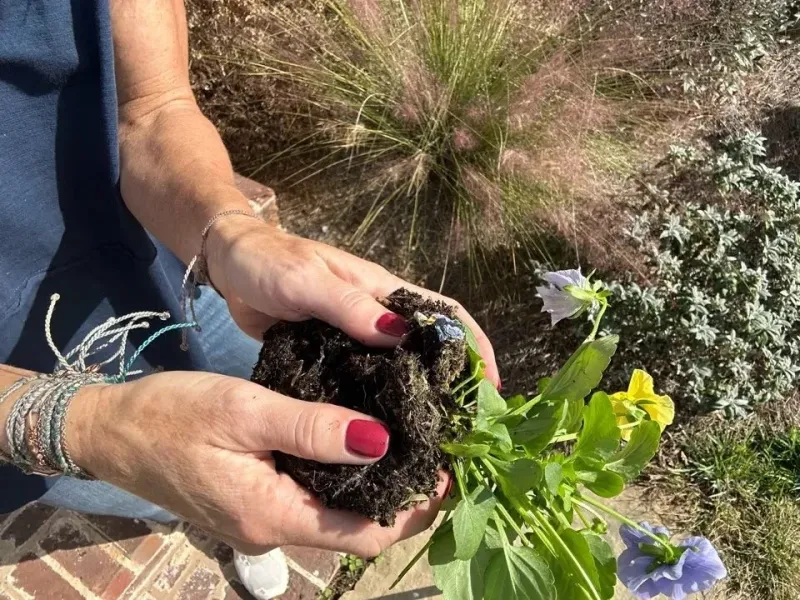
Pop a pansy out of its cell pack and you might see a tight web of white roots spinning around the bottom. That crowded tangle looks harmless, but it can quietly hold your plant back. A few seconds of gentle work fixes it.
Roots that circle inside a small container tend to keep circling, even after planting. They stay in that tiny root ball instead of stretching into the surrounding soil.
As a result, the plant cannot reach the moisture waiting just inches away, and it wilts quickly on warm days.
Before planting, hold the root ball in your hand and gently loosen the outer roots with your fingers.
If they are very tight, tease them apart a little more or make a few shallow vertical scratches along the sides. You are not trying to rip the roots, just wake them up and point them outward.
Depth matters as well. Set each pansy at the same level it grew in the pot, with the top of the root ball even with the soil surface. Planting too deep can lead to stem rot, while planting too high lets the root ball dry out.
Once the plant is in place, firm the soil lightly around it to remove big air pockets. Then water right away to settle everything in.
North Carolina gardeners usually buy pansies in small cell packs, where roots get crowded fast. Taking time to loosen them helps each plant spread out, find water on its own, and handle warm weather with much less stress.
6. Use The Right Fertilizer As The Soil Cools
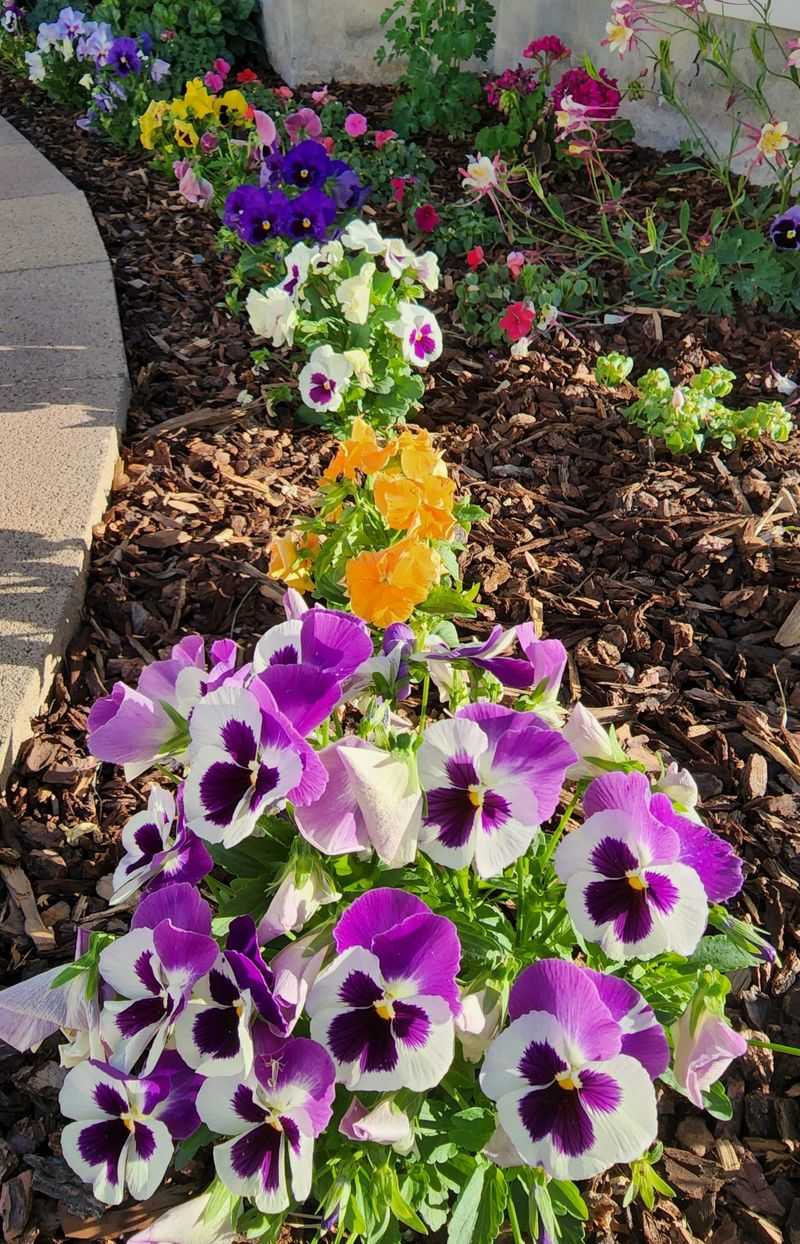
Not all plant food works the same way, especially once the weather turns chilly. Pansies have a picky side when it comes to nitrogen, and knowing that secret can keep them growing all winter long.
Nitrogen comes in different forms. Ammonium forms need soil microbes to change them into something plants can easily use, and those microbes slow down as soil cools.
Nitrate forms skip that step, so pansies can take them up right away, even in cold ground. Start at planting time by working a slow-release fertilizer into the bed.
It feeds the plants gently while they settle in. Later, as fall deepens and the soil gets colder, switch to a fertilizer that supplies nitrogen mainly as nitrate. Check the label, since it lists the nitrogen sources.
Always follow the rates printed on the package. More is not better, and too much fertilizer can burn roots or cause soft, weak growth. Light, regular feedings usually work best for a steady supply of blooms.
Hold off on heavy feeding when plants are struggling in heat. A wilting pansy needs water and time to grow roots, not a big dose of fertilizer. Once it perks up and the weather cools, it can make good use of the nutrients.
This advice comes straight from local science. NC State University research has shown that pansies perform better through winter when fed with nitrate-based fertilizers.
Following that guidance gives your plants richer color, fuller growth, and a stronger start when spring arrives.
7. Remove Faded Blooms And Leggy Growth
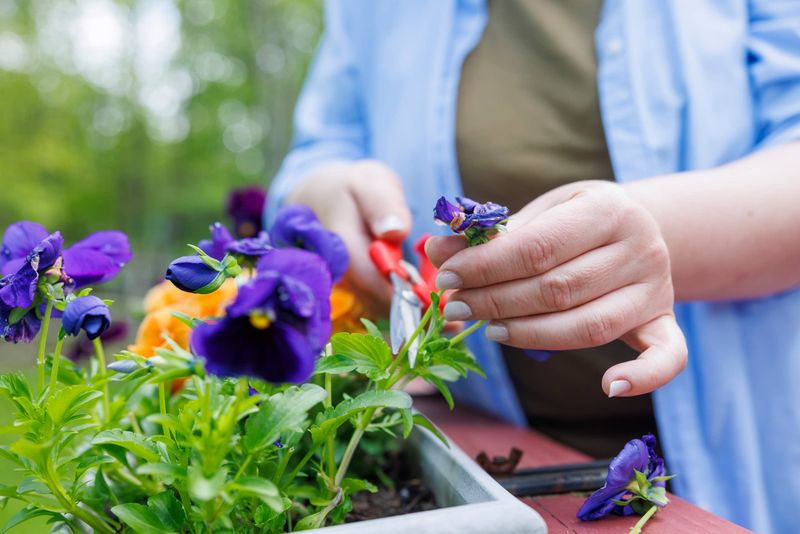
A little weekly grooming session can feel oddly relaxing. Grab a cup of coffee, stroll through the garden, and give your pansies a quick tidy. Your plants will thank you with a fresh wave of color.
Every pansy has a simple goal, which is to make seeds. Once a flower fades, the plant starts building a seed pod and sends its energy there. That means fewer new blooms for you. Removing spent flowers tells the plant to keep producing more.
Pinch off faded flowers along with their thin stems every week or so. Do not just pull off the petals, since the seed pod forms right behind them. Your fingers usually work fine, but small snips help with tougher stems.
Early heat can also leave pansies stretched and floppy. Those leggy stems look tired and break more easily. Trim them back lightly, just above a set of leaves, and the plant will push out new side shoots for a bushier, fuller shape.
While you are at it, remove any yellowing leaves. Old foliage can trap moisture and invite disease, and clearing it away improves airflow around the plant. It also simply makes the whole bed look neater and brighter.
In North Carolina, pansies can bloom from fall until late spring, which is a long run for any flower. Regular care keeps them going strong through all those months.
A few minutes each week turns a decent display into a cheerful, eye-catching bed that neighbors notice.
8. Watch For Root Rot In Warm, Wet Soil
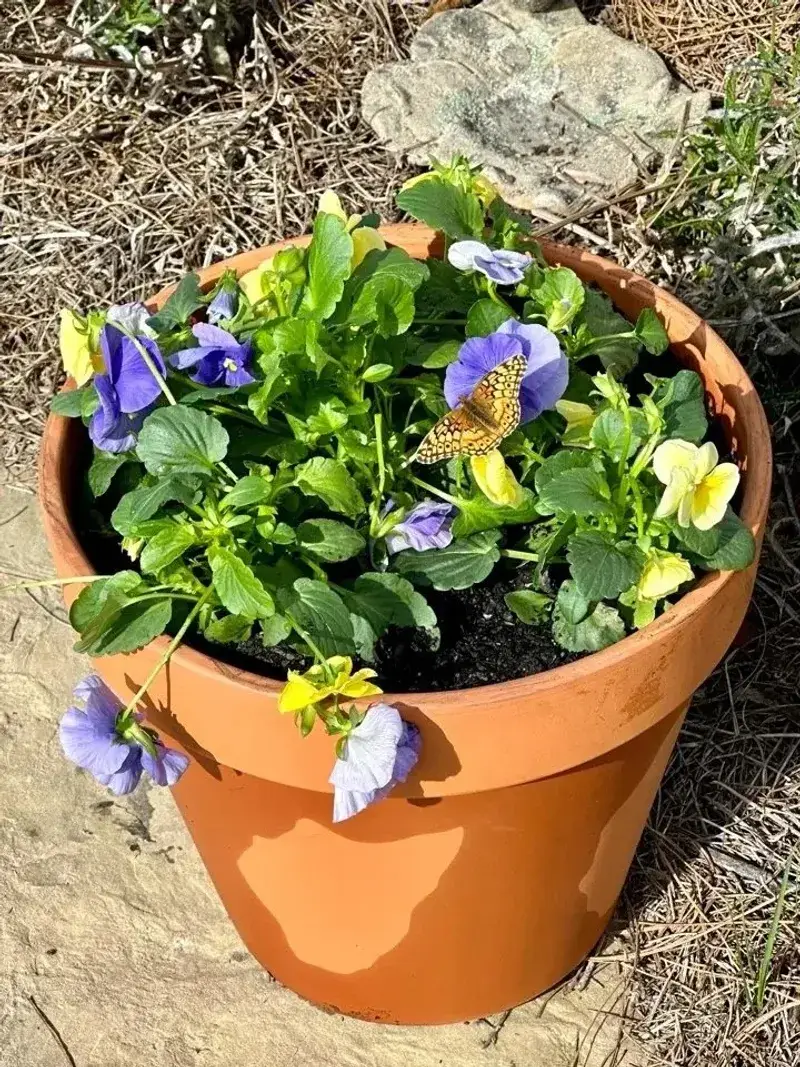
Here is a puzzle that fools many gardeners. A pansy wilts, so you water it. It wilts even more, yet the soil feels soggy. The trouble may not be thirst at all, but sick roots hiding underground.
Pansies are prone to root diseases such as black root rot and Pythium. These problems grow more active when soil stays warm and wet for long periods. Damaged roots cannot move water up into the plant, so it droops even when moisture is all around it.
Prevention starts with the planting site. Choose well-drained soil, or build raised beds if water tends to puddle. Mixing in compost can also improve drainage over time.
Then be careful with the hose, since watering only when the root ball is dry helps keep the soil from staying soaked.
When a plant keeps struggling, gently dig it up and take a look. Healthy roots are white and firm. Roots that are dark, mushy, or peel apart easily point to rot.
Remove affected plants promptly so the problem does not spread to their neighbors.
If root rot has shown up in a bed before, give that spot a break from pansies. Planting them in the same place year after year lets disease build up in the soil. Try a different bed, or grow another kind of plant there for a season or two.
Much of North Carolina, especially the Piedmont, has heavy clay that holds water. Add fall rains and mild temperatures, and conditions are just right for rot. Smart drainage keeps your pansies healthy and blooming.