Still Cutting Back Hydrangea Blooms? Here’s When To Stop For The Year
Those shears in hand could cost you next summer’s blooms in seconds. Bigleaf, mountain, and oakleaf hydrangeas already hold tiny flower buds on their stems.
Prune now, and you clip those buds along with the fading petals. Dried flower heads can shelter insects through winter, so you can leave them standing.
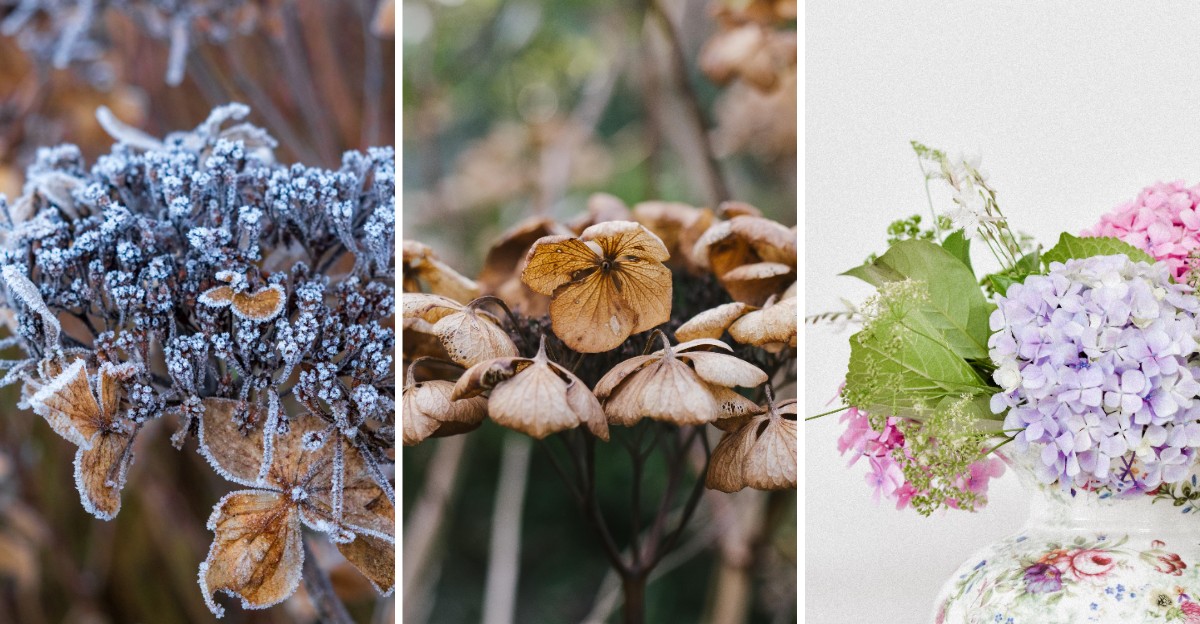
Papery blooms will catch frost beautifully outside your window well into December. Wait until leaves emerge in spring, then you can spot which stems need trimming.
Panicle and smooth hydrangeas welcome bolder trimming once winter eases toward spring. You can avoid sparse branches and a quiet June by identifying your hydrangea.
Old-wood bloomers reward your patience, while new-wood bloomers tolerate a late-winter trim. Check your plant tags or snap a photo for a quick identification. Spare those stems today, and you will thank yourself when June glows with color.
1. Identify Whether Your Shrub Blooms On Old Or New Wood
Picture two neighbors with identical-looking bushes, yet only one gets flowers every summer. The difference often comes down to whether the plant blooms on old wood or new wood.
Old wood means stems that grew last year and survived the winter. Plants like bigleaf, mountain, and oakleaf hydrangeas set their flower buds on these older stems.
New wood means stems that sprout fresh in spring and bloom that same year. Panicle and smooth hydrangeas, like Limelight and Annabelle, fall into this easygoing group.
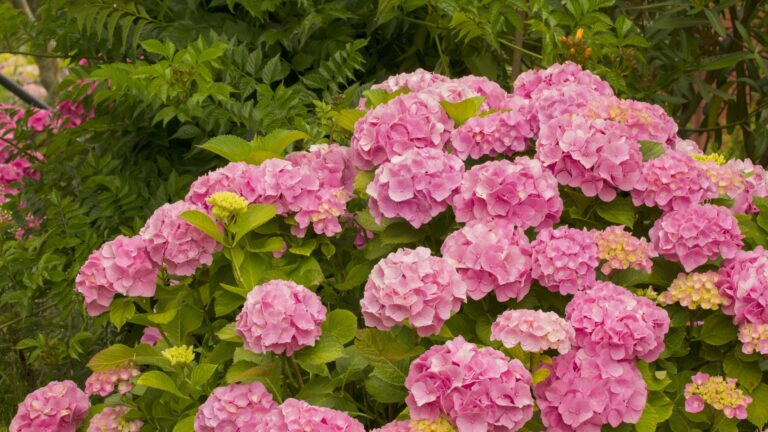
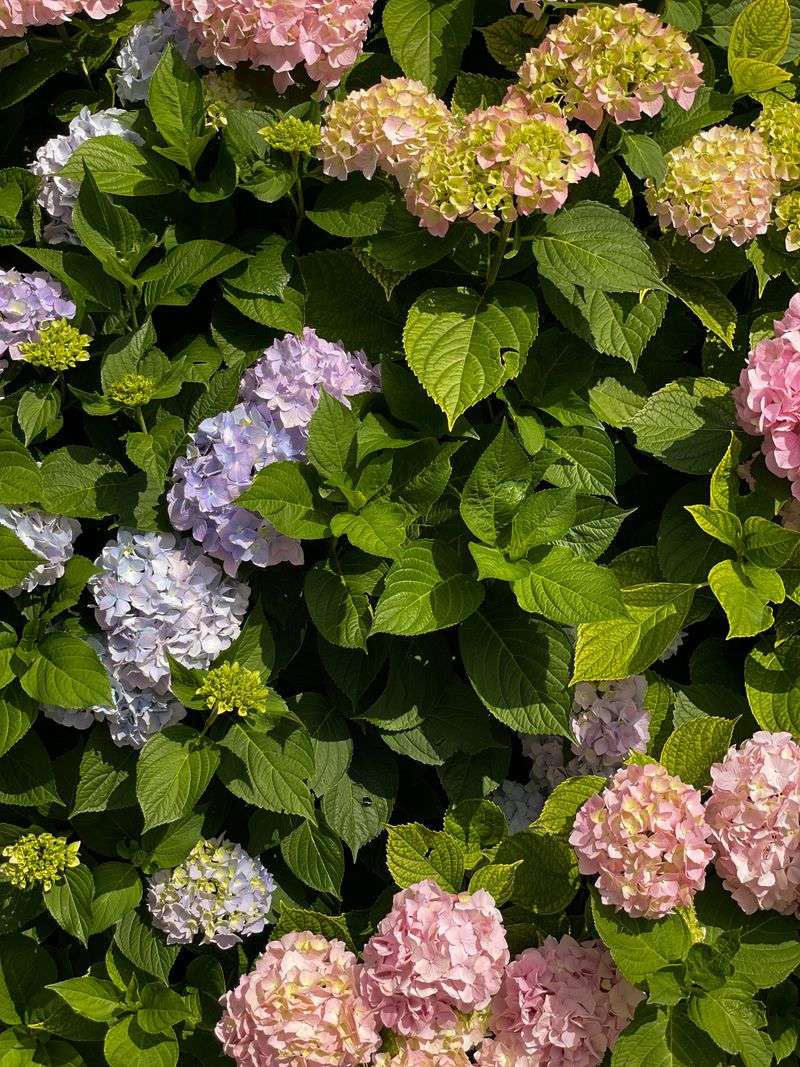
Not sure which one you own? Look at the flowers, because bigleaf types have round mopheads or flat lacecaps in pink or blue.
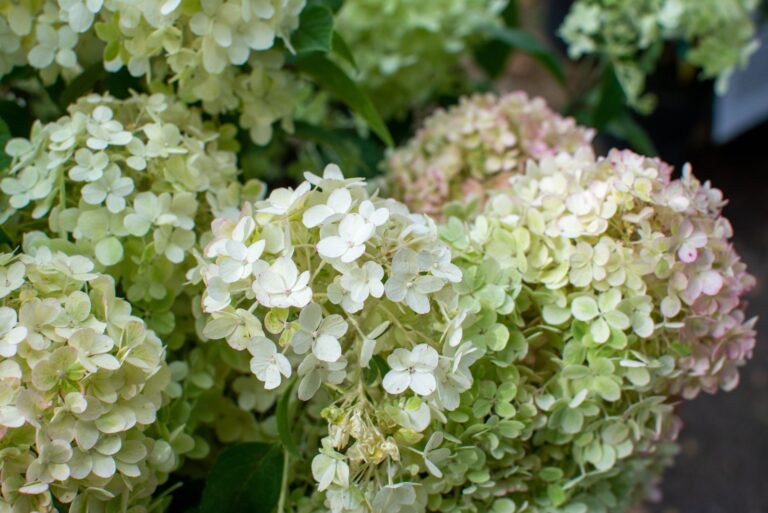
Panicle hydrangeas grow cone-shaped clusters that start white and blush pink in fall. Oakleaf varieties are easy to spot thanks to leaves shaped like giant oak leaves.
Smooth hydrangeas usually have big white snowball flowers and soft, heart-shaped leaves. They also tend to flop a bit after heavy rain, which is a handy clue.
Still stumped? Snap a photo and show it to a local garden center or your county extension office.
Knowing your type guides your pruning decisions this fall. Once you have that answer, the rest of the calendar makes much more sense.
Write the name on a plant tag so future you remembers next October. Your memory may be sharp, but a tag lasts longer.
Some gardeners misidentify their shrub and wonder why blooms skip a season. A quick check now saves plenty of frustration later.
2. Stop Cutting Bigleaf And Oakleaf Types By August
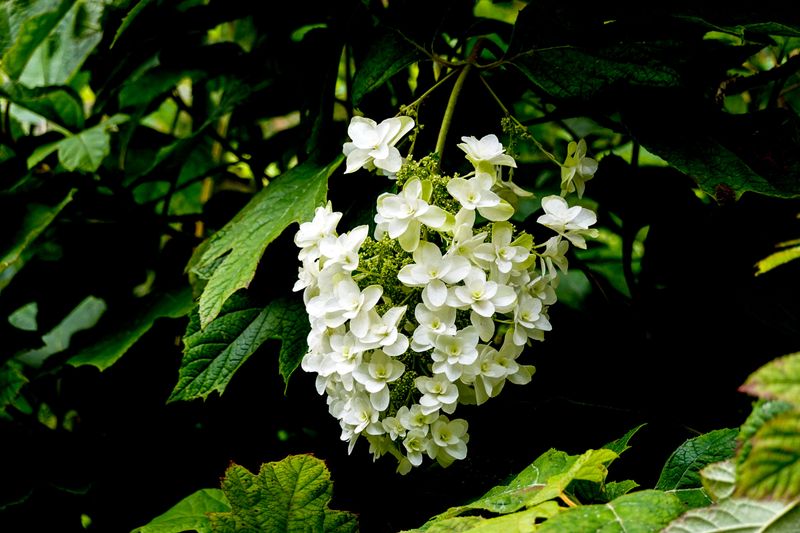
Experienced gardeners put away their pruners for old wood bloomers by early August. Any cut after that point risks snipping off next summer’s flowers before they ever open.
Bigleaf hydrangeas start forming flower buds in late summer, usually around August or early September. Those tiny buds sit quietly at the tips of stems all winter long.
Oakleaf hydrangeas work on a similar schedule, and so do mountain hydrangeas. Cutting any of them now removes next year’s flower buds.
Spent flowers on these shrubs can stay put without causing any harm. If you prefer a tidier look, wait until late winter, then snip just the faded bloom above the first healthy pair of buds.
Keep that cut small and shallow, taking only the old flower head. Plump green buds below are next year’s color, so protect them.
Reblooming varieties like Endless Summer give you a little more wiggle room. They flower on both old and new wood, so a light trim carries less risk.
Even so, heavy cutting in fall can still shrink next year’s early show. A gentle approach works best, even with these forgiving shrubs.
Some gardeners in colder zones notice their bigleaf shrubs skip flowering after a fall trim. Missing color can trace back to an autumn cut, though winter cold damage to buds is another common cause.
Mark August on your calendar as your personal pruning cutoff for old wood bloomers. Future summer you will thank present you with armloads of pink and blue flowers.
Patience feels tough when stems look messy, yet it pays off by June. Let the shrub rest and do its quiet work.
3. Keep Trimming Panicle And Smooth Types A Bit Longer
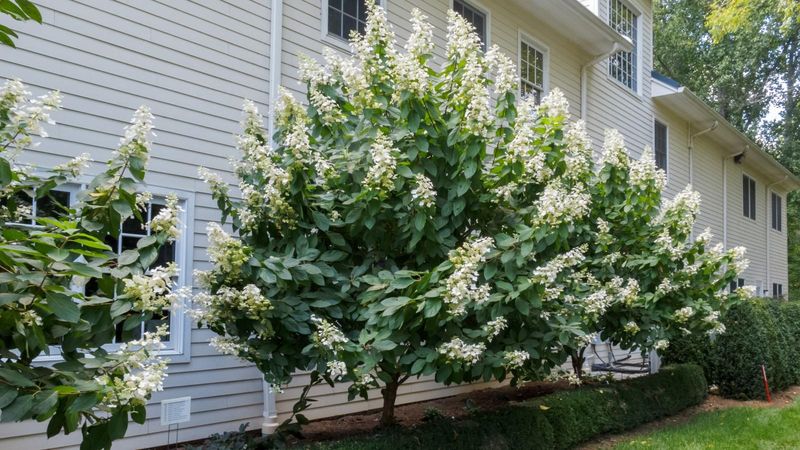
Some hydrangeas are the laid-back cousins of the family, shrugging off a haircut almost any time. Panicle and smooth types bloom on new wood, so they forgive late snips.
Since their flower buds form in spring, fall cuts will not remove next year’s blooms. You can tidy them up in October without losing sleep.
Still, there is a reason many experts suggest waiting until late winter anyway. Those dried flower heads add charm to a leafless winter yard and catch snow beautifully.
Fall pruning can also trigger soft new growth if the weather stays warm. Tender shoots like that are damaged by the first hard freeze.
A light tidy-up is fine, especially for stems blocking a walkway or flopping onto the lawn. Save big cuts of a third or more for February or March.
Smooth hydrangeas like Annabelle can even be cut almost to the ground in late winter. Doing so encourages fewer, larger blooms, though leaving a taller framework helps stems stay upright.
Panicle types like Limelight or Quick Fire do well with a moderate trim that keeps a sturdy framework. Cut back by about one third, just above a pair of healthy buds.
Feel free to clip a few blooms now for vases or wreaths. These sturdy flowers dry well and hold their color for months indoors.
Dried flower heads also give tiny insects a cozy place to hide through winter. Birds may pick through them too, looking for a snack.
Think of fall as a time for small touches, not major pruning. Your panicle and smooth hydrangeas will bounce back strong either way.
4. Watch For The First Fall Frost Date
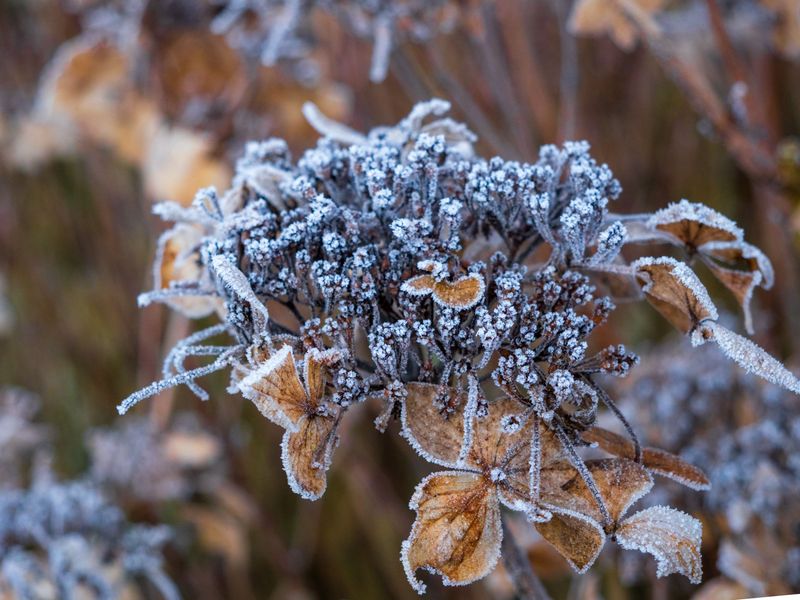
A common rule of thumb says pruning should stop about six weeks before the first frost. That window gives any fresh growth time to toughen up before cold arrives.
Pruning can prompt a plant to push out new growth. New shoots are soft and green, and frost can damage them overnight.
Damaged tips can also invite disease and leave the whole shrub looking rough by spring. Few gardeners want brown, damaged stems greeting them in April.
Finding your average frost date is easy with a quick online search of your zip code. The Old Farmer’s Almanac and local garden services also post these averages.
In many northern states, the first frost lands in late September or early October. Southern gardeners might not see frost until November or even December.
So by October, gardeners in cooler regions are usually done with routine pruning. If frost has already arrived, limit your pruning to broken or damaged stems.
Warm-climate folks get a little extra time, but caution still pays off. A late cut paired with a surprise cold snap can cause more problems than it solves.
Watch the weather forecast closely this month, especially for nights dipping below 32°F (0°C). Those readings signal that your shrubs are entering dormancy.
Jot the date on your fridge calendar so it stays front and center. A tiny reminder now can protect a whole season of blooms.
Treat the frost date as a cutoff for routine pruning. Once it passes, save larger cuts for late winter.
5. Leave Faded Blooms On Through Winter
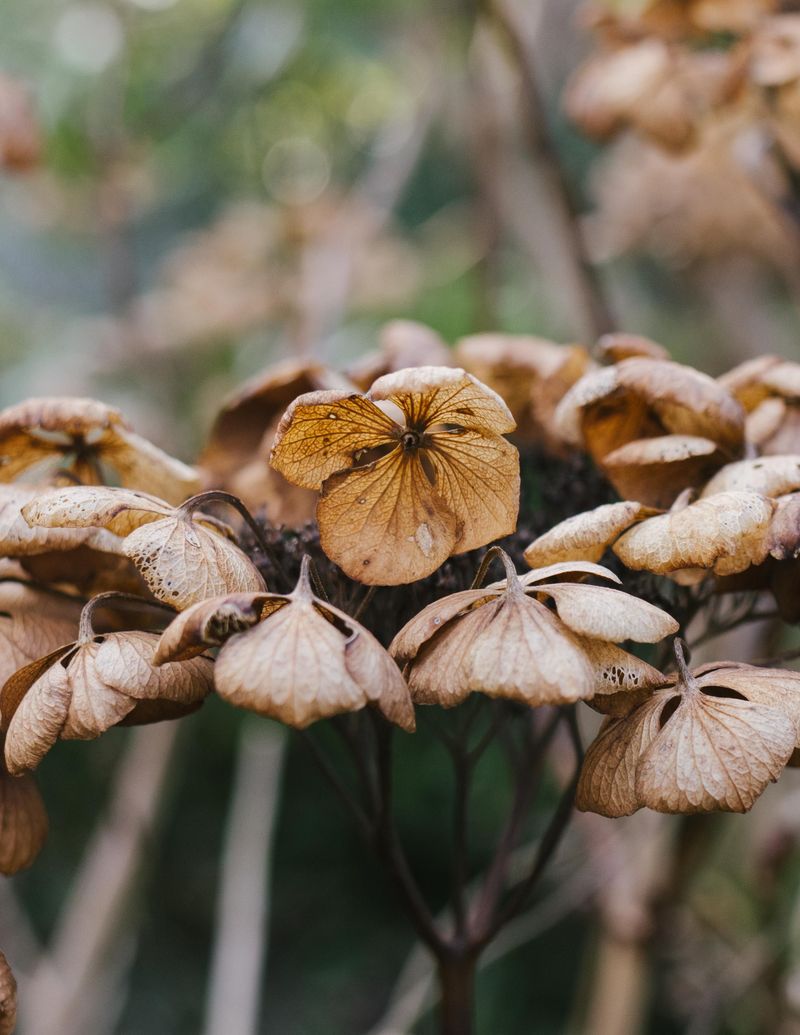
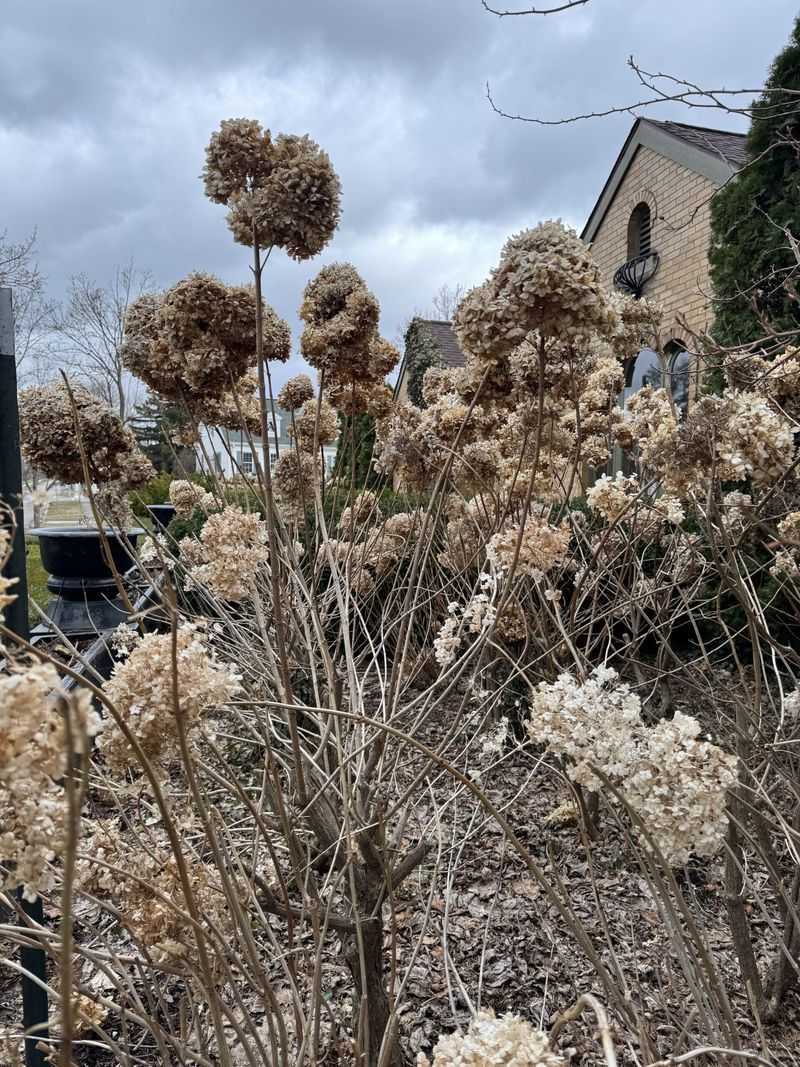
Those crispy, tan flower heads might look messy, but they serve a purpose. Spent blooms act like little winter coats for the buds tucked below them.
On bigleaf hydrangeas, the old flower shields tender buds from cold wind and frost. Removing the old flower head in fall leaves those buds with less protection from cold winter weather.
Beyond protection, the dried blooms bring a soft, antique beauty to the winter garden. Picture them dusted with frost on a sunny December morning, sparkling like sugar.
Many gardeners love how the colors fade into shades of rose, mauve, and parchment. A winter yard gains texture and interest when little else is in leaf.
Birds and helpful insects appreciate the shelter too. Small bugs tuck into the papery petals, and curious birds stop by to search for snacks.
Snow can look stunning resting on the flower heads, though heavy loads may bend stems. Simply brush off thick snow gently with a broom to prevent breaks.
Come late winter or early spring, you can finally snip those old blooms. Cut just above the first healthy pair of fat buds you see.
Waiting also helps you spot which stems survived the cold before you trim. That way, you only remove parts that truly need to go.
Think of it as letting nature handle the decorating for a few months. Less work for you and better flowers next summer sounds like a sweet deal.
Your neighbors might even ask how you made winter look so elegant. Just smile and explain that leaving them in place was a choice.
6. Remove Only Broken Or Damaged Stems In October
A strong windstorm rolls through, and suddenly a big branch dangles from your favorite shrub. Should you leave it hanging until spring just to follow the rules?
Thankfully, broken or damaged stems are the exception to the stop-pruning rule. You can remove them any time of year, including right now in October.
Hanging stems can tear bark further, creating open wounds where disease can enter. Clean cuts heal much better than ragged tears left to move in the wind.
Use sharp, clean bypass pruners for the job, not dull scissors from the kitchen drawer. Wipe the blades with rubbing alcohol first to avoid spreading plant germs.
Cut the broken stem back to just above a healthy bud or leaf pair. If the whole stem is badly damaged, trim it right down near the base.
Look for stems that are cracked, split, crushed, or showing dark, mushy spots. Leaf diseases like powdery mildew may leave a white powdery coating or discolored blotches on foliage.
Rake up fallen leaves around the base too, since they can hide fungus spores. Toss them in the trash rather than the compost pile if they look sick.
Keep these cuts few and focused, though, rather than turning cleanup into a full makeover. Your goal is first aid, not a brand new hairstyle.
Snap a quick photo after cleanup to track how the shrub recovers. Comparing pictures next year can be surprisingly satisfying.
A tidy, healthy shrub heads into winter stronger and better prepared for the cold. Spring will reward your careful touch with fresh growth.
7. Save The Big Pruning Jobs For Late Winter
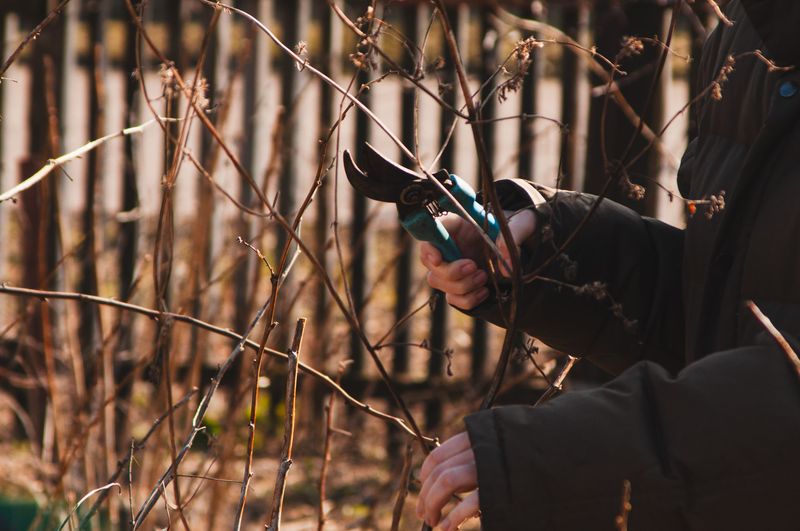
Late February and early March are an ideal window in many regions. The coldest weather has often passed, and buds are easy to see before leaves appear.
With leafless branches, you can study the shrub’s shape like an artist with a blank canvas. Crossing stems, weak twigs, and crowded centers all become easy to spot.
For bigleaf and oakleaf types, start by removing stems that did not survive winter. Brittle, gray stems with no green inside can come off at the base.
Scratch a stem lightly with your thumbnail to check for life. Green under the bark means it is alive, while brown means it can go.
Remove a few of the oldest, thickest stems on mature shrubs to encourage fresh growth. Stick to about one third of the stems each year to keep the plant happy.
Panicle and smooth hydrangeas can handle bolder cuts during this late winter window. Trimming them back hard often leads to bigger, showier blooms by midsummer.
Mild days around 40°F (4°C) make the work pleasant and safe for the plant. Skip pruning on very cold days when stems break more easily.
Gather your tools in October so you are ready when the season arrives. Sharpen pruners, oil the hinges, and stash some sturdy gloves nearby.
Snowdrops may be peeking up by then, cheering you on as you work. Few garden chores feel quite as hopeful as this one.
Patience over the winter months truly pays off in the end. A well-timed late winter trim sets the stage for a summer packed with color.
8. Cut Fresh Blooms For Drying Before Frost Hits
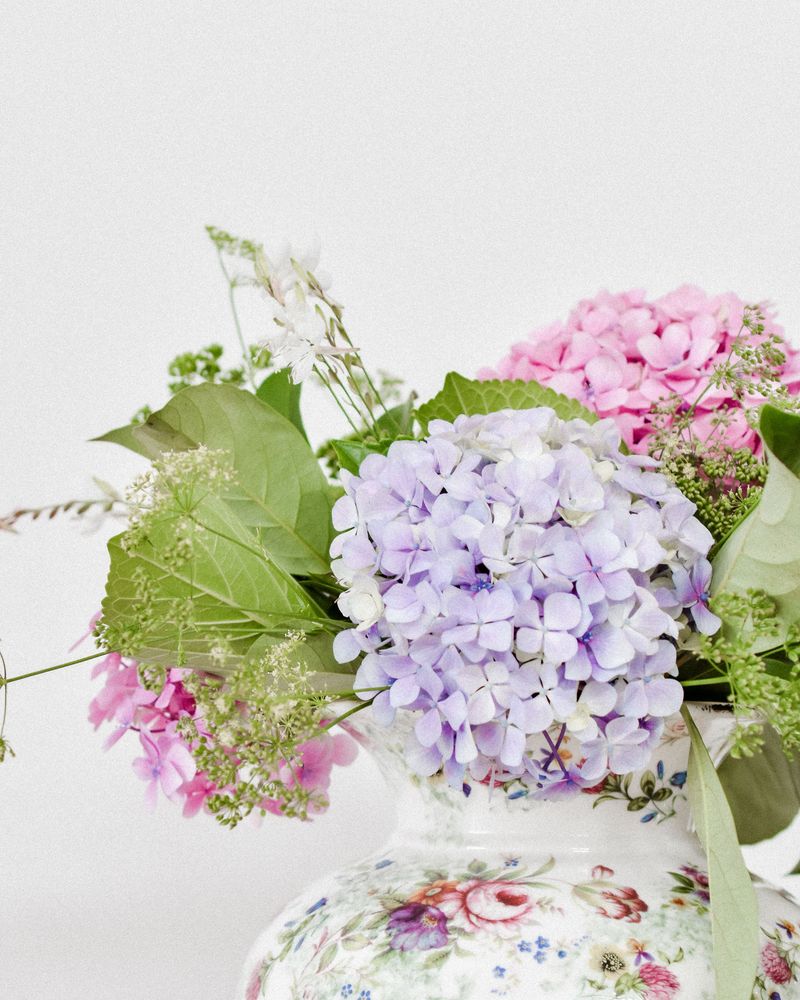
Who says you cannot bring a little summer indoors for the cold months ahead? Hydrangea blooms dry beautifully, and early fall is the perfect time to gather them.
Snipping flowers for drying is different from pruning, since you only take the bloom and a short stem. Choose heads that feel slightly papery and show rich, deep color.
Blooms that are too fresh tend to wilt, while those left too long turn brown. Late summer through early October often hits that middle ground, depending on your climate.
Cut stems in the morning after dew dries, using sharp pruners for a clean snip. On bigleaf types, keep the cut short to protect the buds below.
One easy drying trick is to place stems in a vase with a few inches of water. Let the water evaporate slowly, and the blooms dry gently as it disappears.
Another option is hanging stems upside down in a dark, dry closet for two weeks. Darkness helps the petals keep more of their lovely color.
Dried hydrangeas look charming in wreaths, centerpieces, and holiday garlands. Some crafters even spray them lightly with hairspray to keep petals from shedding.
Dried hydrangeas have long been a popular choice for winter decor. That cozy, vintage look still feels right at home on a modern mantel.
Share a bundle with a friend, too, since dried flowers make thoughtful gifts. Few presents say autumn quite like a homemade hydrangea bouquet.
Gather blooms soon, before a hard frost turns fresh ones soft and discolored. Your home will feel brighter all winter thanks to a few smart snips.