The Smelly Fruit Under Indiana Street Trees Has A Surprising Source
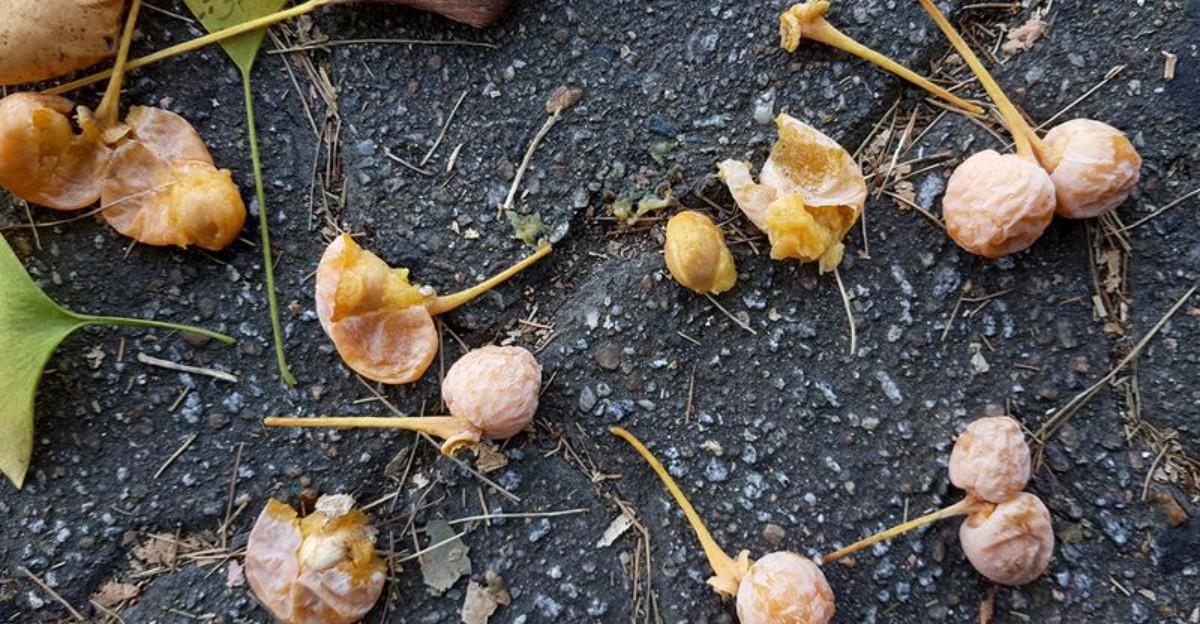
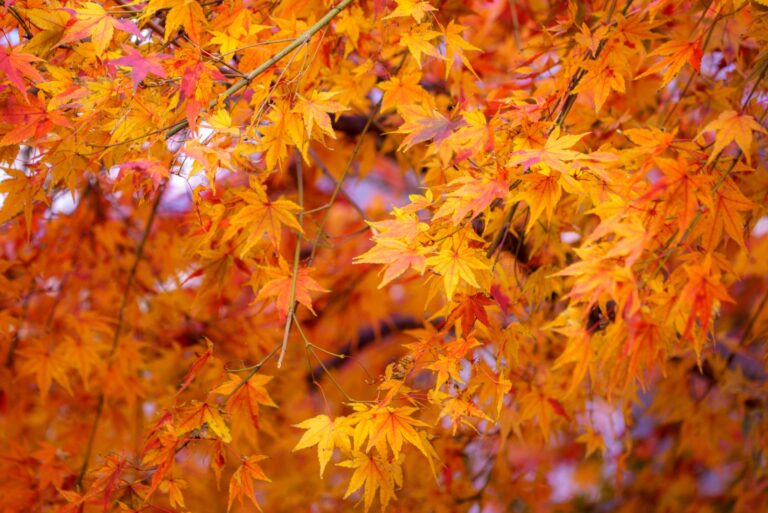
Picture a crisp October sidewalk in Indiana, leaves glowing gold, and then a terrible smell hits. Many people check their shoes first, sure that someone forgot to pick up after a dog.
The real source is hanging right above your head, tucked among fan-shaped leaves on city trees. Small, squishy orange balls drop in large numbers and squash flat under passing sneakers and tires.
Neighbors complain, kids hold their noses, and city crews across Indiana often get calls each autumn. Still, few people can say why these trees make such a stink or which ones cause it.
A few simple facts can also help you avoid an itchy rash and keep your porch smelling fresher. A clothespin on your nose looks silly, yet more than a few Hoosiers have seriously considered it.
The Female Trees Behind The Mess
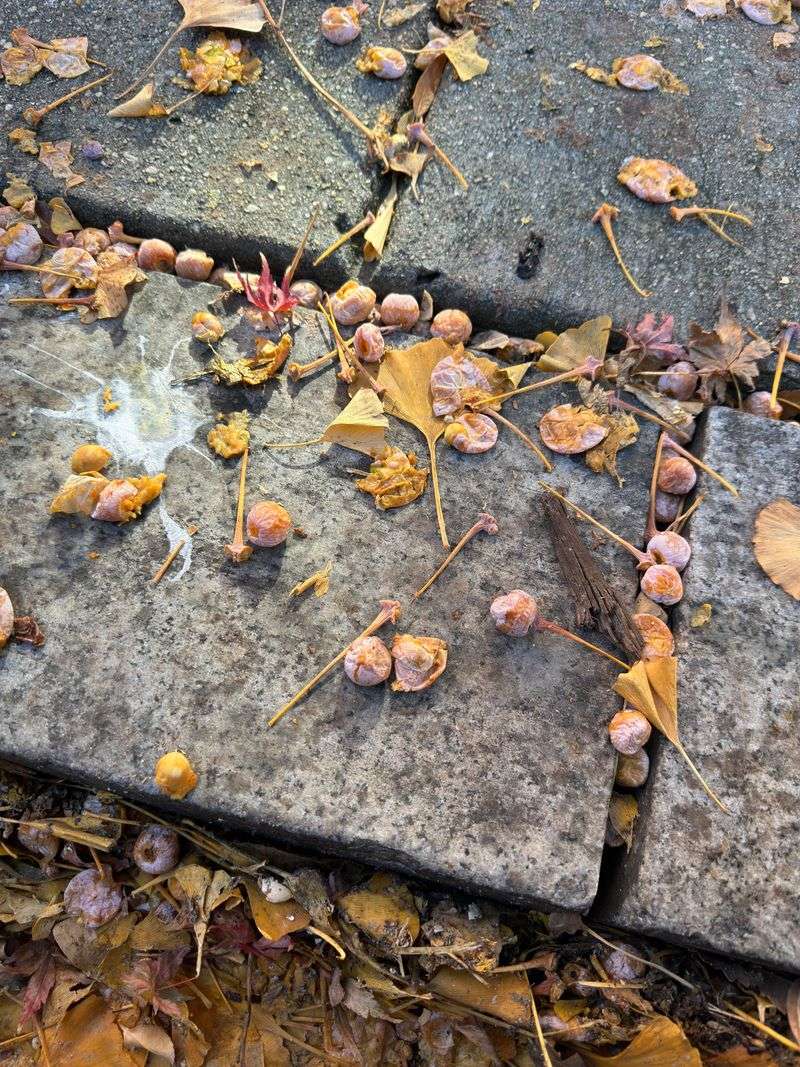
Walk under two ginkgo trees side by side, and you might find a mess under only one of them. That puzzling difference comes down to whether the tree is male or female, a trait fixed at the start.
Ginkgo trees are what scientists call dioecious, which means each tree carries only one kind of reproductive part. Male trees release pollen in early spring, while female trees produce small seeds wrapped in soft, fleshy coats.
Those coated seeds are what people call fruit, even though botanists say they are not true fruits at all. Ginkgo belongs to a very old plant group that appeared long before flowering trees and true fruits.
Fun fact: ginkgo fossils date back more than 200 million years, so dinosaurs may have lived alongside these trees. Some researchers suggest the strong odor once attracted animals that ate the seeds and carried them to new places.
A young ginkgo gives few clues about its sex, which causes headaches for homeowners and city tree planners alike. Female trees often wait twenty years or more before producing seeds, long after the planting day is forgotten.
To check a mature tree in your Indiana neighborhood, look for clusters of round yellowish orange seeds this month. Bare ground under a big ginkgo in October often means you are standing beneath a well-behaved male tree.
Knowing which trees are female helps you plan walking routes, parking spots, and cleanup chores during the messy weeks ahead. It also explains why one block smells awful while the next street over stays fresh and pleasant.
The Chemistry Behind The Rancid Odor
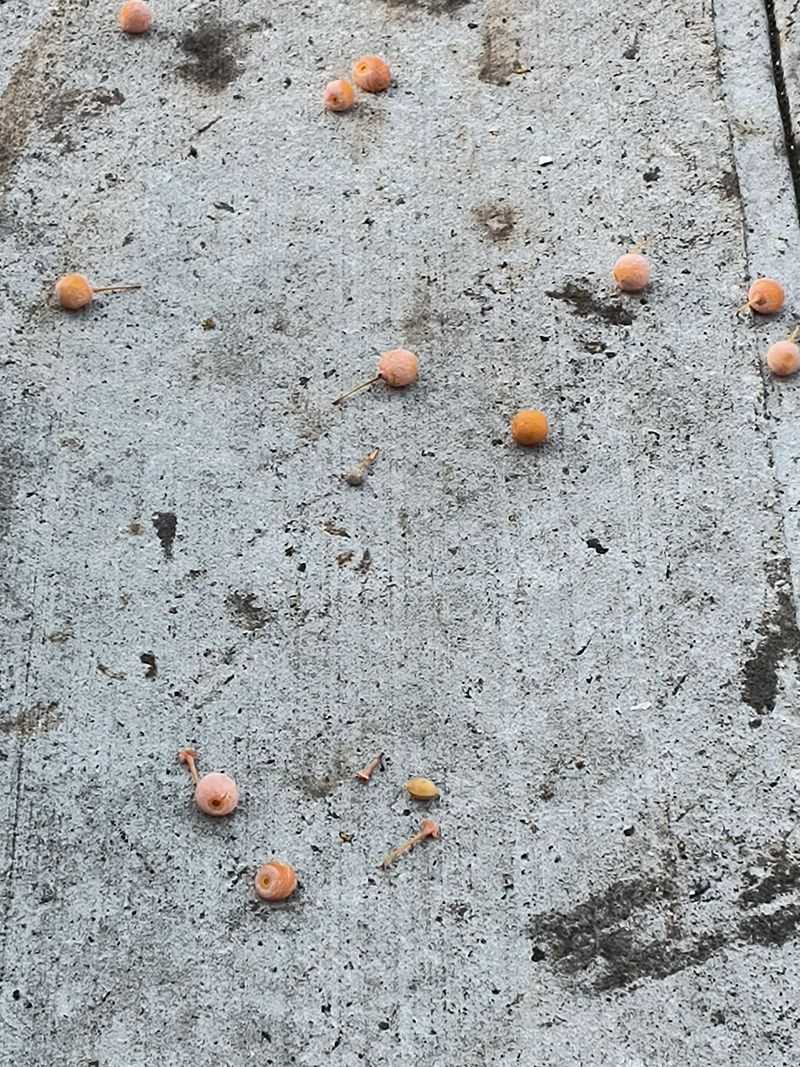
Imagine a mix of old gym socks and sour milk, all packed inside one squishy orange seed. That memorable stink has a real scientific cause, and it starts with a chemical called butyric acid.
Butyric acid is the same compound that gives spoiled butter and some stinky cheeses their sharp, unpleasant smell. In fact, its name comes from the Latin word for butter, which seems fitting for such a greasy odor.
Ginkgo seed coats also contain hexanoic acid, another strong compound with a goaty, sweaty scent that lingers. Together, these two acids create the famous smell that many people compare to spoiled food or a garbage bin on a hot day.
Your Indiana Garden Changes Every Week. Your Plan Should Too.
Gardening in Indiana changes quickly throughout the season. Every Friday you’ll receive a simple weekly plan showing exactly what to plant, prune, fertilize, harvest, and protect so you never miss the right timing.
The odor grows stronger once the seeds hit the ground, crack open, and start to break down. Stepping on them releases even more of the smelly oils, which is why sidewalks often smell worse than lawns.
Warm afternoons in early fall can make the stink spread farther, since heat helps these acids float into the breeze. Chilly mornings usually calm the smell down a bit, giving walkers a short break before the day warms again.
Interestingly, the hard nut inside the smelly coat has little odor once it is cleaned and dried. Cooks in parts of Asia roast those inner nuts, though eating raw seeds or large amounts can make people seriously ill.
So the next time your nose wrinkles on a city sidewalk, you can blame a pair of busy little acids. Understanding the chemistry also explains why soap and water often work better than air fresheners for removing the odor.
The Male-Only Planting Strategy Cities Rely On
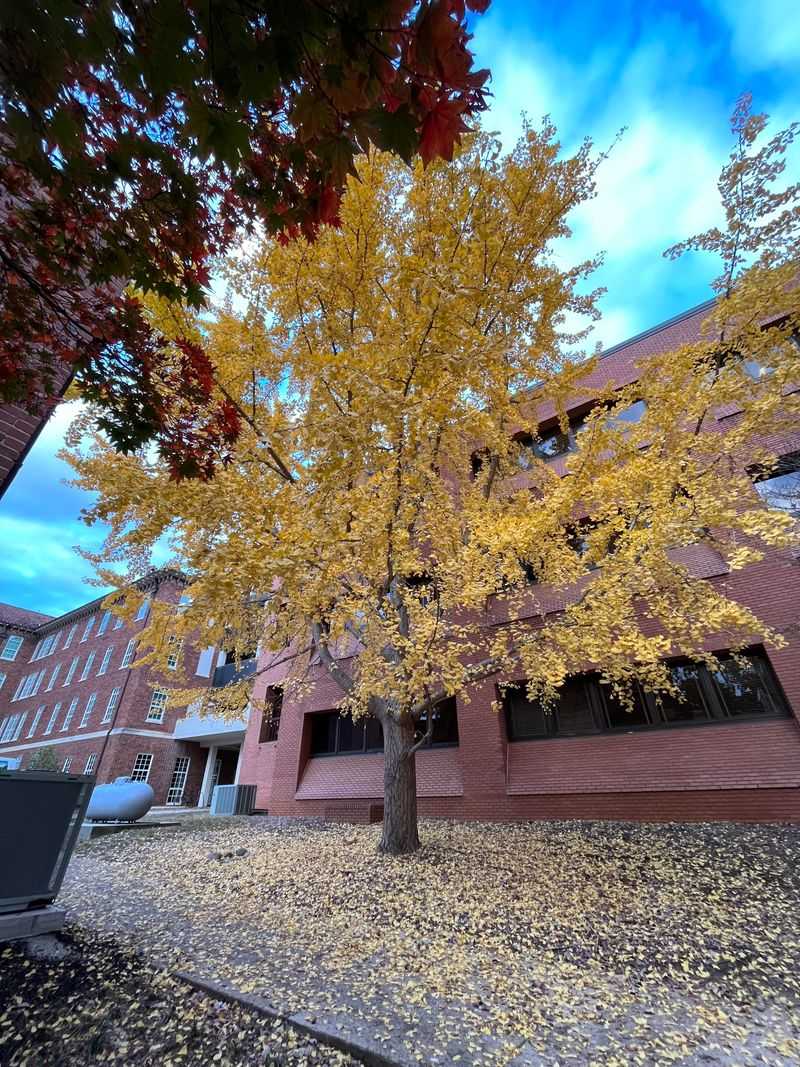
Many city foresters follow a simple rule for ginkgo trees: plant male trees and skip female ones. Male ginkgos offer the beauty and toughness of the species without dropping smelly seeds each fall.
Ginkgos make excellent street trees because they handle salt, pollution, compacted soil, and hot pavement better than most. They also resist many common insects and diseases, so a healthy tree can line a street for generations.
Nurseries usually sell male trees as named cultivars, such as Autumn Gold, Princeton Sentry, and Saratoga, propagated from grafts or cuttings. Because each one is a clone of a known male parent, buyers can feel fairly confident about the outcome.
Trees grown from seed are a gamble, since roughly half turn out female and reveal themselves decades later. Many older neighborhoods received seedling ginkgos years ago, which helps explain the smelly blocks people notice today.
The plan is not perfect, because some male trees can occasionally produce a few seed-bearing branches. Researchers have reported rare cases of this sex change, so a once-tidy tree might surprise its owners someday.
Researchers have developed DNA tests that can check young seedlings, helping growers sort males from females early on. That technology may help cities avoid planting future problem trees and save money on sidewalk cleanup.
Thinking about adding a ginkgo to your yard? Fall is a great planting season in Indiana, so ask the nursery for a named male cultivar, and keep the tag so you can confirm its parentage later.
Late Fall Timing Of The Fruit Drop In Indiana
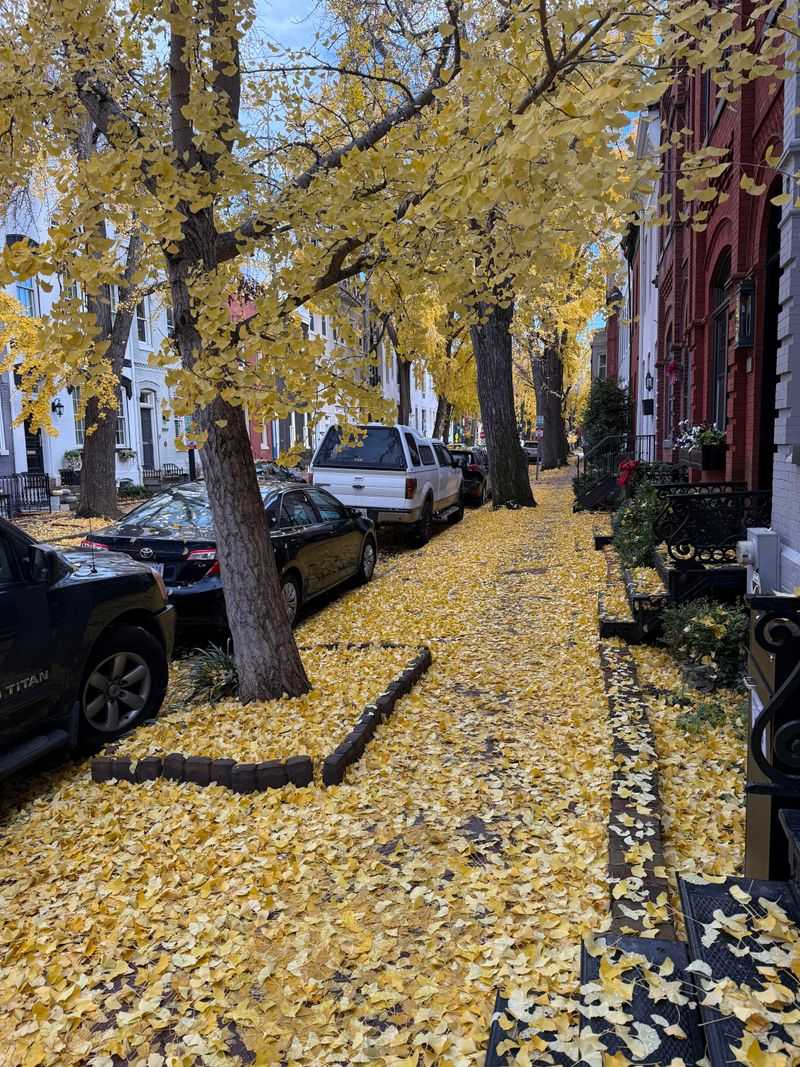
Many Hoosiers who live near a female ginkgo learn to read the calendar by smell rather than by date. The seeds start forming in spring, but they ripen slowly and hang on through the warm months unnoticed.
By early October, the seeds turn from green to a soft yellowish orange and begin to feel squishy. A few early ones drop now, giving neighbors a small preview of the heavier mess still coming later.
The biggest drop in Indiana usually happens from late October into November, often after the first hard frost. Cold nights can help loosen the seed stalks, and a single windy day can leave a thick layer on the sidewalk.
Ginkgo leaves have their own famous trick, turning bright butter yellow and then falling within a few days. Many trees drop nearly every leaf in one quick burst, creating a golden carpet mixed with smelly seeds.
Northern Indiana trees often reach this stage a week or two before trees in the warmer southern counties. Weather shifts from year to year, so watch the forecast for that first freezing night to predict the main event.
Some seeds cling to branches well into early winter, dropping whenever snow or strong winds shake the tree. Frozen seeds smell much less, but they thaw and stink again during mild December afternoons in the sun.
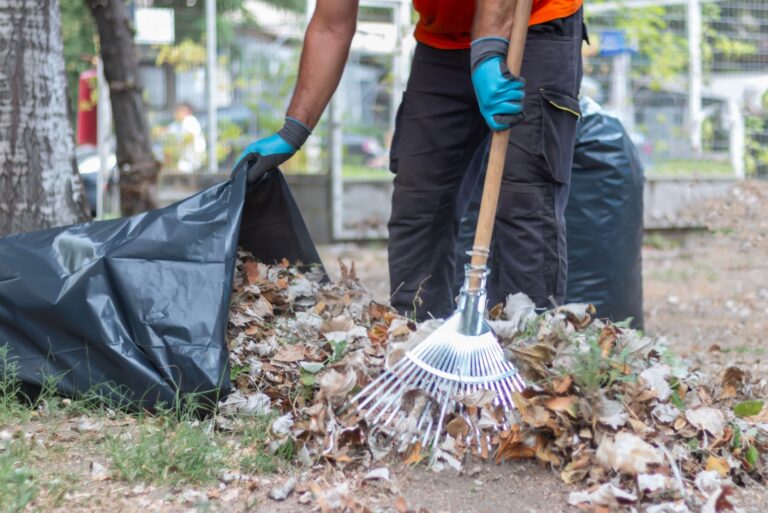
Right now is a smart time to plan ahead, before the heaviest drop arrives in a few short weeks. Set out rakes, gloves, and bags now, so you can act quickly once the orange seeds start piling up.
Skin Reactions Linked To The Fleshy Pulp
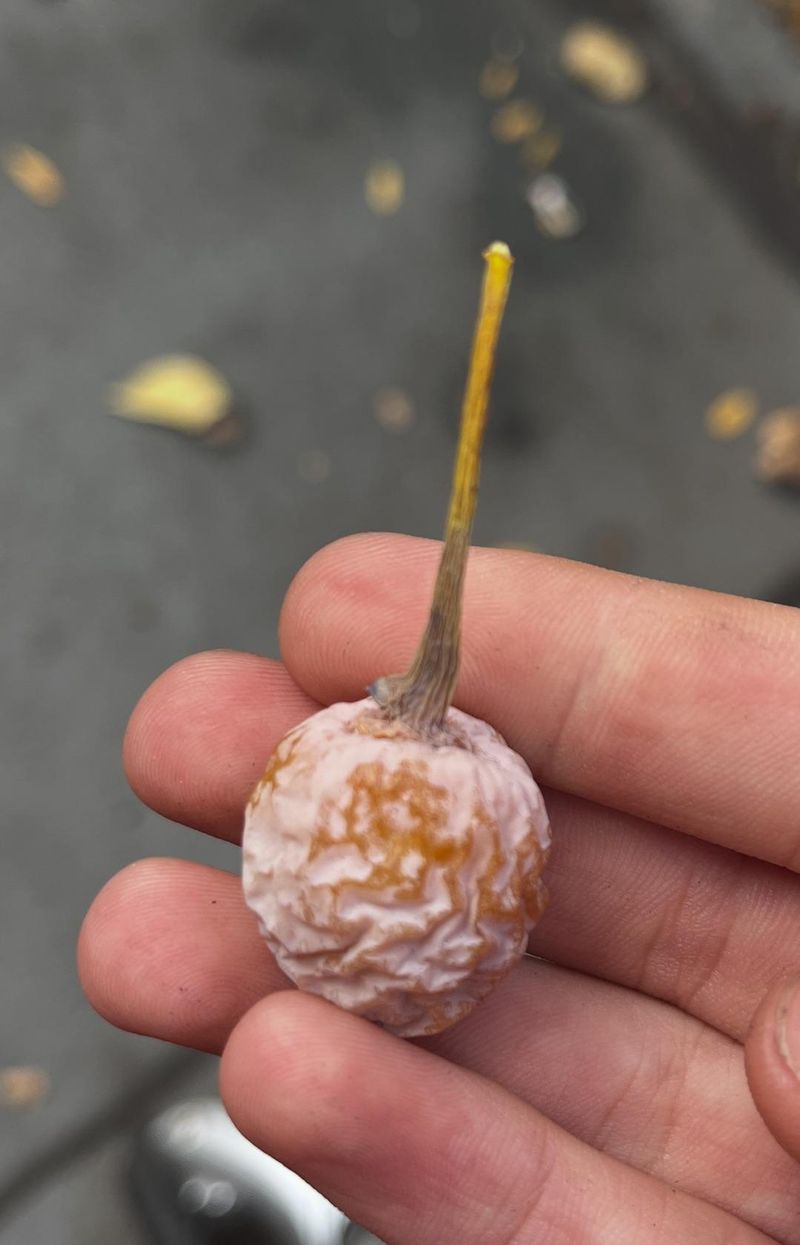
Some gardeners who pick up ginkgo seeds barehanded report a red, itchy rash that lasts for days. Stories like that are common, because the fleshy pulp holds chemicals that can irritate sensitive skin.
The main troublemakers are ginkgolic acids, which are similar to urushiol, the oily substance found in poison ivy. People who react strongly to poison ivy may notice similar itching, blisters, or swelling after touching the pulp.
Symptoms often appear a day or two after contact, so many folks do not connect the rash with the seeds. Hands, wrists, and faces are common trouble spots, especially if someone rubs their eyes while working outside.
Not everyone reacts, and some people handle the seeds for years before suddenly developing an allergy to them. Because reactions are hard to predict, it makes sense to treat the pulp with care every single time.
Wear waterproof gloves, such as nitrile or rubber, whenever you pick up seeds from lawns, gardens, or patios. Cloth garden gloves can soak up the oily juice, which lets the irritating acids reach your skin anyway.
If pulp does touch your skin, wash the area with soap and cool water as soon as you can. Mild rashes often improve with anti-itch cream, but swelling near the eyes or face deserves a call to a doctor.
Keep curious toddlers and pets away from the fallen seeds, since little hands and mouths explore whatever they find. A quick daily sweep during October and November makes the yard safer for the whole family to enjoy.
Cleanup Steps That Reduce Lingering Odor
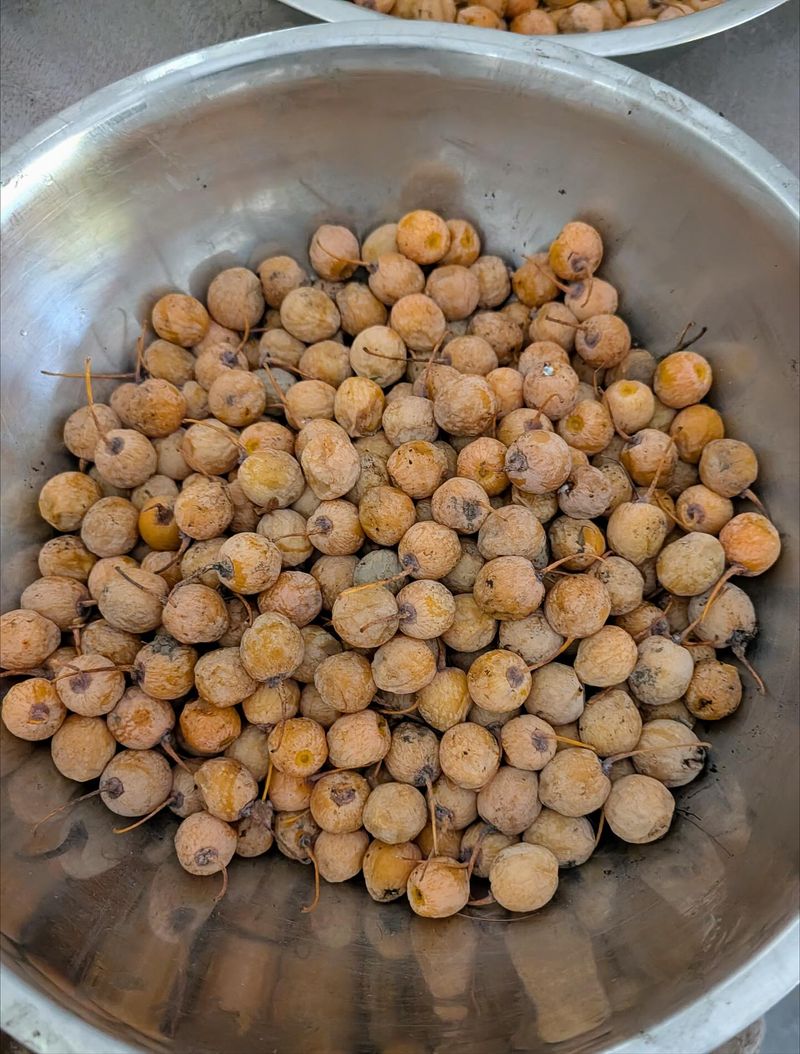
Ever tracked a squashed ginkgo seed into the house and wondered why the smell followed you inside? A smart cleanup routine can keep that stink outside, where it belongs, for the rest of the season.
Start by picking up whole seeds before anyone steps on them, since crushed pulp spreads the odor much faster. A leaf rake, a flat shovel, or a rolling nut gatherer makes the job much quicker.
Seal the seeds in sturdy plastic bags and put them in the trash rather than tossing them in compost. Backyard compost can trap the smell for weeks, and stray seeds might sprout into unwanted ginkgo seedlings next year.
For stained sidewalks and driveways, scrub with warm water and dish soap using a stiff-bristled outdoor broom. A garden hose or pressure washer then rinses away the greasy residue that keeps releasing smells on sunny days.
Shoes need attention too, so keep a stiff brush and a bucket of soapy water near your back door. Scrubbing the treads outdoors stops the odor from sneaking onto carpets, car mats, and the floors inside your home.
A sprinkle of baking soda on stubborn spots can absorb extra odor before you sweep and rinse the area. Some homeowners also lay a tarp under the tree during peak drop weeks, then fold it up for disposal.
If a city tree causes the mess, call your local Indiana public works office and ask about sweeping schedules. Some cities also apply spring treatments to reduce seed production, so asking now may help you get on next year’s list.