How To Keep Rosemary Bushy Instead Of Woody And Leggy
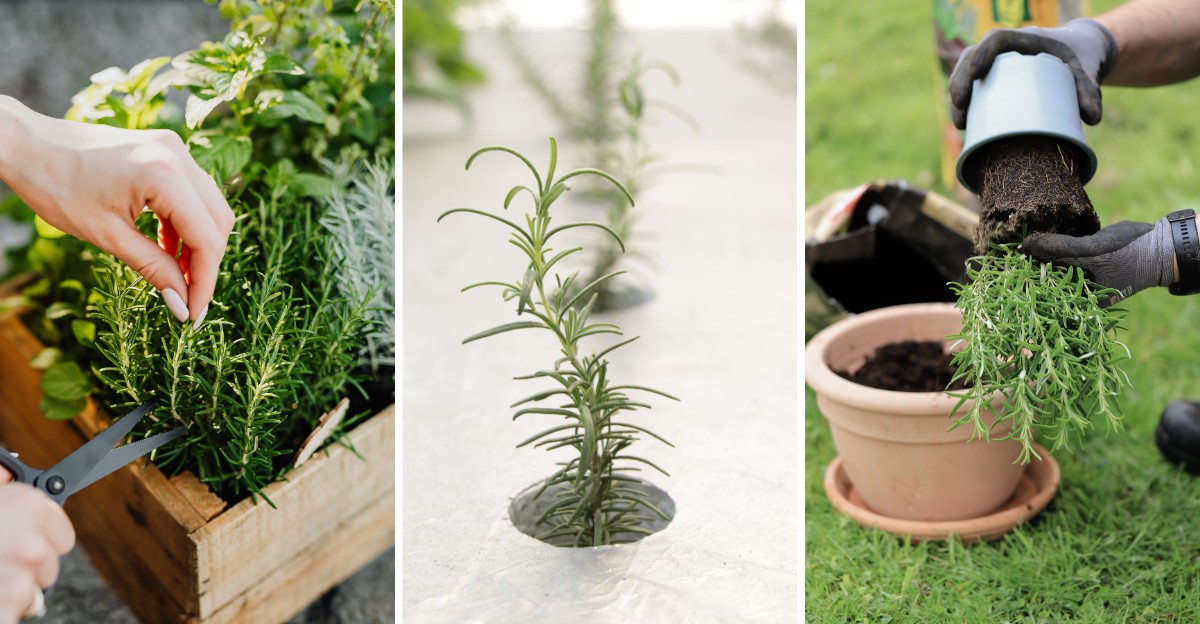
Why does your rosemary smell magnificent yet look so sparse at the base? You see woody stems below and a tuft of needles perched high.
Leggy growth signals a shrub stretching for light while its lower branches lose leaves. Light trimming now, shaping later, tells those stems to branch again.
Pinch tips with your fingernails and the plant responds with fresh side shoots. Trim only soft green growth, since older wood often resists new sprouting.
Shorten each stem lightly, leaving plenty of leafy inches intact. Sharp bypass snips make clean edges that heal fast.
Then water deeply and hold off on feeding until spring. Expect dense, aromatic growth by spring, packed with needles you can snip freely.
Your patience pays off when stems thicken and fragrance intensifies. Imagine rubbing a branch in spring and releasing a cloud of resinous perfume.
1. Pinch The Tips Every Few Weeks
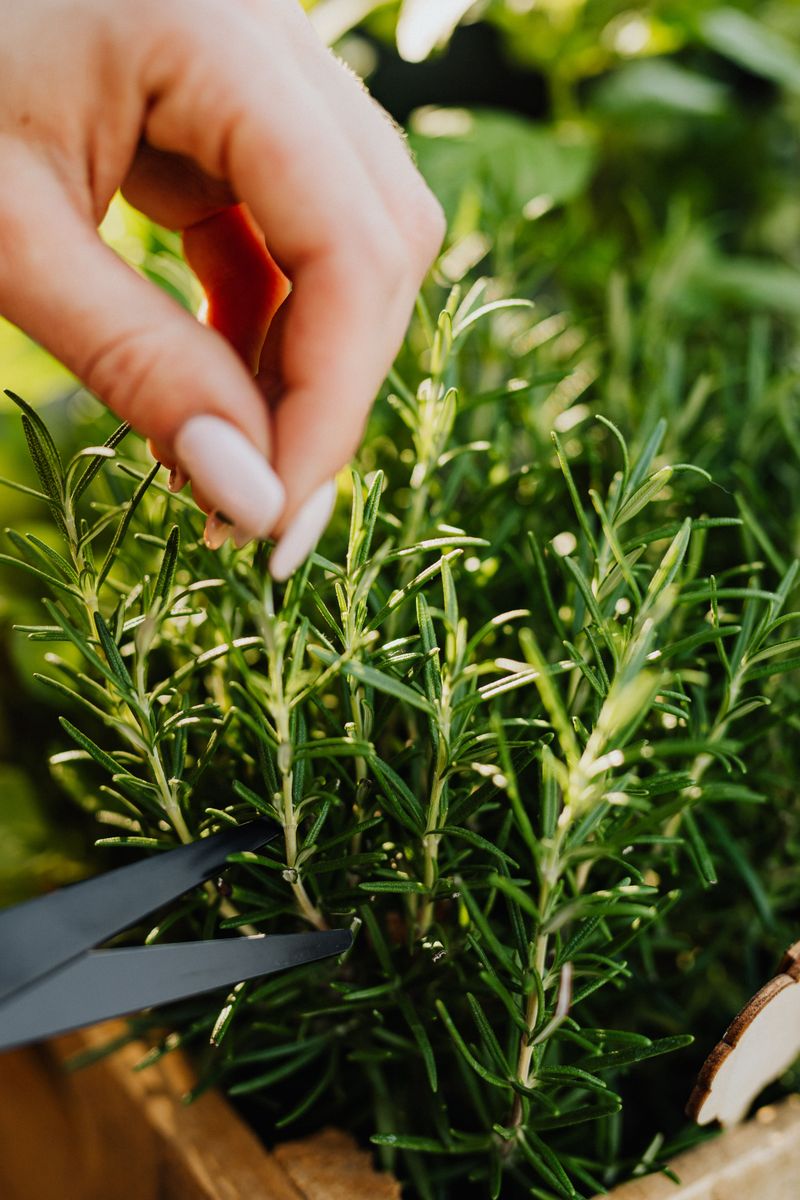
Picture a teenager who shoots up tall overnight but forgets to fill out sideways at all. Young rosemary behaves the very same way when nobody touches its soft green tips.
Each stem tip holds a growth hormone that tells the plant to keep reaching upward. When you pinch that tip off, the hormone drops and side buds finally wake up.
Those sleepy buds sit right where the leaves meet the stem, waiting for their turn. Remove the top inch, and two or three new shoots often appear below your pinch.
Use your thumb and pointer finger, or grab small clean snips for thicker stems. Aim for the soft, bendy growth instead of anything brown or stiff like a pencil.
Every three to four weeks during spring and summer works well for most backyard plants. Indoor pots in a sunny window can handle the same schedule with just a little patience.
Since it is October now, slow down and pinch lightly before cold weather arrives. New tender growth needs time to toughen up before frost arrives.
Keep the trimmings, because they smell amazing in roasted potatoes or a warm pan of soup. Your dinner gets better while your plant grows thicker, which feels like a sweet deal.
Think of pinching as a tiny haircut that teaches the shrub to grow out, not up. After a few rounds, you will see a fuller, rounder plant that looks happy and healthy.
2. Prune Above The Green Growth Line
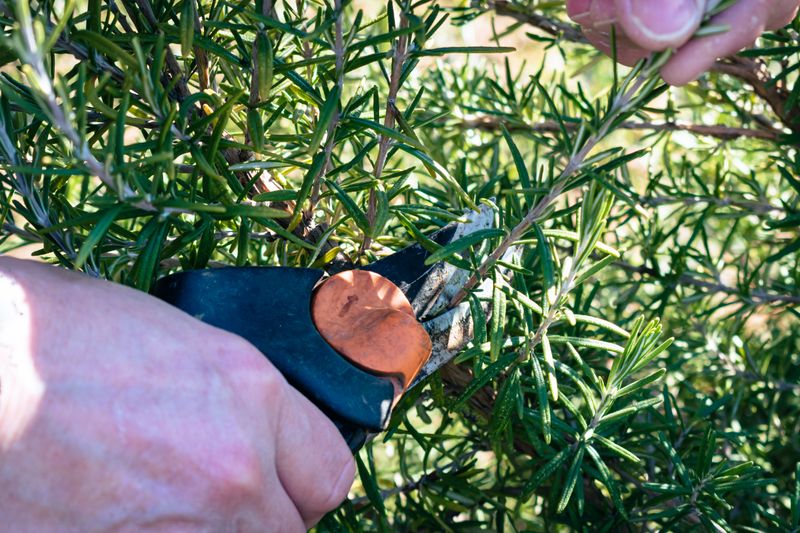
Old rosemary wood responds slowly and is reluctant to produce new buds. Cut into leafless brown stems, and they often stay dormant for months.
The plant struggles to push fresh buds from wood that has no leaves left on it. That is the main reason older shrubs end up with leafless, woody centers over time.
So before you snip, look closely for the spot where green needles start on each branch. Make your cut just above that line, leaving several sets of leaves behind on the stem.
A good rule is to remove no more than one third of the plant at once. Taking more can stress the shrub and leave it weak, sparse, and slow to recover.
Spring is the best season for a bigger shaping trim, right after the last frost passes. Fresh warmth helps the plant heal fast and send out plenty of new side shoots.
In October, keep your cuts small and light, and save the serious shaping for next spring. Late heavy pruning can invite cold damage to tender stems during the winter months ahead.
Sharp, clean pruners make smooth, neat cuts that heal quickly and resist pesky infections. Wipe the blades with rubbing alcohol between plants to keep germs from hitching a ride.
If your shrub already has a woody base, work slowly over two or three seasons. Little by little, each careful cut coaxes greener growth back toward the middle of the plant.
3. Give The Plant Six To Eight Hours Of Sun
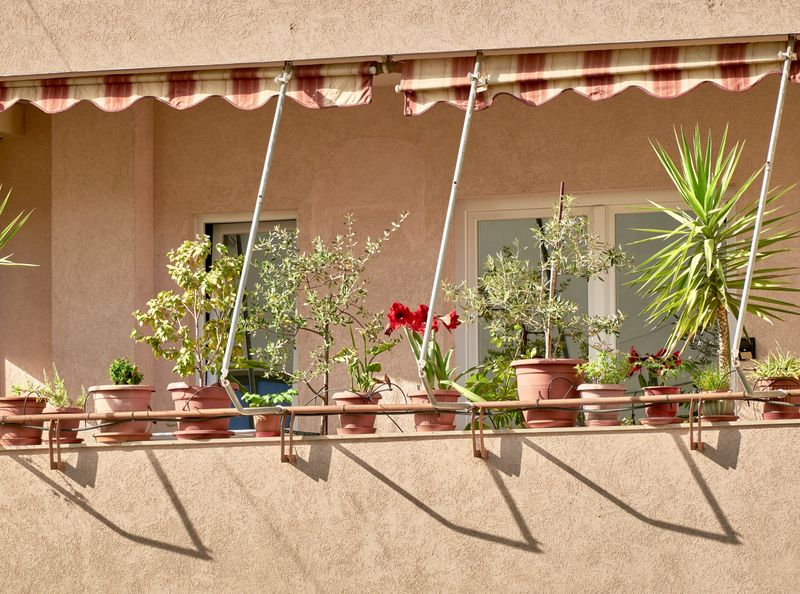
Rosemary grew up on rocky hillsides along the Mediterranean Sea, soaking in bright sunshine. Its name even comes from old Latin words that mean dew of the sea.
With that kind of background, this herb craves at least six to eight hours of direct sun. Less light makes stems stretch and lean, like a kid reaching for a cookie jar.
Stretched stems grow long gaps between leaves, which gives the plant that floppy, leggy look. Bright light keeps the spaces short and tight, so the foliage stays thick and full.
Outdoors, pick the sunniest corner of your yard, ideally one facing south or west in the Northern Hemisphere. Avoid spots shaded by tall fences, big trees, or your neighbor’s giant backyard trampoline.
Indoor plants face a tougher challenge, especially now that the October days are getting noticeably shorter. A south-facing window is your best friend, but even that may fall short by midwinter.
Consider adding an LED grow light, and follow the maker’s advised distance to avoid scorched needles. Run it twelve to fourteen hours a day, and the stems will stay stocky and strong.
Turn your pot a quarter turn each week so every side gets an equal share of light. Otherwise, the plant leans toward the window and grows lopsided like a tilted umbrella.
Sunlight also helps the leaves make more fragrant oils, so flavor improves along with shape. A sunny rosemary looks better, smells stronger, and tastes brighter in all your favorite recipes.
4. Water Deeply But Let The Soil Dry

Here is a confession many gardeners share: they loved their rosemary a little too much. Too much water, not too little, is the most common reason this tough herb struggles indoors.
Waterlogged roots lack oxygen and can develop root rot. A stressed plant then drops lower leaves, leaving behind leafless woody stems.
The trick is to water deeply, then wait until the top two inches feel dry. Stick your finger into the soil to check, since guessing usually leads to soggy trouble.
When it is time, soak the pot until water flows out of the drainage holes. Deep watering pushes roots to grow downward, building a sturdy base that supports bushy growth.
Newly planted rosemary may need a weekly drink in summer heat. Established shrubs usually rely on rainfall and tolerate long dry spells.
As October cools things down, the plant drinks much less than it did in July. Stretch the time between waterings, and check the soil before you reach for the hose.
Indoor rosemary is a little trickier, because heaters can dry the air but not the soil. Many people water on a calendar schedule, which can overwater the roots.
Watch for clues like yellowing lower needles, which often point to soil that stays too wet. Crispy brown tips can signal thirst, but root rot causes the same symptom, so check the soil first.
5. Plant In Gritty, Fast-Draining Soil
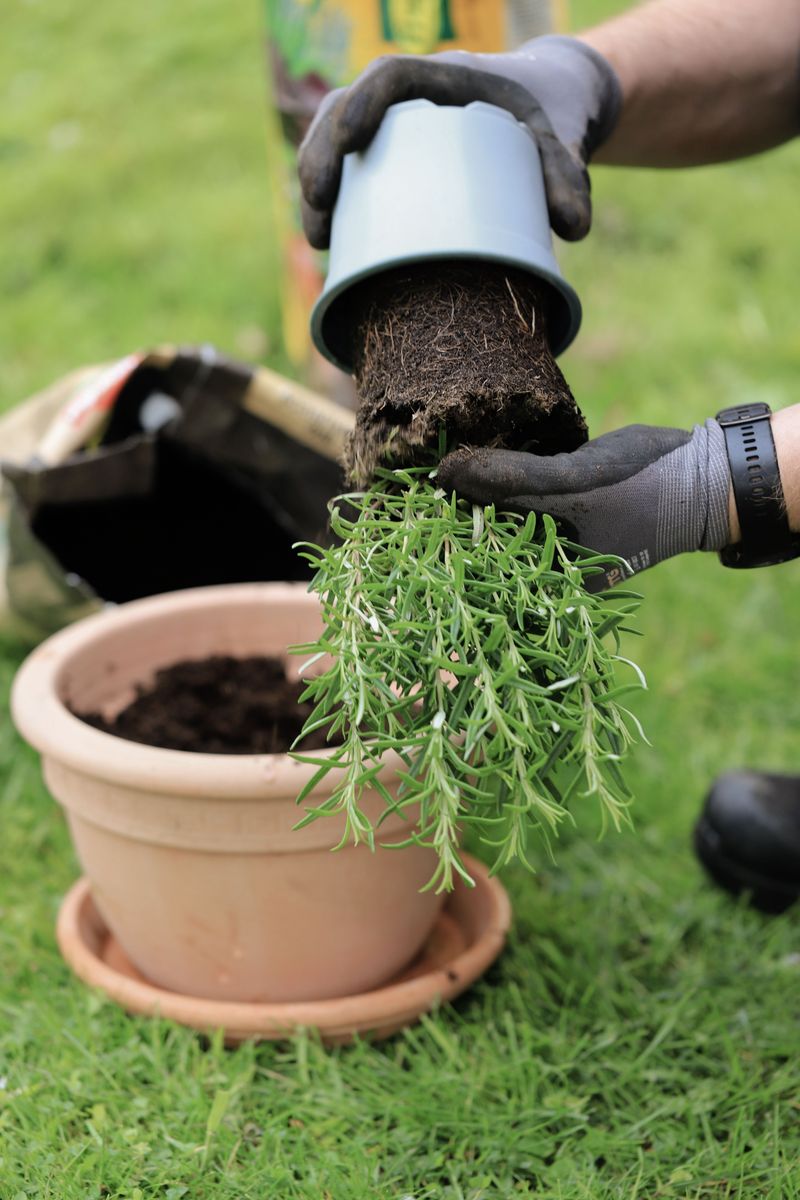
Rich, fluffy potting soil sounds like a treat, but rosemary would rather camp on gravel. Wild plants thrive in poor, rocky ground where rainwater rushes through in mere seconds.
Heavy soil holds moisture for days at a time, and that dampness weakens roots. Weak roots lead to thin, spindly top growth that struggles to fill out.
For pots, mix regular potting soil with about one third coarse sand or perlite for grit. Some gardeners use cactus mix, which already drains quickly and works beautifully for herbs.
Choose a clay or terracotta pot, because the walls breathe and help the soil dry evenly. Plastic pots trap moisture, so they need a looser mix and extra drainage holes.
In garden beds, clay soil is the biggest challenge for a healthy, compact rosemary shrub. Work in gravel or coarse grit, or build a raised bed that sits above the soggy ground.
Planting on a small mound also helps rainwater run away from the crown of the plant. That little hill can make a huge difference during rainy autumn weeks like this October.
Skip the saucer of standing water under pots, since roots sitting in puddles get grumpy fast. Tip out any extra water about fifteen minutes after you finish watering the plant.
Good drainage keeps roots strong, and strong roots feed dense, leafy branches up above ground. Think of it as building a solid foundation before you decorate the house on top.
6. Skip The Heavy Fertilizer Feedings

Feeding a plant sounds kind, yet rosemary treats rich fertilizer like an all-you-can-eat buffet. It gorges on the extra food and shoots out long, weak, wobbly stems almost overnight.
Nitrogen is the main culprit, because it pushes fast, soft, leafy growth above all else. That speedy growth is thin and floppy, and it turns woody without filling out properly.
Wild rosemary survives in poor soil with very little food, and it stays tight and compact. Your backyard plant has the same tough genes, so it needs far less than you think.
If you do feed, use a gentle, balanced fertilizer at half the label strength. Once in spring and maybe once in early summer is plenty for most garden plants.
Compost is another great choice, since it releases nutrients slowly instead of all at once. Sprinkle a thin layer around the base, keeping it a few inches away from the stems.
Stop feeding by late summer, and definitely skip it now that October has arrived. Fall fertilizer sparks tender new shoots that frost can easily damage in the chilly coming months.
Potted plants may need a tiny bit more help, because frequent watering washes nutrients away. Even then, a light dose every couple of months during the growing season works fine.
Pale leaves can signal hunger, but check sunlight and water before reaching for plant food. A leggy rosemary often needs less pampering and a lighter touch from you.
7. Harvest Often To Encourage New Shoots
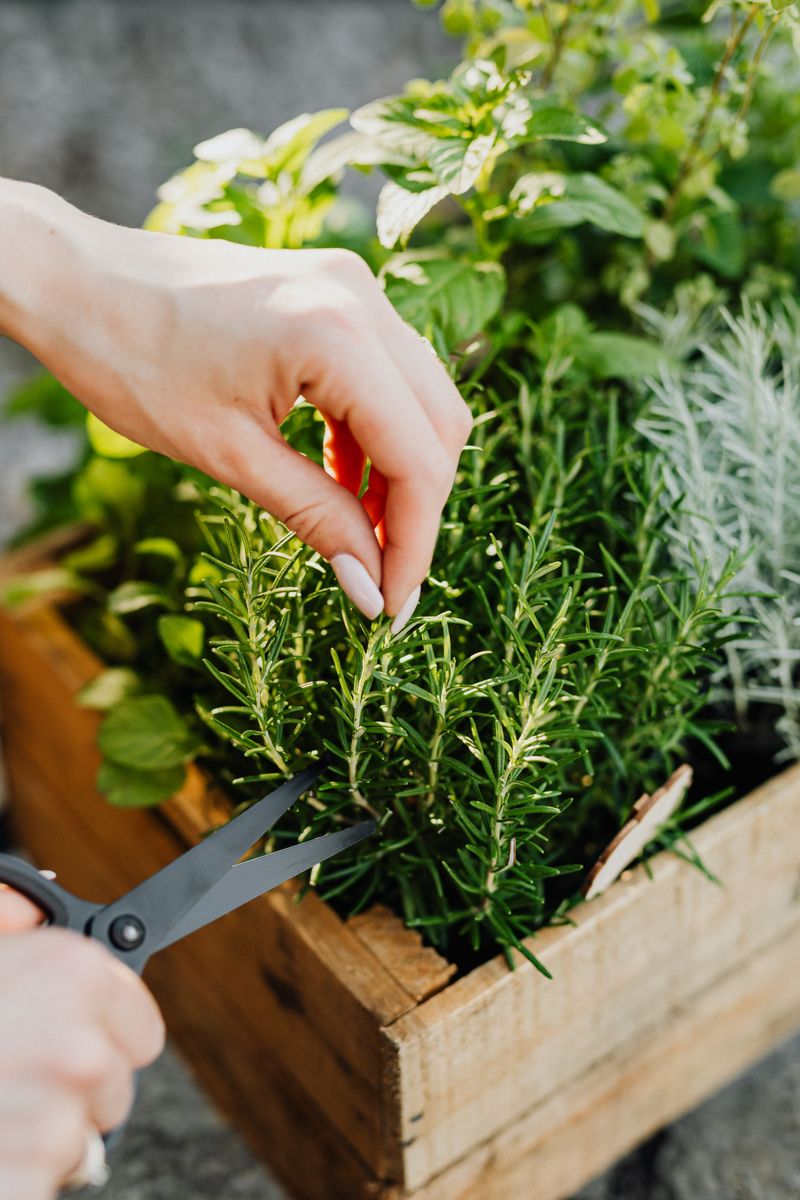
Your favorite chicken recipe might be a handy tool for a fuller, rounder rosemary plant. Regular harvesting works just like pruning, but you get dinner out of the deal too.
Every time you snip a sprig, you remove a growing tip and wake up buds below. Those buds turn into fresh branches, and the plant slowly becomes thicker and more compact.
Take sprigs from different parts of the shrub instead of removing all growth from one side. Spreading out your cuts keeps the shape balanced, like trimming a beard evenly on both cheeks.
Cut stems that are four to six inches long, snipping just above a pair of leaves. Leave plenty of green behind so the branch has energy to bounce back quickly.
Morning is the best time to harvest, after the dew dries but before the hot afternoon. The leaves hold the most fragrant oils then, so your food tastes extra delicious.
October is a good month to gather a modest batch, taking no more than one third of the plant. Hang small bundles upside down in a dry room, and they will be crispy in two weeks.
Dried rosemary keeps for months in a jar and makes a lovely homemade holiday gift. Tie a ribbon around the lid, and your friends will think you are a gourmet chef.
Light harvests every week or two beat one giant chop that cuts the plant back too far. Steady snipping keeps the shrub busy making new shoots instead of stretching into long woody arms.
8. Start Fresh Cuttings As Plants Mature
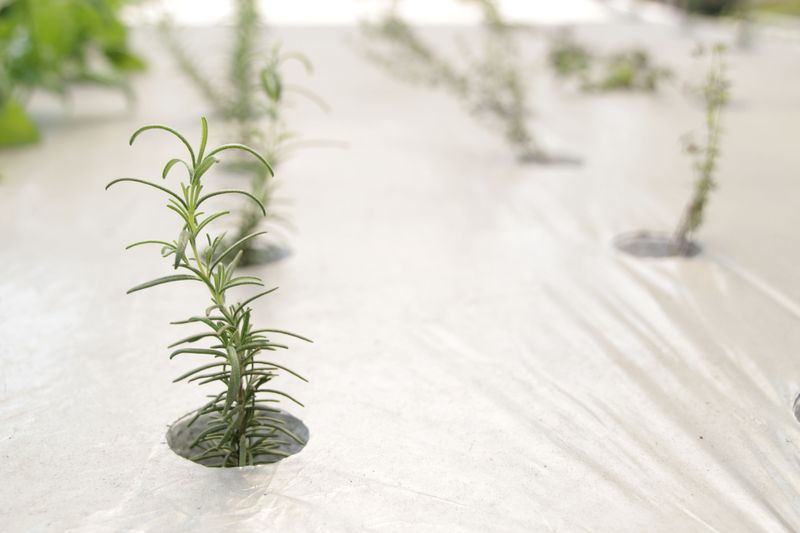
Even the best-kept rosemary slowly gets woodier with age, much like an old oak tree. As rosemary ages, often within a few years, the base turns woody and soft growth shifts toward the tips.
Pruning can slow the aging process, but it cannot turn back the clock forever. Smart gardeners plan ahead by rooting cuttings from their favorite plants every couple of years.
Start by snipping a healthy, four-inch piece of soft green stem without any flowers on it. Strip the needles off the bottom inch, leaving the leafy top section in place.
Dip the cut end in rooting hormone if you have it, though many cuttings root without help. Push the stem into damp, sandy potting mix and set it somewhere bright but not scorching.
Cover the pot loosely with a clear plastic bag, and open it every few days for airflow to prevent fungal rot. Roots usually form in four to eight weeks, and a gentle tug will tell you when.
Late spring and summer suit cuttings best, though October cuttings can root indoors over winter. By the following spring, October cuttings become sturdy young plants ready to replace any aging, woody shrubs.
Young rosemary responds beautifully to pinching, so start gently shaping your new plant babies right away. Early training helps them grow into dense, rounded plants from the very first season.
Extra cuttings make wonderful gifts for neighbors, teachers, or anyone who loves to cook. Sharing your plant spreads the scent around town and keeps a little bit of your garden growing.