The Alabama Native Tree That Creates Dense Shade Without Constant Cleanup
Why does one of Alabama’s best shade trees ask for so little cleanup? You deserve cool shade without a weekend of sweeping sticky pods.
Picture a canopy that drops temperatures while your neighbors squint. Late summer brings you thick, glossy leaves that filter afternoon brightness.
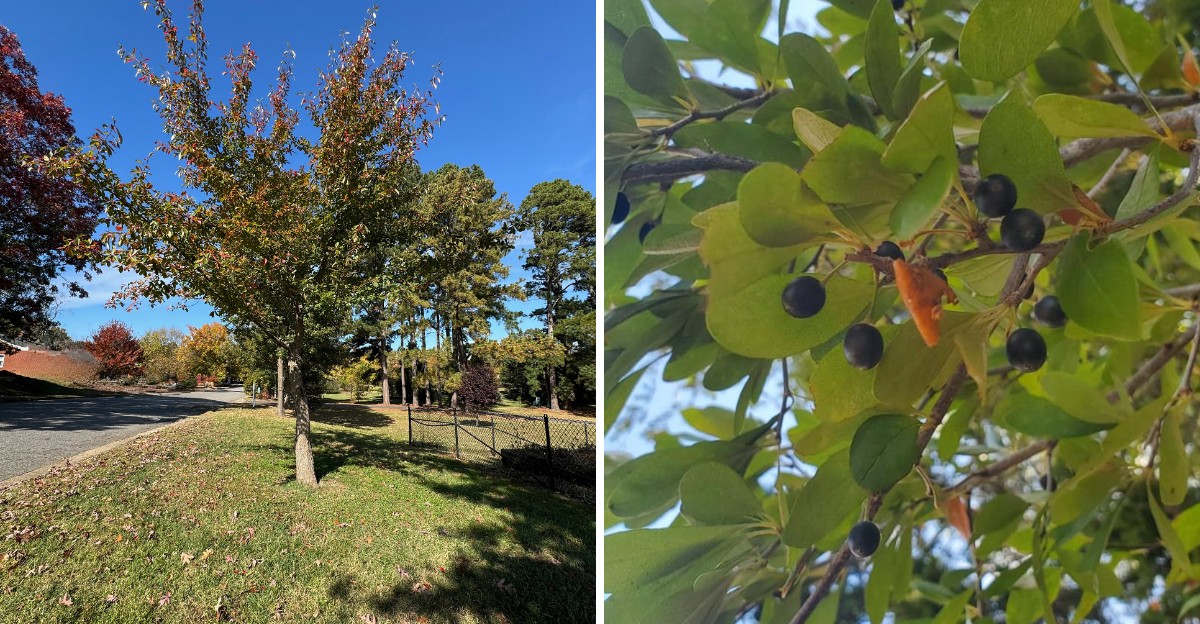
Autumn then hands you scarlet, orange, and deep purple foliage. Songbirds gather on its small blue berries, so you gain free entertainment.
Mockingbirds, thrushes, and woodpeckers flutter while you watch from a window. Those berries disappear fast, leaving you a tidy lawn.
Alabama soils from the Gulf coast to the Tennessee Valley suit this native. Roots tolerate wet ground and dry spells alike, so you plant with confidence.
Expect bark that forms blocky plates, giving winter landscapes real texture. Trade your rake for a hammock, because this tree quietly handles the chores for you.
Black Gum, The Quiet Shade Giver Of Alabama
Ask an Alabama forester for a well-mannered shade tree, and black gum is a frequent recommendation. Its scientific name is Nyssa sylvatica, and it grows wild from the Tennessee Valley to the Gulf Coast.
Mature trees usually reach 30 to 50 feet tall with a spread of 20 to 30 feet. Branches stretch out sideways in neat layers, building a thick, cool canopy overhead.
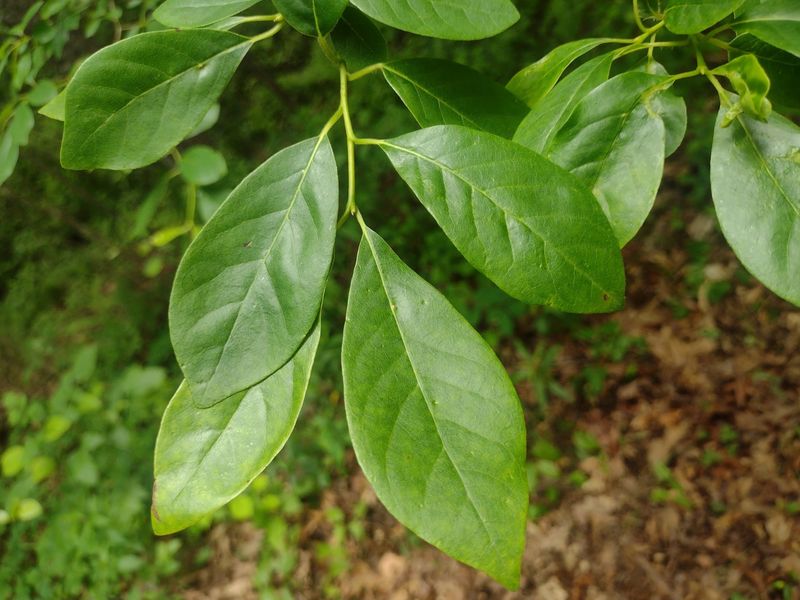
Leaves are glossy, dark green, and packed closely together along each twig. That tight arrangement blocks strong summer sun and keeps patios noticeably cooler by late afternoon.
Cleanup stays light because the tree drops no spiny balls, heavy pods, or sticky sap, though leaves, twigs, and some fruit still fall. Compare that to sweetgum, whose prickly gumballs can roll under your shoes like tiny marbles.
Black gum also handles tough Alabama conditions with modest care once established. It tolerates clay, sandy soil, wet spots, and summer heat that would wilt pickier trees.
Folks sometimes call it black tupelo, sour gum, or pepperidge, depending on where they grew up. Old-timers once used hollow gum logs as beehives, known as bee gums.
Wildlife loves this tree as much as homeowners do. Bluebirds, thrushes, and even foxes snack on its small dark fruit each fall.
If you want shade that stays put and behaves itself, black gum compares well with other natives. It simply does its job without asking you for extra weekend chores.
Plant one now, and you gain a cooler spot on each muggy July afternoon. That cool spot on the lawn might become your favorite outdoor room.
The Small Leaves And Tiny Fruit Behind An Easy Yard
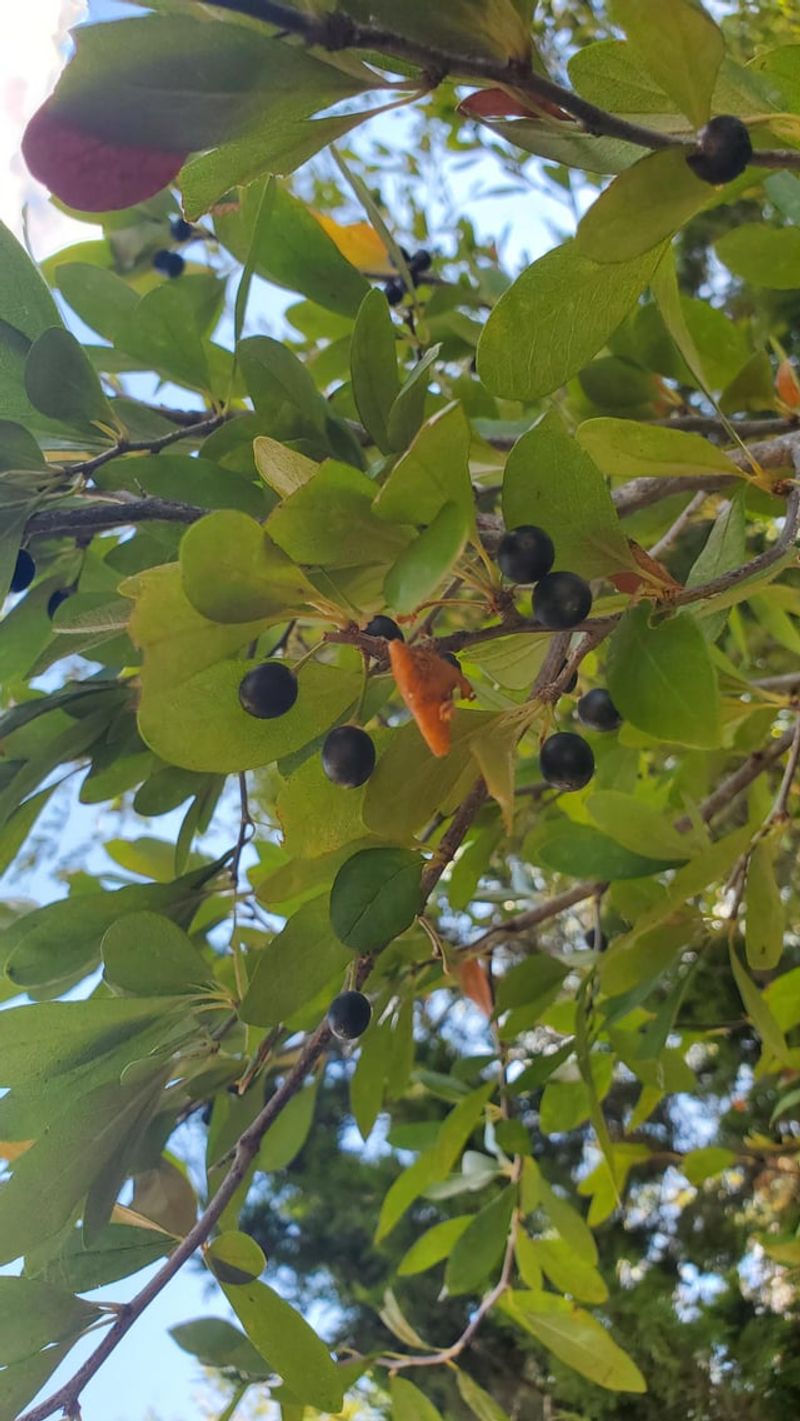
Think of black gum as the neat kid in class who keeps a tidy desk. Its secret lies in what it drops, and more importantly, what it skips.
Leaves are simple, oval, and only two to five inches long. They fall within a short window in autumn, so you rake once or twice and finish.
Oaks and maples can shed for weeks, leaving fresh piles after every breezy night. Black gum tends to let go in one quick, colorful burst instead.
Then there is the fruit, which is roughly the size of a small blueberry. Birds eat those dark blue berries quickly, so fewer reach the ground.
Your Alabama Garden Changes Every Week. Your Plan Should Too.
Gardening in Alabama changes quickly throughout the season. Every Friday you’ll receive a simple weekly plan showing exactly what to plant, prune, fertilize, harvest, and protect so you never miss the right timing.
Robins, mockingbirds, and cedar waxwings use the tree as a convenient food source. Your sidewalk stays clean, and the birds get rich fuel for the colder months.
Black gum trees can bear male, female, or mixed flowers, and only trees with female or mixed flowers set fruit. Ask your nursery which type you are buying if you want less fruit to sweep.
The wood is sturdy, so branches tend to stay attached during storms. That strength means fewer broken limbs littering your yard after summer thunderstorms.
Young trees grow a strong taproot, and mature trees also develop lateral roots. Black gum is still less likely to lift sidewalks than many shade trees.
Put it all together, and you have shade with minimal upkeep. Your weekends can go toward fishing, football, or a lazy hammock nap.
October Color And The Best Planting Window
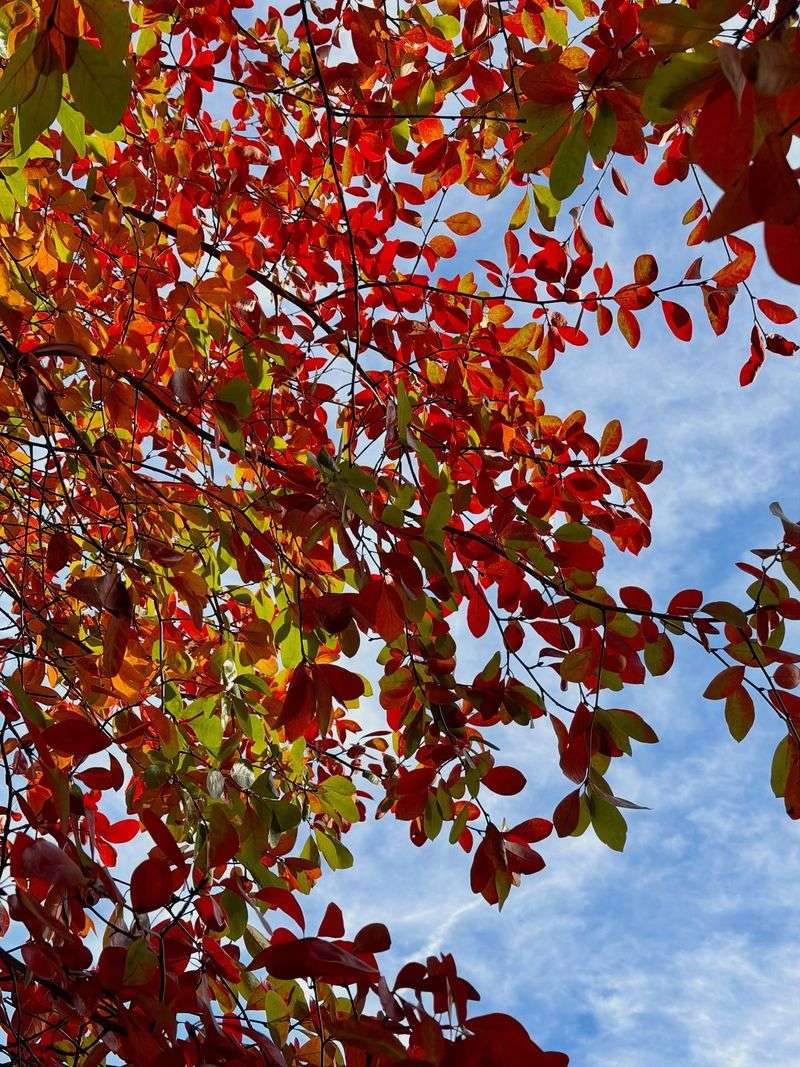
Each October, black gum puts on one of the earliest color shows in Alabama woods. Leaves flip from green to scarlet, orange, and deep purple, sometimes all on one branch.
Many people remember spotting those red trees along country roads during school bus rides. They often color weeks before maples and oaks join the party.
October is also a smart month for planting a new black gum. Soil stays warm while air temperatures cool down, which gives roots a gentle head start.
Roots keep growing through Alabama’s mild winters even after the leaves drop. By spring, your young tree has a sturdier base for facing summer heat.
Fall planting can mean less watering than a summer start. Fall can be dry in Alabama, so check the soil every week and water when the top few inches feel dry.
Aim to plant from mid-October through early December for the best results. Pick a container-grown tree, since black gum dislikes being dug up and moved.
That long taproot does not enjoy disturbance, so small trees settle in faster. Smaller containers often transplant more easily than large ones, so ask your nursery about the best size.
Choose a sunny or lightly shaded spot with room for a wide canopy later. Keep it at least 15 feet from your house, and plant well away from overhead power lines, since mature trees reach 30 to 50 feet.
Call 811 before you dig. Garden centers often discount trees in fall, so you may save money too. Bring one home now, and next October you can enjoy your own glowing show.
The Common Planting Mistake That Stalls Growth
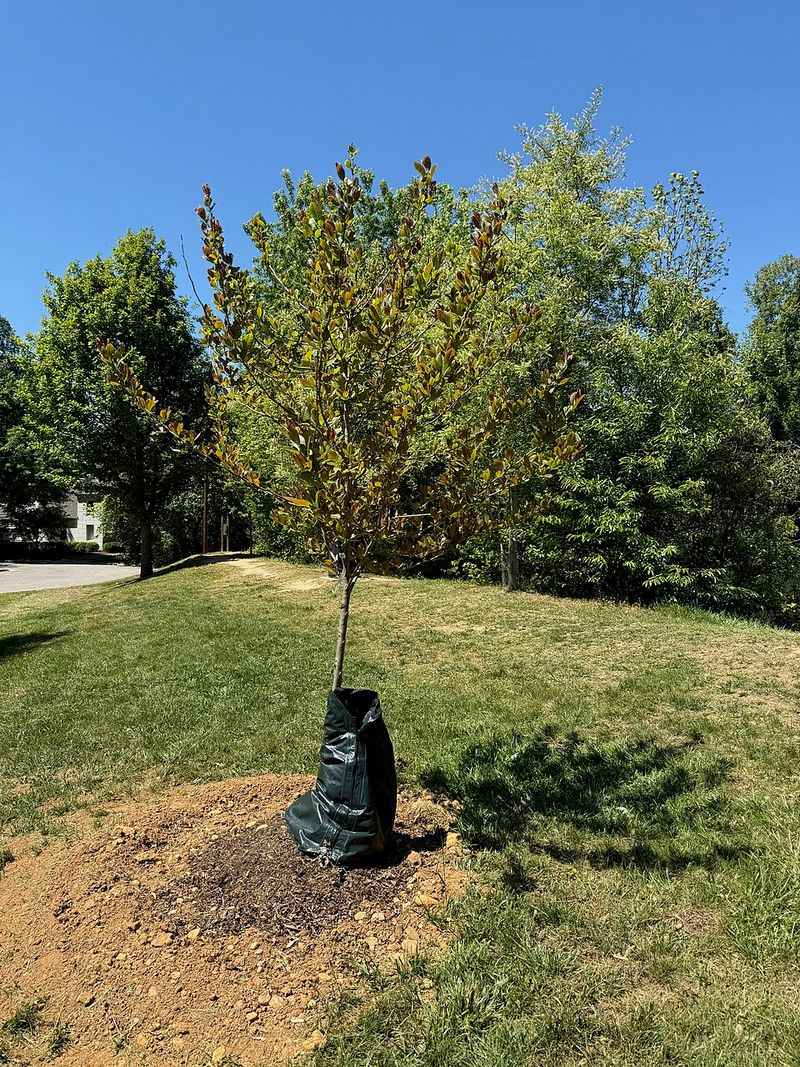
Nursery workers hear one complaint over and over about black gum. A homeowner plants it, waits two years, and the tree hardly grows an inch.
Often, the problem is planting too deep. People dig a deep hole, drop the tree in, and pile soil up the trunk.
Buried bark stays damp, which invites rot and weak growth over time. Roots also struggle to get oxygen when they sit too far below the surface.
Planting depth matters for black gum, as it does for any tree. Stress from poor planting can show up as small, pale leaves and thin branches.
Another common slip is the mulch volcano, a tall cone of mulch piled against the trunk. It looks tidy, but it traps moisture and invites insects and gnawing rodents.
Overwatering causes trouble too, especially in heavy Alabama clay that drains slowly. Young roots sitting in a poorly draining planting hole cannot breathe well, even though established black gum tolerates wet sites.
Look at your tree’s base this fall and check for the root flare. That flare is where the trunk widens just before the roots begin.
If you cannot see it, the tree is likely planted too deep. A mushroom-like trunk with no flare is a clear indicator.
Catching the mistake early gives your tree a better chance of establishing well. Waiting several seasons only makes the repair harder and riskier.
Young trees forgive a lot, but they cannot fix buried roots alone. A little inspection this fall can save you years of slow growth.
A Simple Fix For Stressed Young Trees
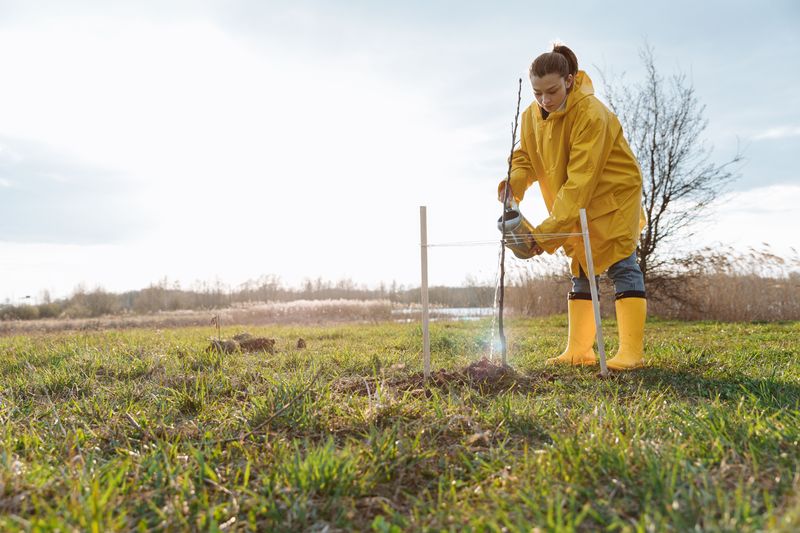
Grab a garden trowel and a little patience, because correcting a slow-growing black gum is doable. Many fixes take about an hour on a cool fall morning.
Start by gently pulling soil and mulch away from the trunk with your hands. Keep going until you finally spot the root flare and the top roots.
Leave that flare exposed so it sits level with or slightly above the ground. If the tree was planted only a year ago, ask a certified arborist or your county extension office before lifting it.
Next, rework your mulch into a flat donut shape about two to three inches deep. Keep the mulch three or four inches away from the bark on all sides.
Watering comes next, and the goal is deep soakings rather than daily sprinkles. Give a tree with a one-inch trunk about ten gallons once a week when rain skips a turn, and scale up for thicker trunks.
Poke a finger two inches into the soil before you water again. If it still feels damp, wait a few more days and check again.
Skip heavy fertilizer, since pushing fast growth on stressed roots can backfire. A thin layer of compost spread under the mulch offers a much gentler boost.
Pruning should stay minimal for the first couple of years after planting. Remove only broken or crossing branches, and save bigger shaping jobs for later winters.
Give the tree a full growing season to respond to these changes. Fresh new shoots and greener leaves next summer will tell you the rescue worked.
Long Shade Rewards And Smart Care For Years Ahead
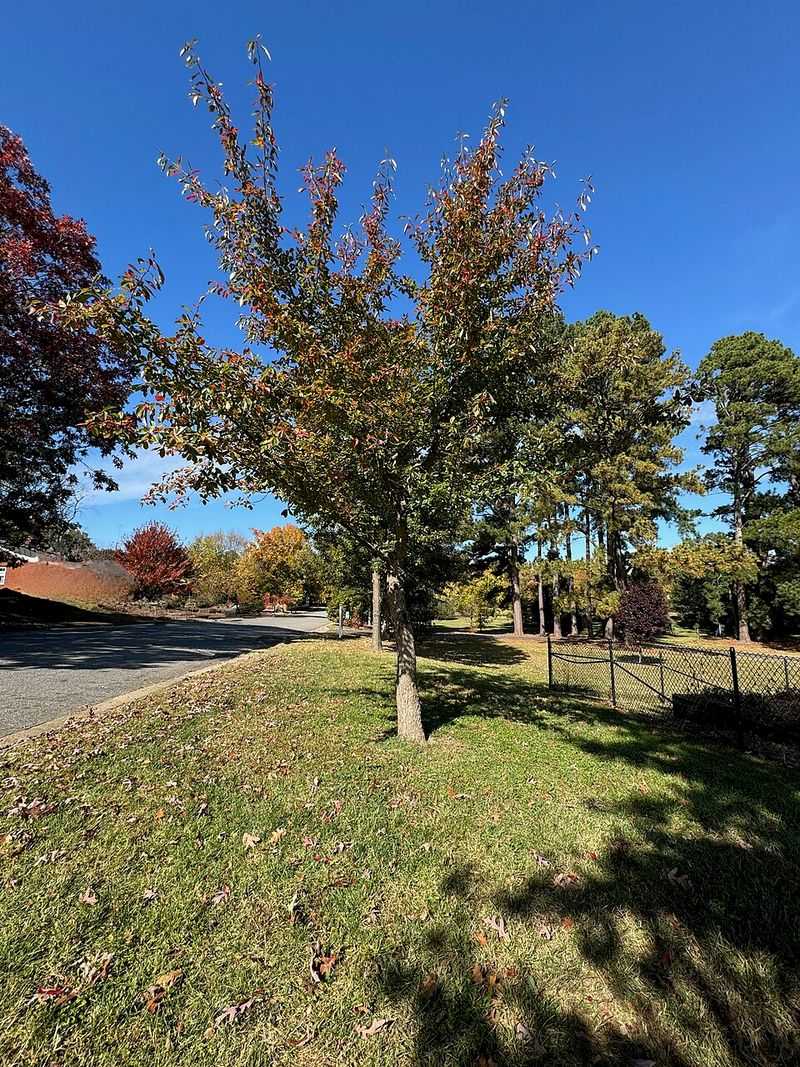
Black gum trees can live for centuries, with some wild ones topping 600 years old. That makes your backyard sapling a gift for grandkids you have not even met.
Growth is slow to moderate, often about one to two feet each year. Within ten to fifteen years, you can expect a shady spot big enough for chairs.
Once established, the tree handles drought and flooding better than many common yard trees. Its sturdy wood stands up well to the strong storms that roll through Alabama.
Prevention keeps that bright future on track with only a few simple habits. Keep string trimmers and mowers away from the trunk, since bark wounds invite decay.
A ring of mulch makes a handy buffer between your tree and lawn equipment. Refresh it each fall, keeping that flat donut shape you set up earlier.
Watch for leaf spot, which shows up as small brown dots during rainy summers. It looks worrying but seldom harms the tree, so just rake fallen leaves in autumn.
Avoid building patios or driveways over the root zone once the tree matures. Packed soil squeezes out air and slowly weakens even the toughest native trees.
Every few years, step back and look for crossing or rubbing branches to trim in winter. Light, regular care beats one big, stressful pruning job down the road.
Stick with these habits, and black gum repays you with cool summers and vivid autumn color. Your hardest yard job may simply be choosing the comfiest chair underneath.