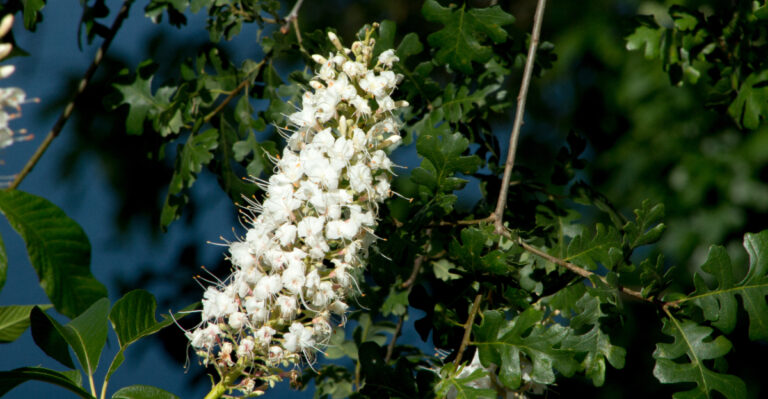
Why A California Walnut Tree Quietly Stops Other Plants From Growing Nearby
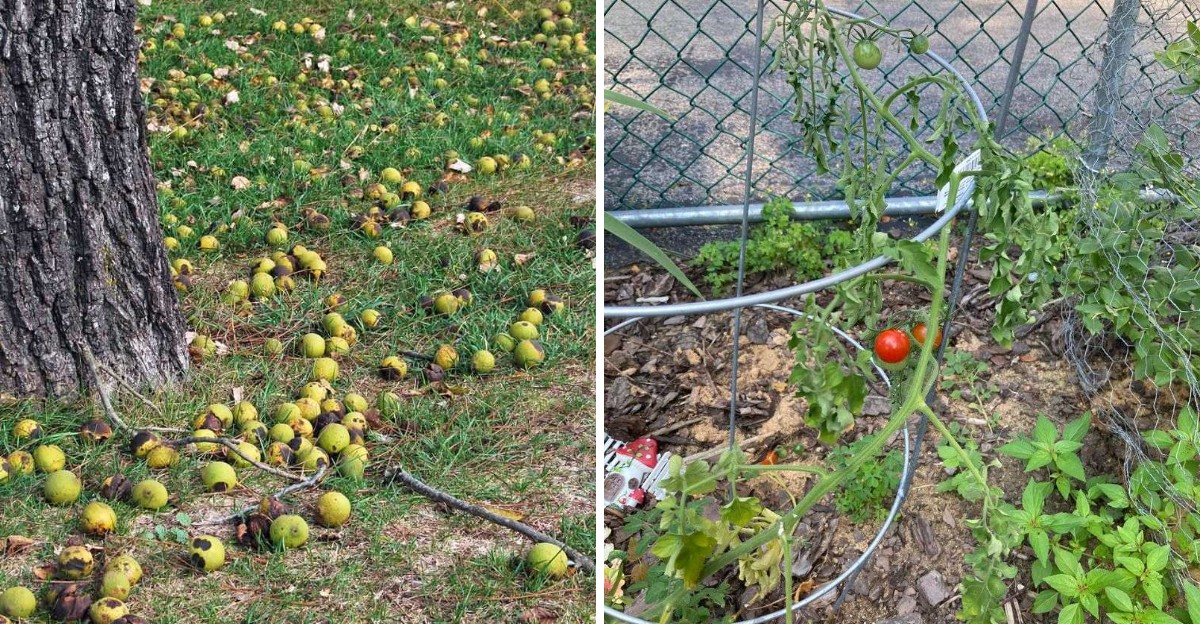
Some patches of shade in California yards stay strangely bare, no matter how often they’re watered or planted. Nearby, a row of vegetables may yellow and wilt even though the soil feels damp and no pests are in sight.
The reason often stands right overhead, quietly shaping what can and can’t thrive beneath it.
This invisible influence travels through soil, fallen leaves, and other parts of one familiar tree, and certain plants feel its effects far more than others.
Some barely notice, while others begin struggling within weeks.
Knowing which tree is involved, how far its reach extends, and which plants make good neighbors can turn a frustrating corner into one of the greenest spots in the garden.
Juglone Is The Hidden Chemical Behind It
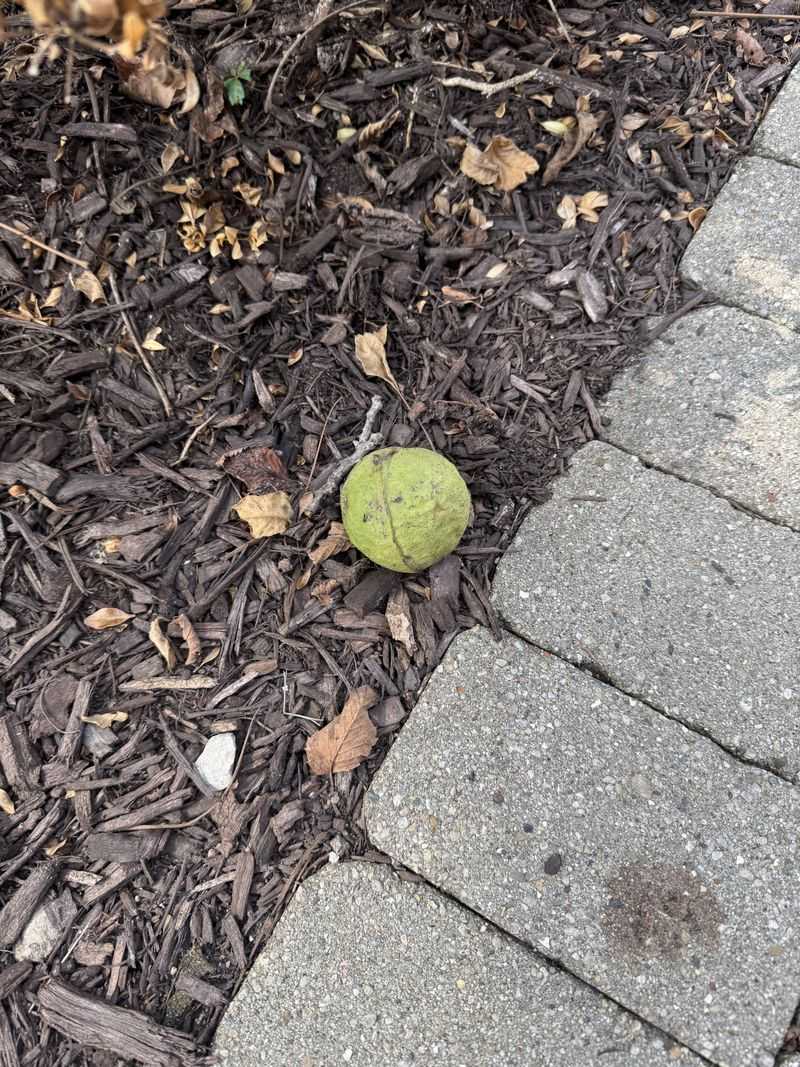
A tree that competes for space without ever moving a branch sounds like science fiction. Walnut trees do exactly that with a natural compound called juglone.
Scientists call this kind of plant chemistry allelopathy. The term simply means one plant affecting another through chemicals.
Inside the living tree, the compound sits in a harmless form called hydrojuglone. Once it meets air or soil, it changes into active juglone.
Sensitive plants that absorb it can suffer damage to their energy systems. They struggle to breathe at the cell level and slowly lose strength.
Eastern black walnut produces the most juglone of any walnut. California also has its own natives, including Northern California black walnut and Southern California black walnut.
Both belong to the same family and produce juglone as well. English walnut, grown in Central Valley orchards, makes much less.
Juglone carries a long history as a natural dye. Walnut hulls have stained hands, cloth, and wood brown for centuries.
Anyone who has cracked fresh walnuts and ended up with tan fingers has met this chemical up close. That stubborn stain offers a hint of its strength.
Plants react to juglone in very different ways. Some barely notice it, while others respond quickly.
Learning which group favorite plants fall into marks the first step toward a garden that gets along with its leafy neighbor instead of battling it every summer.
Roots Hulls And Buds Hold The Most
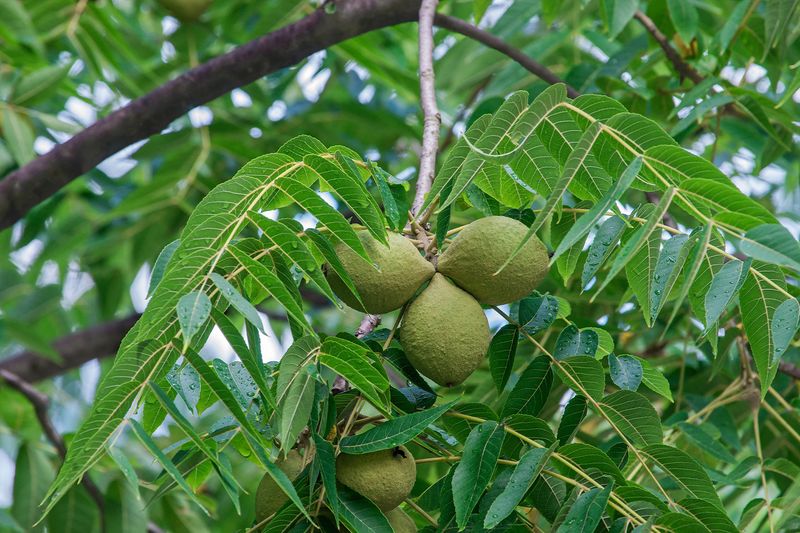
A green walnut hull squeezed in the hand releases an earthy, sharp smell. That scent signals one of the richest juglone sources on the tree.
Every part of a walnut contains some juglone, though the amounts vary widely. The highest levels sit in three places: the buds, the nut hulls, and the roots.
Buds swell with it in spring, right when gardeners are planting. Hulls carry large amounts as nuts ripen in late summer and fall.
Roots matter most for nearby plants, since they live underground beside everything else. As they grow, they release juglone into the surrounding soil.
Tomato or pepper roots that bump into that zone absorb it, and trouble follows. The damage often appears before anyone suspects the tree.
Leaves and stems carry smaller amounts. They still count, especially once they drop and break down on the ground.
Your California Garden Changes Every Week. Your Plan Should Too.
Gardening in California changes quickly throughout the season. Every Friday you’ll receive a simple weekly plan showing exactly what to plant, prune, fertilize, harvest, and protect so you never miss the right timing.
The tree works less like a single splash and more like a slow, steady drip. That steady release builds over time.
Gloves make handling fresh hulls far more pleasant, since hulls stain skin for days. Piles of hulls are best kept away from vegetable beds and out of planting holes entirely.
Quick fall raking and bagging, or moving hulls to a spot where only tolerant plants grow, helps a great deal. Small habits like these keep the strongest doses of juglone away from the plants that matter most.
Fallen Leaves And Hulls Add More Juglone
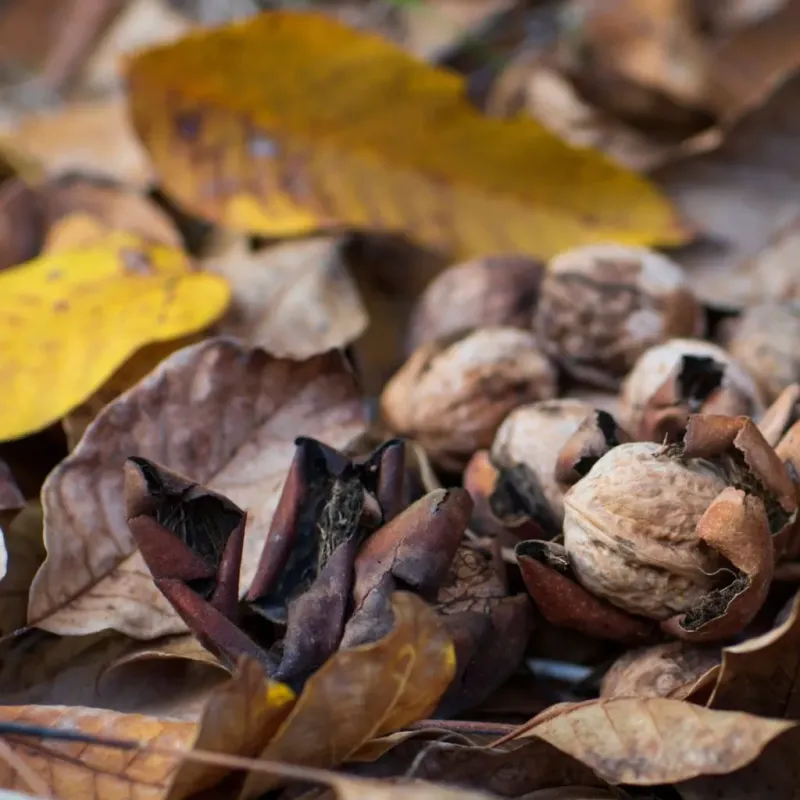
Autumn turns the ground beneath a walnut into a carpet of yellow leaves and blackening hulls. It looks cozy, yet a slow chemical delivery is underway beneath it.
Every leaf and hull that lands carries juglone. Rain and watering wash some of it into the soil, where it builds up in the top layer.
Over the years, the area right under the canopy can become a tough spot for sensitive plants. The effect builds gradually rather than all at once.
Compost offers a bright side. Juglone breaks down when exposed to air, water, and soil microbes.
Walnut leaves can go into a hot, well-turned compost pile. After several months of breaking down, the finished compost is generally safe to use, so patience pays off.
Fresh material tells a different story. Fresh black walnut leaves, bark, or wood chips spread as mulch around sensitive plants are best avoided.
Shredded walnut chips around blueberries or tomatoes often lead to wilting and yellowing leaves later in the season. Other mulch choices work far better there.
A simple routine helps a lot. Raking leaves and hulls every week or two during the fall drop keeps buildup in check.
Leaves can head to compost, while heavy loads of hulls fit better in green waste where cities collect it. Keeping that layer off beds cuts down the juglone soaking in each year, leaving fewer mystery problems come spring.
Tomatoes And Potatoes Struggle Nearby
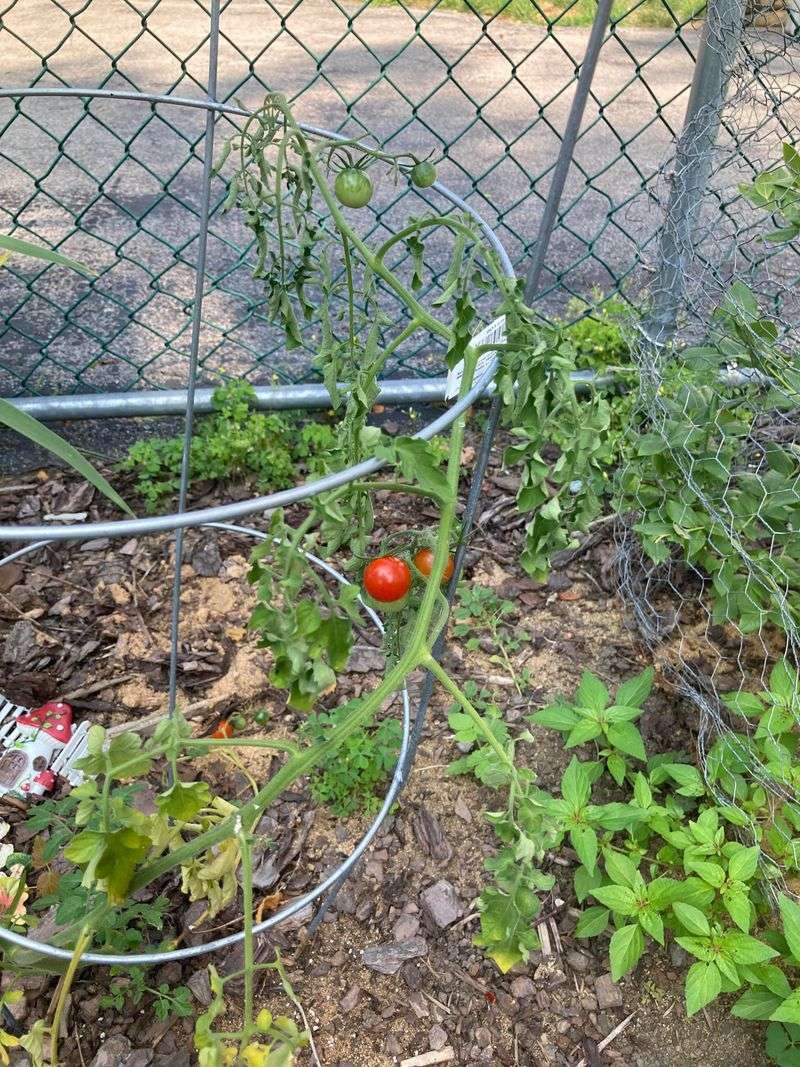
One week the tomato plants look lush, and a few days later, leaves droop at midday and refuse to perk up even after a good soak. Leaves yellow, edges brown, and stems may show dark streaks inside.
Many gardeners blame wilt disease first. Tomatoes, however, rank among the plants most sensitive to juglone.
University horticulture guides list them near the top of the sensitive group. Symptoms can resemble fusarium or verticillium wilt, which makes the real cause easy to miss.
Their cousins share the problem. Potatoes, peppers, and eggplants all belong to the nightshade family, and gardeners regularly see them falter near black walnuts.
Potatoes may wilt early and produce small, disappointing harvests. The pattern tends to repeat each season.
Location offers the best clue for telling juglone from disease. Plants closest to the walnut usually suffer most, while the same variety farther away grows fine.
Fast, sudden wilting in an otherwise healthy bed also points toward juglone. Those two clues together build a strong case.
Moving these crops offers the best fix. Planting them well away from the tree and its roots, ideally in full sun, suits them anyway.
Raised beds lined with a barrier and filled with fresh soil can help, though roots sometimes sneak up from below. Good drainage also seems to reduce juglone’s effect, so soggy spots are best avoided.
Nightshades given plenty of space repay the effort with a much juicier summer.
Apples, Blueberries And Azaleas Show Stress
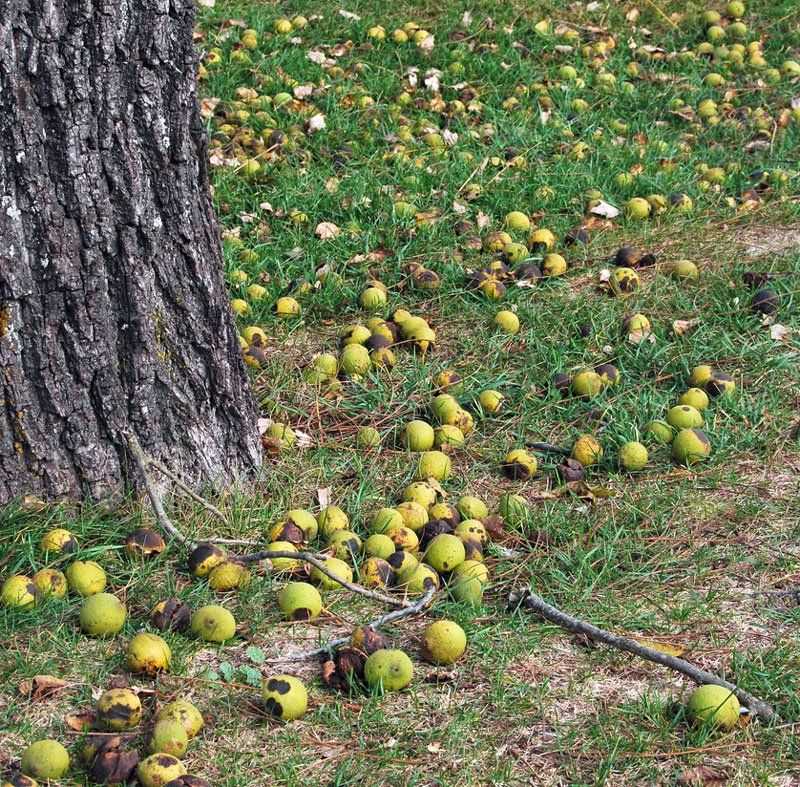
A pretty azalea that sulks for two years straight may have a walnut tree nearby to blame. Vegetables aren’t the only plants with a juglone problem.
Several shrubs and fruit trees appear again and again on university lists of sensitive plants. Apples and pears often grow poorly near black walnuts.
Blueberries, azaleas, and rhododendrons, which already prefer acidic soil, also tend to struggle. Lilac shows up on many of those lists, too.
Signs build more slowly in woody plants than in tomatoes. Yellowing leaves, stunted new growth, browning leaf edges, or branches that thin year after year may appear.
Some shrubs decline gradually over several seasons rather than all at once. That slow pace often hides the true cause.
These lists come from what gardeners and researchers have observed. They work best as patterns rather than ironclad rules.
A plant may cope in one yard and falter in another, depending on soil, drainage, and distance from the roots. Each garden tells its own story.
A quick survey of the property before buying a shrub helps. Walnuts deserve a note, including those growing on a neighbor’s side of the fence.
Sensitive picks like blueberries and rhododendrons do best placed as far from those trees as possible.
Containers offer another handy trick, since a pot filled with fresh potting mix keeps roots out of juglone-rich soil and saves plenty of money, effort, and heartache later.
Roots Reach Beyond The Dripline
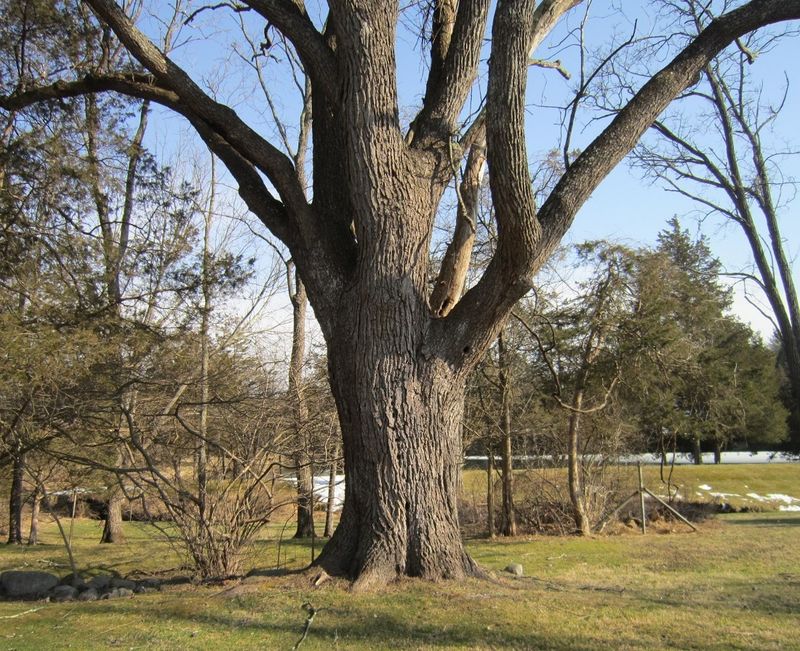
A pepper patch planted a few feet past the edge of a walnut’s branches can still start wilting by midsummer. That surprise catches plenty of gardeners off guard.
The edge of a tree’s canopy is called the dripline. Juglone runs strongest under the canopy, where roots grow thickest and leaves fall heaviest.
Walnut roots, however, don’t stop at the dripline. Roots of a mature black walnut can spread far past the branches.
University horticulture guidance notes they sometimes reach two or three times the canopy width. Anywhere those roots travel, sensitive plants may show symptoms.
Rutgers and the Morton Arboretum both point out that the danger zone stretches wider than many people expect. That reach explains plenty of mystery problems.
Soil type plays a role, too. Heavy clay that stays wet can hold more juglone around roots, while well-drained soil seems to lower the impact.
Compost added to improve drainage, along with careful watering that avoids standing water, can tip the odds in a garden’s favor. Small changes add up.
As a practical rule of thumb, sensitive crops do best at least 50 to 80 feet from a large black walnut when space allows. Smaller yards may not offer that much room.
Tolerant plants work best in the closest spots, while far corners suit tomatoes and blueberries. Observing where plants thrive and where they stall reveals, over time, just how far a walnut’s roots truly wander underground.
Juglone Lingers Years After Removal
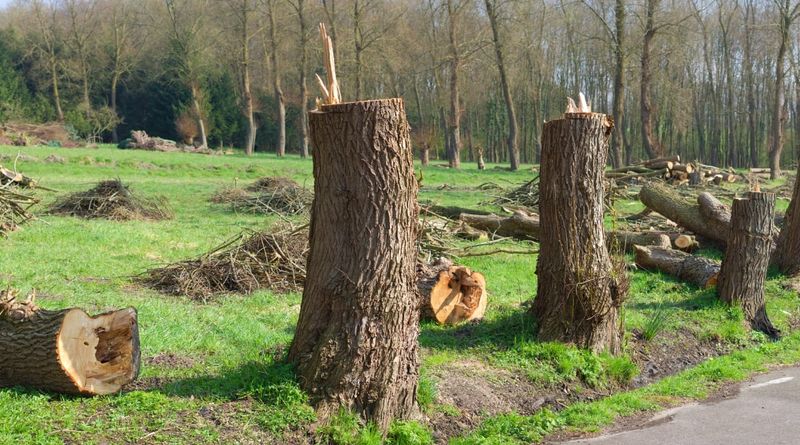
Cutting down a walnut can feel like a fresh start.
The stump gets ground, sunlight pours in, and a new vegetable garden goes in that spring, yet tomatoes may still yellow as if the tree never left.
Roots explain the problem. Even after the trunk is gone, a large network of roots stays underground.
As those roots slowly decay, they keep releasing juglone into the soil. The process can continue for several years.
Exact timing depends on the size of the tree, the soil, and how quickly roots break down. University sources often suggest waiting a few years, with larger trees needing even longer.
Warm, moist, well-drained soil rich in microbes speeds decay. Cold or compacted soil slows it considerably.
Removing as many roots as reasonably possible helps. Large roots near the stump can come out, and chips from stump grinding deserve raking and removal.
Those chips belong well away from vegetable beds. Fresh walnut wood chips make a poor mulch for sensitive plants.
The space doesn’t have to sit empty in the meantime. Tolerant crops like beans, corn, squash, onions, and beets fit nicely during the waiting years.
Raised beds with new soil offer another solid bridge.
A trial with one or two tomato plants each spring tells the story. Once they grow happily, the old roots have finally loosened their grip, and the full garden can move back in.