Put Down The Pruners For These 7 Michigan Plants This October
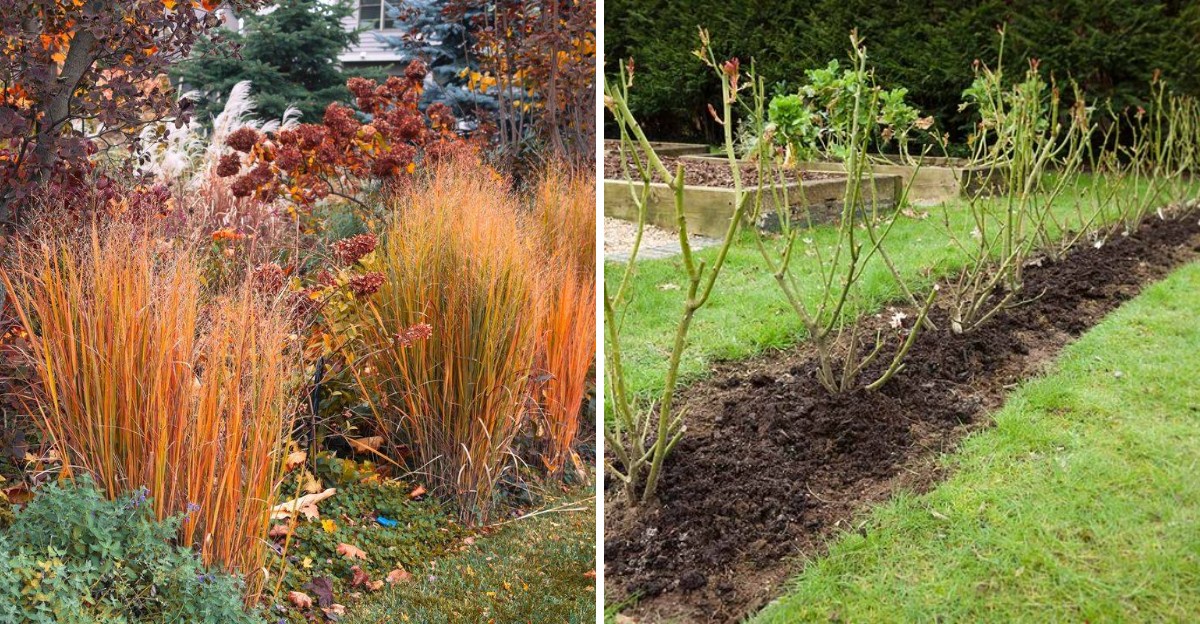
October looks like cleanup season, and your pruners are probably itching to get started. Wait. Some Michigan plants are not ready for a trim.
A few are already forming next year’s flower buds on the stems you want to cut. Pruning them now removes the blooms before they ever open. Others are still sending energy down to their roots, and cutting too soon interrupts that process.
A few simply need the shelter of old stems and leaves through winter. Warm autumn days make it easy to forget these rules. The plant does not know what the weather is doing, only what the season says.
Seven common favorites belong on the do-not-touch list. Leave them alone for now, and next year’s garden will look better for it.
1. Lilacs Already Hold Next Spring’s Flower Buds
Few scents say spring in Michigan like a blooming lilac by the back porch. Those purple clusters feel like a reward after months of gray skies. The secret to getting them every year starts with what you do, or don’t do, in October.
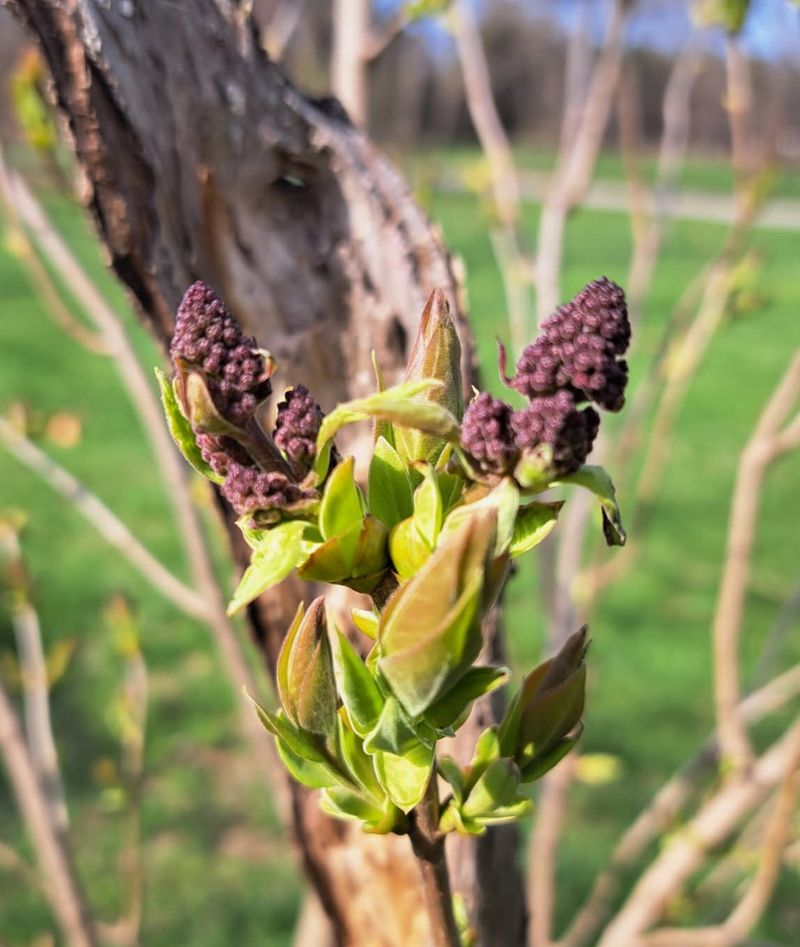
Lilacs set their flower buds in summer, just a few weeks after the old blooms fade. By the time fall rolls around, next year’s flowers are already tucked into small buds along the branches.
If you trim the shrub now, you are cutting off those future blossoms, and you may end up with a green bush and almost no flowers in May.
Timing makes all the difference. The best moment to prune lilacs is right after they finish flowering in late spring. That gives the plant plenty of time to grow fresh stems and form new buds before winter.
Older lilacs also love a little renewal. Each year, remove a few of the oldest, thickest stems right at the base. Doing so lets sunlight reach the center and encourages strong young shoots, which usually bloom better than tired old wood.
Fall still allows a light touch, though. Feel free to cut out broken branches or wood that is clearly lifeless, since those parts will not flower anyway. Just leave healthy stems alone until spring.
Michigan is a great place for lilacs because they actually need cold winters to bloom well. Our long, chilly months help them rest and prepare for a big show.
Many old farmhouses across the state still have lilacs planted generations ago, proof of how tough these shrubs can be. So put the pruners back in the shed for now. Your nose will thank you next spring.
2. Forsythia Has Formed Its Early Spring Flowers
After a long Michigan winter, that first burst of bright yellow forsythia feels like sunshine you can touch. It often shows up when snow still lingers in shady corners. Nothing else announces the change of seasons quite so loudly.
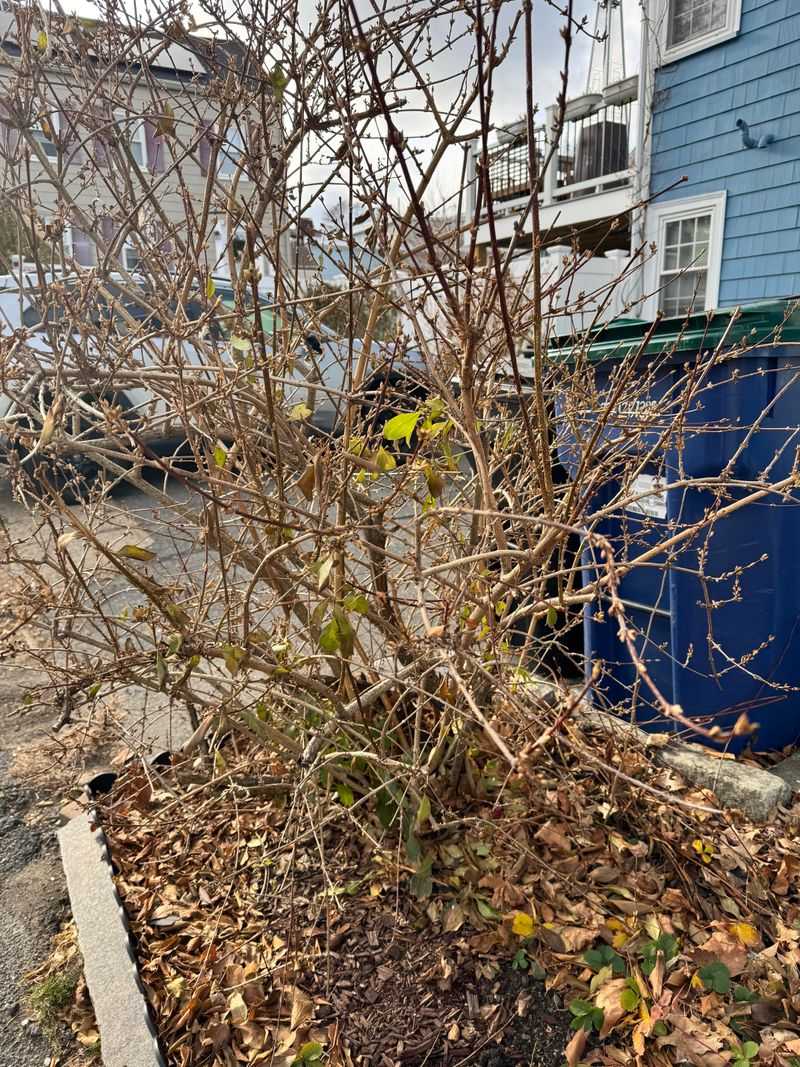
Here is the catch. Forsythia blooms on stems that grew the previous year, and its flower buds are already formed by fall. An October trim snips away the very flowers that would brighten your yard in March or April.
Your Michigan Garden Changes Every Week. Your Plan Should Too.
Gardening in Michigan changes quickly throughout the season. Every Friday you’ll receive a simple weekly plan showing exactly what to plant, prune, fertilize, harvest, and protect so you never miss the right timing.
Patience pays off with this shrub. Wait until the yellow flowers fade in spring, then prune right away. The plant will spend the rest of the growing season building new stems that carry the next round of blooms.
Renewal pruning works wonders for forsythia. Every year, cut a few of the oldest, woodiest stems down to the ground. Young stems replace them quickly, and the shrub stays full, fresh, and loaded with flowers.
Many people shape forsythia into tight boxes or balls with hedge shears. It might look neat, but shearing removes lots of flower buds and leaves the shrub looking stiff. Forsythia looks best with its natural, arching, fountain-like shape, so let it relax a little.
Michigan gardeners have good reason to protect these blooms. When spring arrives slowly, forsythia gives us one of the earliest hints that warmer days are coming.
Some folks even cut a few branches in late winter and bring them indoors, where they open into yellow flowers in a vase within a couple of weeks.
That little trick is the only cutting this shrub needs before spring. Otherwise, let it rest and save your energy for raking leaves.
3. Bigleaf Hydrangeas Need Their Stems For Next Year’s Blooms
Bigleaf hydrangeas can break a gardener’s heart. One year they explode with giant blue or pink blooms, and the next they offer nothing but leaves. Fall pruning is often the reason.
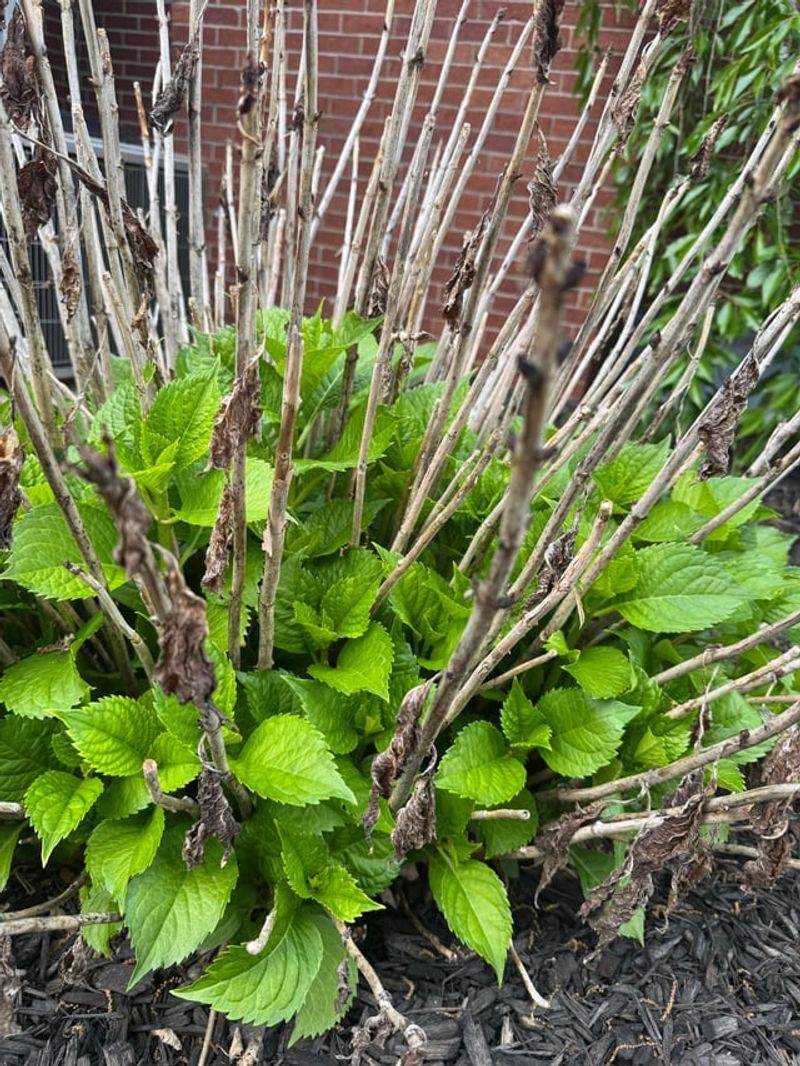
Most bigleaf hydrangeas, known by the name Hydrangea macrophylla, bloom on old wood. That means the flower buds for next summer are already sitting on this year’s stems.
Cut those stems back in October and you remove the flowers before they ever get a chance.
Leaving the stems in place does another helpful job. The woody canes and even the dried flower heads give the buds a bit of shelter from harsh weather. Every bit of protection matters when winter gets rough.
For fall care, keep things simple. Snip off faded flower heads if they bother you, and remove any broken stems. Leave everything else standing.
Spring is the time for a closer look. Once new green leaves appear, you can easily tell which stems made it through winter and which did not. Trim back any brown, brittle sections to the first healthy bud.
Reblooming varieties are a smart choice for Michigan yards. Types such as the Endless Summer series flower on both old and new growth, so you still get blooms even if winter damages the older buds.
They take some stress out of growing these showy shrubs. Our cold winters often harm hydrangea buds, especially in open, windy spots.
A layer of mulch around the base and a sheltered planting site can help a lot. In a state where so many buds struggle through January, saving every one you can makes a real difference.
4. Rhododendrons And Azaleas Have Set Their Buds
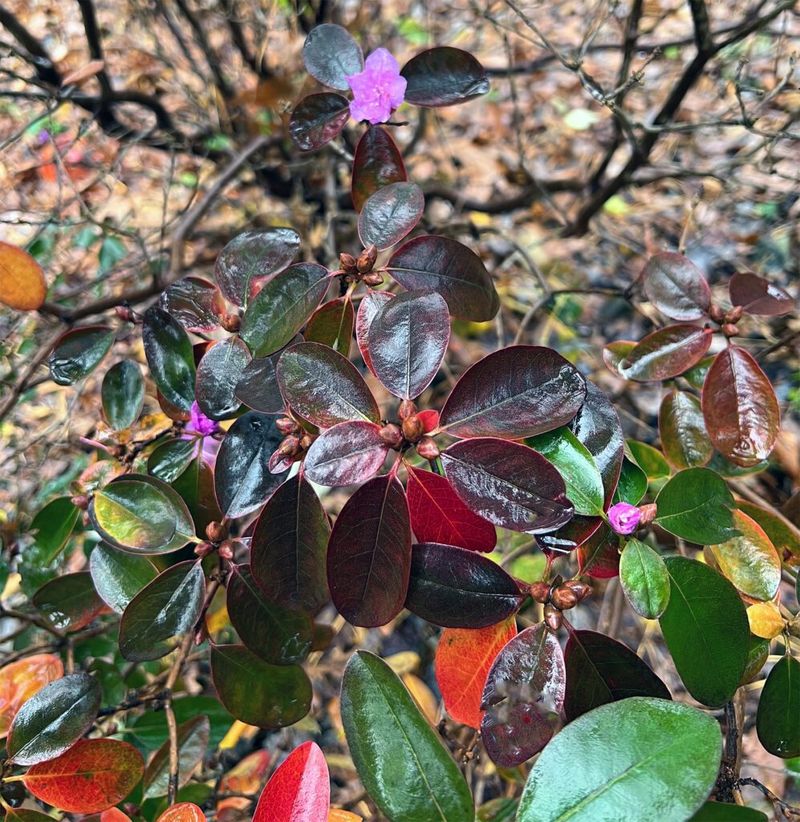
Take a walk past a rhododendron this month and look closely at the tips of its branches. See those fat, rounded buds? Each one holds a cluster of spring flowers just waiting for warmer weather.
Rhododendrons and azaleas form next year’s flower buds during summer. By fall, the bigger, plumper buds at the tips are flower buds, while the thinner, pointed ones will become leaves.
Pruning now removes those precious flower buds, and your spring show shrinks to almost nothing.
The right time to prune is shortly after the plants finish blooming in spring. A quick trim then gives the shrub all summer to set new buds. Keep cuts light, since these plants rarely need much shaping.
Deadheading helps, too. After flowering, gently snap off the spent flower clusters with your fingers. Work carefully, because tiny new shoots grow right beneath the old blooms, and you want to leave them unharmed.
Location matters as much as pruning. Plant rhododendrons and azaleas in a sheltered spot, away from drying winter winds and harsh afternoon sun.
Evergreen types lose moisture through their leaves in winter, so a protected site and a good drink of water before the ground freezes go a long way.
Michigan gardeners have plenty of cold-hardy choices. Many varieties, including the well-known PJM rhododendron and the Northern Lights azaleas bred in Minnesota, handle frigid temperatures well. Even so, their buds face a long, tough season.
Leaving those buds untouched gives your shrubs the best chance to bloom. Come spring, you will see the payoff in bold pinks, purples, and whites.
5. Roses Should Wait Until Spring
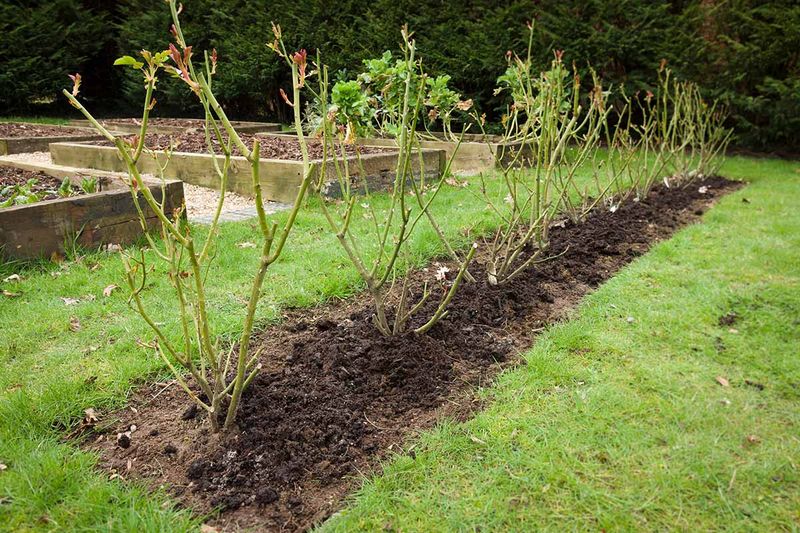
Roses might look scraggly by October, and the temptation to tidy them up is real. Resist it. A heavy fall haircut can actually leave your roses weaker going into winter.
Pruning sends a signal to the plant to grow. In fall, that means soft new shoots that will not have time to toughen up before freezing weather hits. Those tender stems get damaged easily, which stresses the whole plant.
Michigan winters also cause some cane damage almost every year. If you prune in fall, you might cut healthy wood now and then lose even more to the cold later.
Waiting until spring lets you see exactly which canes made it, so you can trim back to green, healthy wood with confidence.
Fall care is light and easy. Remove only canes that are diseased, broken, or clearly lifeless. Clean up fallen leaves around the base to help reduce black spot next year.
Here is a helpful habit: stop deadheading in late summer. Letting the last flowers fade and form rose hips tells the plant it is time to slow down and prepare for winter. Those colorful hips look pretty, too.
Tender roses, such as hybrid teas, appreciate extra protection. Mound soil or mulch about a foot high around the base after the ground starts to freeze. Shrub roses bred for cold climates usually need less fuss.
Spring is when the real pruning happens. Watch for buds beginning to swell, often around the time forsythia blooms. That is your signal to grab the pruners and shape your roses for a strong, healthy season ahead.
6. Ornamental Grasses Add Winter Interest And Protection
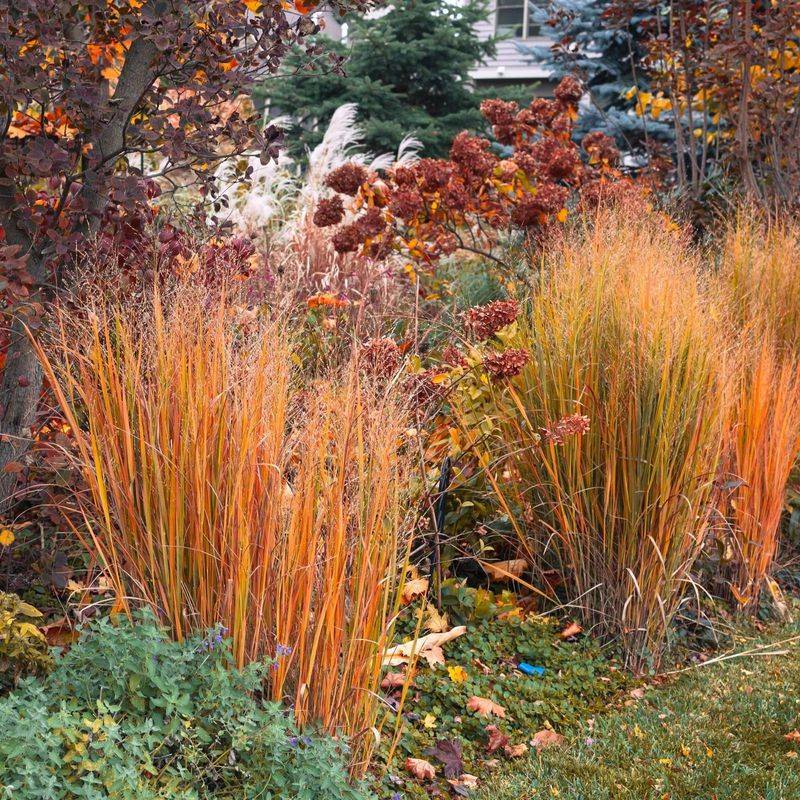
Winter gardens in Michigan can look pretty empty. Months of white and gray stretch on, and color feels like a distant memory. Ornamental grasses change that picture completely.
Left standing, their dried stems and fluffy seed heads bring texture and movement to the yard. They sway in the breeze, glow in low winter sunlight, and catch snow in soft, lovely ways.
A clump of grass dusted with frost can look like something out of a holiday card. Beauty is only part of the story.
Those standing stems help protect the crown of the plant, which is the spot where new growth starts each spring. The old foliage traps snow and acts like a cozy blanket against bitter cold.
Birds benefit as well. Native grasses offer seeds to snack on and shelter from wind and predators. Sparrows and juncos often hop around grass clumps searching for food on snowy mornings.
Care could not be simpler. Leave your grasses alone all winter, then cut them back to a few inches tall in early spring, before fresh green shoots appear. Tying the clump together with twine first makes cleanup quick and tidy.
Several grasses do especially well here. Little bluestem, a native, turns a gorgeous coppery red in fall.
Switchgrass, another native, holds up nicely through heavy snow, and feather reed grass, especially the popular Karl Foerster variety, keeps its upright shape all season long.
So skip the fall chop. These hardy plants give back all winter long, adding charm when your garden needs it most.
7. Coneflowers And Black-Eyed Susans Feed Birds And Shelter Insects
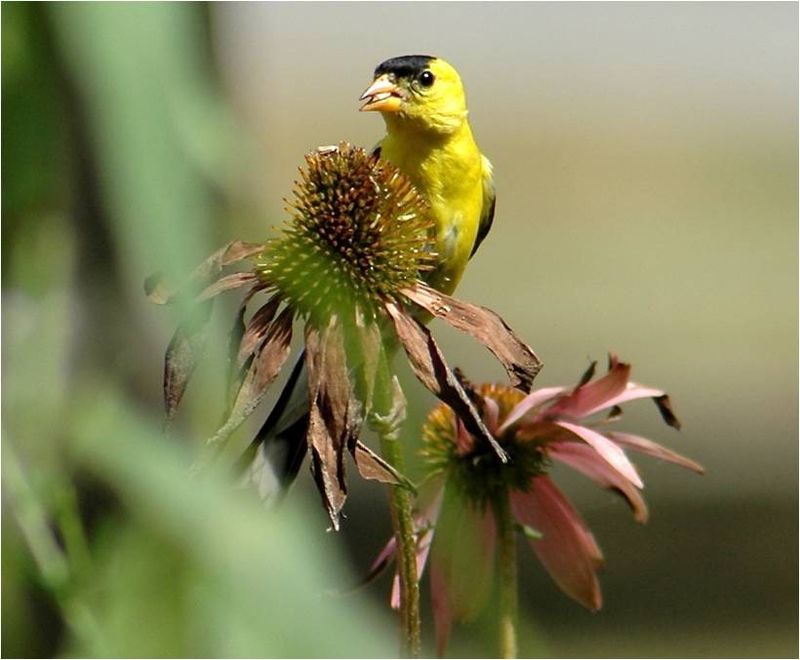
Watch a goldfinch cling to a dried coneflower on a chilly morning, and you will never look at fall cleanup the same way again. Those brown seed heads are a feast. Cutting them down means taking food right off the table.
Purple coneflower and black-eyed Susan both produce plenty of seeds. Goldfinches, juncos, chickadees, and other birds pick at them well into winter, when food can be hard to find. Your garden becomes a natural bird feeder without any extra effort.
Hidden helpers rely on these plants, too. Many native bees and other beneficial insects spend winter inside hollow or pithy stems. Some tuck themselves into leaf litter nearby, so a slightly messy garden is actually a welcoming one.
Fall care means doing very little. Leave healthy stems and seed heads standing until spring. If any foliage shows signs of disease, such as powdery mildew, remove just those parts to keep problems from spreading.
Spring cleanup takes a thoughtful approach. Instead of cutting everything to the ground, trim stems to varying heights, somewhere between 8 and 24 inches.
New growth will hide the old stems quickly, and some bees will use those hollow tubes as nesting sites in the coming season.
Black-eyed Susan is native to Michigan, and purple coneflower is native to nearby parts of the eastern and central United States, so both are valuable for local wildlife.
They have grown in prairies and meadows across the region for thousands of years. Black-eyed Susan is even the state flower of Maryland, though it feels right at home here.
Letting these flowers stand through winter is a small choice with big rewards. You get cheerful birds, healthier insects, and a garden full of life.